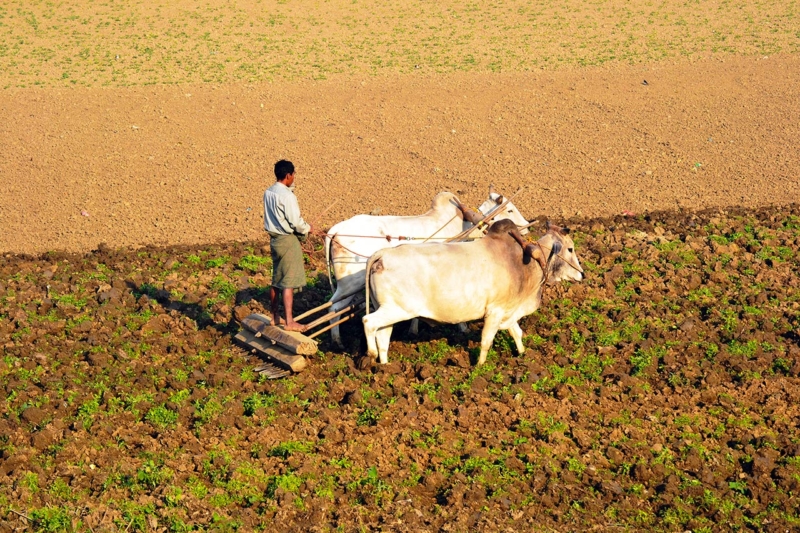
Myanmar
December 2015

Unknown…  mysterious… beloved…

In the spring of 2015, I suddenly felt a strong pull toward Asia. I started reading about it online, and Vietnam caught my attention—especially the northern part, with its beautiful landscapes and rice terraces. But none of my friends were interested in joining me on this adventure, so I decided to look for a travel buddy online. On one of the forums, I met a girl who had already been to Vietnam several times. But this time, she was interested in Myanmar.


“Myanmar? What’s that? Oh, is that Burma? Where is it?” — questions like that were spinning in my head. In the end, in December 2015, I went to this mysterious country, and that’s when my love for Southeast Asia began.

Unfortunately, I didn’t keep a travel journal back then, and now I really regret it. So my story will be more like a photo album with short impressions from the trip.


I have to say, it was one of the most open times in Myanmar’s history — a so-called “thaw.” After many years of military rule, the regime had loosened for a while. Now the government has changed again, and the military has returned to power, which makes travel to some places I visited back then much harder. Even at that time, we had to use a travel agency that booked hotels, bought boat and bus tickets, and arranged flights and transfers. Nobody there had even heard of Booking.com. In short, it was a unique and unforgettable trip.


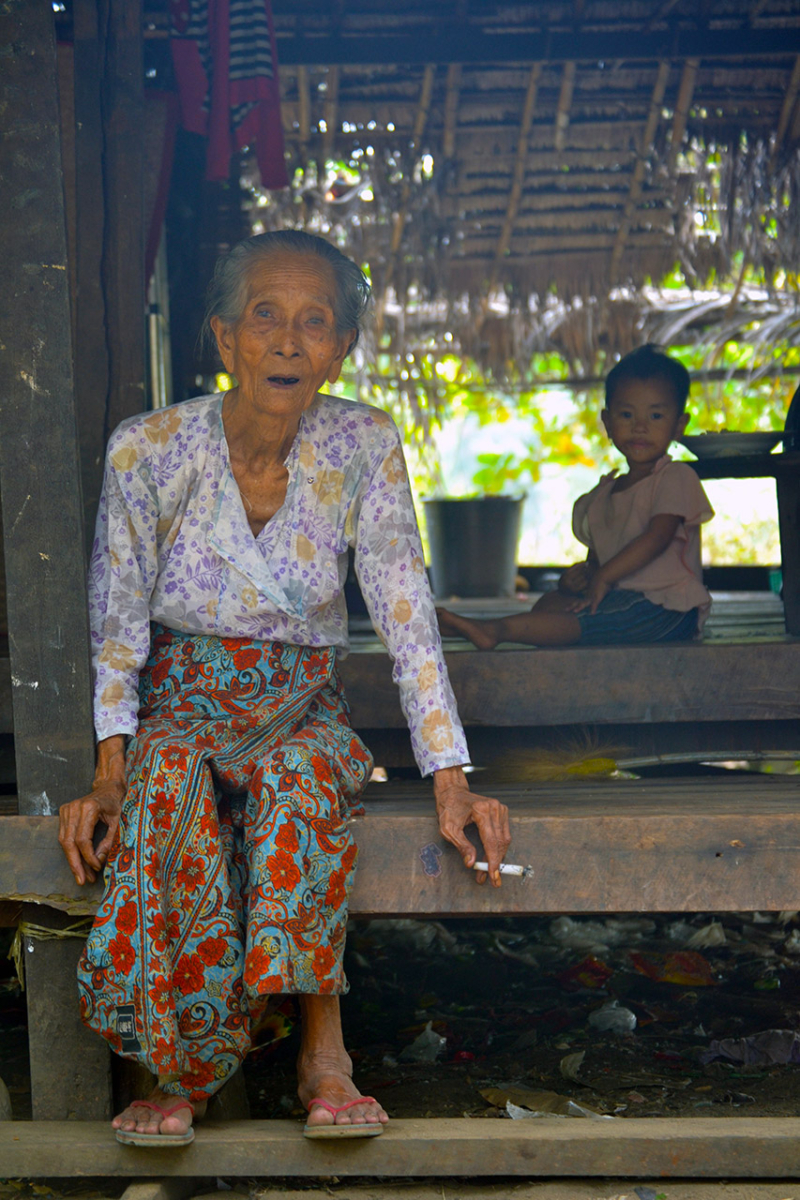
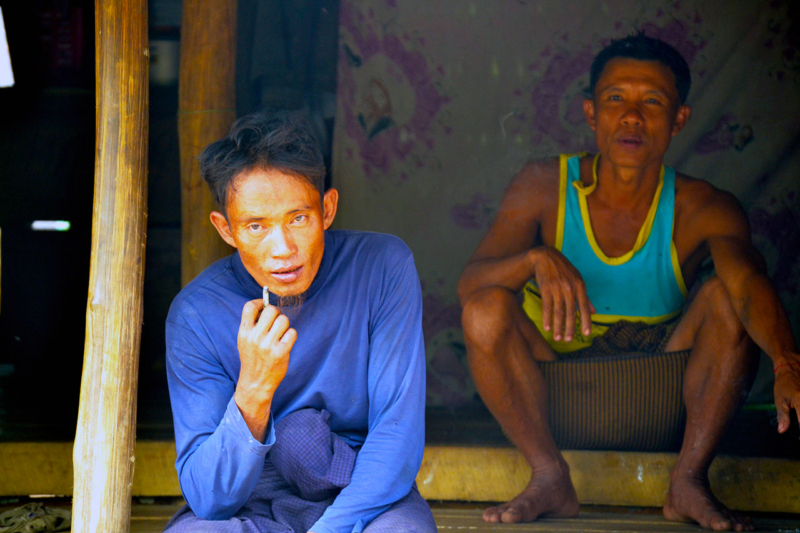
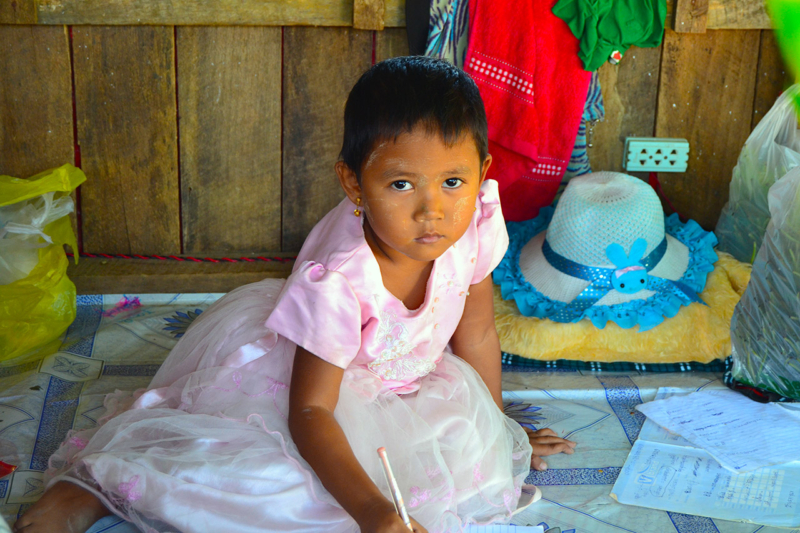
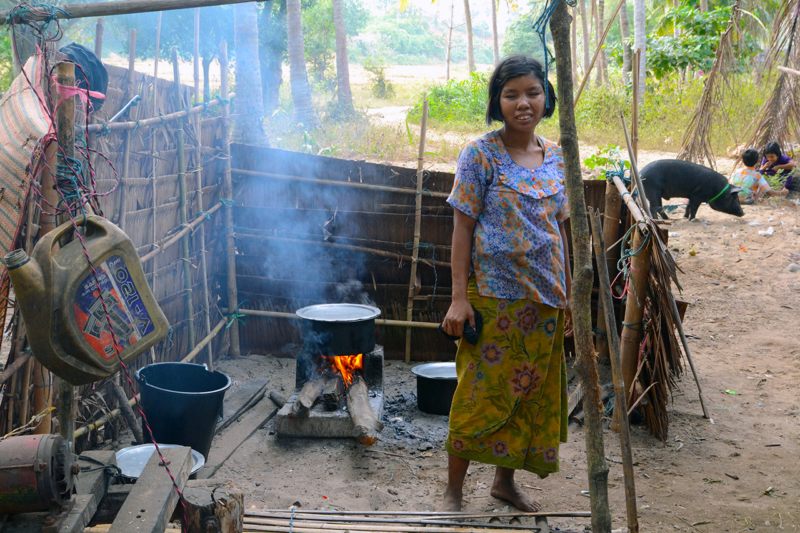
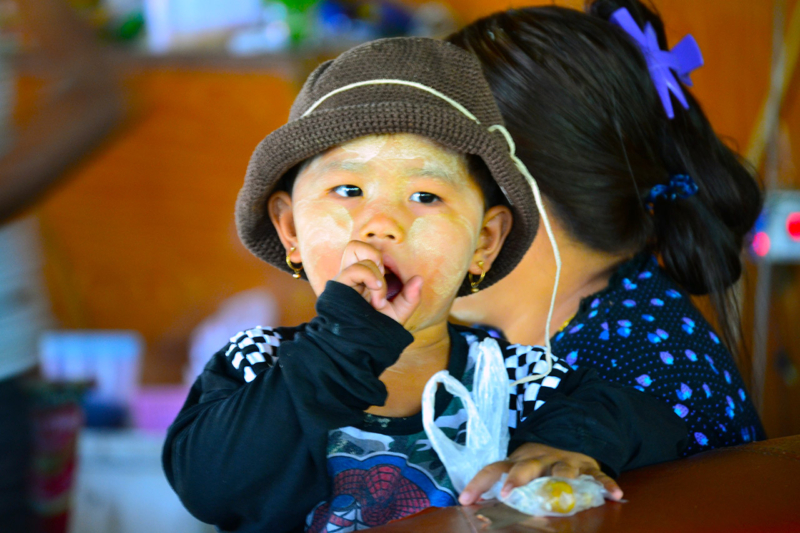
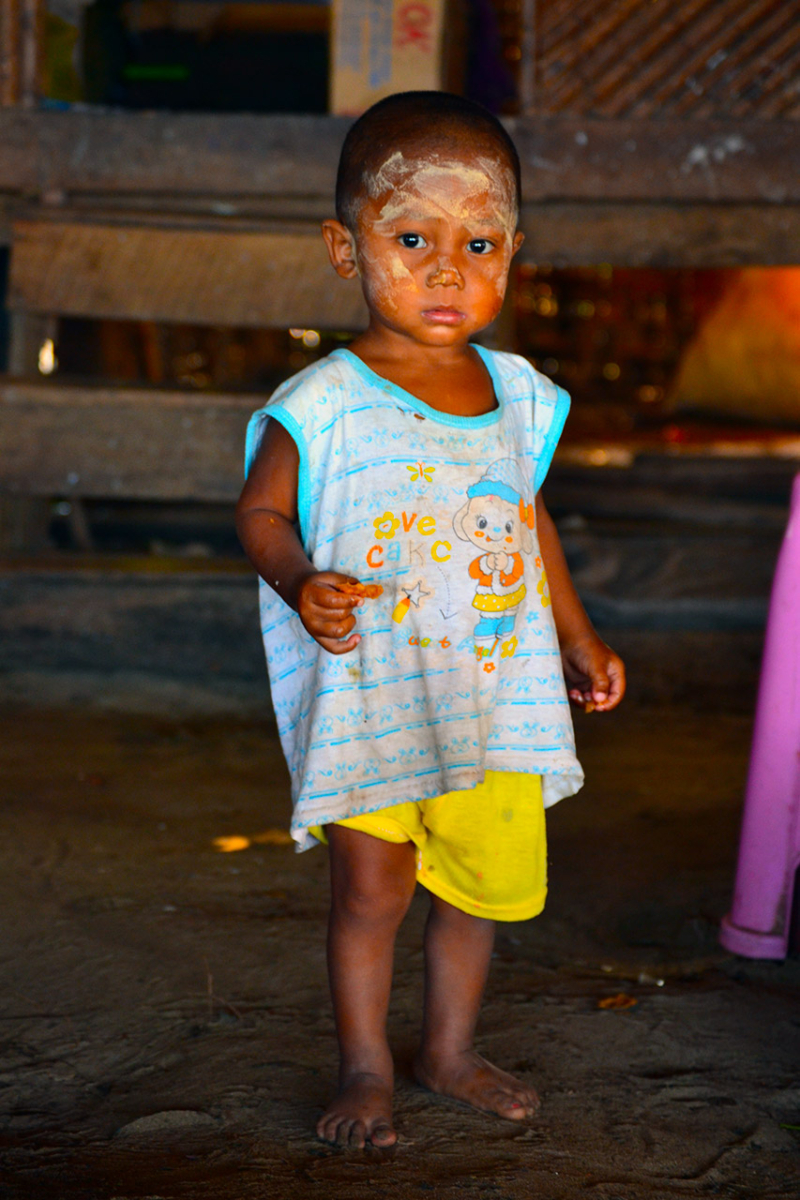
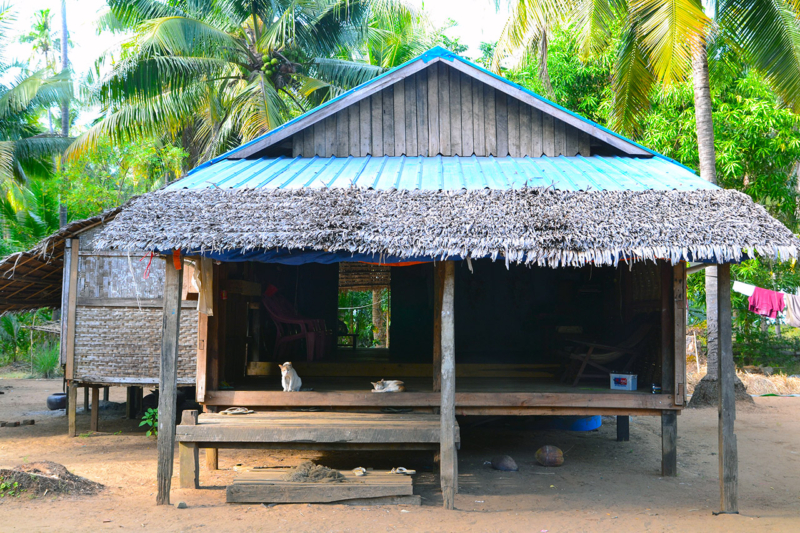
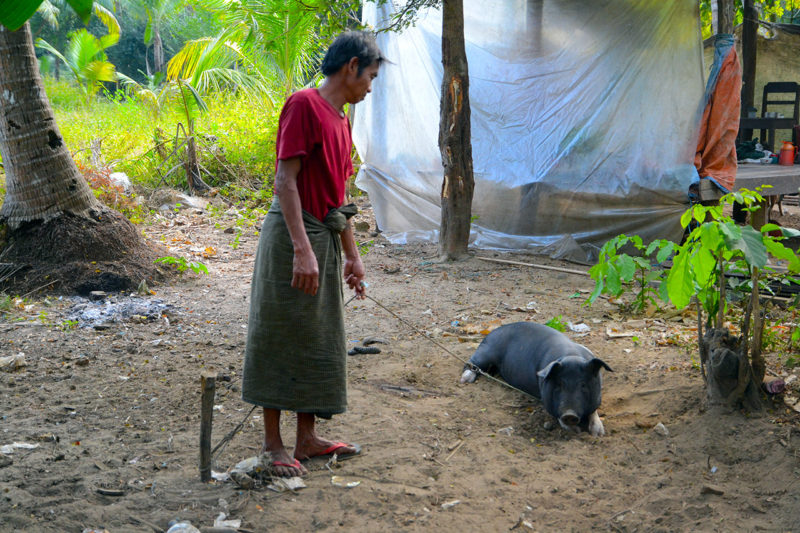
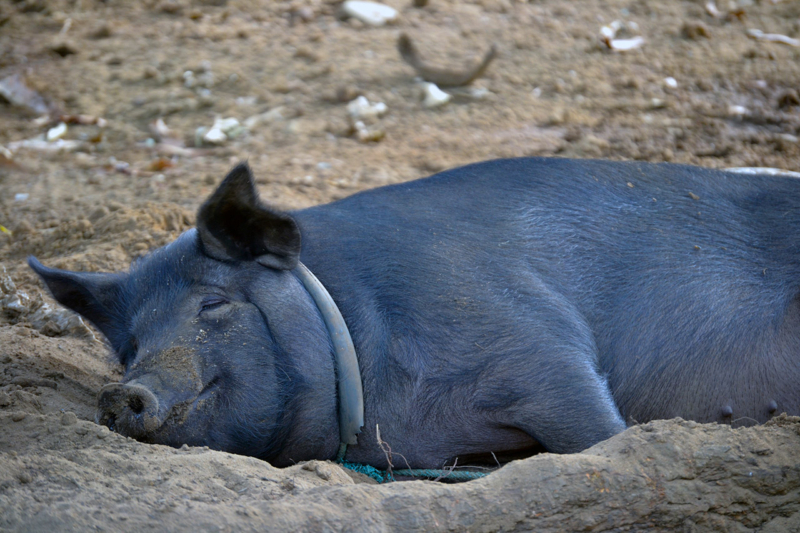
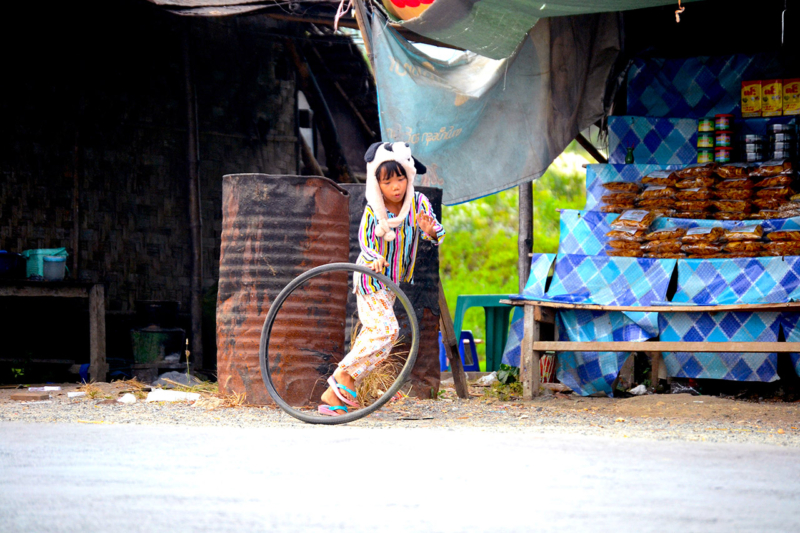
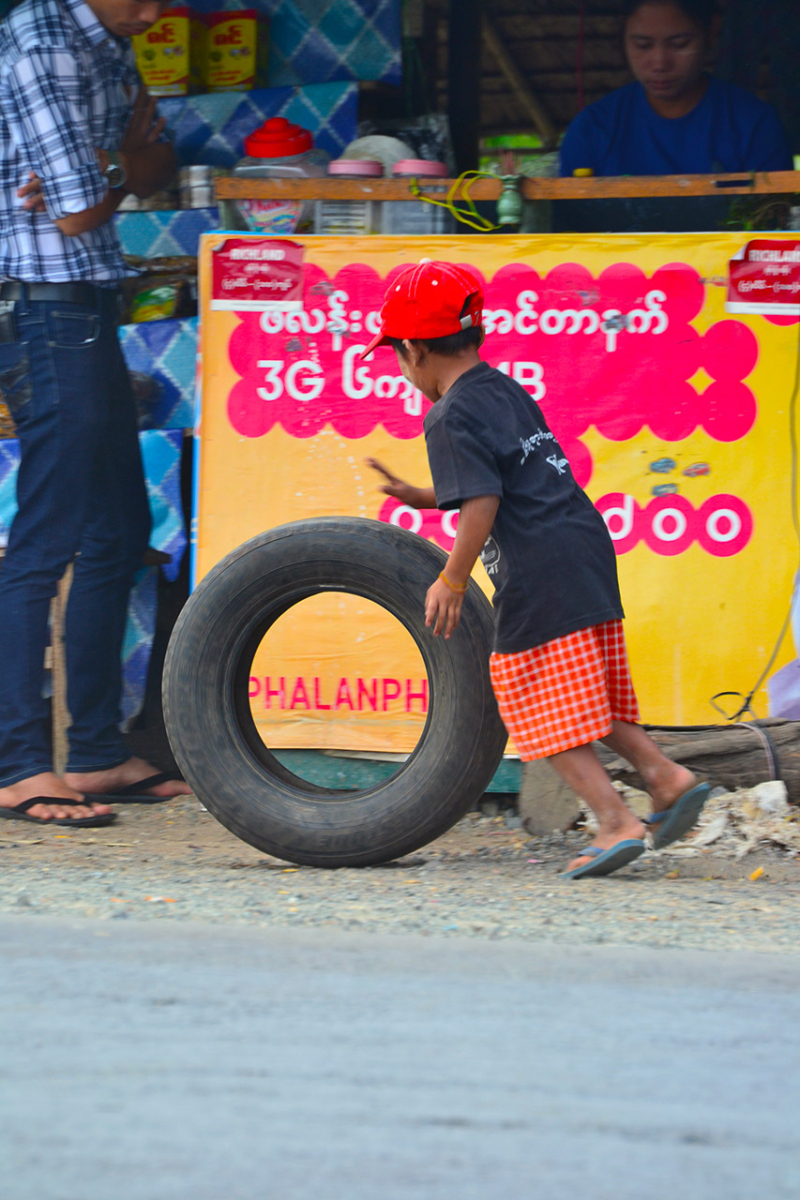
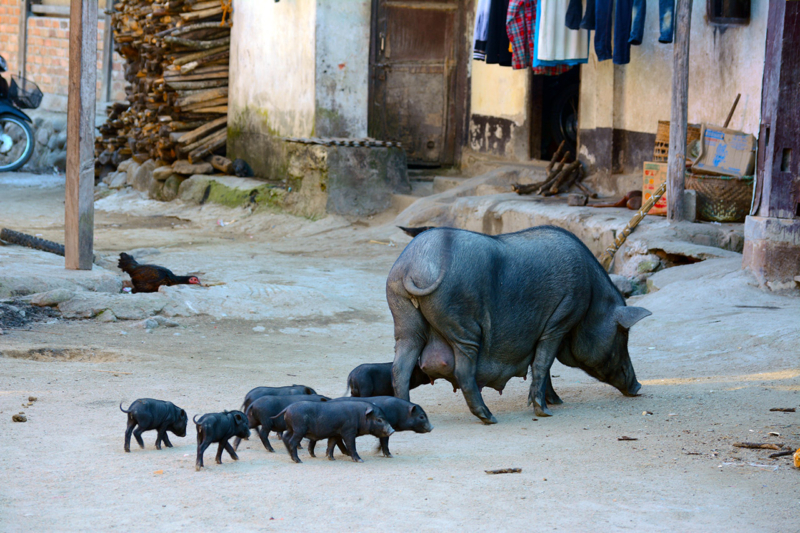
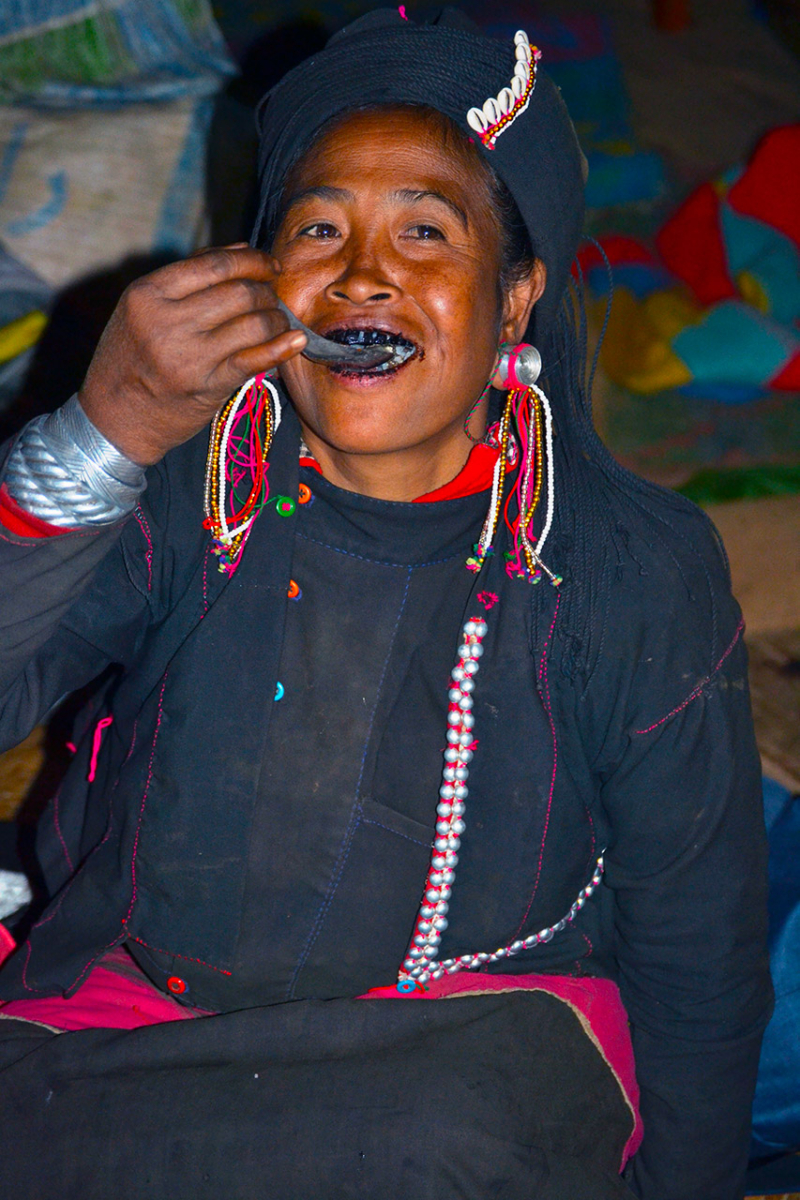
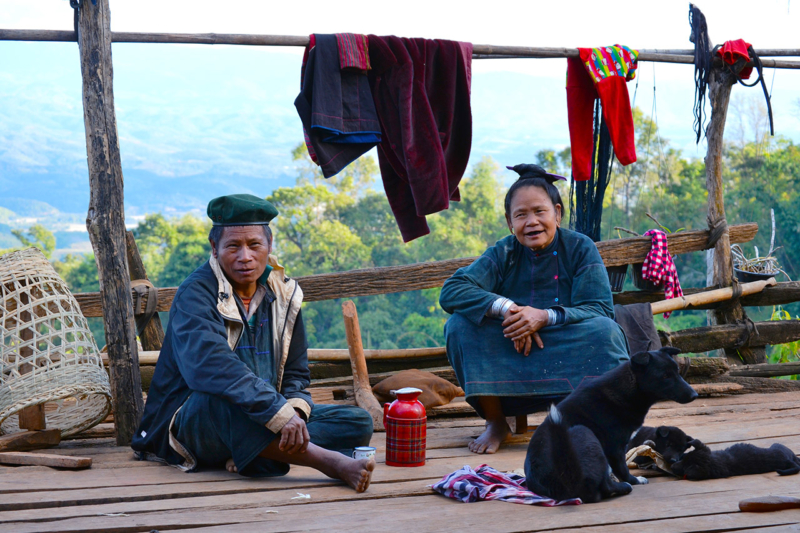
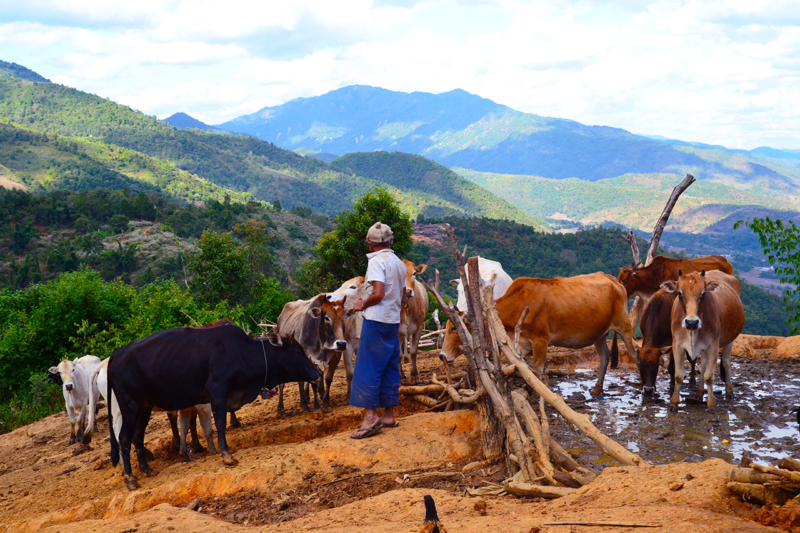
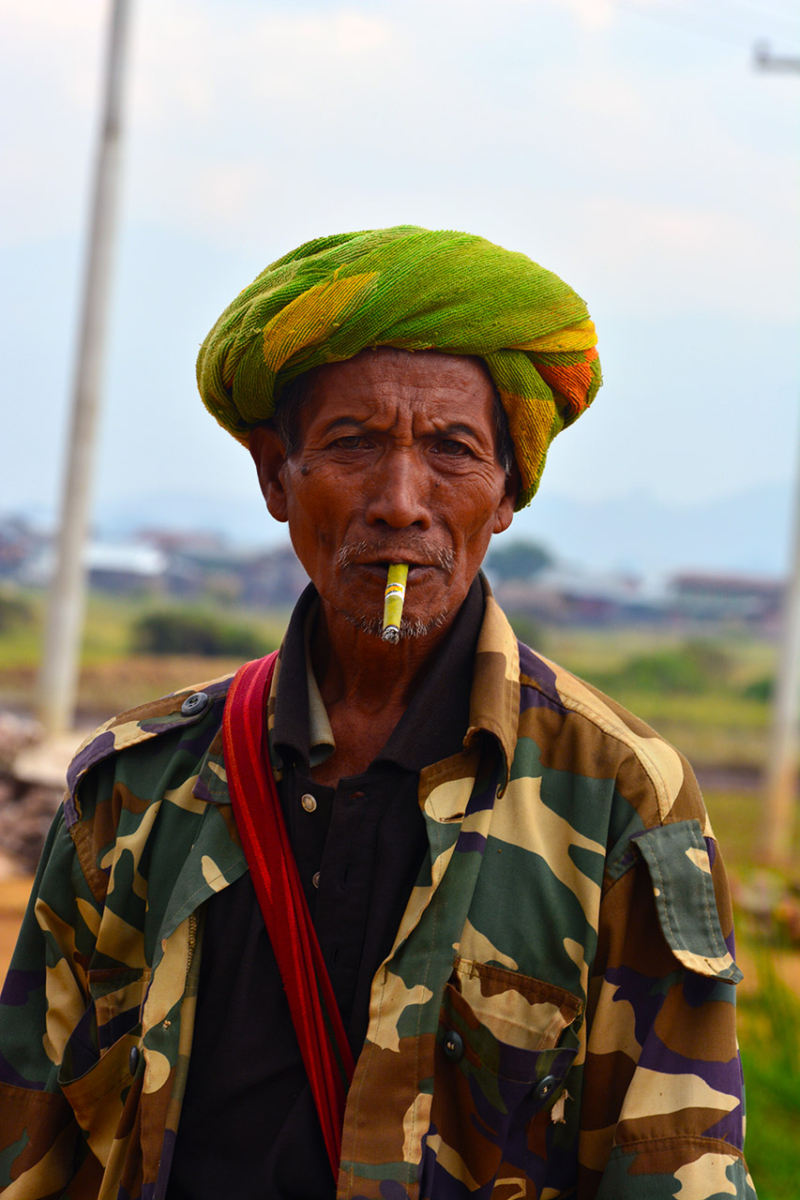
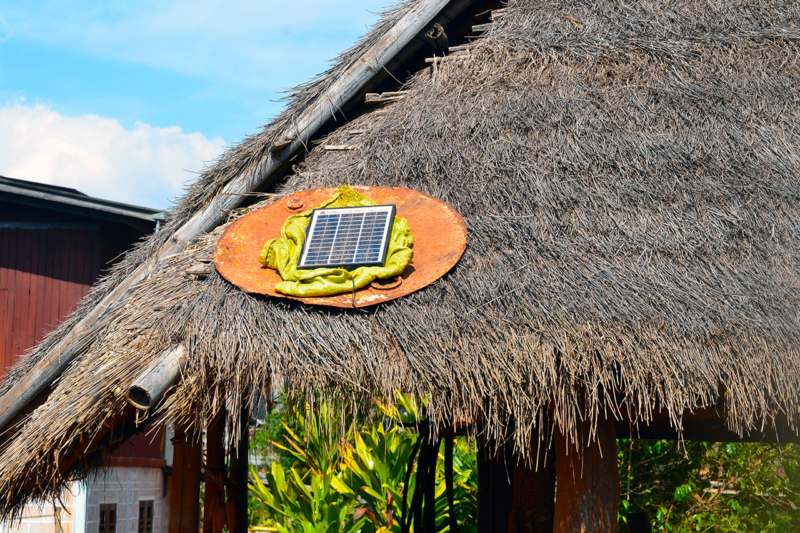
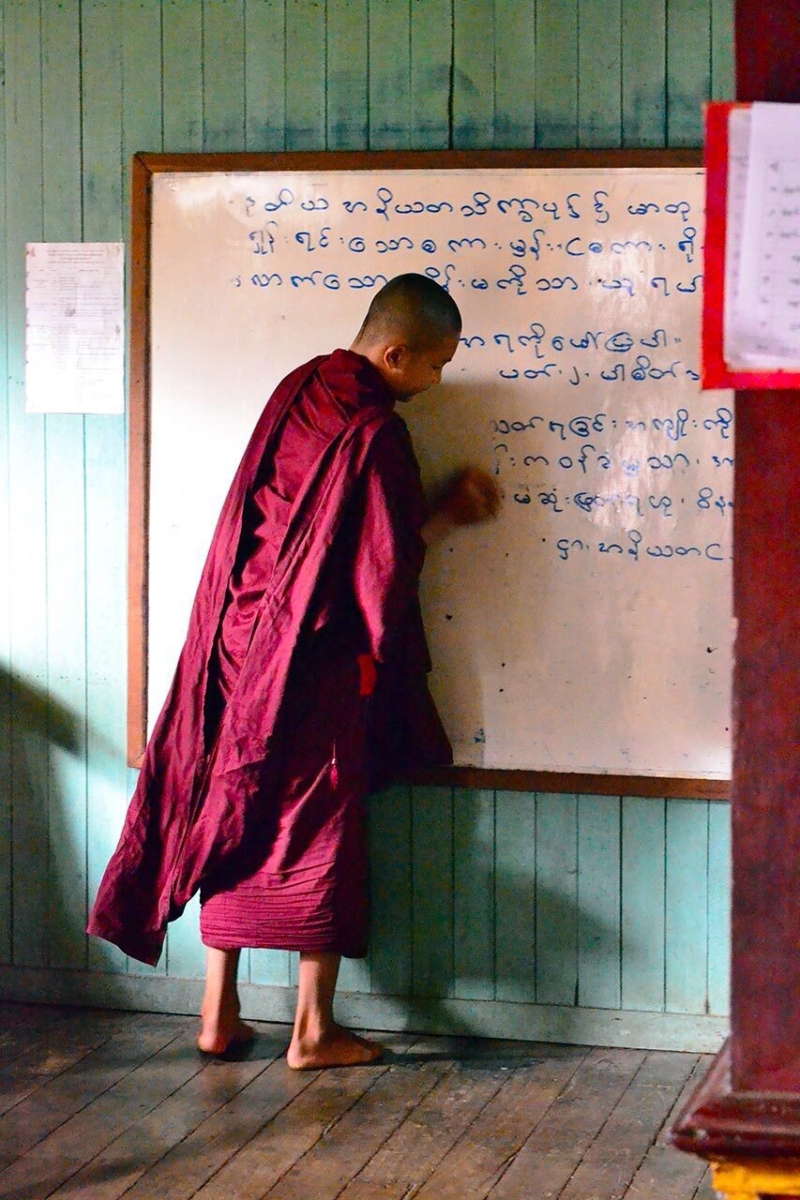
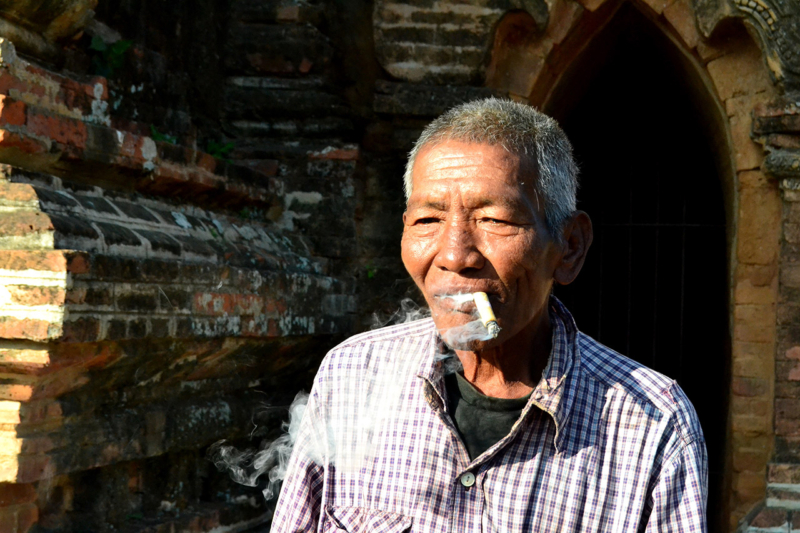
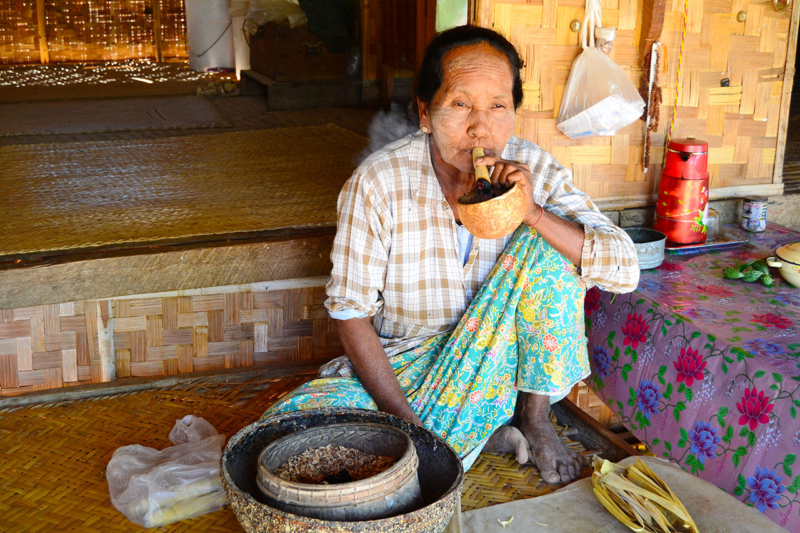
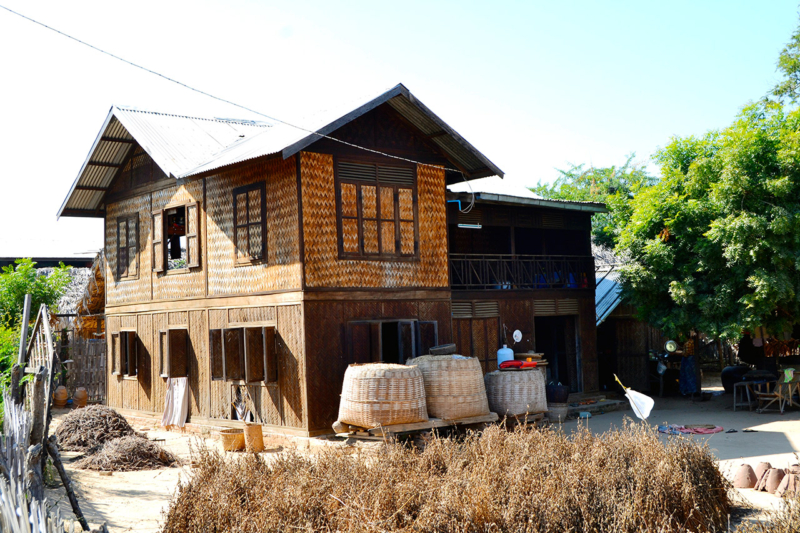
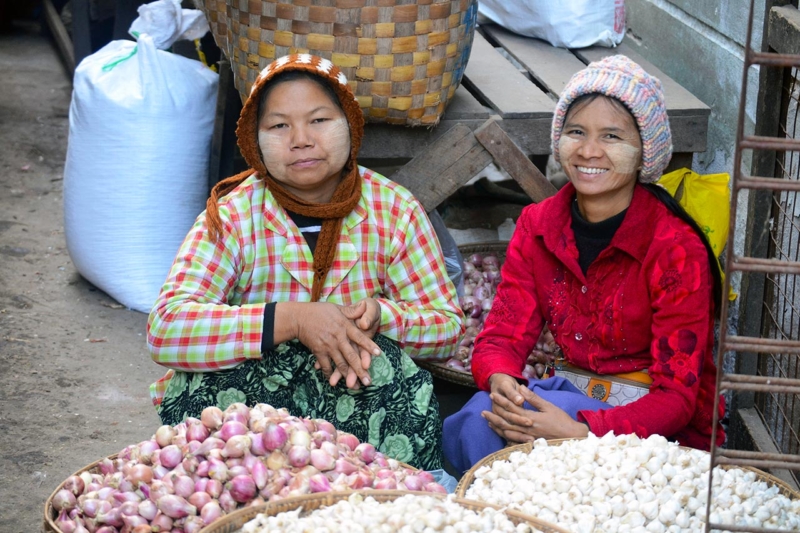
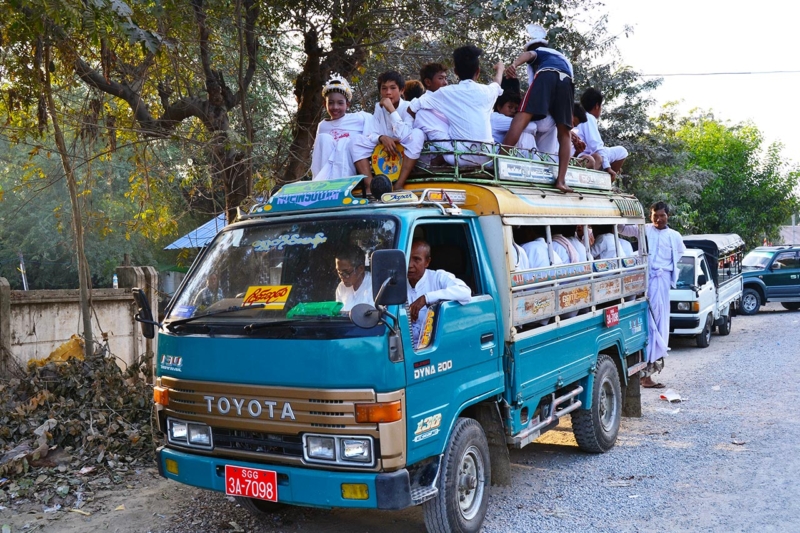
It was one of those places where reality feels like a dream. Men in skirts, faces painted with thanaka, and mouths red from betel — looking like they’re full of blood. Mud-floor huts with a fire in the middle of the village where people cook their meals — and above the fire, as a strange contrast, a plasma TV powered by a solar panel. Chickens and pigs live alongside people like neighbors. During those three weeks, I was constantly amazed. It didn’t even occur to me to take notes. I just soaked everything in like a sponge. I was surprised, I watched, I felt. And the most amazing thing — I never felt a bit of fear. Nowhere and never — before or after — have I felt as safe as I did there. Among these people, with their blood-red smiles, in those poor but lively villages, I felt completely in harmony with the world around me.


That experience reminded me how little we really know about the world. How easy it is to judge someone else’s life without understanding it. There, among the huts and fires, I saw not just poverty, but a life that follows its own rules. A life where the past and future meet in the present, creating something unique and hard to explain. A place where people are curious, open, and happy to see you.


The trip to Myanmar started with a real marathon of flights. My route was like a puzzle: Helsinki — Moscow — Guangzhou — Kuala Lumpur — Yangon. Every layover meant a new city, a new airport, new experiences. But that’s what made the trip so exciting. I felt like a true explorer, moving step by step toward my goal. A long layover in Guangzhou was my first taste of China — one of its biggest megacities, with locals who didn’t speak a word of English and Visa and Mastercard cards that didn’t work — quite an adventure. That’s why in Kuala Lumpur we didn’t even leave the hotel during our long layover, except to visit the pool.


The return trip was just as interesting. We flew out of Mandalay, and our route was: Mandalay — Bangkok — Guangzhou — Moscow — Helsinki. From the ancient temples of Mandalay to the busy streets of Bangkok, from modern airports in Guangzhou to the familiar Domodedovo in Moscow, and finally, back to the gray and gloomy Helsinki.

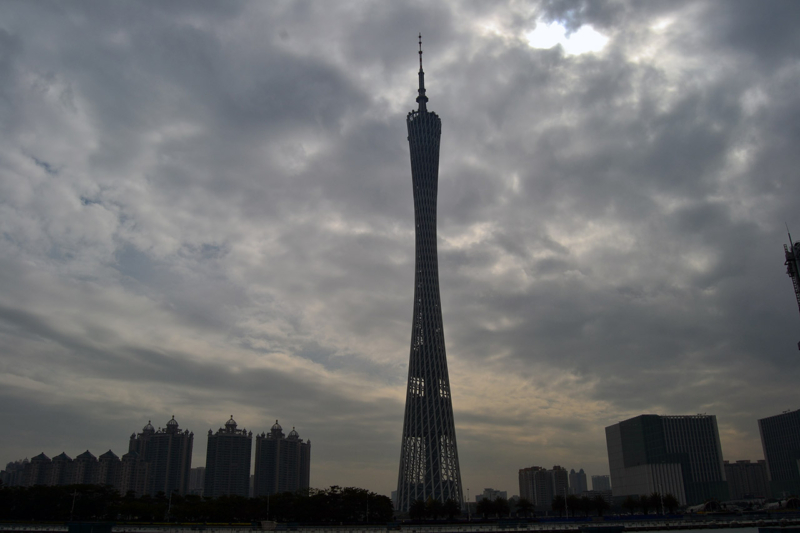
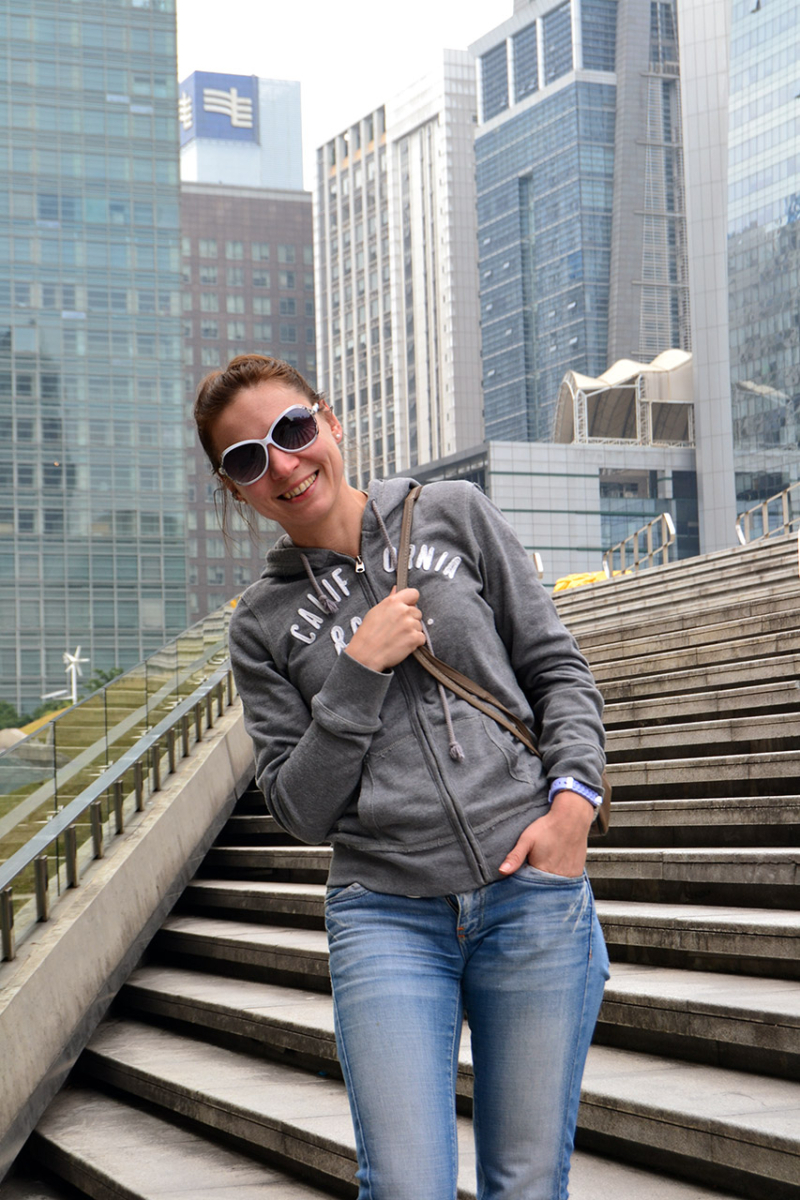
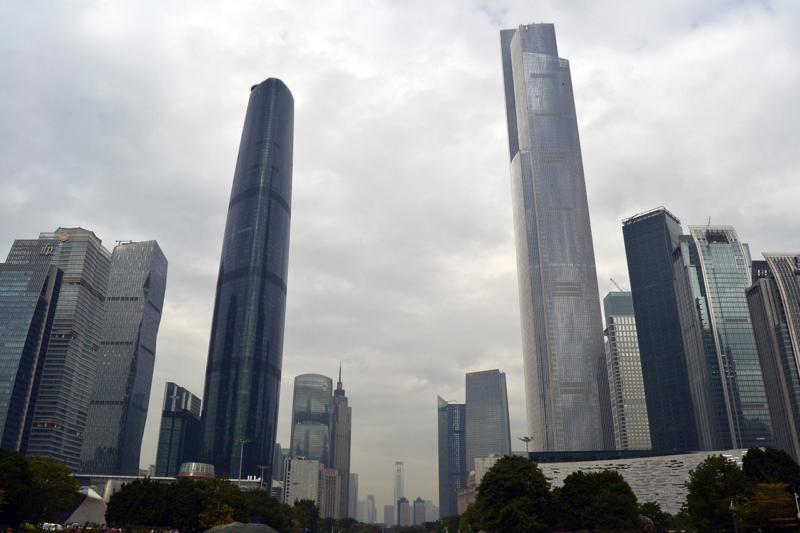
And in the photo — gray Guangzhou. I don’t know why it looks gray. In fact, the sun was so bright it hurt my eyes and made them tear up constantly, even though the sky was full of clouds.

Such complicated logistics might seem exhausting, but for me, they became part of the adventure. Every flight, every layover was a chance to see something new, to feel like a part of a big world where borders are just lines on a map.

I would really love to return to Myanmar. I fell in love with this country so deeply, but now everything has changed. The situation is completely different, and what was once easy to access now feels out of reach.


Take Kengtung, for example — a city I adored for its atmosphere. Now it’s in the hands of rebels and no longer controlled by the national army. Inle Lake, which I’ve dreamed of seeing again, has also become difficult to visit — it now requires multiple permits, and safety is a serious concern.


Even during my first visit in 2015, things weren’t simple. We weren’t able to visit Mrauk U — one of the most famous sights in Rakhine State. At the time, there was conflict between local Muslim communities and Burmese forces, and traveling there was not possible. So the tattoo-faced tribes I so badly wanted to meet remained out of reach for me. Sadly, the situation has only gotten worse since then.


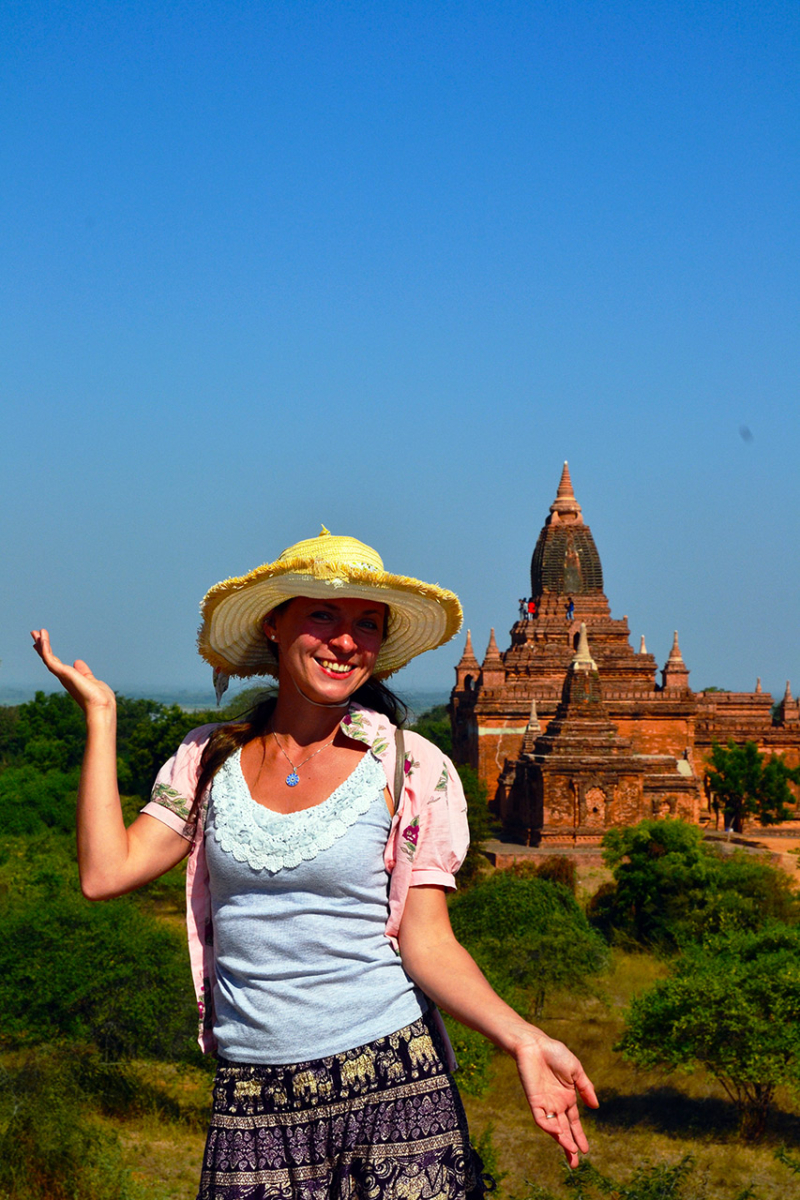
News of terrorists taking tourists hostage makes you think twice: is it really worth the risk? Of course, there are still areas tightly controlled by the military, but in my view, they’re far less interesting — maybe with the exception of Bagan.

I was really lucky with my travel companion. She was more interested in seeing how people really live than just visiting the famous temples you see on every postcard. Together, we planned a very unusual trip, which turned into a true adventure for me.


Normally, a beach holiday comes at the end of a trip, but in our case, it was at the very beginning. We decided to start with some rest so we could gather energy for the adventures ahead. It turned out to be the perfect choice — later on, a beach just wouldn’t have fit into our busy schedule.

After the beach, we traveled to Kengtung, where something truly unique was waiting for us — visits to ethnic minority villages. These small tribes live near the borders of Laos, Thailand, and China, and they still follow traditional ways of life. For us, it was a total shock: their daily routines, their culture, their clothing — everything felt so different and amazing.


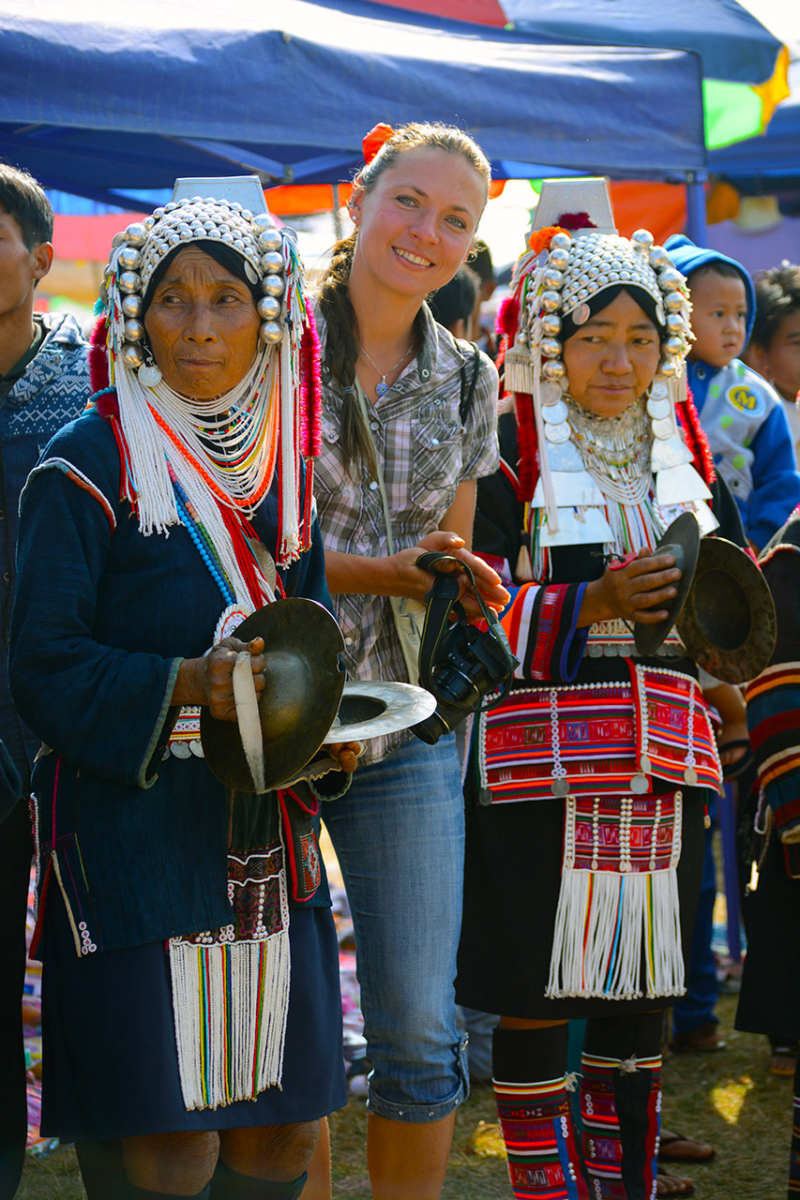
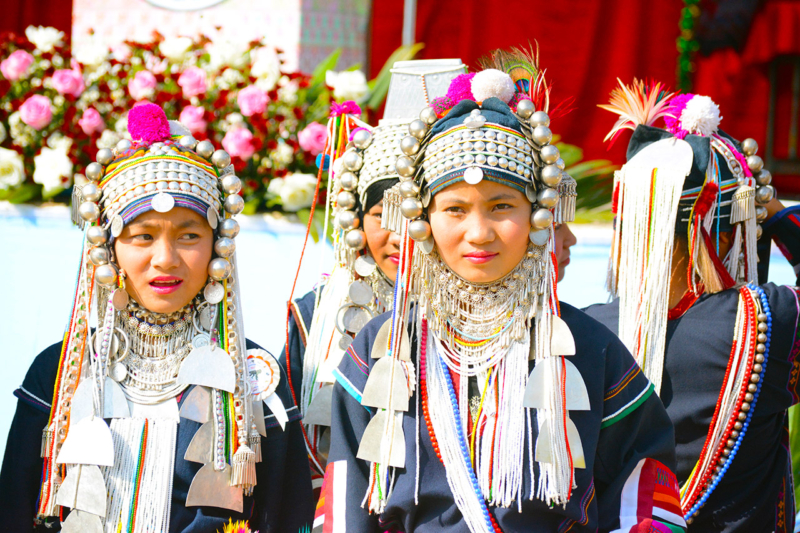
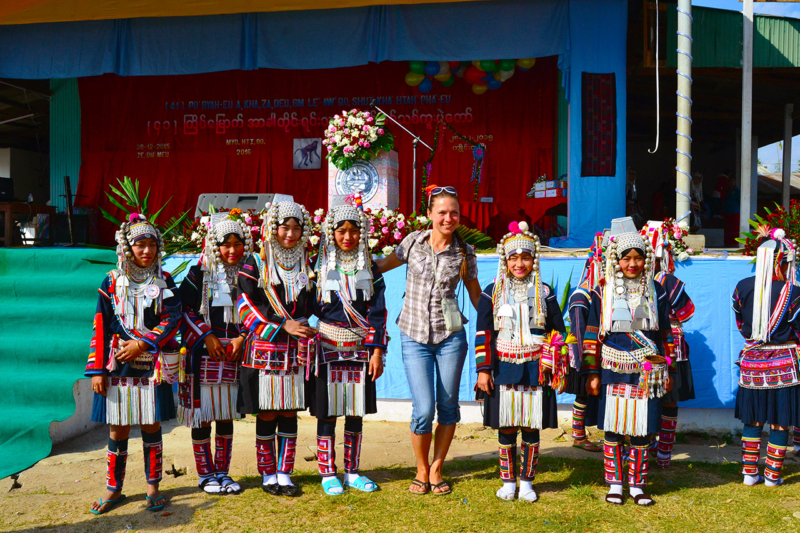
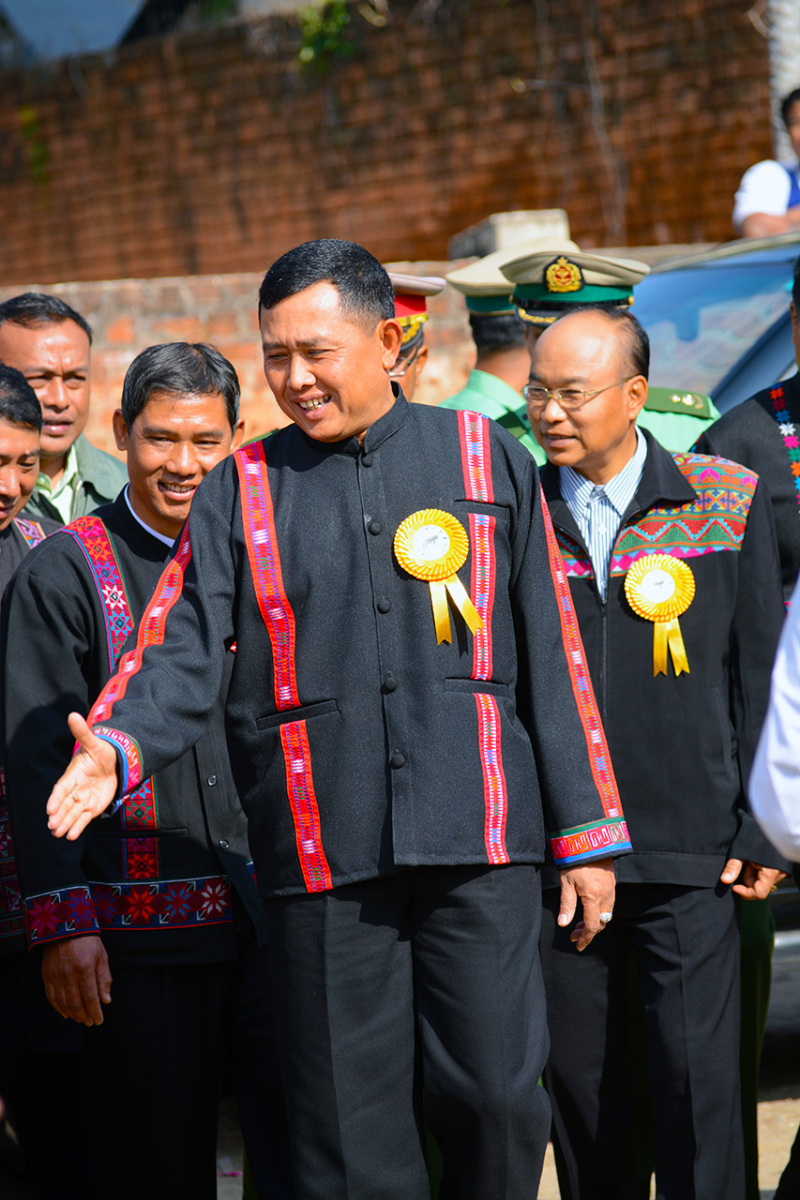
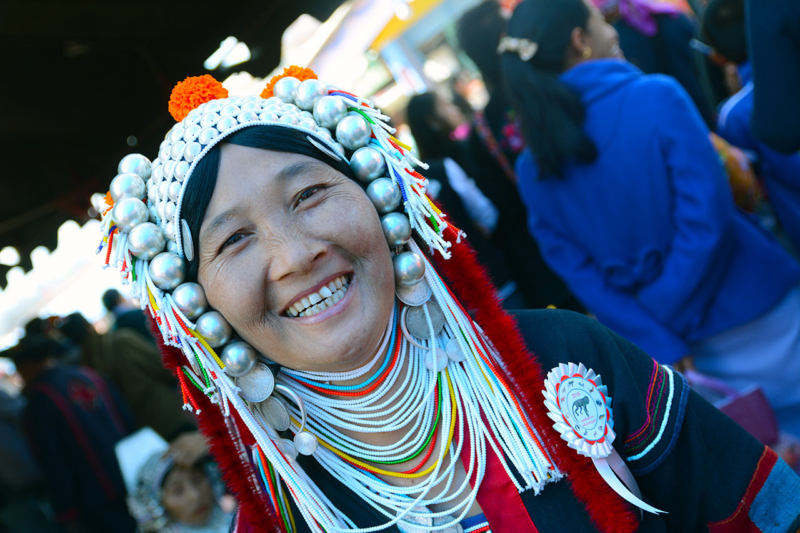
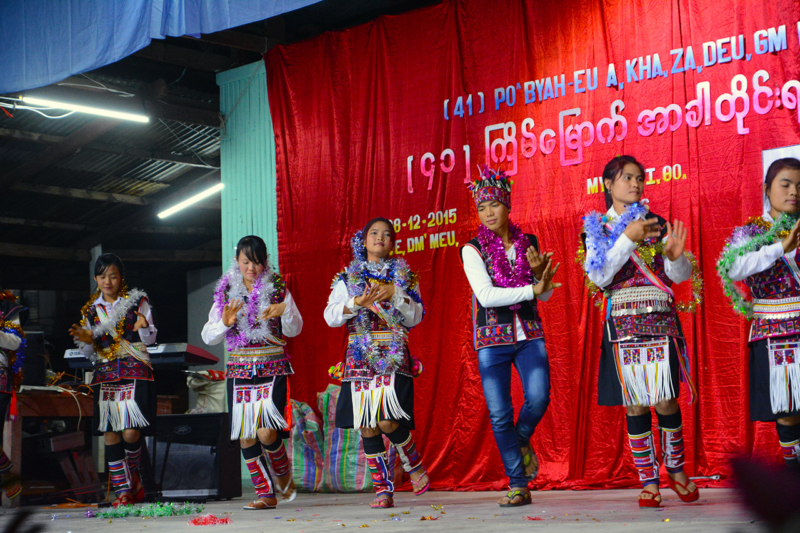
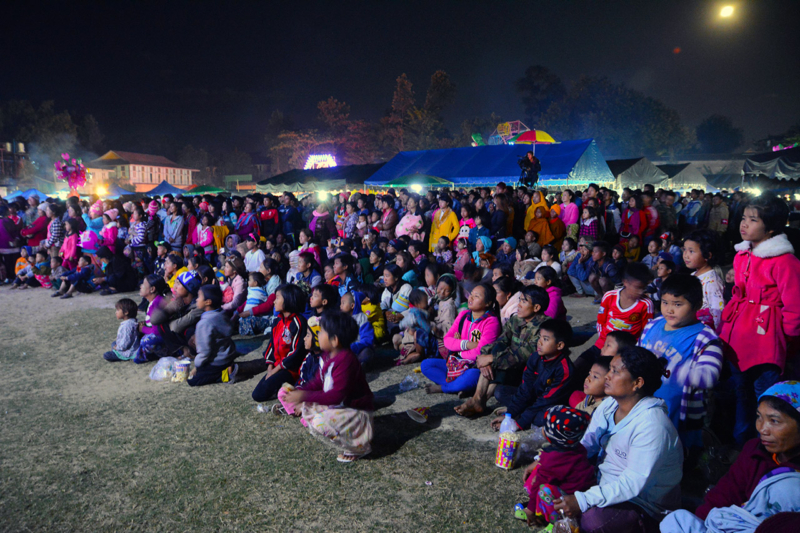
We also happened to arrive in Kengtung at the end of December, just in time for the Akha tribe’s festival. It became one of the highlights of our journey. We fully immersed ourselves in the festive atmosphere, watched traditional rituals, and even got to taste local food.

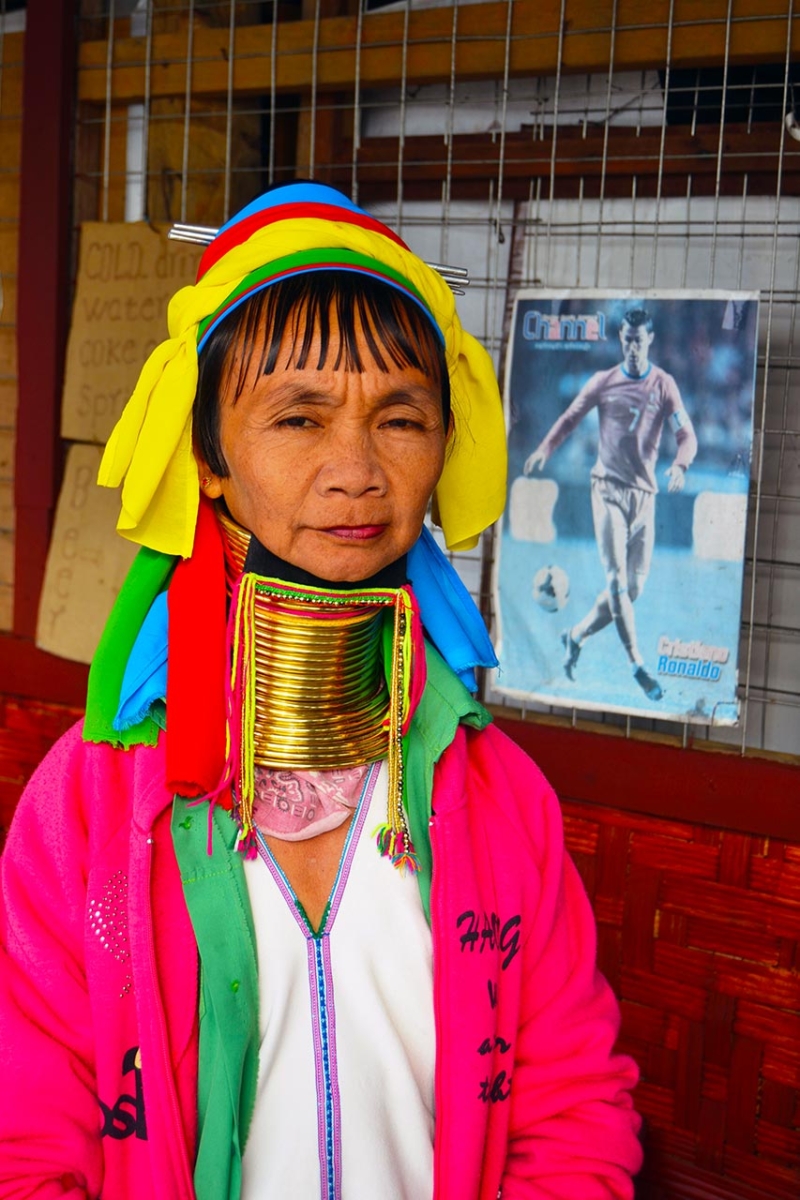
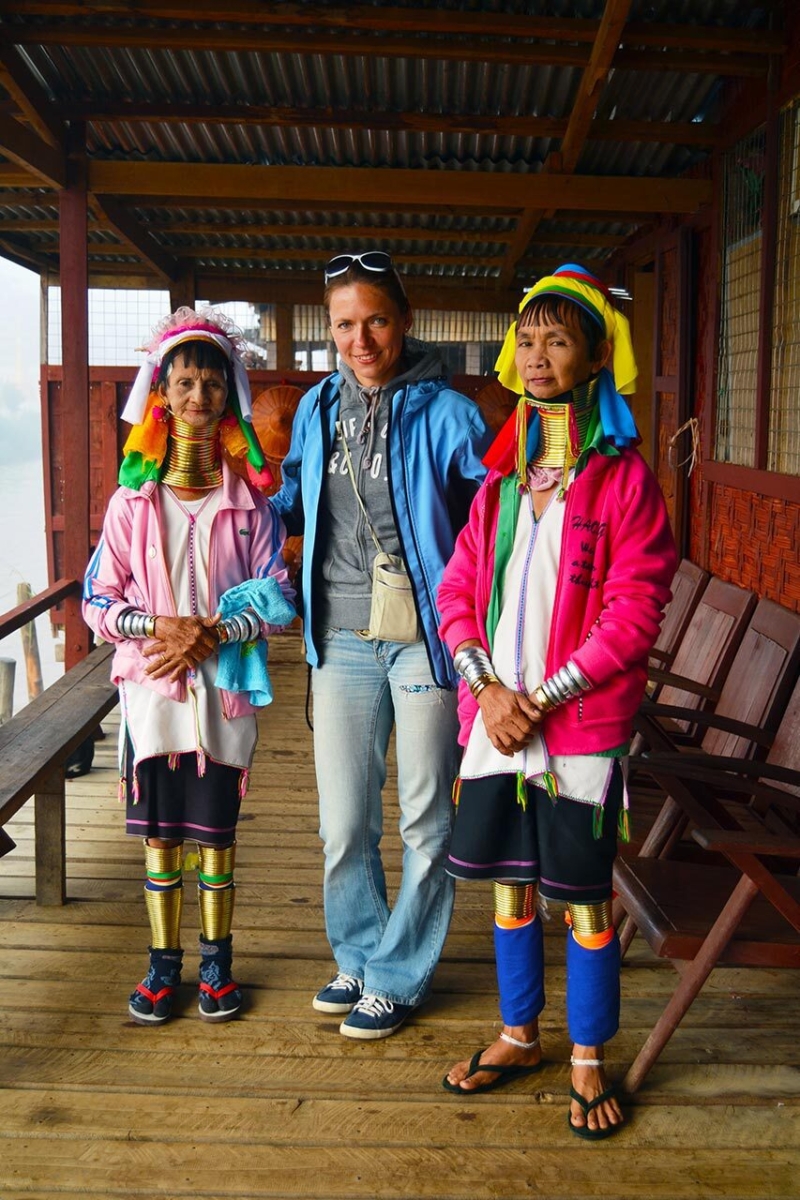
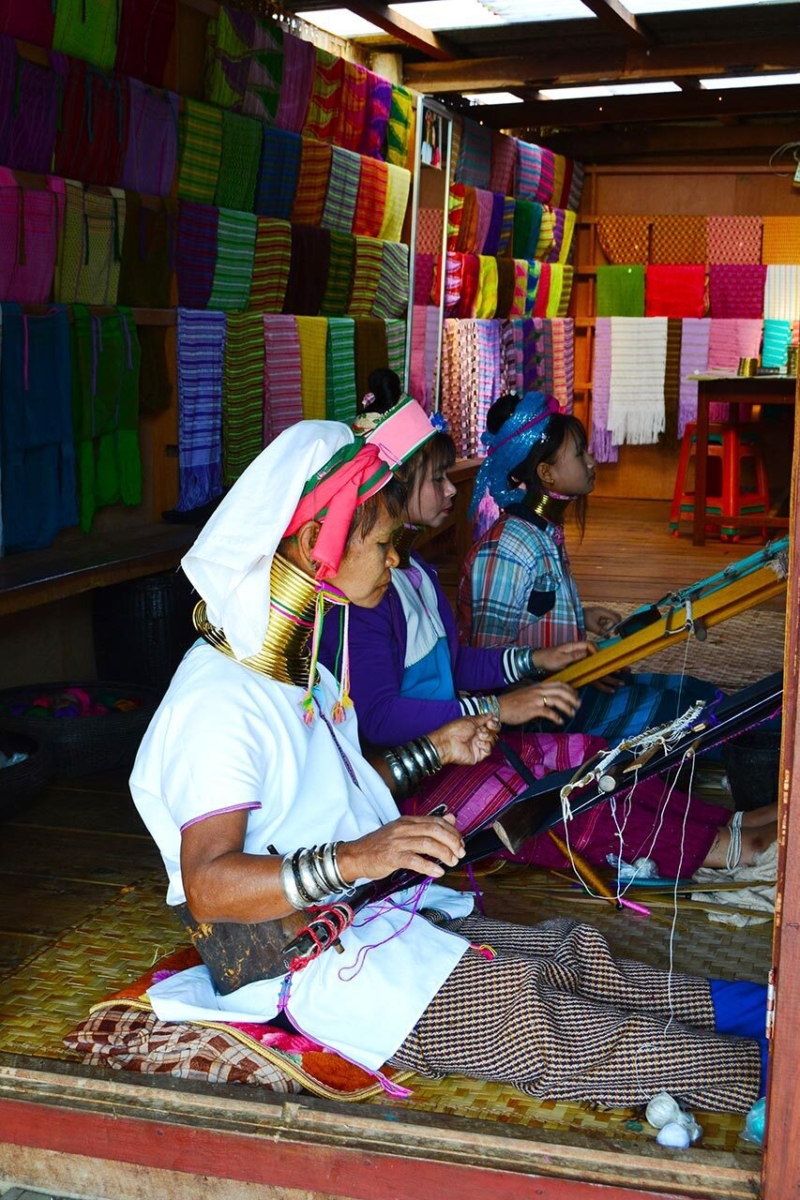
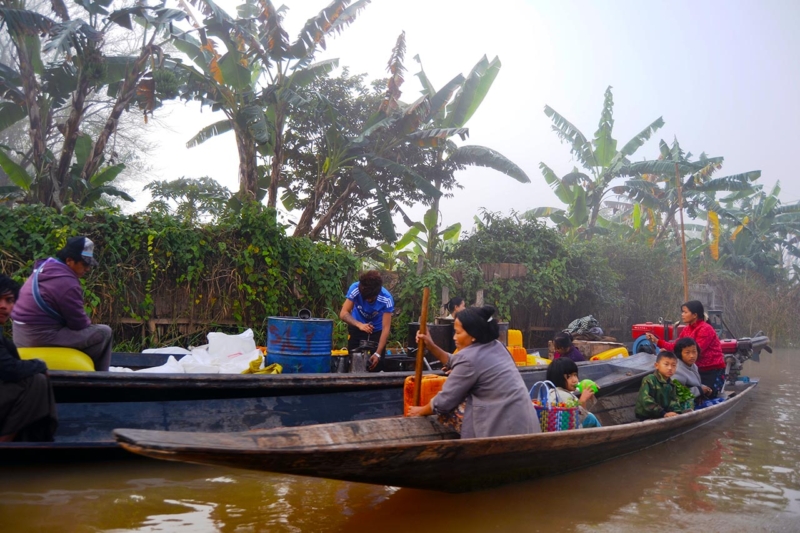
Our next stop was Inle Lake. We visited Kakku, with its thousands of stupas, and the floating market, where locals sell goods right from their boats. We also saw the so-called “human zoos,” where women from the Kayan tribe wear neck rings to stretch their necks. It was both fascinating and a bit sad, as such traditions bring up a lot of debate.


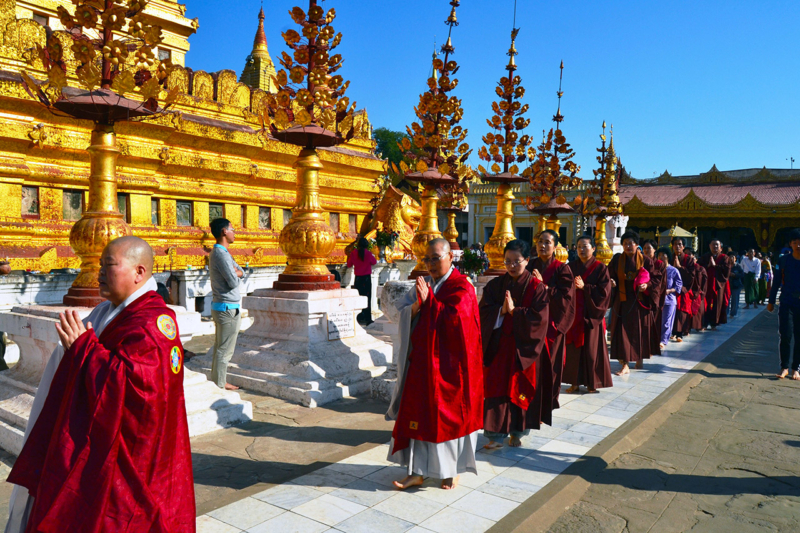
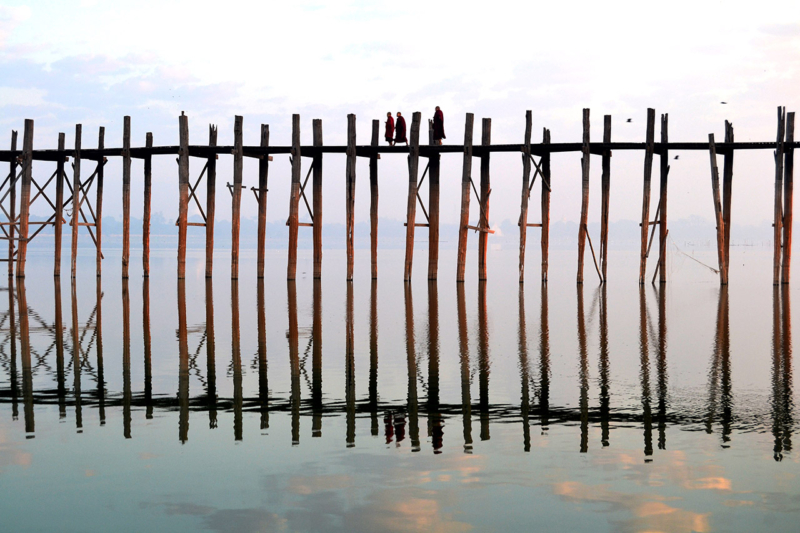
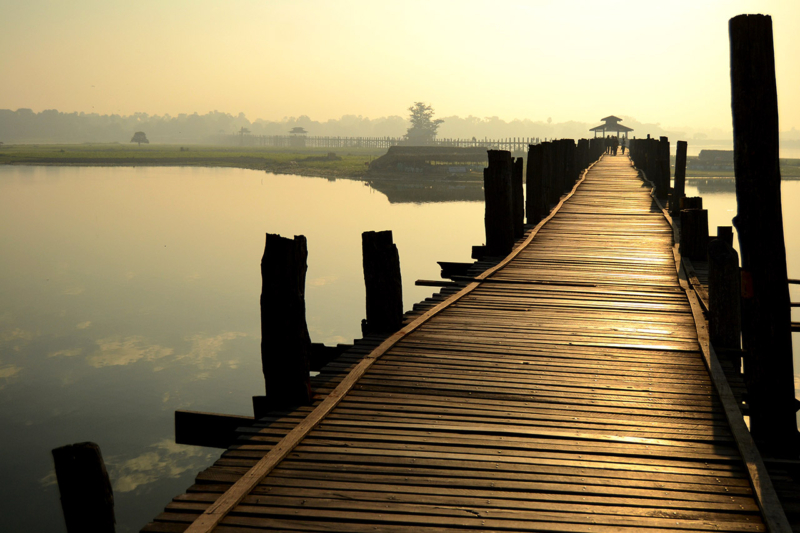
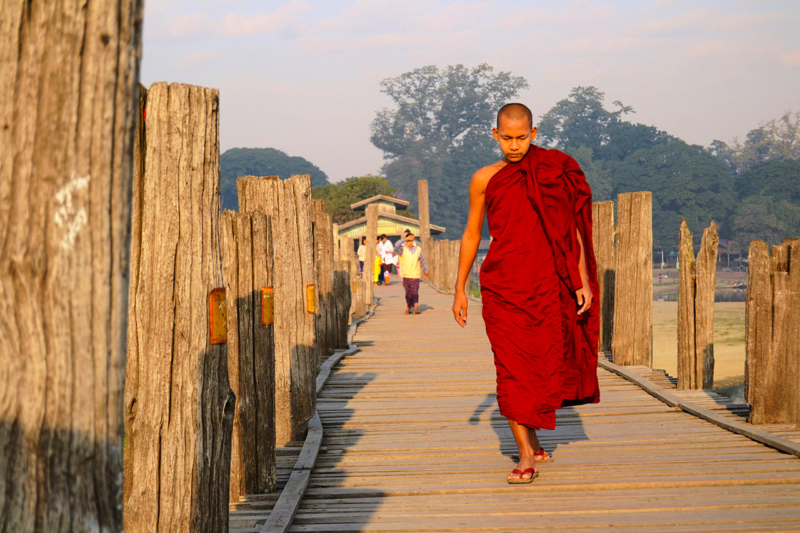
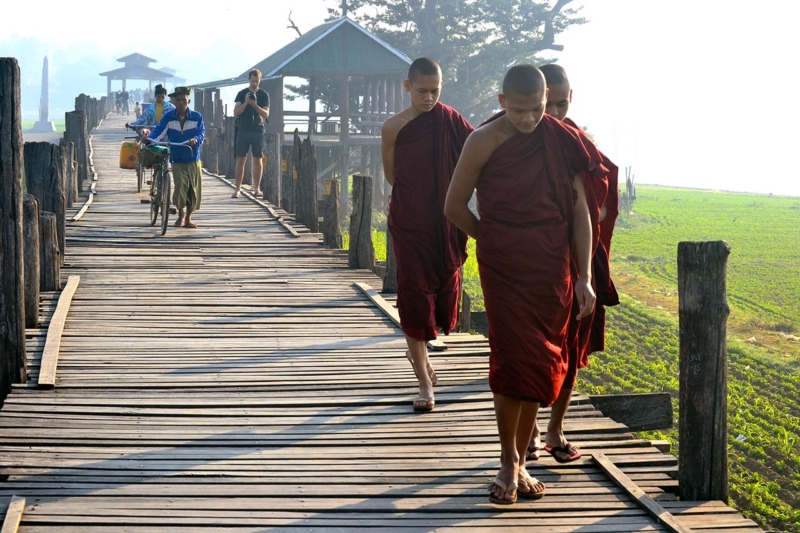
After Inle came magical Bagan! A place full of beauty and history. And from there, we set off on an incredible boat journey through Pakokku and Monywa to reach Mandalay. In Mandalay, we didn’t have much time, so we chose not to visit the famous temples. Instead, we went to the teakwood U Bein Bridge to watch the sunrise. It was magical: quiet, the first rays of sunlight, monks and locals walking across the bridge to start their day.

NGWE SAUNG, the beach

Our journey through Myanmar began in Yangon. We spent just a couple of hours in the city. An agent met us, handed over an envelope with all our tickets, permits, and instructions for getting around the country. Then we were taken to the city center in a beautiful car with white curtains, where we waited for a bus to Ngwe Saung.


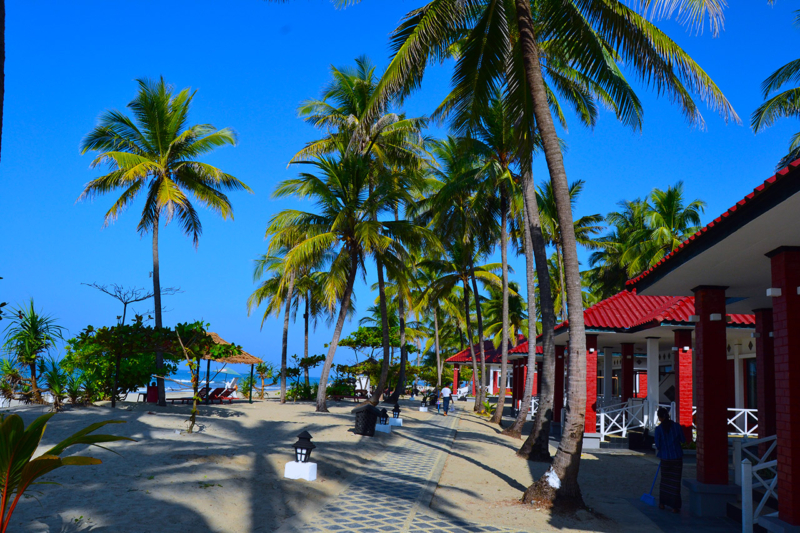
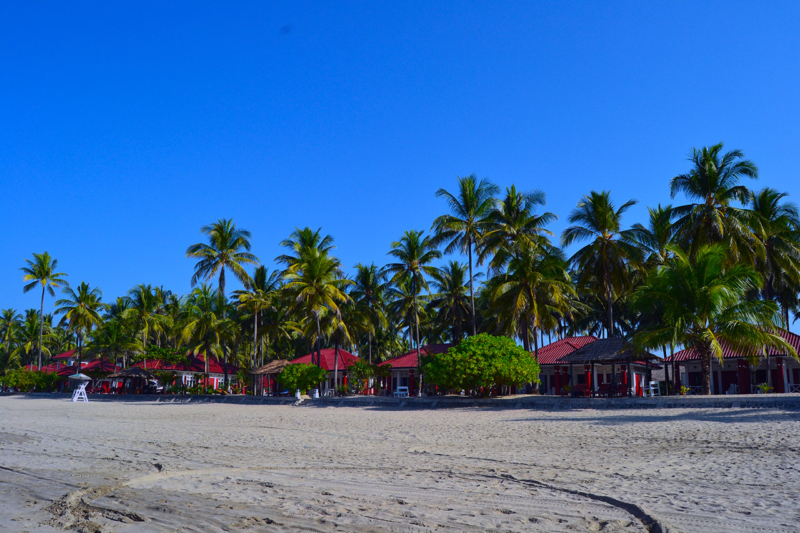
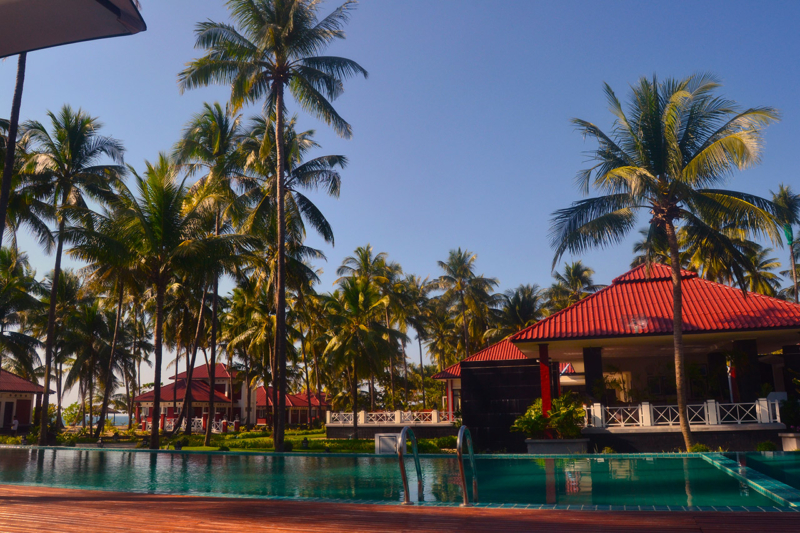
We arrived there at night. They checked us into a guesthouse, but in the dark, we couldn’t really see what it looked like. But in the morning — what a surprise.
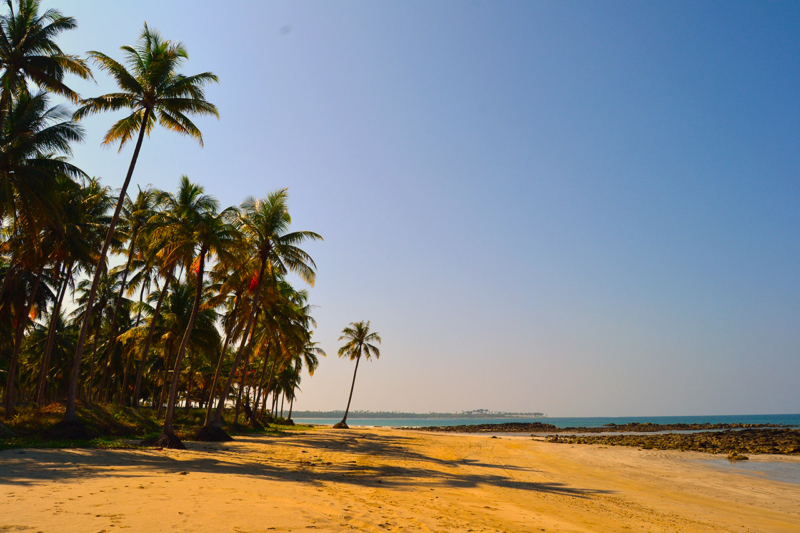
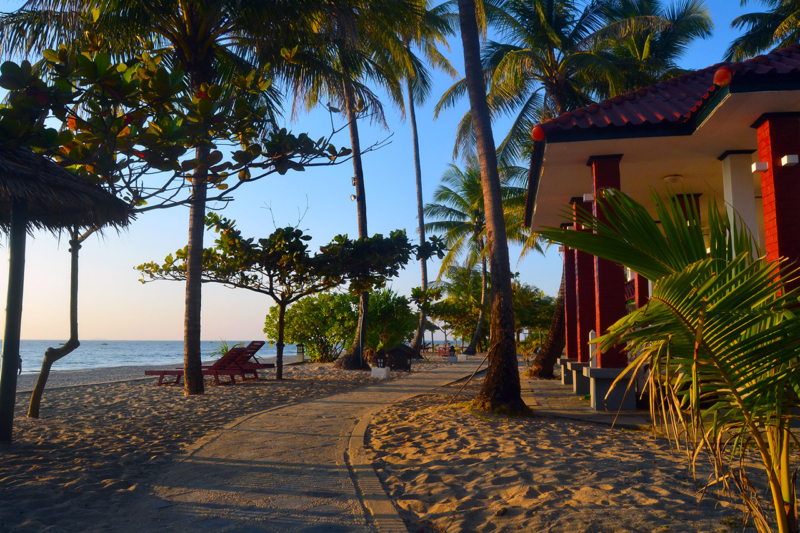
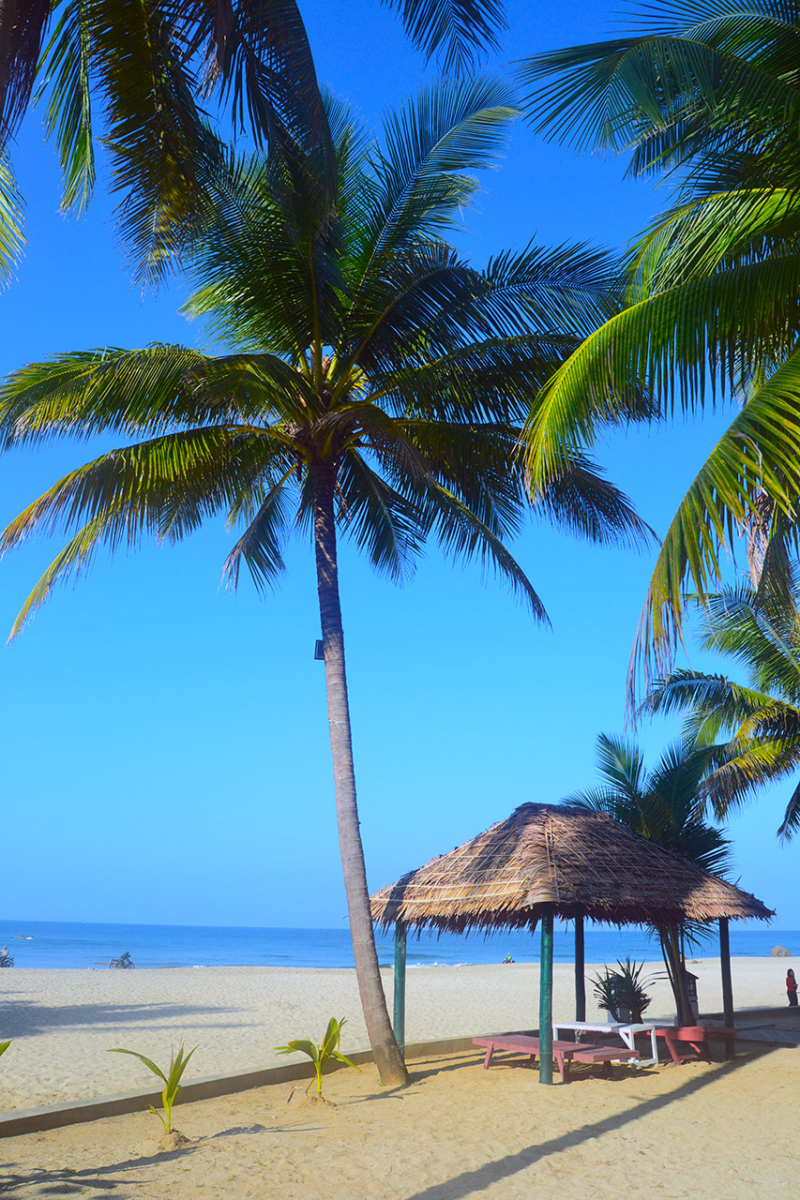
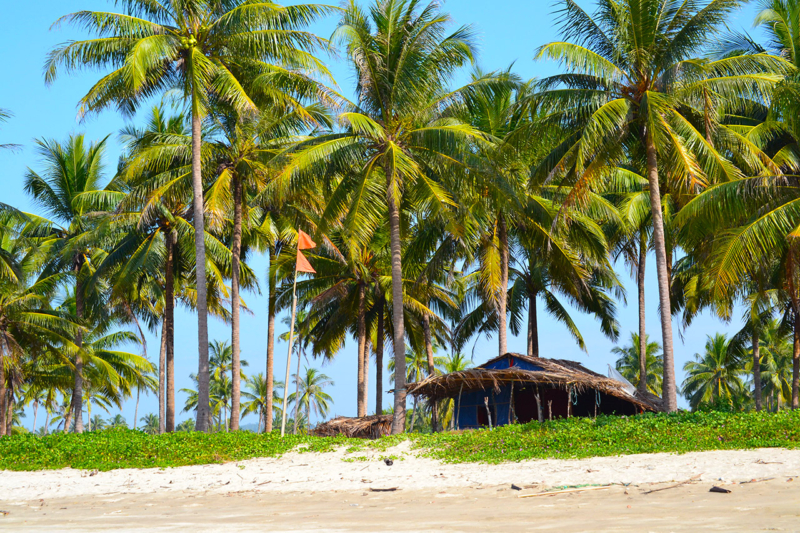
I woke up in paradise!


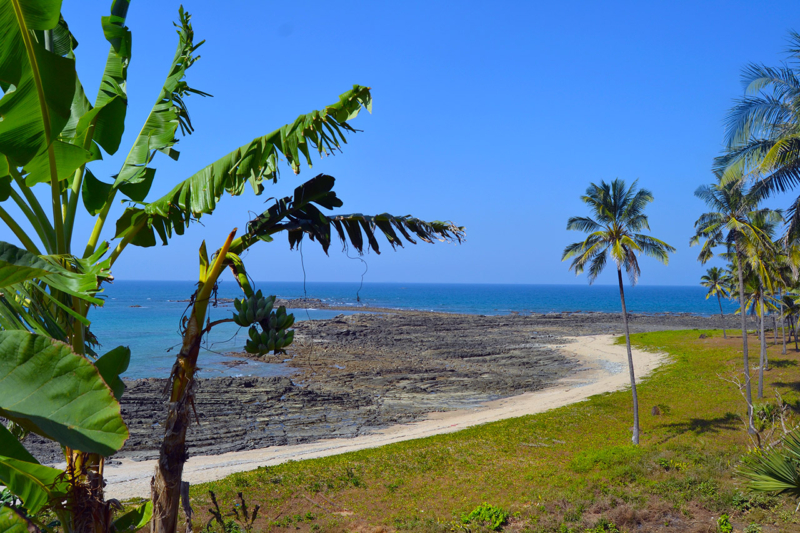
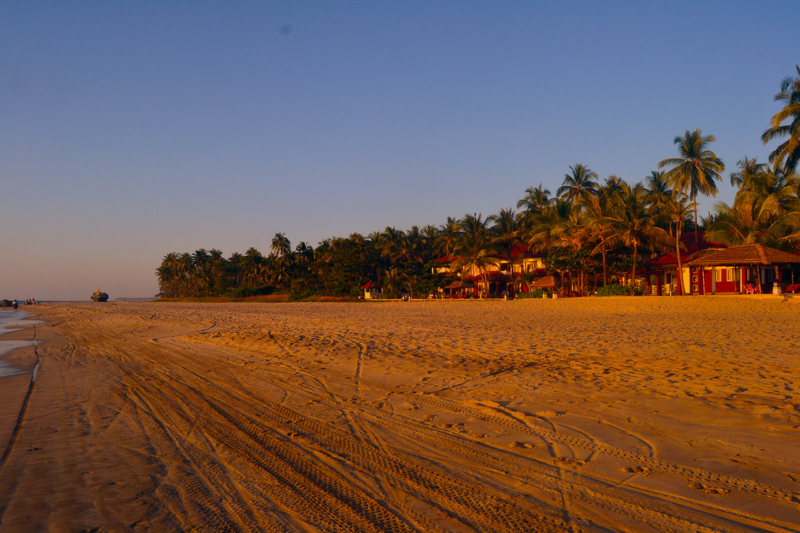
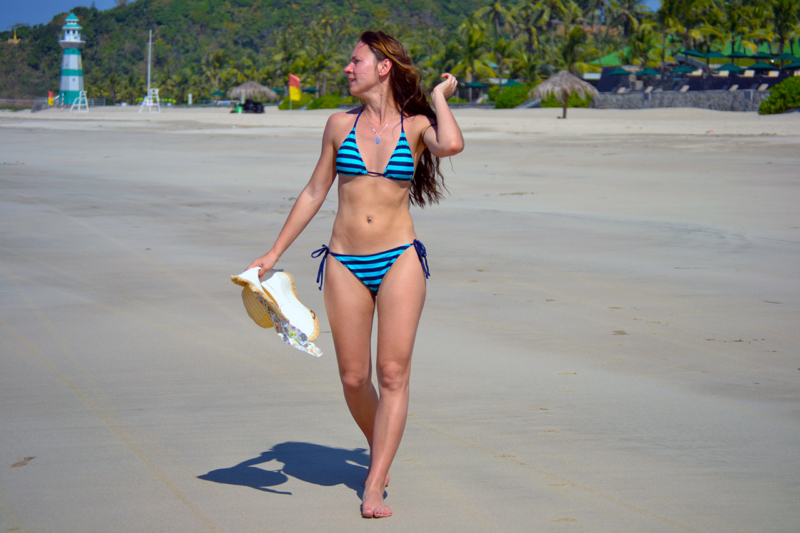
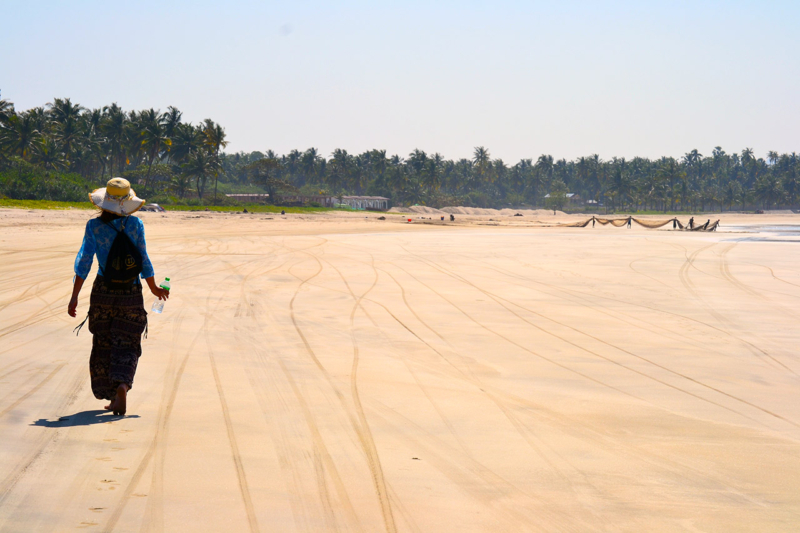
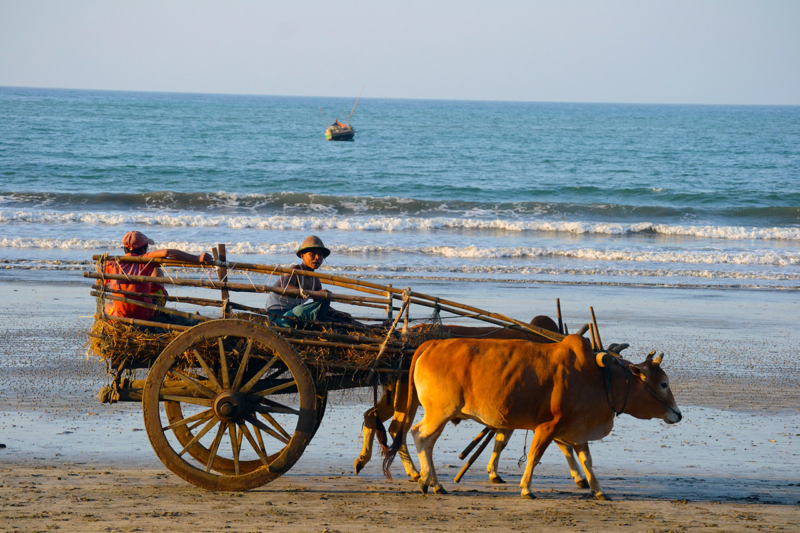
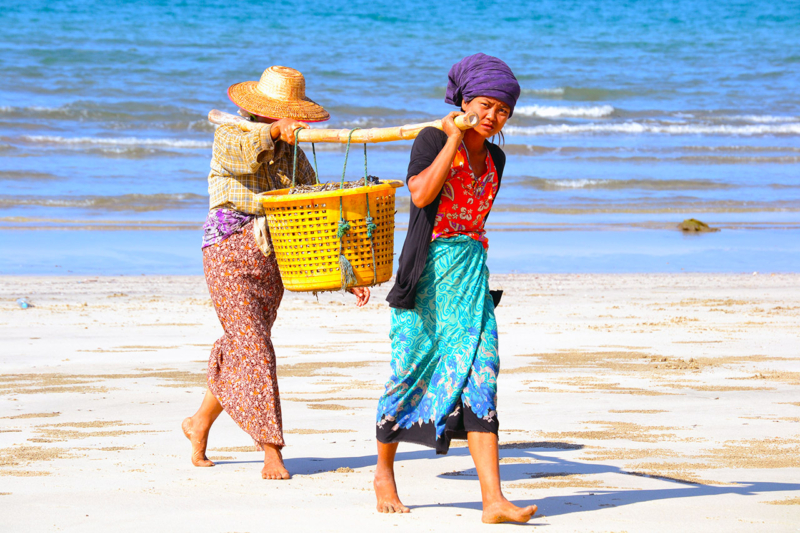
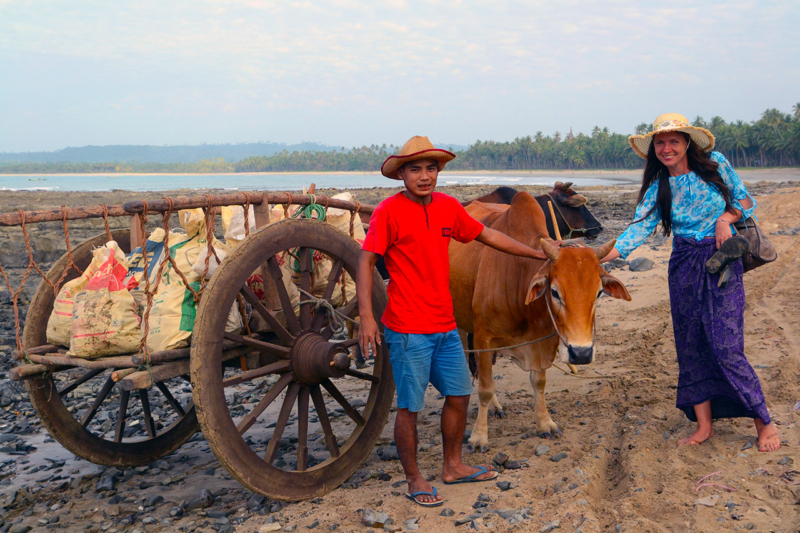
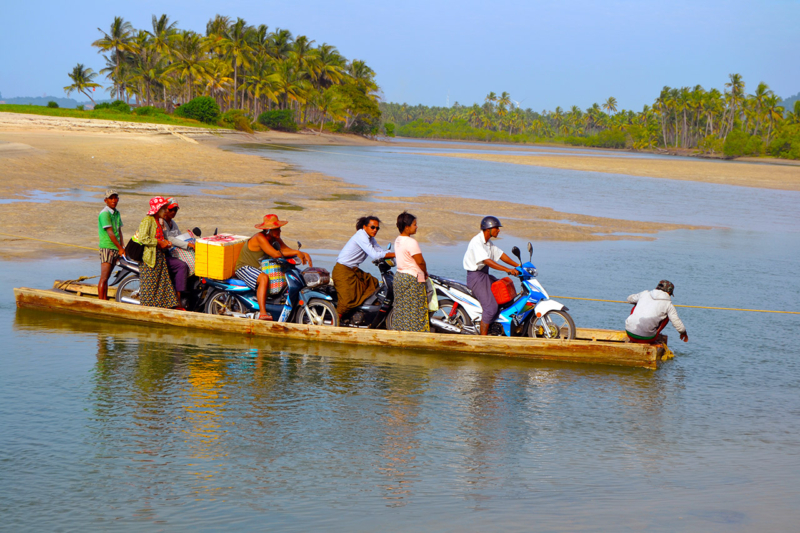
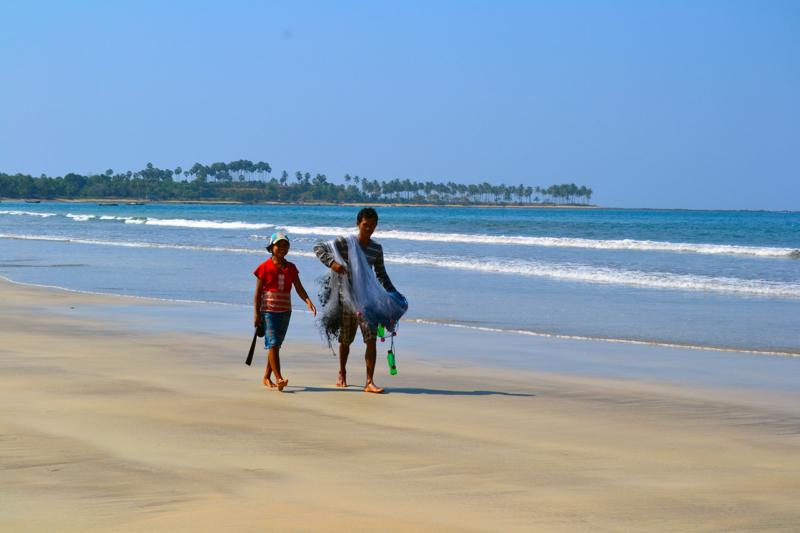
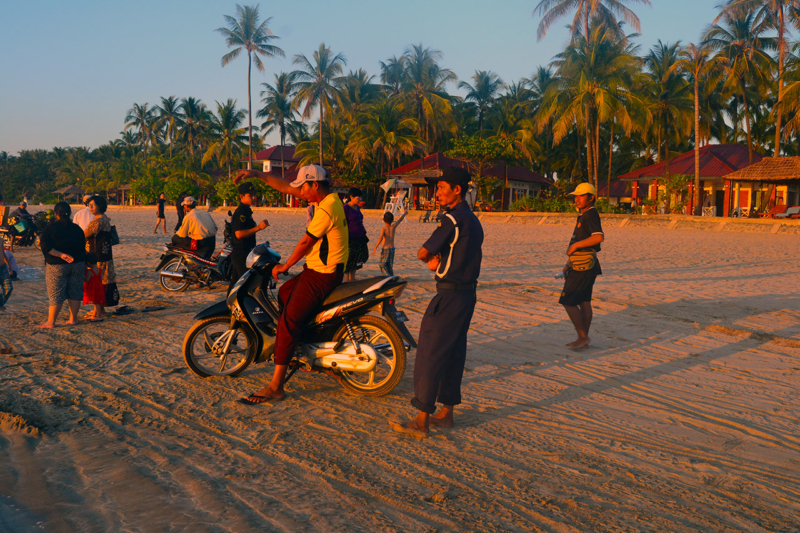
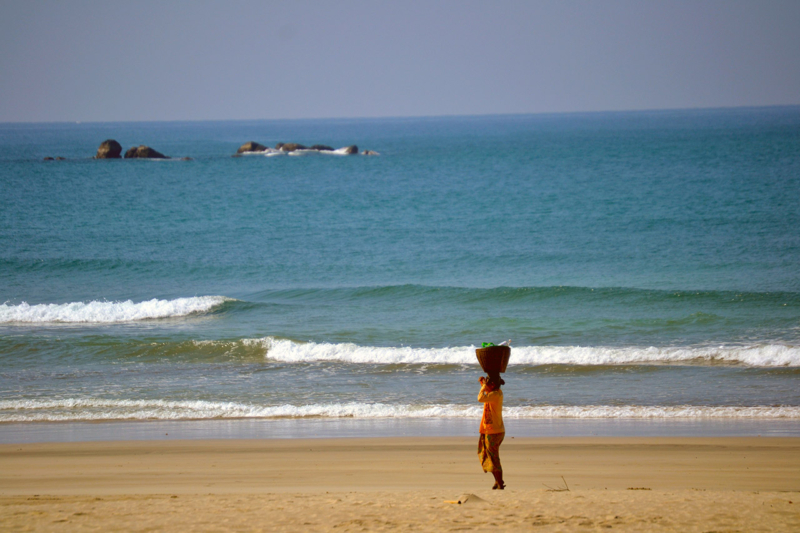
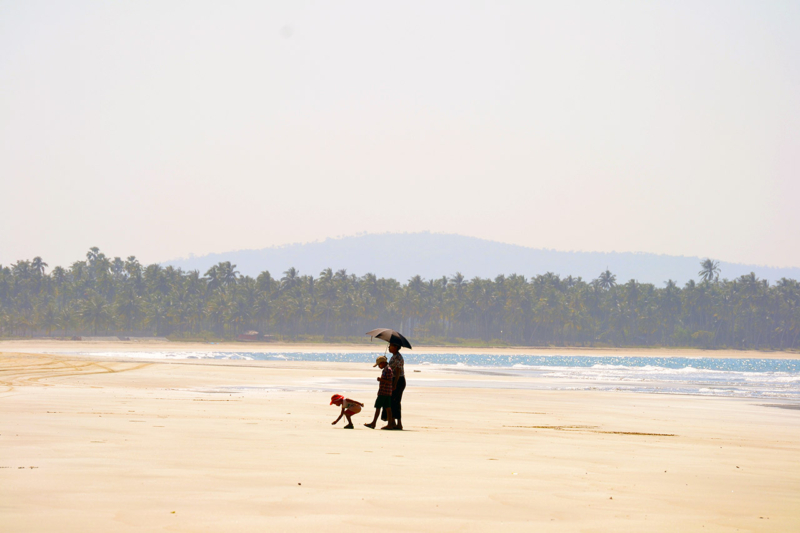
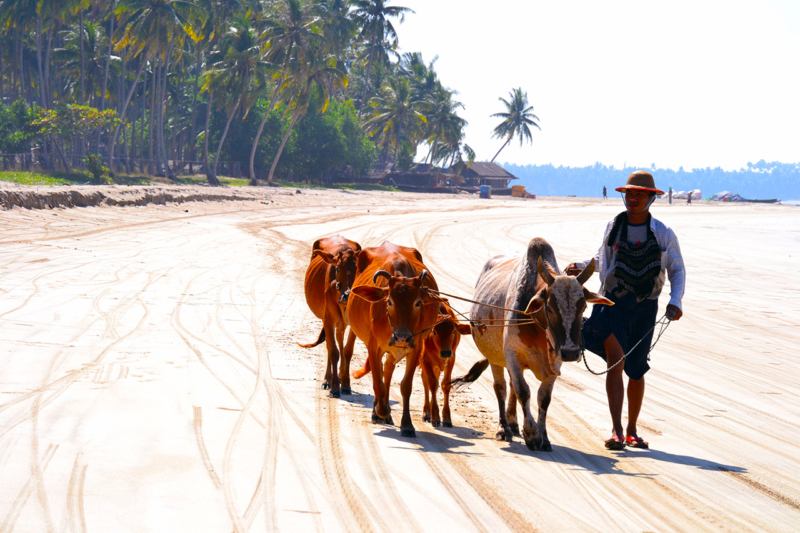
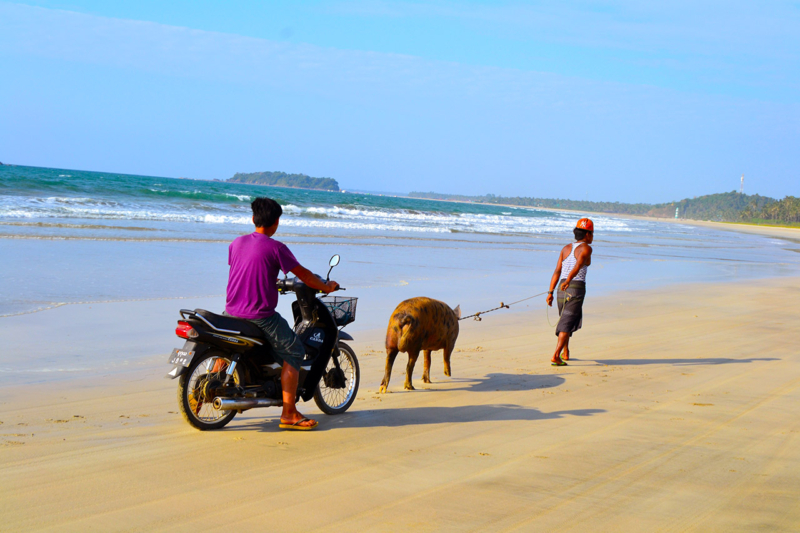
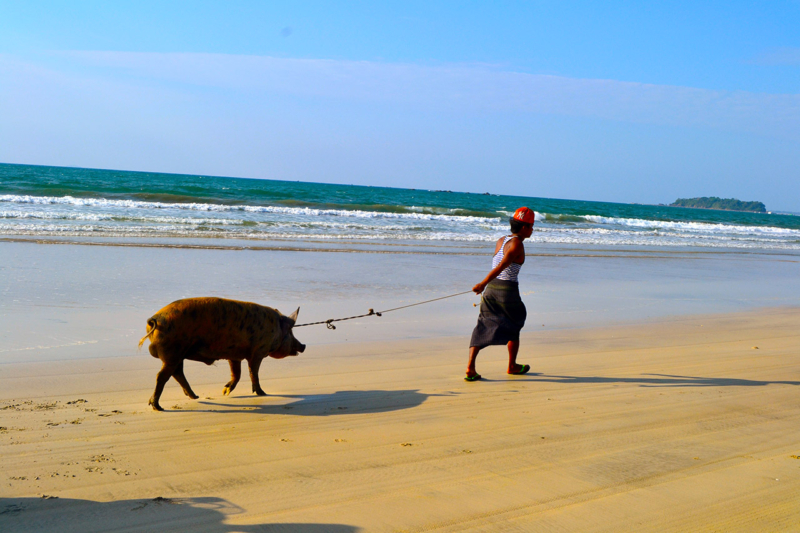
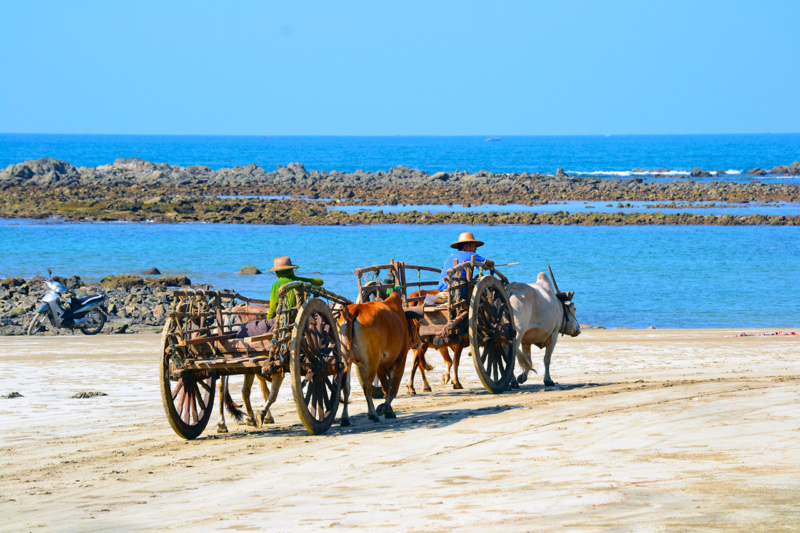
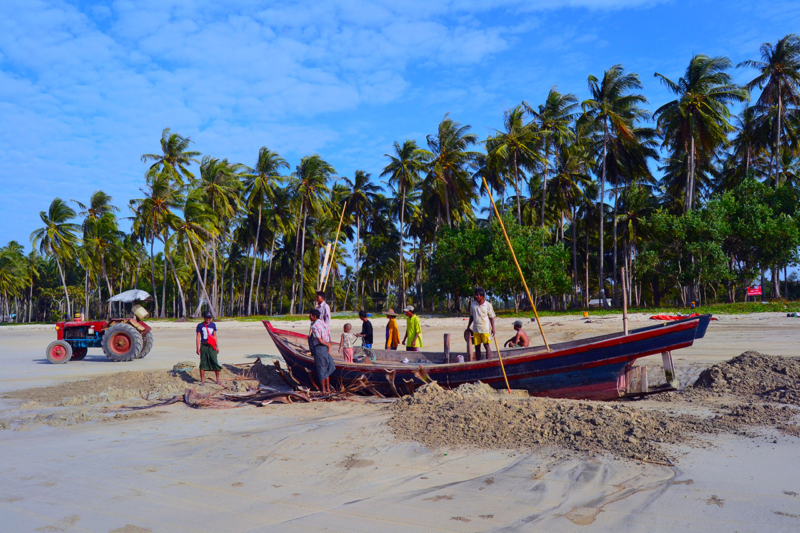
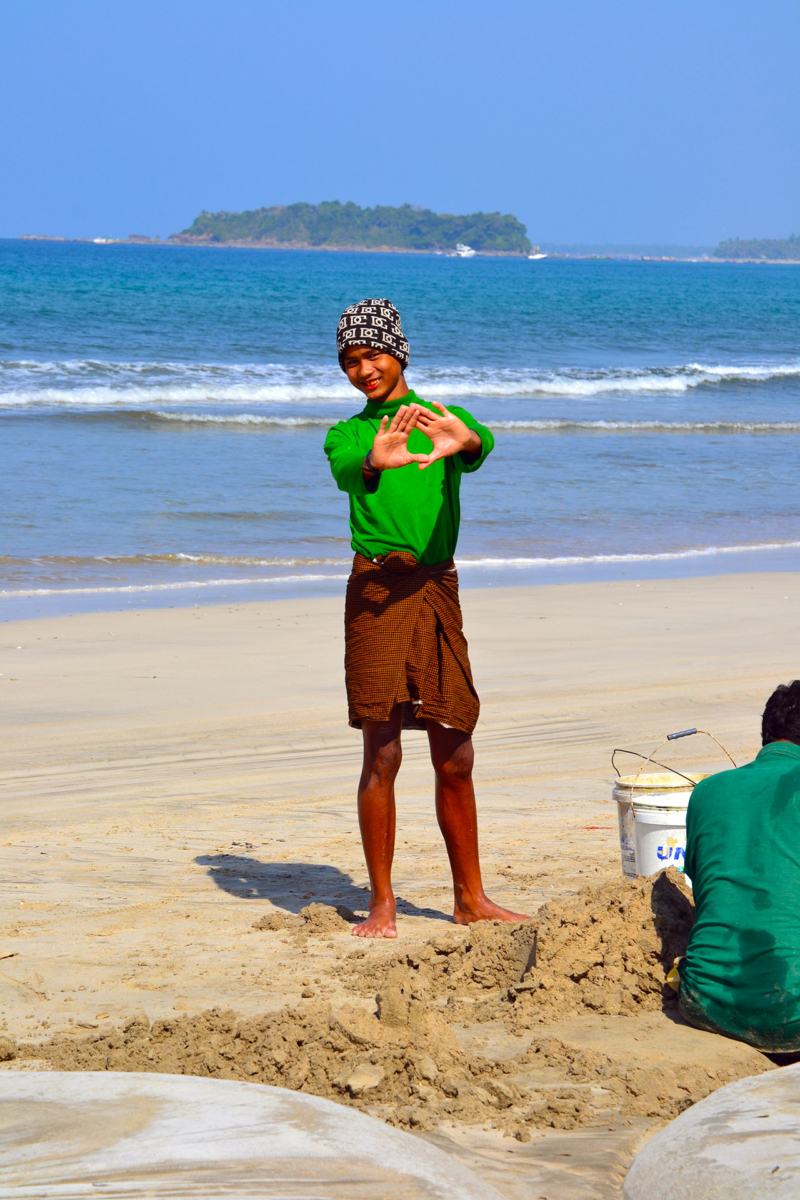
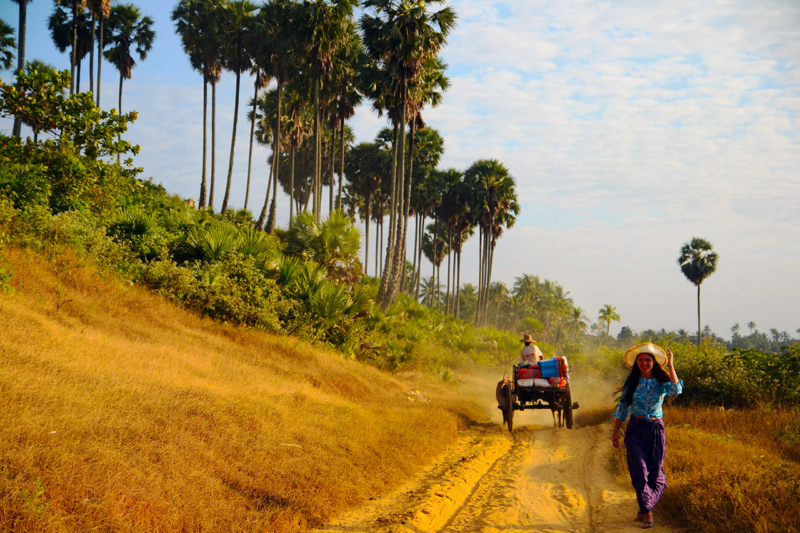
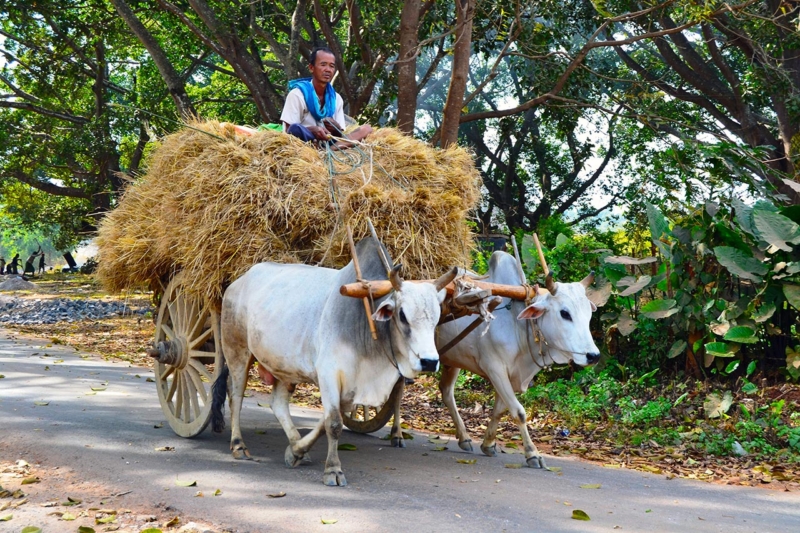
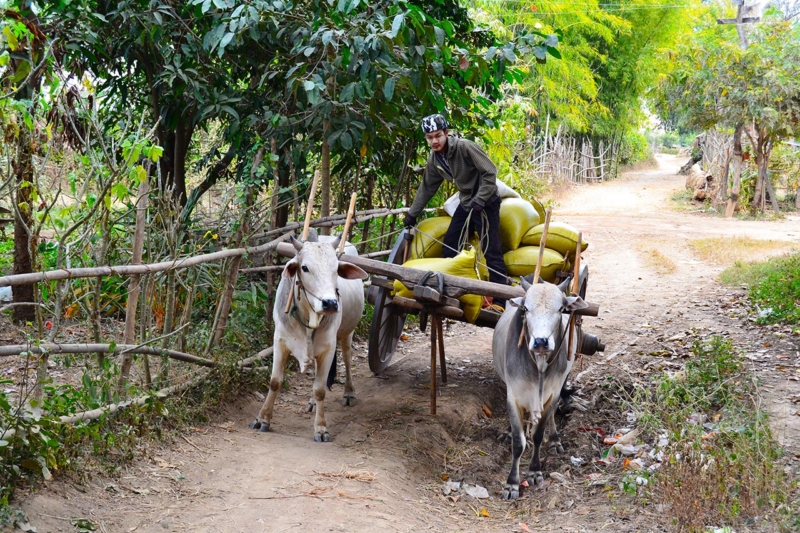
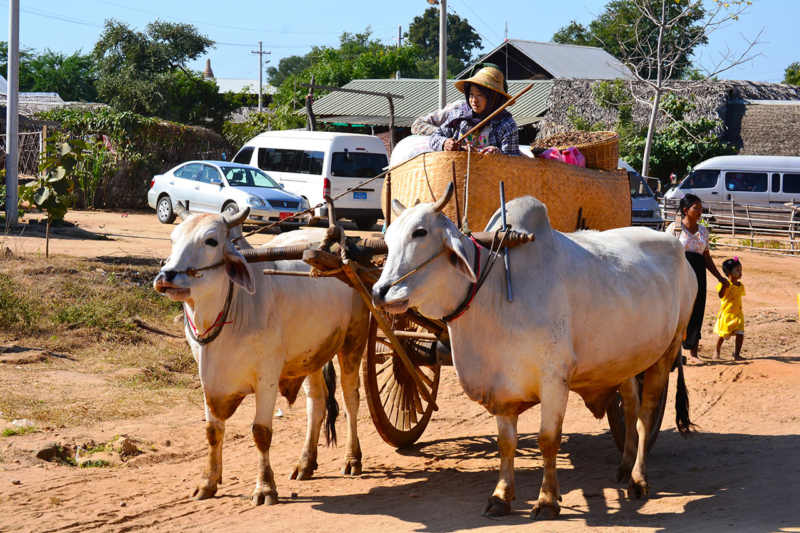
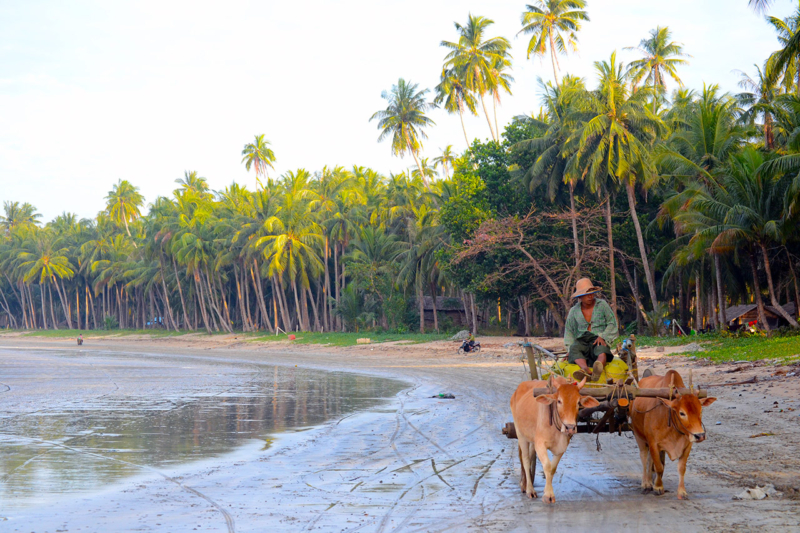
It was the best beach I’ve ever seen in my life. Imagine: several kilometers of soft white sand, turquoise water, and a complete sense of peace and seclusion. During the day, when the tide went out, the sea would retreat about 15 meters. Locals would zip along the firm sand on scooters, walk their pigs, or move goods using ox carts. In the evening, the tide came back in, almost touching the steps of the guesthouse, and everything would slow down.


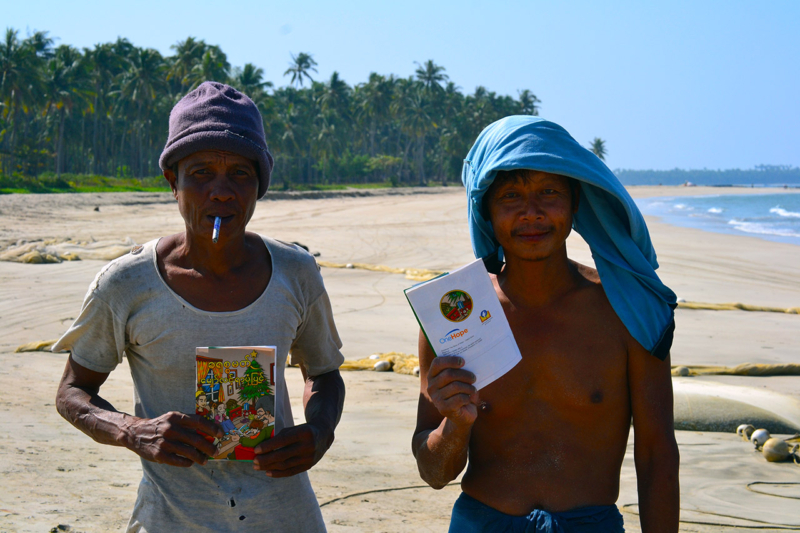
There are a few popular beach spots in Myanmar, but back in 2015, Ngwe Saung was something else entirely. It wasn’t a tourist hotspot — there were hardly any foreigners. You could count the “white people” on one hand. It felt like we’d stumbled upon a hidden place that only the locals knew about.

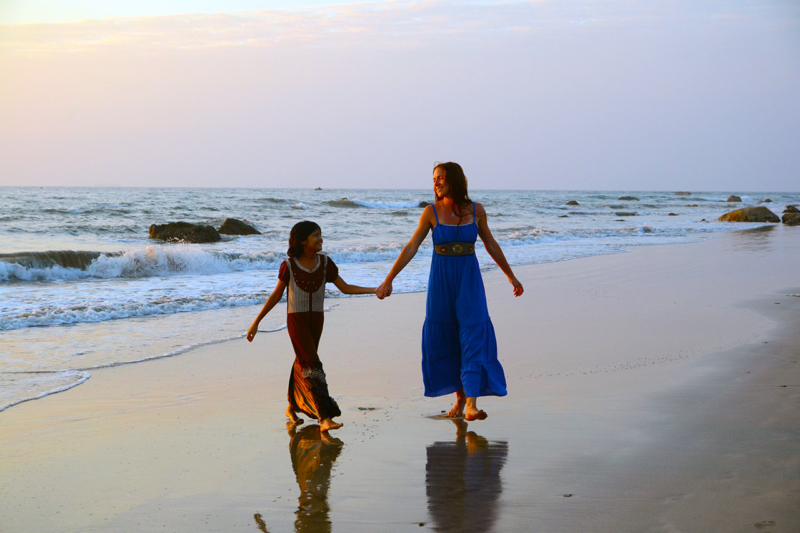
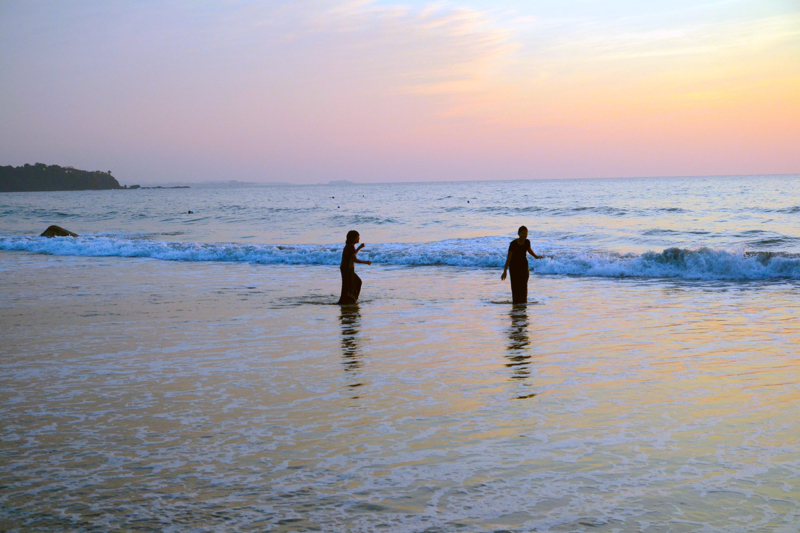
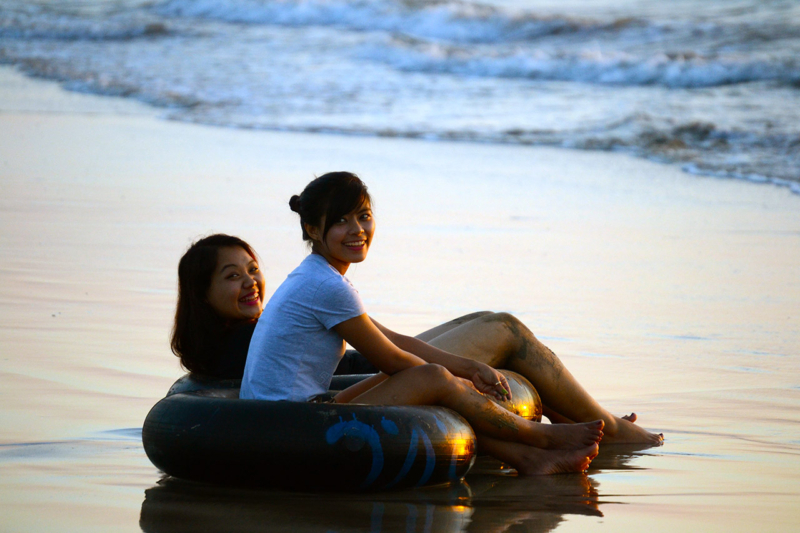
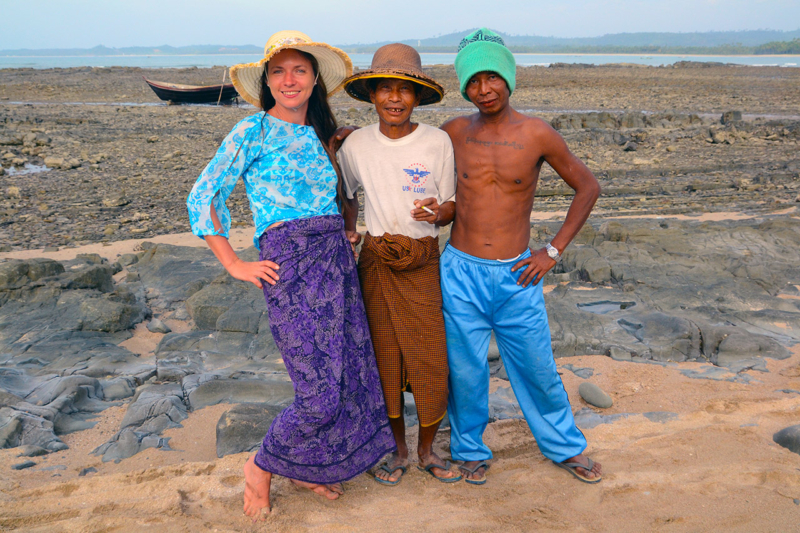
Ngwe Saung is a simple beach town for locals and a getaway for wealthy Yangon residents. Apart from us, the only other foreigners there were a few Indian tourists. But during the day, the beach was almost completely empty. People only showed up at sunset, and it was a beautiful sight. They swam fully clothed and rarely went deeper than knee-high. If someone swam further out, it was always with inflatable rings or some kind of float.


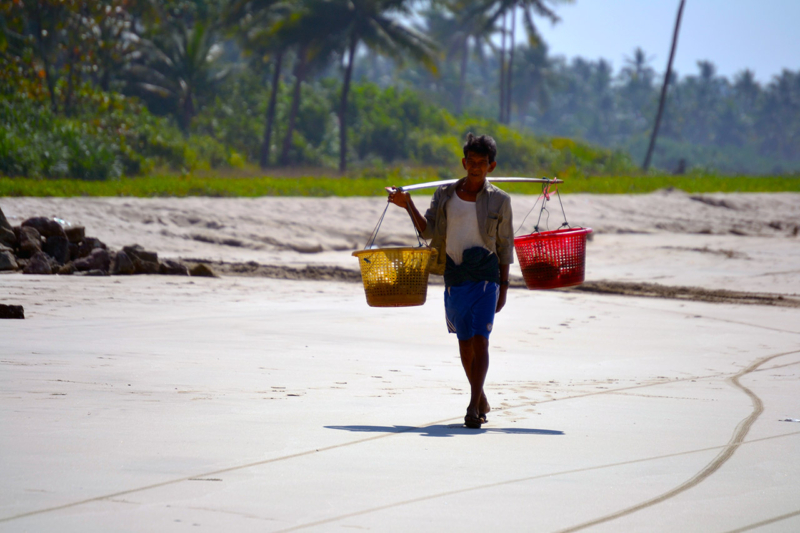
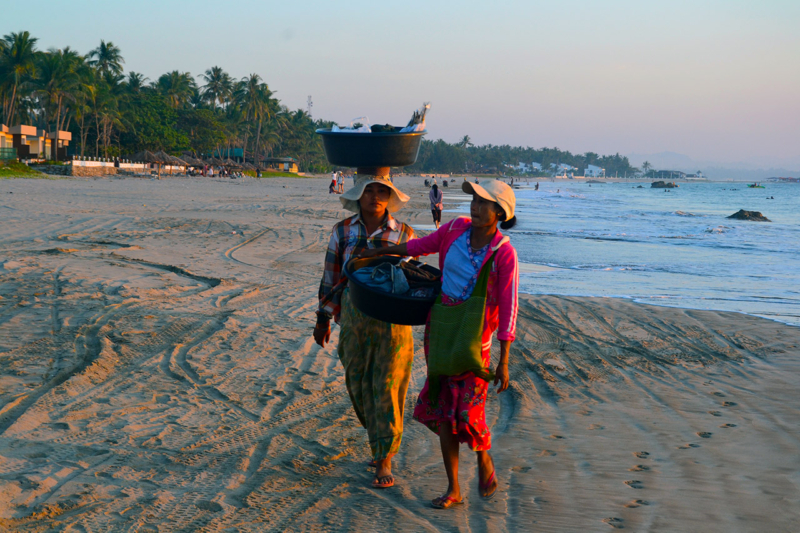
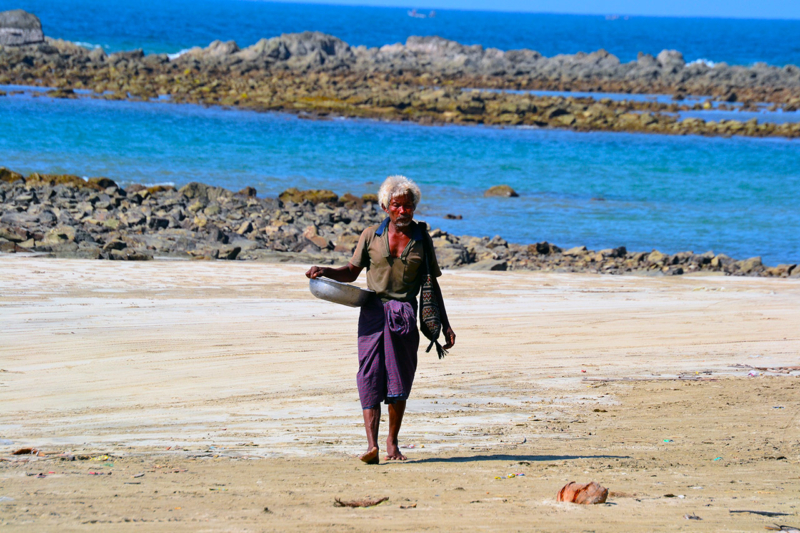
For us, it was the perfect place. The whole beach felt like it belonged to us. And all along the coast, daily life carried on — people doing their everyday tasks as if we weren’t even there.

NGWE SAUNG, Local Crafts, Longyi, and Internet by the Will of Buddha

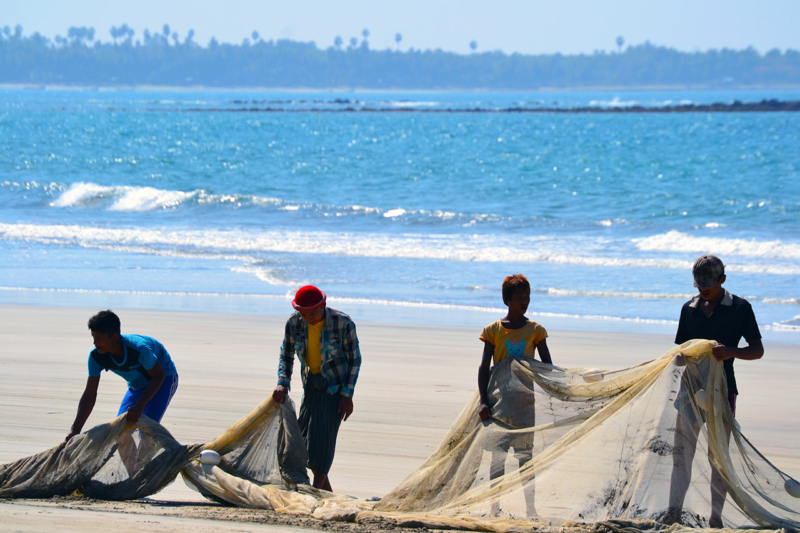
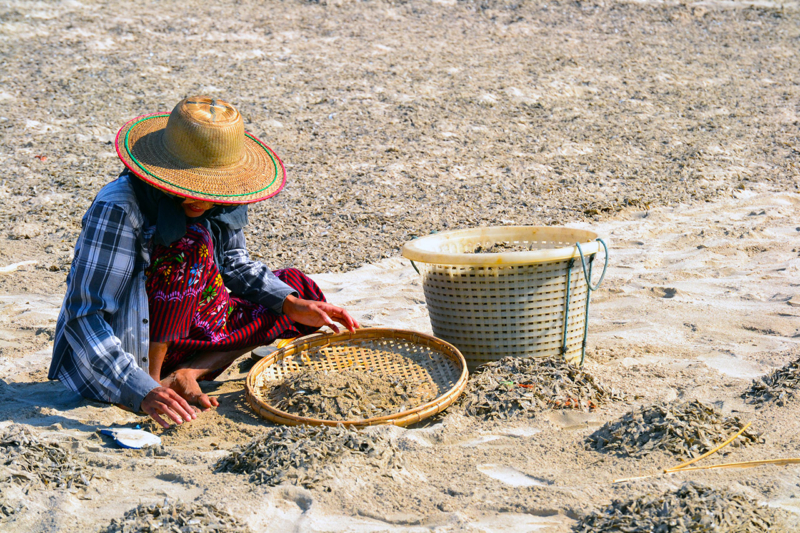
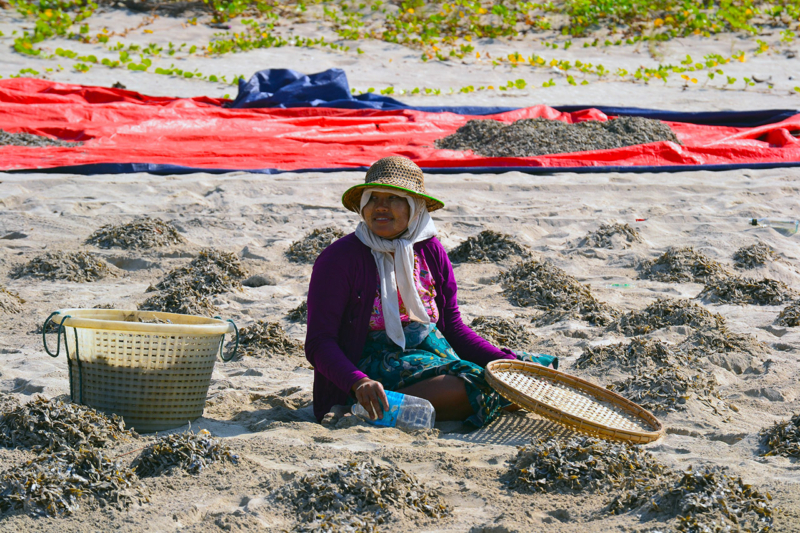
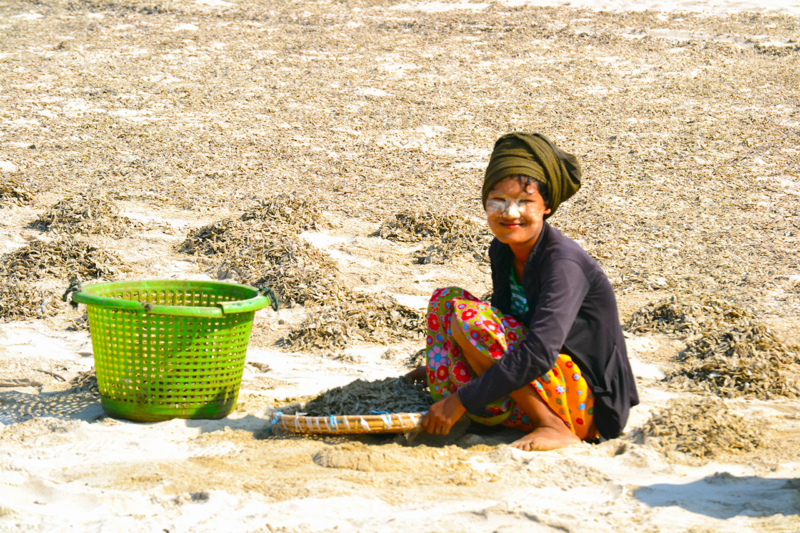
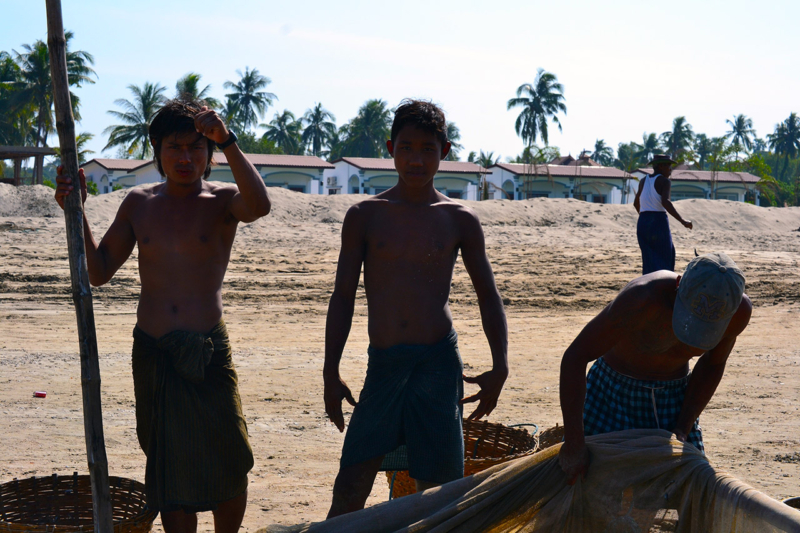
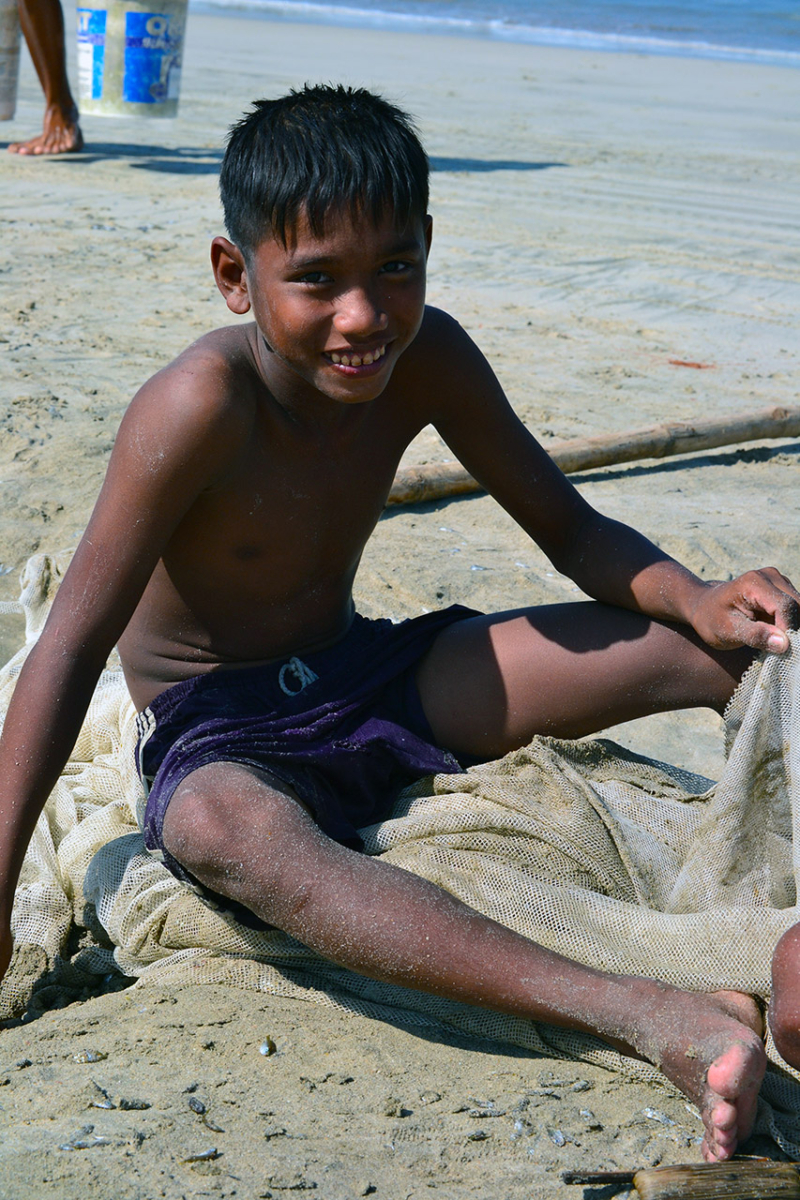
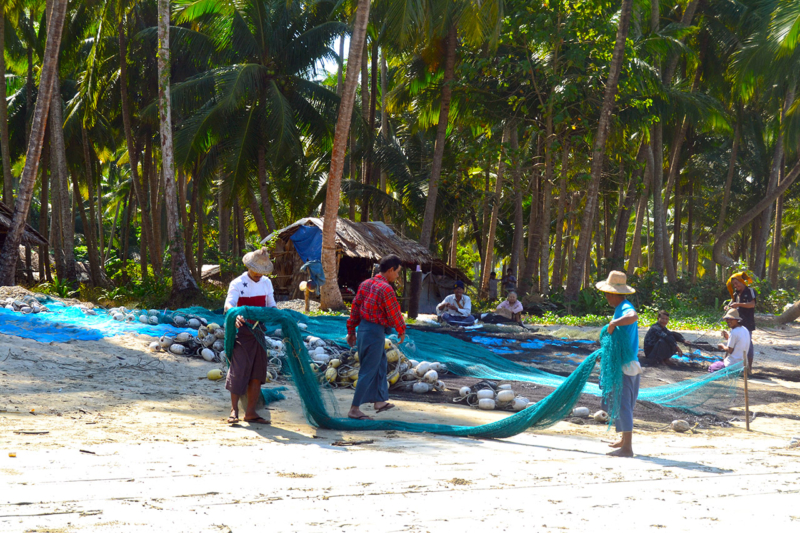
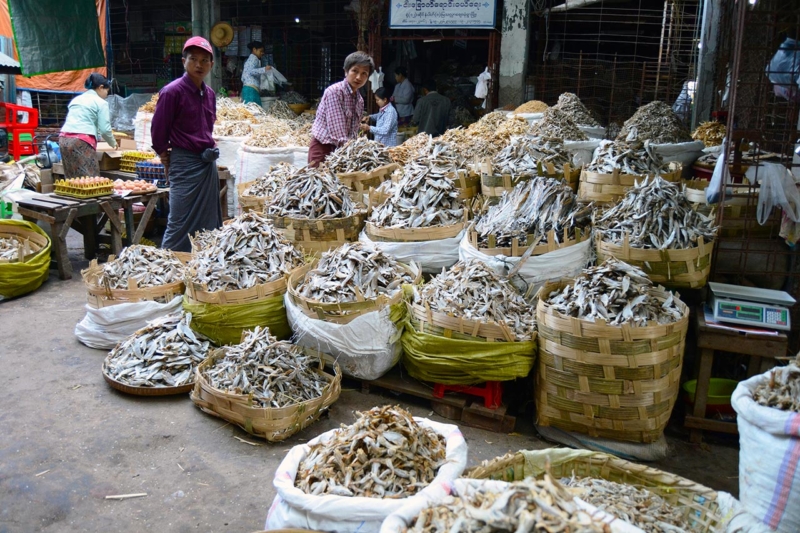
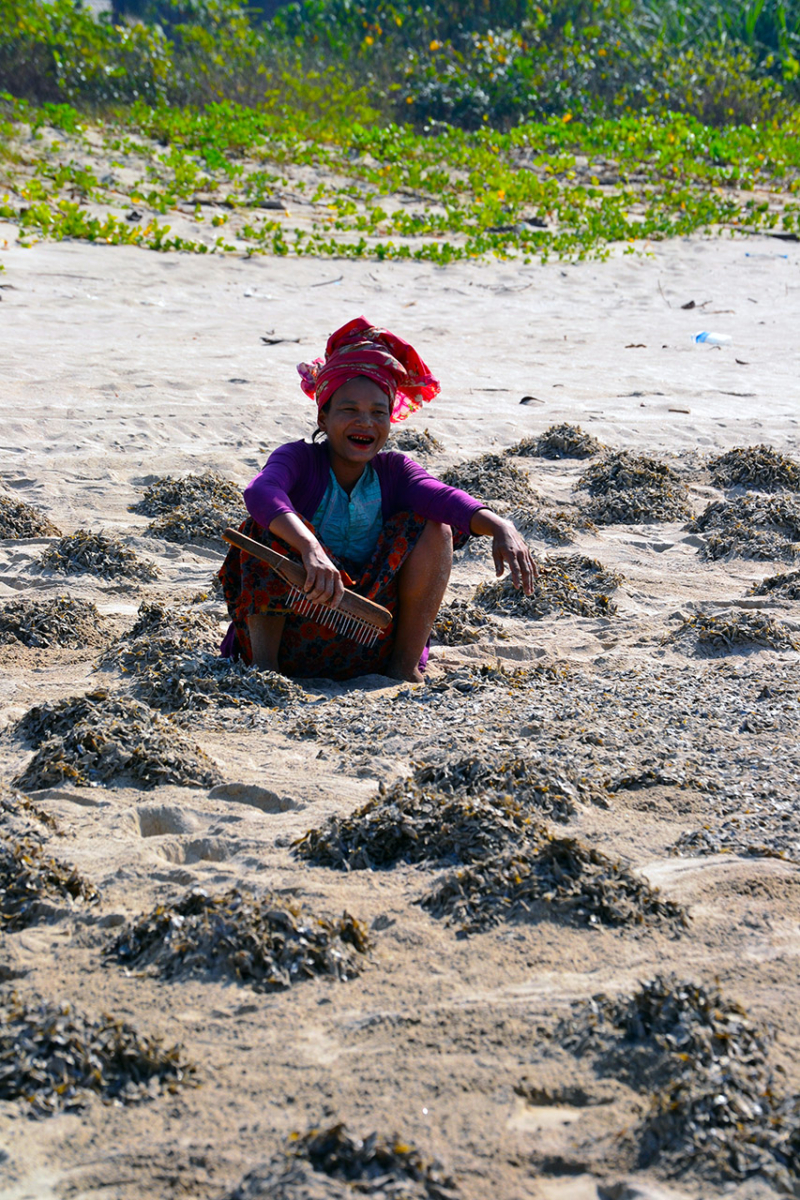
While we were enjoying the beach, the locals were busy with their usual work — catching tiny fish. This was their main source of income, and we watched the process with great interest.

They fished right near the shore and then dried the catch in the sun, laying it out directly on the sand. After that came the most delicate stage: they sifted the sand by hand to separate the dried fish. It was hard work, but the locals did it with amazing skill.


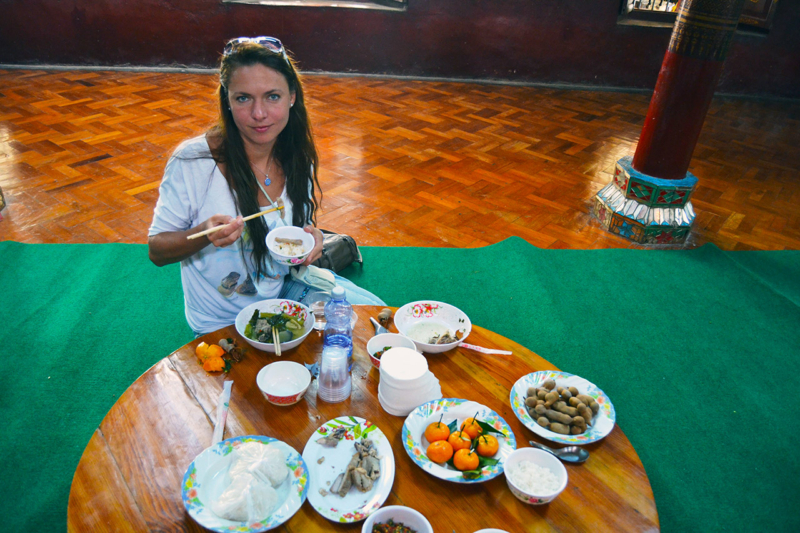
It seemed that they used this dried fish to make some kind of sauce or concentrate. We were often served a very flavorful (or, honestly, very smelly) fish soup, which we guessed was made from this exact ingredient. It was unusual, but it was exactly moments like these that made our trip feel like a true dive into local culture.

In the photos below, you can see how people catch the tiny fish, dry it on the sand, and sift it by hand.


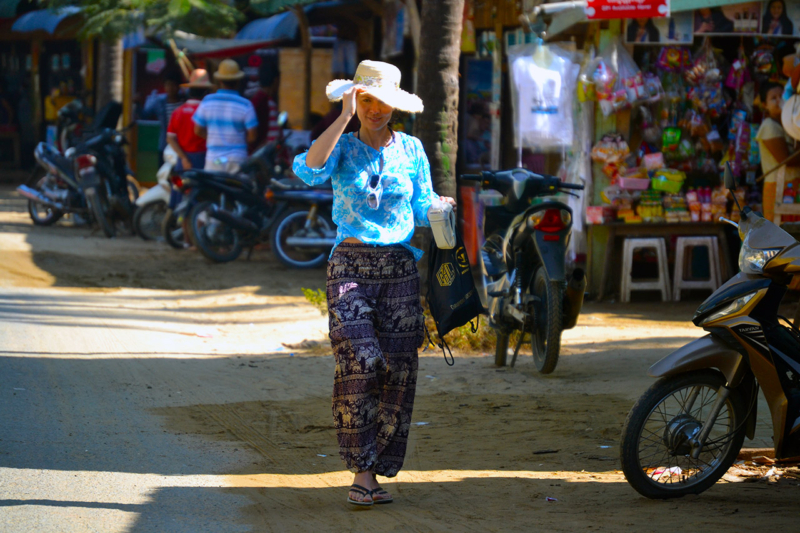
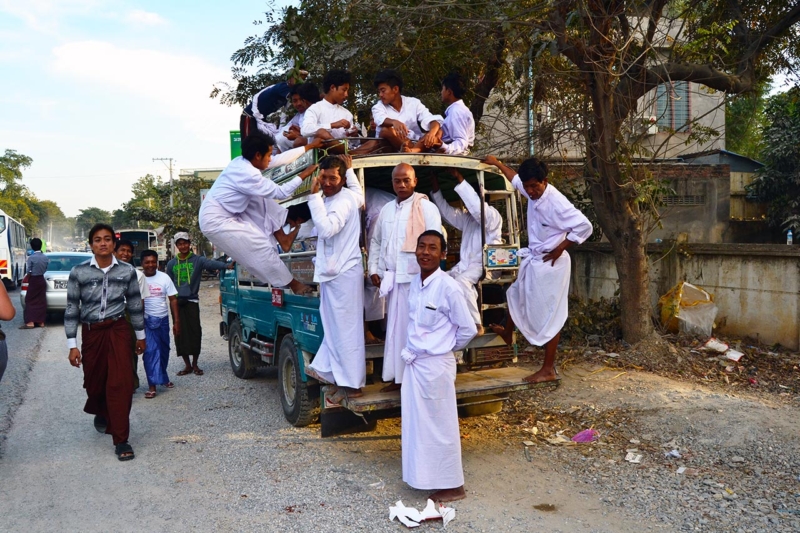
Myanmar is a country where men wear skirts. And you know what? It really suits them! These aren’t just any skirts — they’re called longyi, a traditional piece of clothing that looks like a tube of fabric about two meters wide. It’s wrapped around the waist and tied in a special knot. For men, the knot is in front; for women, it’s on the side.


Because of this, men walk with wide steps, pointing their feet outwards to avoid getting tangled in the folds. Women, on the other hand, move in small, graceful steps. It’s not just clothing — it’s part of their culture.

But Myanmar isn’t only about longyi. It’s also a place where electricity only comes on after sunset. In the village where we stayed, hot water and lights appeared only after dark. At the same time, the internet would disappear — as if Buddha himself decided that nighttime was meant for sleep, not social media.


This created a special kind of rhythm: during the day, we enjoyed nature and talked with locals, and in the evening, when the power came on, the village came to life. But as soon as the internet went off, we found ourselves back in the real world — one without digital distractions.

Myanmar is a mystical country, where life flows at its own pace: electricity by schedule, internet by higher powers, and people live in harmony with tradition. And you know what? There’s real magic in that.

NGWE SAUNG, local village, Thanaka

One day, I decided to take a long walk along the beach. I strolled, enjoying the sound of the waves and the sight of the endless sea, until I stumbled upon a small local village. It was an amazing place, where life flowed as it had for centuries.

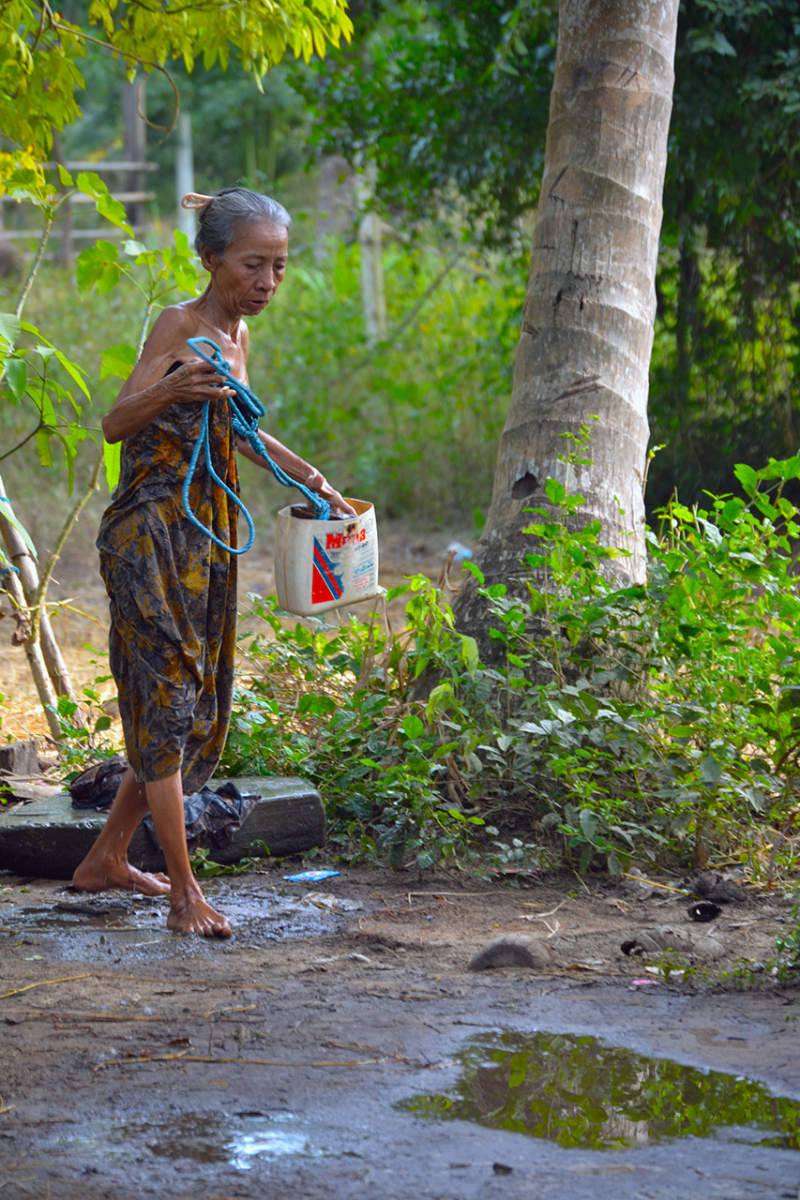
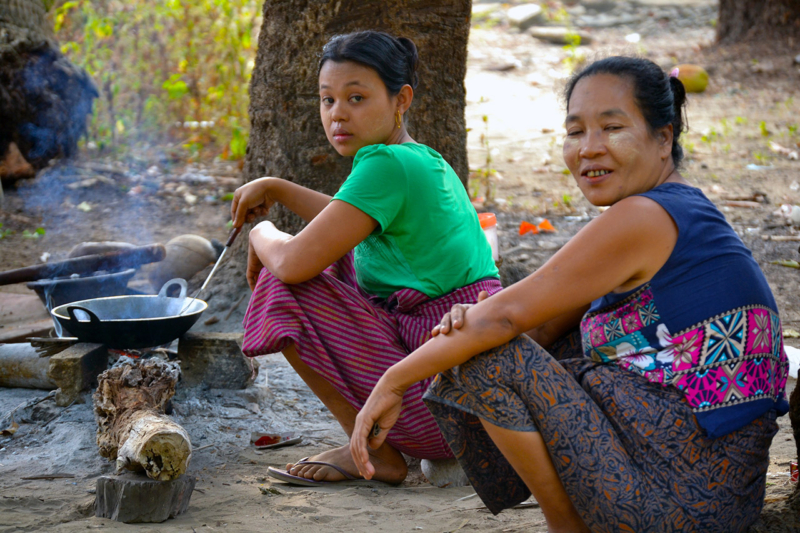
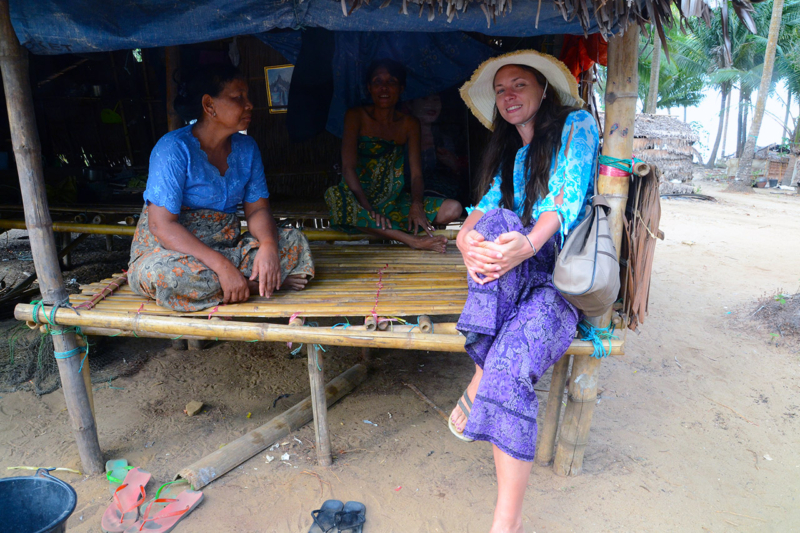
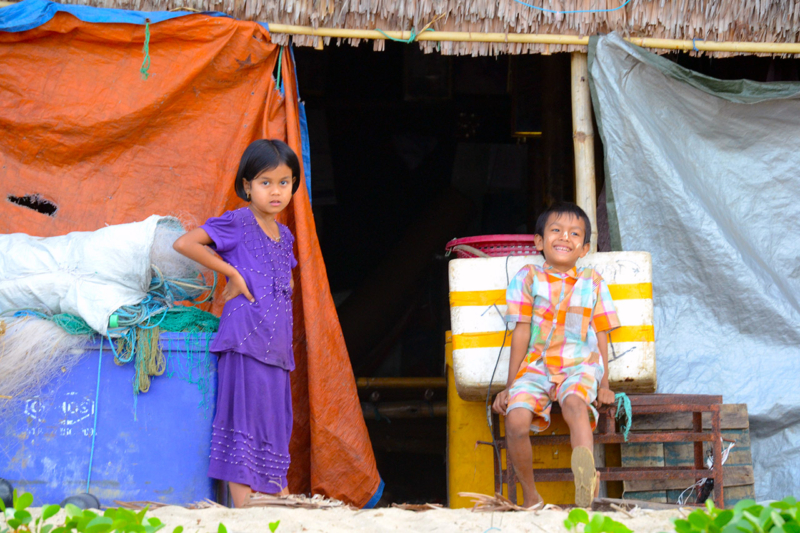
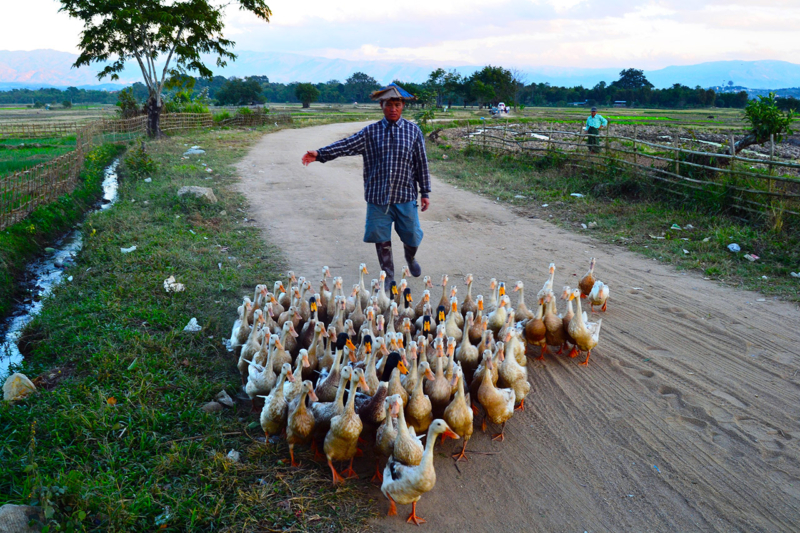
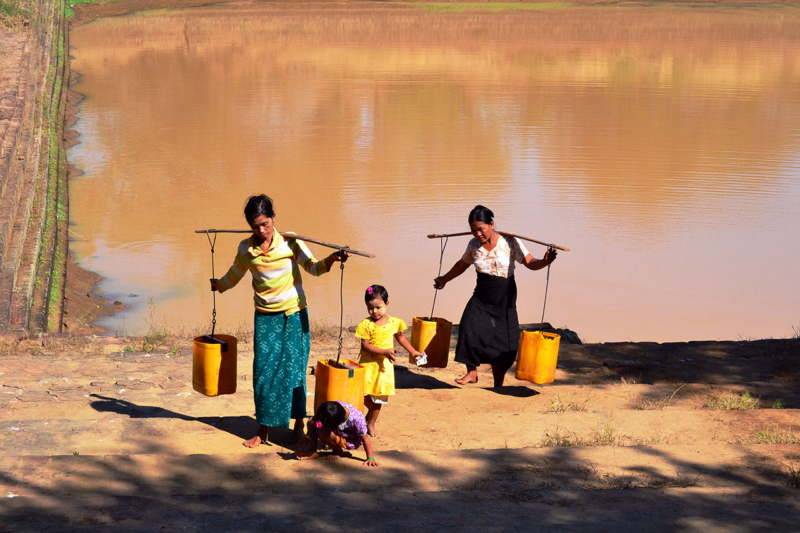
In the middle of the village, people were cooking food over an open fire. Nearby, a woman was bathing from a large basin. Children were running around, playing with pigs, and the locals, despite their modest conditions, looked happy and smiling.


I was invited into nearly every home. The locals were so hospitable that I felt like a welcome guest. The men tried to offer me betel — a traditional chewing mixture of betel leaves, lime, and areca nuts. But, honestly, I didn’t dare to chew it. The sight of the bright red liquid they spit out made me a bit uneasy.

This village became a real discovery for me. There was no touristy glam, only real life.


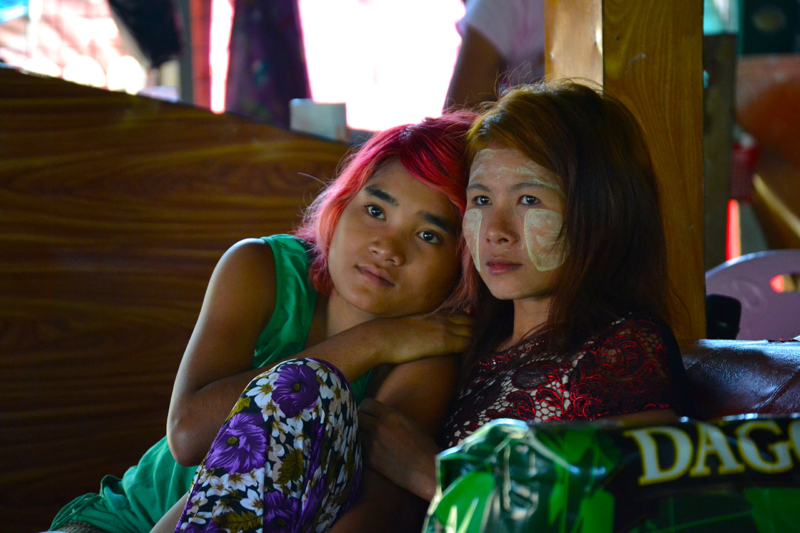
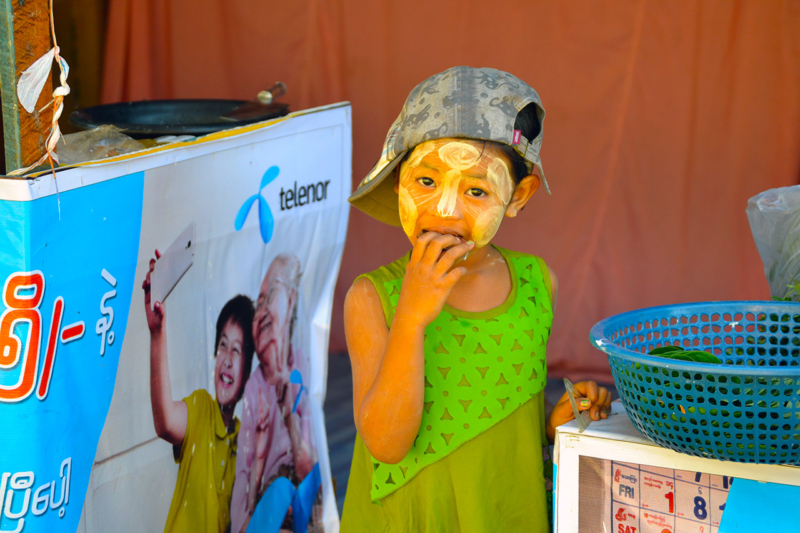
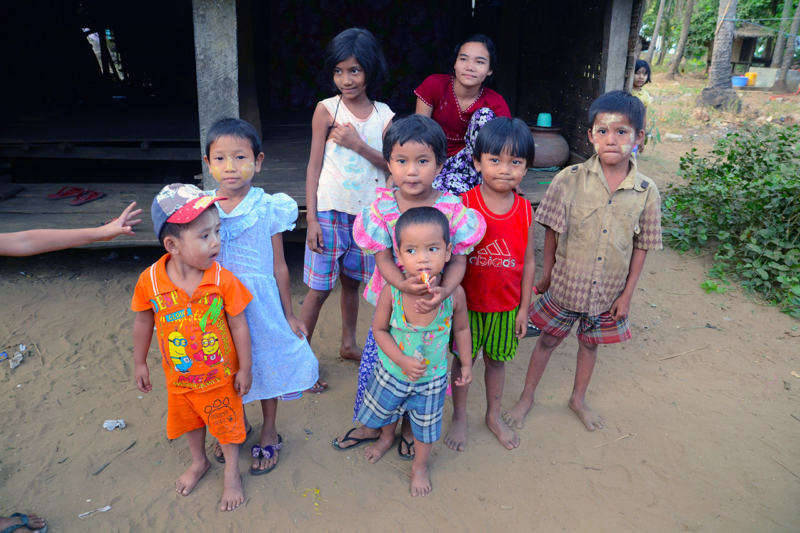
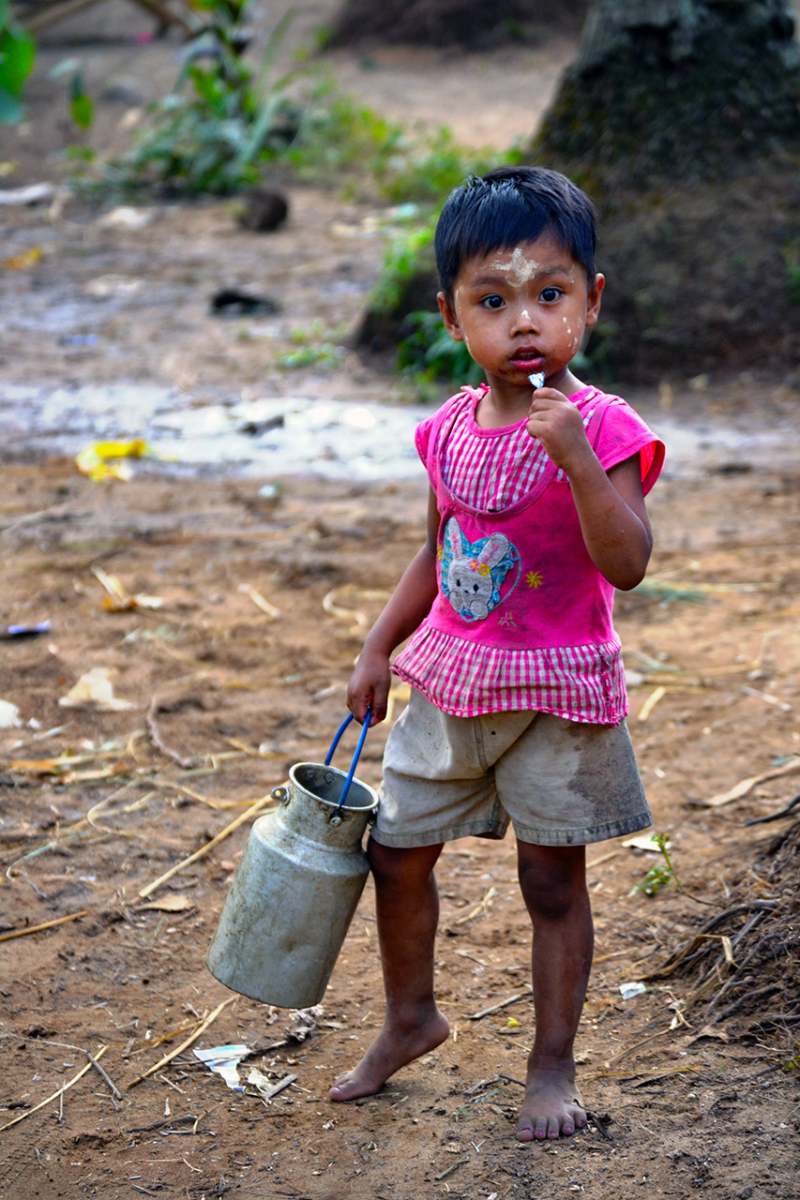
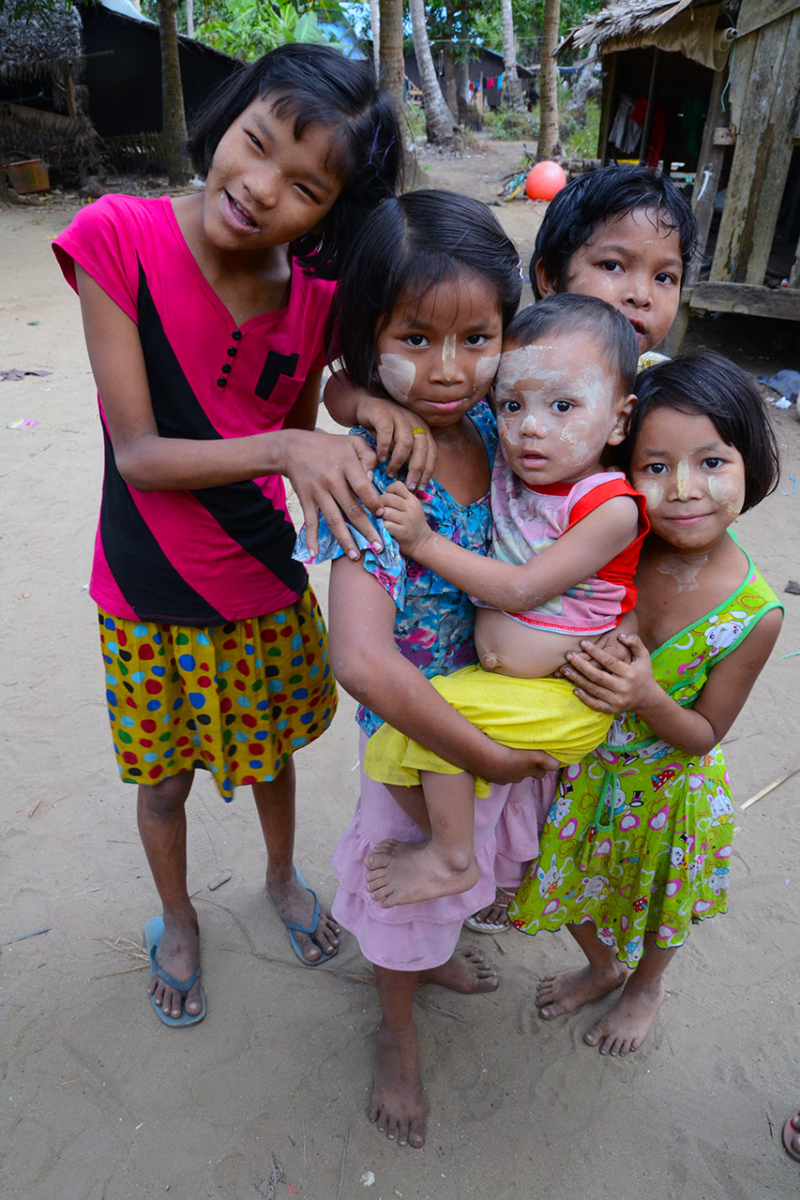
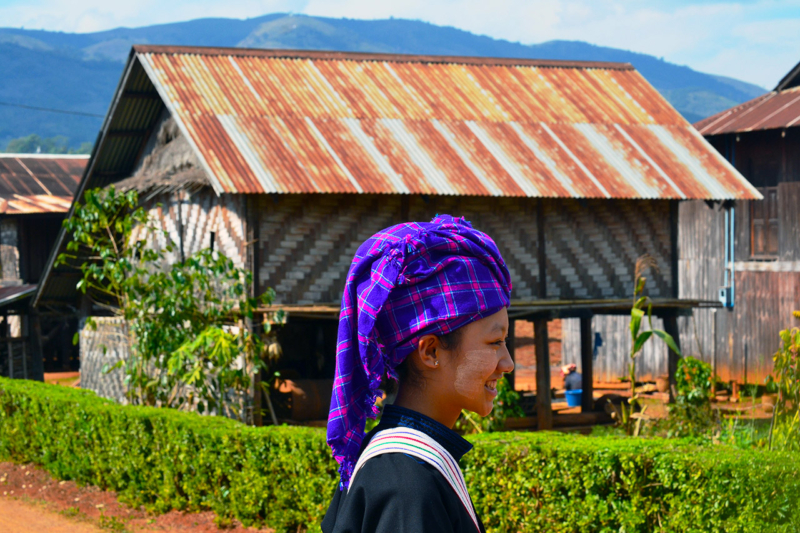
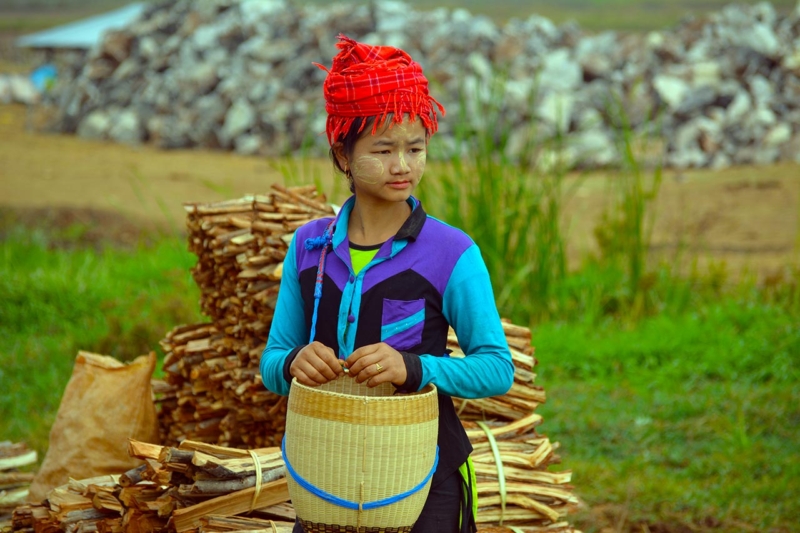
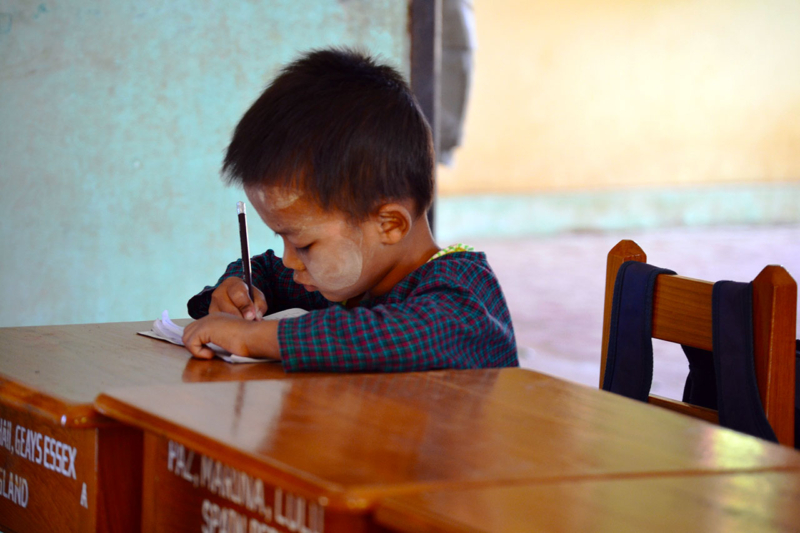
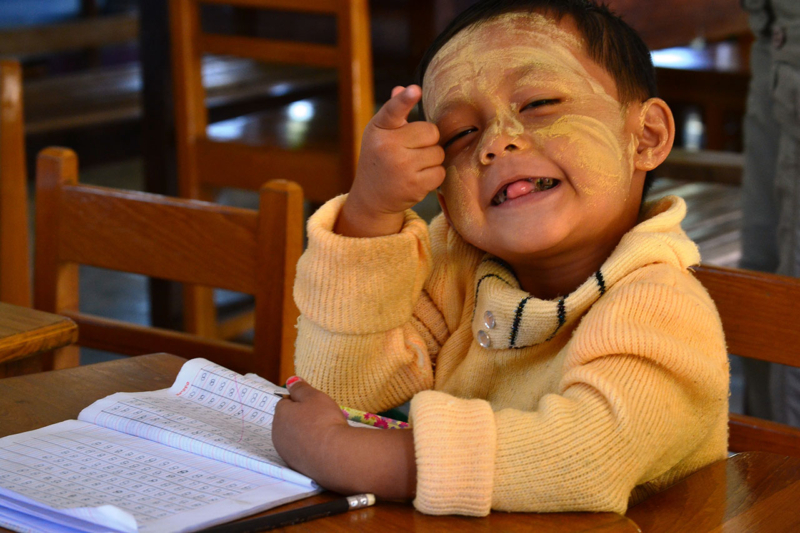
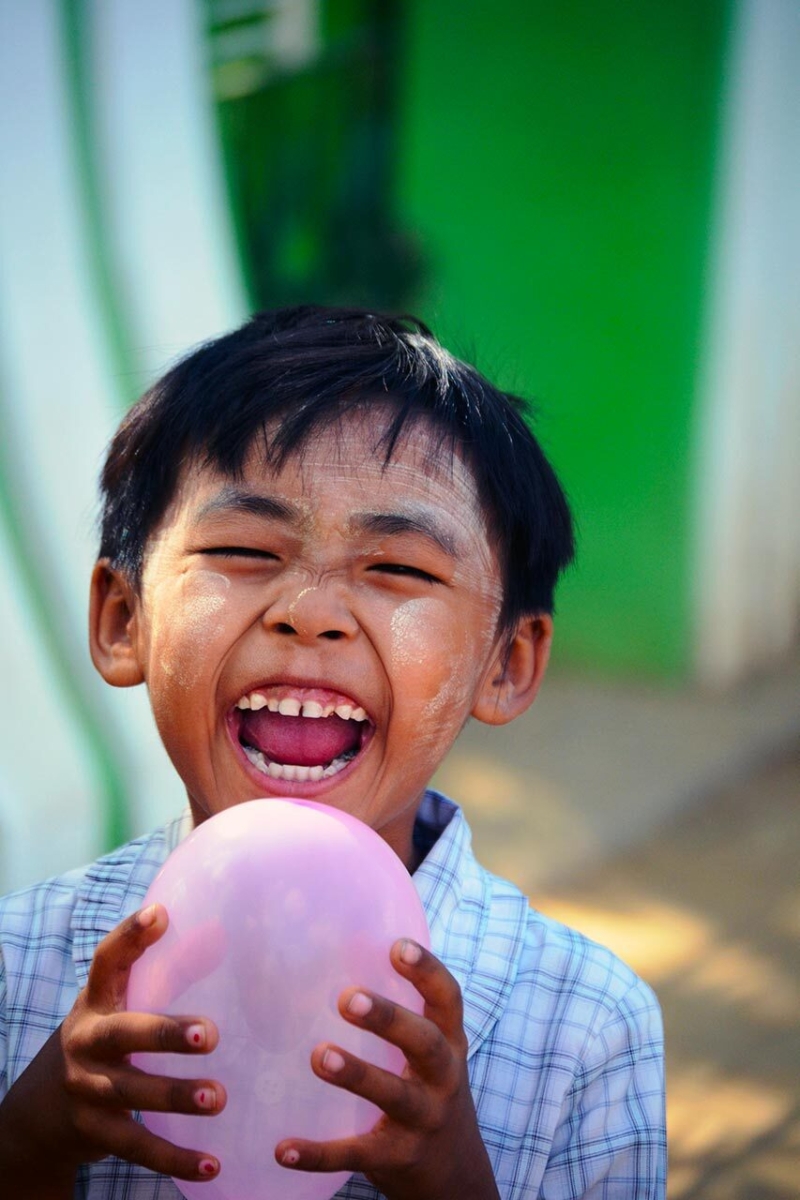
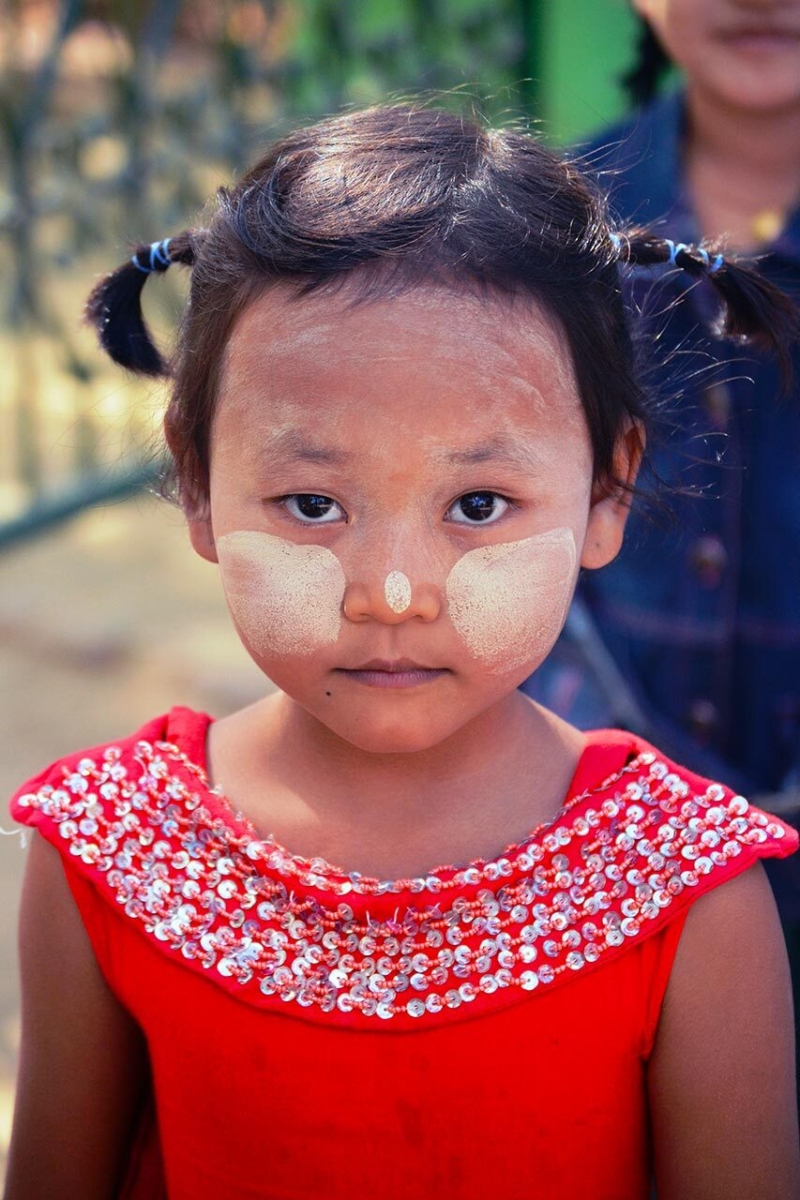
You probably noticed that many locals, especially the children and women (sometimes even the men), have white spots or patterns on their faces, as if drawn with chalk. This is thanaka, a traditional substance that has been used here for centuries. Yes, besides the longyi—traditional skirts worn by both men and women—Myanmar has another unique feature that immediately catches the eye. It’s thanaka — the white-yellow patterns on faces, which can be seen on almost every second person in the country. And it’s not just a rural tradition: even in the capital, Yangon, people wear thanaka with just as much enthusiasm. I hope this tradition never disappears, as it adds a national charm that many cultures envy!

What is thanaka?


Thanaka is a natural paste made from the bark of the same-named tree. It is used as a cosmetic, sunscreen, and even as a way to express love.

For the people of Myanmar, thanaka is a part of life from childhood. If a European mother kisses her child before school, a Myanmar mother paints her child’s face with thanaka. It’s her way of saying, “I love you.”


The process of making thanaka is simple but requires skill. Myanmar women use special rough round stones that they’ve been using for centuries. They put the stone in warm water and then place pieces of thanaka bark in it. The bark is then rubbed against the stone, creating a yellowish-white paste. This paste is then applied to the face.

Fresh thanaka cools the skin, and when it dries, it doesn’t tighten the skin. But the main thing is its distinctive, slightly bitter smell, which becomes a part of their identity.


Who uses thanaka and how?
Children! Their mothers apply thanaka every day to protect their skin from the sun.
Men in the villages use thanaka before working in the fields, while in the cities, it’s rarely used, except for self-expression. Some people draw patterns on their cheeks, while others create entire “masterpieces” on their heads.
For women, thanaka is both a cosmetic and an art form. They experiment with patterns, turning their faces into canvases for creativity.

Thanaka — more than just cosmetics. It’s part of their identity, it’s “where the homeland begins.”

Thanaka has also become a convenient souvenir for tourists. Those who don’t want to grind the bark every day can buy it in the form of soap or ready-made paste.
YANGON

Our visit to Yangon was short — only half a day. And that half day was spent buying a new camera for my travel companion. Unfortunately, she had drowned her old camera in the sea, so instead of exploring the city, we went shopping.


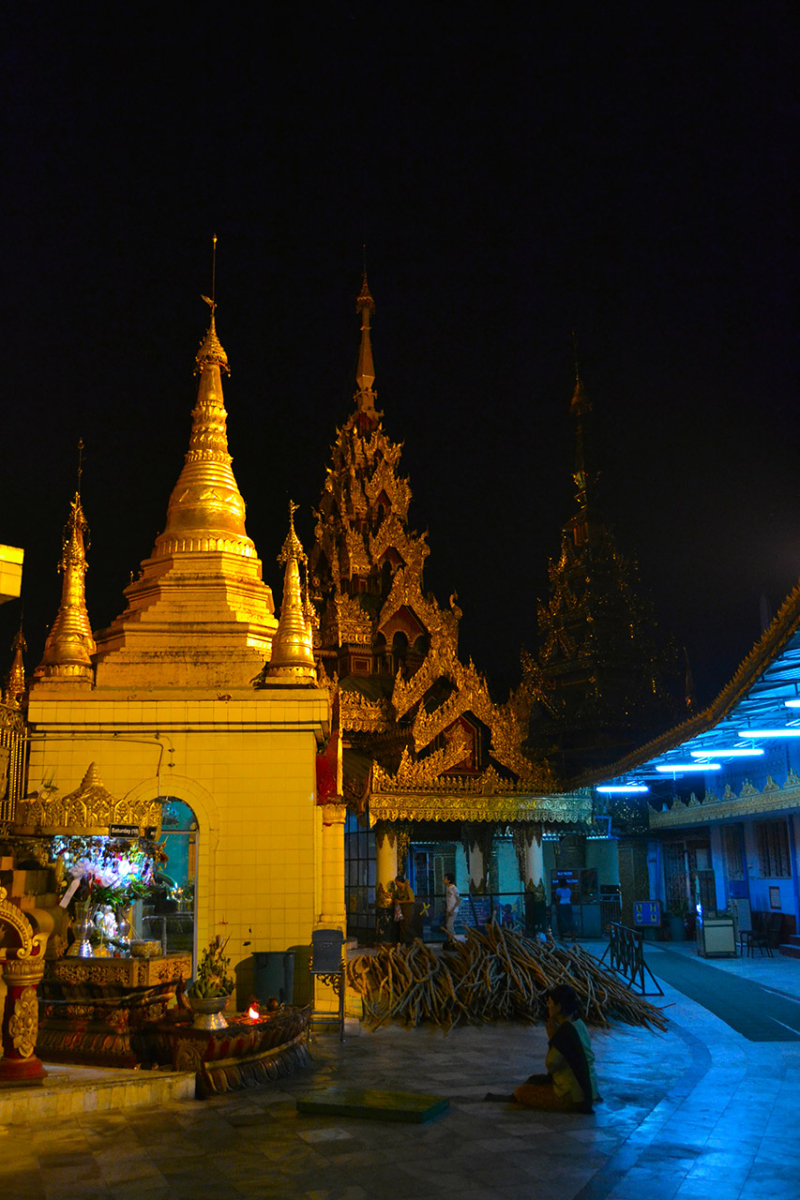
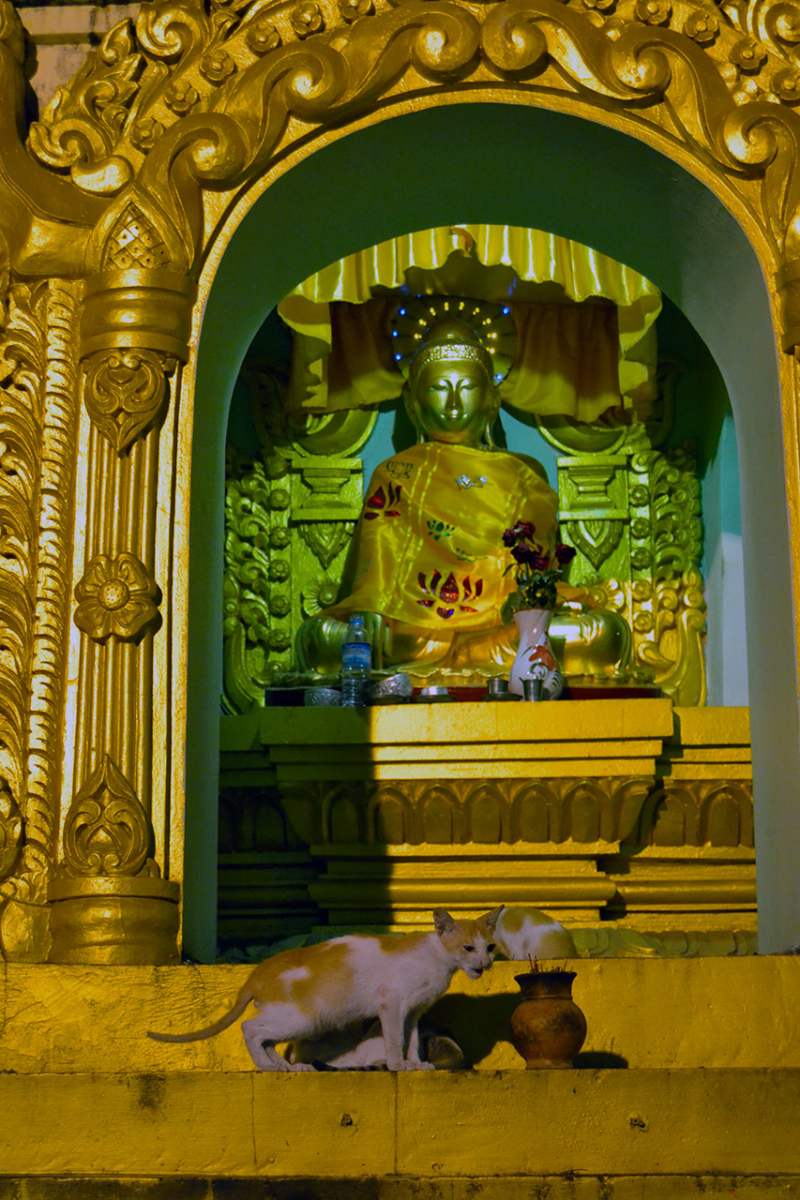
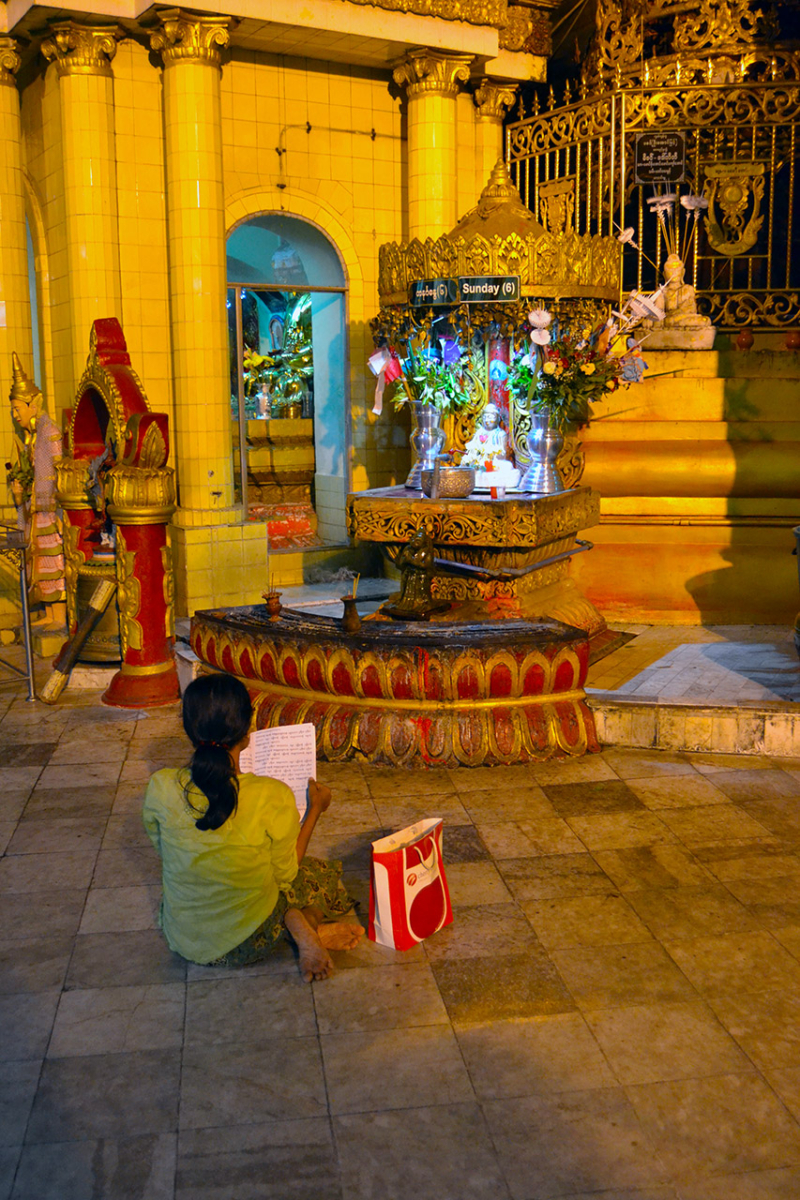
In the end, we barely saw anything, but honestly, our impressions of Yangon were such that perhaps it wasn’t worth going there at all. We quickly visited the famous Shwedagon Pagoda — the city’s main attraction. This massive golden complex is impressive in its scale: the stupas shine, and there’s an atmosphere of reverence all around. We walked around the pagoda, observing the locals praying and offering flowers to the Buddha statues. Shwedagon is undoubtedly impressive, but unfortunately, we didn’t have time to immerse ourselves deeper into its atmosphere. Also, we couldn’t shake the feeling that someone might steal our shoes, which we had left by the entrance.
 

After the temple, we decided to grab something to eat. Like normal people in a big city, we headed to the waterfront. However, instead of a cozy cafe, we ended up in a rather eerie little eatery. There were no other white people except us, and everyone was staring at us strangely. Oh, and we were also the only women there! The food wasn’t very appetizing, and the atmosphere was dirty, run-down, and unpleasant.


In the end, we were really glad to leave Yangon the next morning. Our flight was headed to Kentung, and we left the capital with a sense of relief, eager to continue our journey through the more cozy and atmospheric corners of Myanmar.

KENGTUNG, the first introduction to Shan State, Pa-O tribe

So, friends, let me tell you about our flight to the town of Kentung (or Kyaingtong — call it whatever you want, there are so many variations of spelling, it makes your head spin). I’ll say right away: this was not just a flight; it was a true action-thriller with elements of extreme sports.

Picture this: a tiny plane, which seemed like it was built from spare parts in someone’s garage. We’re flying into a valley surrounded by mountains, and there’s hardly any room to maneuver. The pilot, seemingly channeling his inner character from Mission: Impossible, decided to land in a sharp turn. Honestly, I was mentally preparing to say goodbye to all my sins. By the way, three days later, we took off the same way — not straight, but in a big curve.
 

But, you know, that’s not all!

When we finally landed, we were greeted with a surprise: an airport that looked more like a bus stop. No gangways, no baggage trolleys, and no smiling staff. You unload your own luggage, and then drag it across a field, like you’re not a tourist, but an immigrant searching for a better life.

And the best part: border control. Now, here’s where the real hunt begins. But not for animals, oh no — it’s a hunt for rare white tourists. Yes, we were treated like exotic animals in a zoo. The border guards looked at us as though we had just landed from another planet. And don’t be surprised by the presence of an army and border guards within the country. Shan State at that time wasn’t exactly peaceful. And now, it’s not just border guards — it’s a full-on army.

Our travel agency had already sorted out our permits and arranged a local guide for us. At the time, it was forbidden to travel through Shan State without a licensed guide.


Without even checking into our hotel, we immediately asked to be shown the nearest village. After all, we came here for the local color!

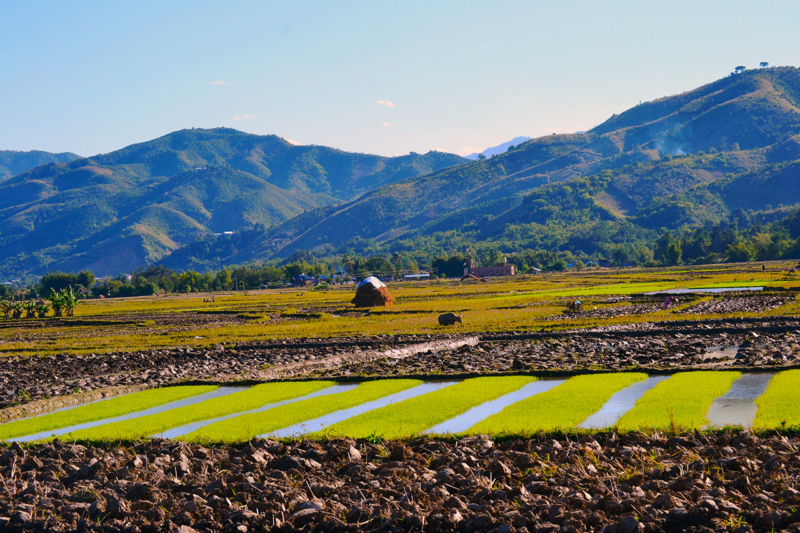
Kentung is a town in eastern Myanmar, near the borders with Thailand and Laos. This means we are right in the heart of the “Golden Triangle.” The name “Golden Triangle” became famous because this region was for a long time one of the largest centers for opium production and trade in the world (as well as its derivatives, like heroin). This might explain the presence of border guards, right? But we’re not here for heroin! This region is known for its picturesque nature, mountainous landscapes, and ethnic diversity. Kentung is an important cultural and trade center for local ethnic groups, such as the Shan, Akha, Pao, Lahu, and others.


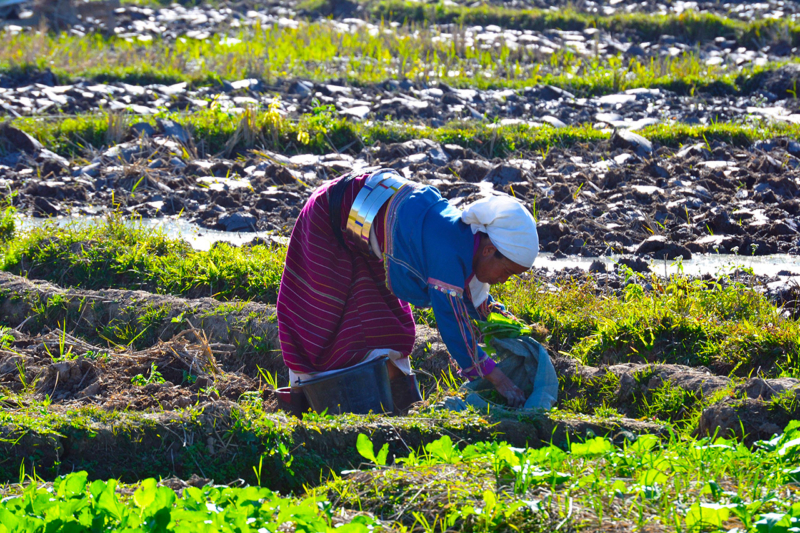
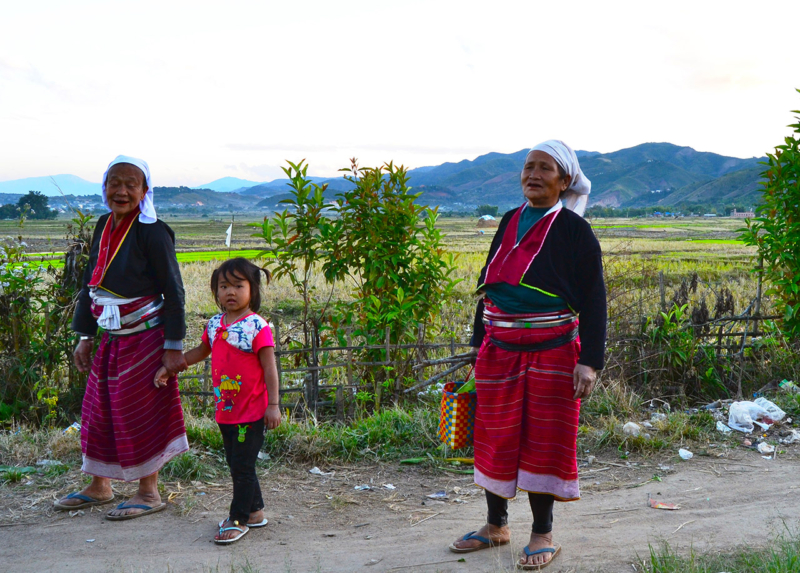
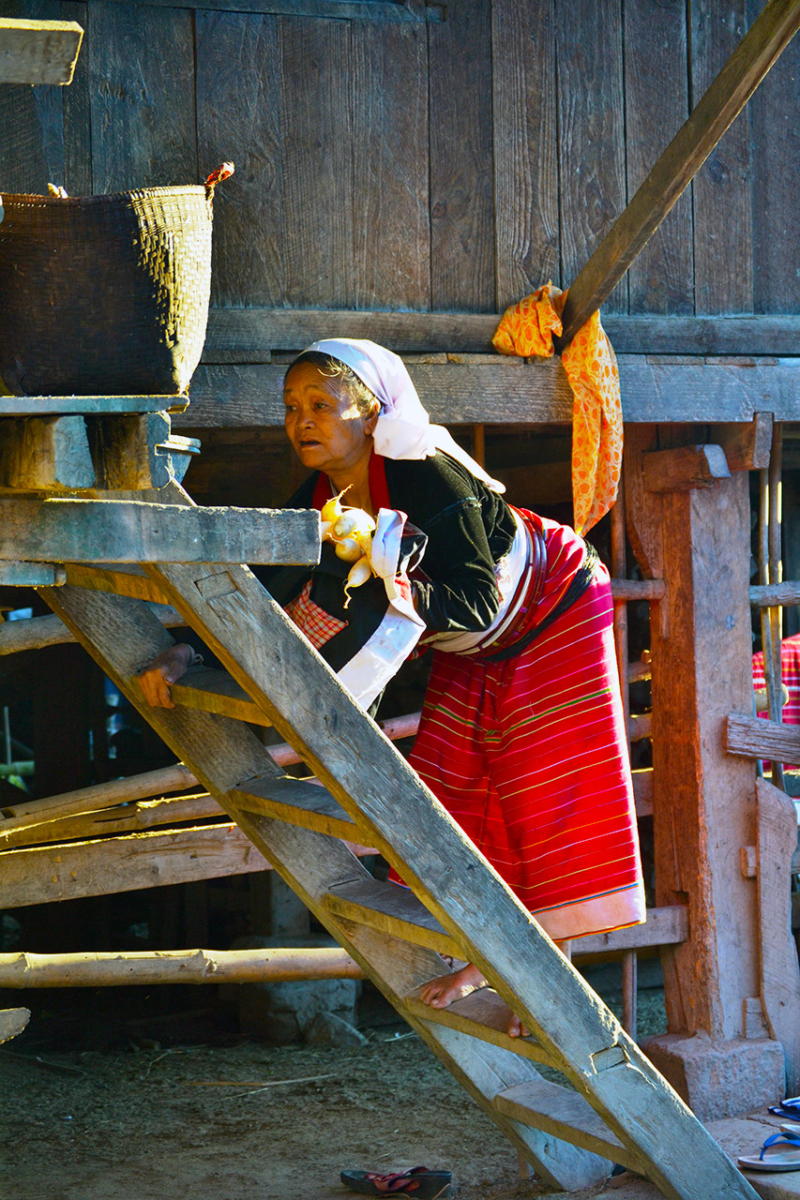
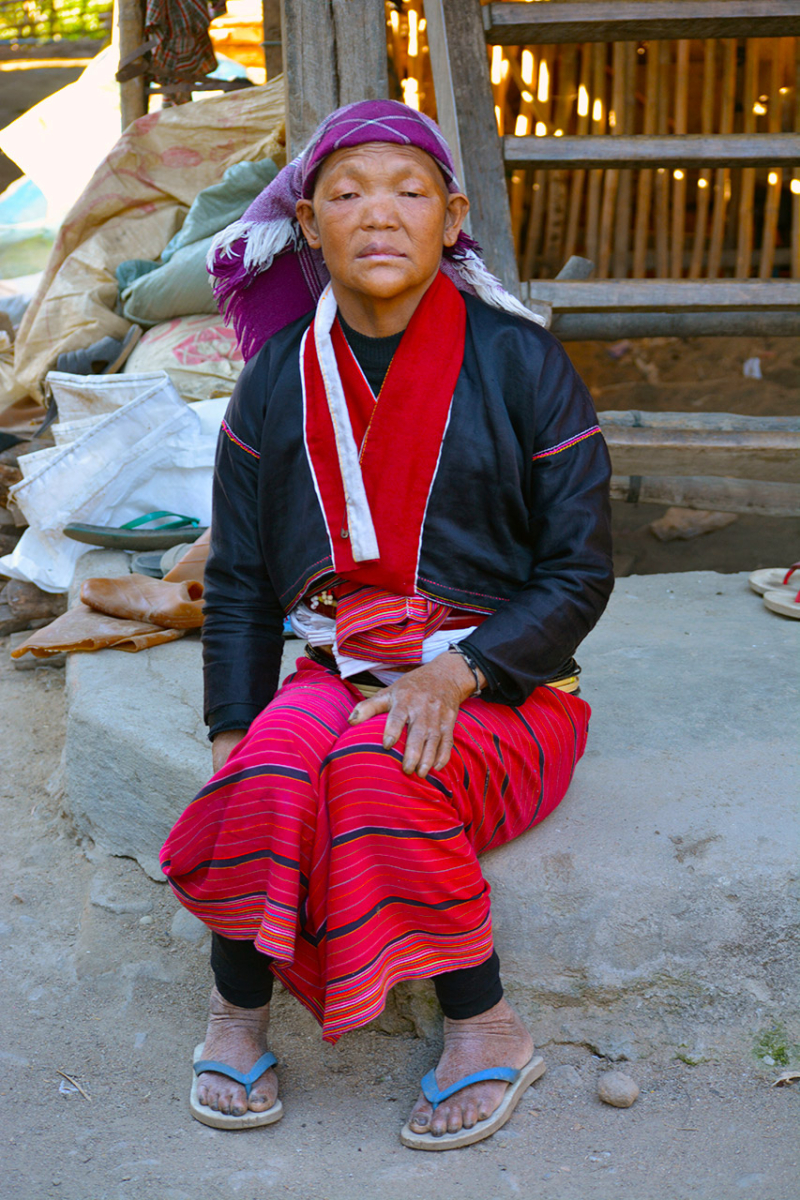
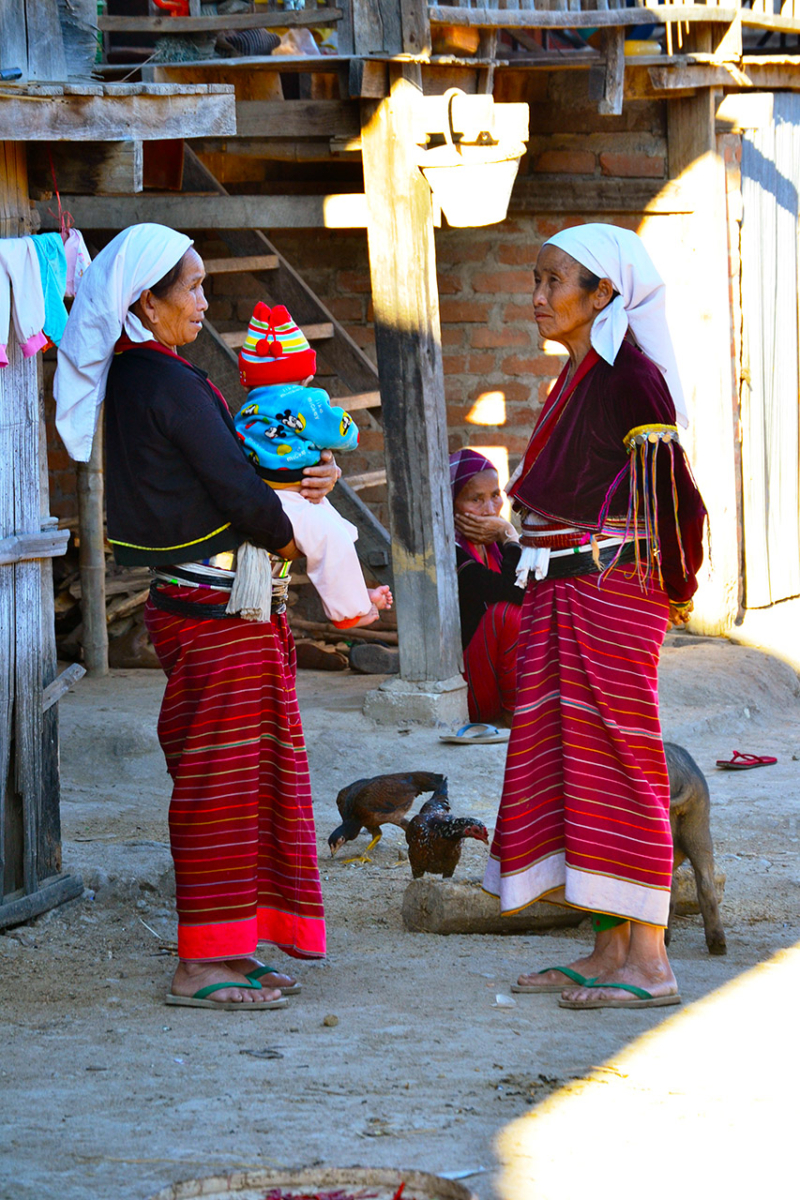
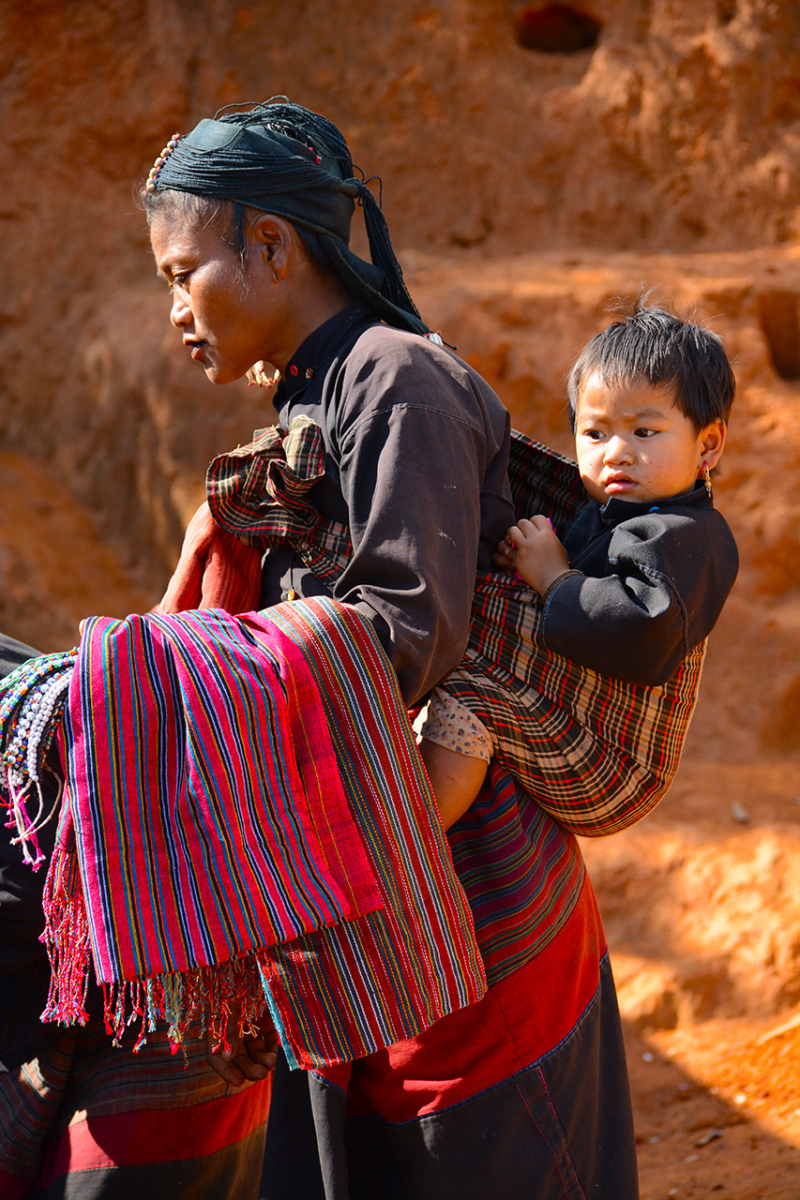
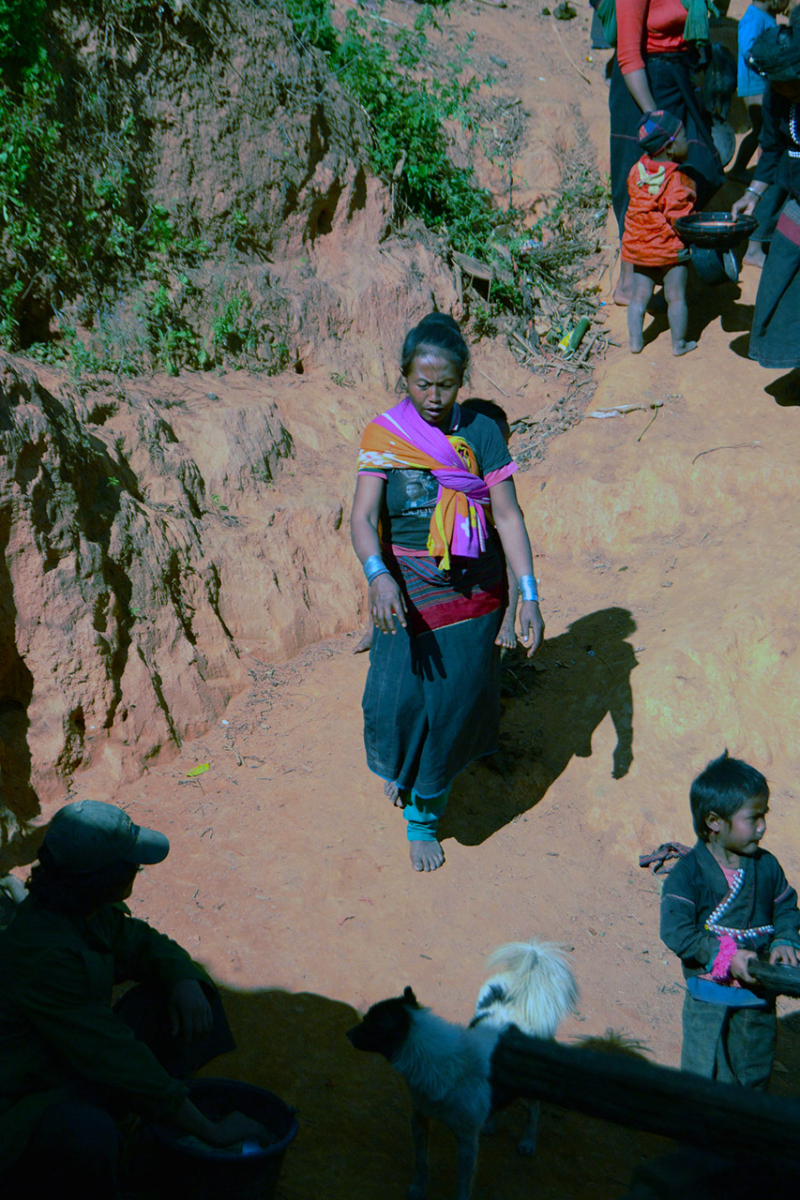
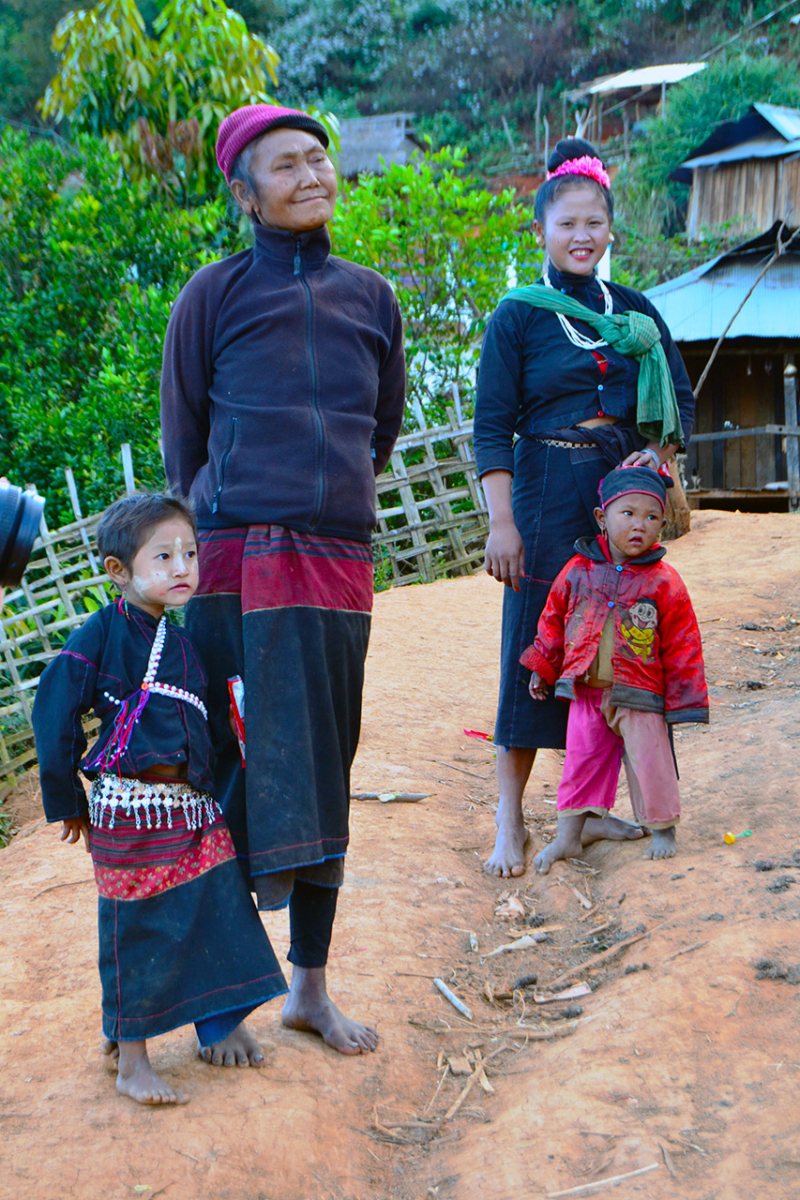
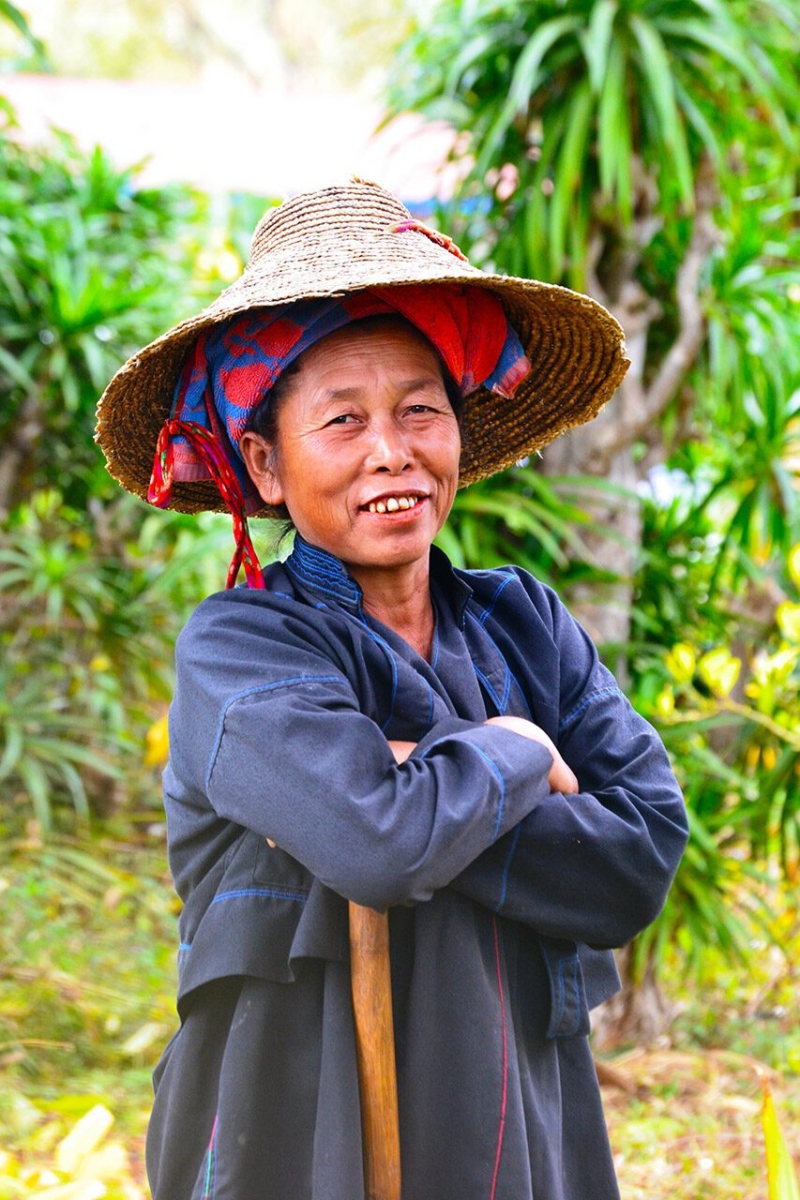
On this day, we visited a village of the Pao tribe. The Pao (Taungthu) people in Myanmar number around 1.5 to 2 million. They are one of the largest ethnic groups in Shan State, where they make up a significant portion of the population. They speak the Pao language, which belongs to the Tibeto-Burman language group.


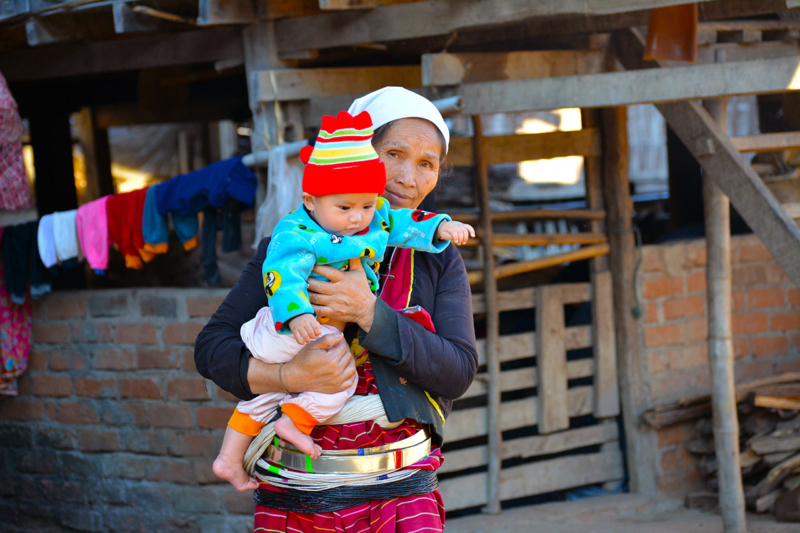
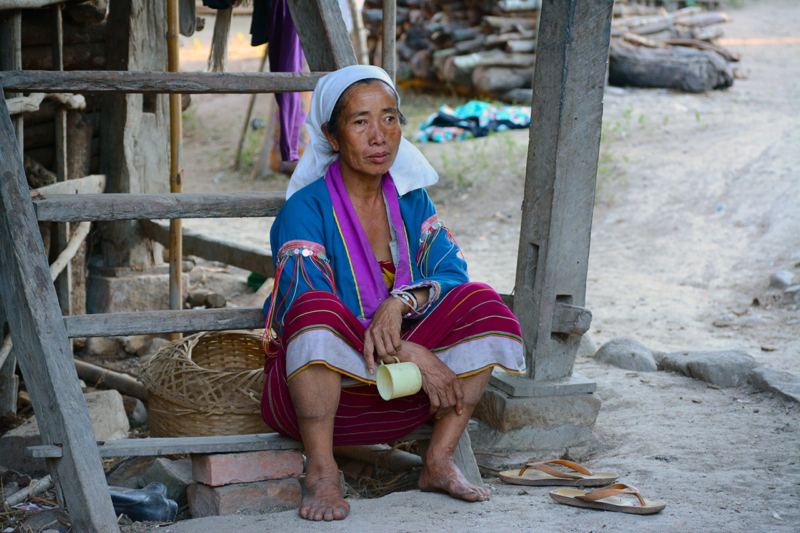
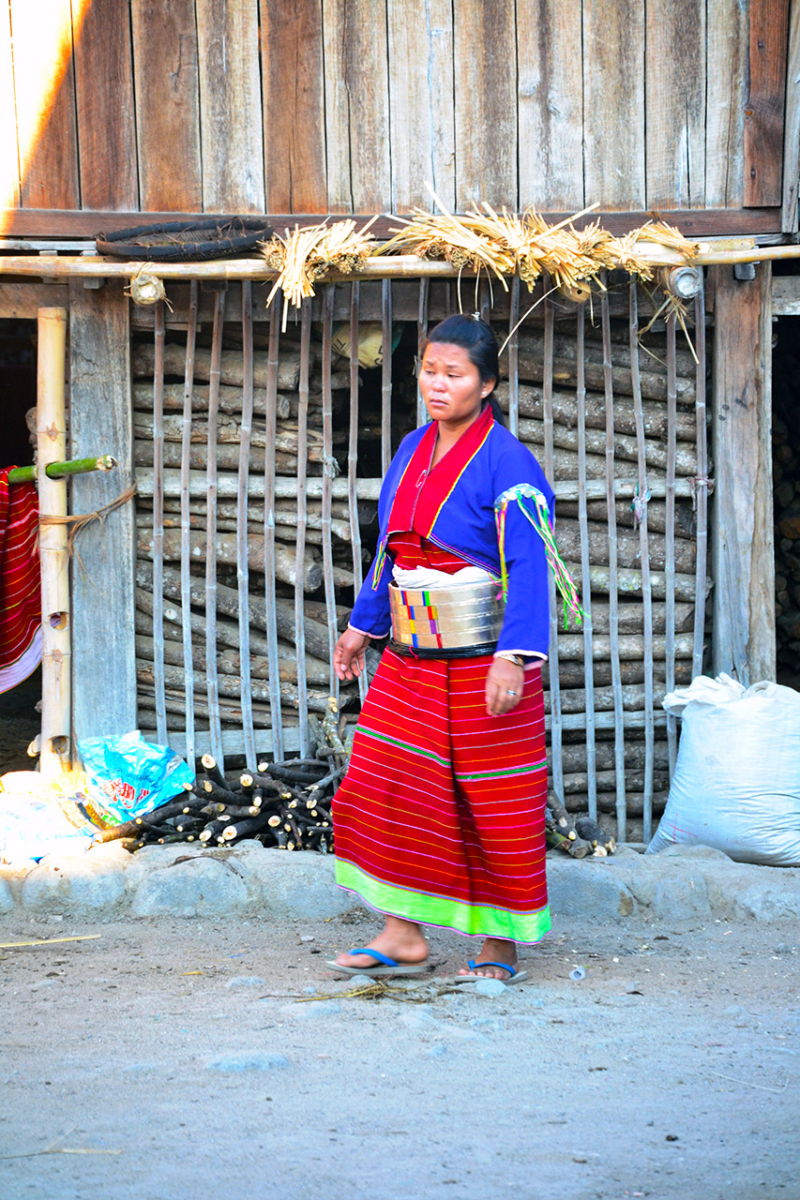
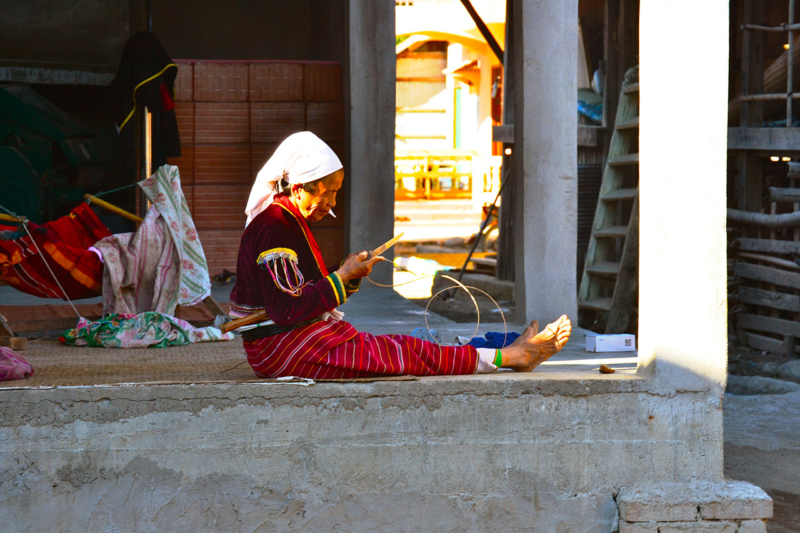
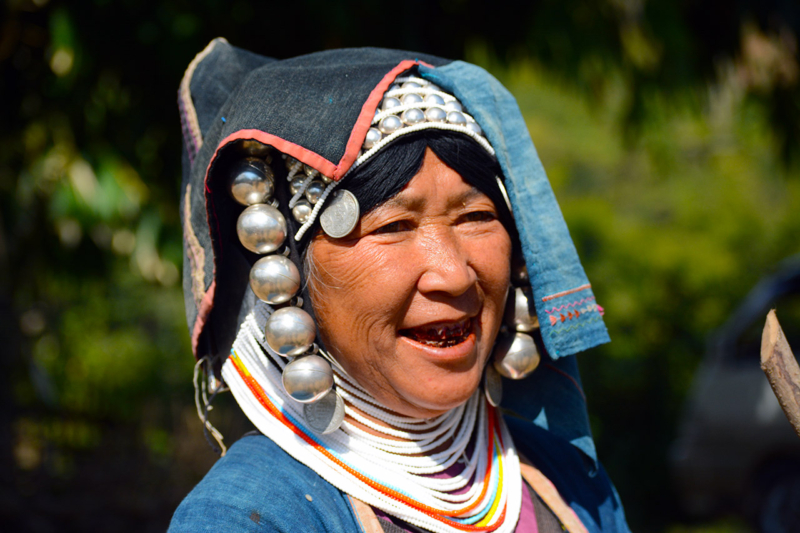
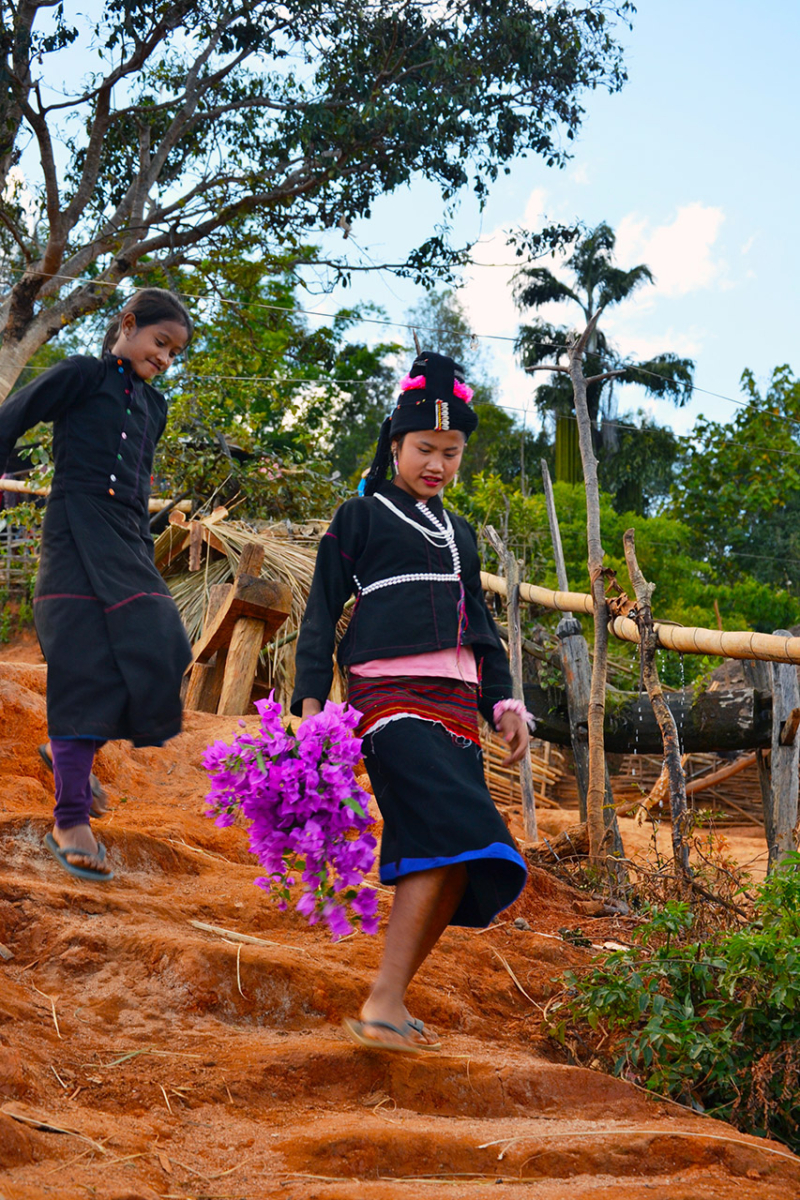
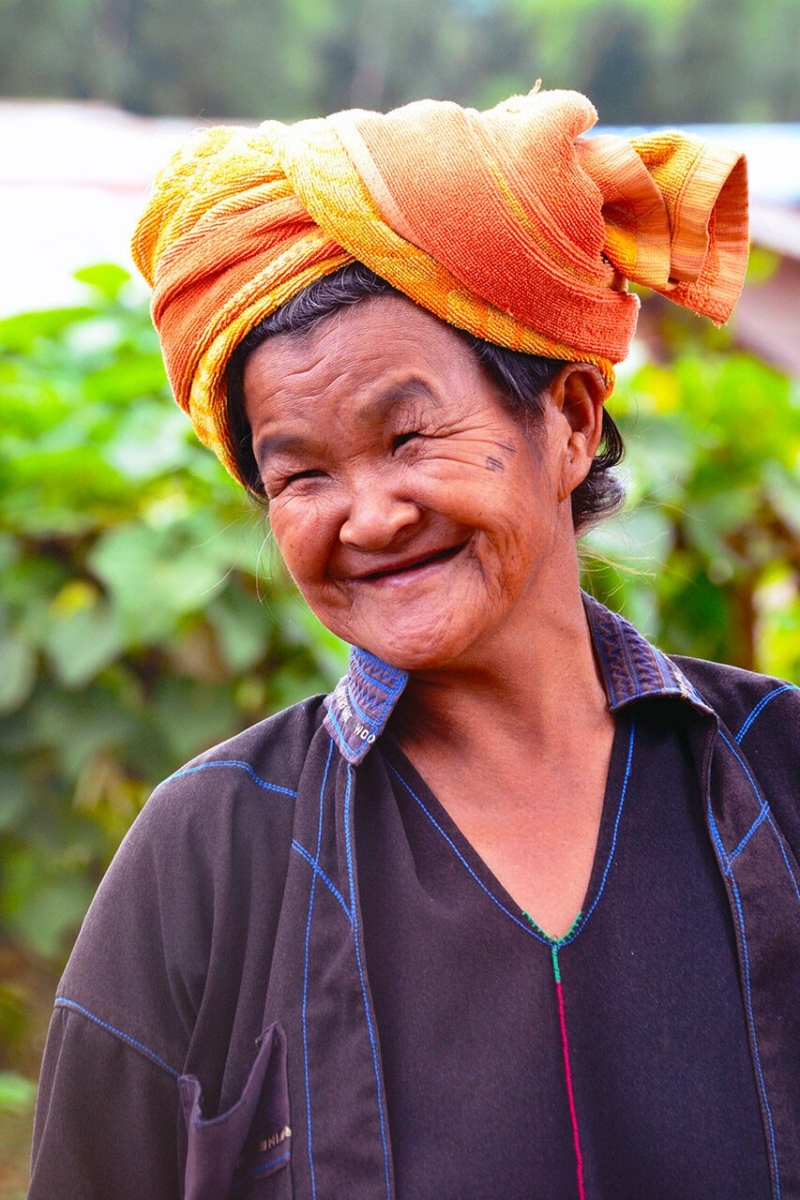
Most of the Pao people follow Buddhism, but they also retain elements of traditional animistic beliefs. Pao women dress in traditional clothing. Even when working in the fields, they wear metal belts. The belt worn by a Pao woman is made of metal plates, most often aluminum or silver. These belts traditionally serve not only a decorative function but also symbolize status, femininity, and marital status.

KENGTUNG, The Akha New Year Festival

Well, friends, are you ready for the continuation of our adventure? Because the first day in Kentung was just a warm-up!

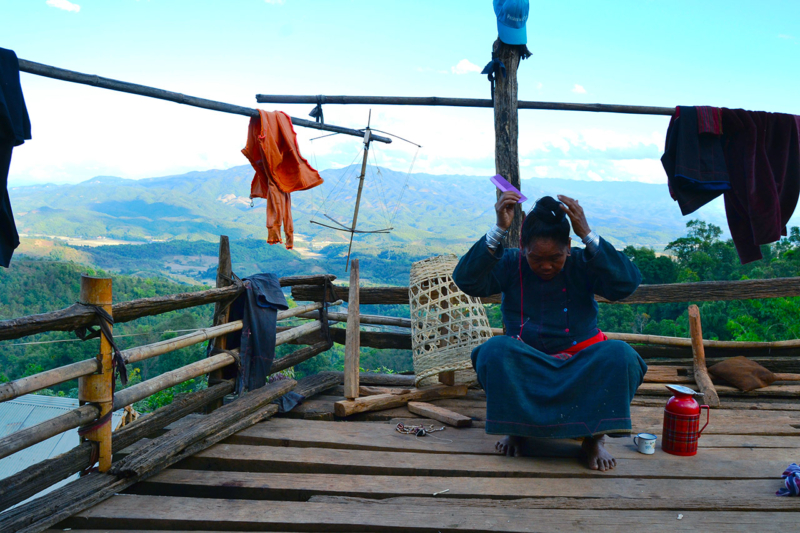
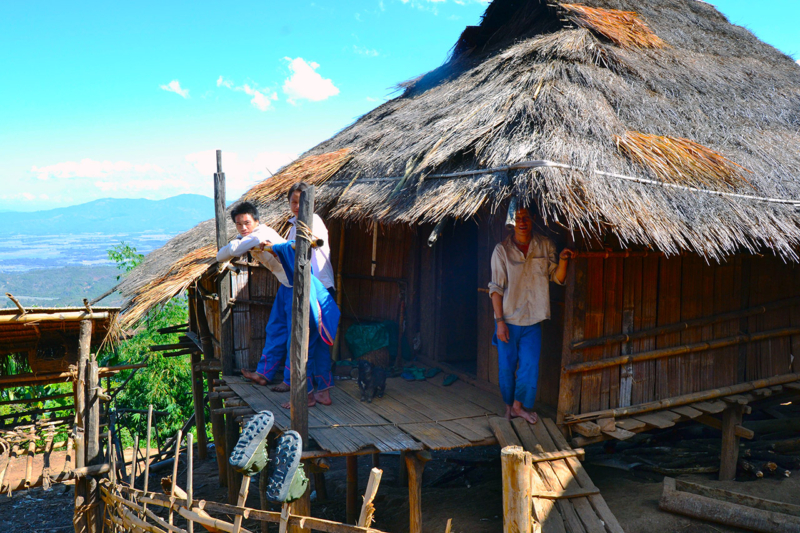
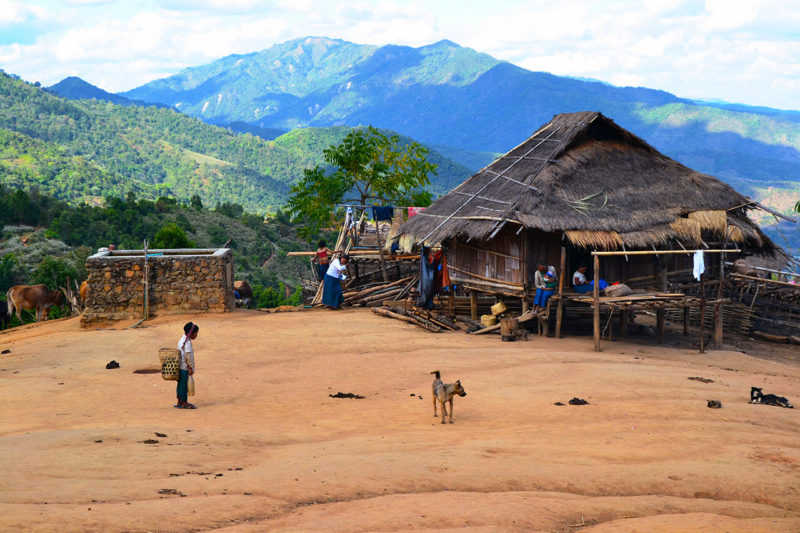
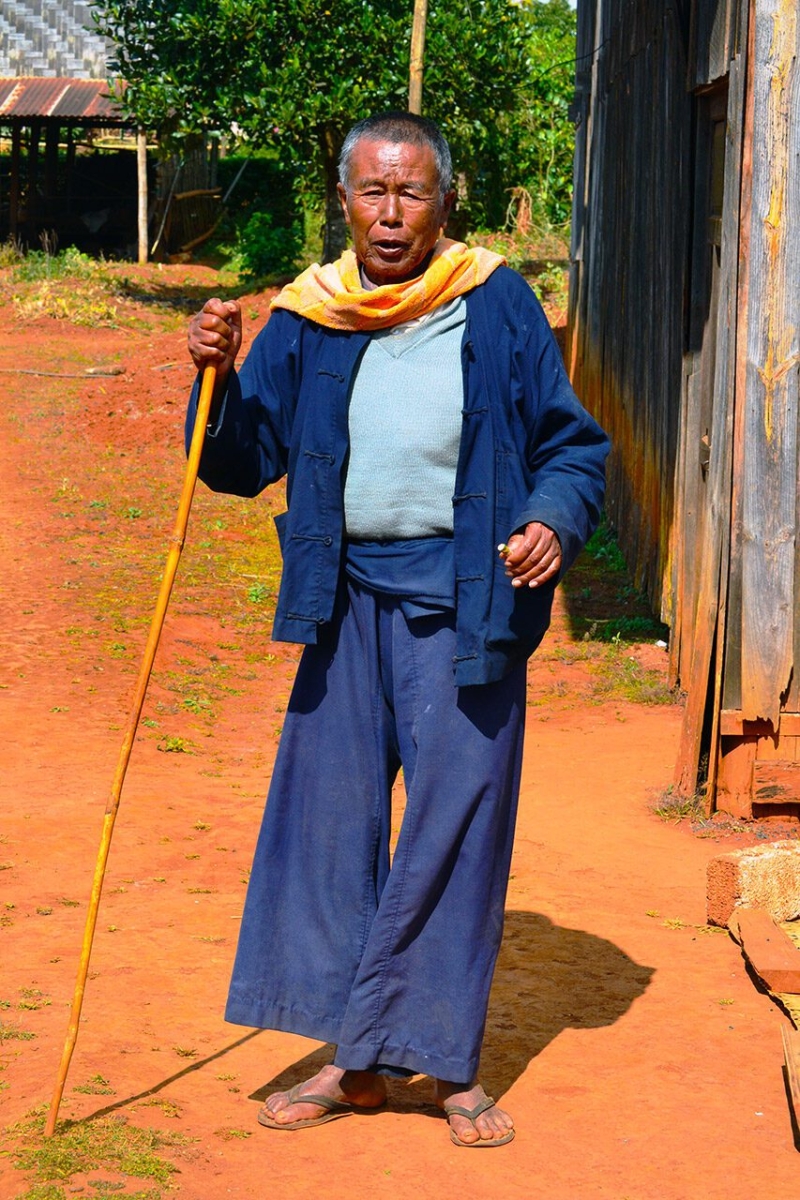
I’ll be honest: we were absolutely stunned by how the locals live. It was a real cultural shock. Imagine this: you arrive in a place where time seems to have stopped a hundred or even two hundred years ago. Bamboo houses, people in traditional costumes, and no signs of the conveniences we’re used to. And you know what’s the most surprising? They’re happy! They smile, live their lives, and you start to envy their simplicity and harmony. Well, at least you try to understand how they do it.


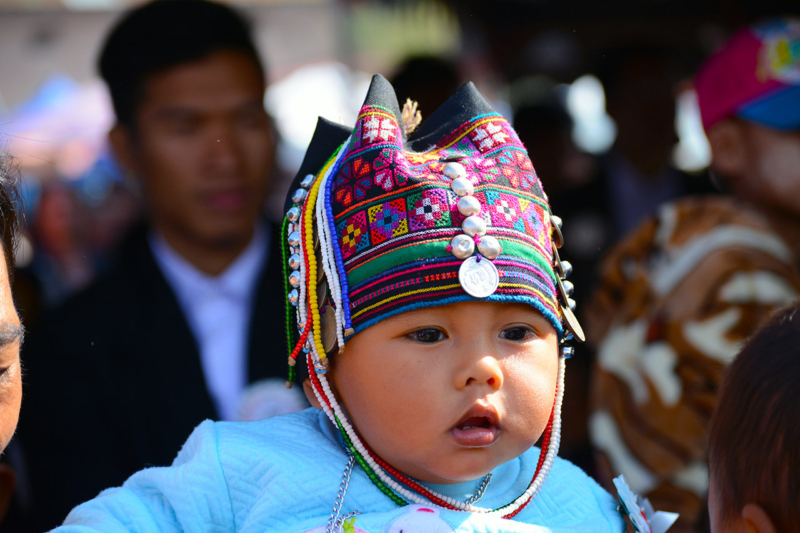
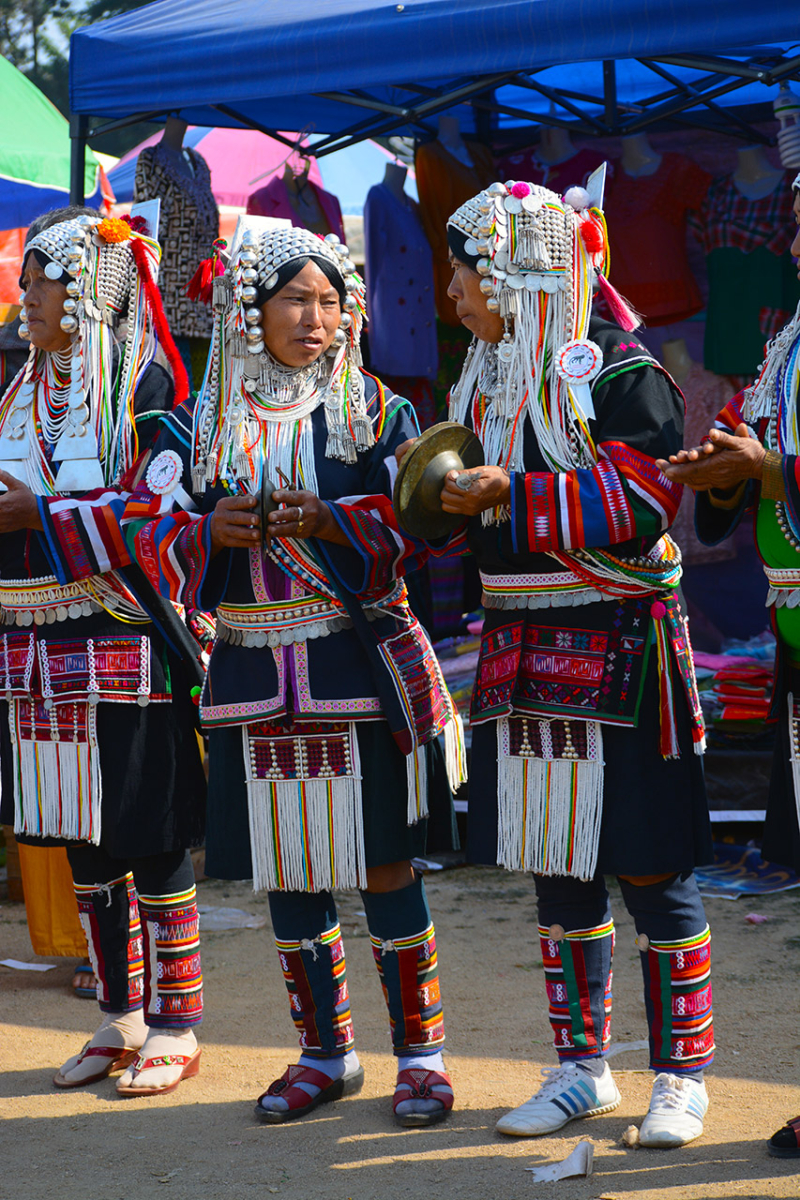
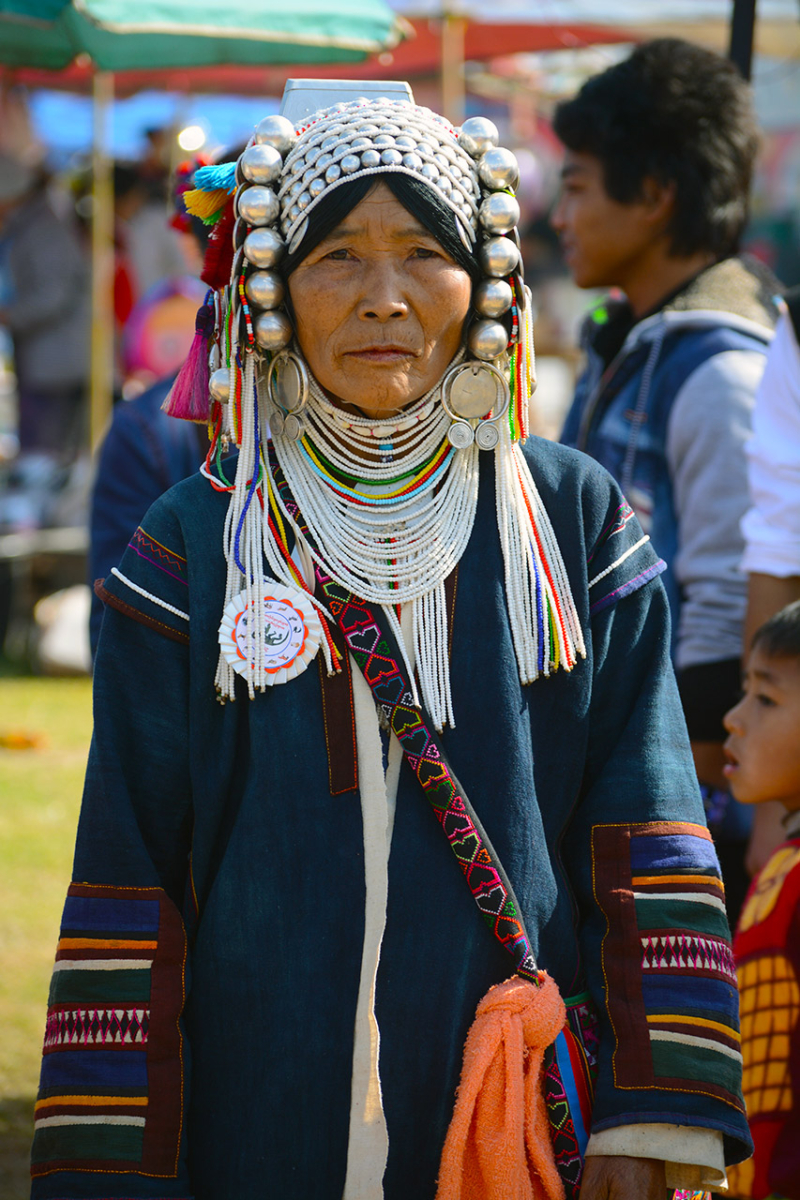
But of course, the most interesting part was still ahead. The next day, we attended a festival of the Akha tribe, who were celebrating their New Year on December 28th. Yep, they have their own calendar, their own traditions, and it was a true explosion of emotions and colors!


By the way, in the town itself, we were allowed to be without a guide, and we took full advantage of that. We slipped into every possible “hole” we could find. In the morning, we ended up at the local market, where representatives from all the tribes gathered in their traditional clothes. It felt like stepping into an ethnographic museum, but everything was alive, real, and incredibly noisy. Trading, laughter, the smell of local food — it all created the atmosphere of a true celebration of life.

And after lunch, the best part began — the concert. Imagine: music, dances, songs passed down from generation to generation. Of course, we didn’t understand a word, but that didn’t stop us from dancing along with everyone.


The Akha tribe is one of the most fascinating ethnic groups in Southeast Asia. Their population is estimated to be around 2 to 3 million people, but exact numbers are hard to determine due to their settlement across different countries. In Myanmar, there are about 200,000 to 300,000 Akha people.


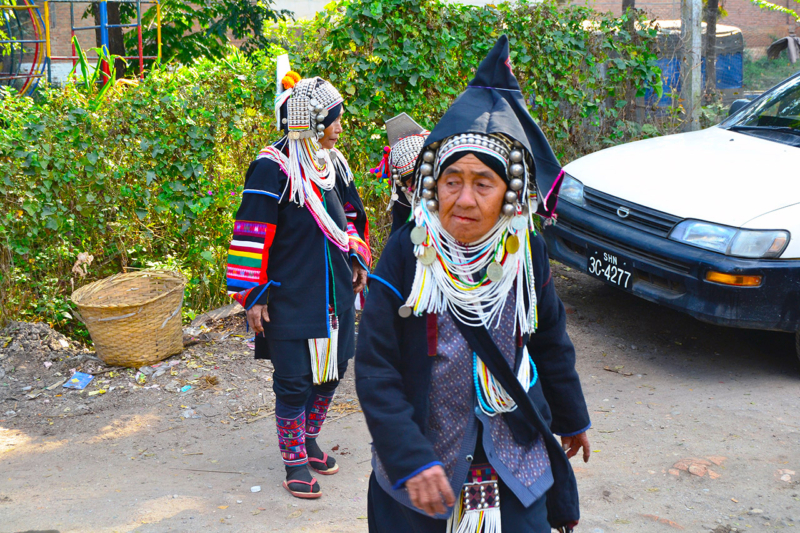
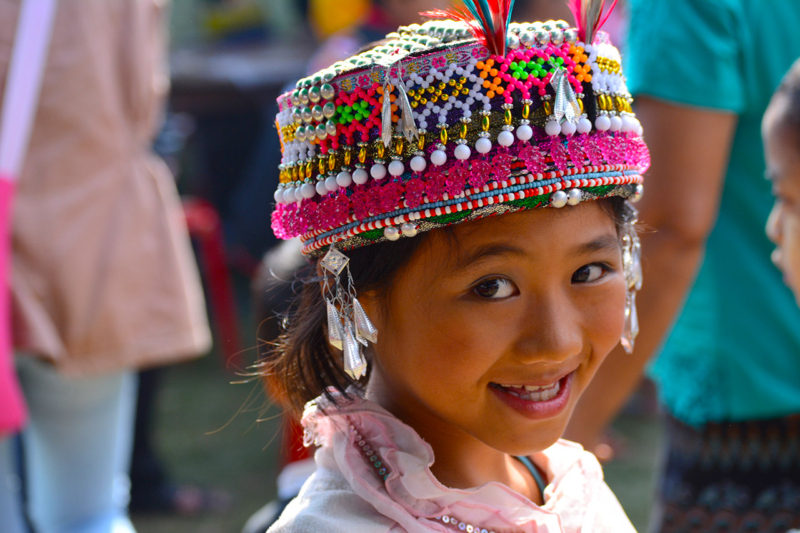
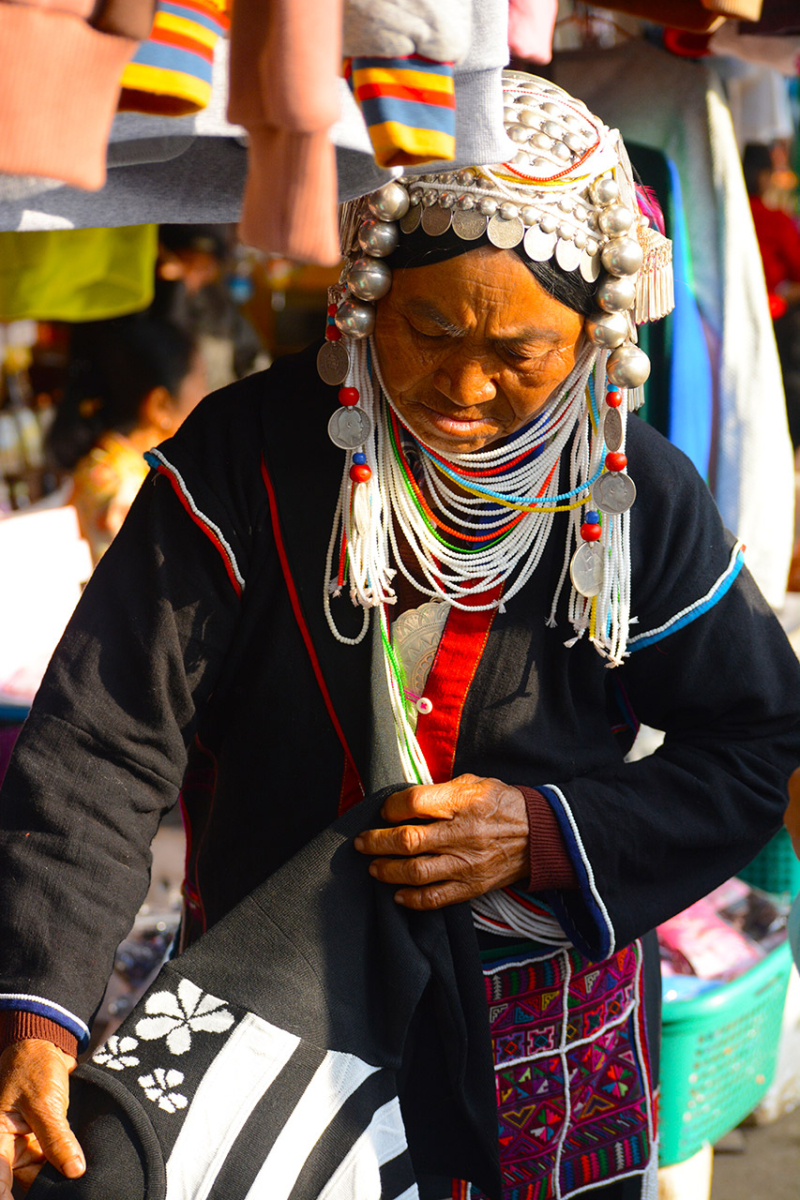
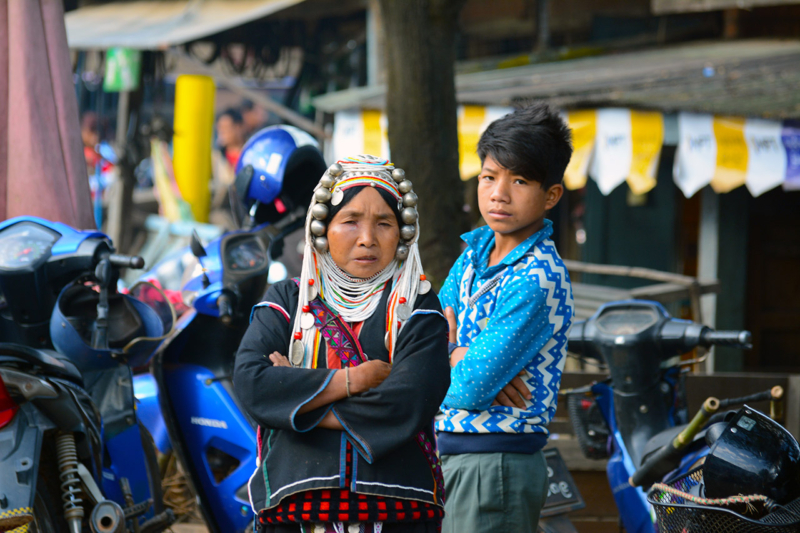
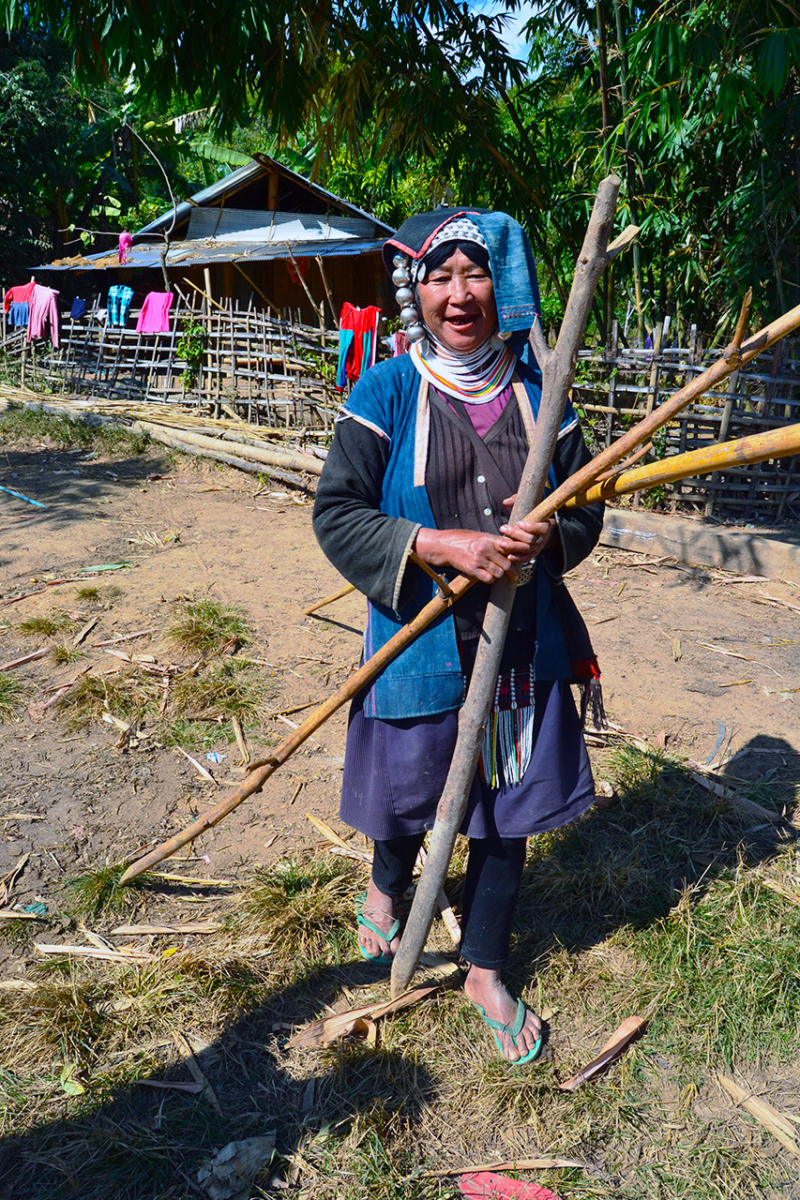
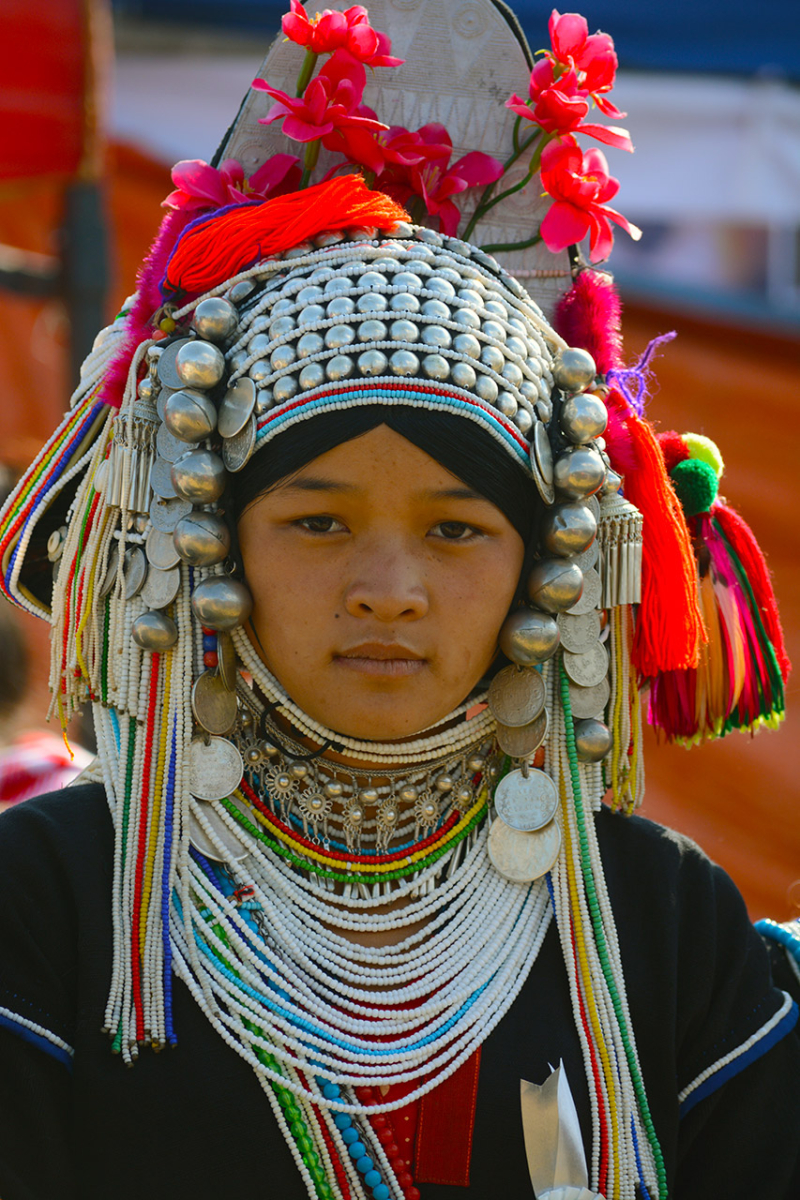
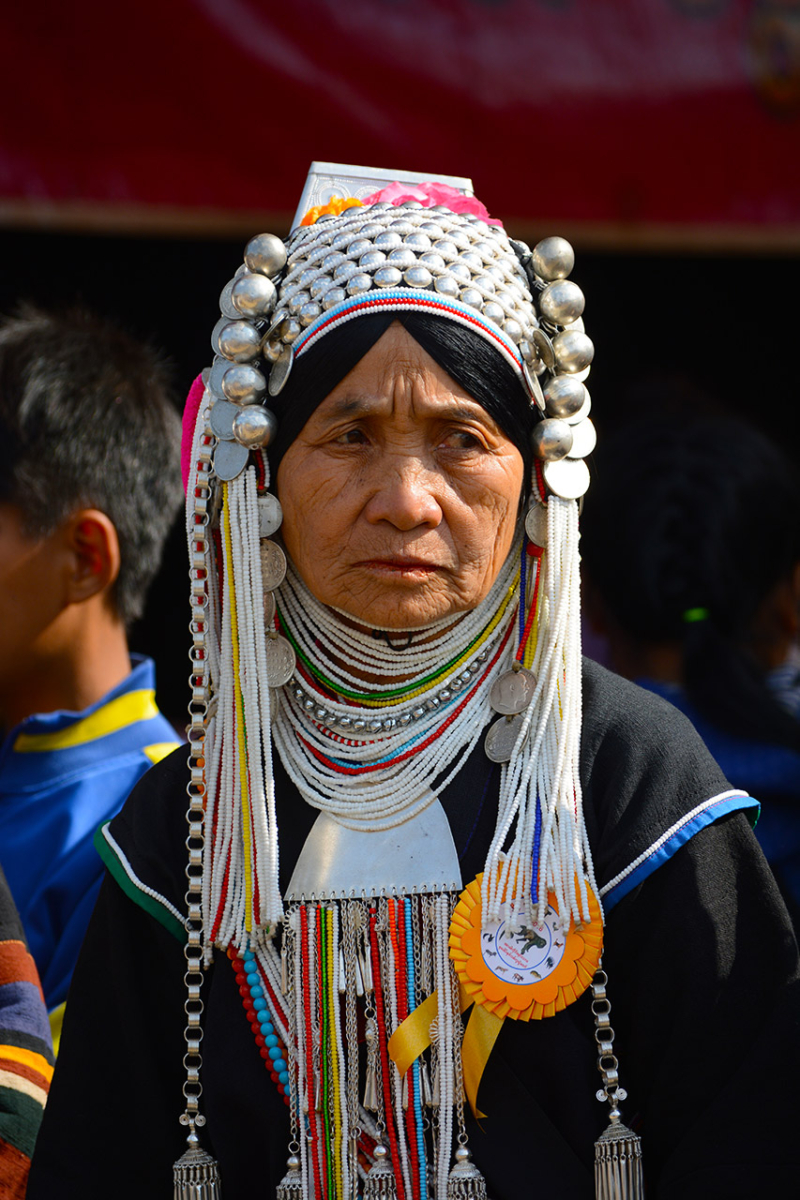
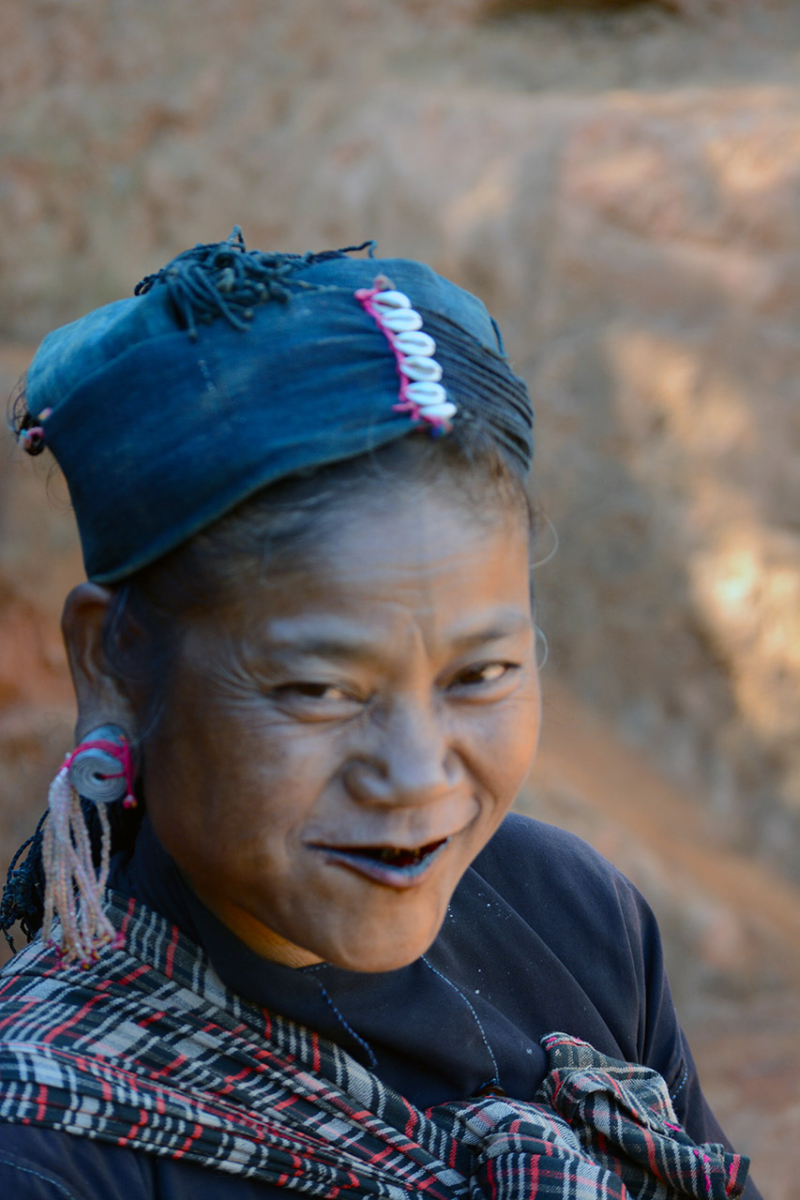
The Akha belong to the Tibeto-Burman group and migrated from China to regions in Myanmar, Thailand, Laos, and Vietnam. They speak the Akha language, which is part of the Tibetan language family. The Akha practice animism — belief in the spirits of nature and ancestors. They have complex rituals and traditions associated with worshiping spirits. Akha women are known for their bright traditional costumes with embroidery, silver jewelry, and headpieces decorated with coins and beads.

KENGTUNG, "Black-Tooth Tribe" An

On the third day of our stay in Kengtung, we had a small but action-packed hiking adventure. About 3 km uphill, slippery, wet… and that was just the beginning!

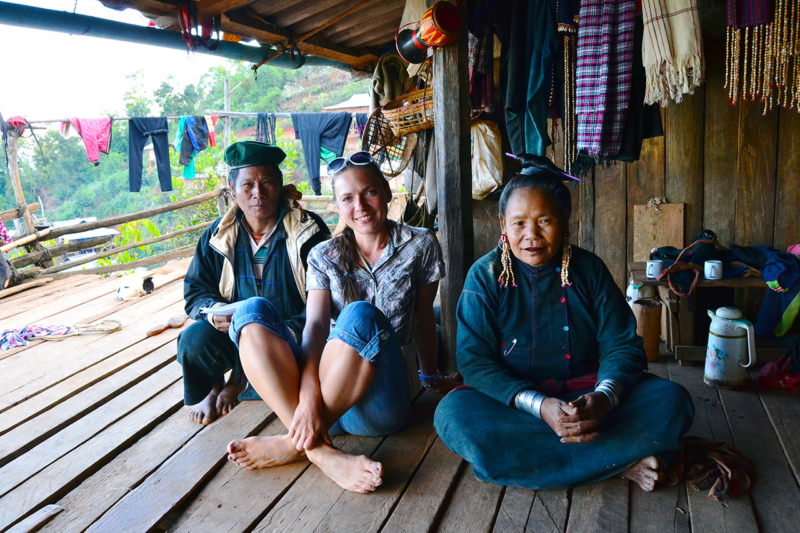
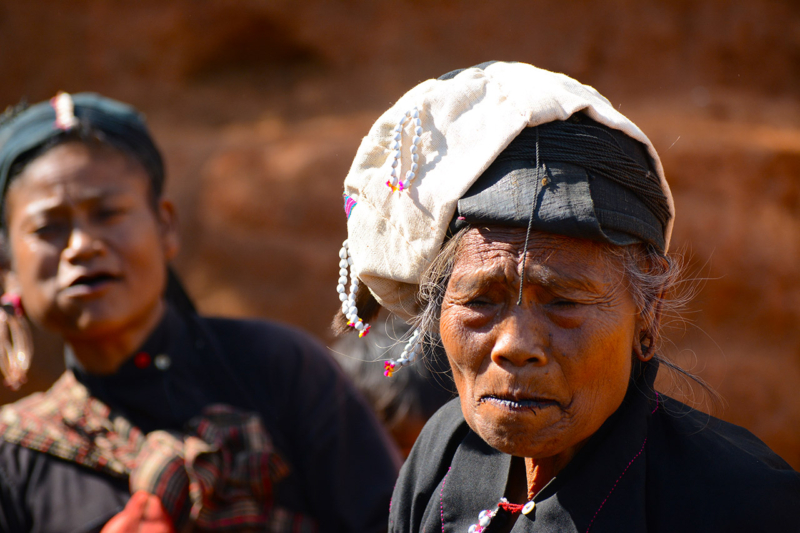
We reached the village of Wan My, home to the unique An tribe — the famous black-toothed people. Yes, you heard it right: all the adults in the village had completely black teeth. It turns out this is a sign of beauty, maturity, and social status — kind of like having a pearly white smile in our culture. To stain their teeth, they use natural dyes, like a mixture of betel leaves, lime, and charcoal.


The exact number of An people in Myanmar is unknown, as they belong to small ethnic groups often counted within larger populations. However, estimates suggest their population ranges from 50,000 to 100,000 people. Their communities are small and isolated. The village we visited had about 300 residents.


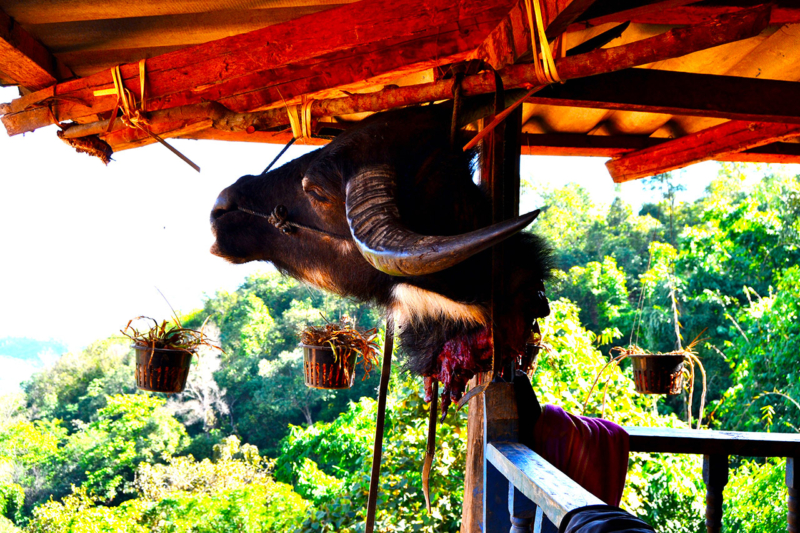
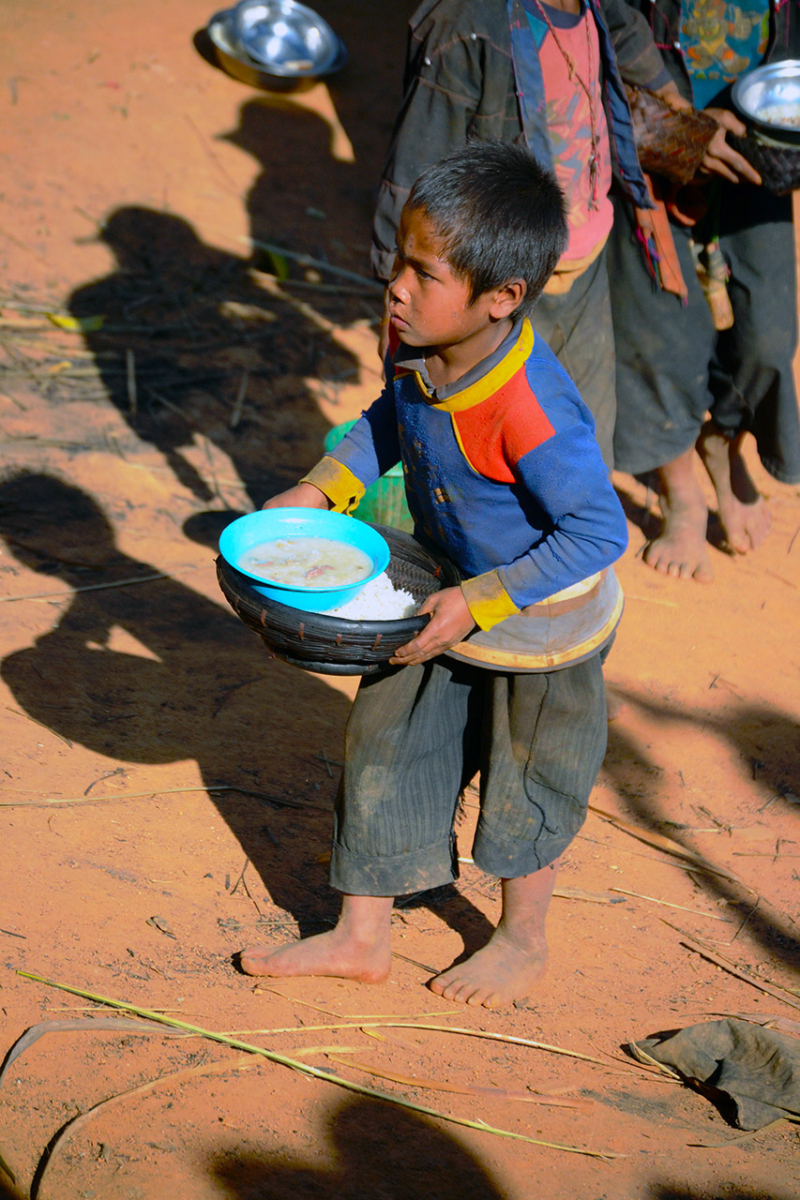
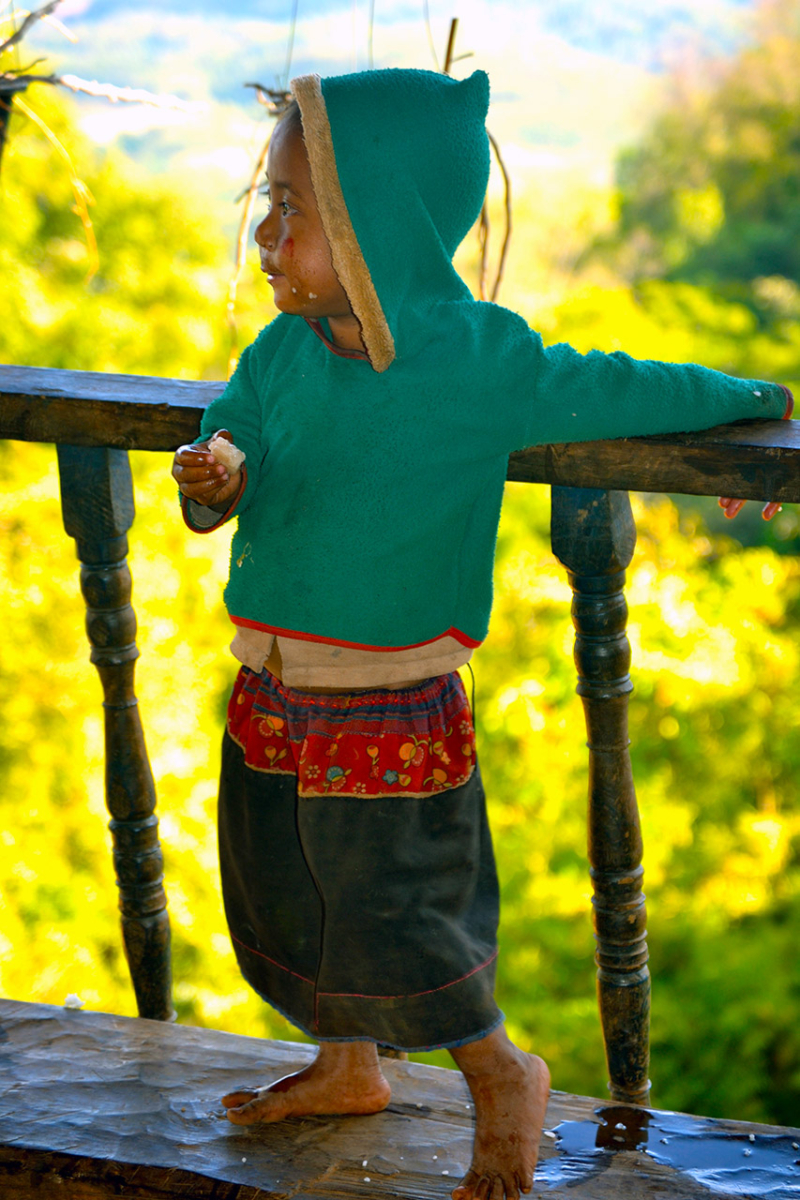
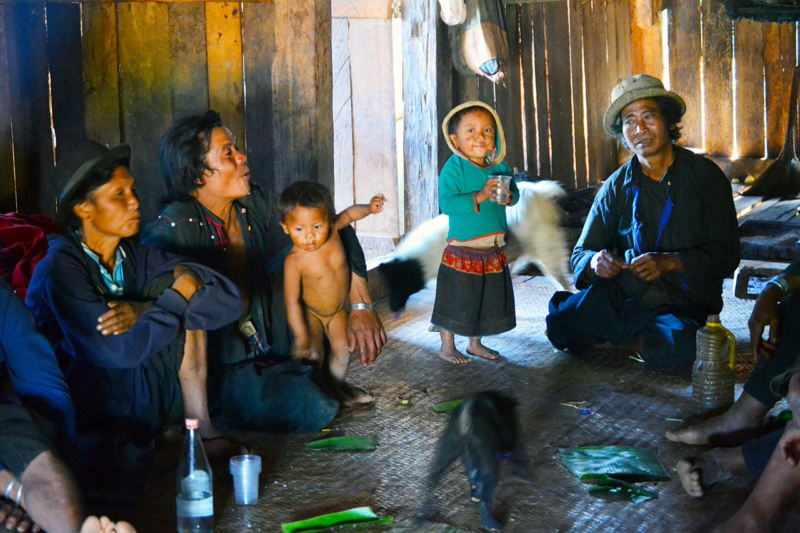
Now, when we first entered the village, everything seemed a little… strange. In the first house where we were greeted (probably the most prestigious members of the village), there was a bull’s head on the wall, dripping blood, while naked children ran around, some dressed in fur hats. Our guide, clearly not thrilled by this “greeting,” shook his head, probably reminding the locals that it wasn’t the best day for such a “show,” since our visit had been pre-arranged. We, on the other hand, were quite impressed. It turned out that the whole village was performing some kind of ritual that day — either a sacrifice, a harvest festival, or just a normal Tuesday.


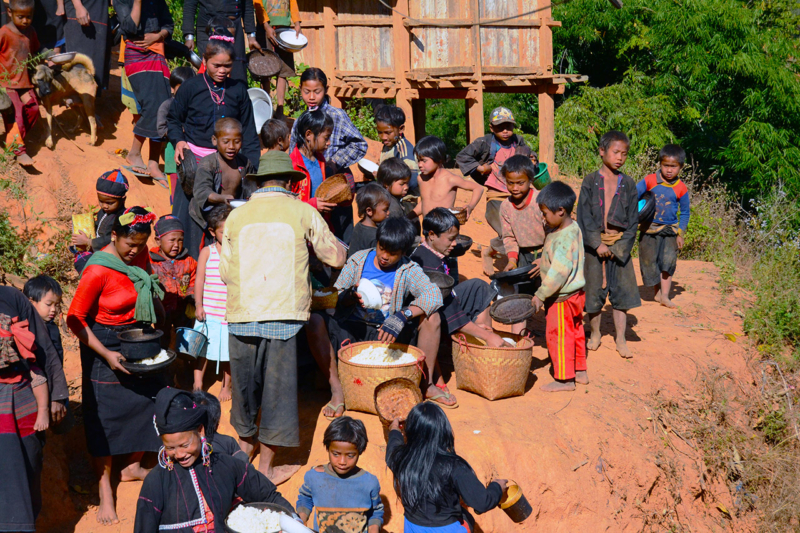
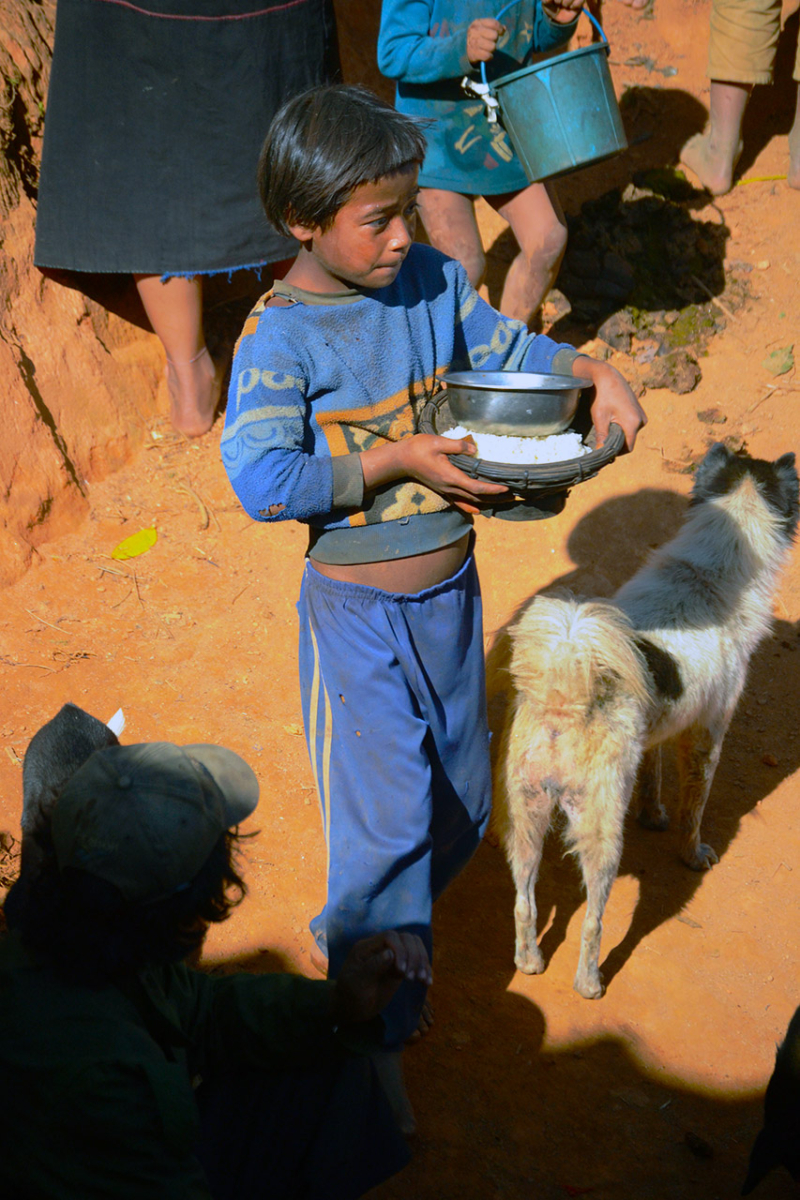
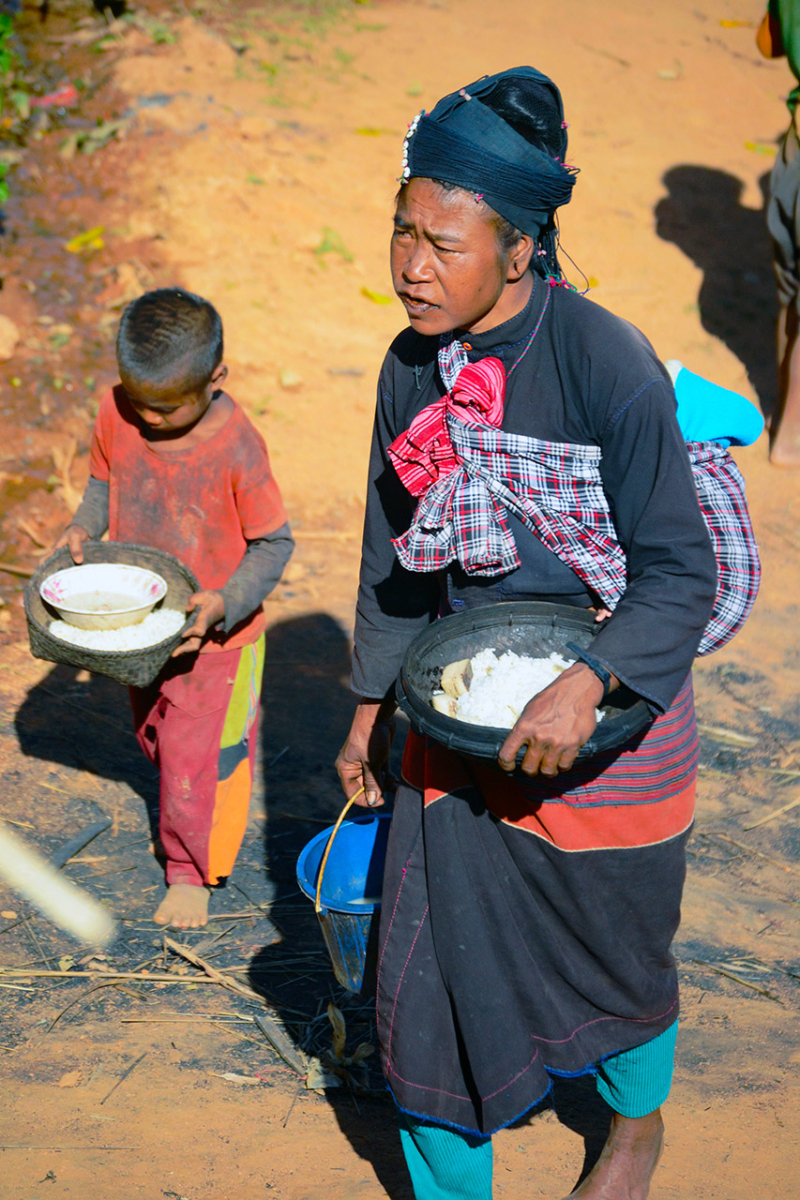
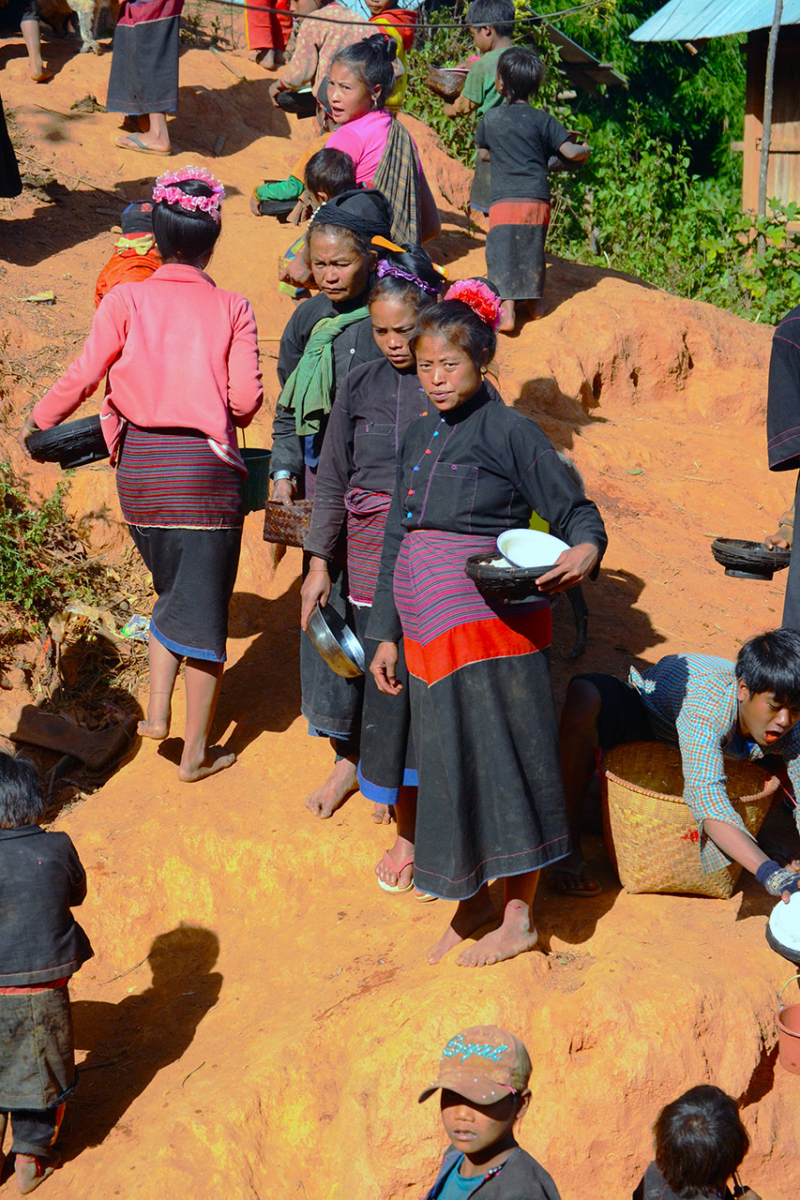
Here’s how it looked: giant pots on a fire in the middle of the village were cooking food, and naked children crowded around with plates, getting food served. And of course, we were offered fresh blood to drink. Luckily, the guide strictly forbade us from touching the local food, so we politely ate the bananas and rice cakes we brought with us. But refusing the offerings wasn’t an option — the guide had strictly instructed: “Take it, thank them, but don’t put it in your mouth!”


So, with a serious face, we accepted the offerings, then discreetly got rid of them. The main thing was not to offend the hosts, right?

It’s important to note that we only interacted with one family. We were only in their house. The rest of the villagers completely ignored us, as if we didn’t exist. At the guide’s request, we behaved cautiously and didn’t press for contact. In that village, we were like ghosts.

All in all, it was a packed day: mountains, blood, black teeth, and naked children. What else does one need for a real adventure?

KENGTUNG, Loiwanhsang people (Palaung/Ta’ang tribe)

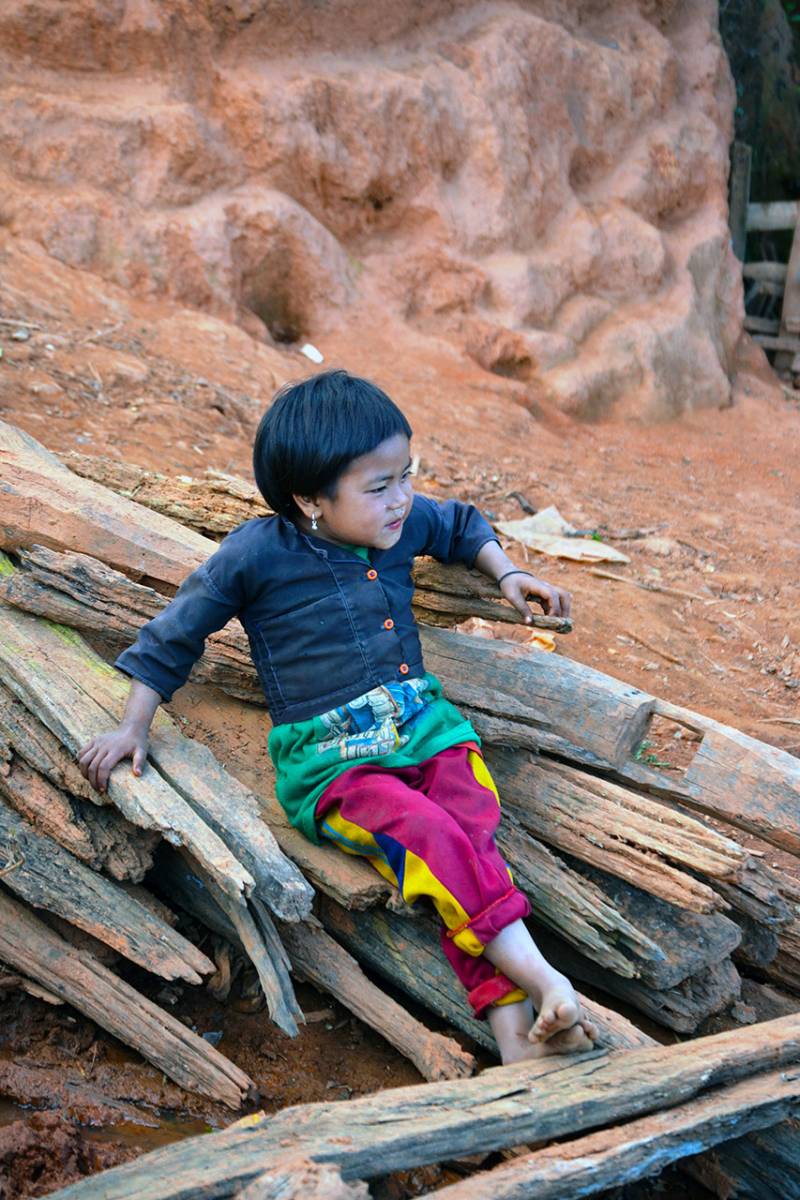
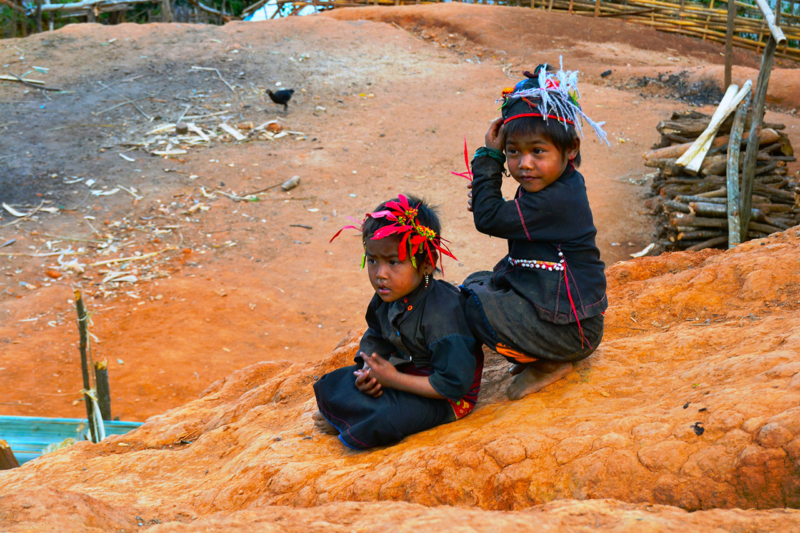
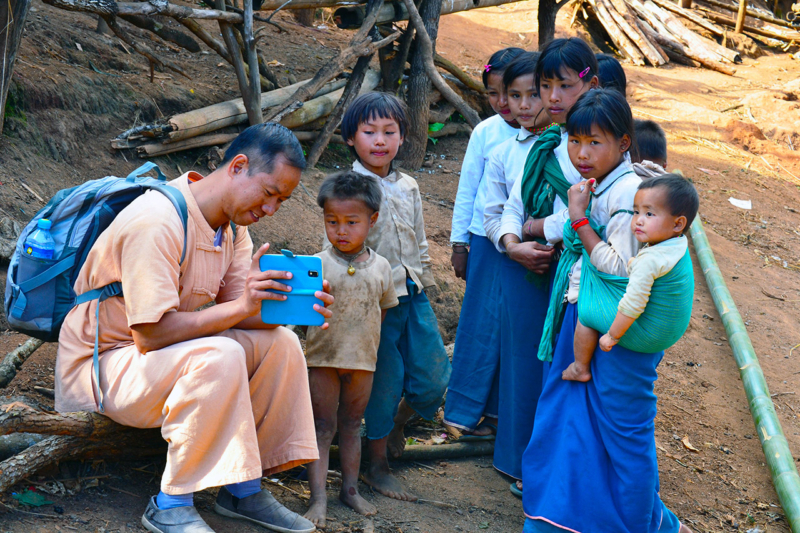
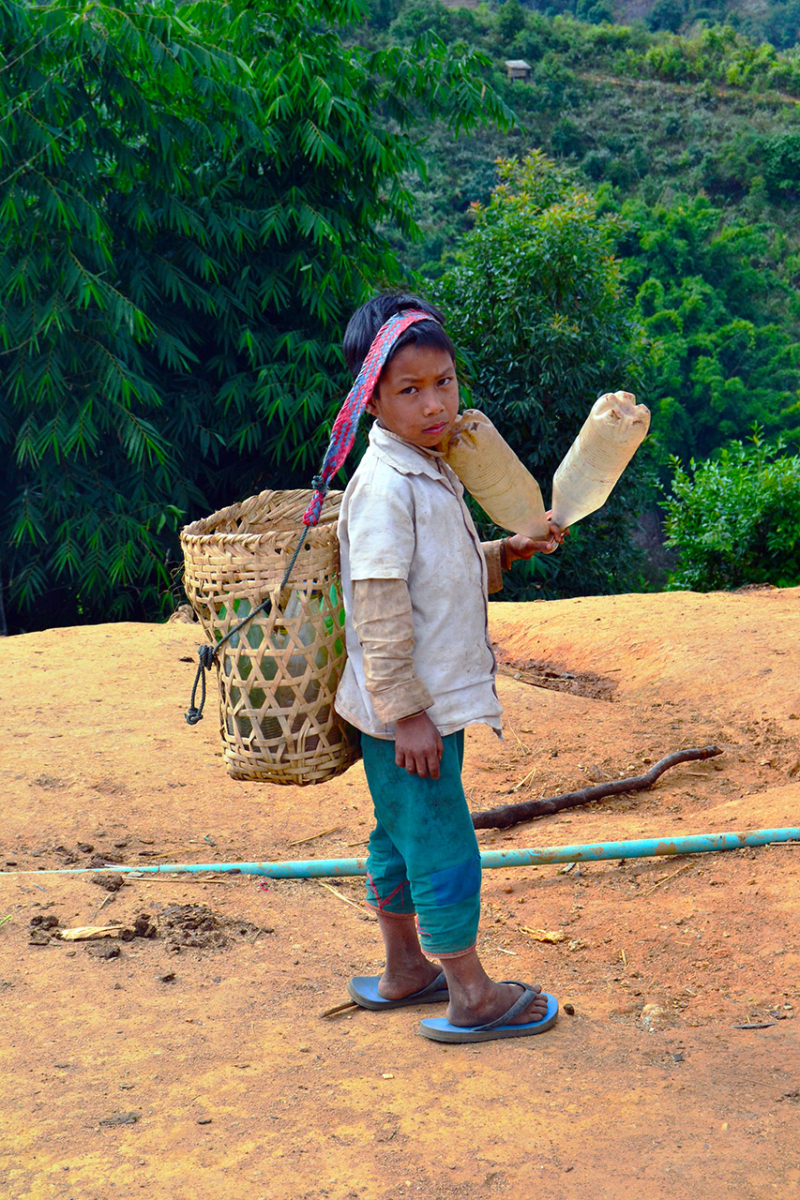
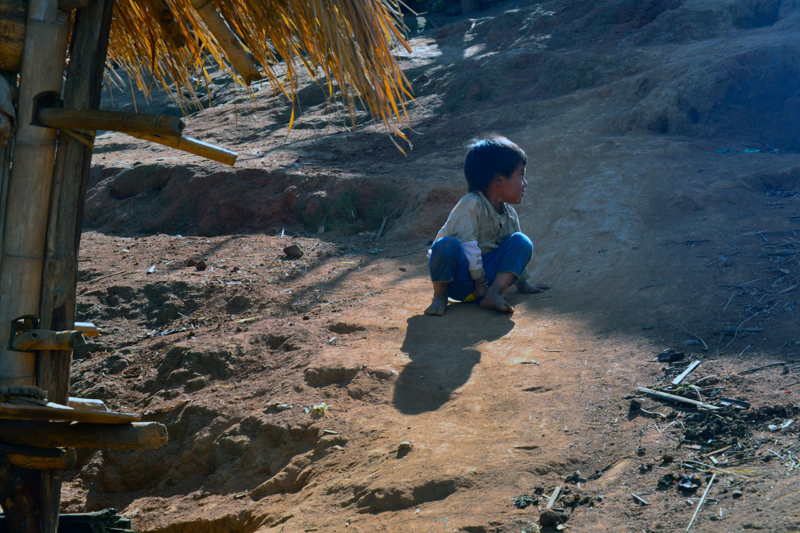
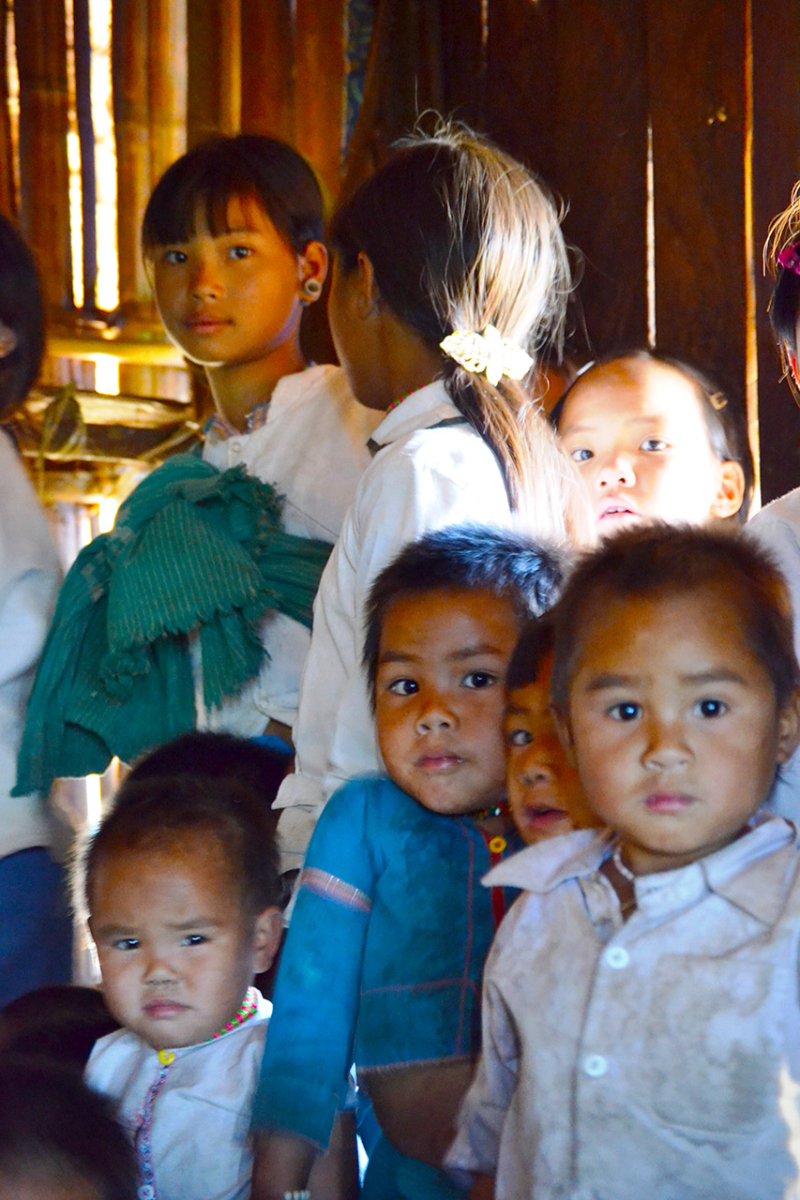
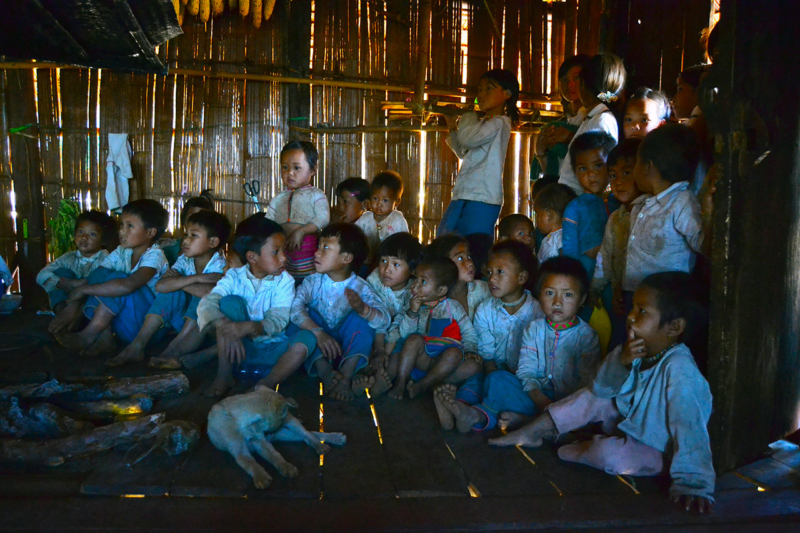
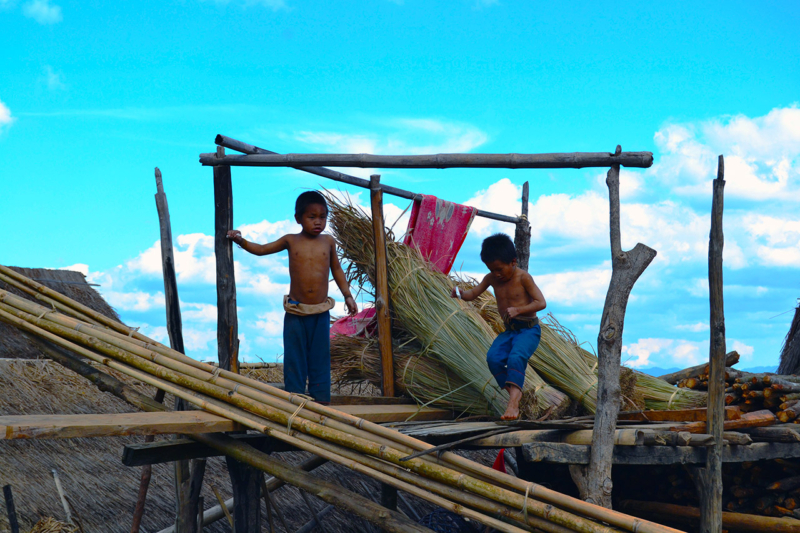
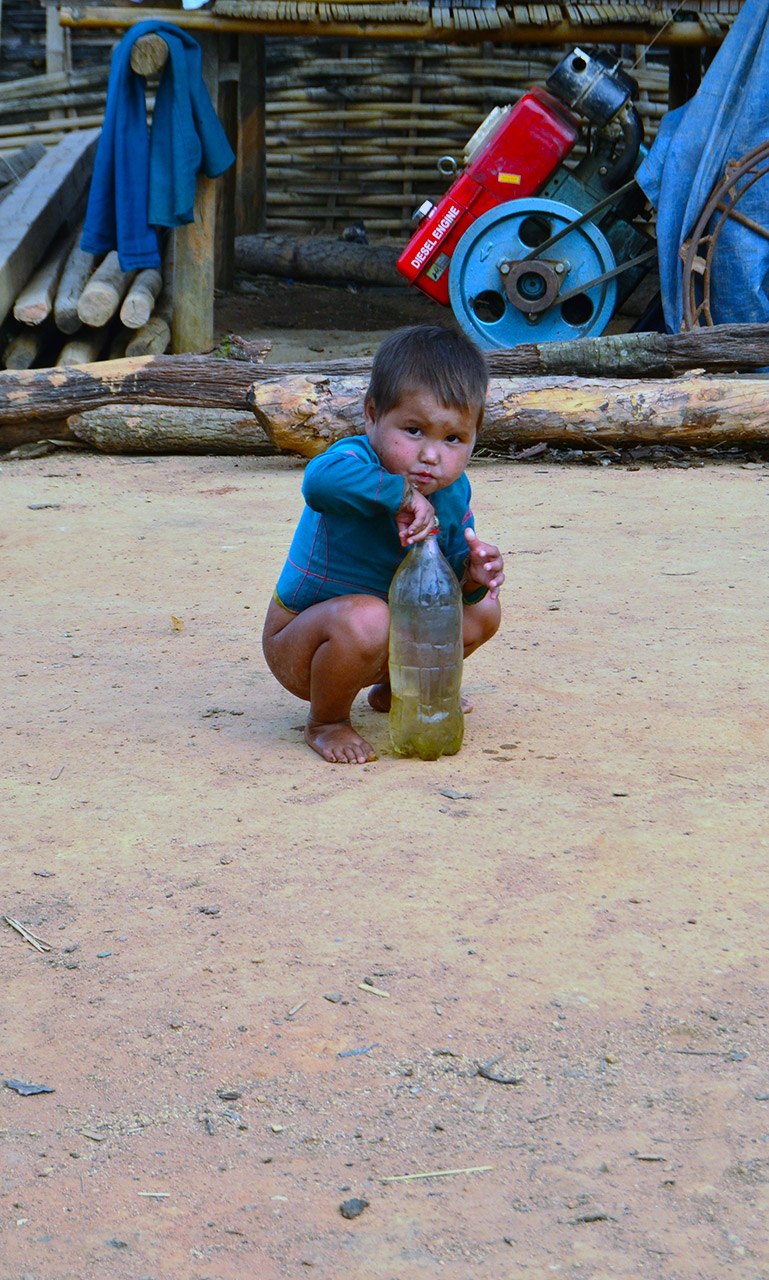
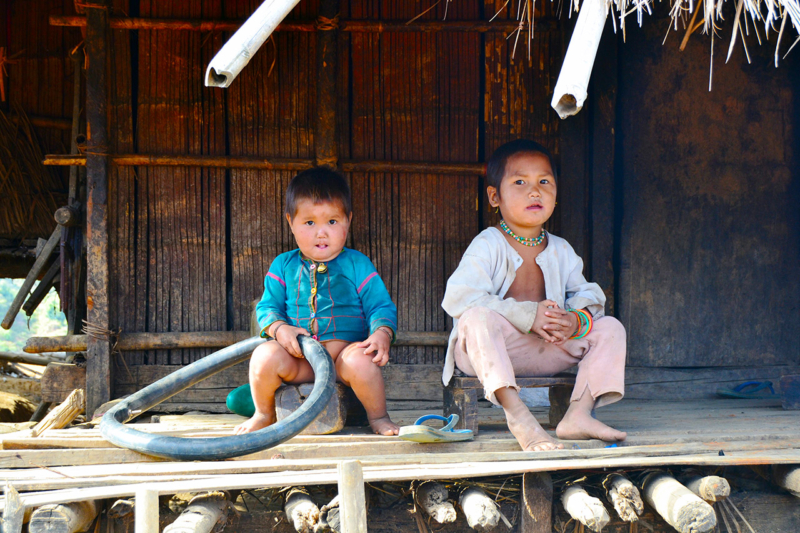
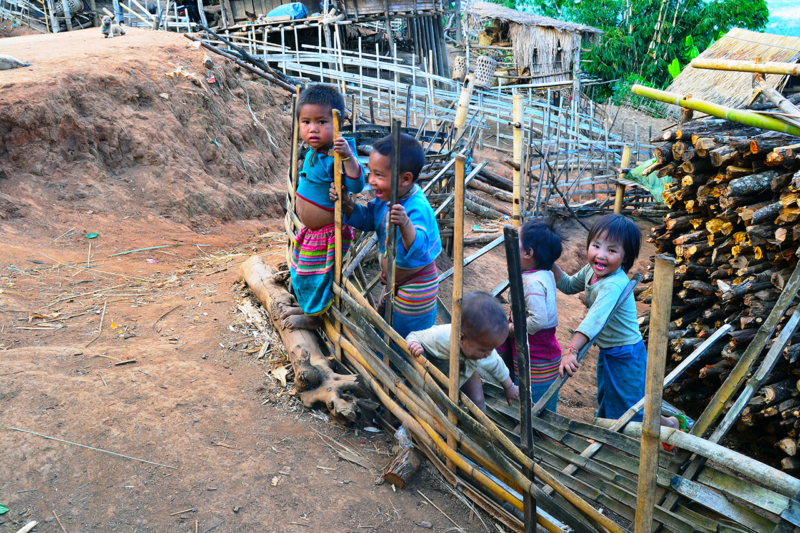
The last village we visited was the village of the Loywangshang tribe. Or rather, it’s a branch of the larger Pa-O tribe. What made this village unique was that the adult residents completely avoided any contact with us. We only interacted with the children. Some teenagers occasionally showed interest, but even when engaging with them, they would modestly avert their gaze, try not to be seen on camera, and quickly walk away.


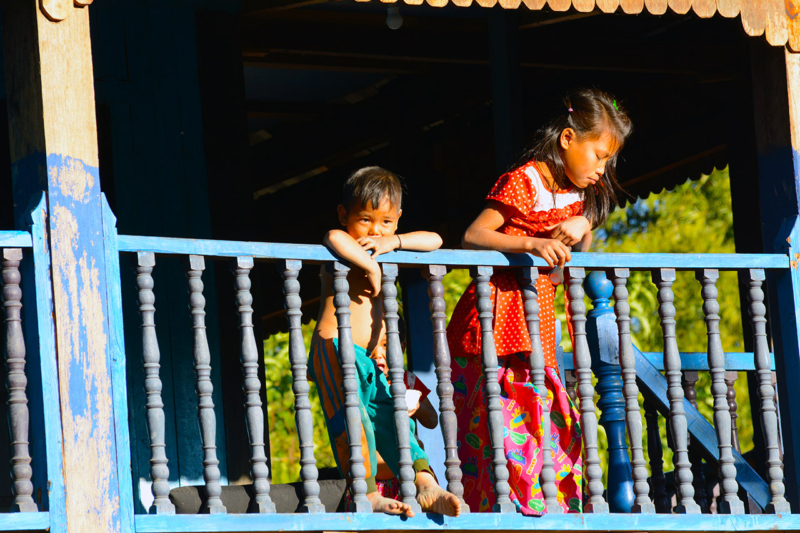
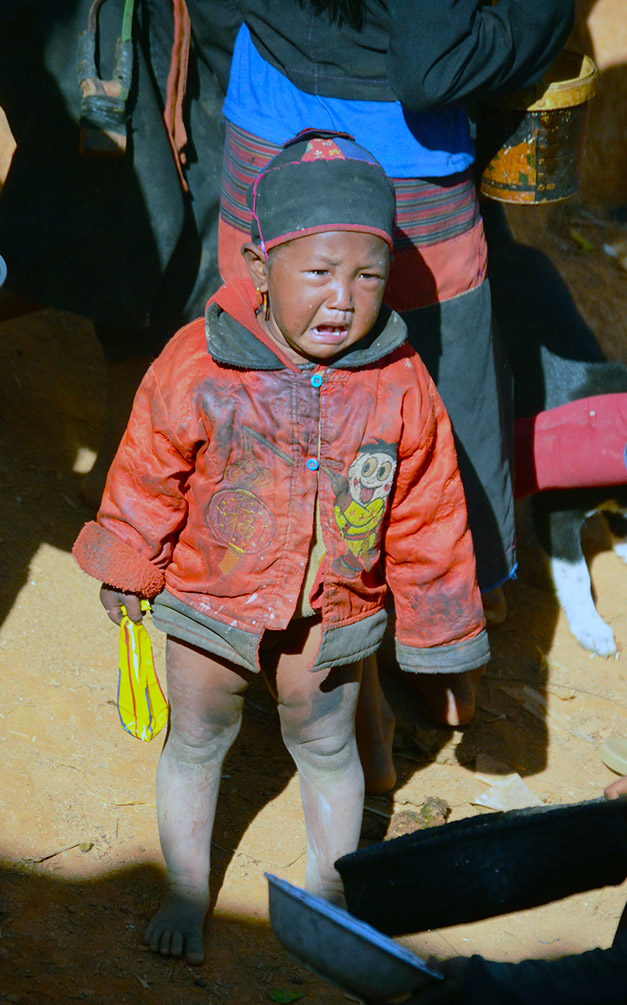
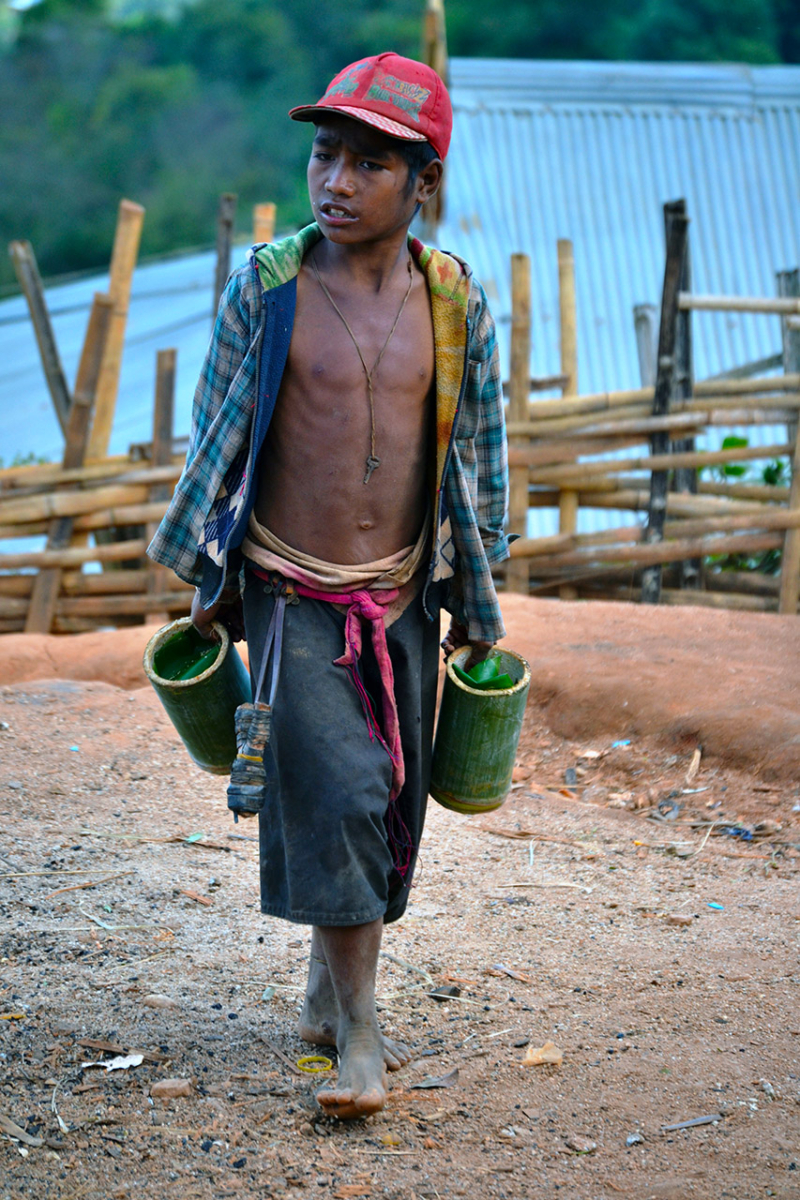
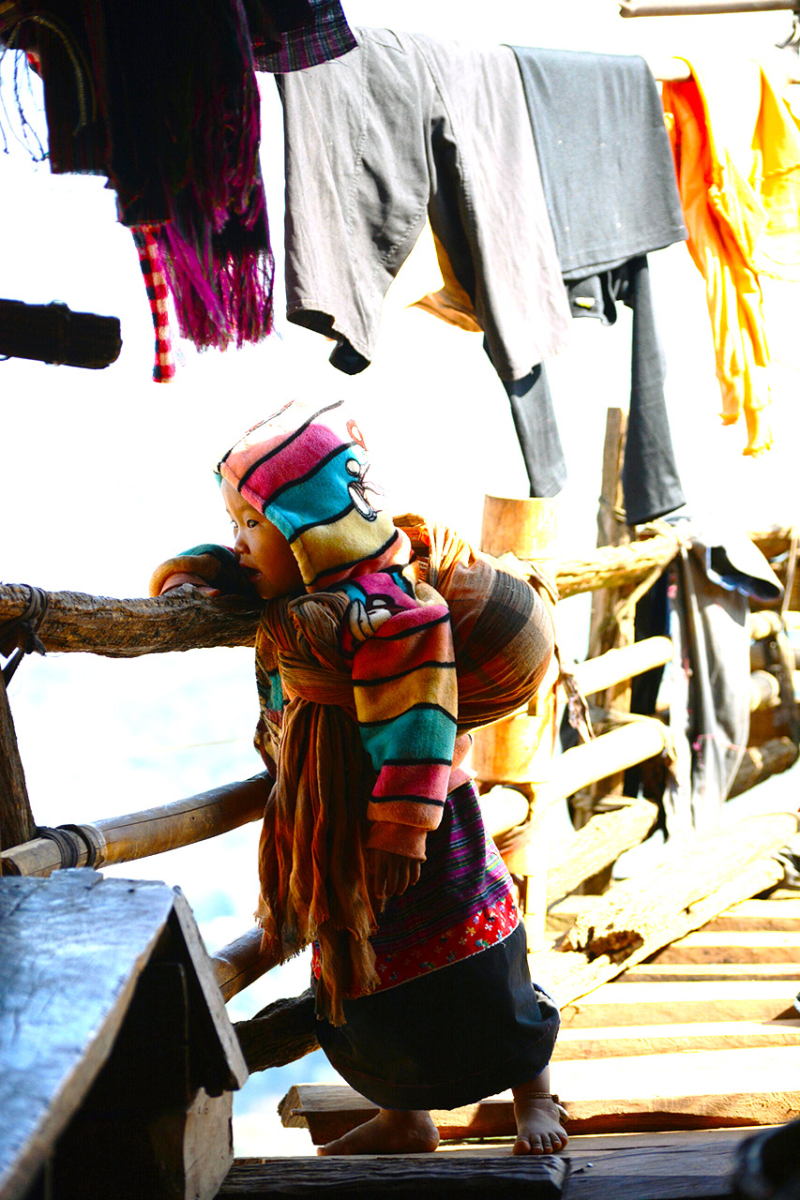
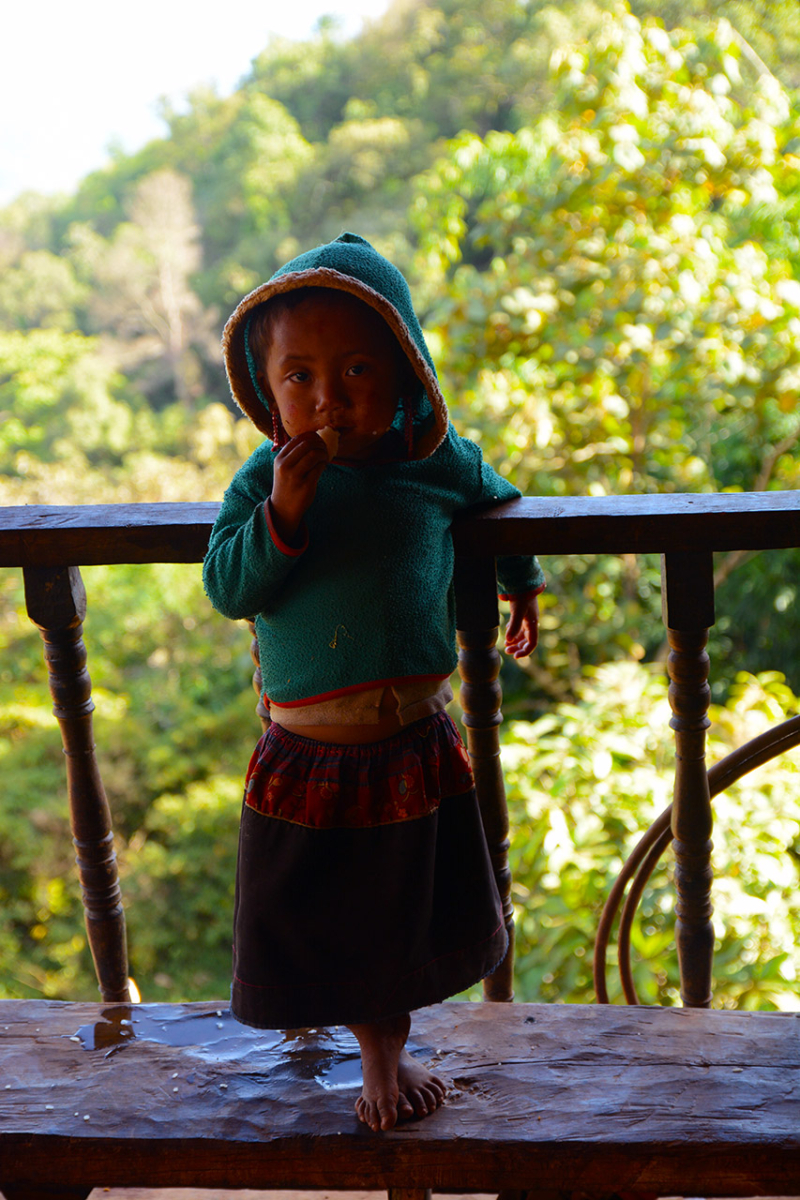
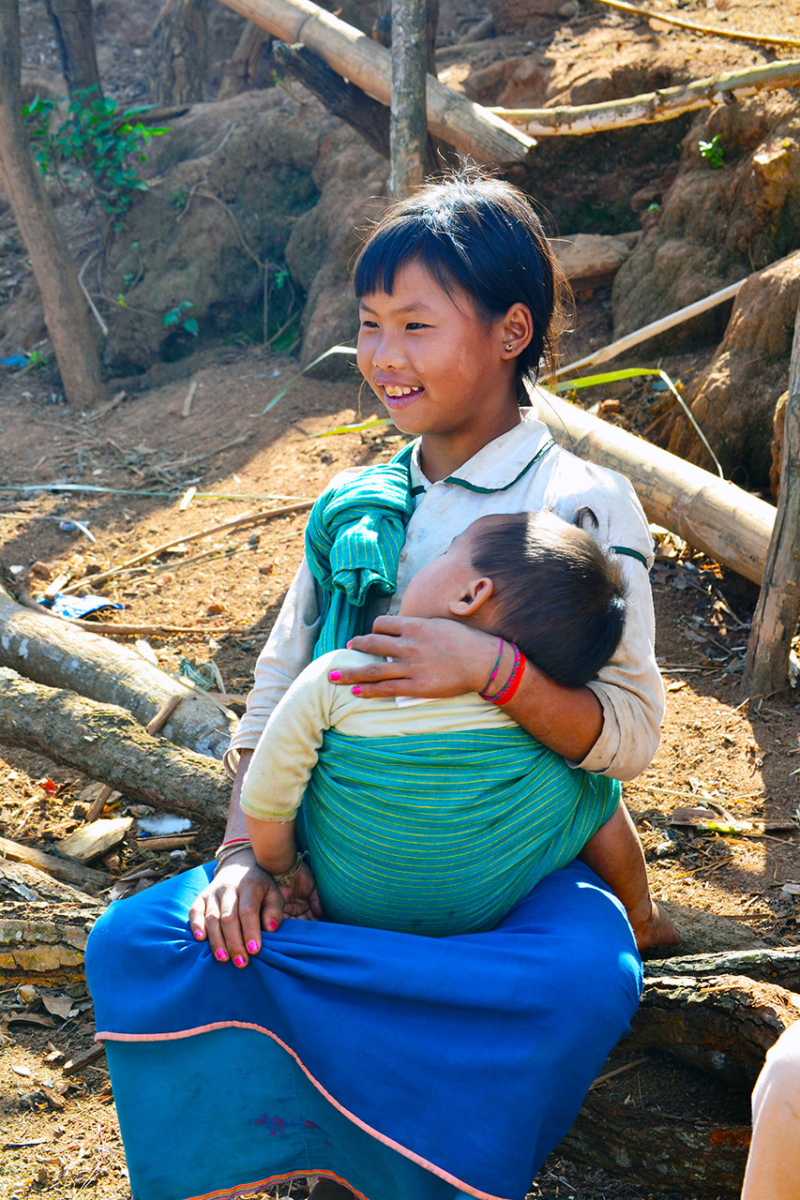
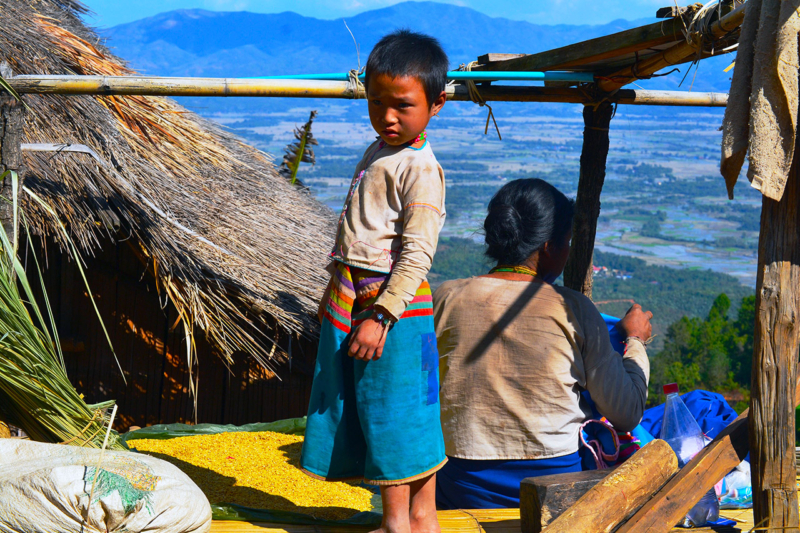
As for the children, we were able to enjoy their company to the fullest. They looked a bit different from all the others. To me, they somewhat resembled Native Americans — they were completely unlike the others we had seen before.


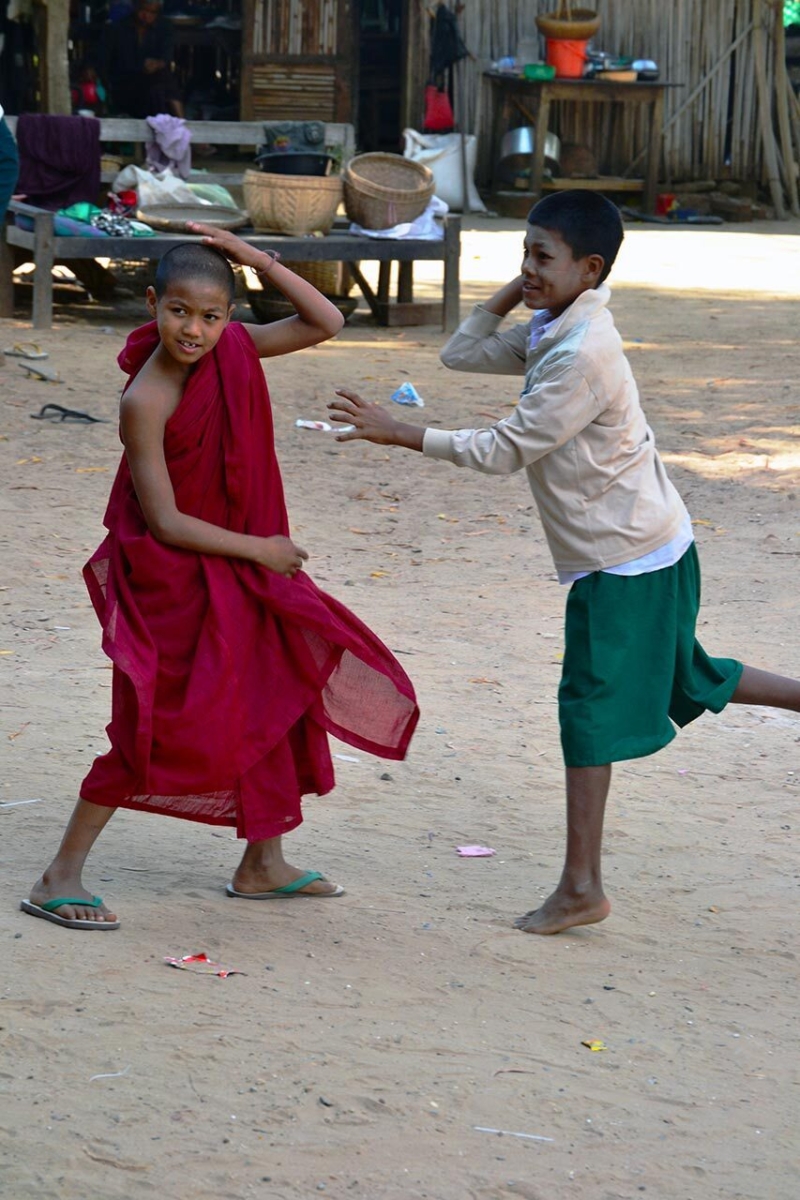
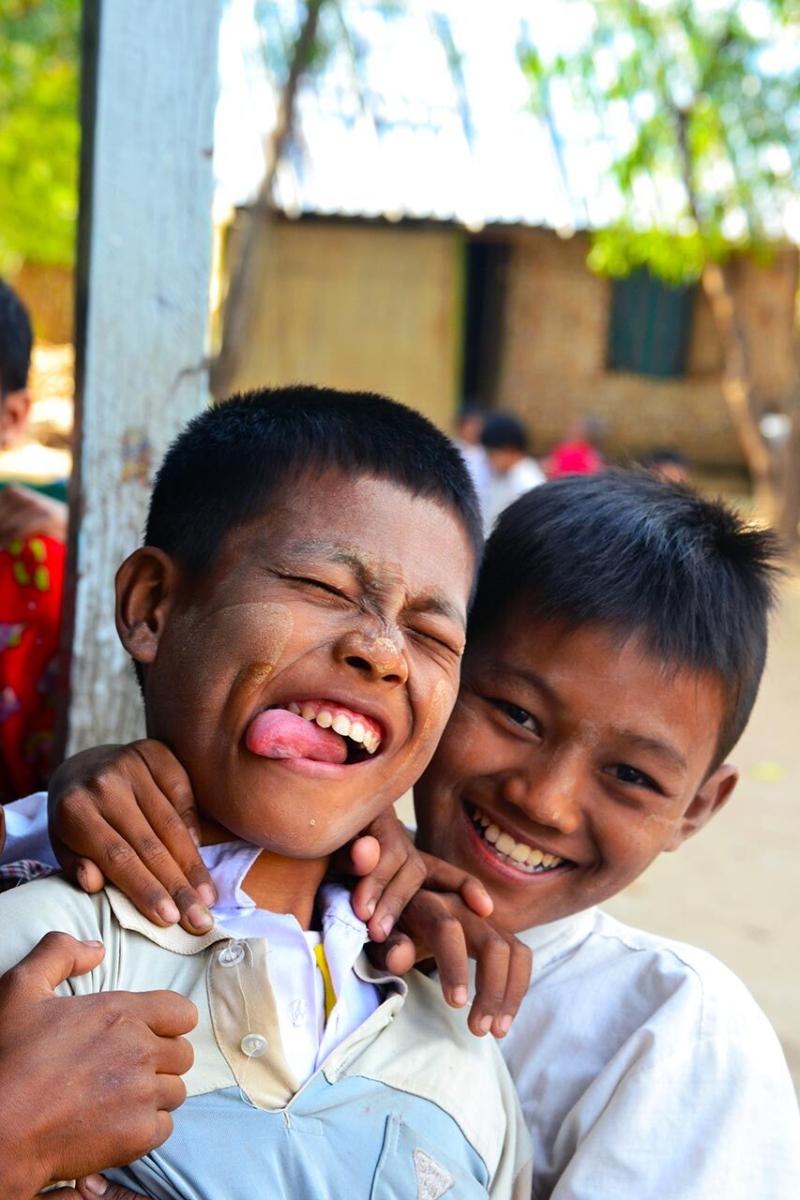
The children showed us various tricks: some were tumbling, others were jumping over imaginary obstacles, and some were just making funny faces as if participating in a contest for the funniest grimace. They laughed, had fun, and then eagerly came to check out the photos or videos. Upon seeing themselves on screen, they would burst out laughing again, and the cycle would repeat. It was such a fun day, which seemed like an endless carousel of joy and childlike wonder.


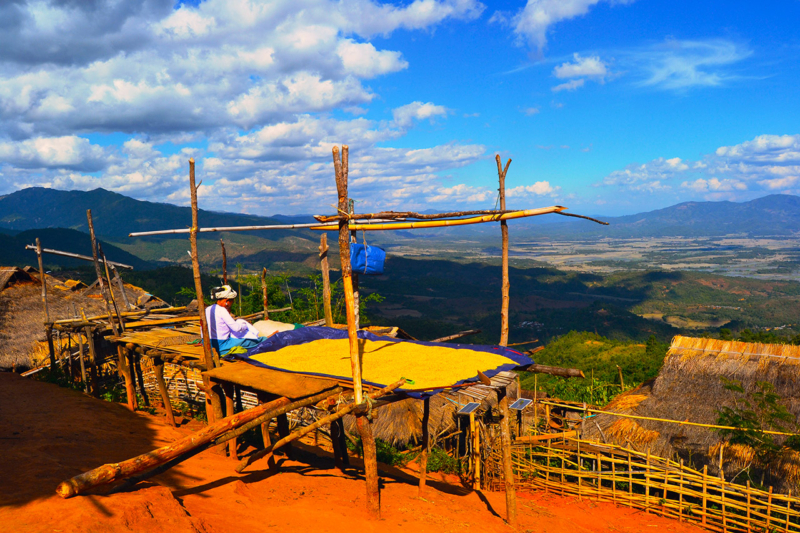
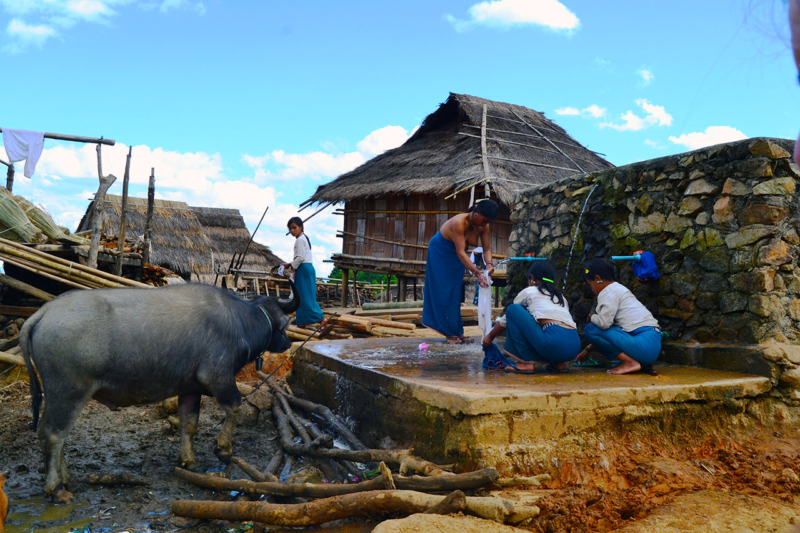
This village was much more developed compared to the previous ones. It even had its own water supply! Wow!!! Yes, a real water system, but built from bamboo pipes. And, by the way, this marvel was made possible thanks to the tourists who had visited the place. Of course, we contributed to it as well — how could we not? Now, I guess we can proudly say we made our contribution to the history of bamboo engineering in the Loywangshang tribe. And, aside from the water supply, there were even solar panels spotted! And mind you, this was 2015!!!


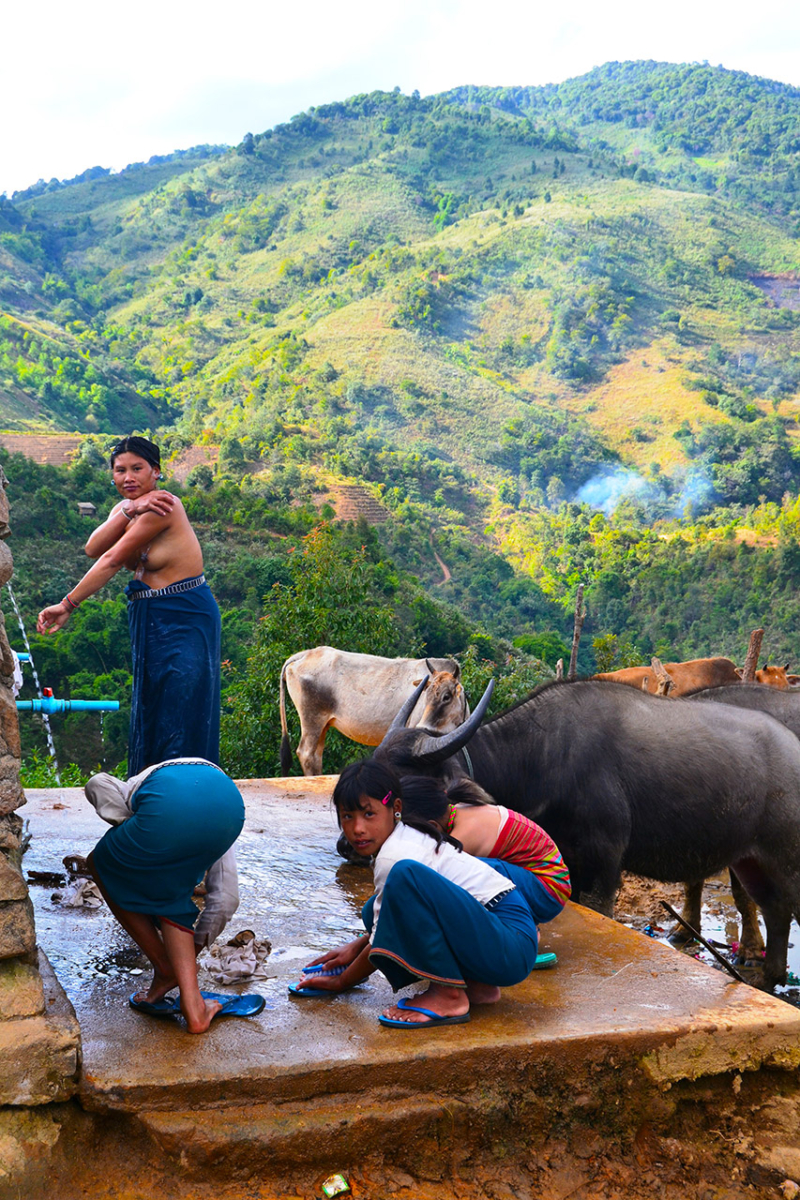
During our visit, local young women were bathing in the water system. But the funniest part was that they were doing it at the same time as the cows. Imagine: the women laughing and splashing around, while, totally unbothered, cows stood by, apparently thinking that this was their private watering hole.

In general, this village, after all the others, left a very favorable impression. It became a pleasant ending to our trip to Kengtung. Everything here was somehow cozy. Even the adults, who had ignored us, now seemed not so much distant but mysterious, as if they were holding some ancient wisdom that we just couldn’t understand.


This village became the place where everything came together: nature, people, and atmosphere. And, of course, the bamboo water system that we had contributed to with our modest donation. Now, when I think back to this trip, I want to believe that somewhere out there, in the distant village of the Loywangshang tribe, water is still flowing through those very bamboo pipes, and the children are still laughing as they look at their pictures.

KENGTUNG, overall impression

The town of Kengtung itself, especially in contrast to the nearby villages and tribal communities, felt quite modern in 2015. There was only one hotel for white tourists. From the outside, it looked luxurious, but in reality, it was pure Soviet-style nostalgia: the internet was so weak that photos wouldn’t load, and tap water flowed for just a couple of hours a day — in a thin stream and barely warm.


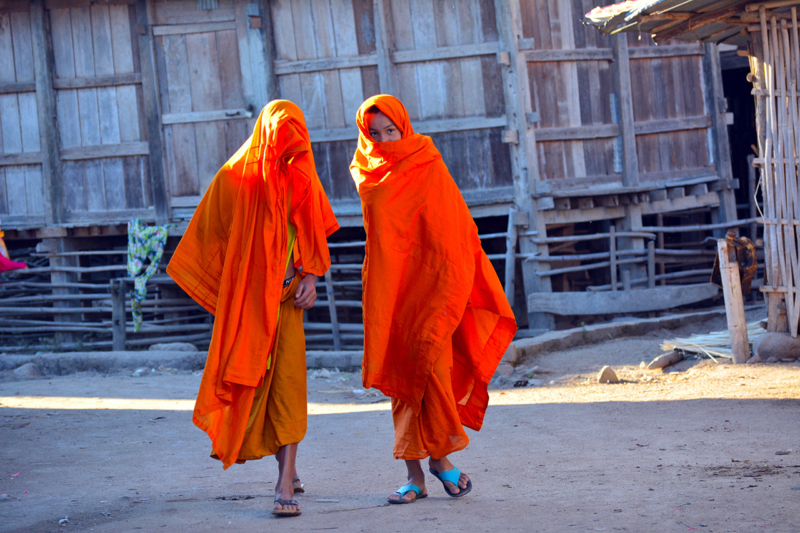
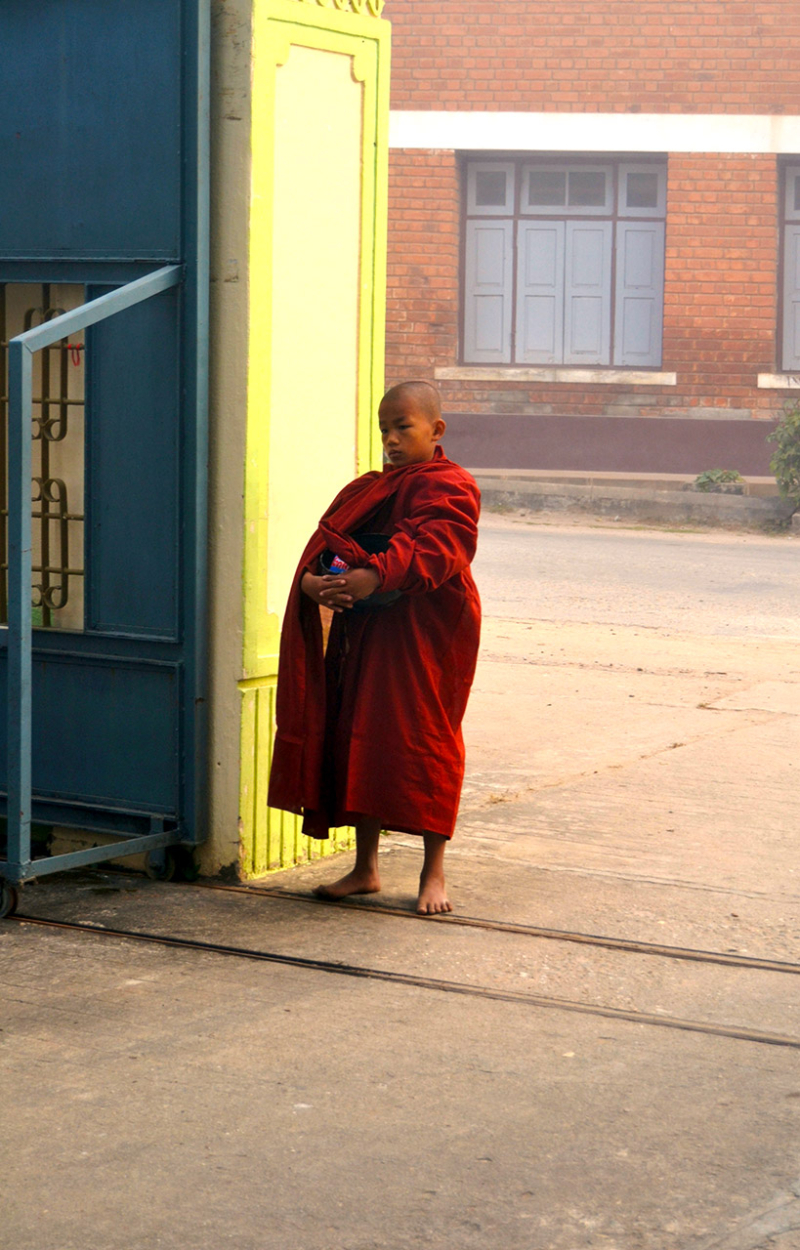
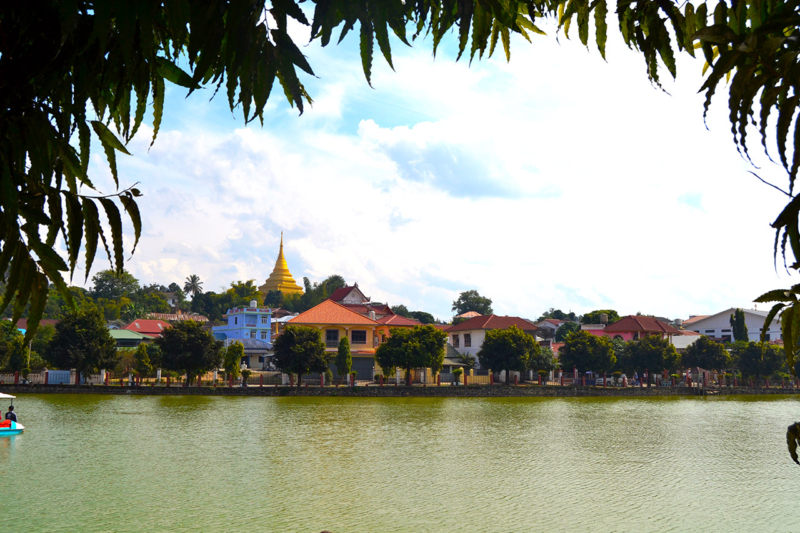
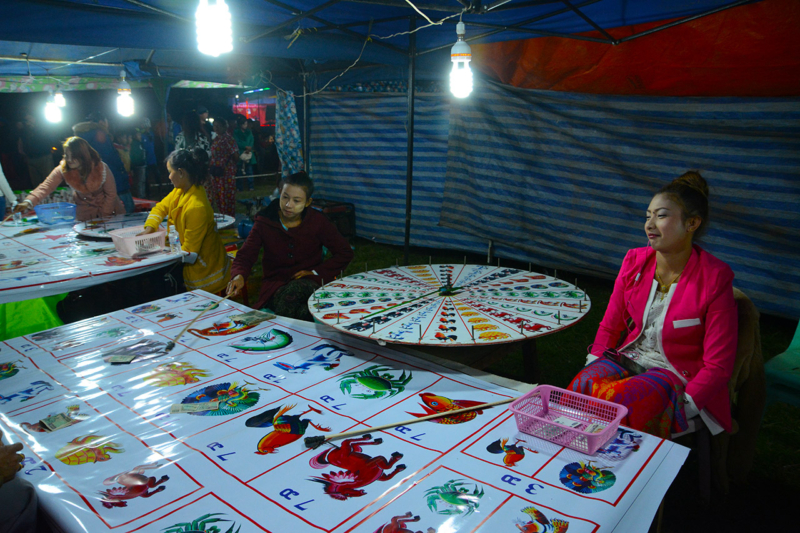
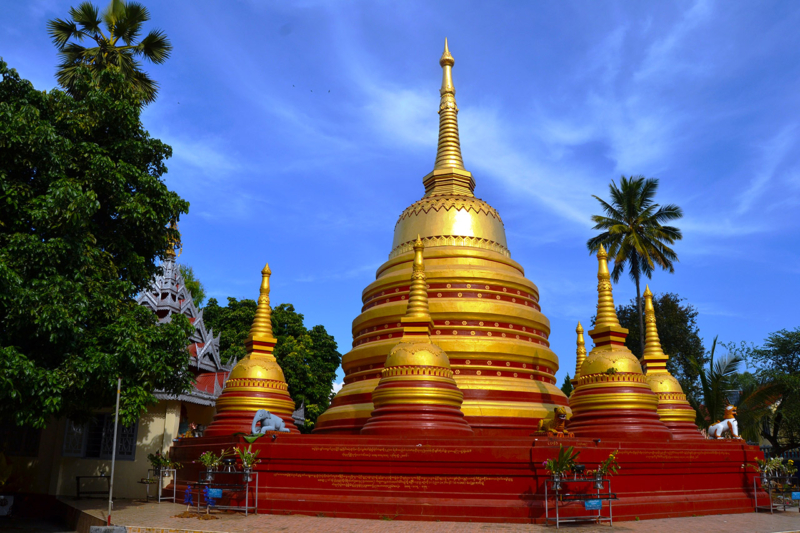
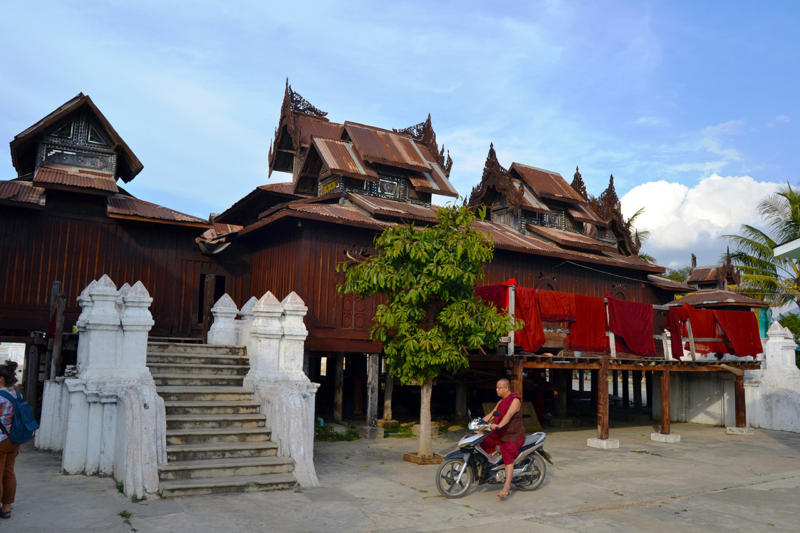
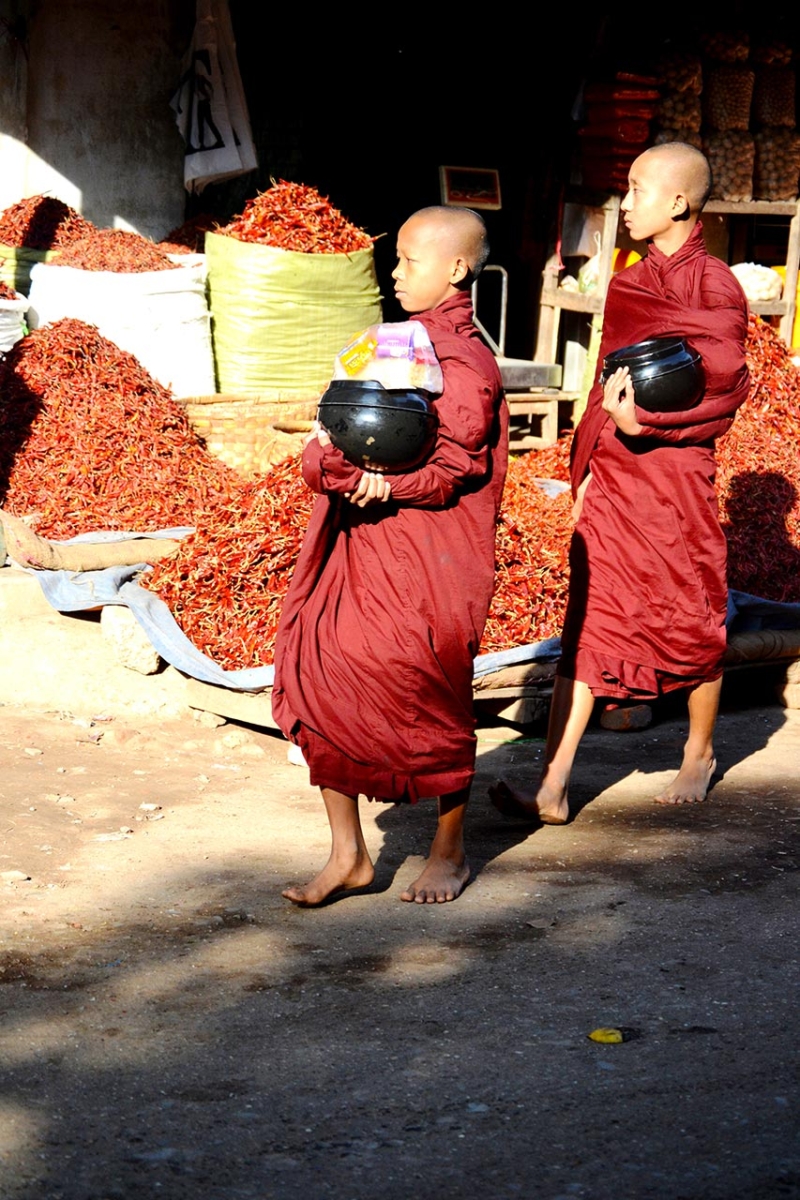
Other than that, the town enjoyed the lovely life of a typical provincial Burmese town. In the evenings, the night market was buzzing with gambling, and the local disco sparkled with lights. In the mornings, monks would arrive at the hotel gates to collect alms. The surroundings were wrapped in mist, and the pagodas gently chimed with the soft sound of bells swaying in the breeze.


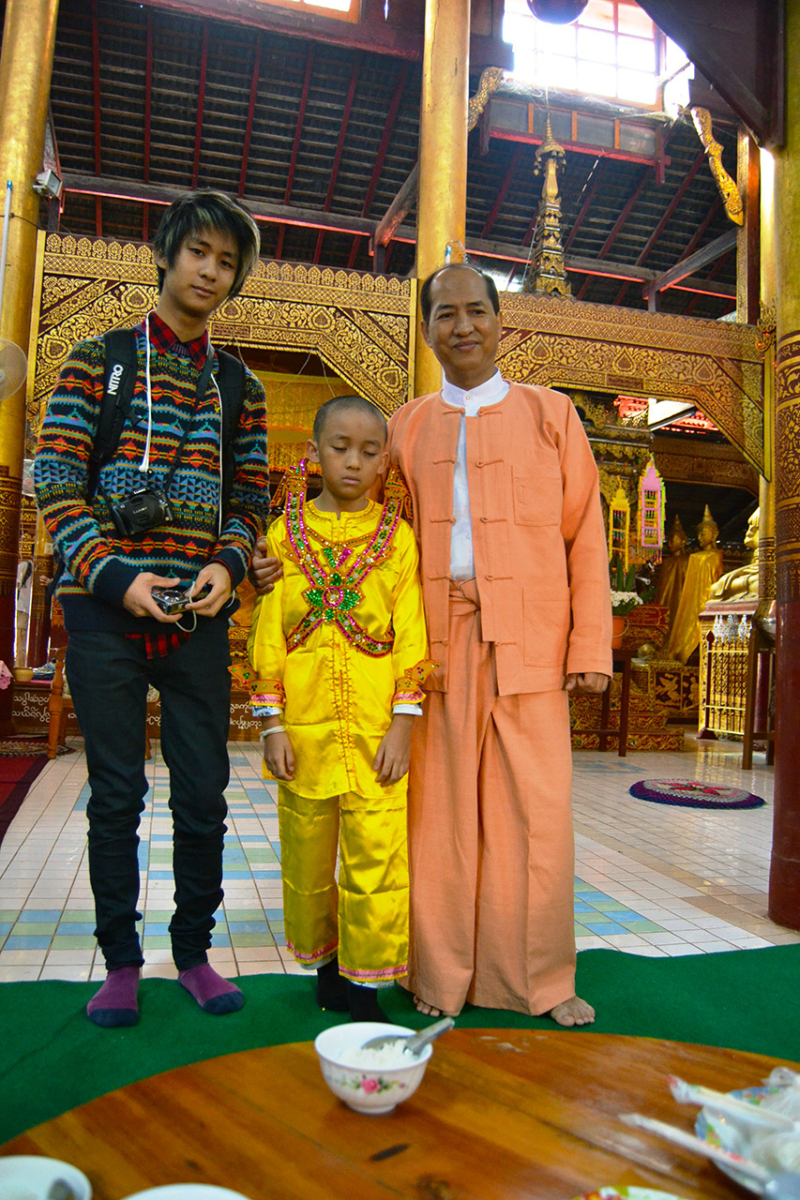
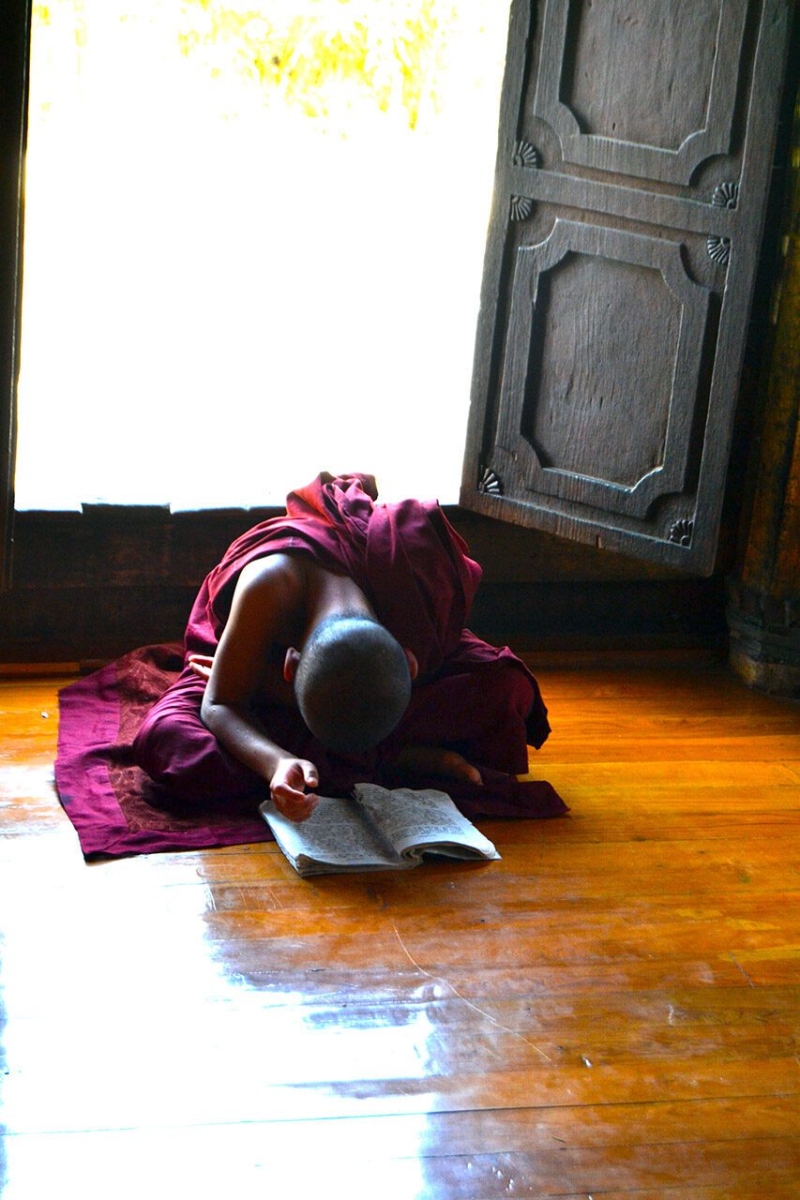
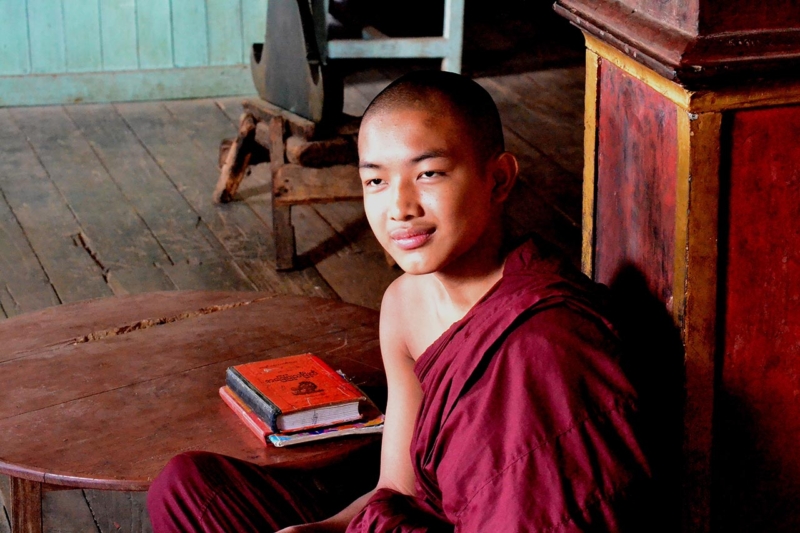
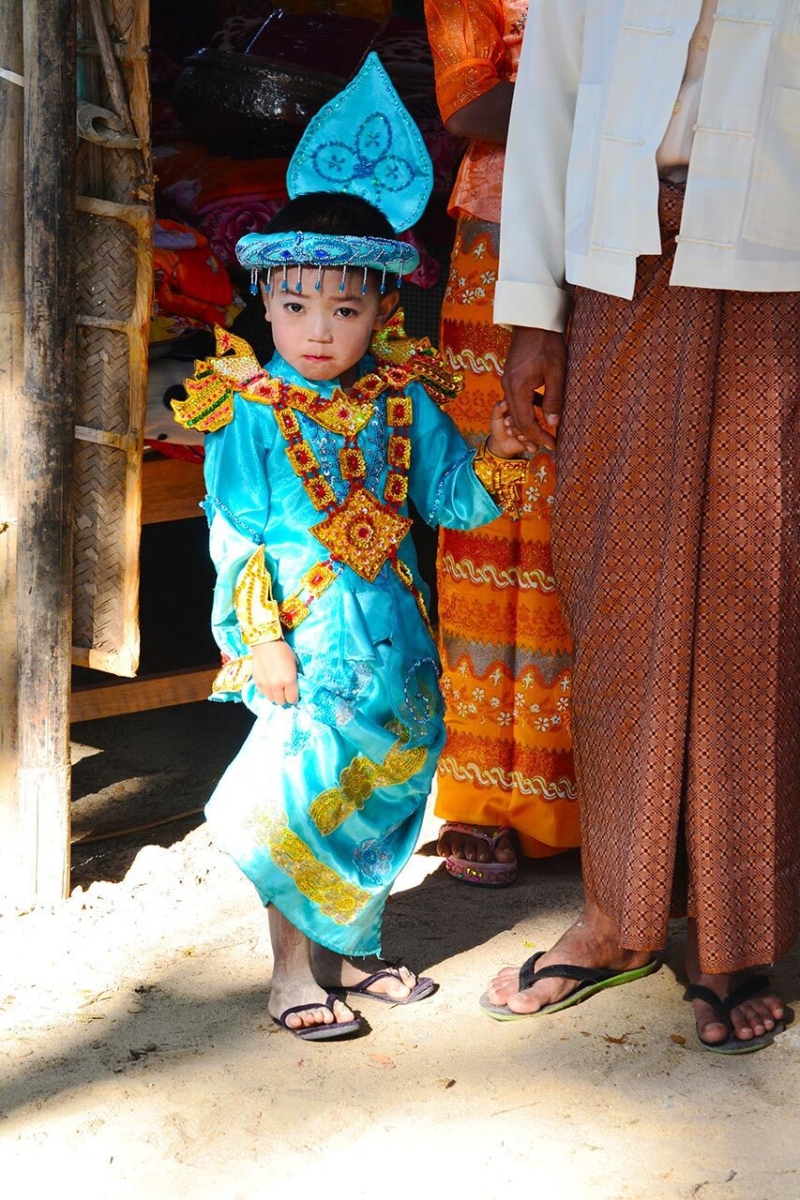
Here, we had the chance to witness a fascinating event. One morning, we entered a local pagoda and stumbled upon a monk initiation ceremony for a young boy. At that moment, a rather interesting-looking young guy approached us — a bit hipster-ish, but clearly Burmese. He spoke excellent English: — Where are you from? — Well, we’re from Finland and Russia. — I’m from Sweden! — he replied, even though he looked like a local.

He explained that the boy being initiated was his younger brother. — The same thing happened to me 10 years ago. We’ve lived in Sweden for many years — I’ve been there since I was a kid. But for our parents, it’s very important to preserve this tradition.


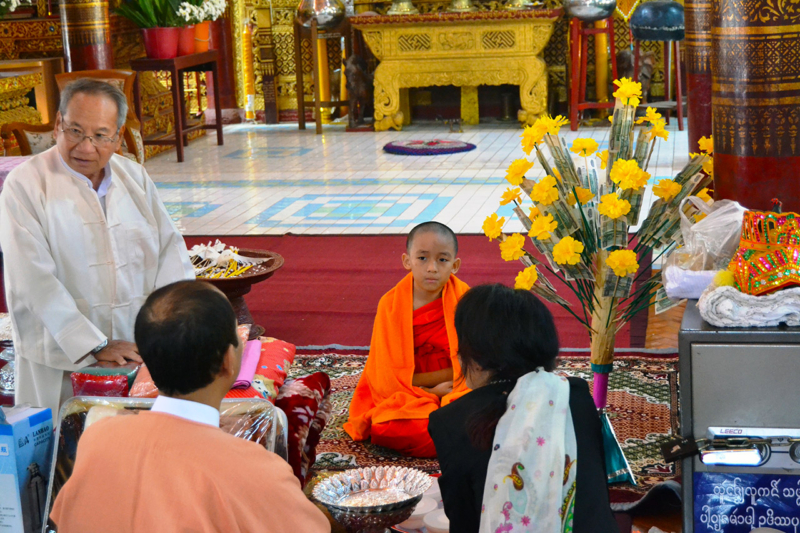
After a short chat, his parents invited us as honorary guests to the ceremony. They even prepared a special table for us, so we ended up watching everything from the front row.

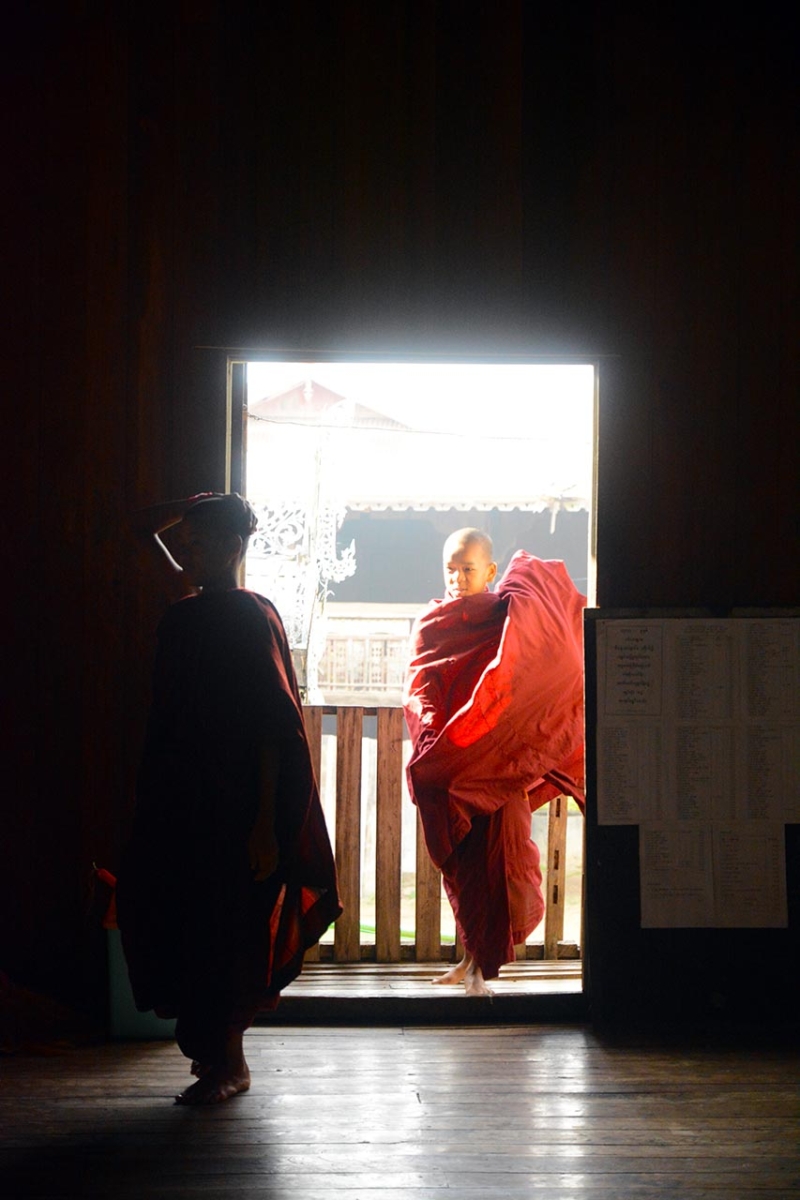
Basically, every boy around the age of 10 spends at least 3 weeks as a novice monk. And for this, the parents had brought their son all the way from Sweden. The ceremony is quite something: people bring heaps of gifts and money. The whole event unfolds in a peaceful, almost sacred atmosphere. Everyone bows to the boy — literally. Even his own parents come and bow low before him, just like all the other relatives and guests.
And afterward, for the next three weeks, that boy will go around collecting alms every morning — perhaps even right in front of our hotel.

INLE, Kekku

The day before New Year’s Eve, we left Kengtung and flew to Taunggyi — the capital of Shan State in Myanmar, located at an altitude of around 1,400 meters above sea level. The city is known for its cool climate, scenic landscapes, and the cultural mix of Shan, Burmese, Pa-O, and other ethnic groups.


But the real highlight — about 50 km from the city — is the famous Inle Lake! But more on that later.

Upon arrival, we checked into the first decent hotel we saw and finally had a proper meal (after a week of rice with chili, it felt like a feast!). The next morning, we were introduced to our new guide — a local guy with a sly smile and connections at every checkpoint. He was the one who took us to Kekku.


Back in 2015, getting there wasn’t easy: due to its proximity to zones inhabited by ethnic minorities, a special permit was required, and there were three military checkpoints along the road. But our guide turned out to be something of a magician — we passed through them all without delay, as if under the protection of Buddha himself.


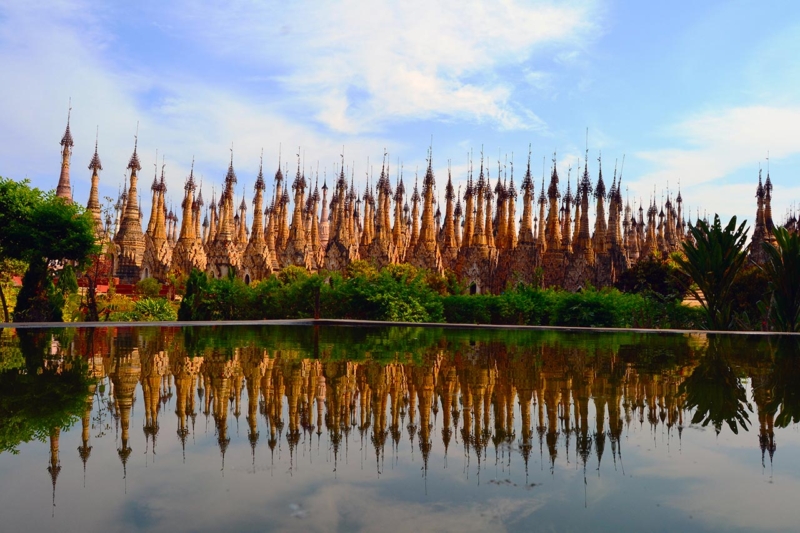
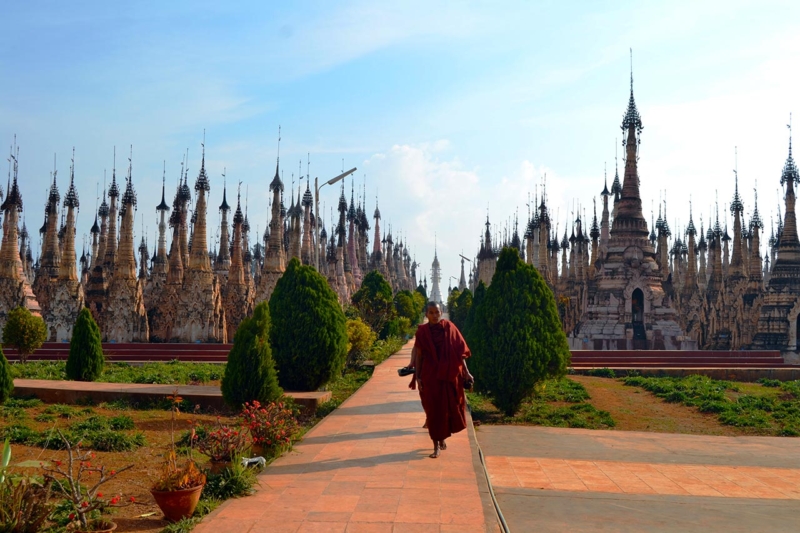
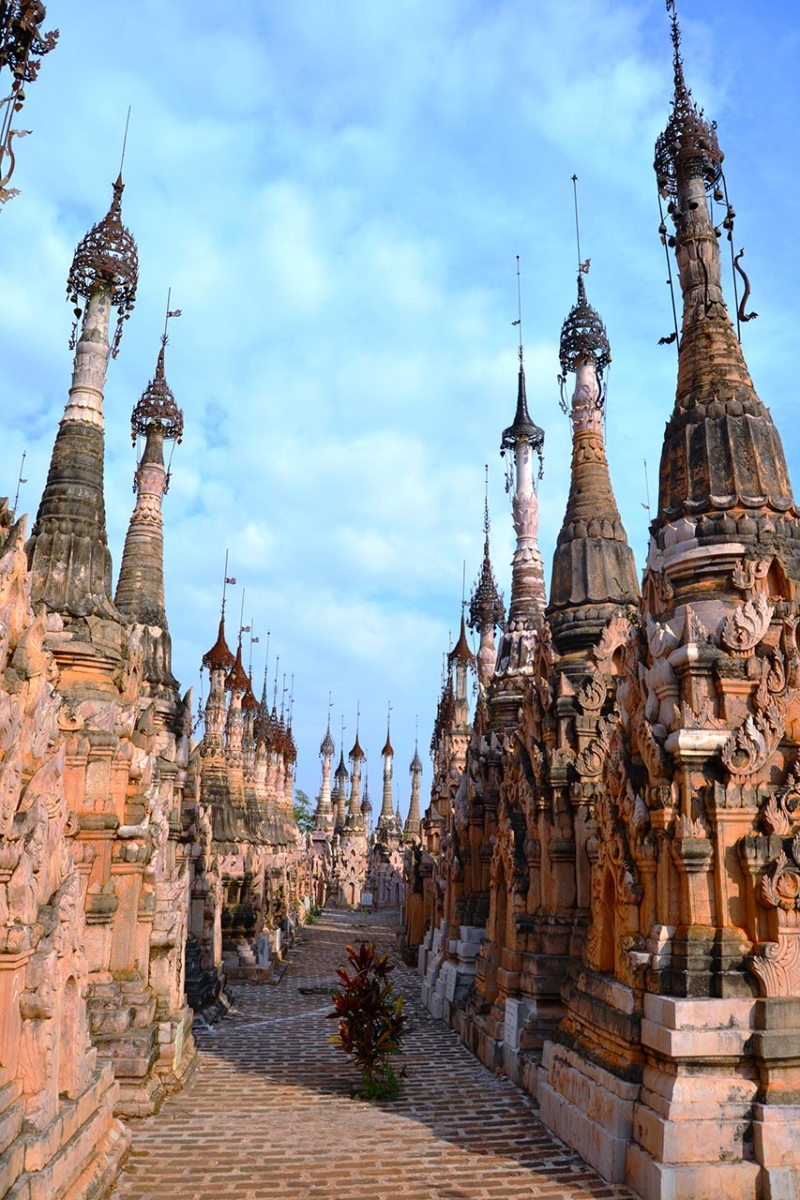
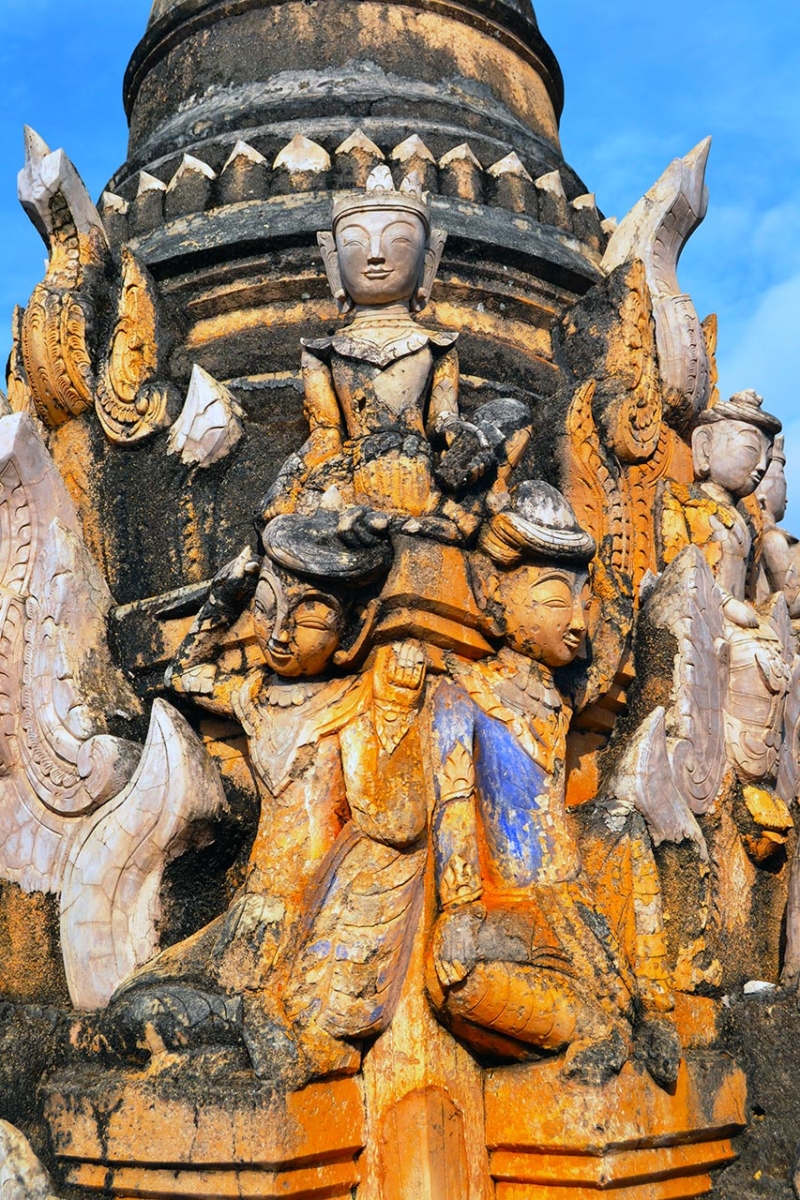
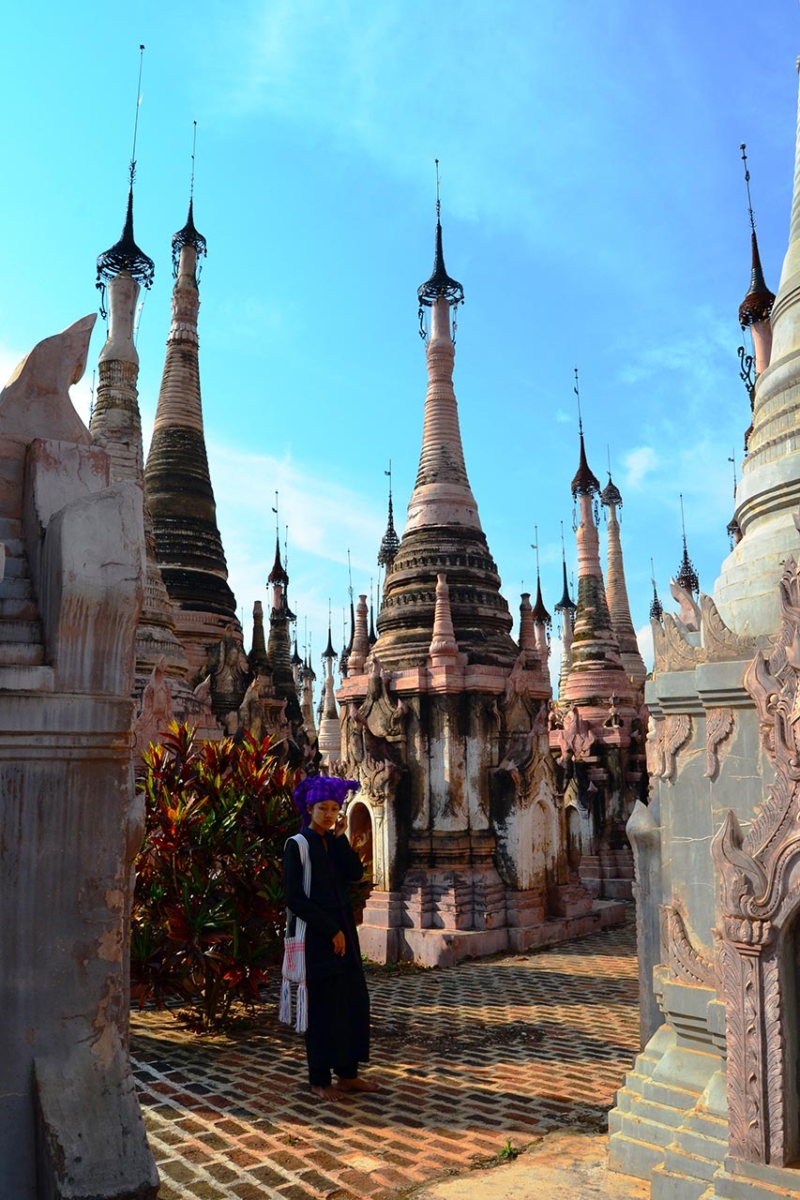
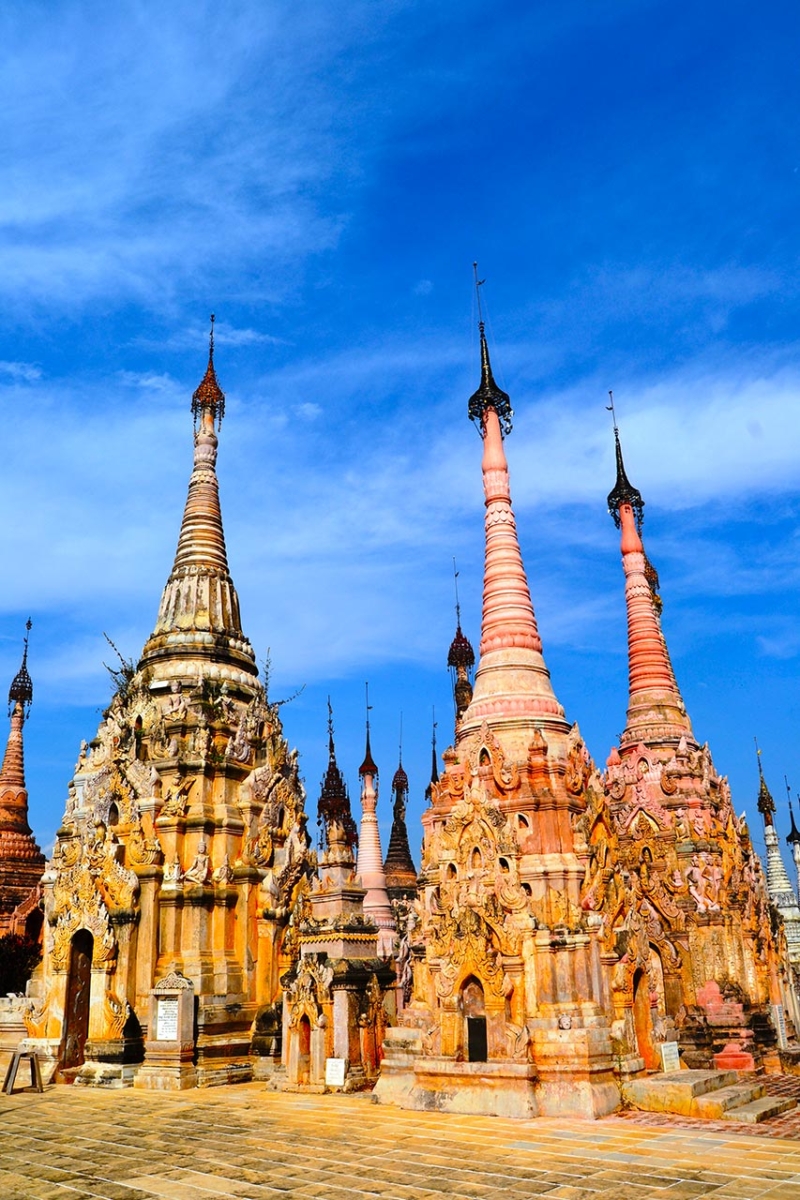
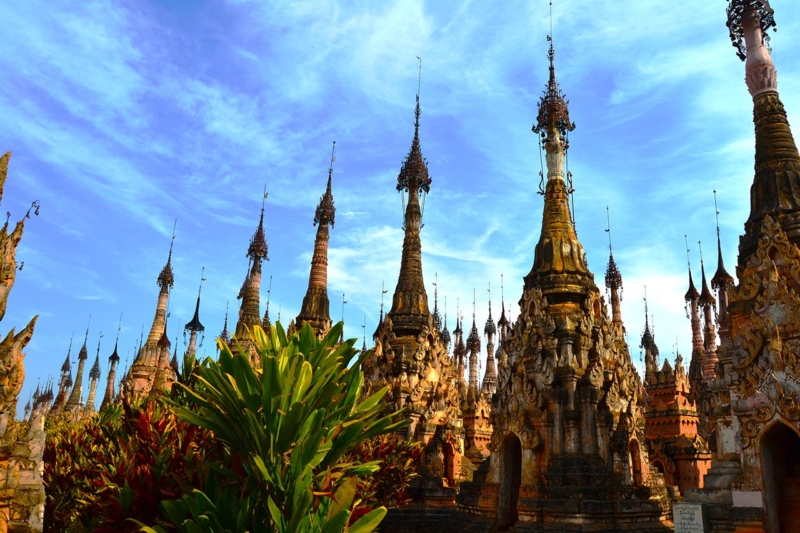
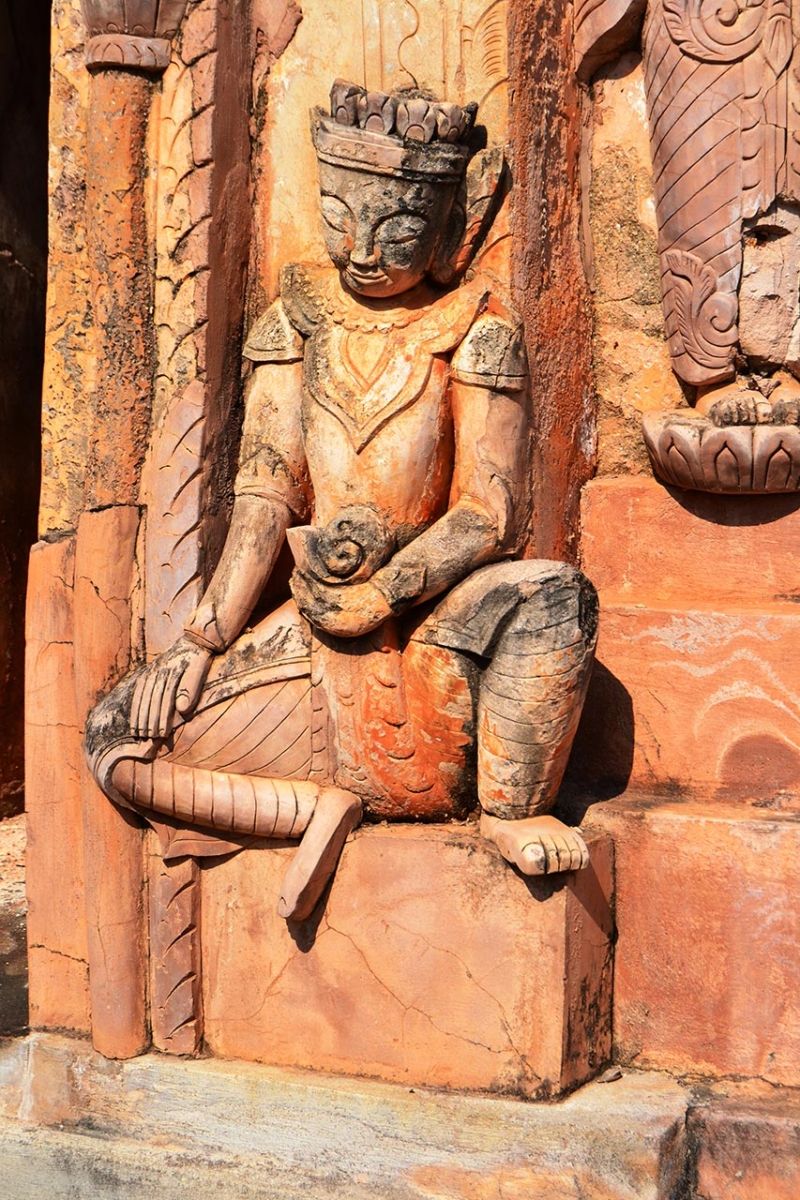
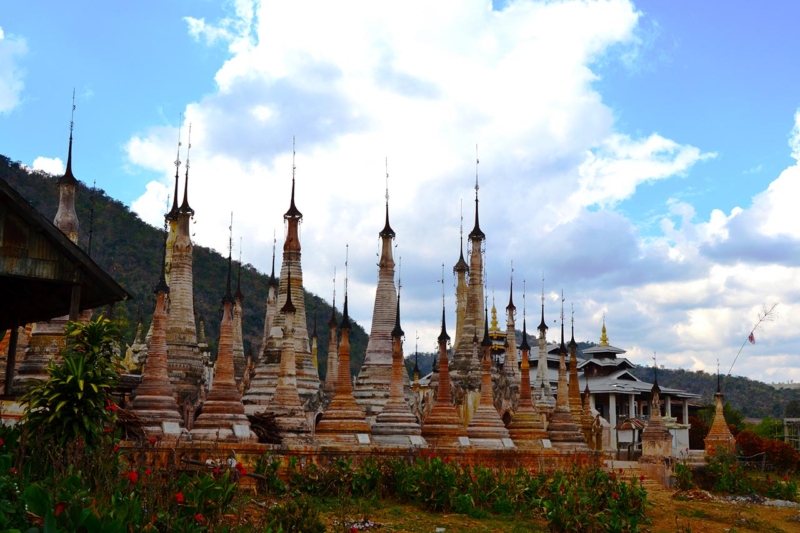
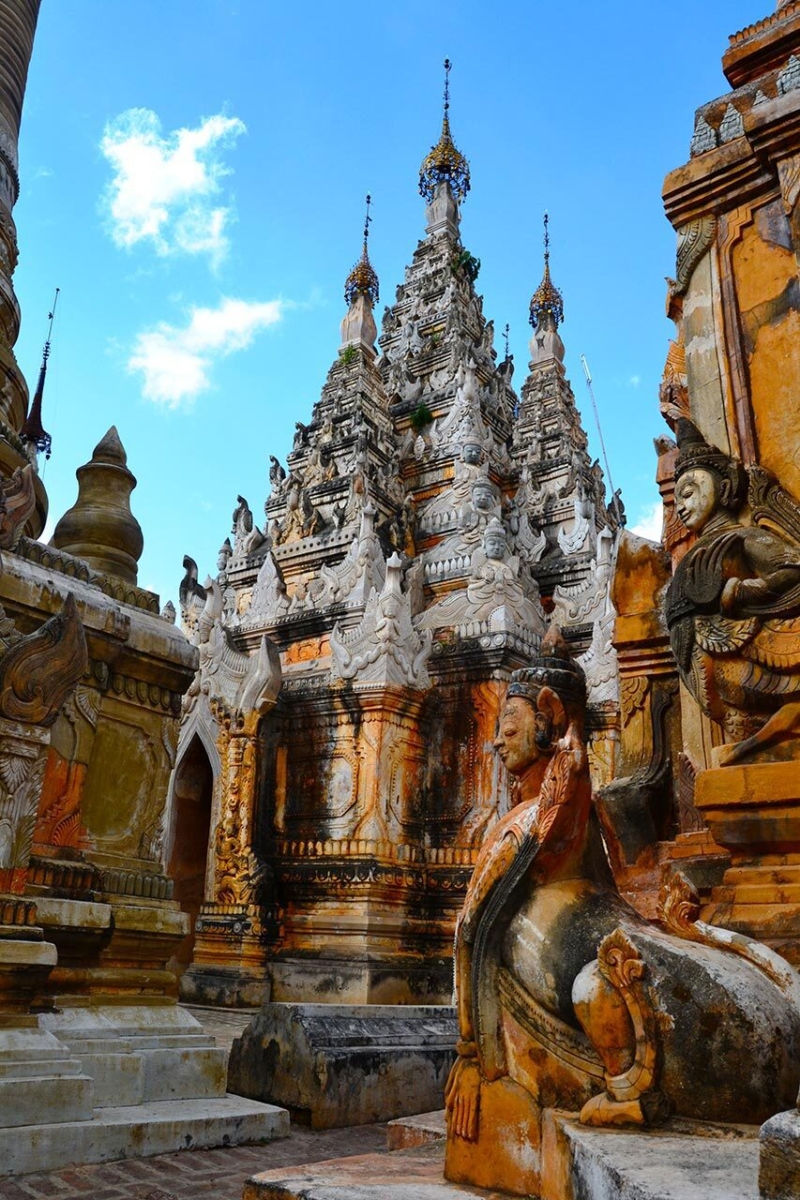
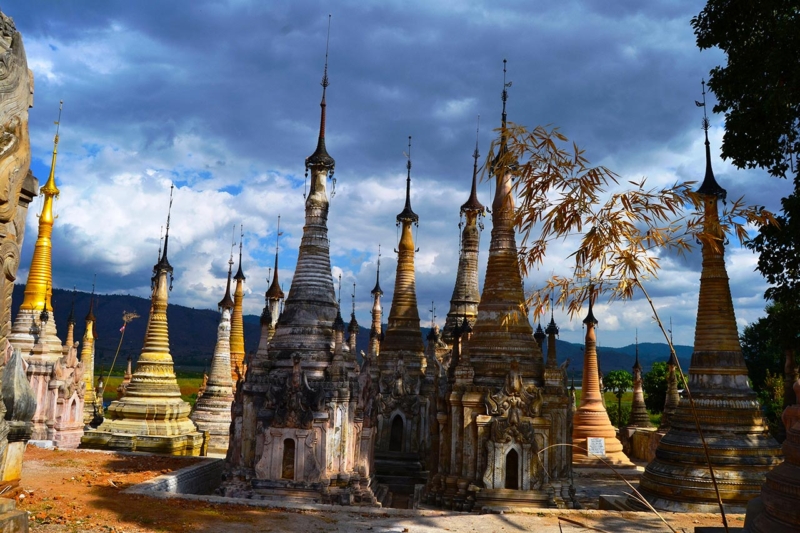
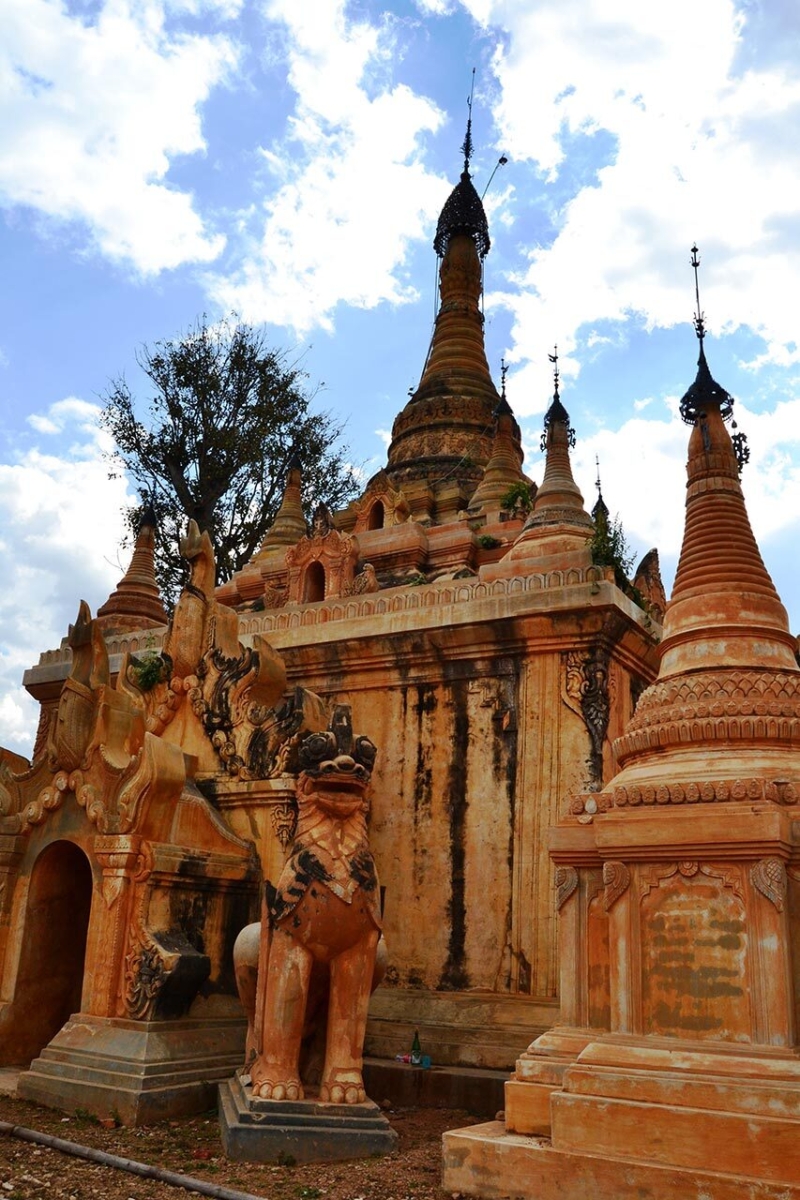
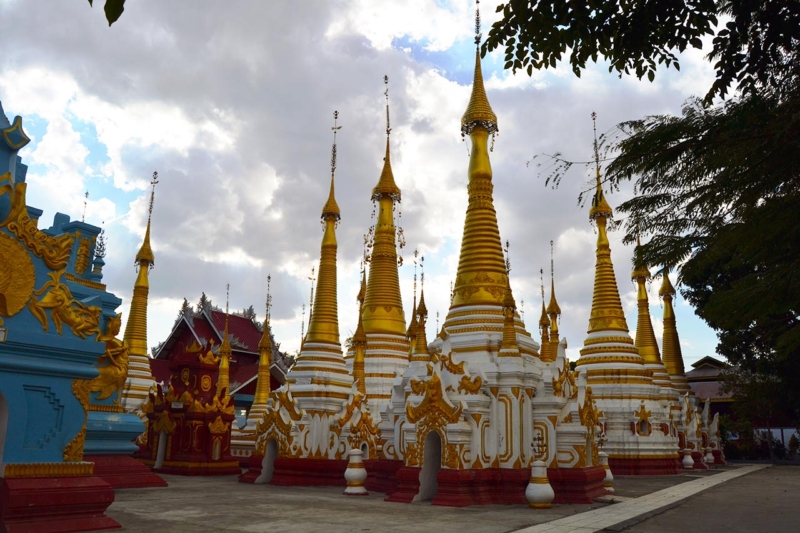
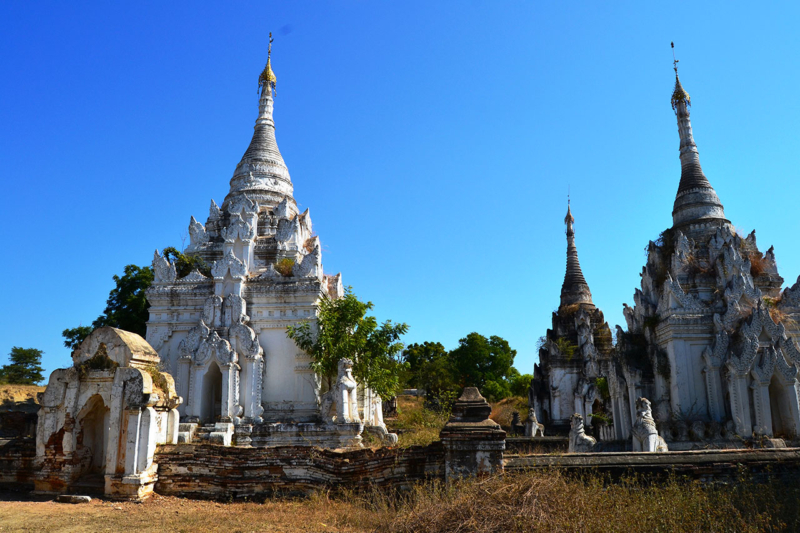
Kekku is one of the most mysterious temple complexes in Myanmar. On a tiny patch of land, about 2,500 ancient stupas crowd together, covered in intricate carvings and forgotten stories. There were hardly any tourists — just the whisper of the wind and… the sound of bells.

Each stupa has a bell hanging from it, and the clappers are delicately forged in the shape of Bodhi leaves — the very tree under which Buddha attained enlightenment. When the morning mountain breeze touches them, the air fills with a crystalline chime.


Pro tip: visit Kekku early in the morning. That’s when the wind is strongest, and the bells ring so beautifully it gives you goosebumps.

And there’s plenty to see along the way too. In 2015, tourists were still a rarity in this region, and the locals weren’t yet jaded by outside attention. We were excited to see them, and they were just as excited to see us. We kept begging our driver to stop the car so we could interact with people here and there — and he patiently obliged every time

INLE

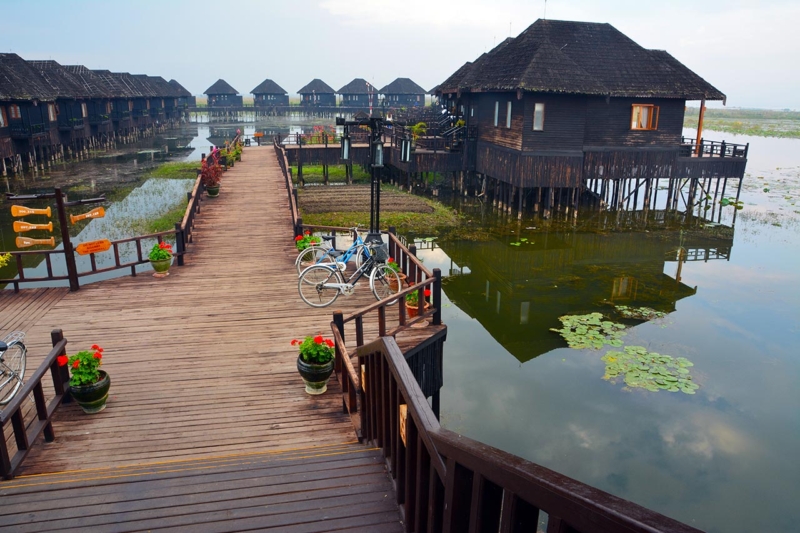
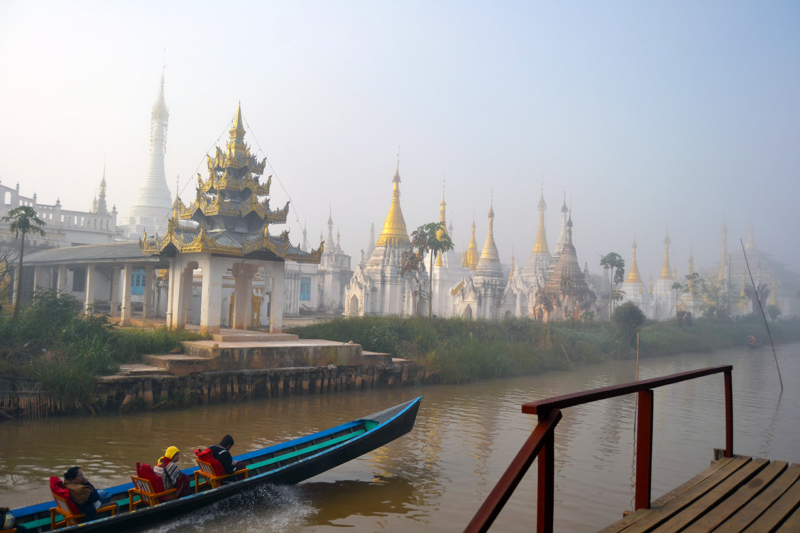
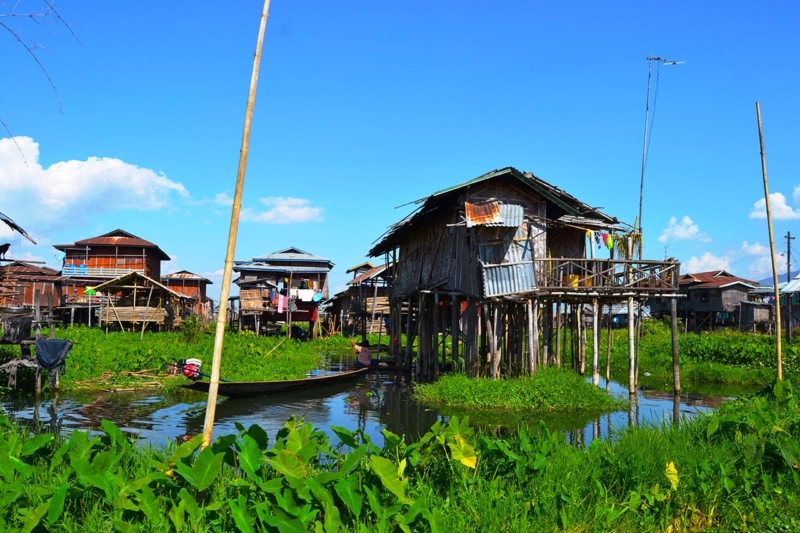
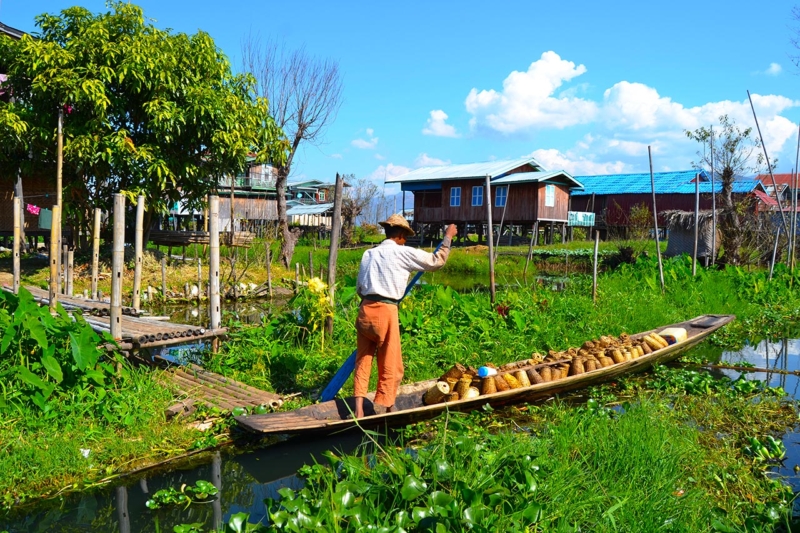
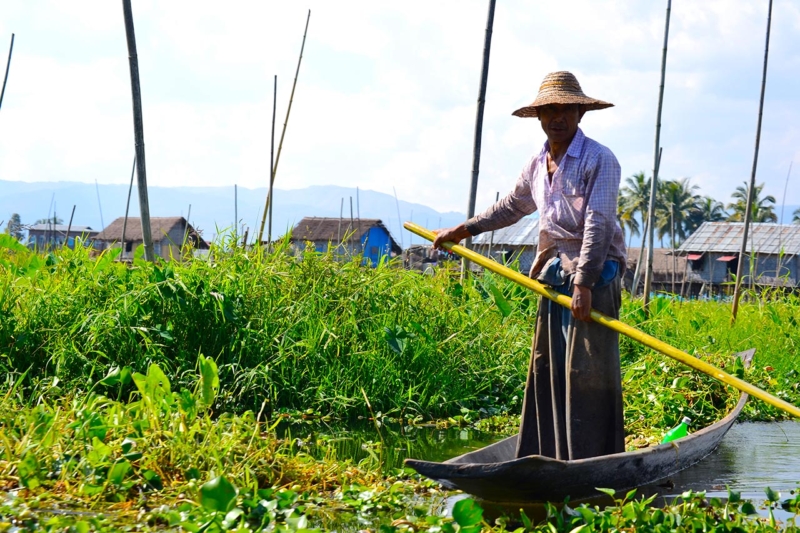
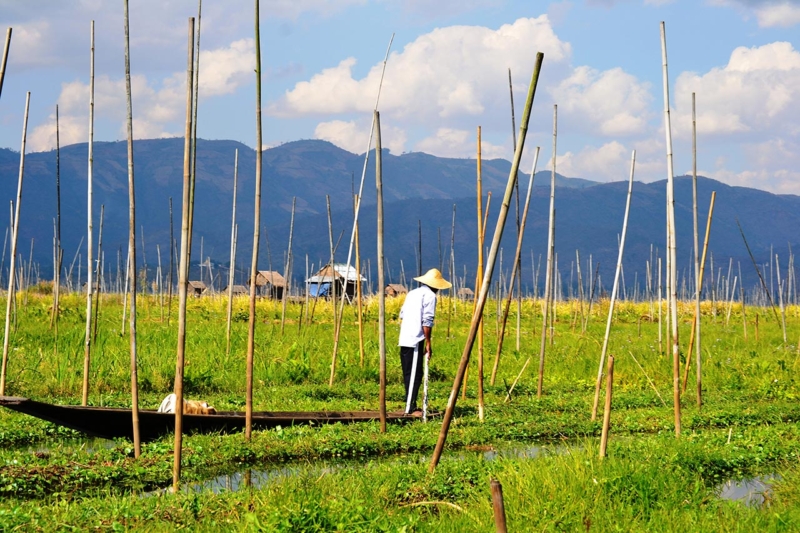
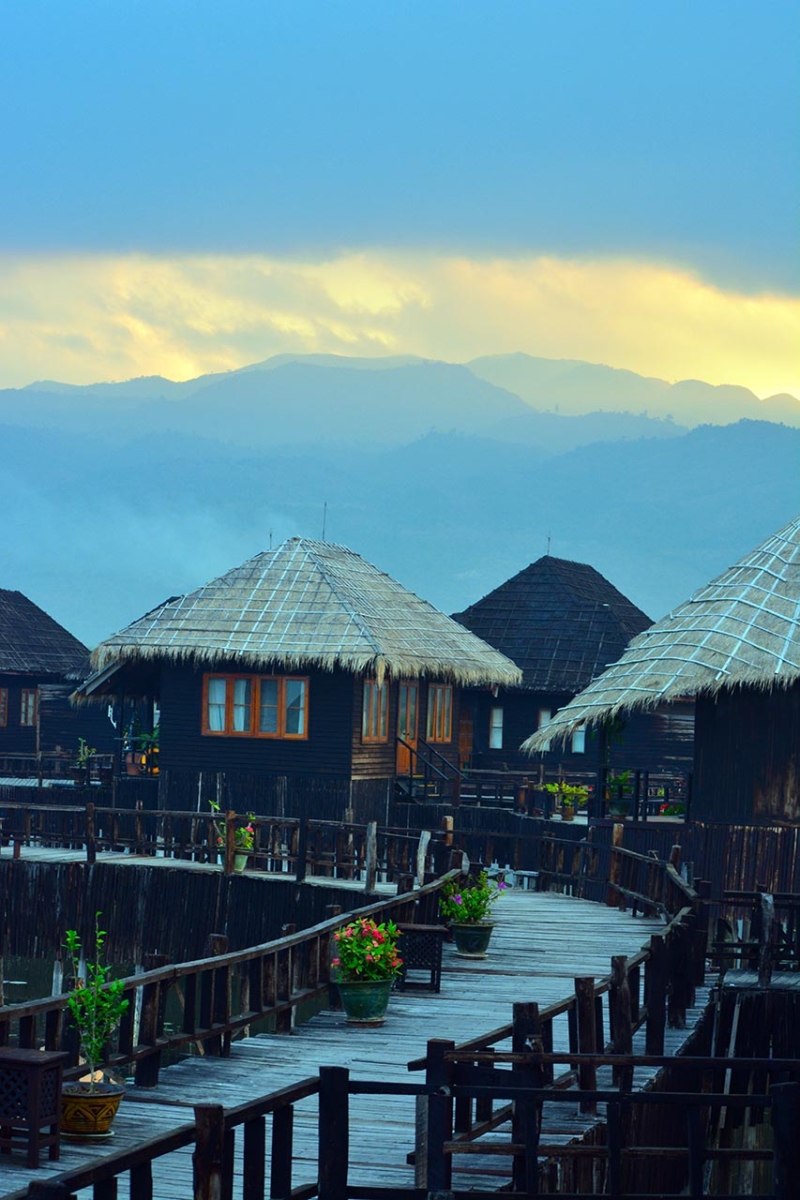
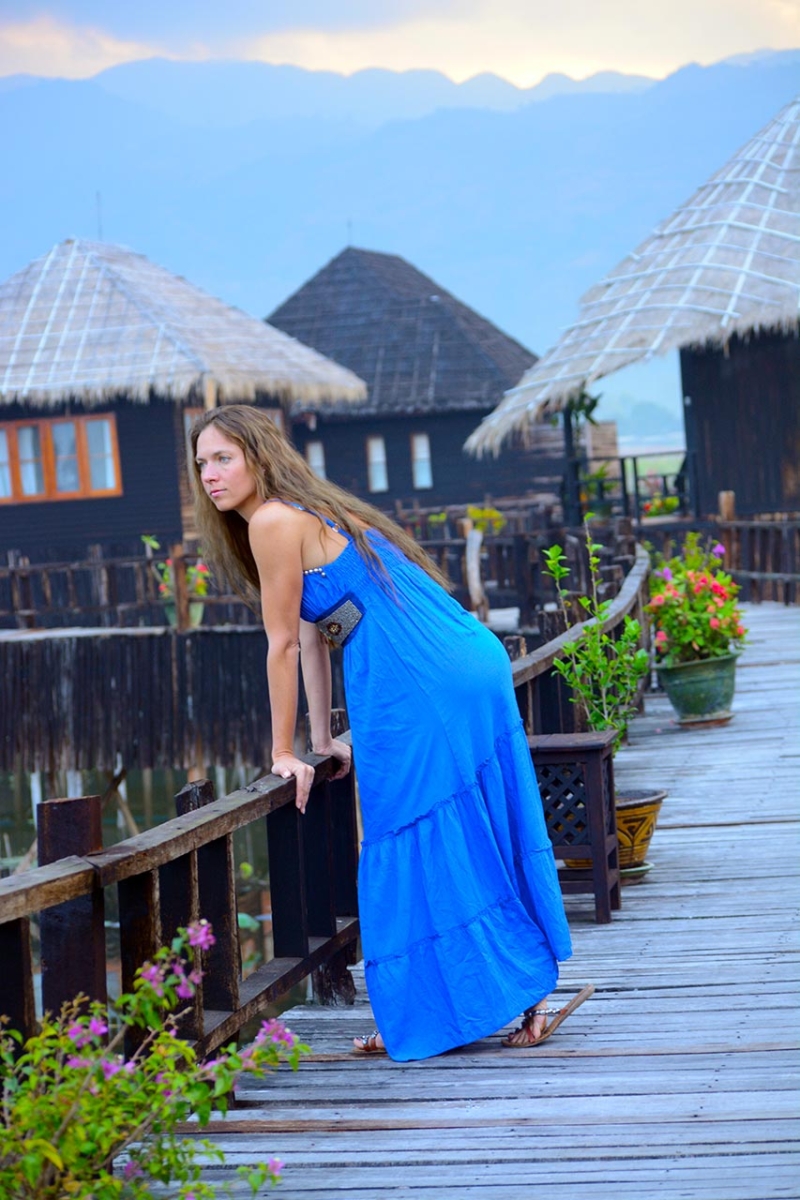
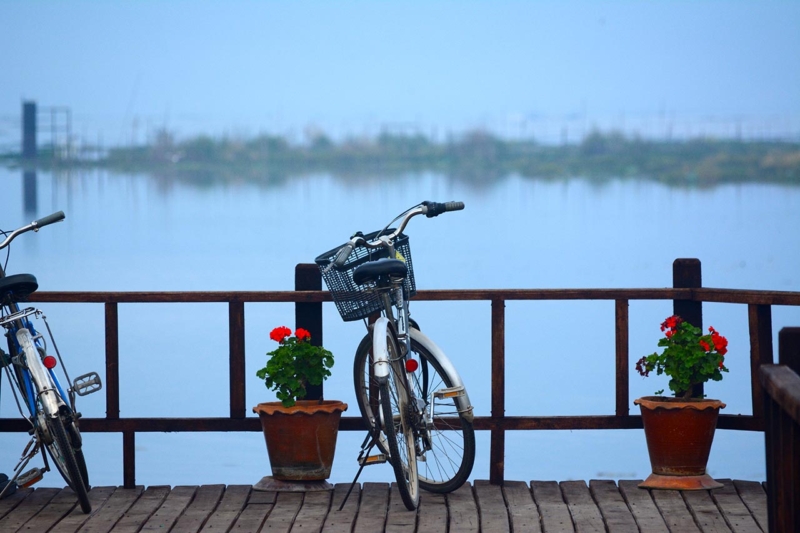
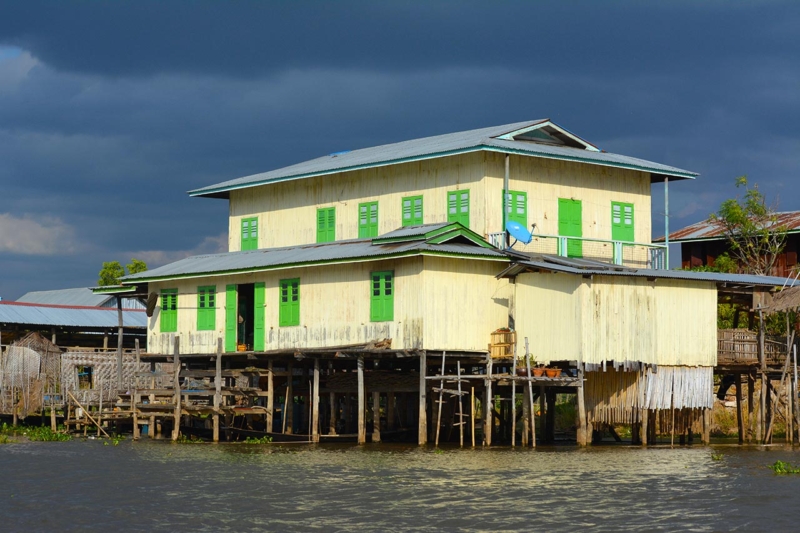
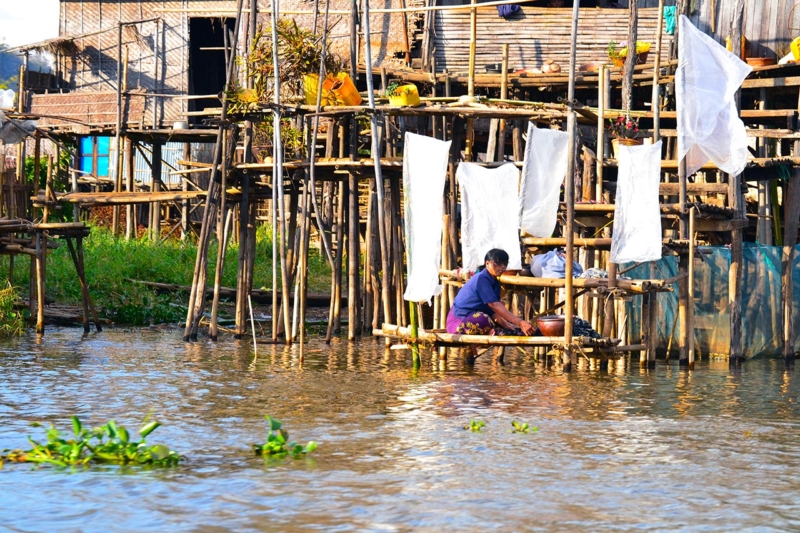
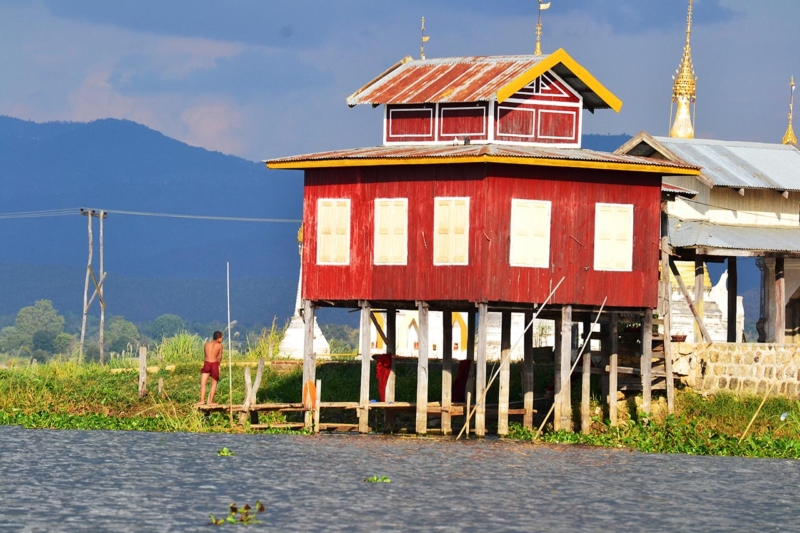
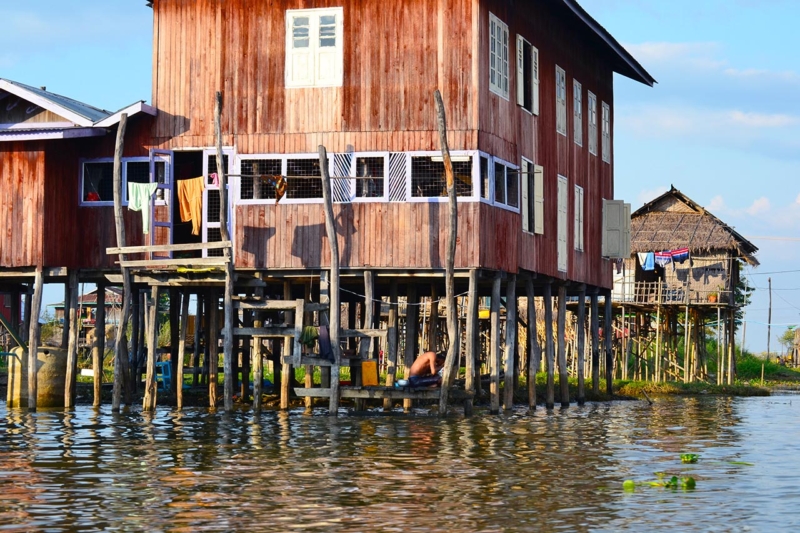
The stars aligned perfectly: our two days at Inle Lake happened to coincide with New Year’s! We decided to celebrate this stroke of luck in style and checked into a stunningly expensive floating hotel — wooden villas on the water, cozy terraces, and a mountain view. It felt like stepping into another reality: life here happens entirely on the lake. Homes, shops, temples, gas stations, even vegetable gardens — everything floats!

Here’s what we managed to do in two days.


We explored floating villages with their chaotic wooden walkways and boat taxis. We visited a local market filled with spices, fabrics, and handmade jewelry — and even saw some women from the Palaung tribe, with metal neck rings, waiting for a stray tourist to wander by. We toured a dozen temples but decided to skip that overly touristy monastery where monks train cats to jump through hoops.

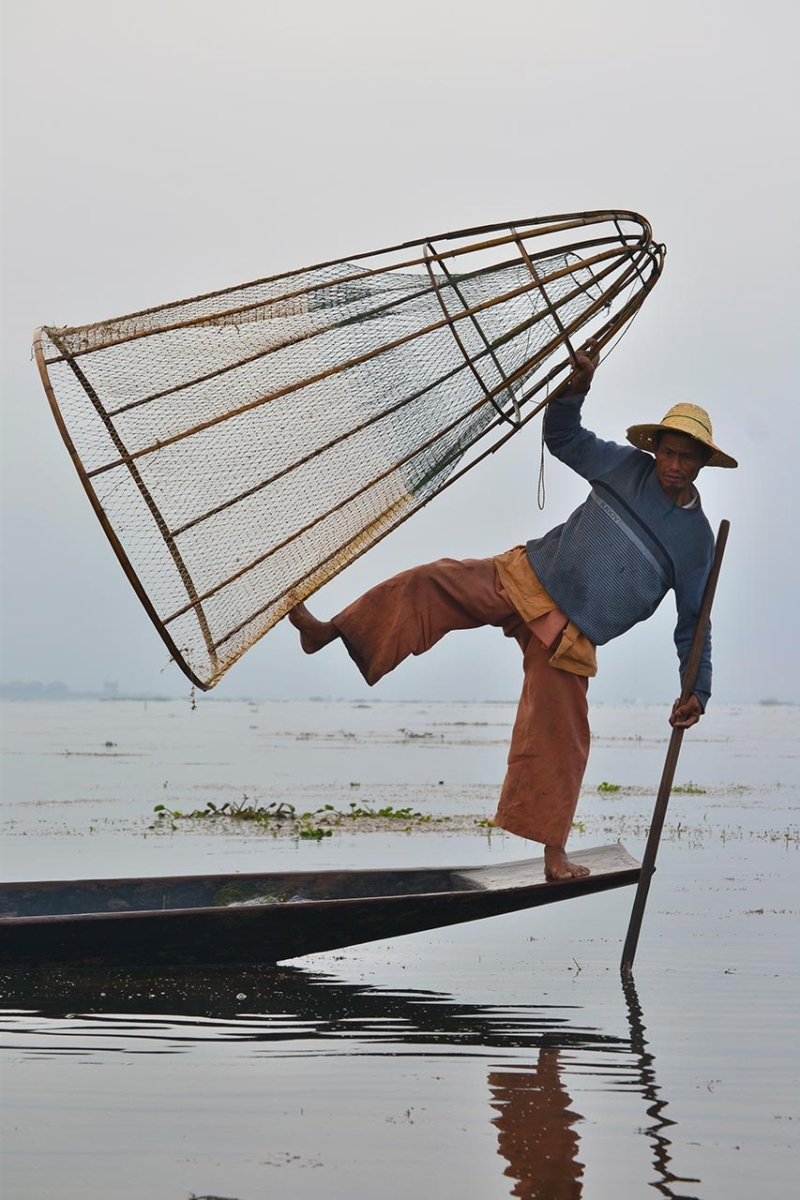
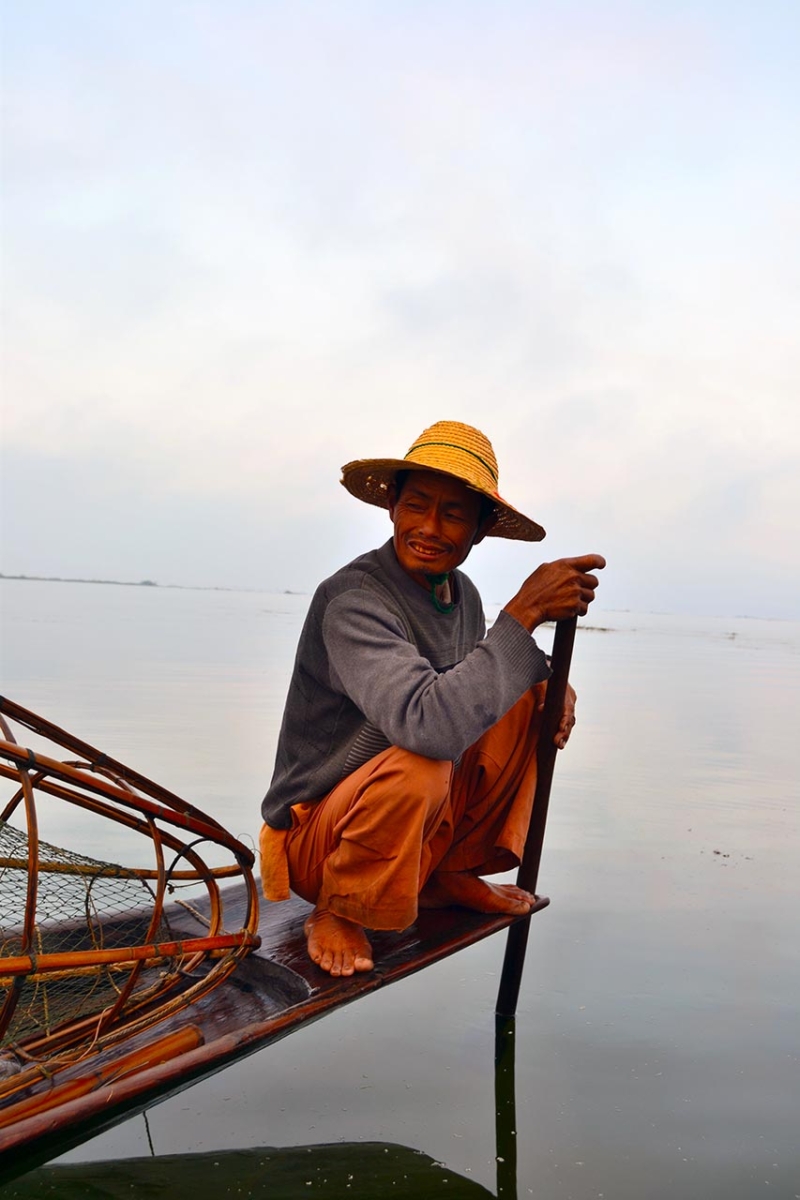
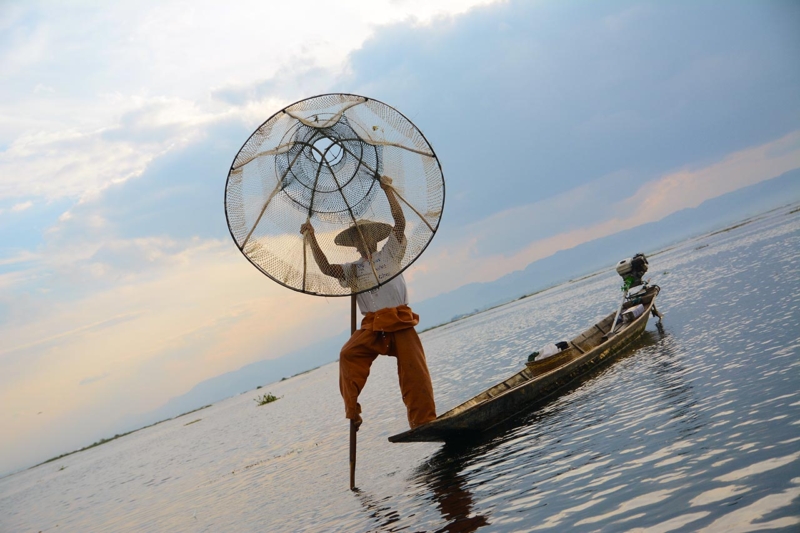
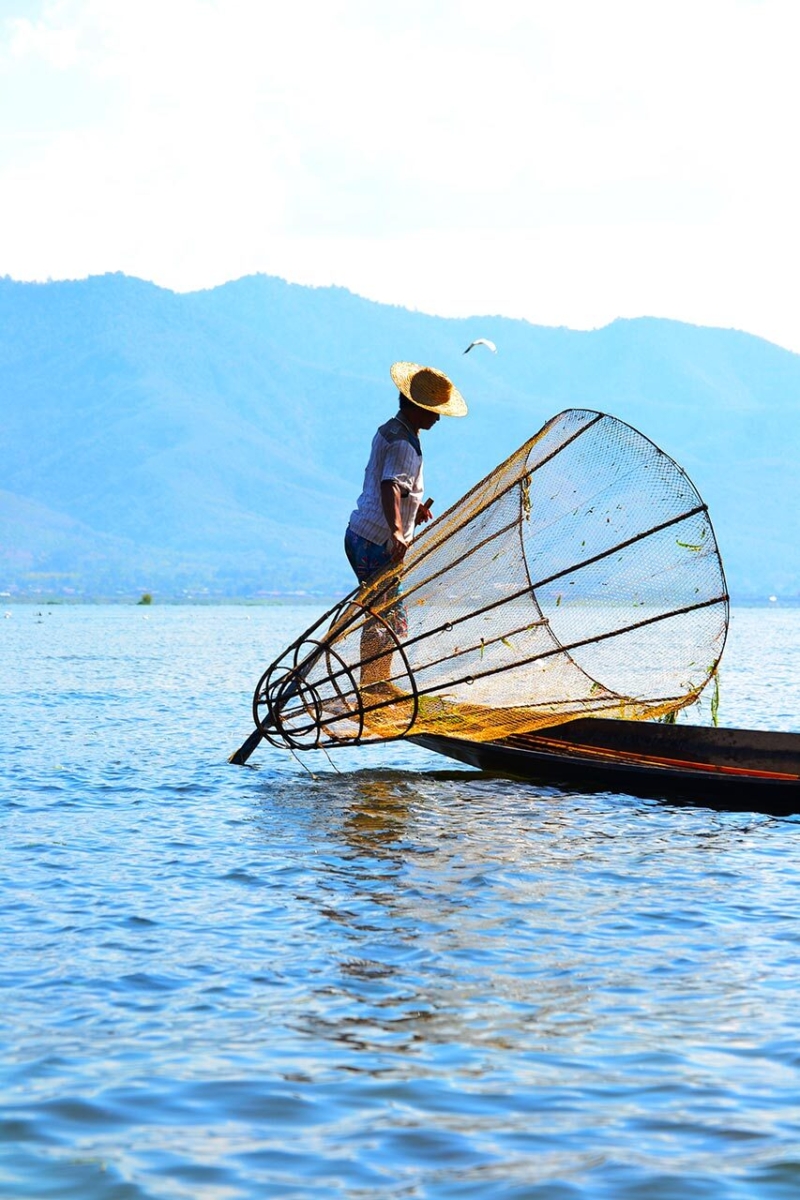
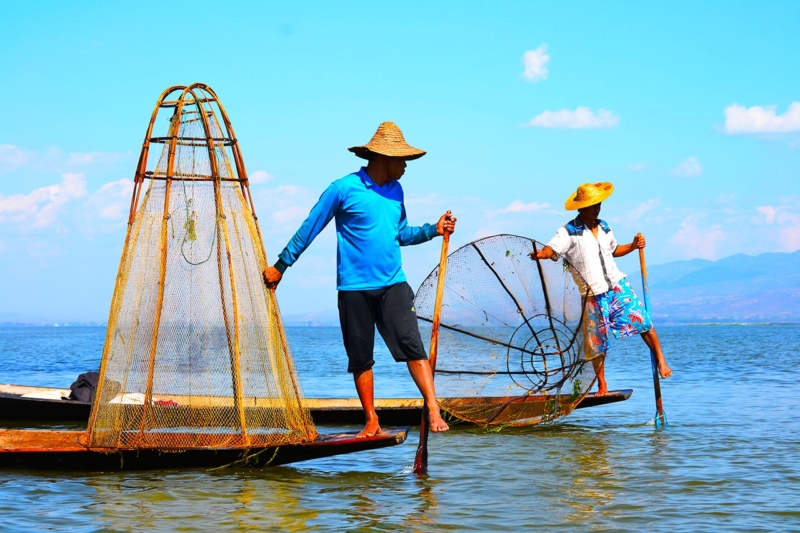
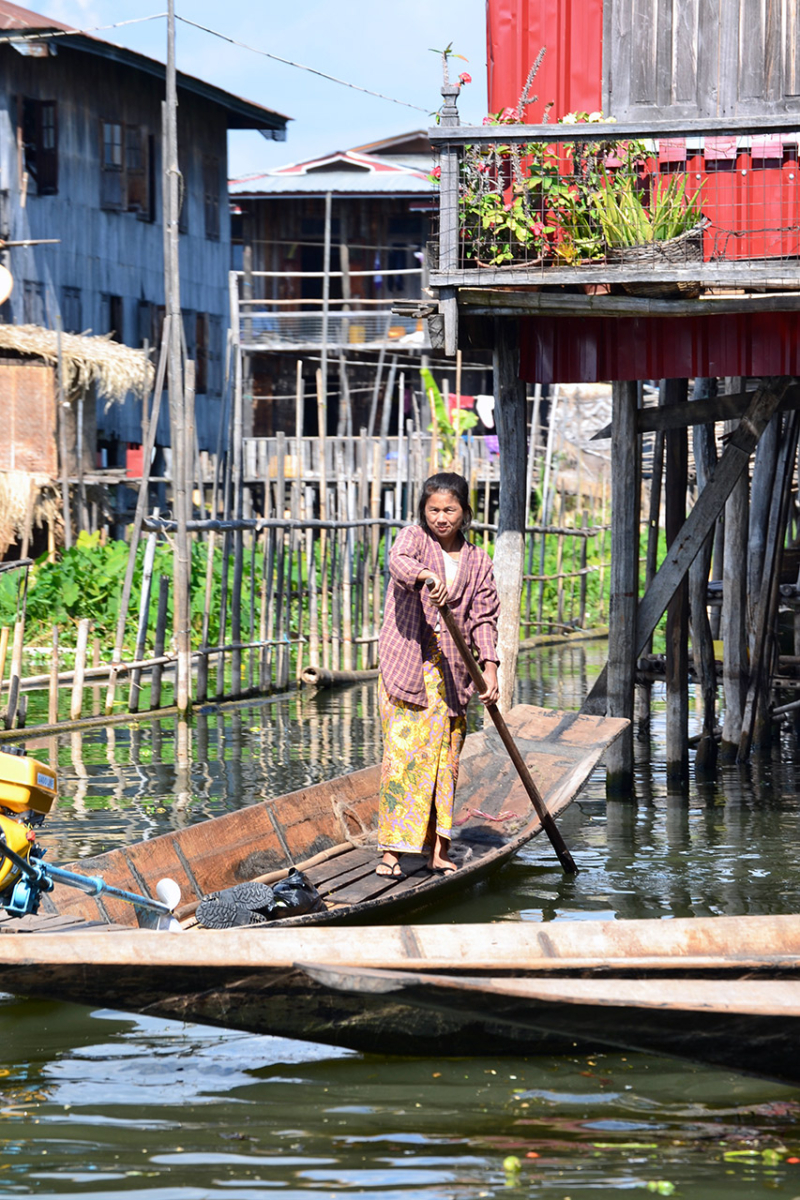
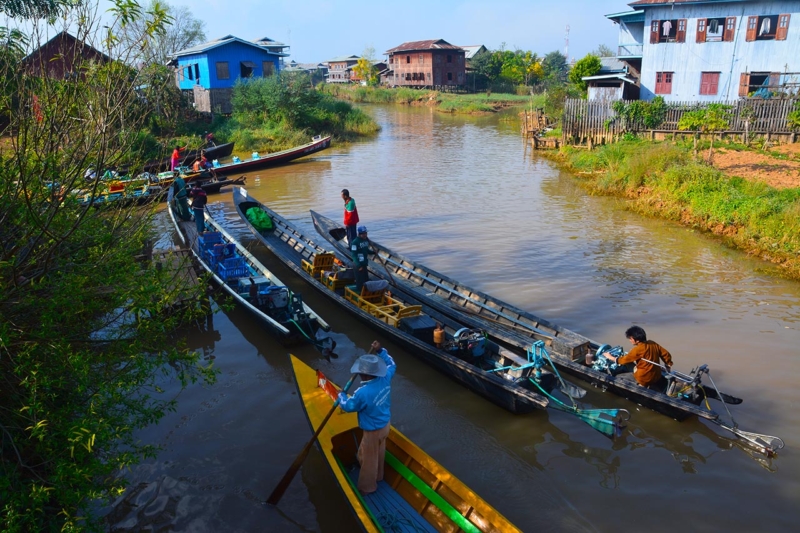
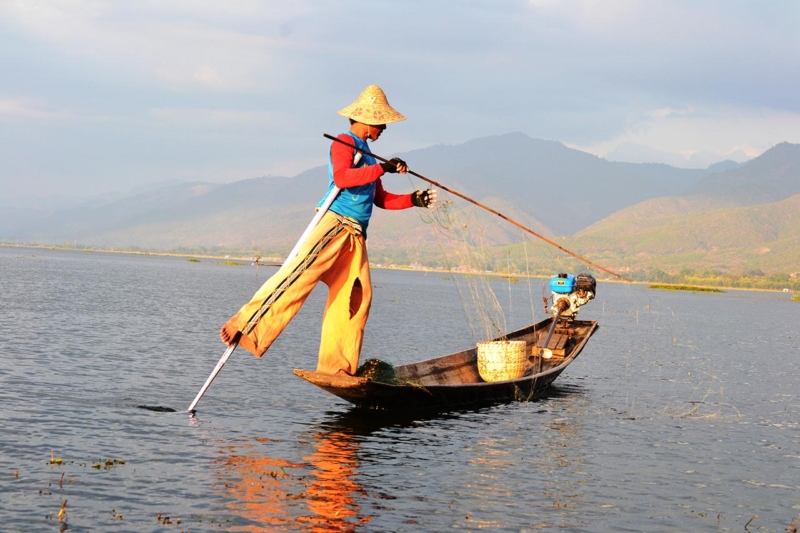
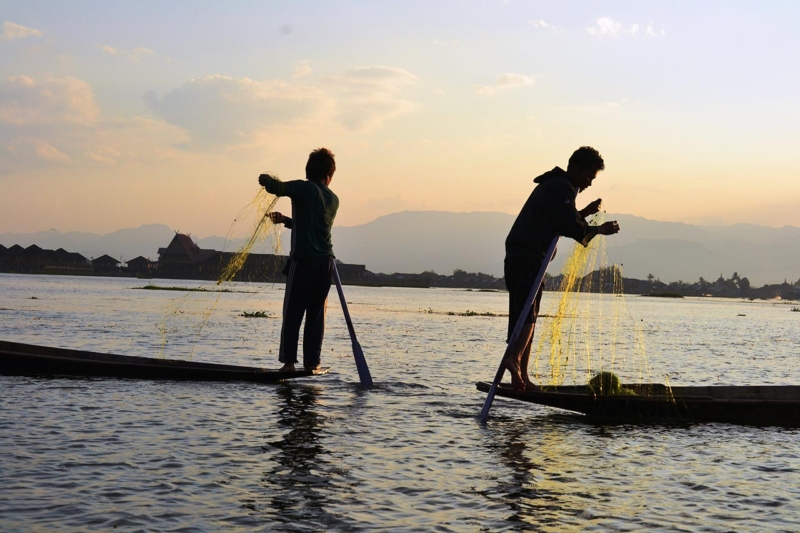
The most fascinating thing about Inle, of course, is the floating villages (like Ywama, Nampan, and Indein) — people live in stilt houses, travel in narrow boats, and kids learn to row with their feet from a young age. Yes, you heard that right: Inle fishermen row with one leg wrapped around the oar, leaving their hands free to handle the nets.


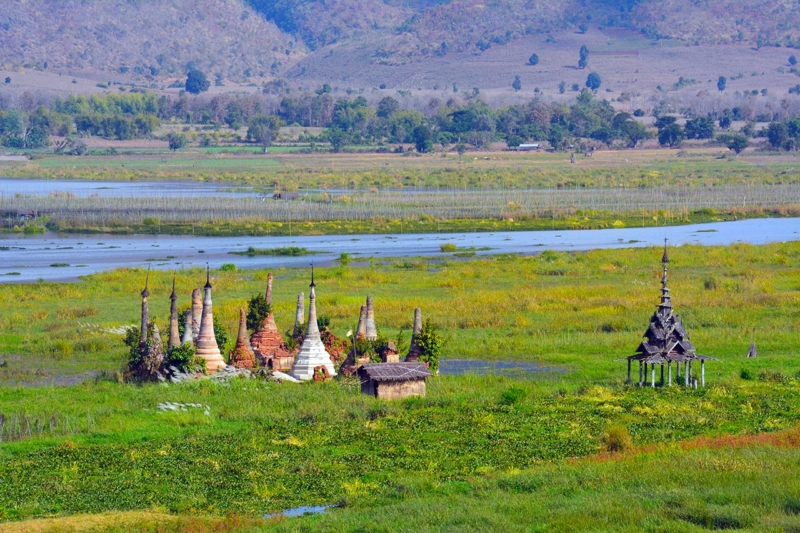
In the western part of the lake, tucked away in the hills, lies the Indein complex — hundreds of ancient stupas, partly in ruins and swallowed by jungle.

The oldest pagodas date back to the Bagan period (11th–13th century). To reach them, you have to walk through a long, covered market corridor.

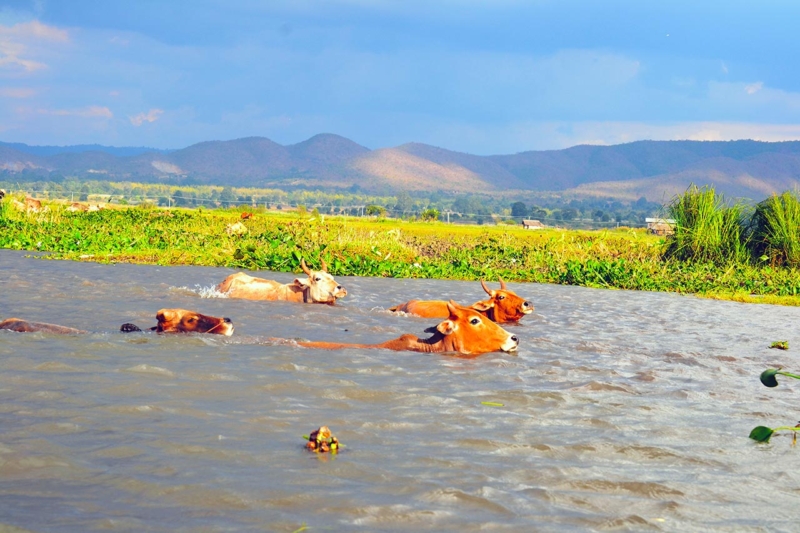
We also saw cows swimming from one pasture to another — a surreal sight! We stopped by several monasteries as well.

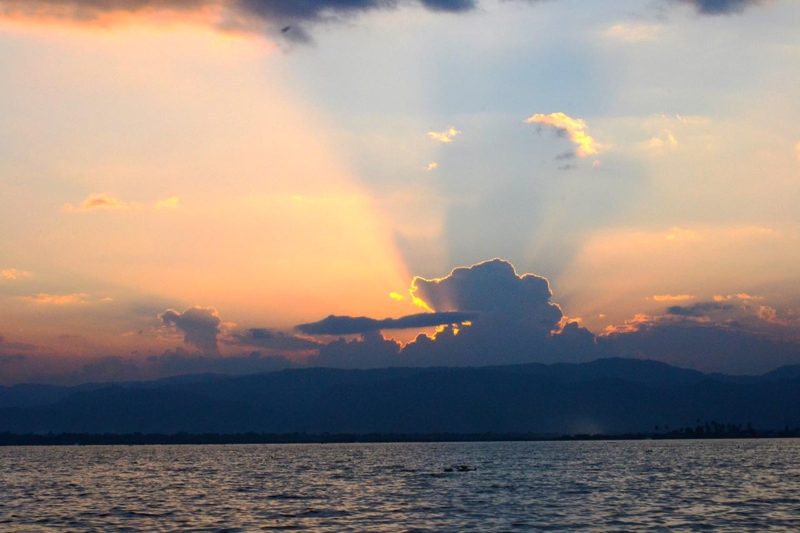
But the most unforgettable moments? Definitely the sunrises and the fishermen.


We had a private local guide for the full two days who fulfilled our every wish, taking us to hidden little villages whenever we asked.

Bagan

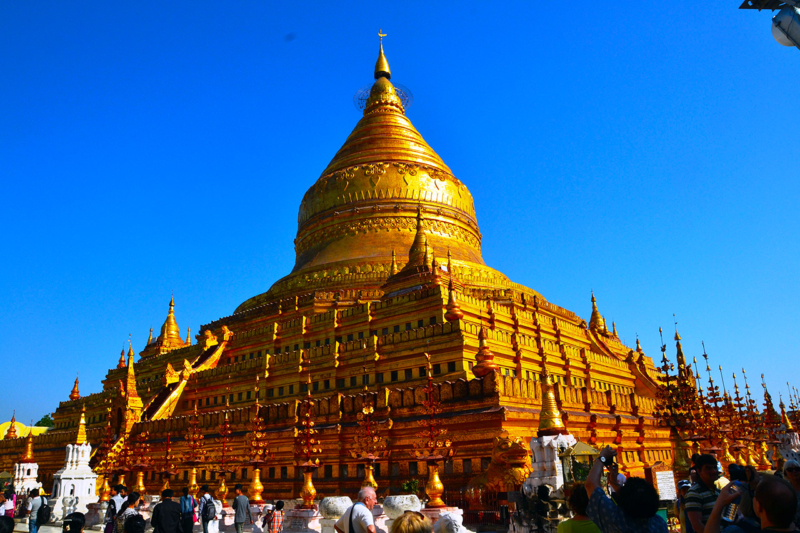
After Inle, we dashed off to Myanmar’s main “calling card” — Bagan!
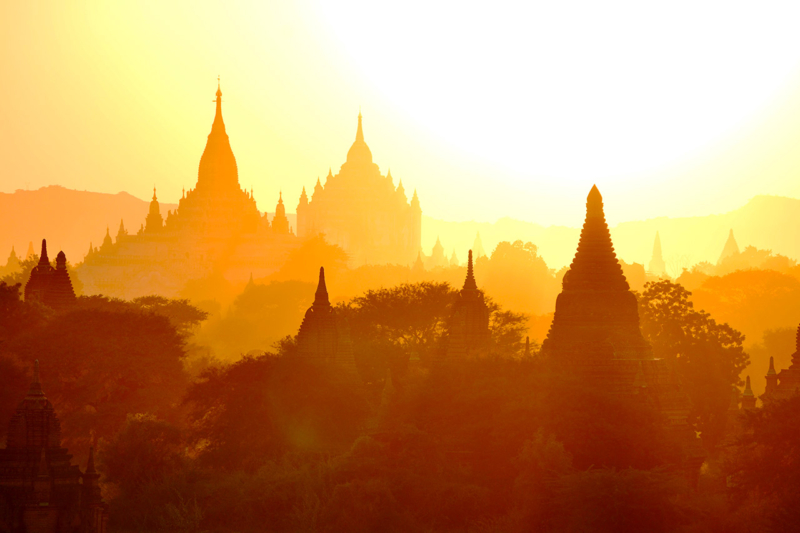
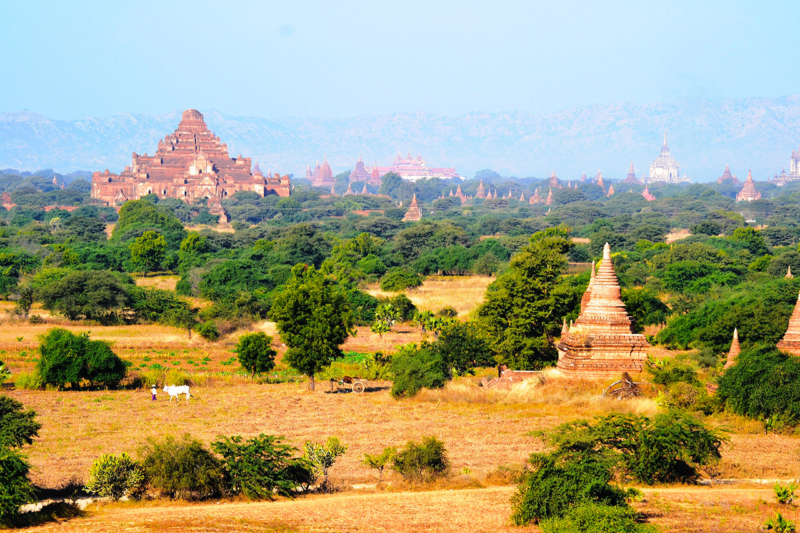
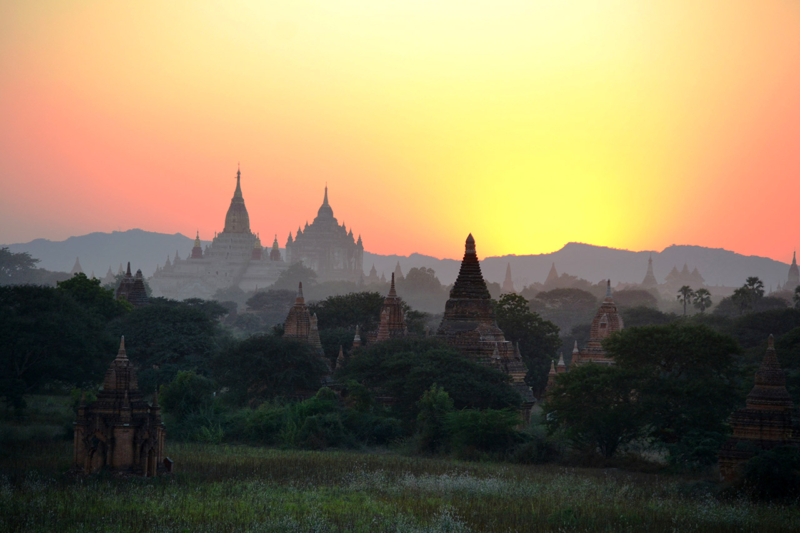
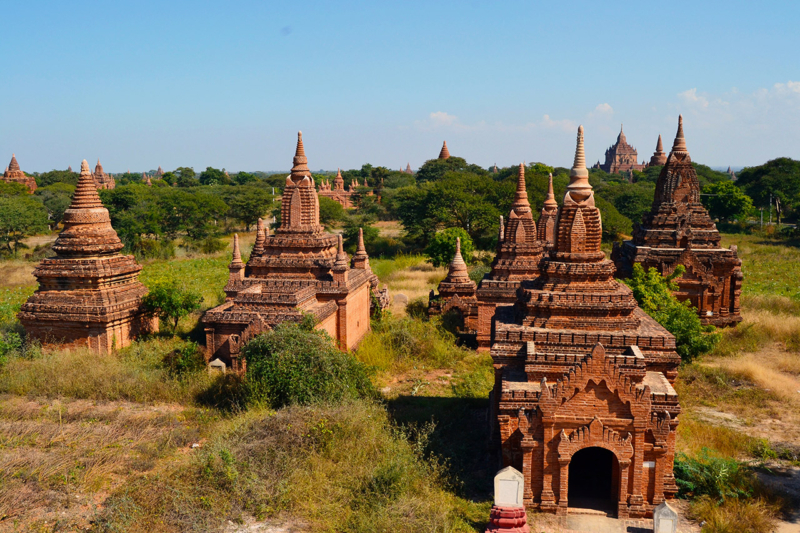
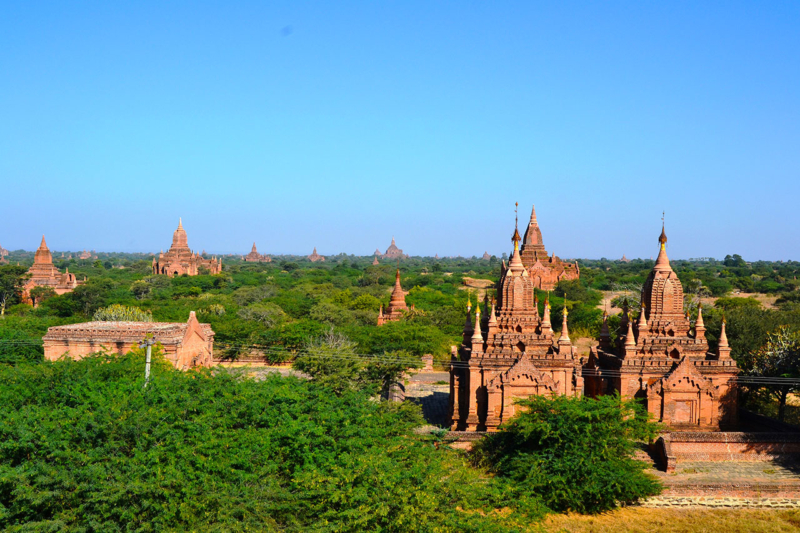
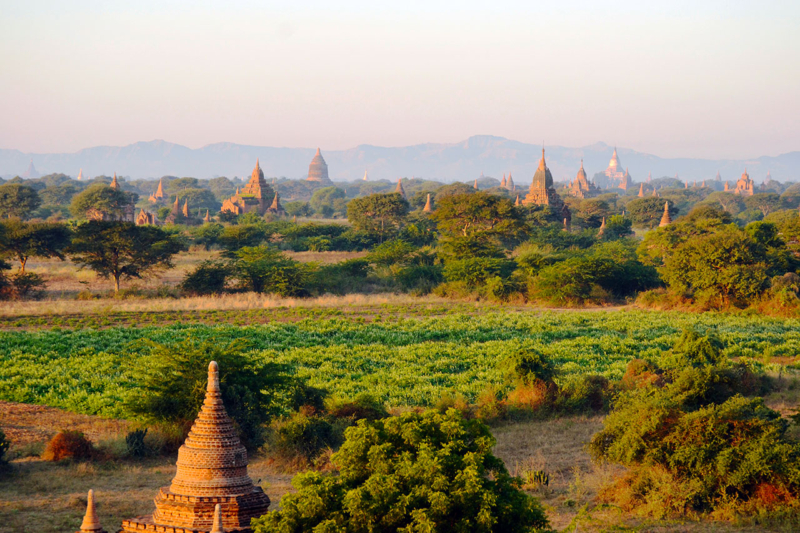
Imagine: 40 square kilometers of arid land, sprinkled with ancient temples like icing on a cake. Only instead of sweetness — centuries of history, Buddhist relics, and scorching sun.


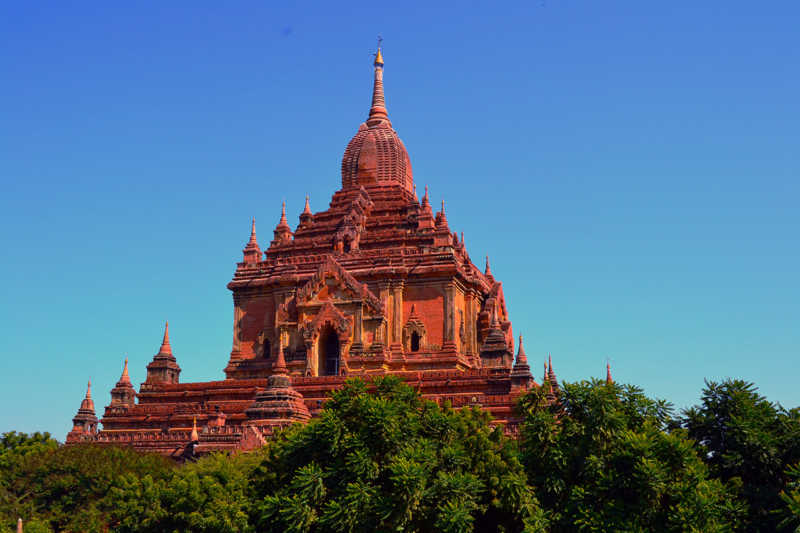
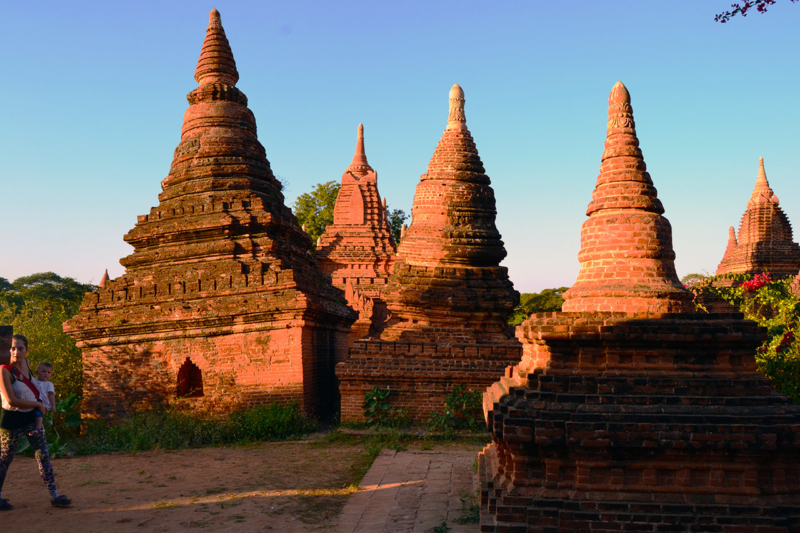
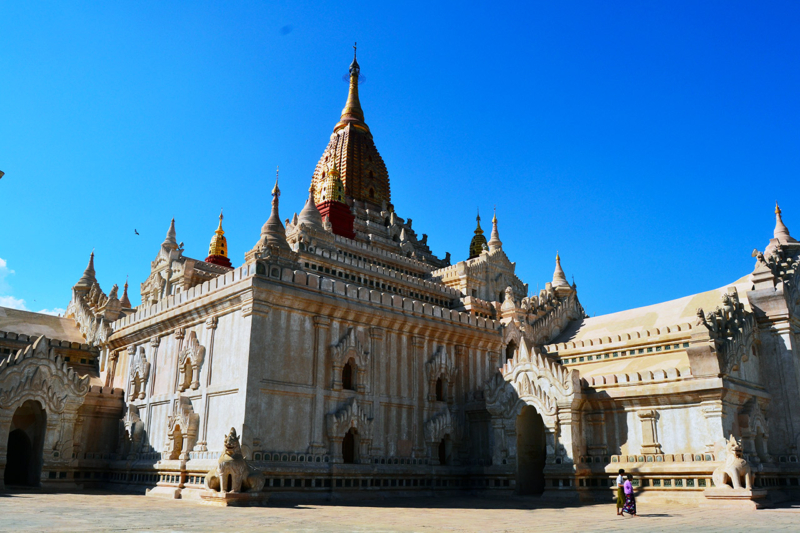
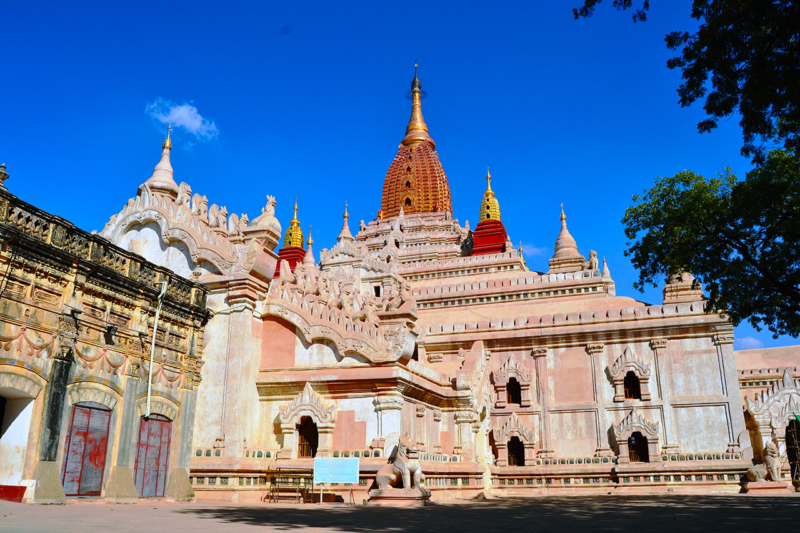
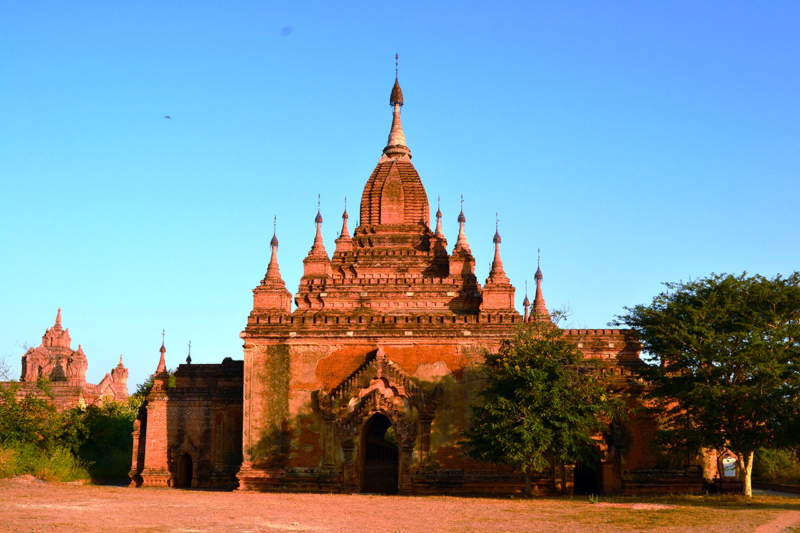
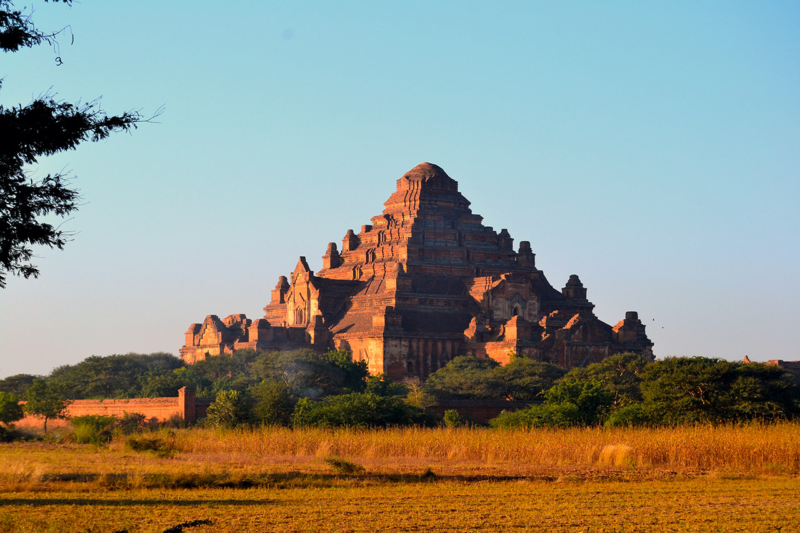
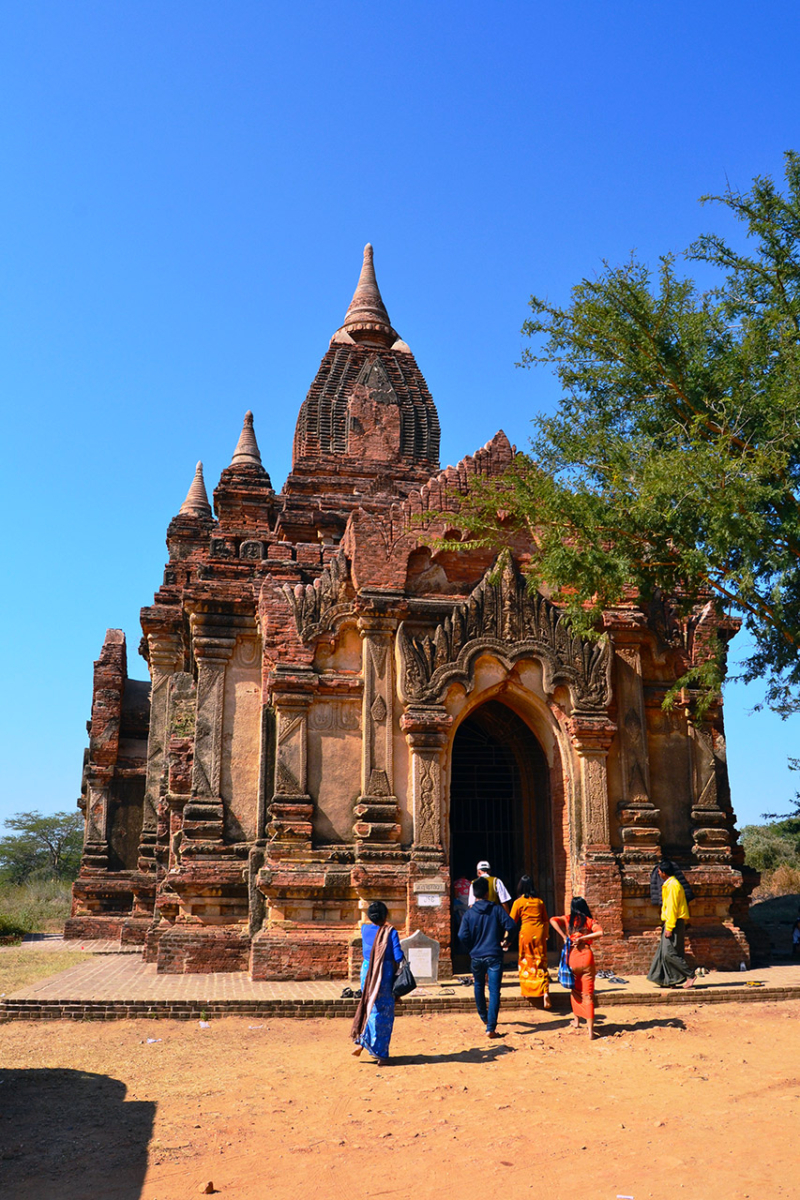
Bagan is the ancient capital of the country, where more than 2,000 Buddhist temples, built between the 11th and 13th centuries, are scattered across the plain. It’s the ultimate must-see in Myanmar, rivaling Angkor Wat in Cambodia in scale and spiritual gravity.

As of 2016, the entrance fee was around $12 for the entire stay — paid in cash at a checkpoint when entering the city.


Bagan (also spelled Pagan) was the first unified kingdom on the territory of modern-day Myanmar, and it became the cradle of Burmese culture, Buddhism, and architecture. The first settlements appeared here, along the Irrawaddy River, as early as the 9th century. But the actual unification of fragmented states and the declaration of Bagan as the capital took place in the 11th century. That’s also when Buddhism became the official religion.

The empire’s golden age lasted about 200 years, during which more than 10,000 temples were built. Why so many? Simple: karma. Kings and wealthy citizens competed in accumulating punya — merit gained through good deeds. Every new temple brought its builder closer to a better rebirth.

The fall of the empire came in the late 13th century, when Bagan lost its independence after a Mongol invasion. Yes, even here, the Mongols made their mark.


By the 20th century, Bagan was largely abandoned. Locals had slowly been dismantling bricks from the ancient temples to use as building material.
In 1975, a powerful earthquake damaged many pagodas and stupas. Some were later restored, but the renovations were criticized for lacking historical accuracy.

An attempt to nominate Bagan for UNESCO World Heritage status in 1998 failed precisely because of these controversial “new builds.”
It wasn’t until 2019 that Bagan was finally officially added to the UNESCO World Heritage List.

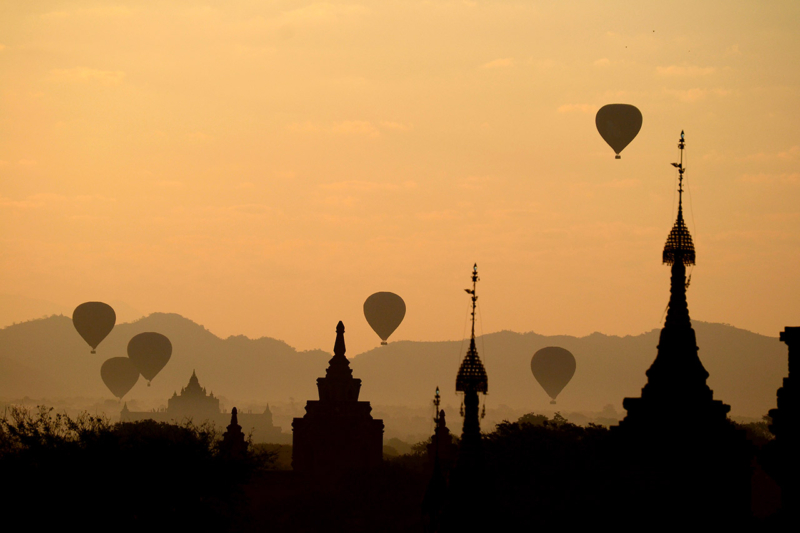
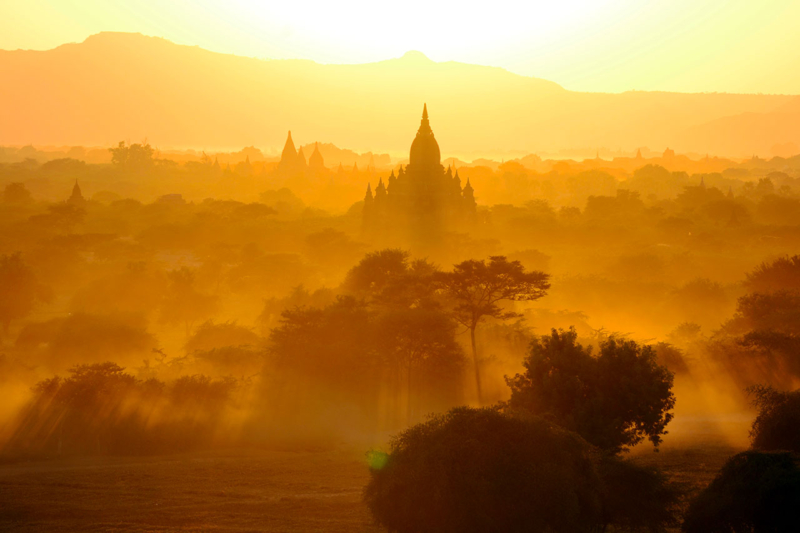
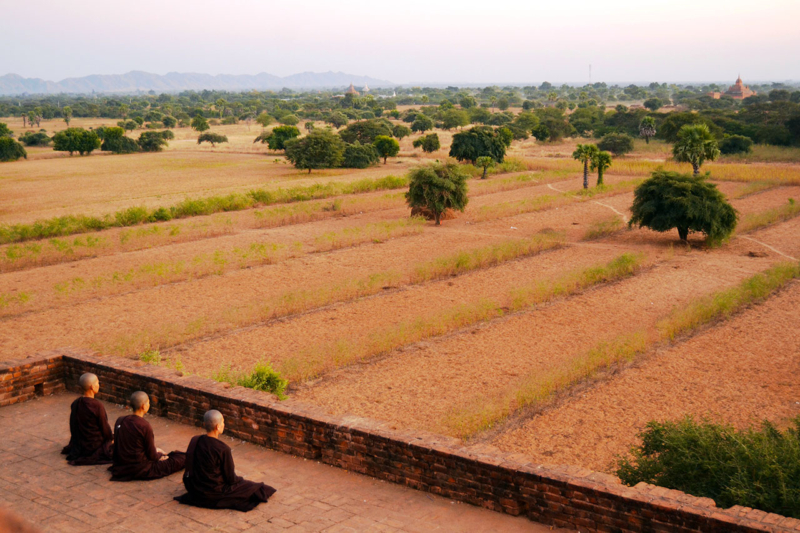
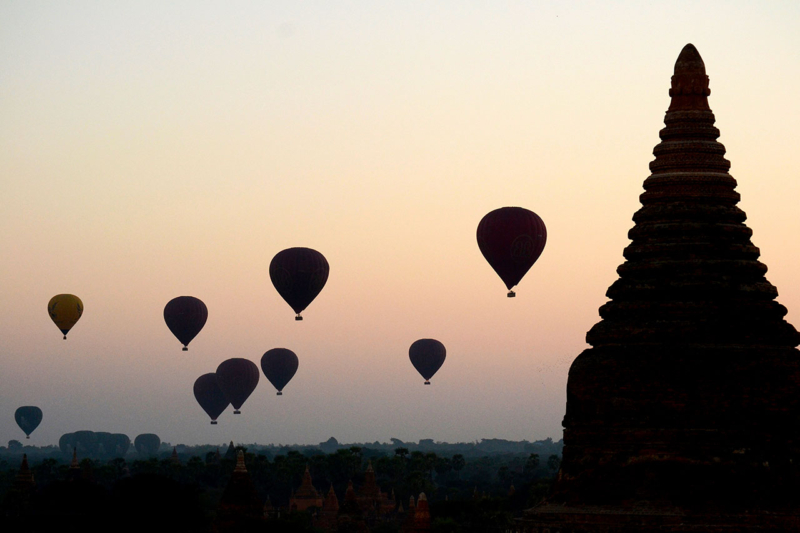
In 2016, this place was an absolute paradise for explorers! You could climb almost any pagoda — the only rule was: barefoot only. During our three days in Bagan, we didn’t miss a single sunrise or sunset.

In 2018, climbing the temples was officially banned — due to structural damage and several accidents. So all the iconic “Bagan sunset” photos taken from temple rooftops? They’re all from before that time.


When we visited, the heat was brutal — over 30°C and scorching sun. The temple complex is enormous.
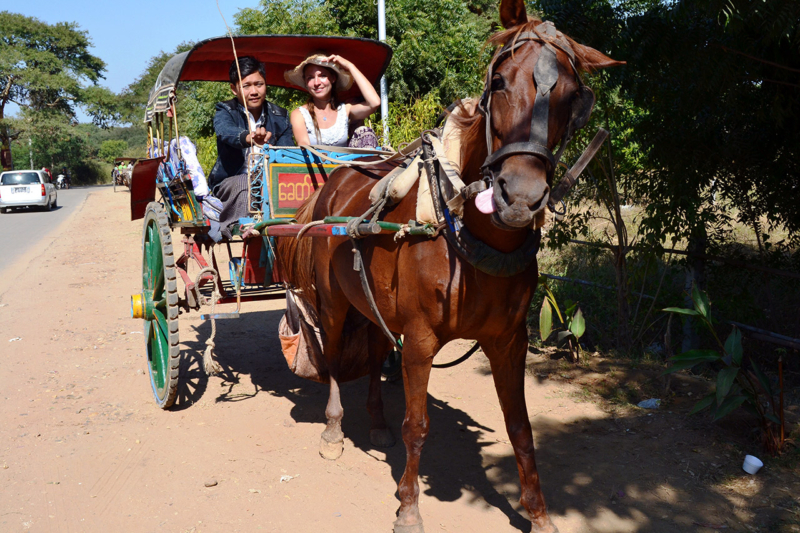
At first, we went with the classic mode of transport — a horse-drawn cart. That lasted exactly one day: the bone-rattling ride and the poor, exhausted horse quickly changed our minds.
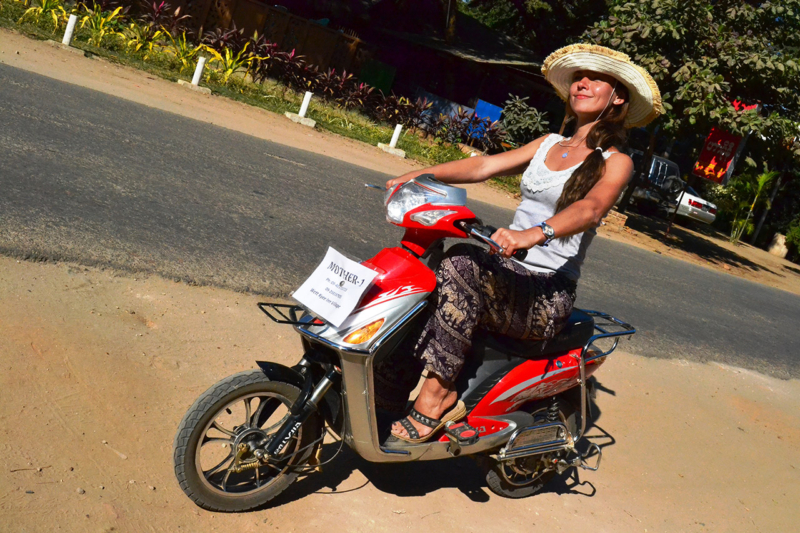
After that, we rented scooters — for just around $5 a day. And that was hands down the best decision we made!

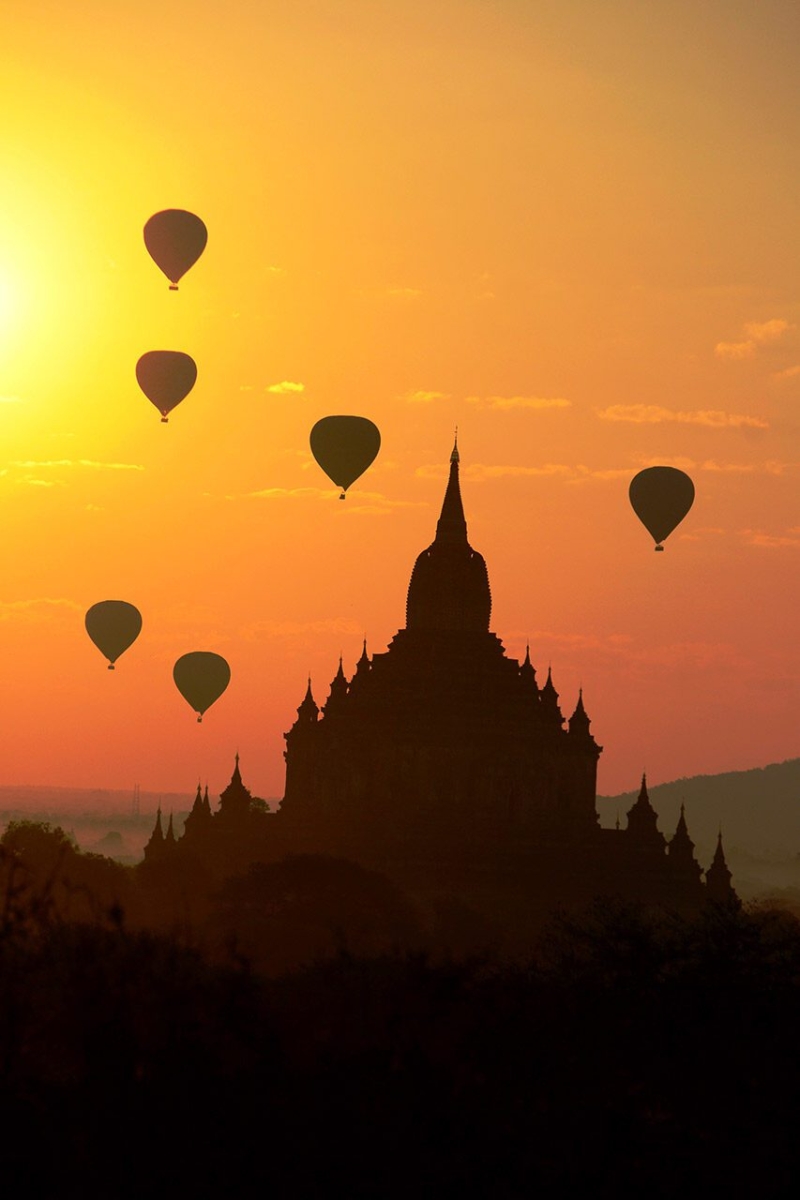
One of the most impressive — but pricey — experiences in Bagan is a sunrise hot air balloon ride. Back then, it cost about $200 per person — not exactly cheap.

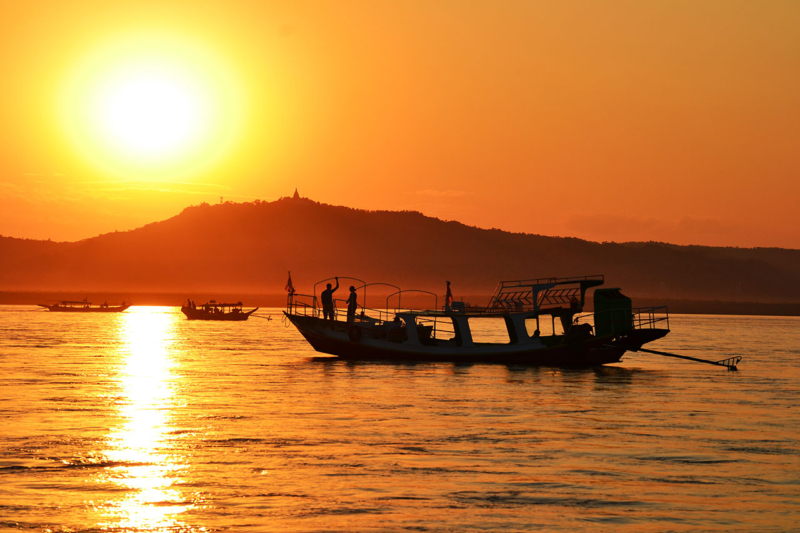
We opted for a more relaxed and budget-friendly way to enjoy Bagan’s beauty: one evening we took a boat ride on the Irrawaddy River to watch the sunset.


Bagan is a breathtaking place. But to be honest — spending three full days from sunrise to sunset exploring temples is both inspiring and exhausting. At some point, all the pagodas start to blur into one giant cloud of bricks and spires.

What never gets old, though, is observing local life. We loved roaming the outskirts of Bagan on our scooters, stopping by villages, watching people go about their daily routines.


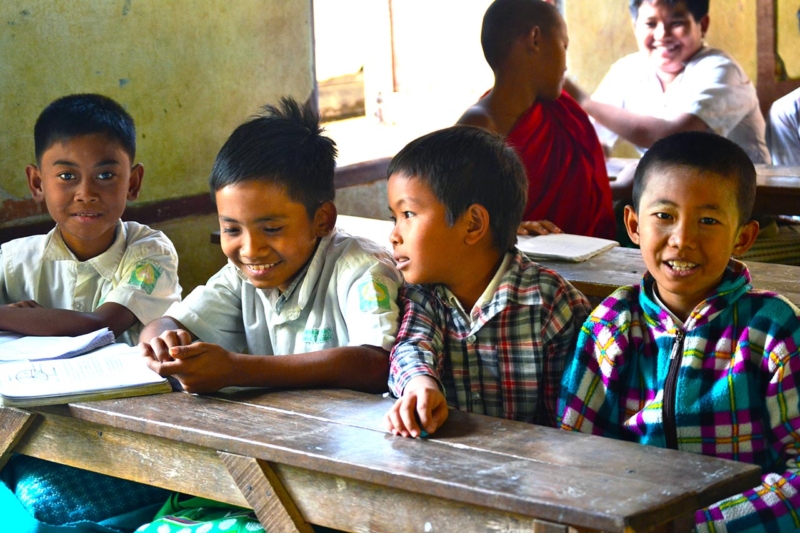
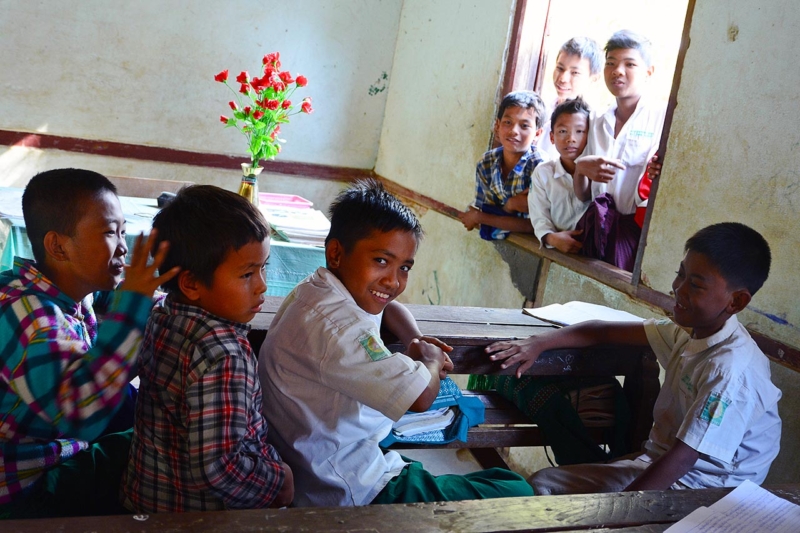
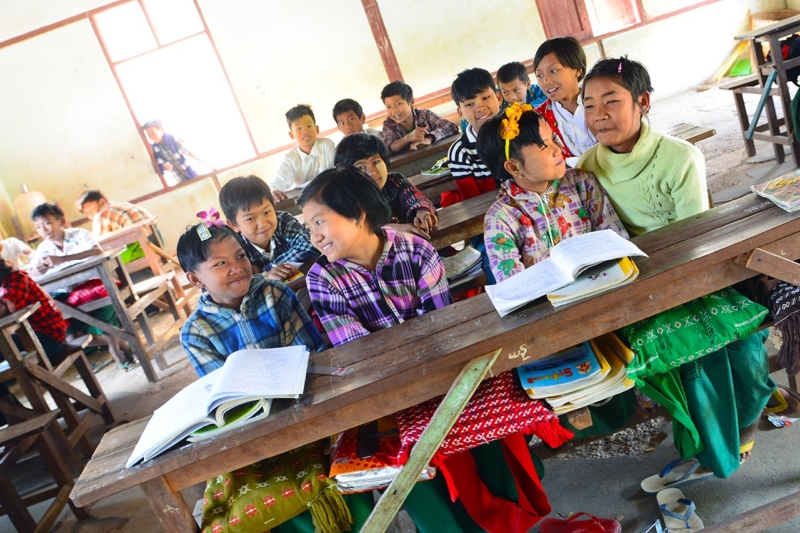
One of the warmest and most unexpected moments happened at a small rural school. The teacher, noticing our curiosity, not only welcomed us inside, but even invited us to teach a short English lesson.

Bagan-Pakokku-Monywa

We spent nearly three weeks traveling around Myanmar — and it still wasn’t nearly enough. Time and again, we had to make tough decisions.
For example, we chose to skip Mandalay in favor of the lesser-known Monywa — much to the surprise of our tour agency. But hey, the customer is always right, especially when it comes to crafting a custom itinerary.


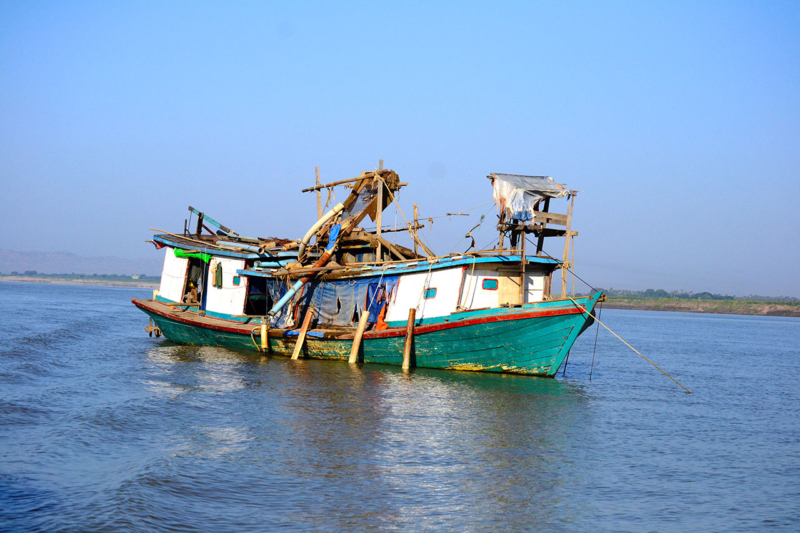
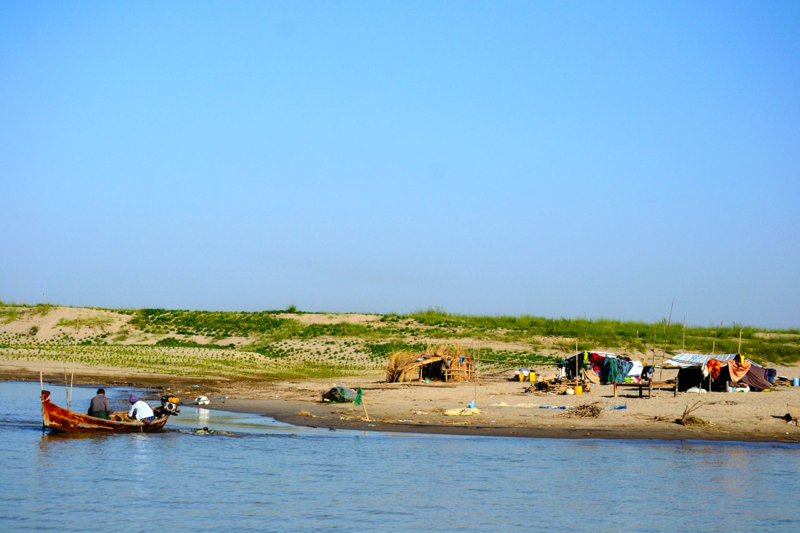
From Bagan, we took a boat to Pakokku. I can’t say the views along the way were particularly scenic, but we wanted to try something different — to soak in the local flavor and feel the rhythm of life from the water.

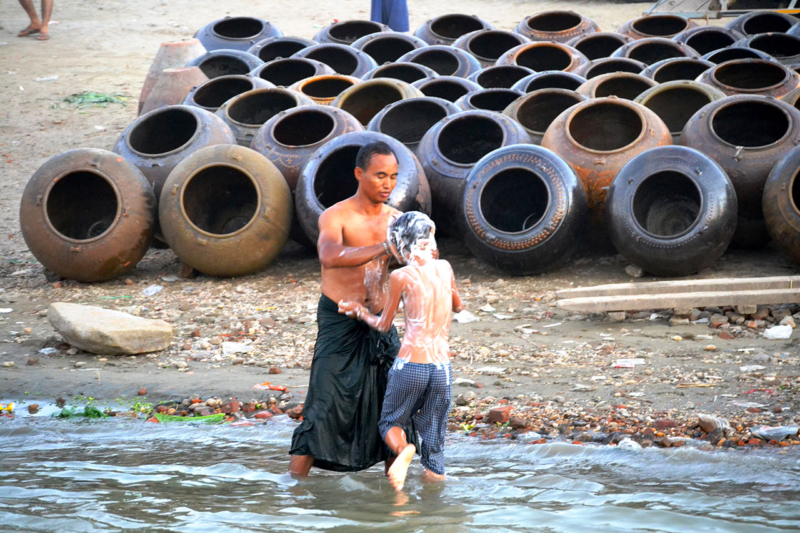
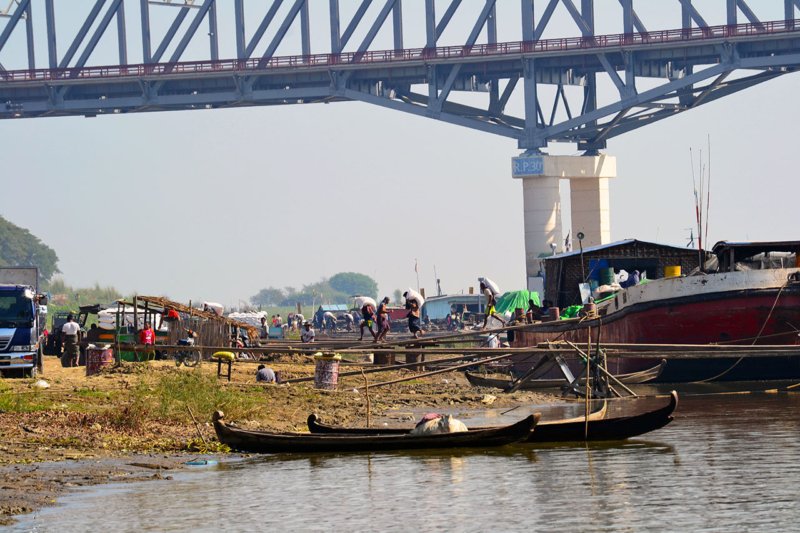
The Pakokku jetty sits right next to the very first road-and-rail bridge over the Irrawaddy River, built in 2011. We watched with fascination as locals unloaded goods by hand from tiny wooden boats, balancing them up shaky plank walkways — right beneath that massive modern bridge. Two parallel worlds in a single frame.


From Pakokku, a driver took us to Monywa, where we were handed over to yet another local guide. And once again, we “forced” him to stop at what he considered the strangest places — a forgotten village here, a crumbling monastery there.
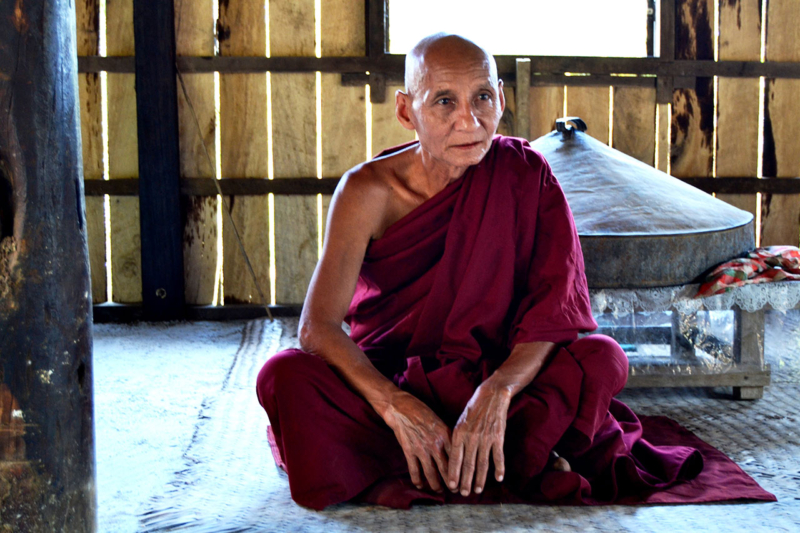
And it paid off. In one such monastery complex lived a solitary hermit monk.
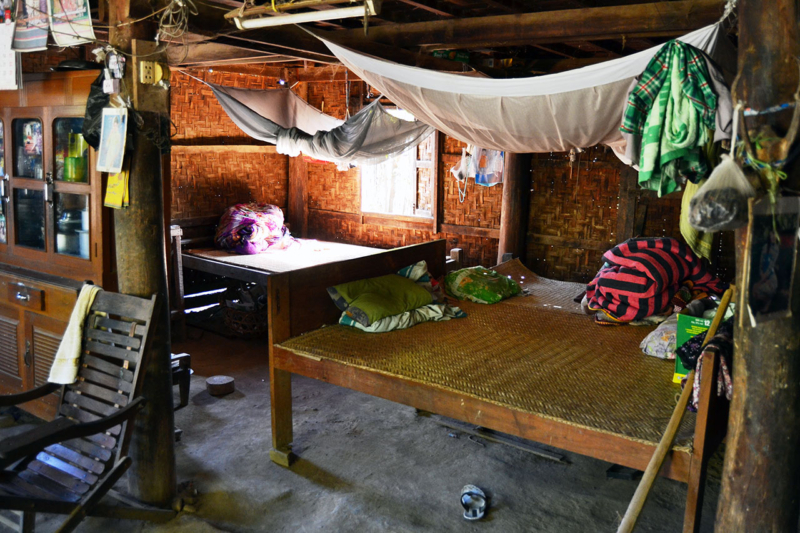
He welcomed us warmly, offered tea, and even let us peek into his humble living quarters. Earthen floor, no glass in the windows, barely any belongings — and total silence.


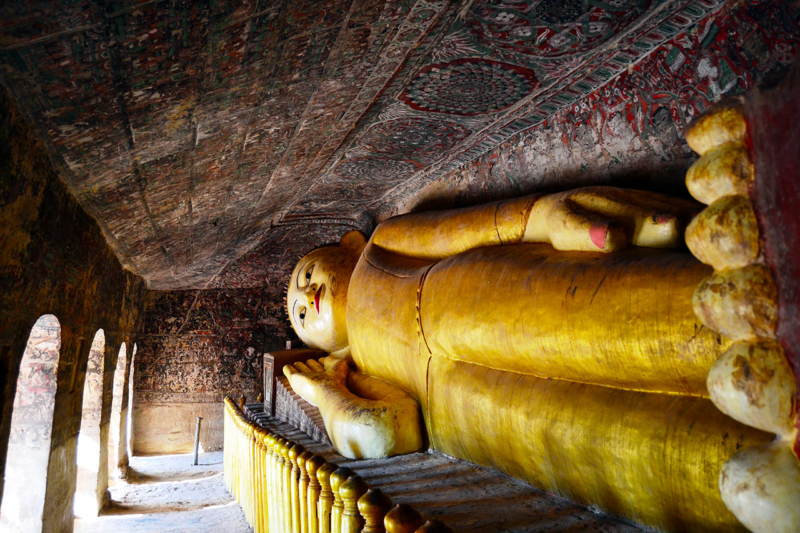
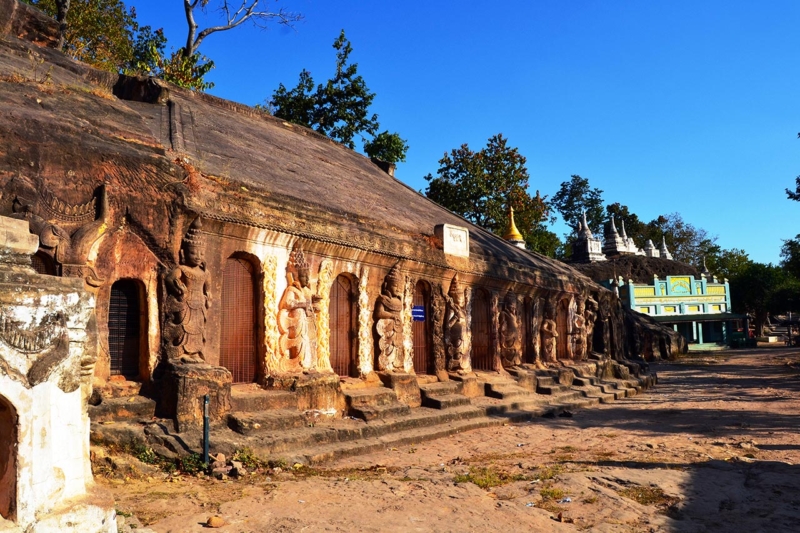
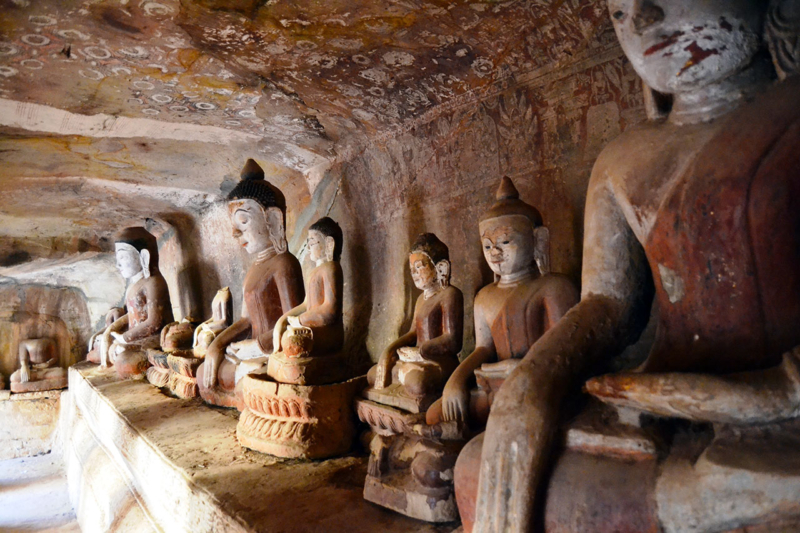
As we neared Monywa, our guide took us to see Hpo Win Daung — a stunning complex of ancient cave temples carved straight into the limestone cliffs.

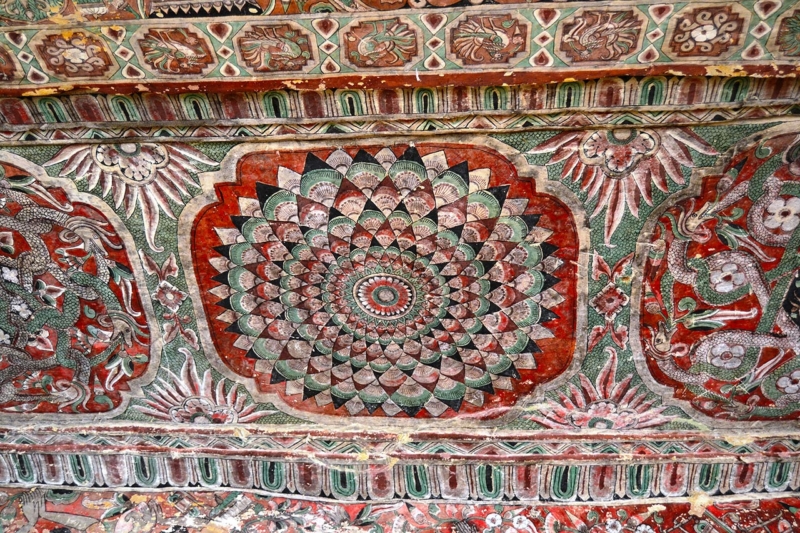
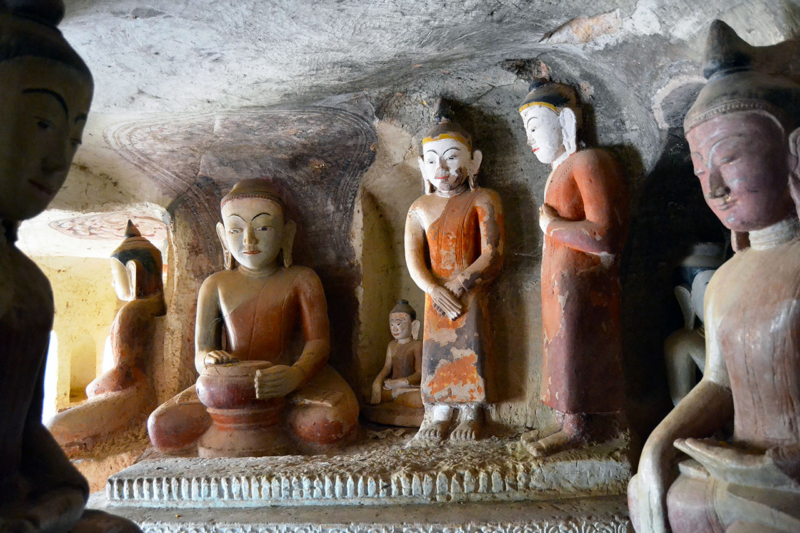
This vast site includes over 900 cave shrines, carved between the 14th and 18th centuries. Inside, you’ll find ancient murals, darkened by time, and Buddha statues of all sizes — from tiny carvings to massive figures etched into the rock face itself.

There were hardly any tourists — no crowds, no camera flashes, no hustle and bustle.
After Bagan, it felt like a true oasis of silence and mystery.


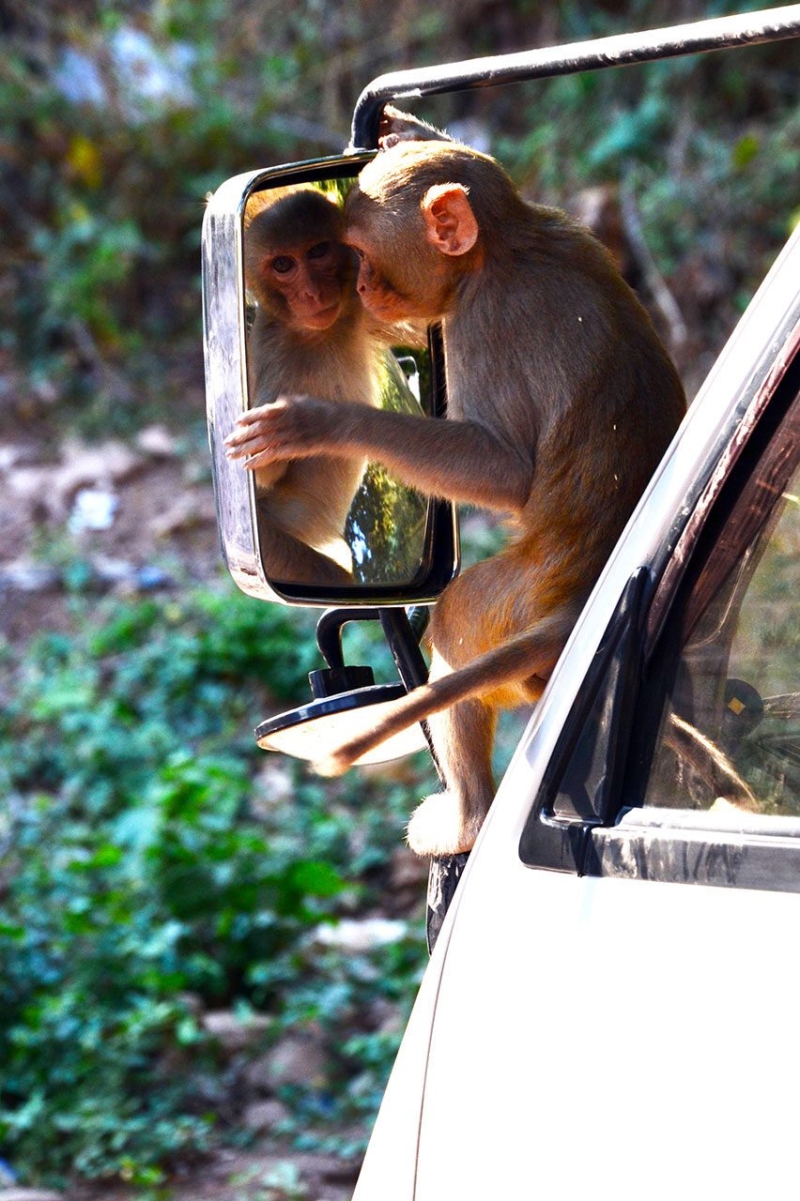
The only creatures in abundance? Monkeys.
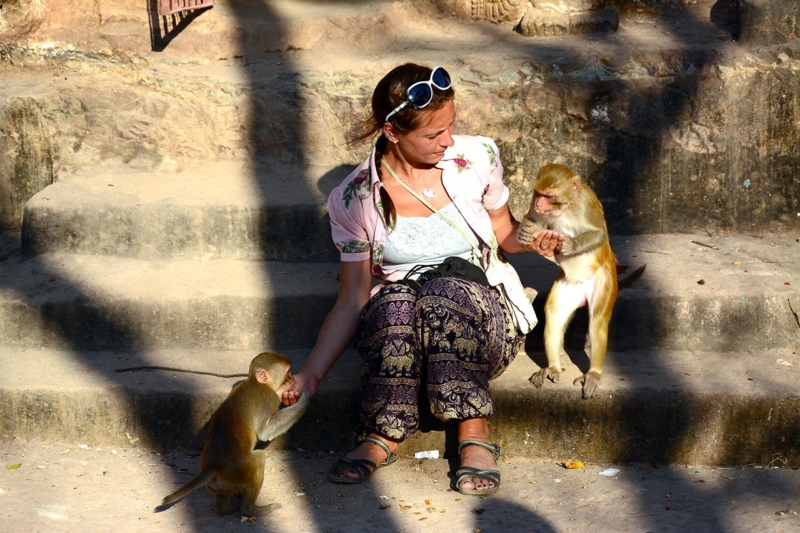
It was my first real up-close encounter with macaques, and back then, I even found them charming. I smiled at their antics, watched them leap across stupas and cliffs, and even fed them by hand.

But I later came to realize just how bold and unpleasant they can be — and that it’s better to keep a good distance.

Monywa

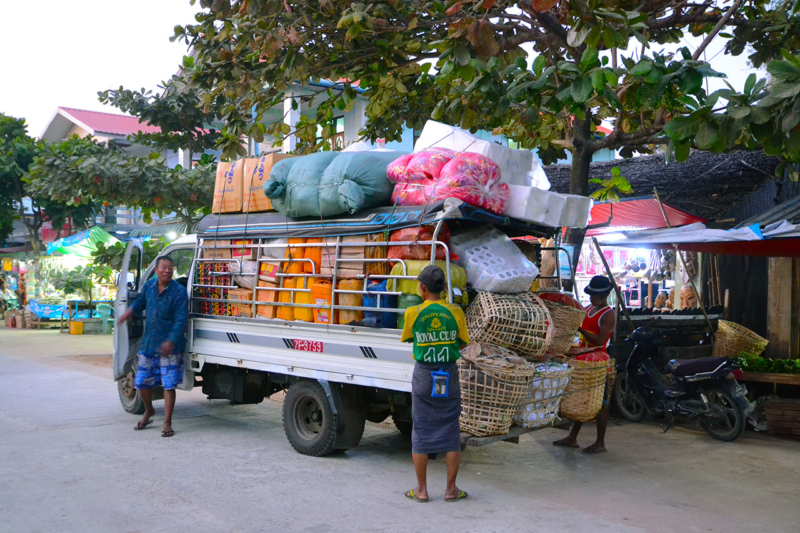
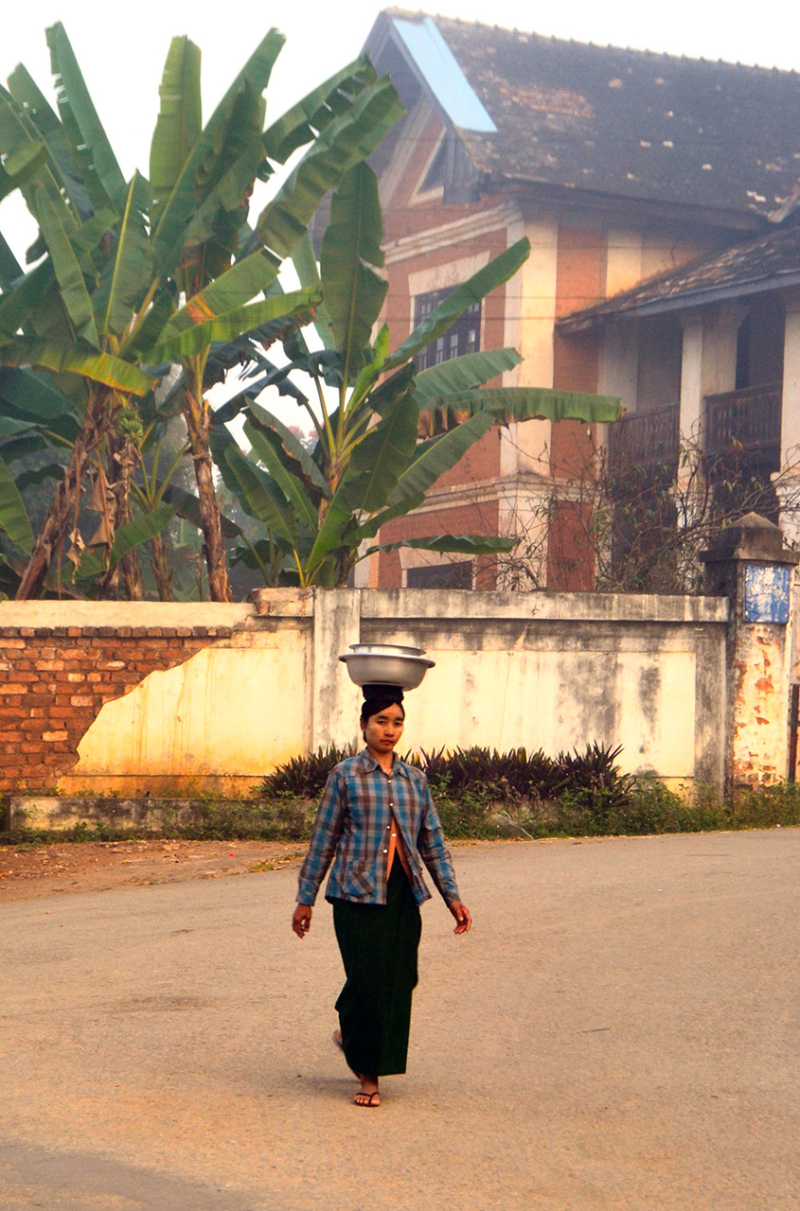
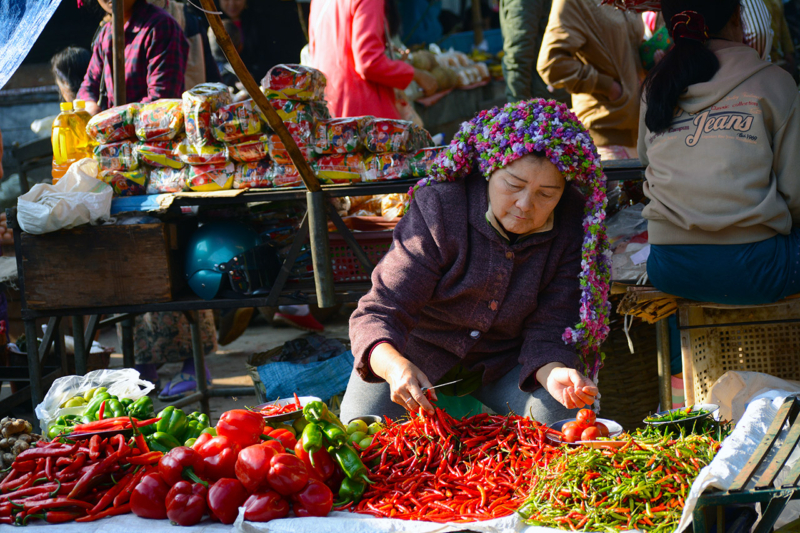
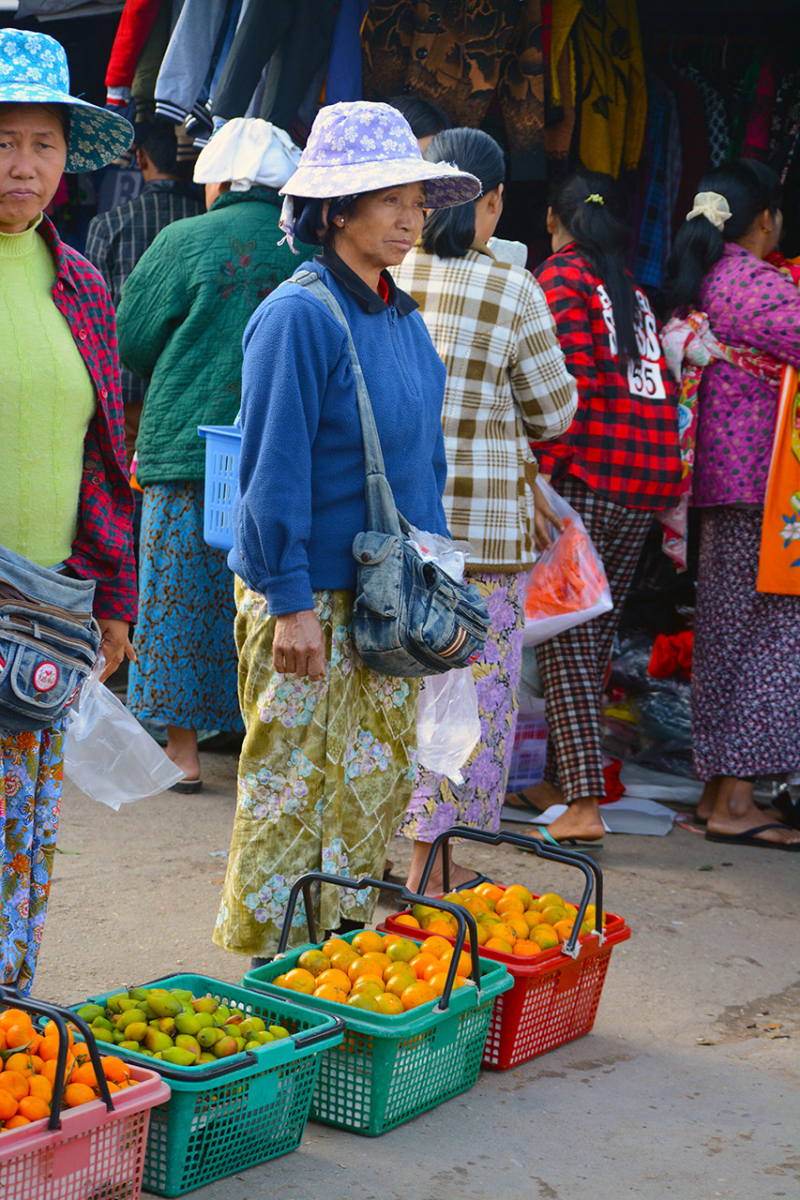
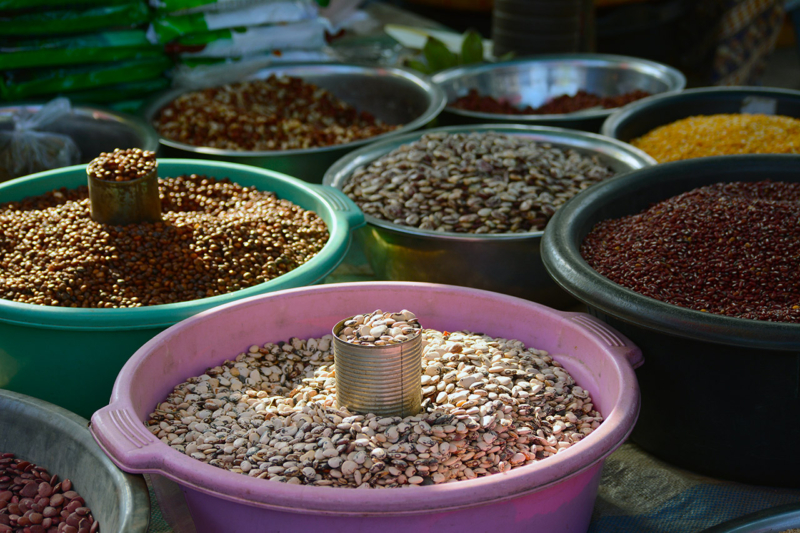
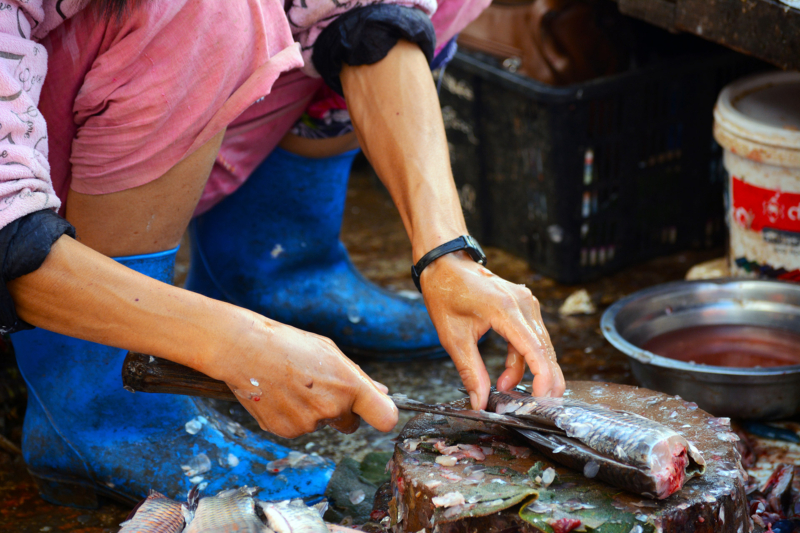
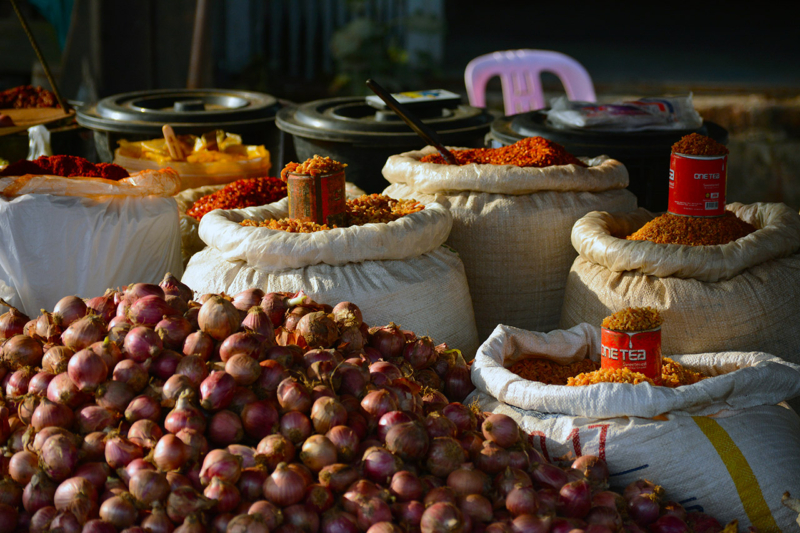
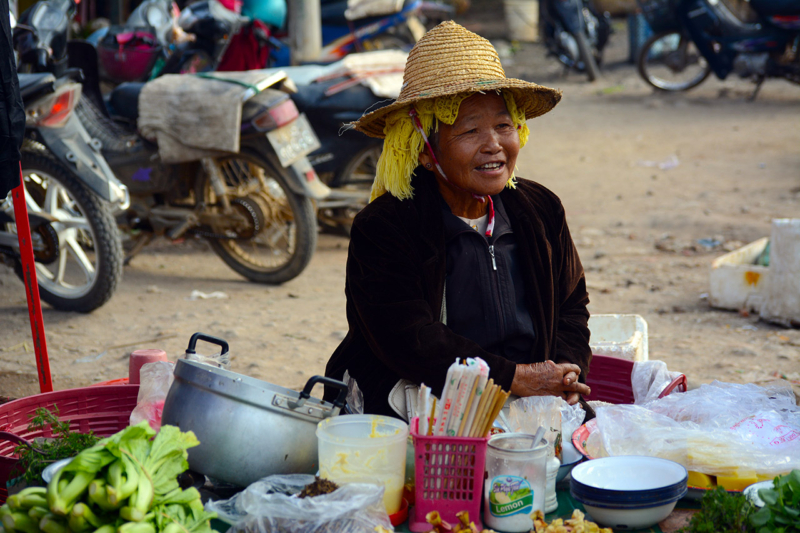
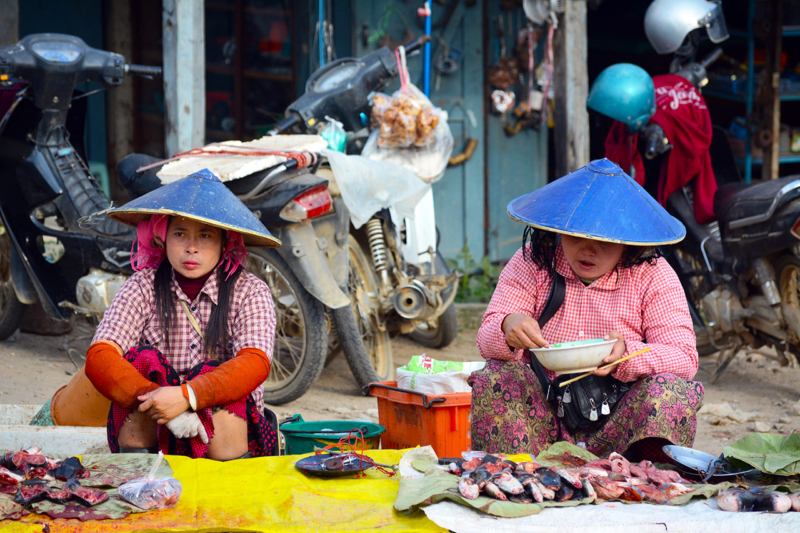
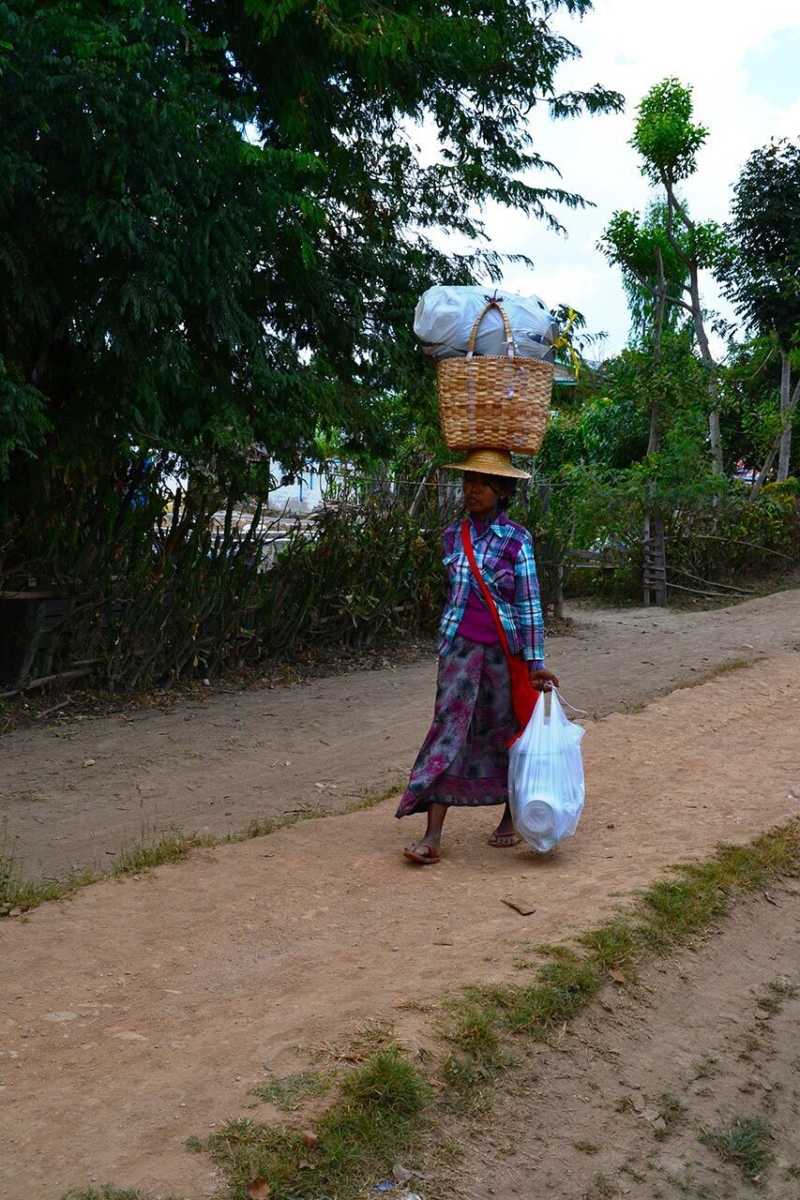
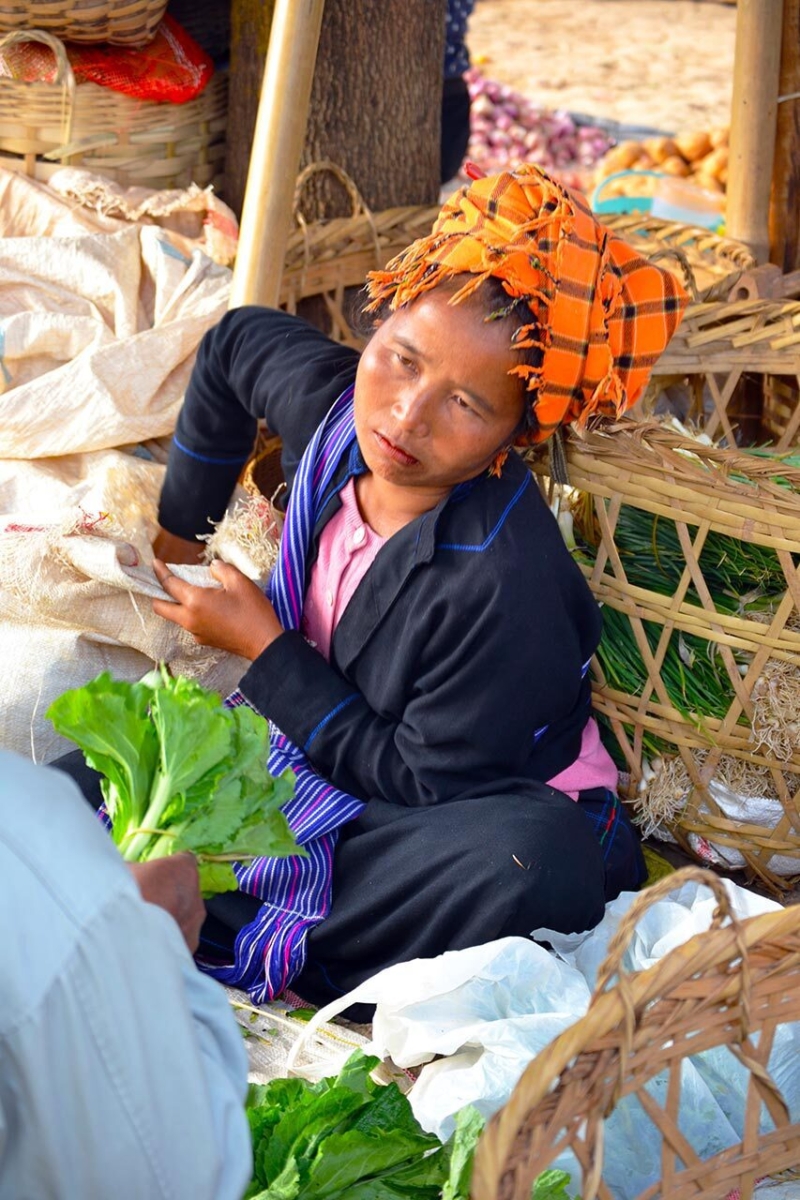
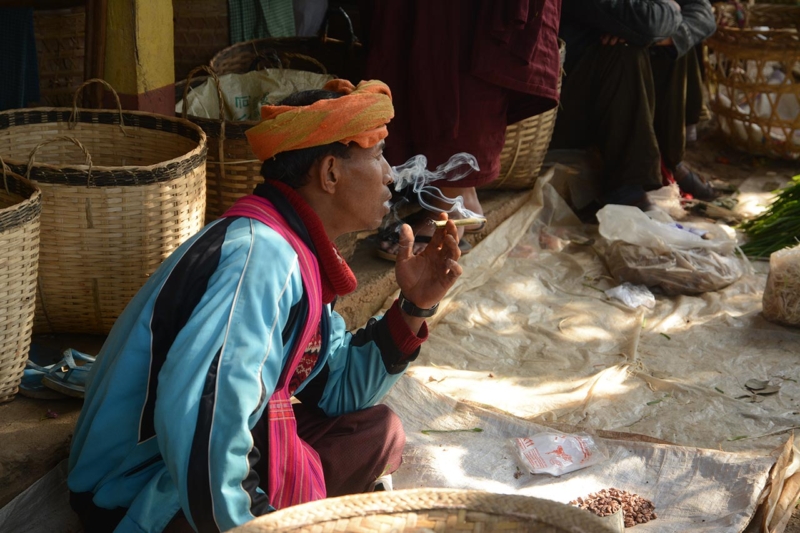
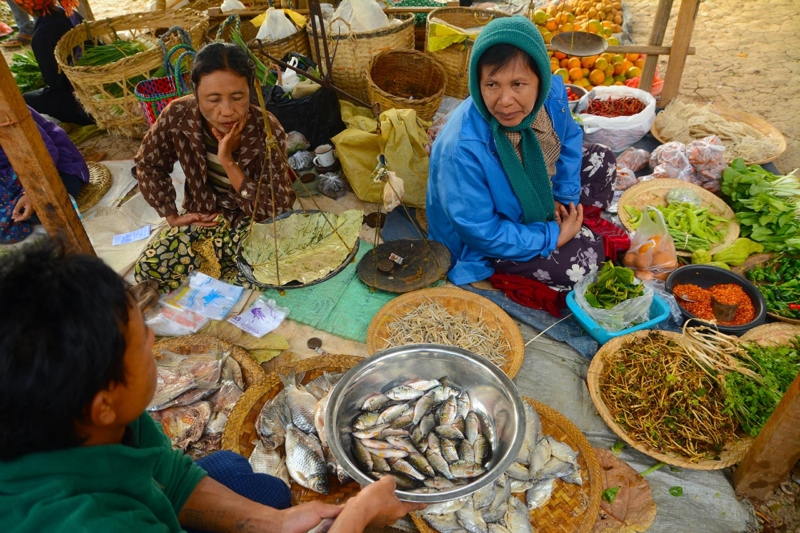
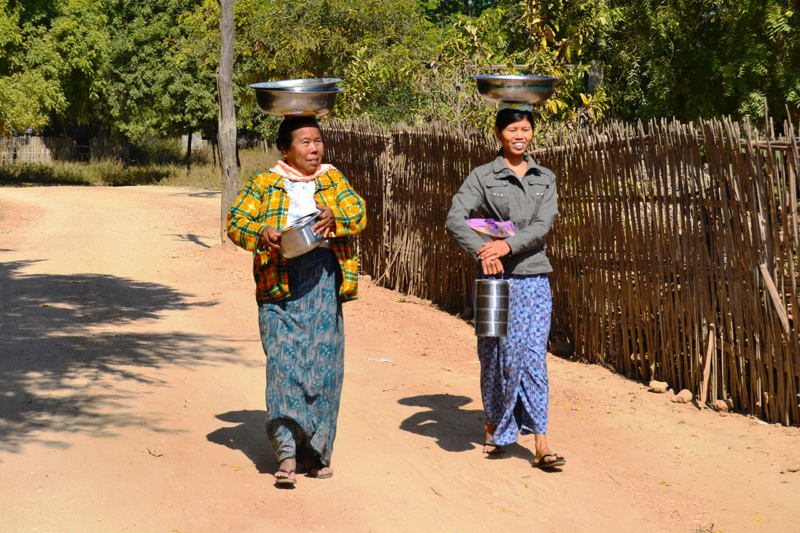
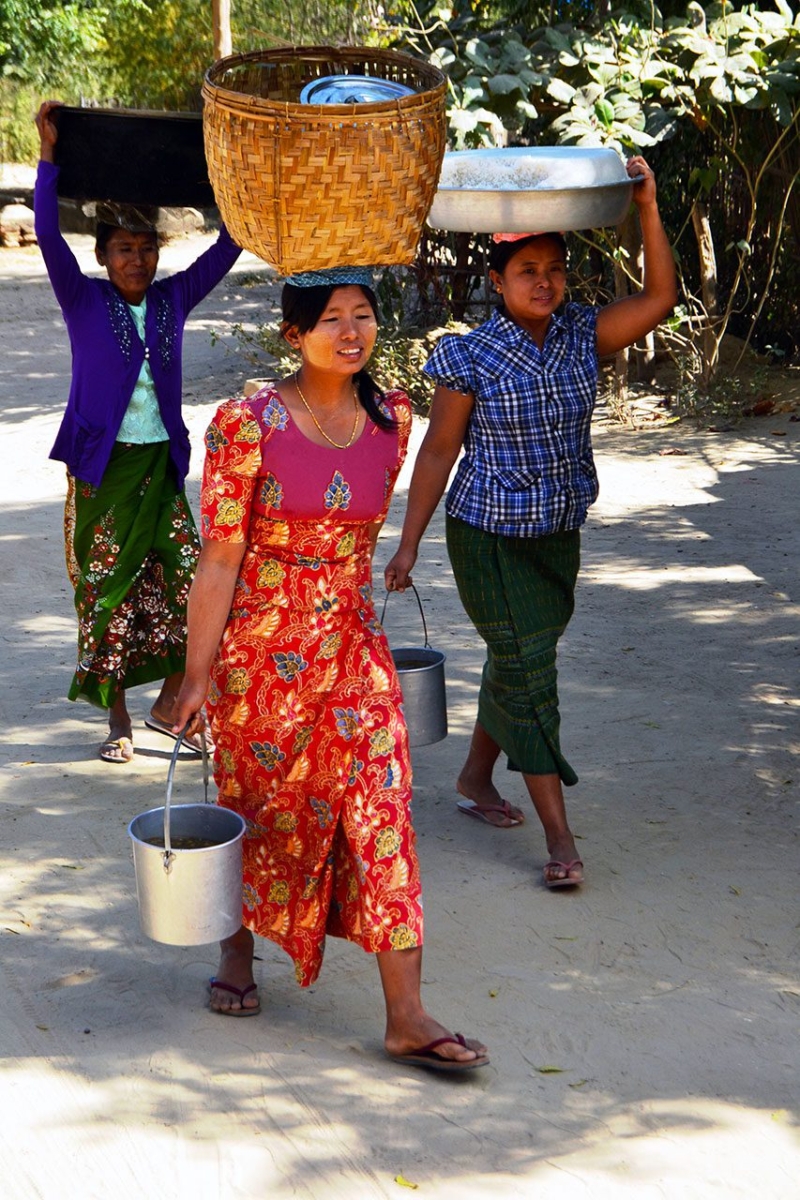
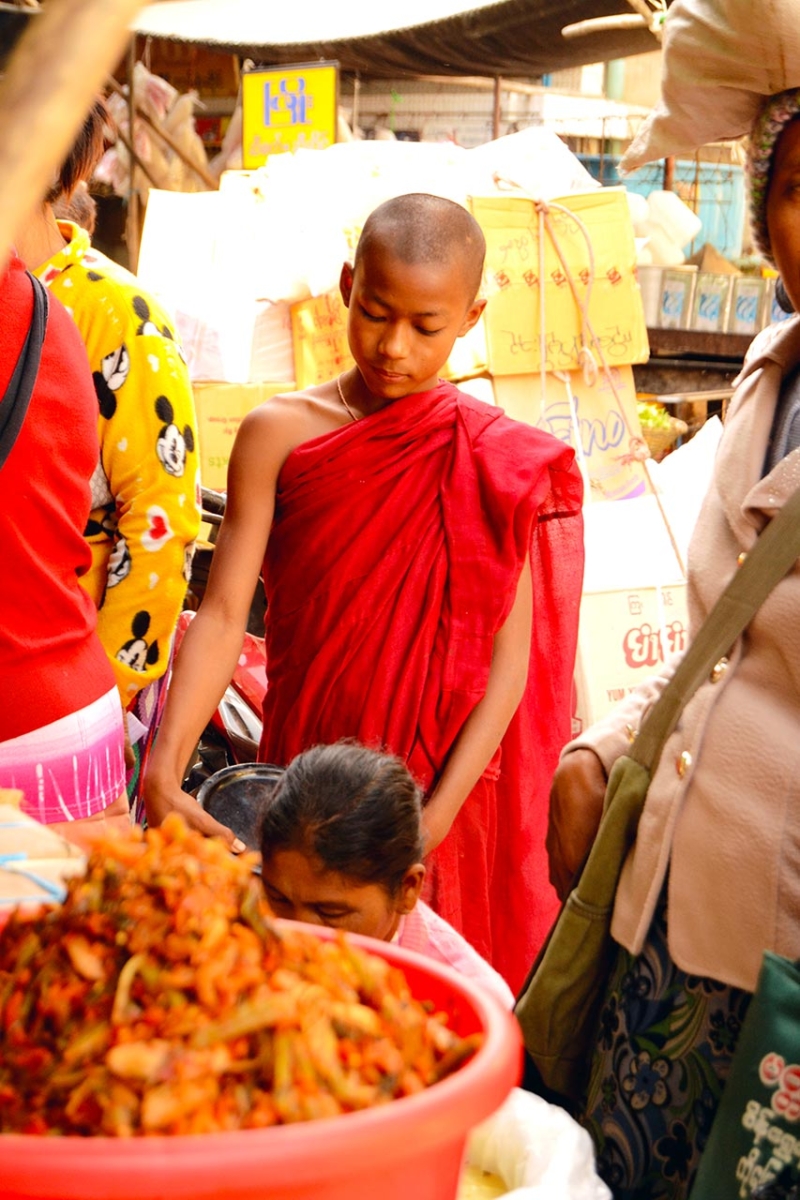
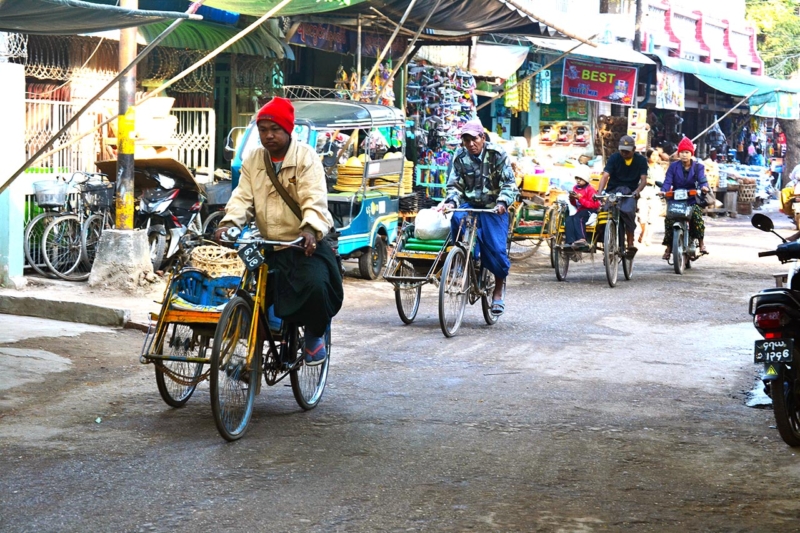
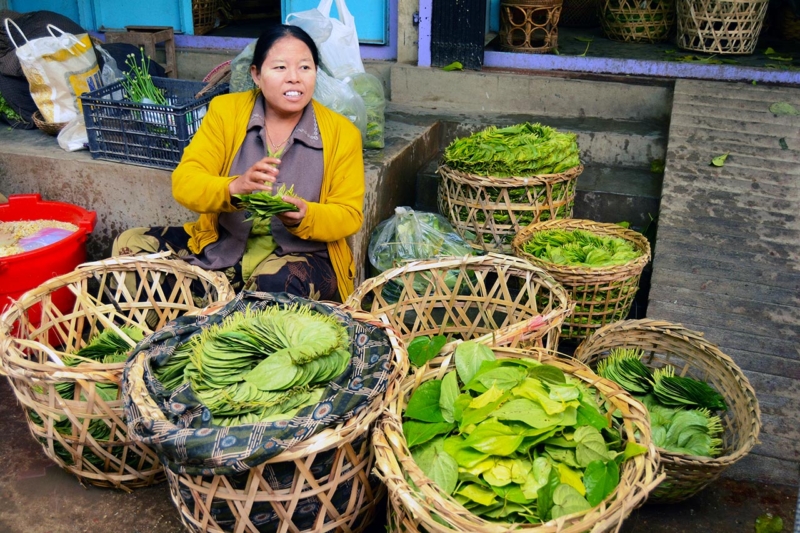
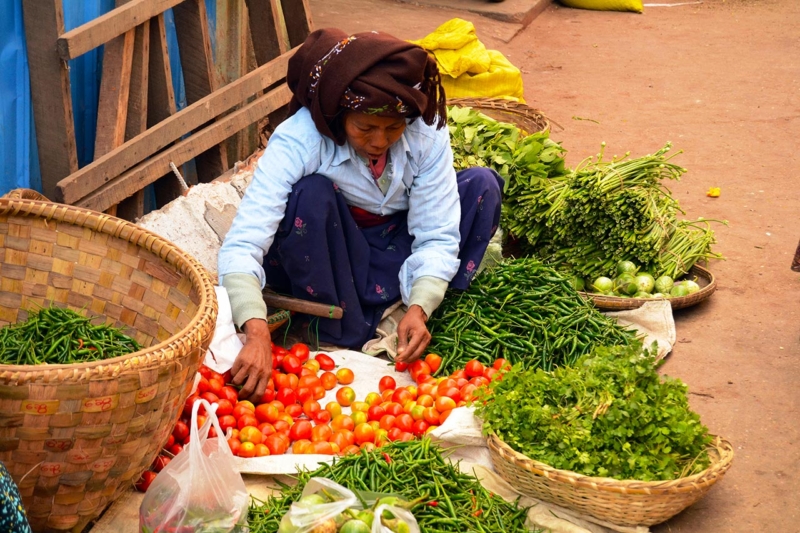
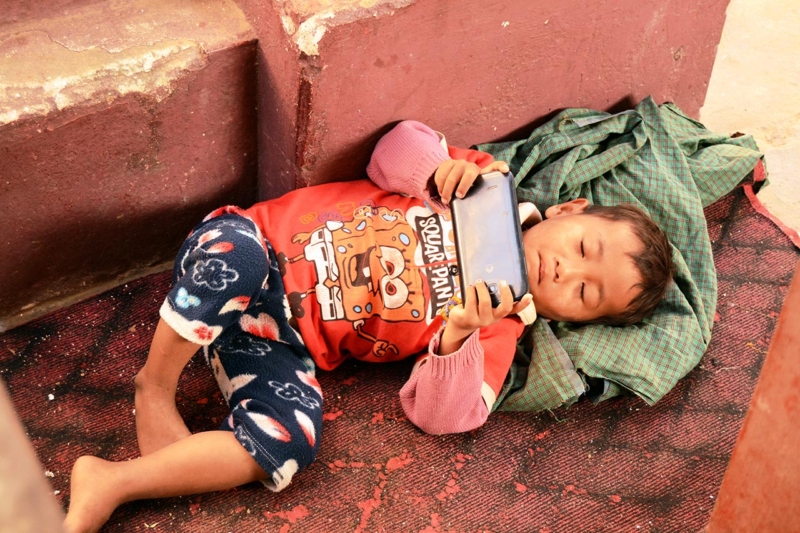
And of course, no visit would be complete without soaking up the local color — and the market in Monywa turned out to be one of the most vivid memories of our trip! It wasn’t a touristy bazaar but a real, working market where locals came for vegetables, fish, spices, flatbreads, and betel. The air was filled with smells — fried, dried, sour, spicy — all at once. Women wearing thanaka, men in longyis, monks collecting alms, old ladies balancing baskets on their heads, bicycle rickshaws weaving through the crowd. Some were chopping, some haggling, some sipping tea in a roadside stall, while children napped right on the ground.

We just wandered through this boiling street theatre — life in all its chaotic beauty.


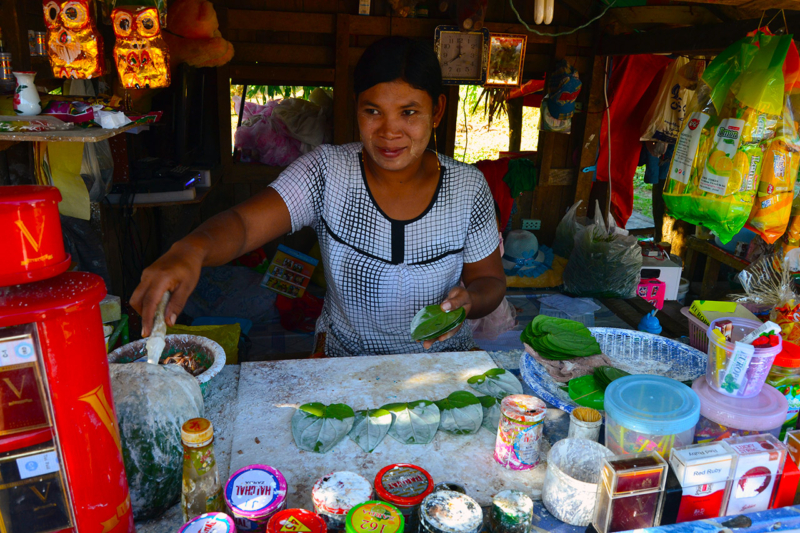
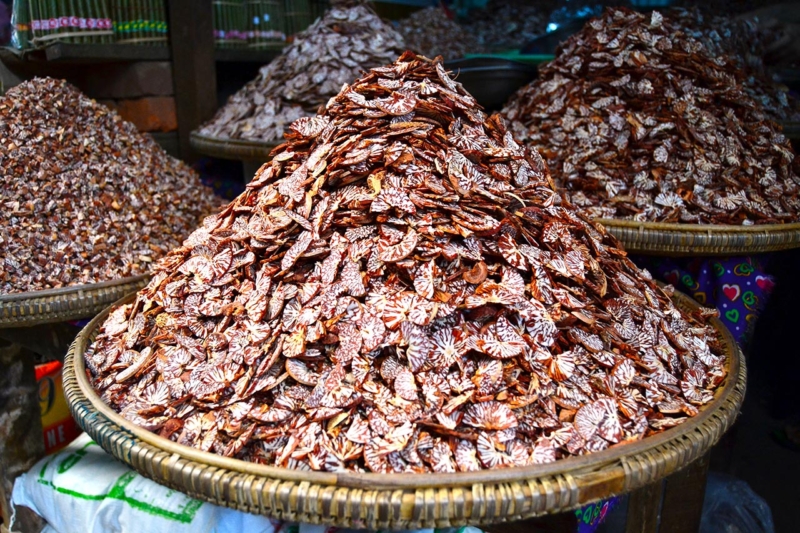
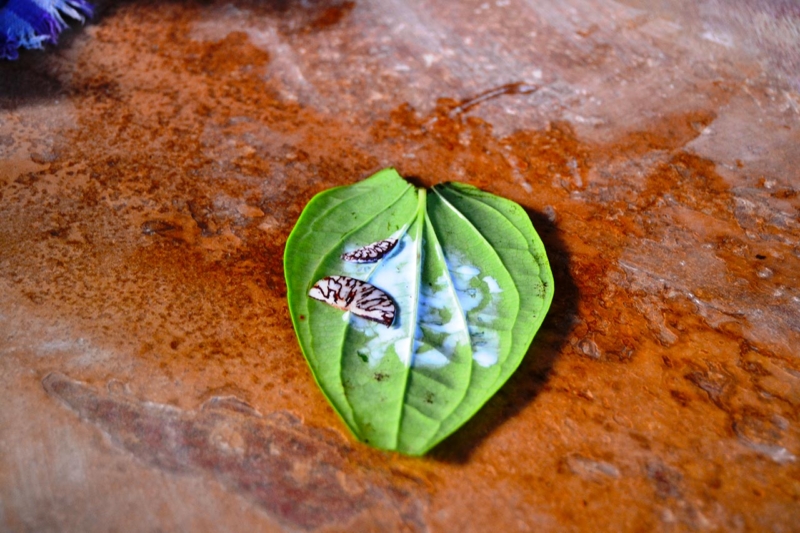
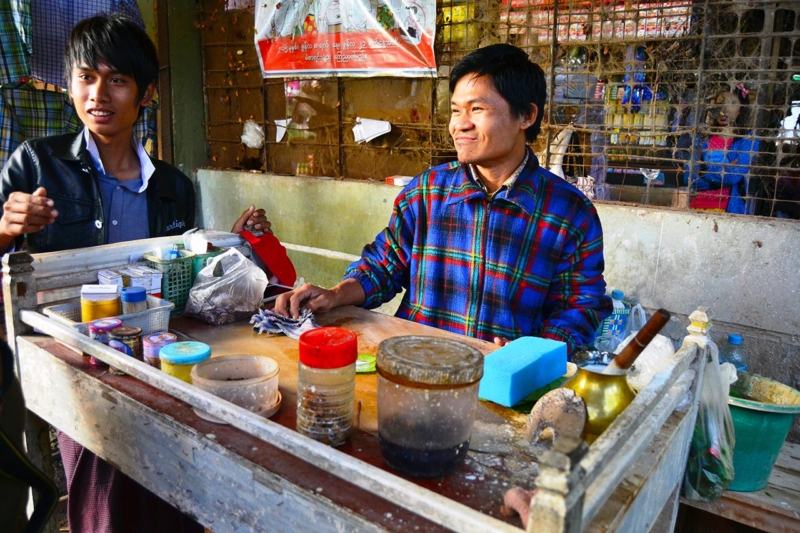
Our guide kept encouraging us to try betel, but we couldn’t quite bring ourselves to do it, though we did study the preparation process closely. The first four photos in the carousel show how betel is made and the ingredients being sold at the market.
In Monywa, betel stalls are everywhere — on nearly every corner. It’s kind of a local “chewing gum” for adults — an energizing and mildly narcotic mixture of crushed areca nut, lime paste, and spices, all wrapped in a betel leaf. Almost everyone chews it — from drivers to grandmothers at the market. It turns lips and teeth bright red, and the red-stained spit is splattered all over the streets. At first, it’s a shock. Then you get used to it. And finally, you start recognizing people by that red smile: “one of us.”


There’s even a funny story about betel.
After some protests in Myanmar, foreign journalists posted photos online of streets dotted with red splotches and claimed they were bloodstains.
But in fact, they were just betel spits — absolutely everywhere.
A classic case of misunderstanding local context: it’s easy to mistake vibrant culture for tragedy when you don’t know what you’re looking at.


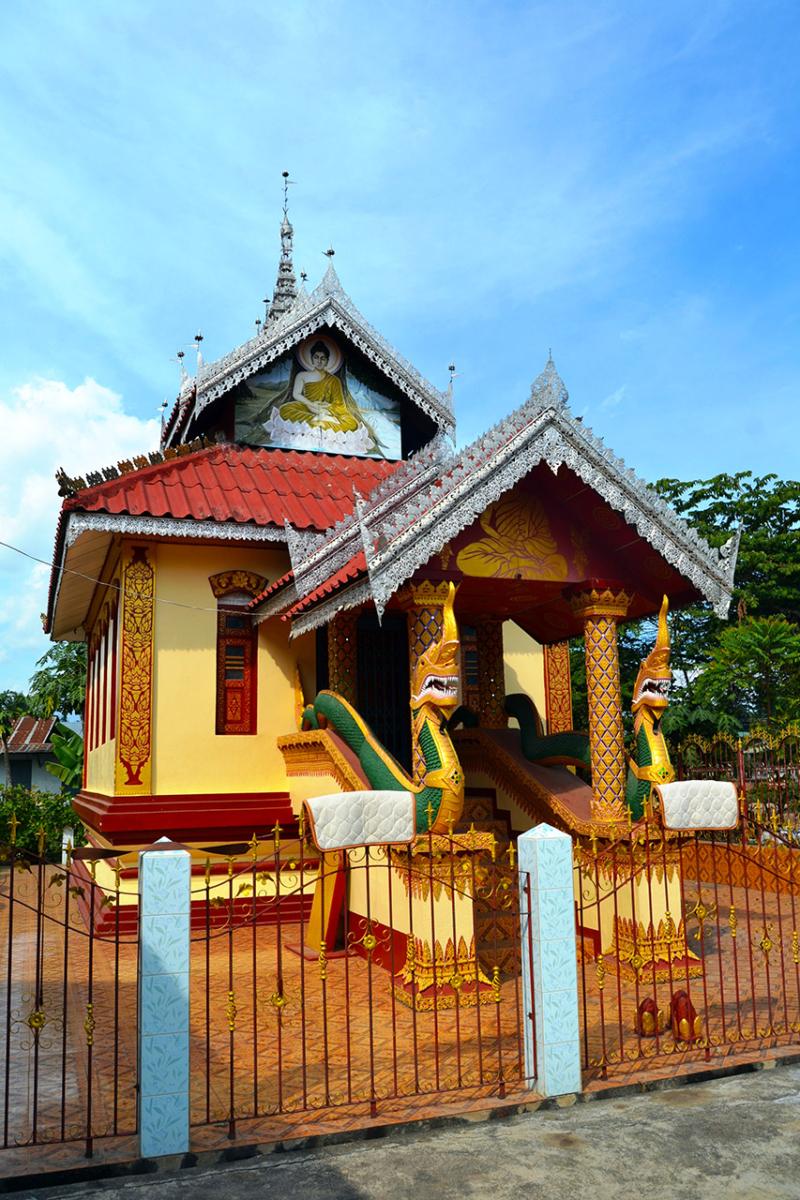
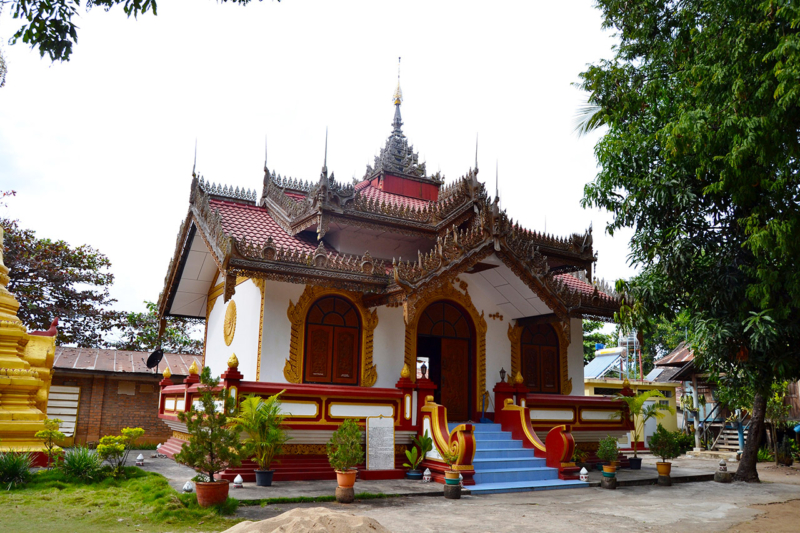
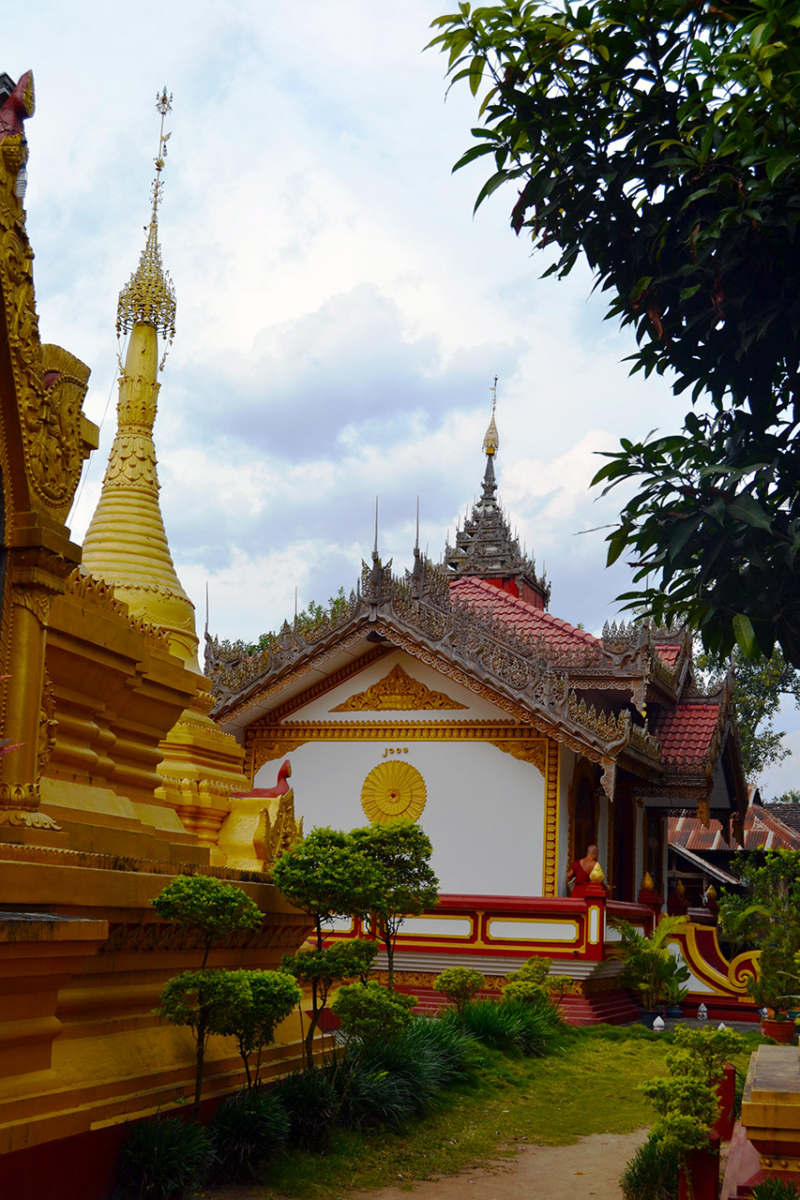
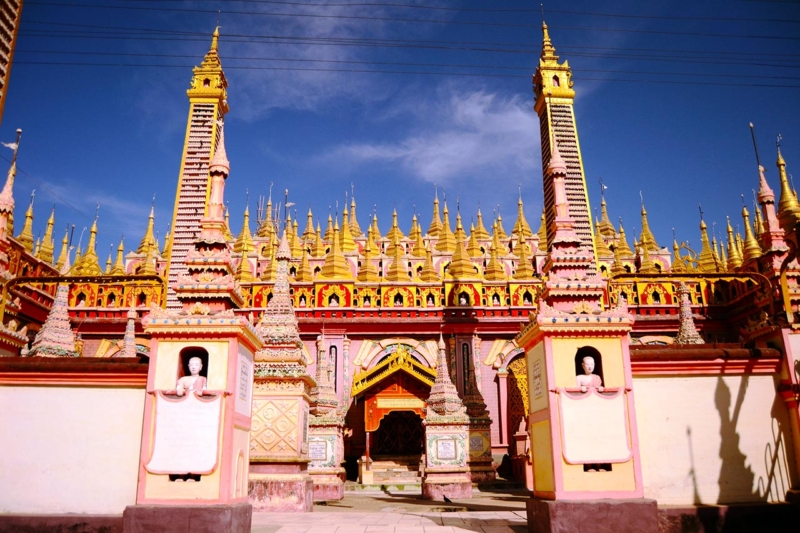
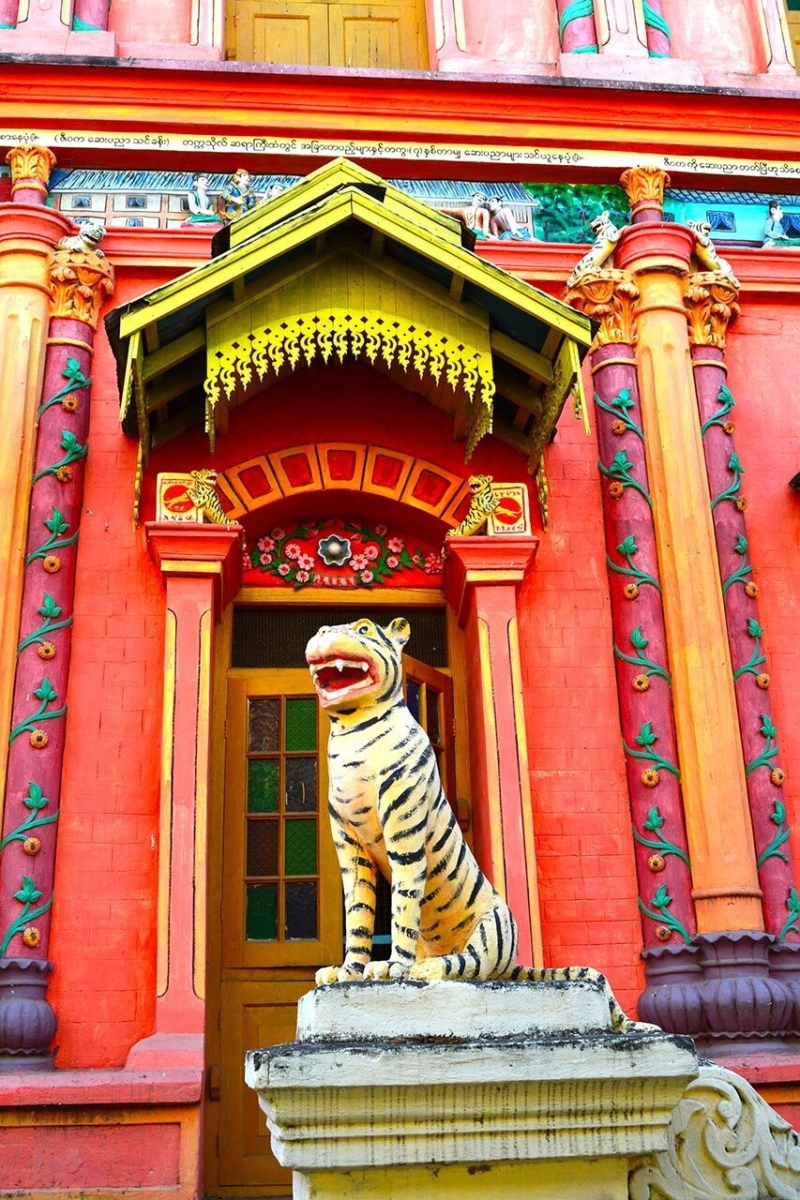
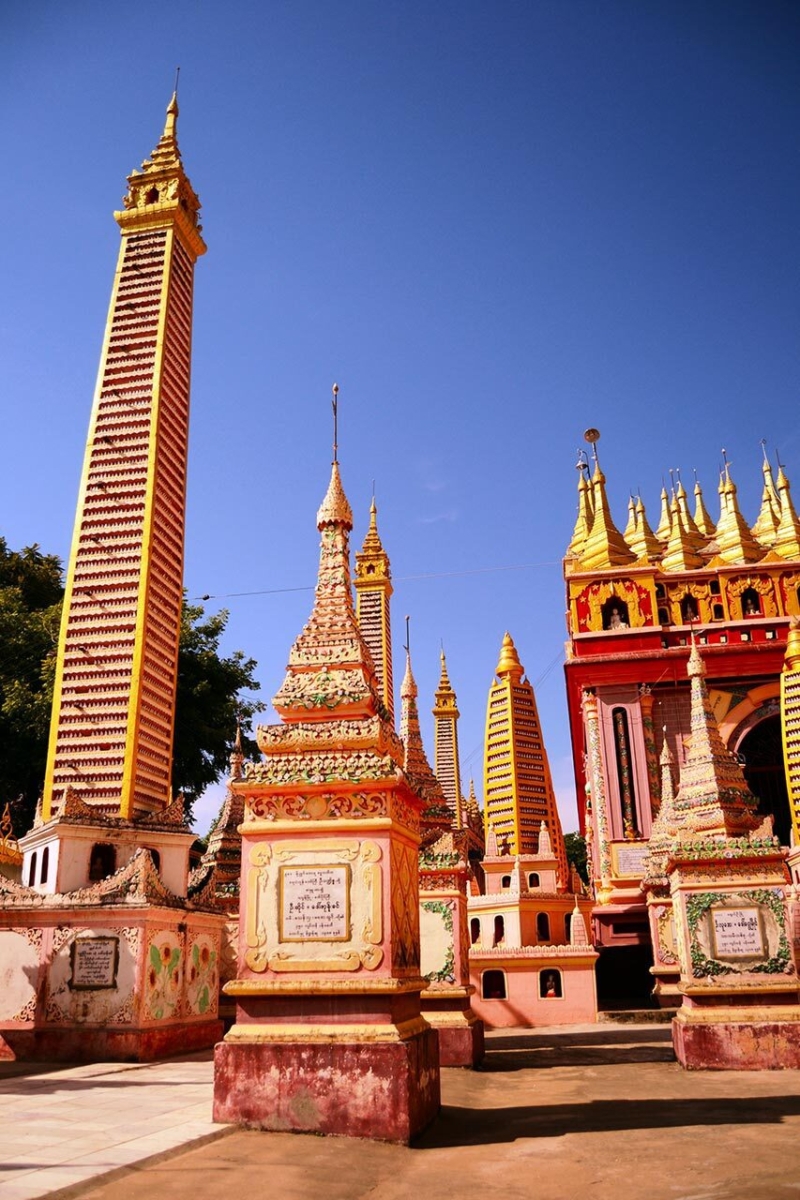
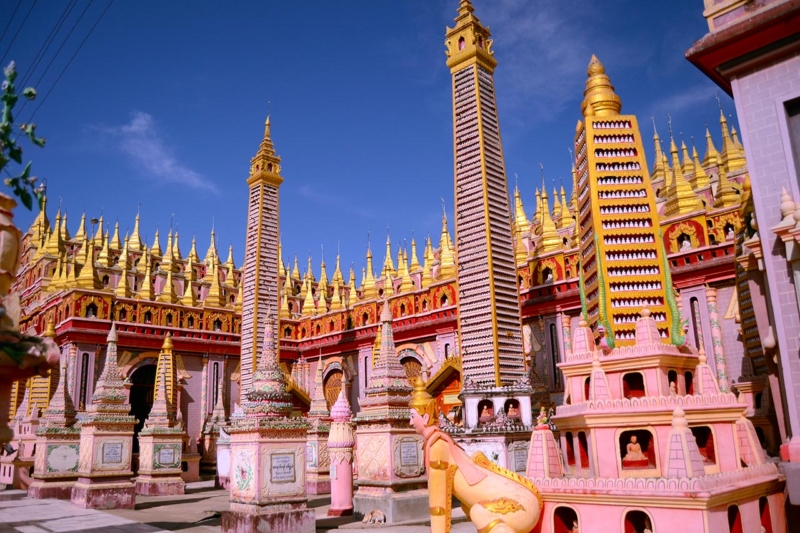
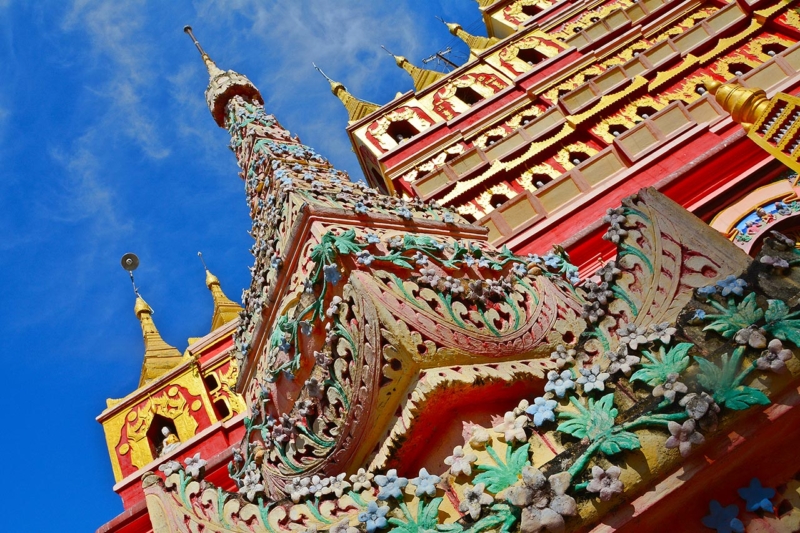
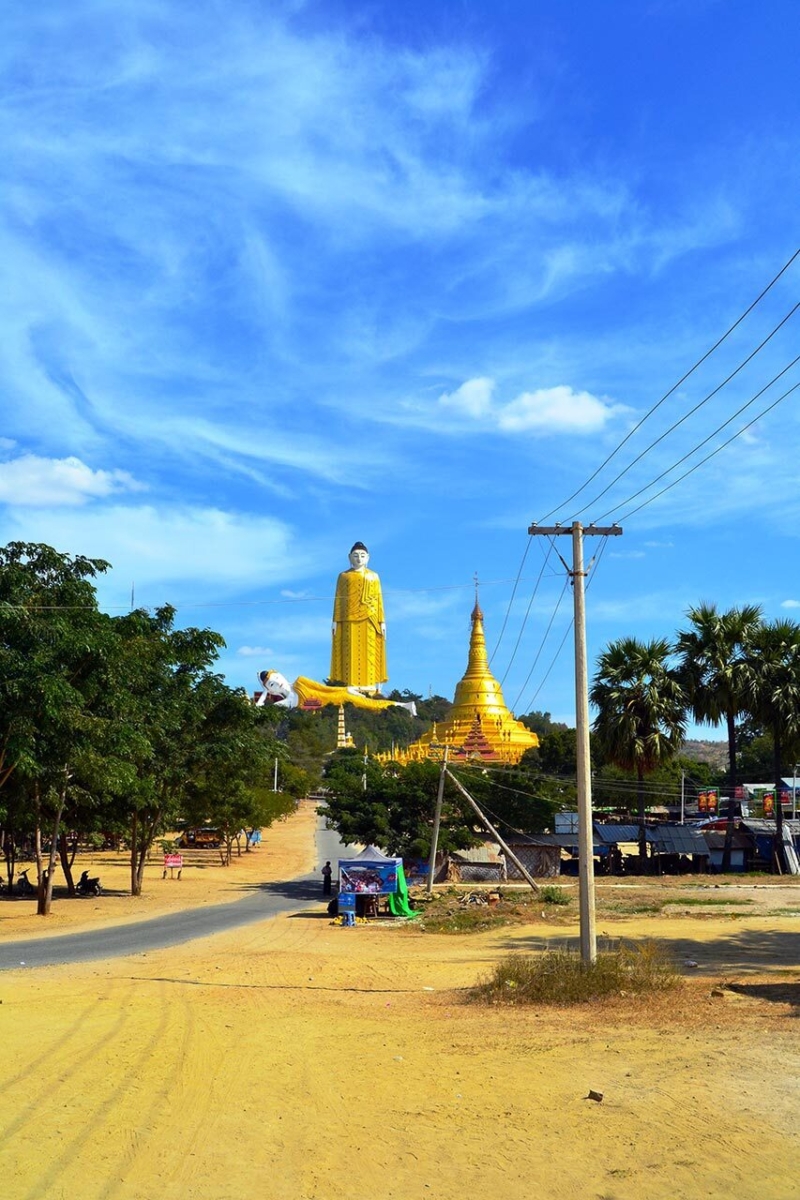
After that, we drove to a real-life candy castle — the Thanboddhay Pagoda in Monywa. This temple looks like a giant gingerbread palace, decorated with dozens of tiny stupas and bright stucco that resembles sugary icing. It was built between 1939 and 1952 and is known for its totally unique architecture — unlike any other temple in Myanmar — and for the more than 500,000 images of Buddha that cover its walls and niches.

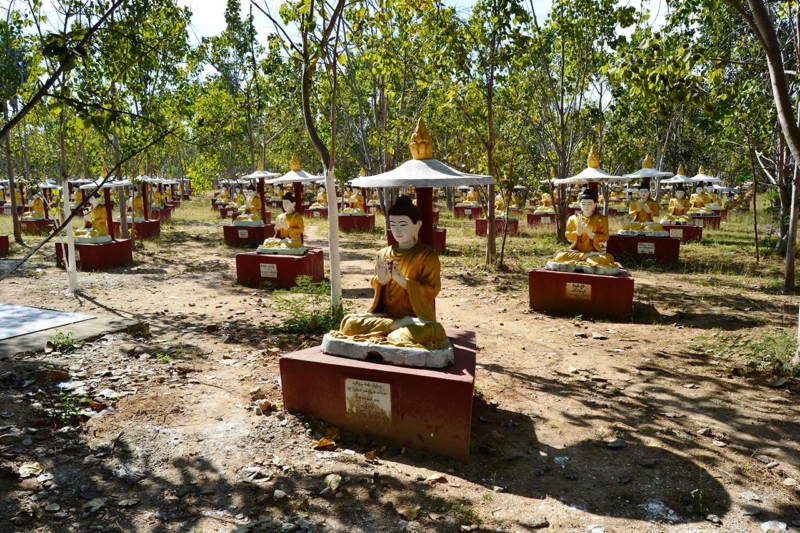
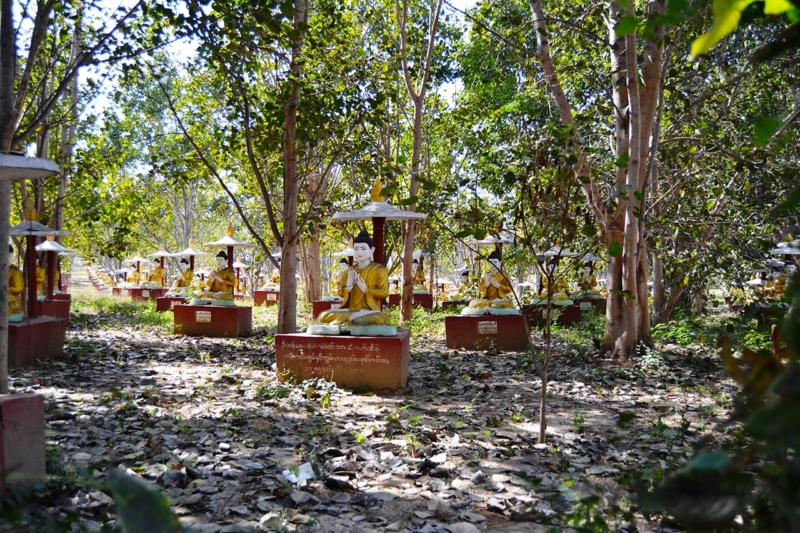
Nearby is the Garden of a Thousand Buddhas — a vast field lined with rows of seated Buddha statues. Hundreds, maybe thousands, of small Buddhas sitting beneath white umbrellas (or rather, umbrella-shaped niches — but from a distance, they truly look like parasols). The place was nearly deserted — serene and surreal.

Honestly, I have to admit — at some point, I started getting dizzy from the Buddha overload. It felt like no matter where you looked — statues, gold, murals everywhere. I was getting slightly queasy from all the holiness. And with just one day left before our flight home, we decided: enough with the sightseeing. Once again, we steered our guide toward everyday life.


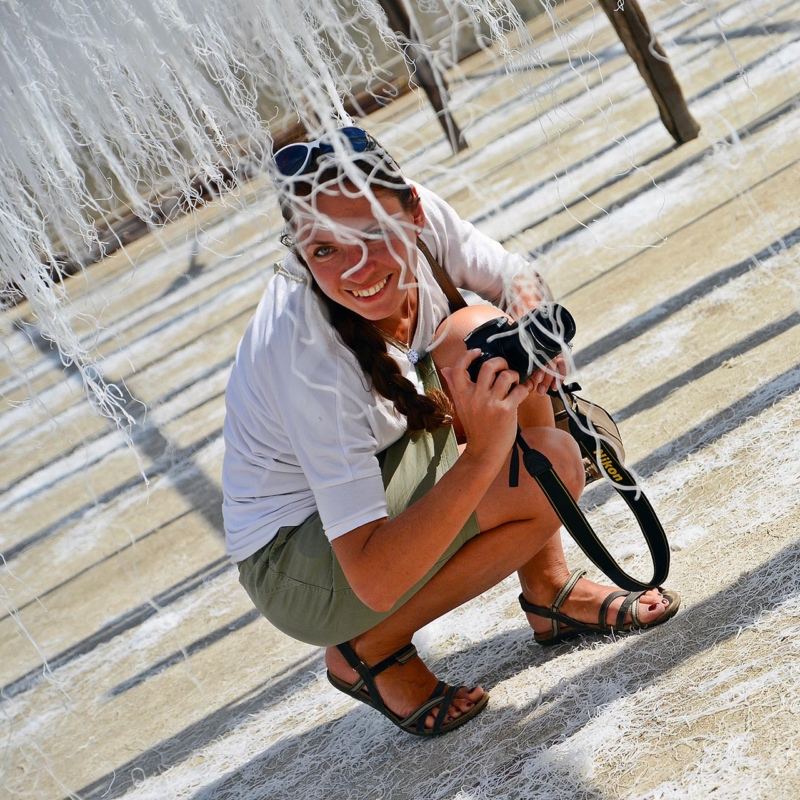
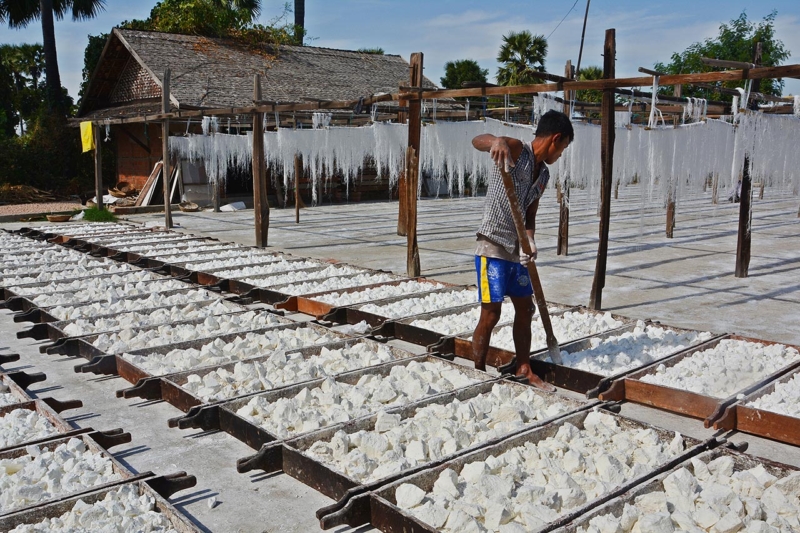
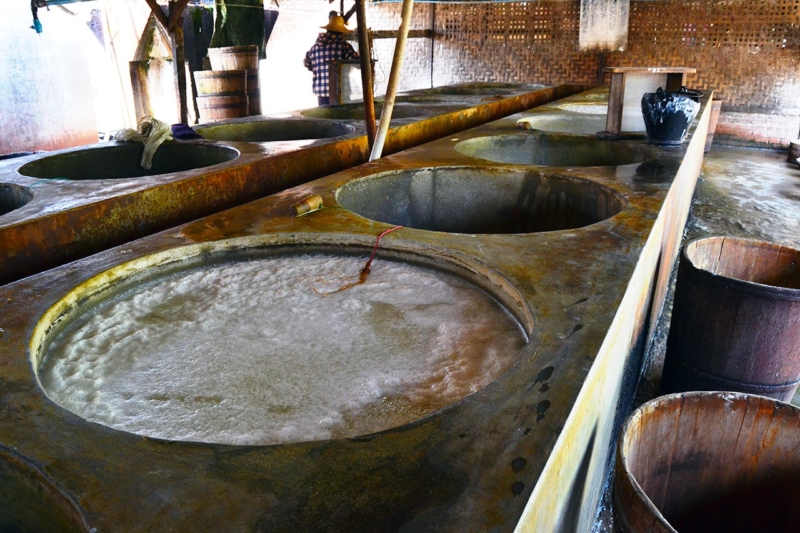
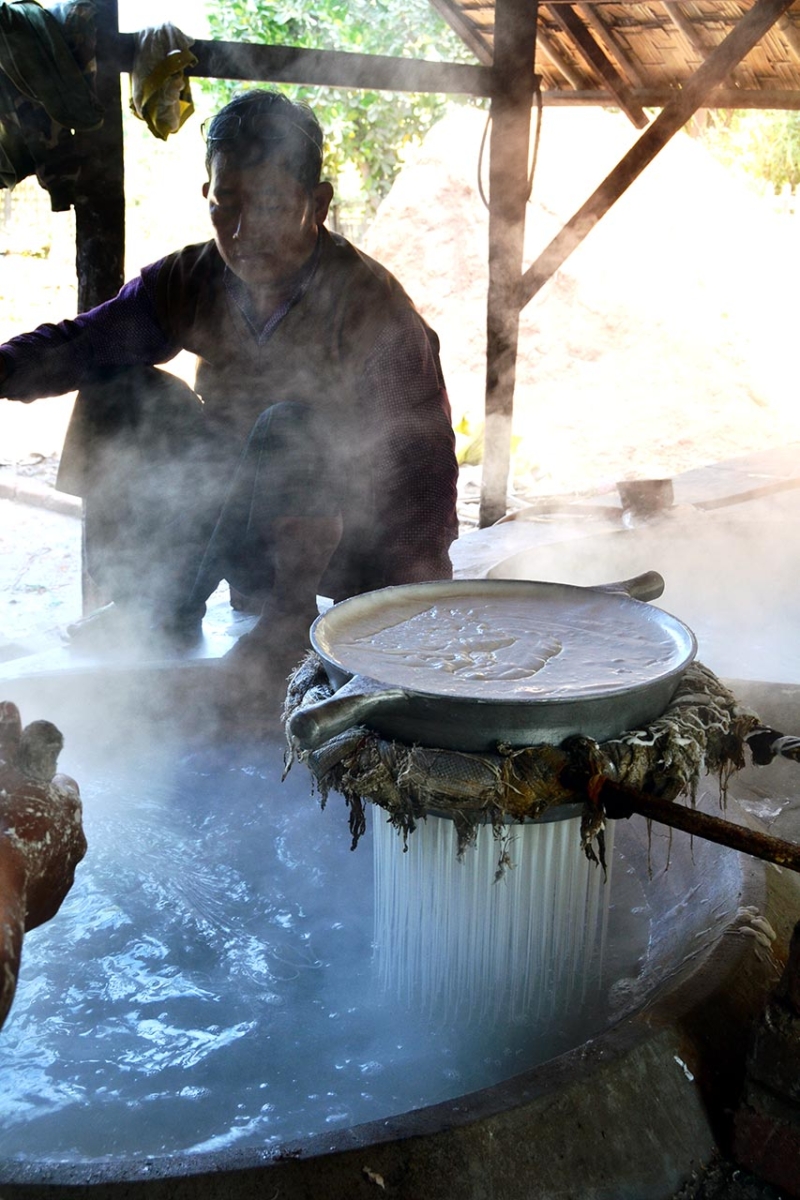
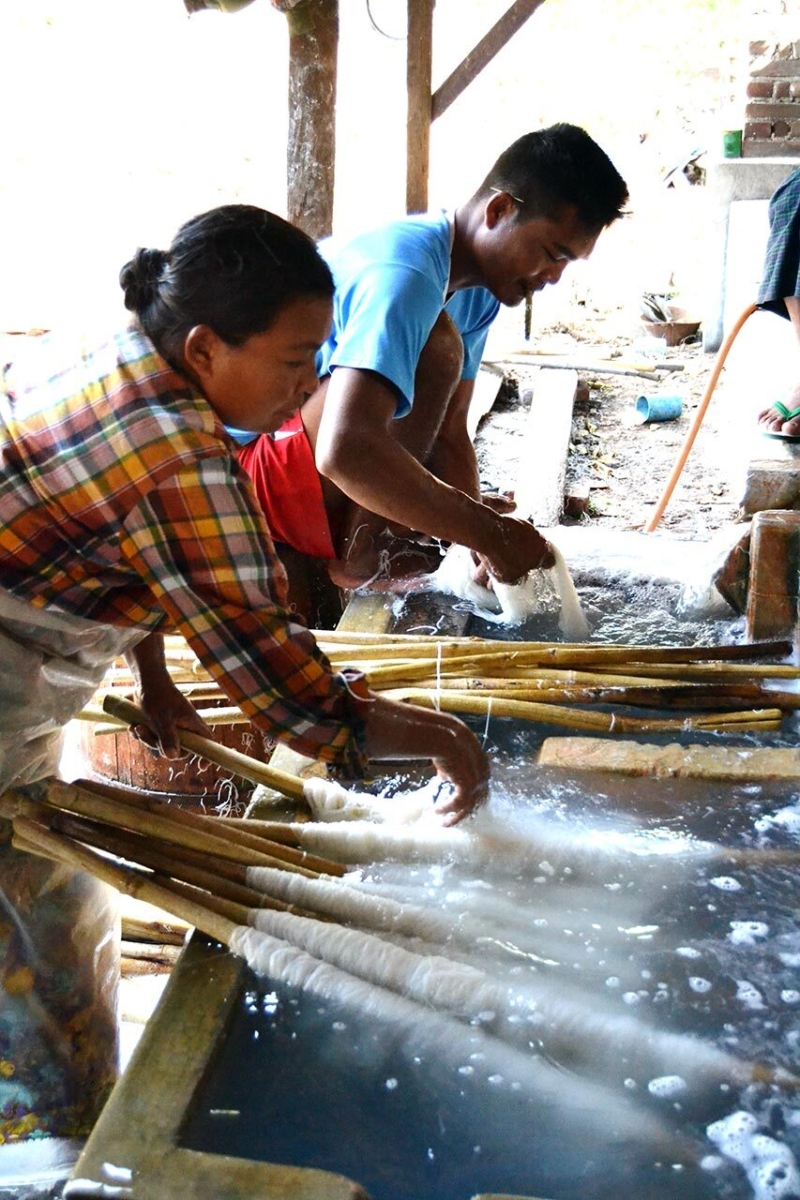
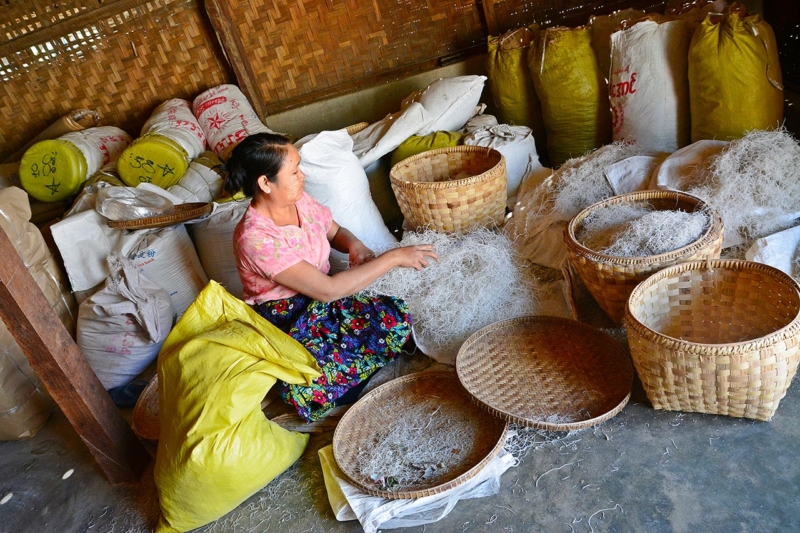
In just half a day, we managed to stop by another village school and watch how rice noodles are made — by hand, but in industrial quantities.
Scenes like these are far more fascinating than any golden temple. When I posted the noodle-making video on YouTube, it actually triggered a wave of outrage from Western viewers. “Oh no! Such unsanitary conditions!”

Well, sorry — when life is simple, hygiene isn’t always priority number one. Besides, people here have somehow made it this far just fine. And I personally survived just fine after eating that same rice noodle soup every day for three weeks. The noodle-making process in Myanmar is pretty primitive — but mesmerizing.


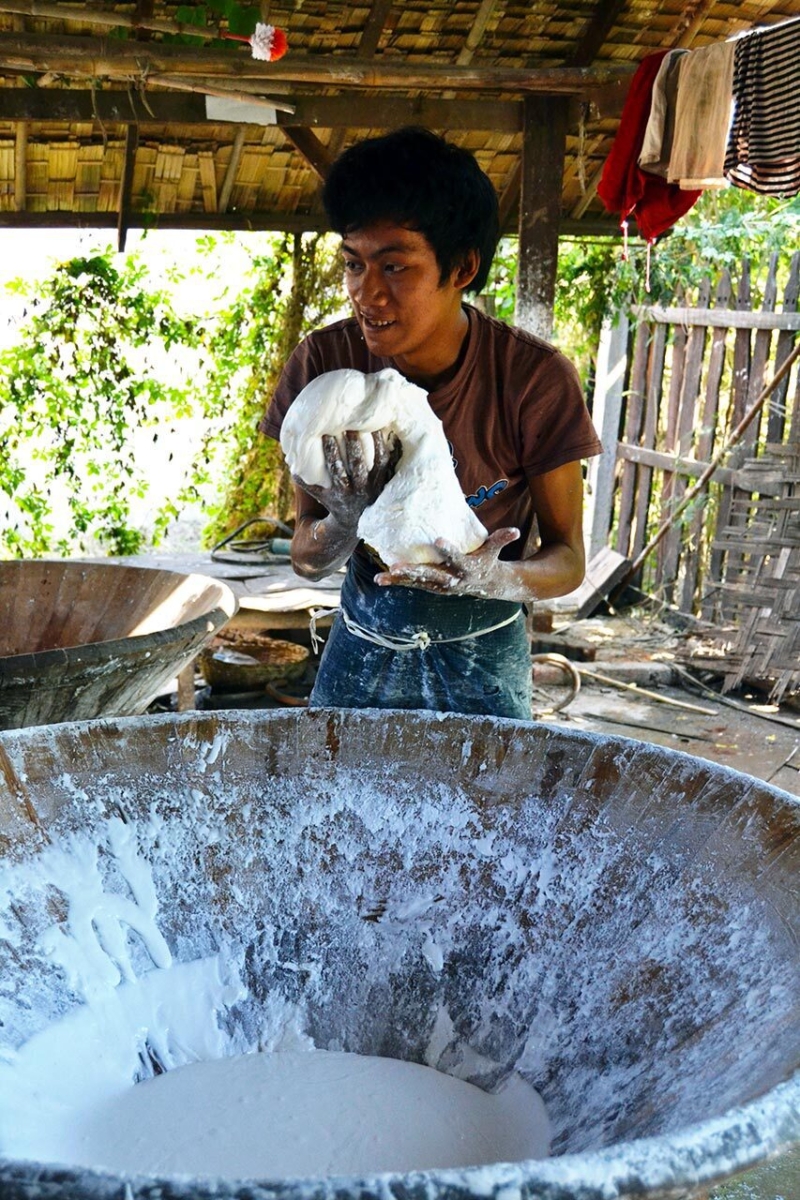
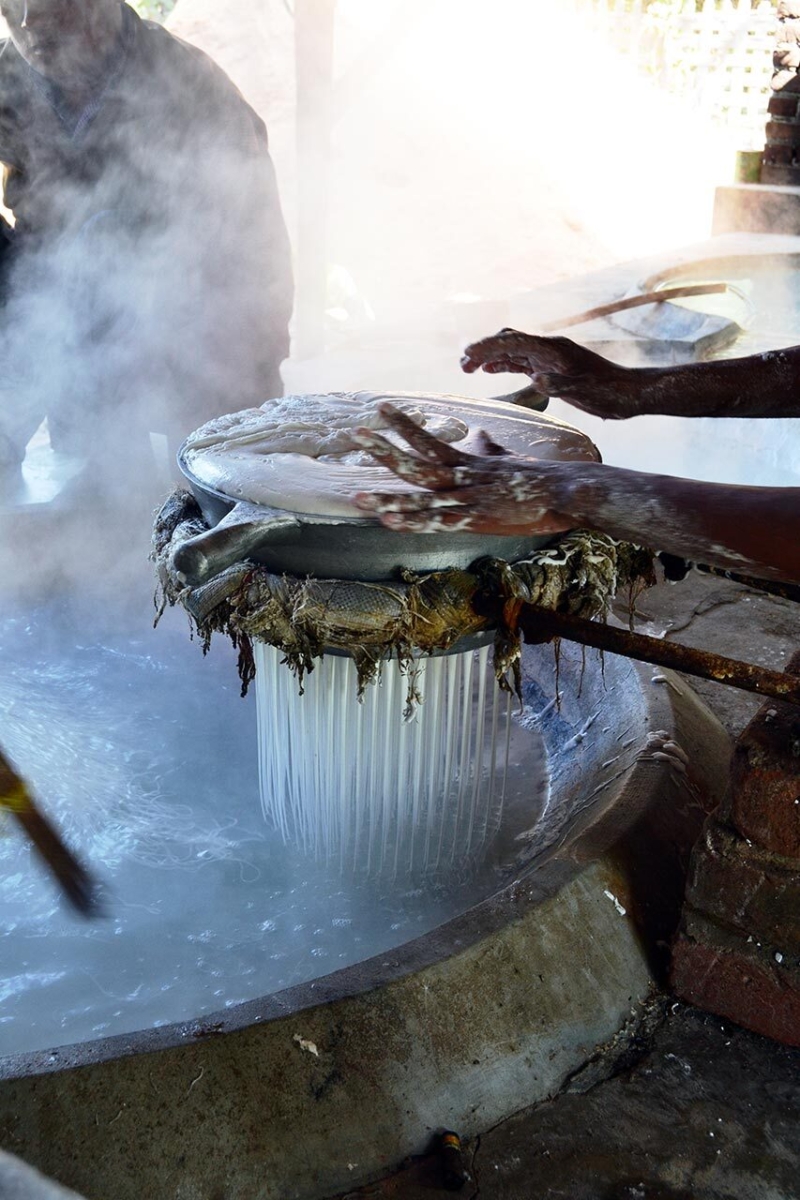
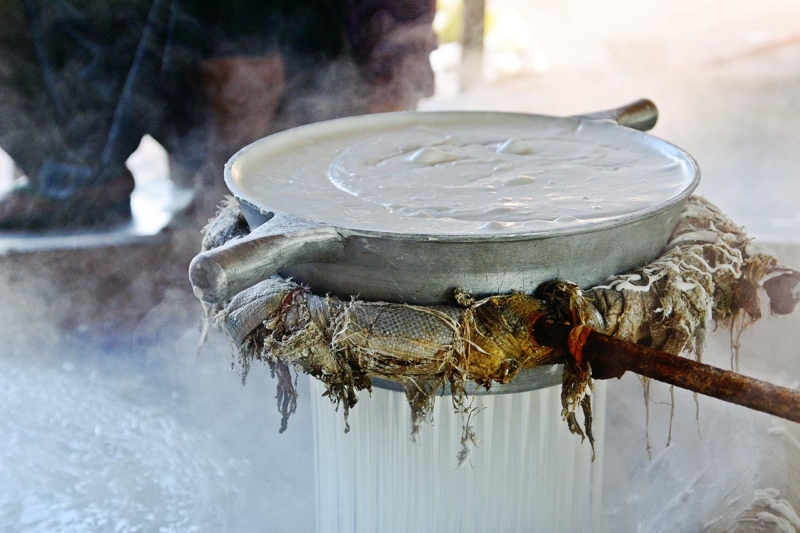
Rice flour is poured into giant tubs and soaked in water — all out in the open, under a simple shelter. After it swells, the cook starts kneading the massive dough by hand and then scoops it into a huge colander set right over a steaming pot of water.
The dough seeps through the holes into the boiling water, forming noodles.
To prevent them from turning into 5-meter spaghetti strands, someone has to keep cutting the dough stream. Meanwhile, a third cook stirs the boiling noodles constantly to keep them from sticking. It’s a continuous process — and yes, cigarette ash often falls straight into the pot.


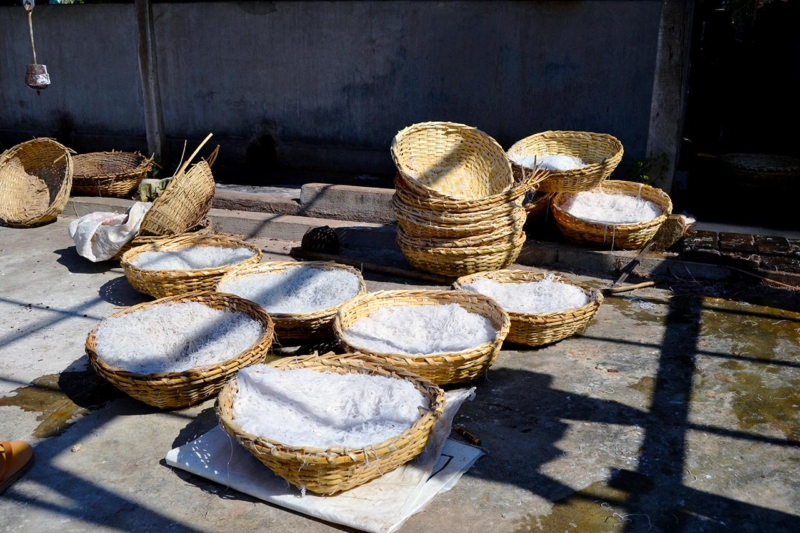
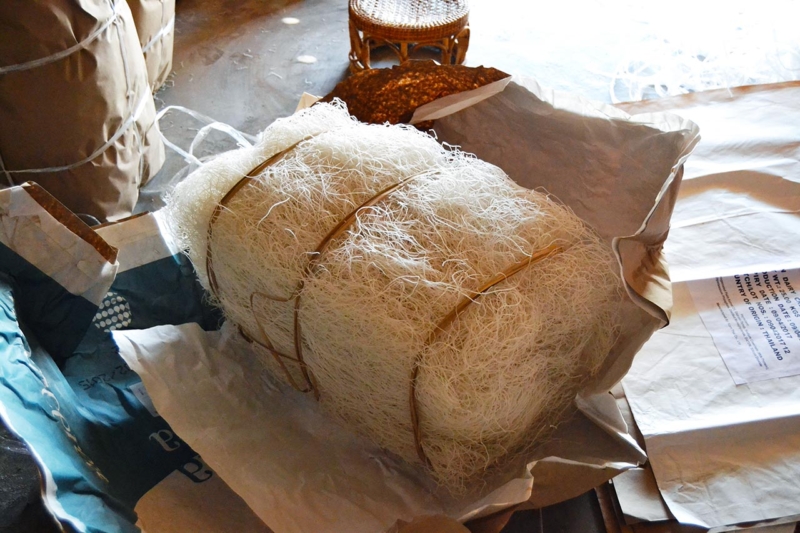
The pot has a spout, and the freshly cooked noodles flow out into a drainage channel, where a fourth cook wraps them around a stick, forming tight bundles. A fifth person rinses them by hand in cold water. The noodles rest in a basin for a bit, and then they’re tossed into woven baskets to drain. Next comes the first stage of drying.


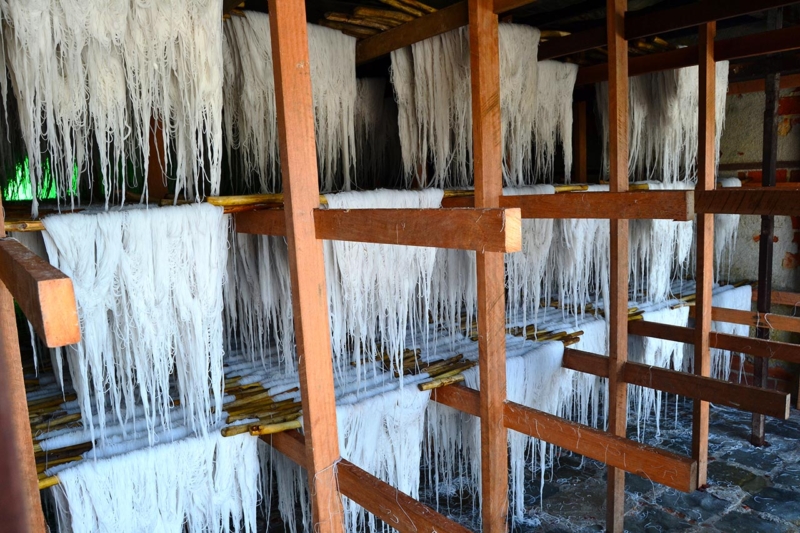
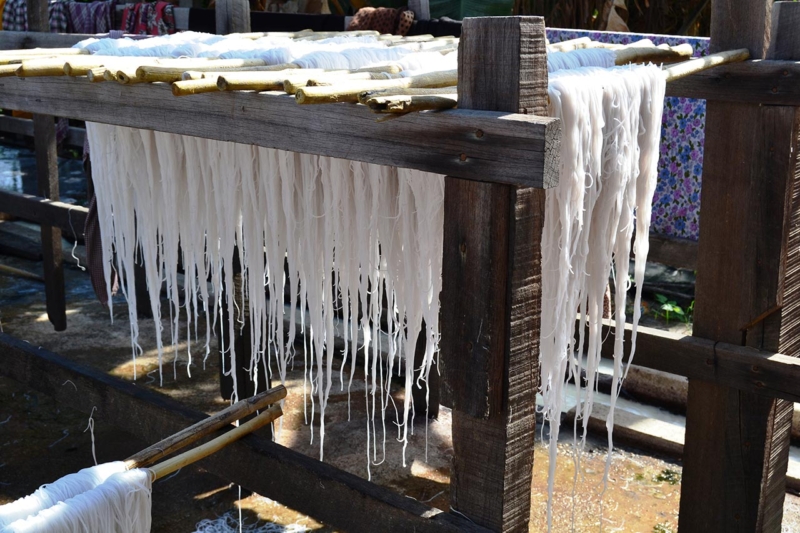
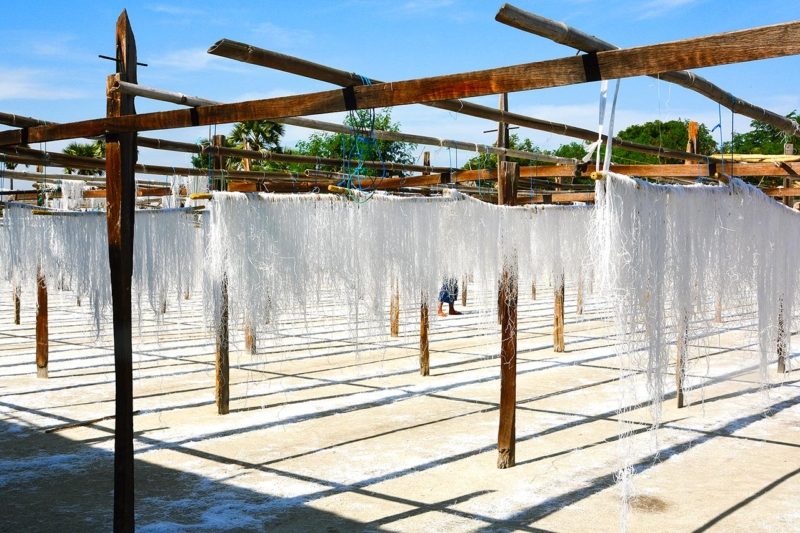
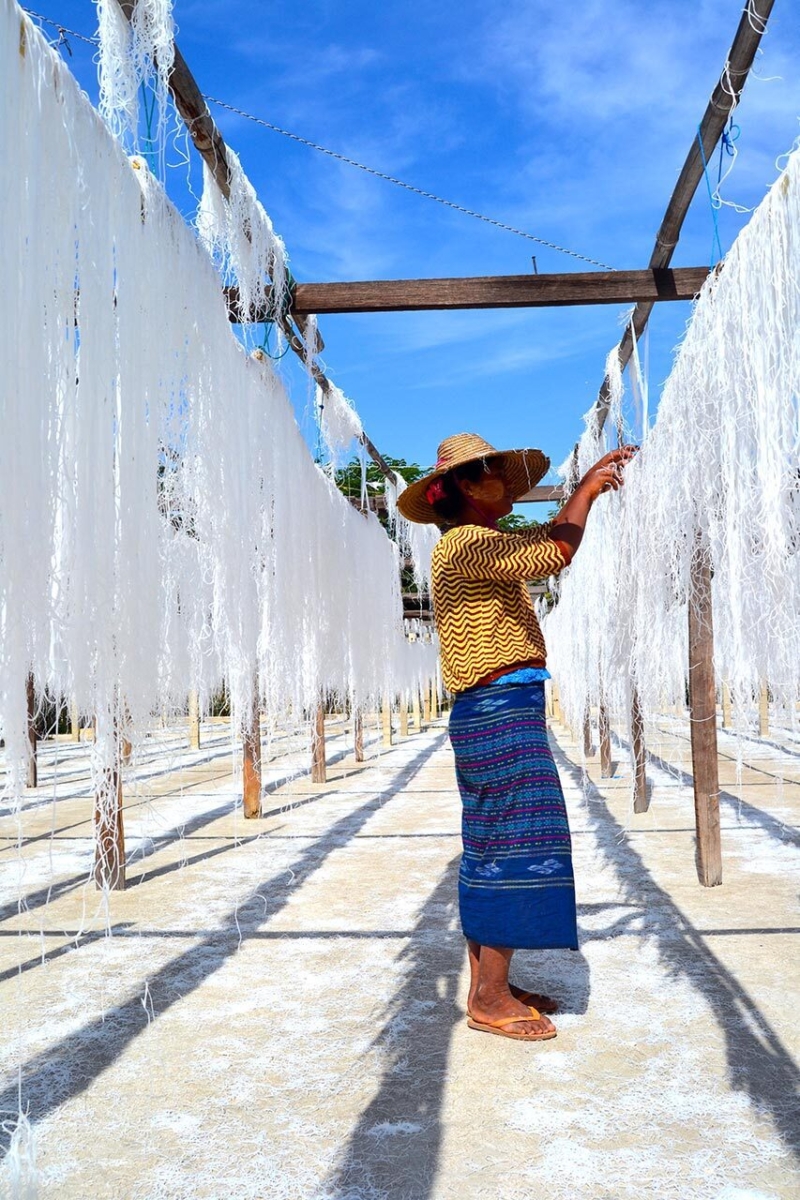
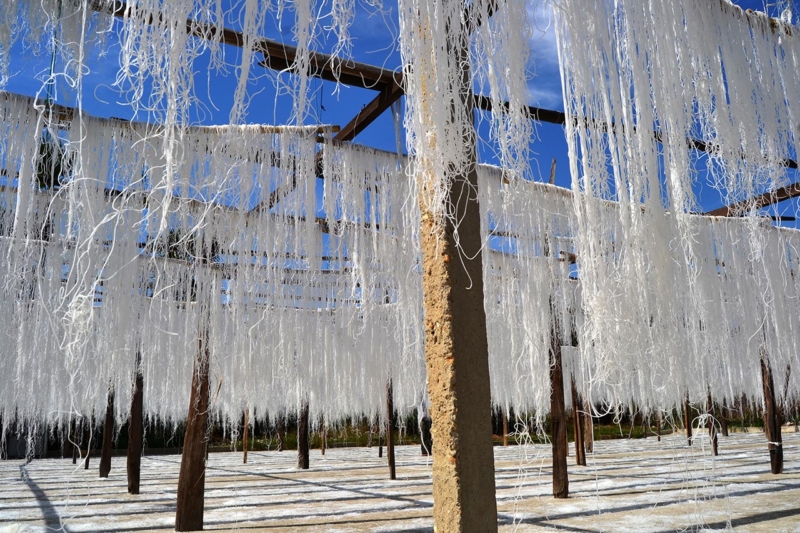
Everything’s still done by hand — the noodles are hung in bunches, like grapes. Once they stop dripping, it’s time for the most beautiful part: sun-drying. The noodles are strung up like laundry on long lines under the open sky, where they stay for nearly a week. All the while, young women walk between the rows, singing traditional songs and gently spreading the delicate strands apart — preventing them from sticking together. It’s even more captivating on video!


Here are the links to Part 1, Part 2, and Part 3 (Apologies — very amateur content!).

During recess at the village school, the boys tucked up their longyis and played chinlone — a traditional game with a ball woven from rattan. You can only use your feet, knees, head, and chest — no hands allowed. The goal is to keep the ball in the air as long as possible, passing it between teammates. In the competitive version, teams volley it over a net. The little guys were darting around the playground like mad. The older girls were much more reserved — quietly sneaking glances at us and blushing if we noticed.


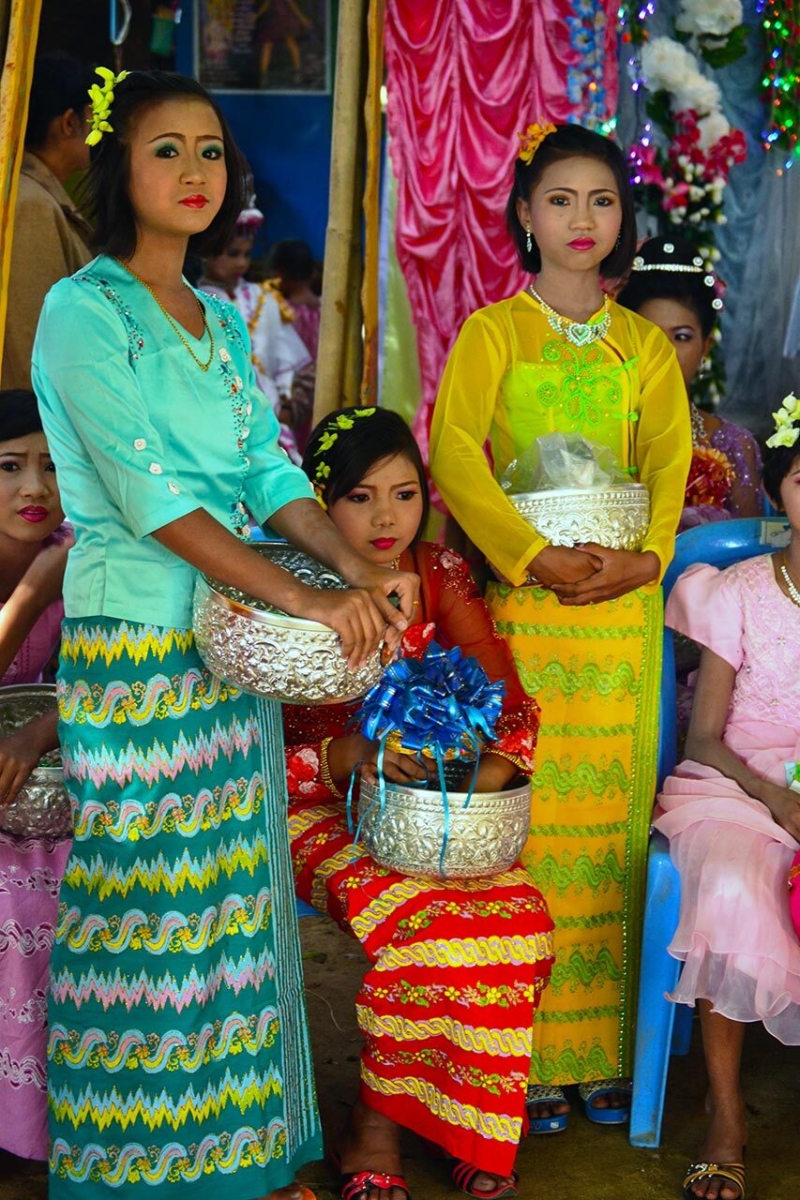
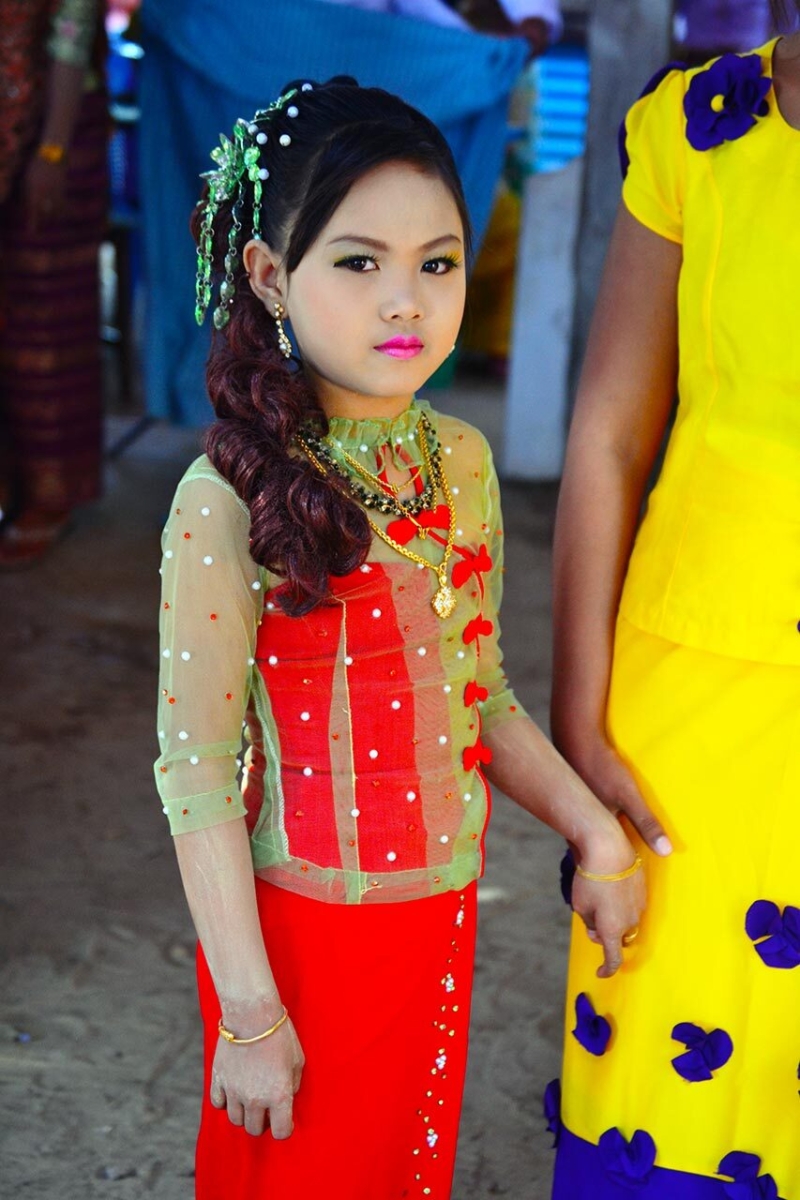
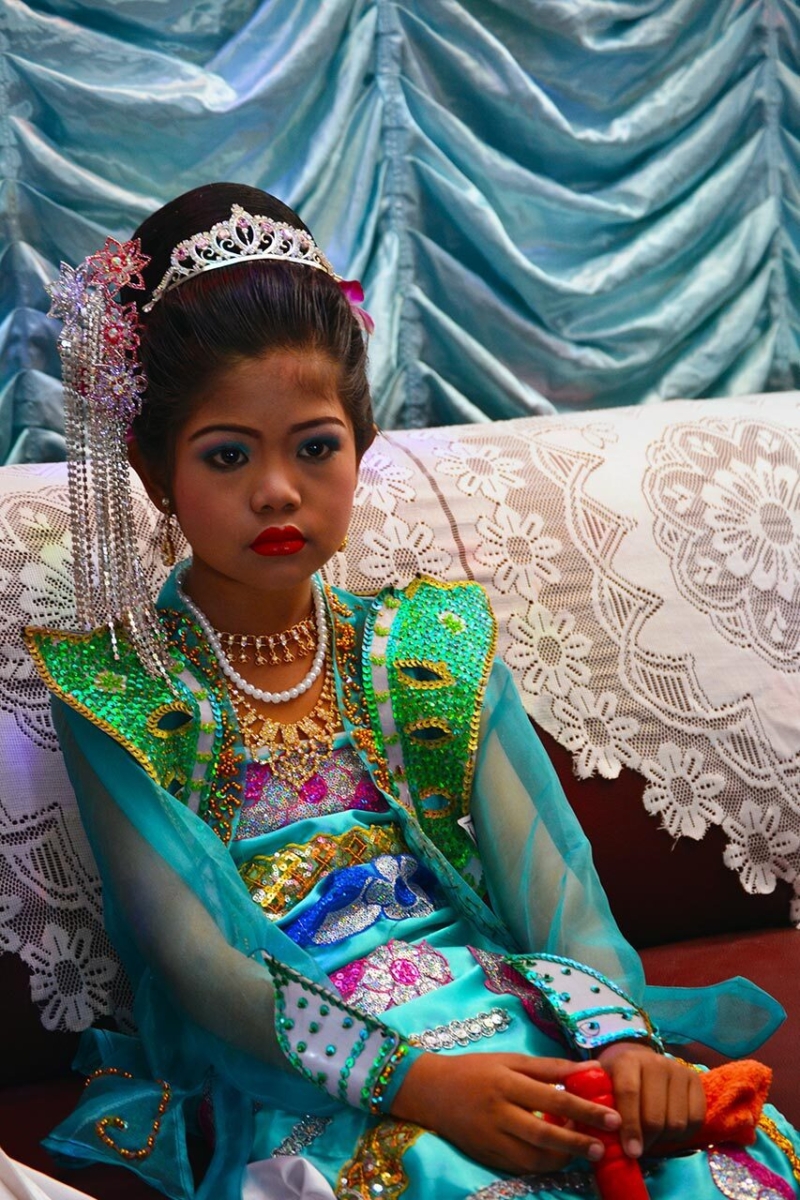
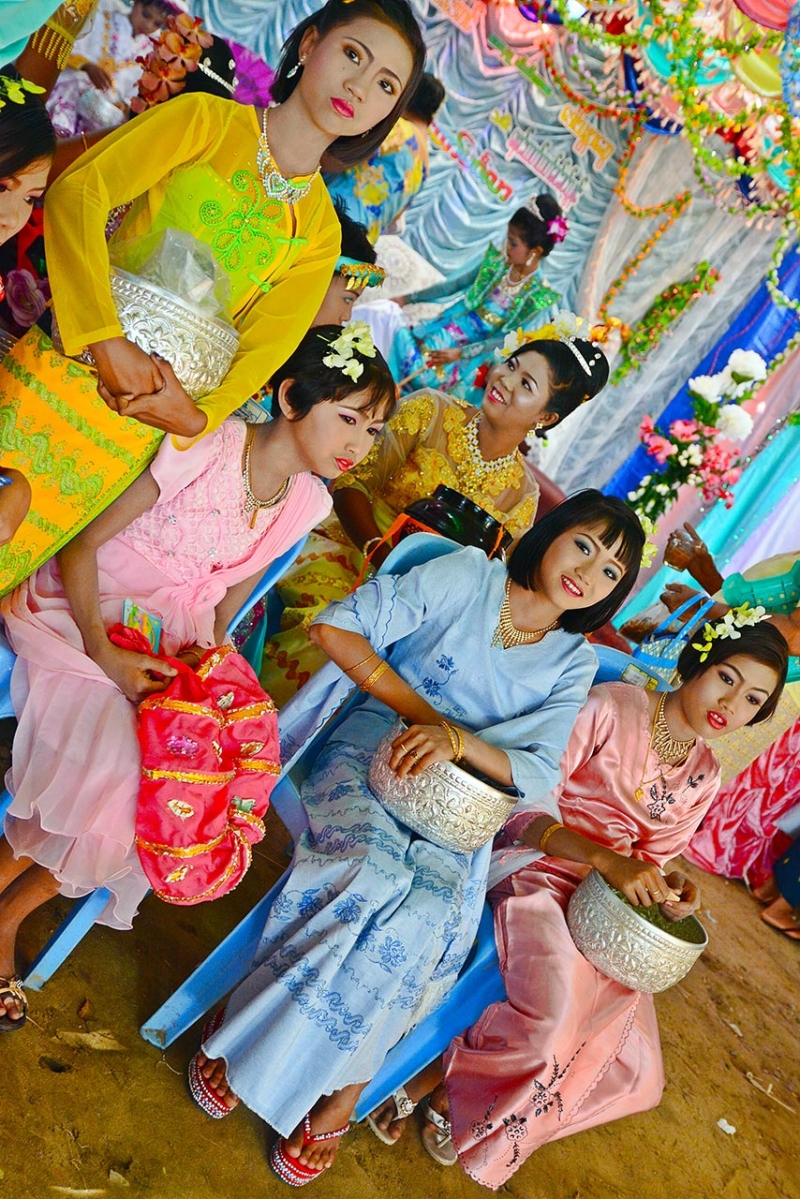
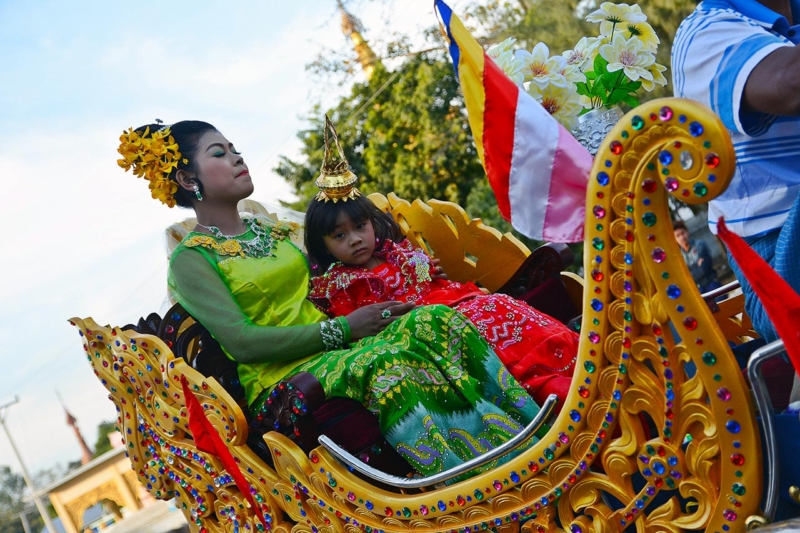
And then, out of nowhere, we stumbled into the middle of what seemed to be a local celebration. Our guide couldn’t quite explain what the occasion was, but everyone looked so dressed up! What really struck me was how much makeup even the tiniest girls were wearing. And yes — it was all women. Maybe it was something like a local version of International Women’s Day?


Some might ask: why post so many photos of strangers?
But for me, those images are exactly what I remember — and love — about Burma. It’s in those moments: how people live so simply, often in spartan conditions, how hard they work, and yet how kind, joyful, and welcoming they remain.
It’s honestly inspiring. That’s why I fell in love with Southeast Asia. And after several trips around the region, I can honestly say — Burma is the most smiling country of all. The land of a million smiles.


I also felt completely safe here. In Myanmar, a white woman feels almost like an alien from another world — not an object of desire, but a curiosity. Locals treated me with kindness, respect, and genuine interest — never with ill intent. As for theft or scams — the Burmese are so deeply religious and concerned about damaging their karma that even hotel tips left on a table or bed often went untouched. In restaurants, if I left money behind, someone would literally run after me, shouting that I had forgotten it.


Only when you hand it to them directly do they understand it’s a gift — and then they’ll accept it. Maybe things have changed since. Maybe we just walked off the tourist path, where things are still different. But that was my experience.

Amarapura (U Bein bridge)

Our flight was the next day from Mandalay. But we didn’t feel like heading back into a big, noisy city — not after everything we’d experienced. So for our last night, we stayed nearby, in the quiet outskirts — in a place called AmarapuraAmarapura is a former royal capital, and its name  means “The City of Immortality.”


Over the centuries, it gained and lost its status as capital several times, but it was especially significant during the late 18th and early 19th centuries. Today, Amarapura is known for two main landmarks: Mahagandayon Monastery — one of the largest monasteries in the country, home to thousands of monks. Every morning, tourists gather to witness the food offering ceremony — a long, silent procession of monks in saffron robes moving slowly through the streets.


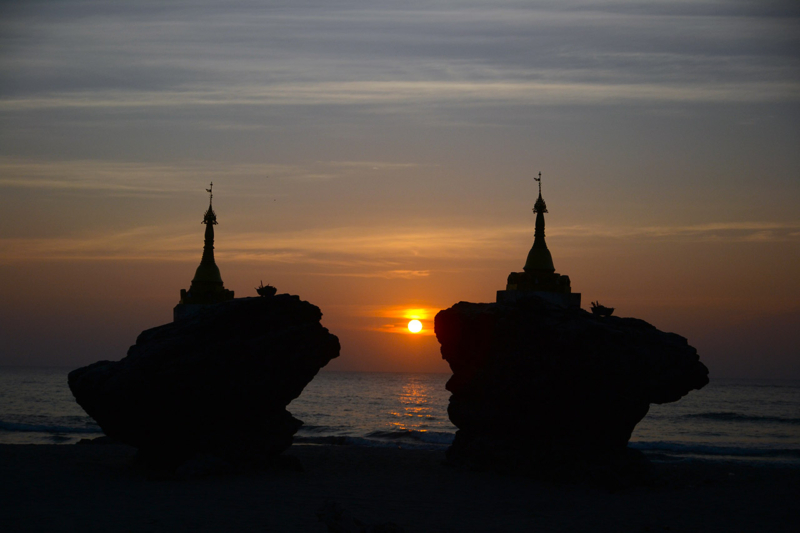
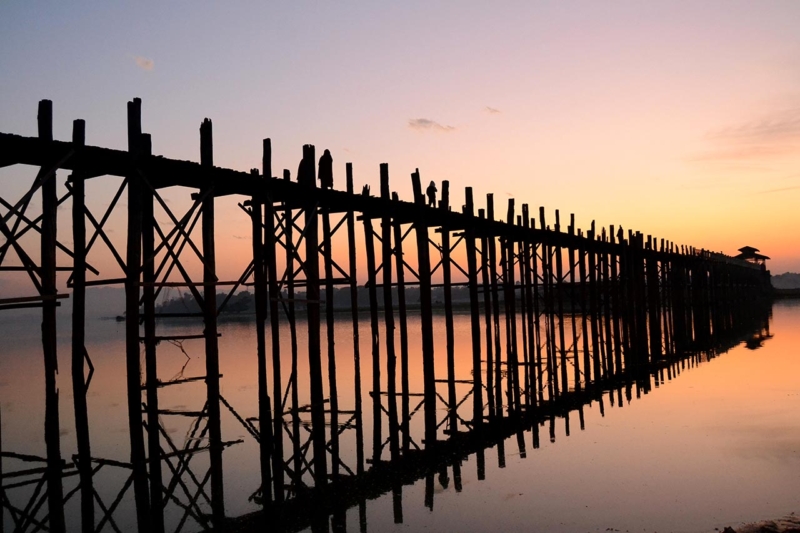
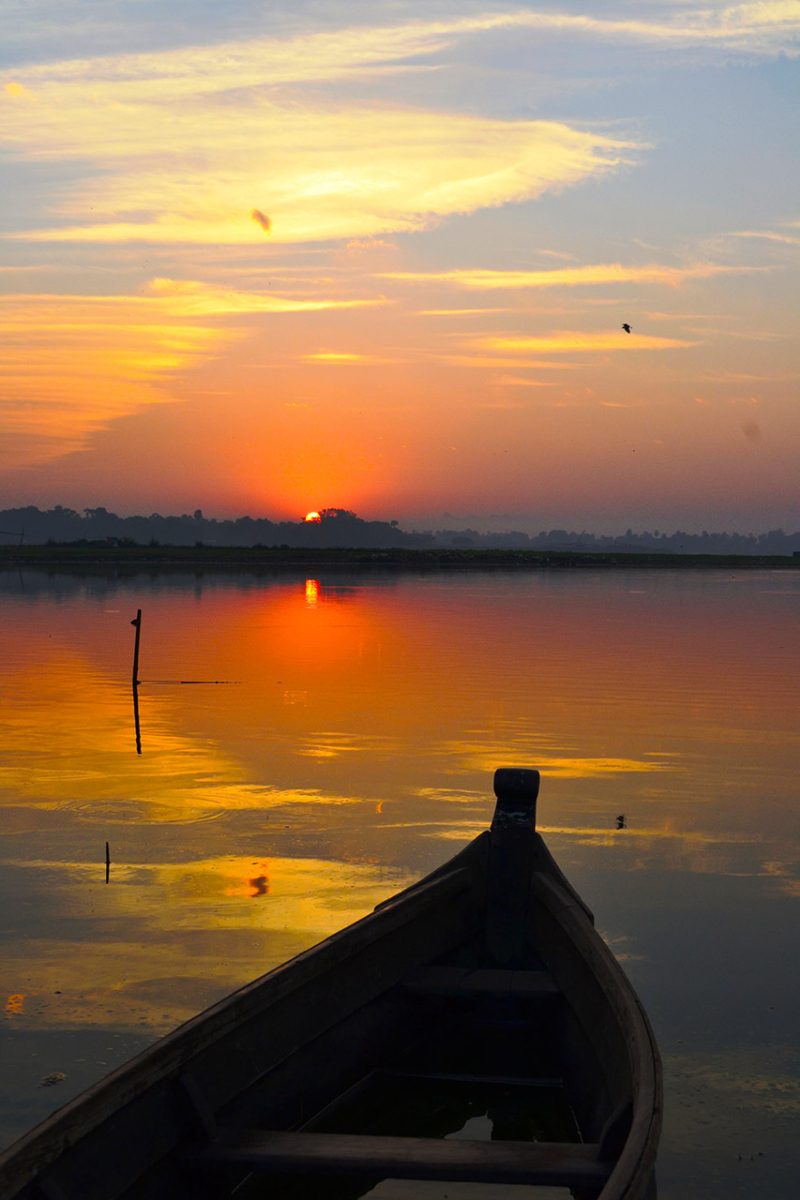
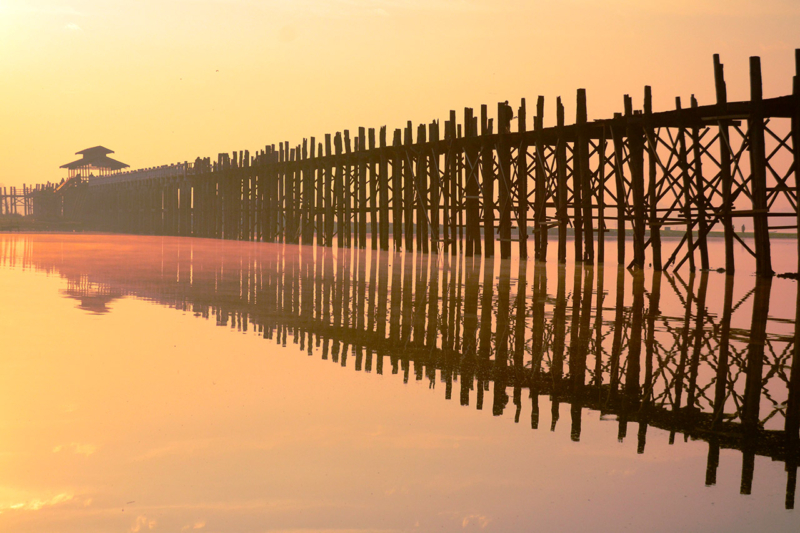
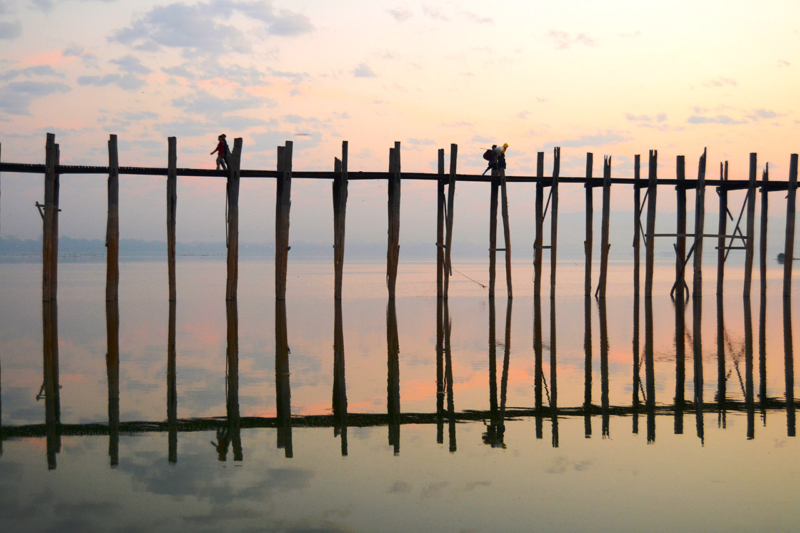
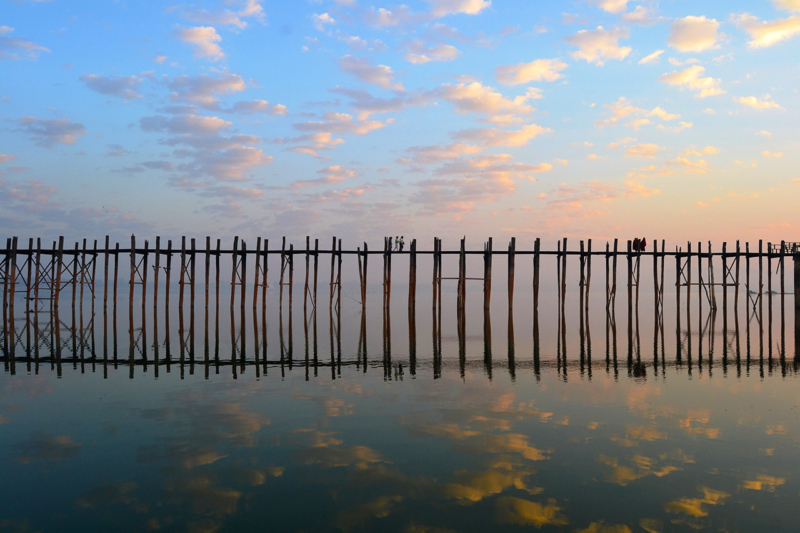
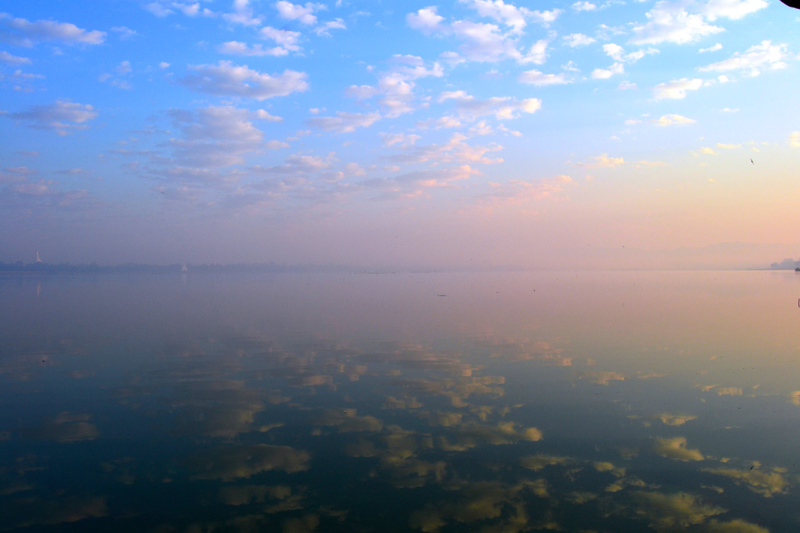
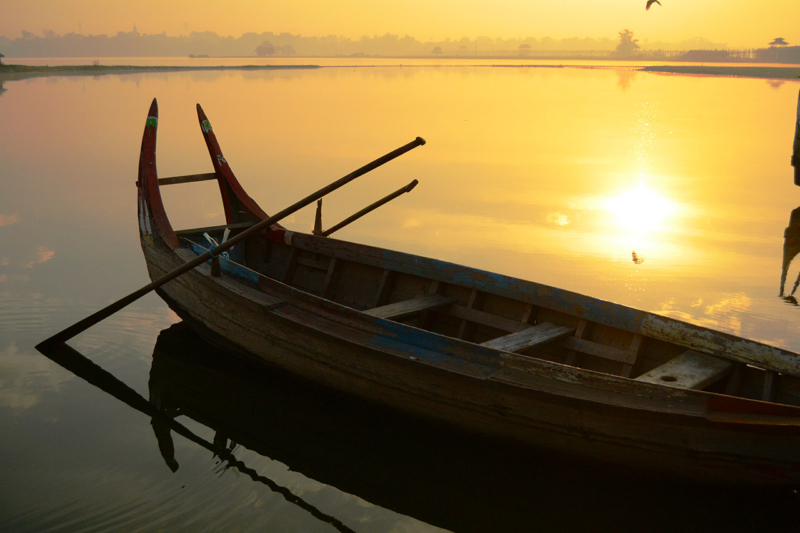
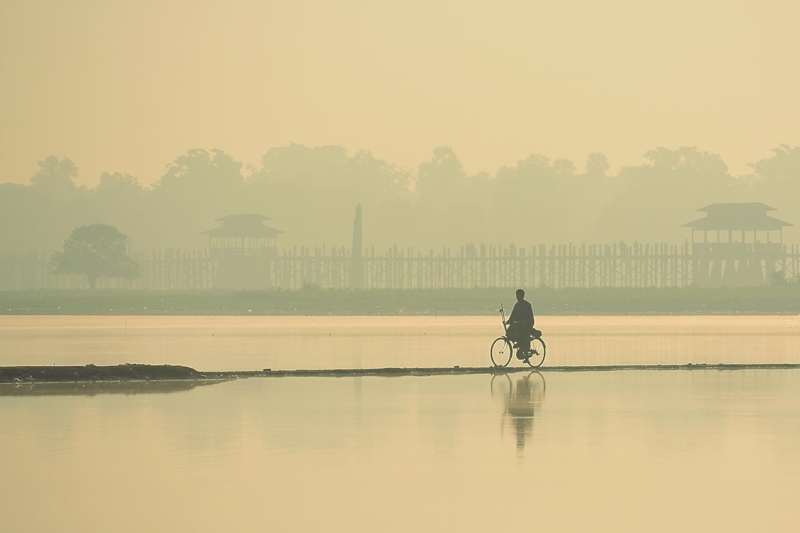
And, of course, U Bein Bridge — the oldest and longest teakwood bridge in the world, built in 1850, stretching about 1.2 km across Taungthaman Lake. It’s especially magical at sunrise and sunset, when the silhouettes of people reflect in the water and the sky glows with gold and pink It’s one of the most photogenic places in all of Myanmar. We decided to say goodbye to Burma right there — on the bridge. And we couldn’t have chosen better.


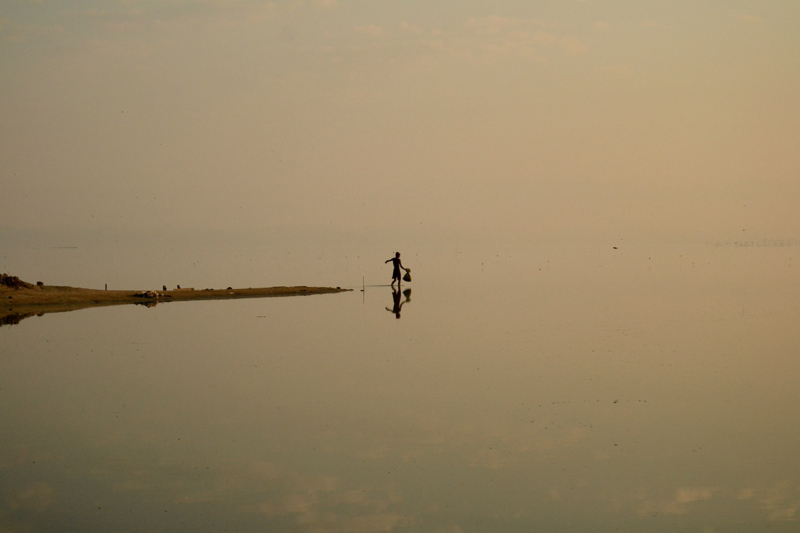
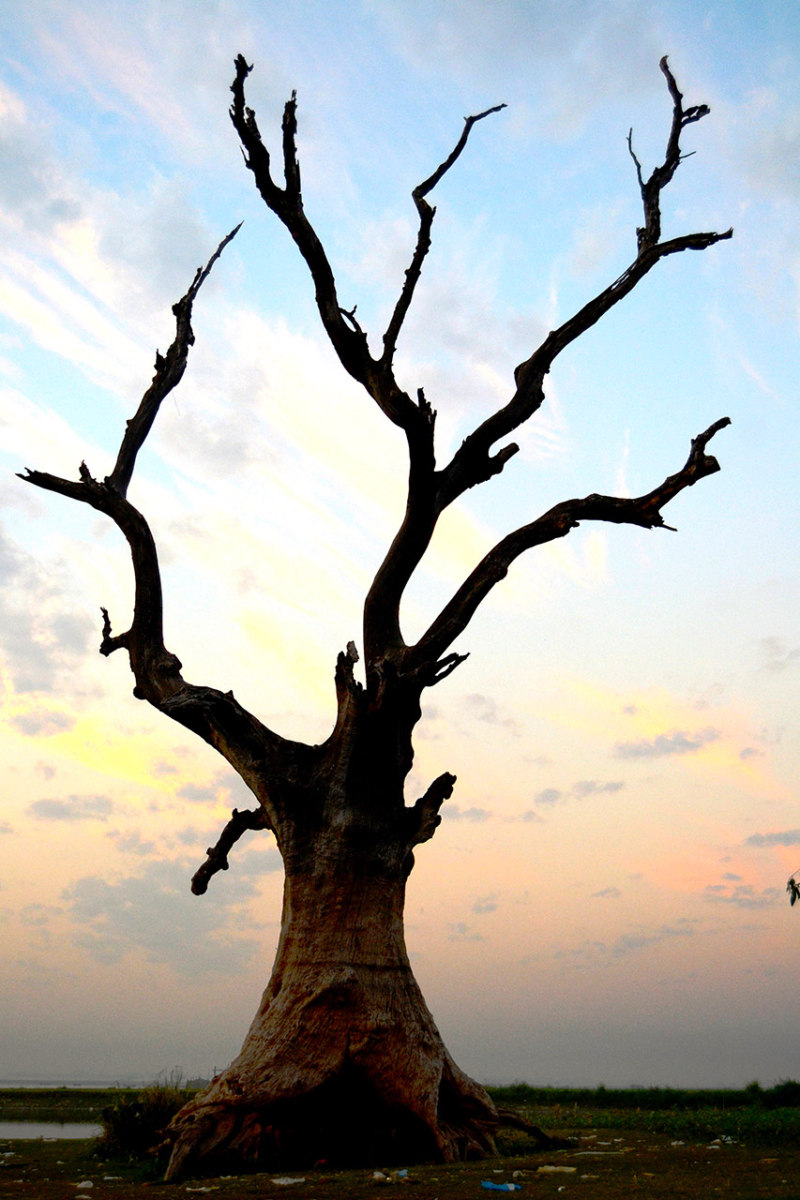
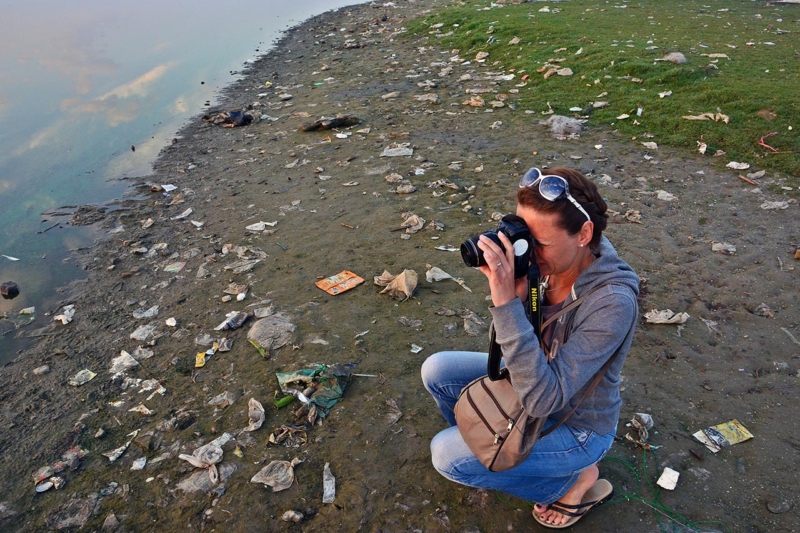
It was the most breathtaking sunrise of my entire life. In the last photo, you can see not just me, but also a lot of trash on the shores of Taungthaman Lake, where we welcomed the morning. Waste is a serious issue all across Southeast Asia — and sadly, the poorer the country, the more visible the problem. But that’s another story entirely — maybe one worth telling in a post of its own.

You can leave your comments on this story in my blog 

sign up for the newsletter

Fill this form if you want to be informed 

about the new publications in my blog.

Spread the love