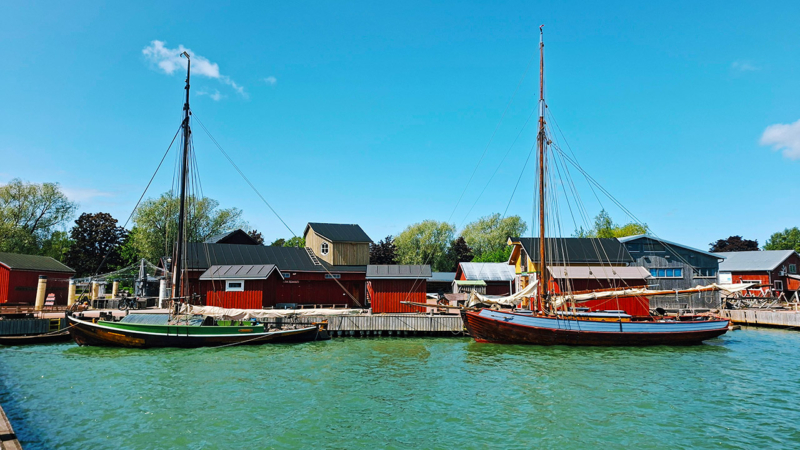
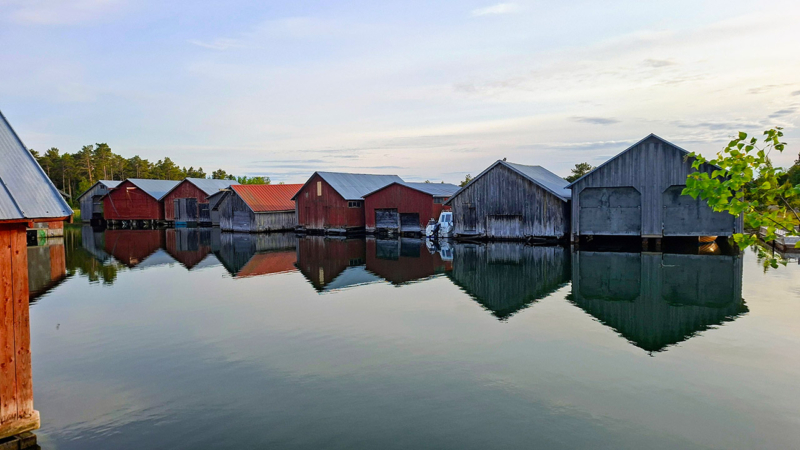
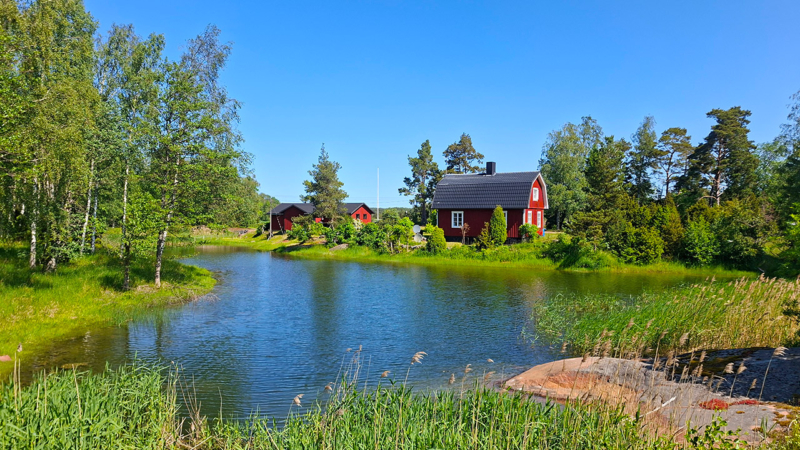
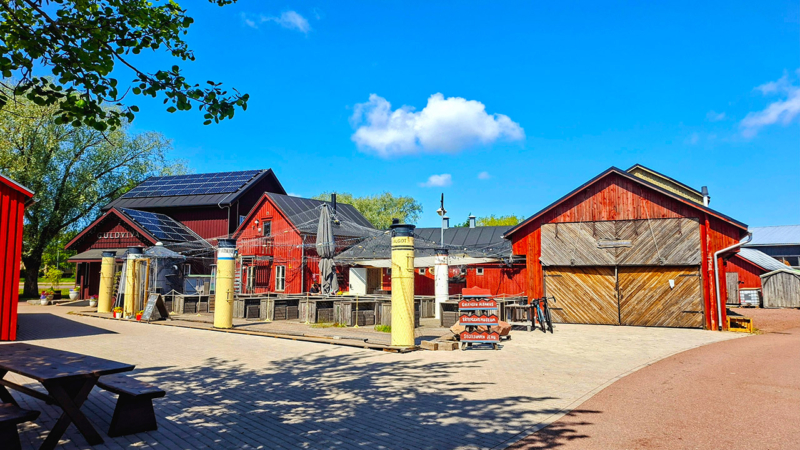
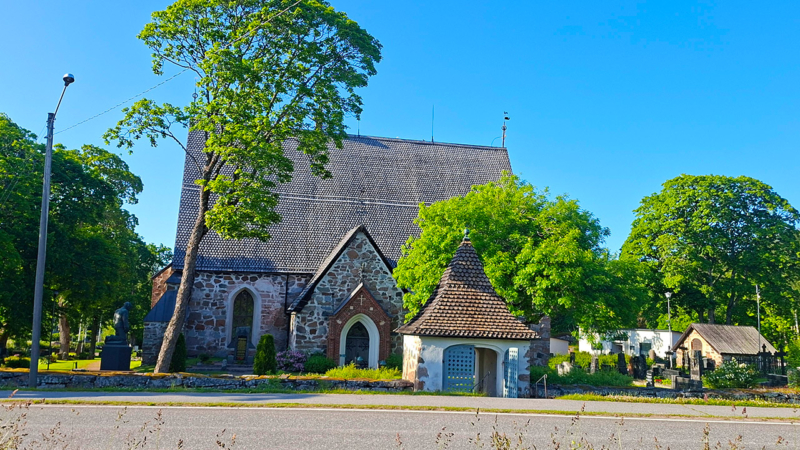
Ålands by bike
June 2025
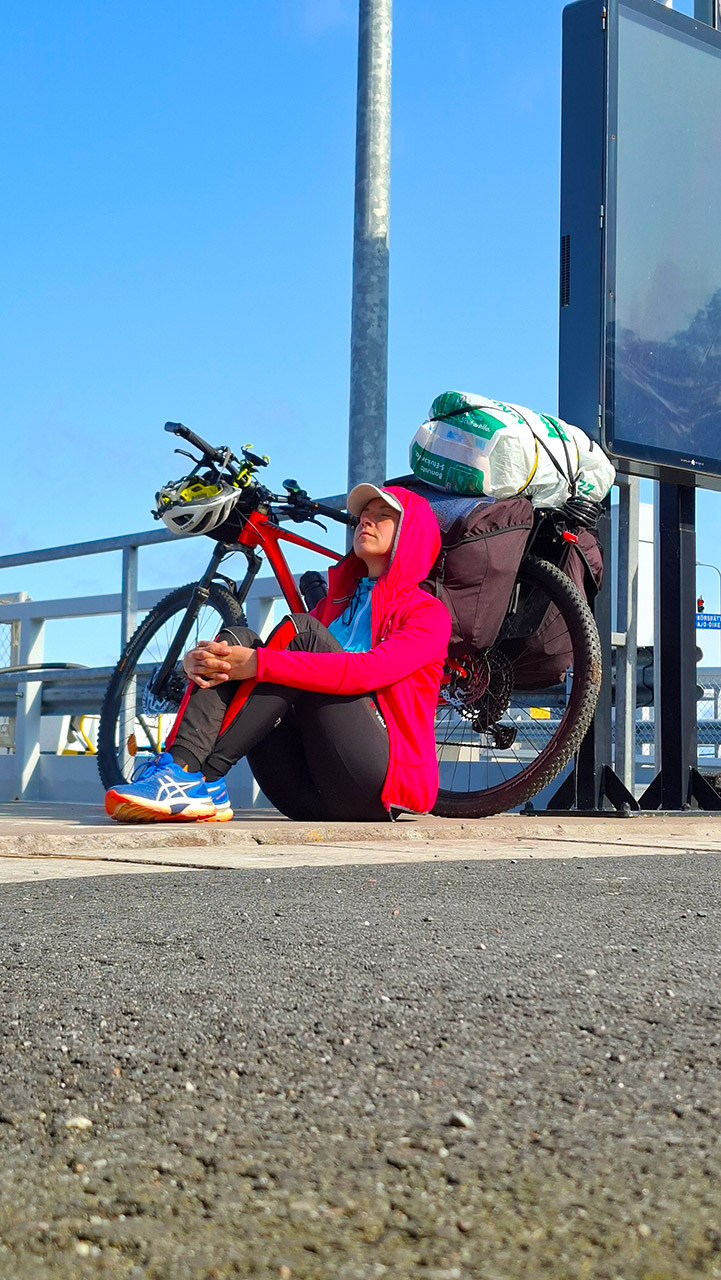
Every year, as a tradition, I would set off to cycle through the Turku Archipelago. Usually, it was the classic Rengastie route, planned for three days. Over the past seven years, I’ve ridden this loop back and forth — in different directions, at different speeds, with different companions.
But this year, I felt like doing something different — so I decided to extend my route all the way to the Åland Islands.
Cycling is a very common thing on Åland. The infrastructure is great, and many travel agencies offer pre-designed bike tours starting from different points. Organized trips definitely have their perks: you get a ready-made route, ferry tickets and accommodation booked in advance, and a detailed schedule. All you have to do is ride and enjoy. But do I even need to mention that this convenience comes at a fairly high price?
I managed to grab two extra days off work in addition to the traditional long Midsummer weekend. That gave me a whole five days!
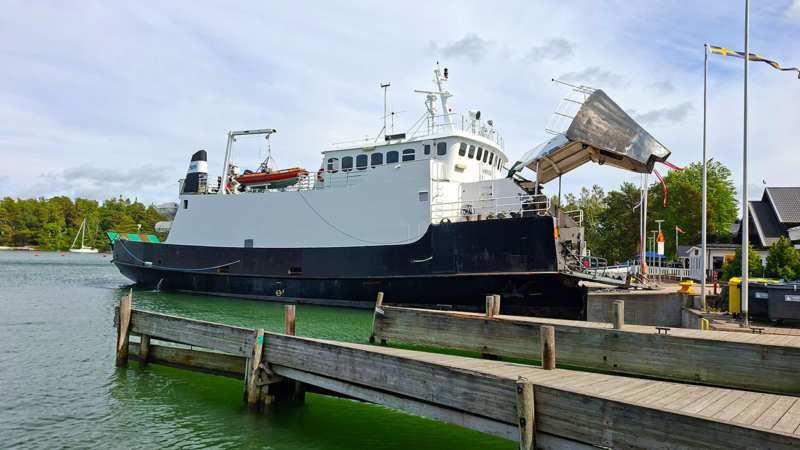
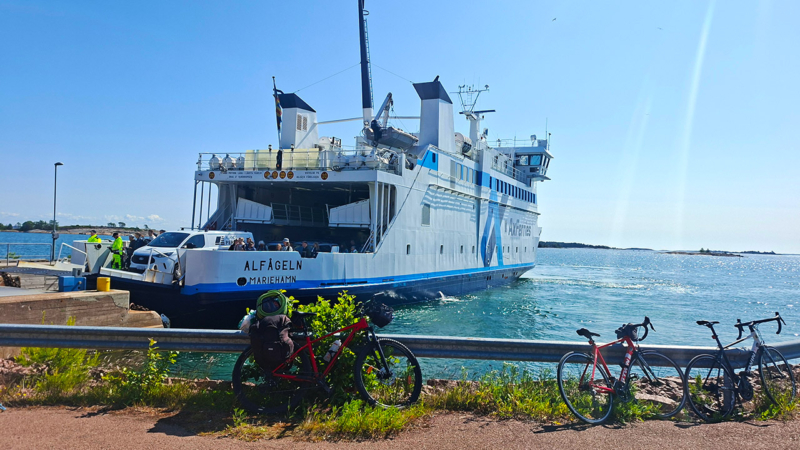
Planning this kind of trip on your own is no small task. In my case, I had to cross twelve ferries or ferry routes! The Turku archipelago is served by Finferries, while Ålandstrafiken manages transport around the Åland Islands. (The links work, by the way!)
One thing to watch out for is the timetable: on some routes, especially on weekends, there might be only two ferries per day. Which means it’s very easy to get stuck on some tiny island with no shop and no café — for half a day, or even overnight. Careful planning isn’t just helpful here — it’s absolutely necessary.
There’s another thing that can drive you crazy: the same island or village might have completely different names in Finnish and Swedish. For example, if you’re looking for a ferry from Brändö to Kustavi, you might find it listed as Åva–Ösnäs in Swedish, or Åva–Vuosnainen in Finnish. And sometimes even Brändö–Gustavs pops up. Add in the fact that schedules change depending on the day of the week, and you’ll see why putting the route together starts to feel like a full-blown logistics puzzle. It really takes a while to figure out which island is where, when the ferry goes, and what it’s actually called.
On the map below, I’ve shared my route. Yellow marks interesting places I visited, purple marks the campsites, and blue is for the most important info — the ferries.
If you click on a blue marker, it’ll open the link to the schedule for that particular ferry connection — very handy for planning.
I’ve also added a track for each day, including distance and elevation gain, so you can get a sense of the effort needed and plan each day based on your own pace.
What is Åland
Åland (or Ahvenanmaa in Finnish) is an autonomous, Swedish-speaking archipelago in the Baltic Sea that belongs to Finland.
Since 1921, following a decision by the League of Nations, Åland has officially been part of Finland — but with a high level of autonomy. The islands have their own parliament, which governs internal matters like education, healthcare, and transport.
Unlike mainland Finland, which is bilingual (Finnish and Swedish), Swedish is the only official language on Åland.
Åland is also outside the EU VAT zone, which allows for duty-free trade, especially on maritime routes. But here comes the fun part: even though Åland is part of Finland, ordering something by post from Åland to mainland Finland is considered international trade. Yes, if a Finn orders a product from Åland, they’ll have to pay customs duties and VAT — just like if they were buying from China or the US.
The archipelago is also completely demilitarized — no Finnish military forces are allowed to be stationed there.
Another interesting fact: you can’t freely buy property on Åland unless you’re a local resident or have been granted special permission.
Åland even has its own country-code domain: .ax, underlining its semi-independent status. For example, the website of the campsite I stayed at on the third night ended not with .fi, but with .ax. The site was available in Swedish and English — but not in Finnish!
Even vehicle license plates on Åland are different from those on mainland Finland.
And now, for the nature lovers — there’s a twist.
In Finland, there’s a beautiful concept called “jokamiehenoikeus” (everyman’s right), which allows everyone to walk, ski, or cycle freely in nature, even on private land. You can pick wild berries and mushrooms, go camping, swim, or fish with a rod — all without needing permission.
But not on Åland. This right doesn’t apply here. Almost everything is private. On some of the smaller islands, literally the entire land area can be privately owned, including almost all inland lakes and shorelines. So no camping in the wild, no fishing, and not even berry-picking — unless you want to risk a fine.
Oh, and one more fun fact: the population of Åland is only about 30,000 people.
When I told all of this to my friend before my trip, she asked,
“Don’t they want to break away from Finland and join Sweden?”
But no! That would just make them regular Swedes. Surveys show that most Ålanders are perfectly happy with the current setup.
There are a few independence movements, but they’re tiny and pretty marginal. The archipelago receives financial transfers from the Finnish government, including a share of national tax revenues.
So yes — Åland is one of the most autonomous regions in all of Europe.
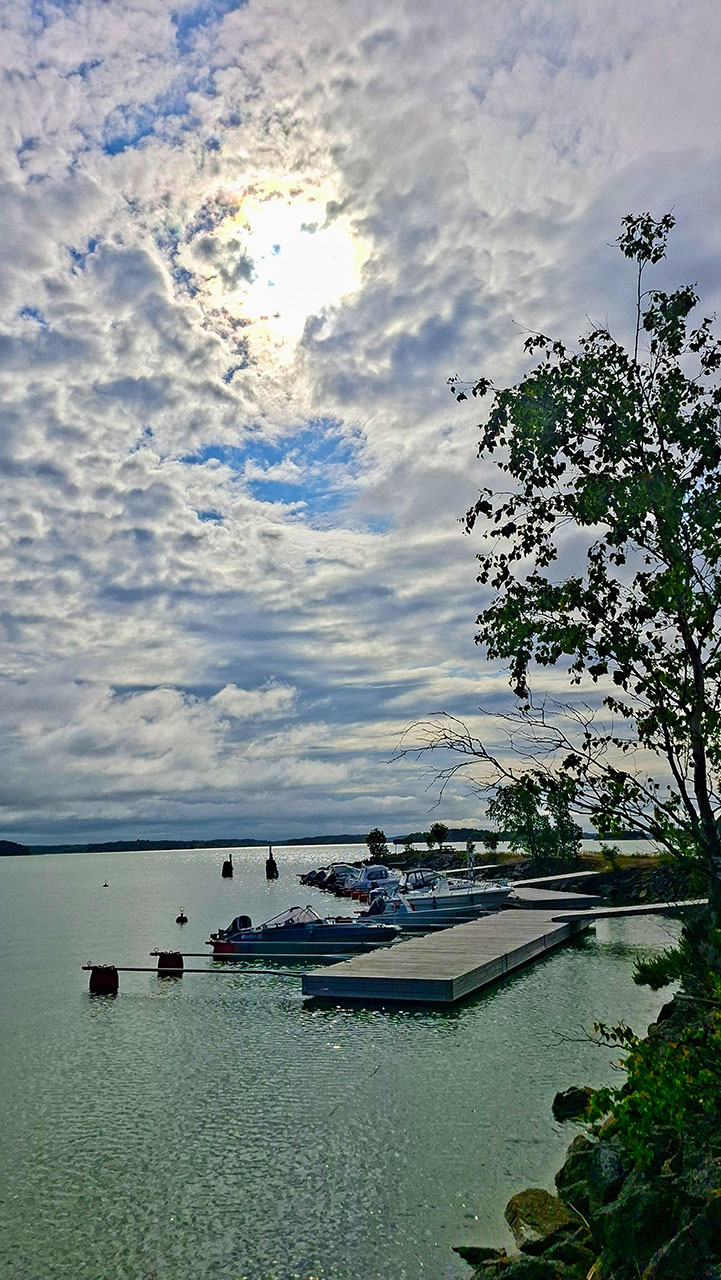
Day 1 of 5: 74 km + 4 ferries. Hakkenpää – Teersalo – Rymättylä – Nauvo – Korppoo
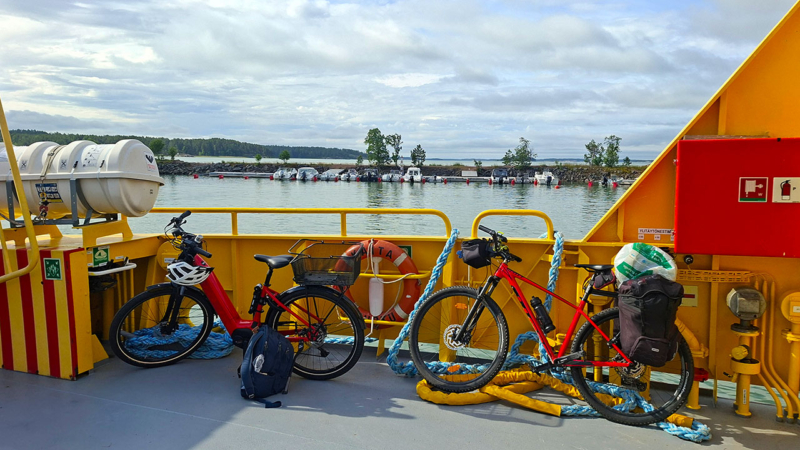
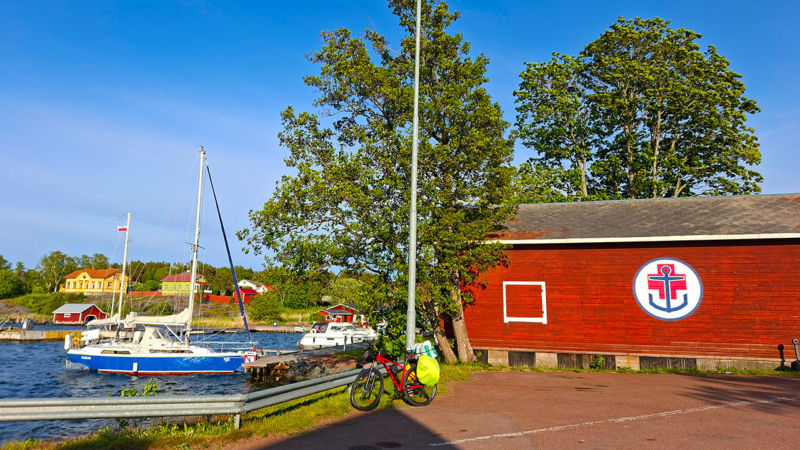
I left home at 5:45 in the morning to make it in time for my first ferry at 9:30. The Hakkenpää–Teersalo crossing only takes 30 minutes and is free of charge. Funny thing — in all my years of cycling these routes, I’d never managed to catch this particular ferry. It only runs twice a day, and if you miss it, the alternative is a 40 km detour. This time, it finally fit into my tight schedule.
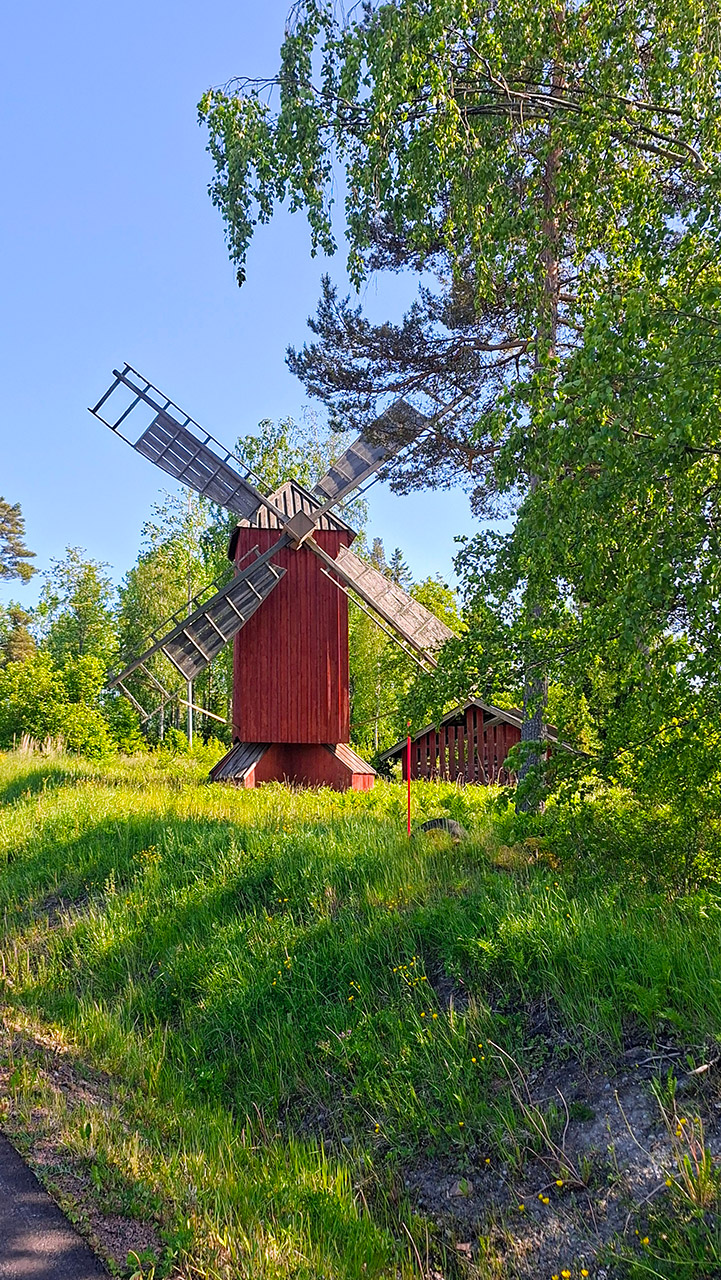
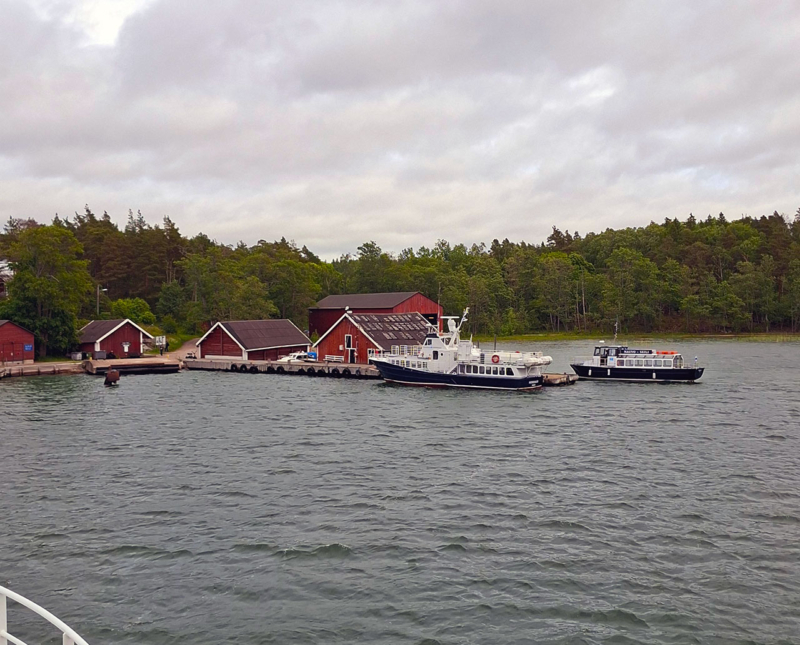
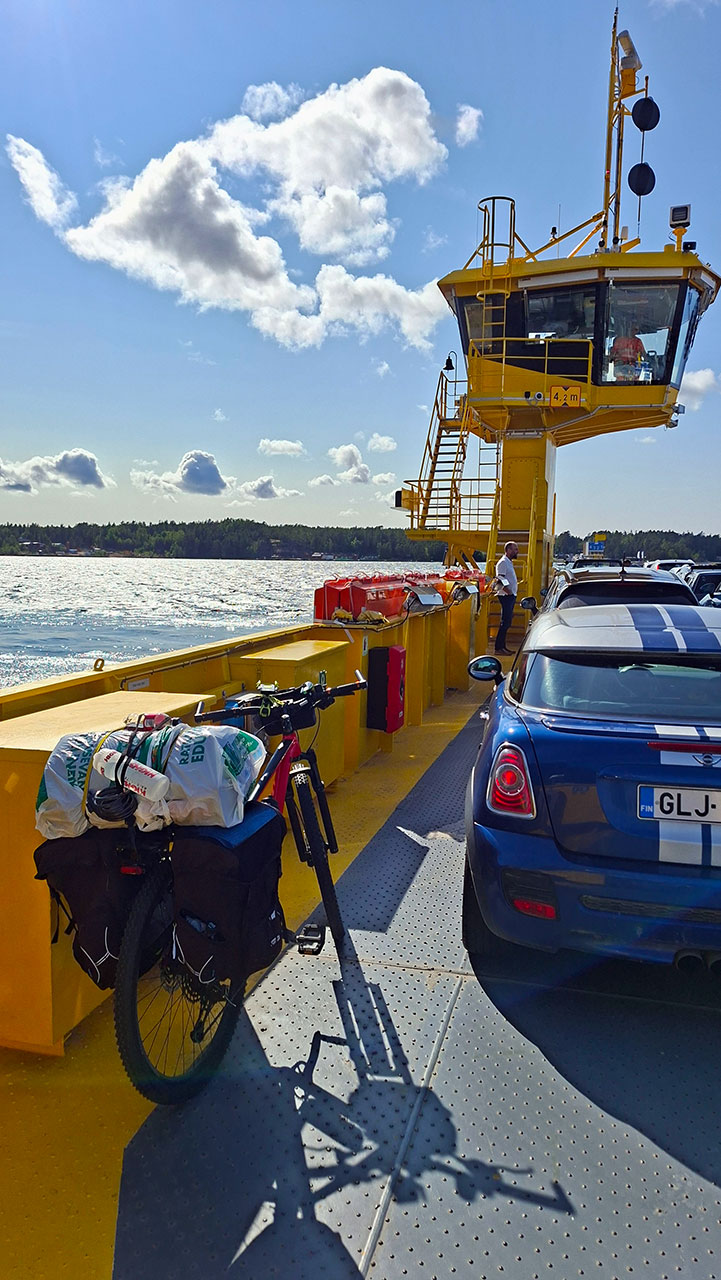
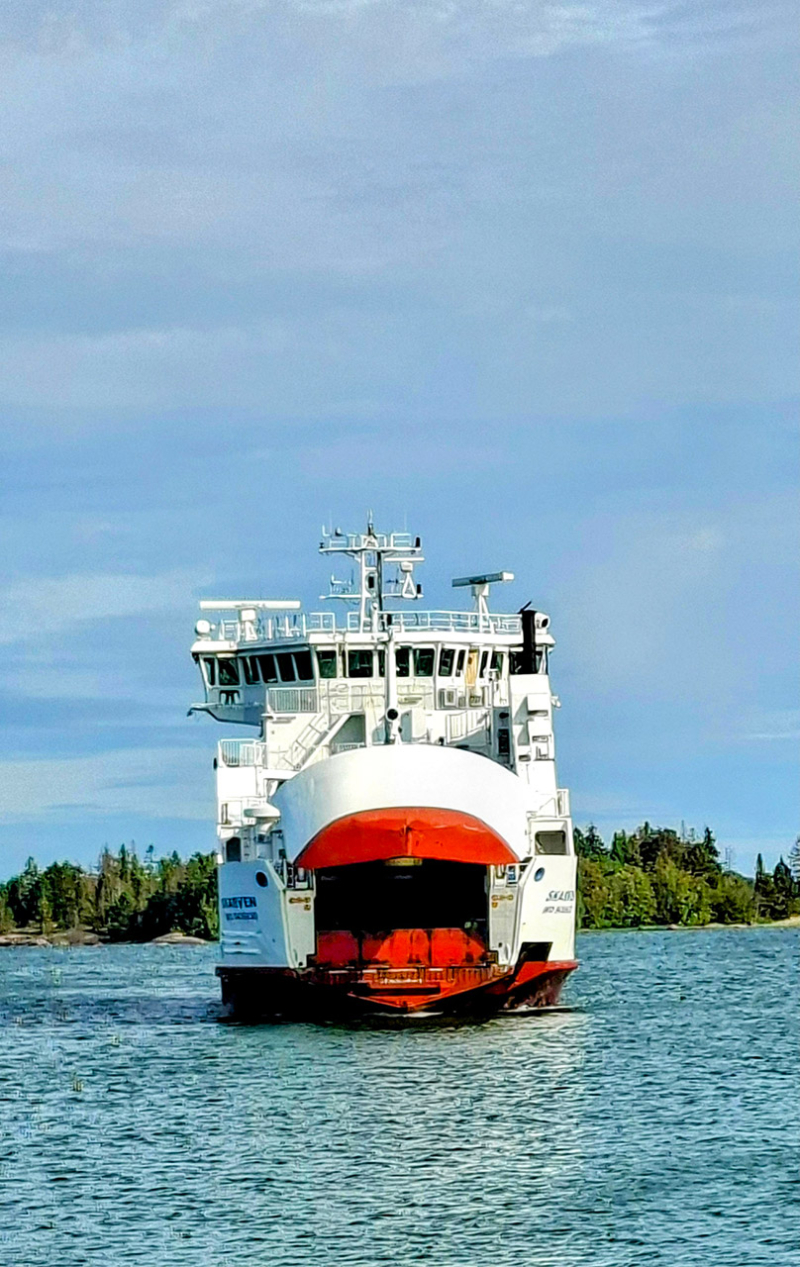
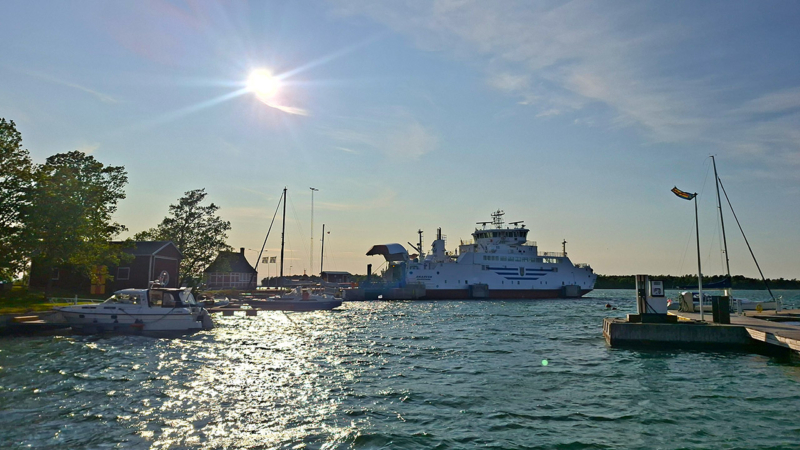
The next ferry, from Rymättylä to Nauvo (Nagu), took about an hour and cost me €10. Altogether, it was two ferries and two cable-ferry crossings in one day. And this is exactly why I love island cycling so much! Ferries are not just logistics — they give you a chance to pause. On the mainland, once you’re in the saddle, it’s hours of nonstop pedaling. But here? Ride–ferry–tea–cinnamon bun–wave-watching–ride again. The kilometers just slip by.
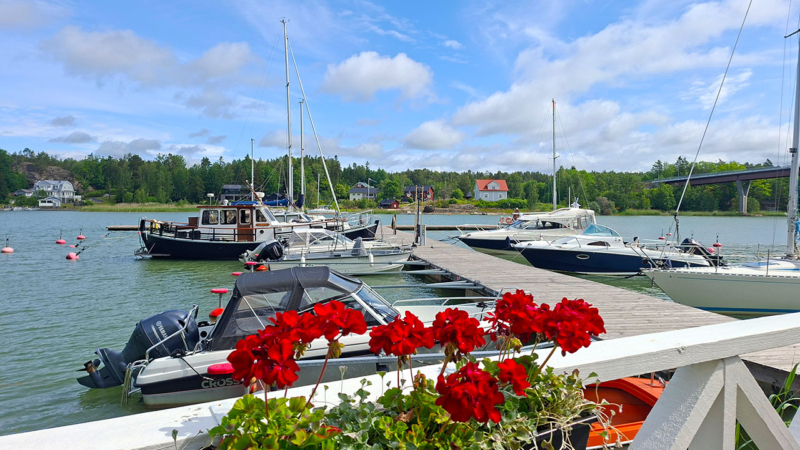
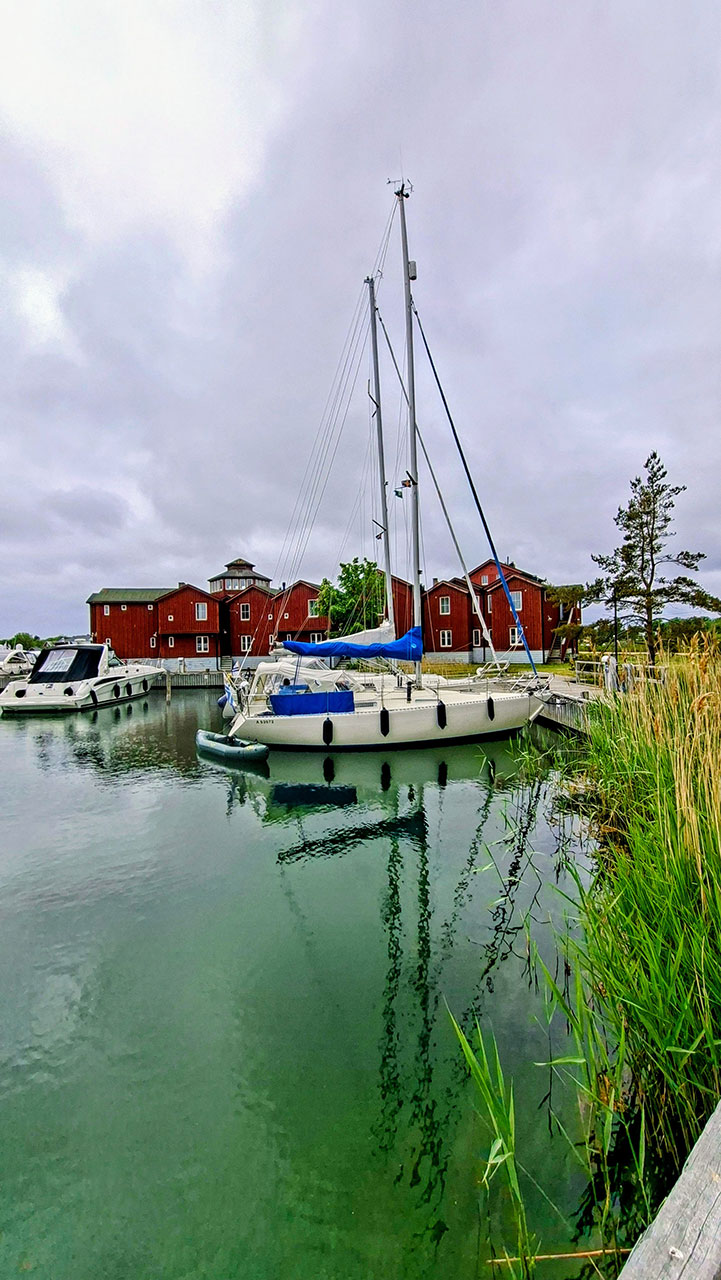
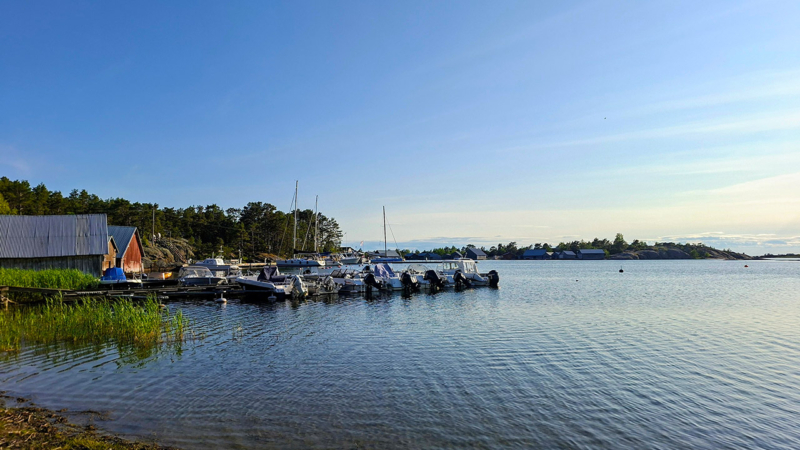
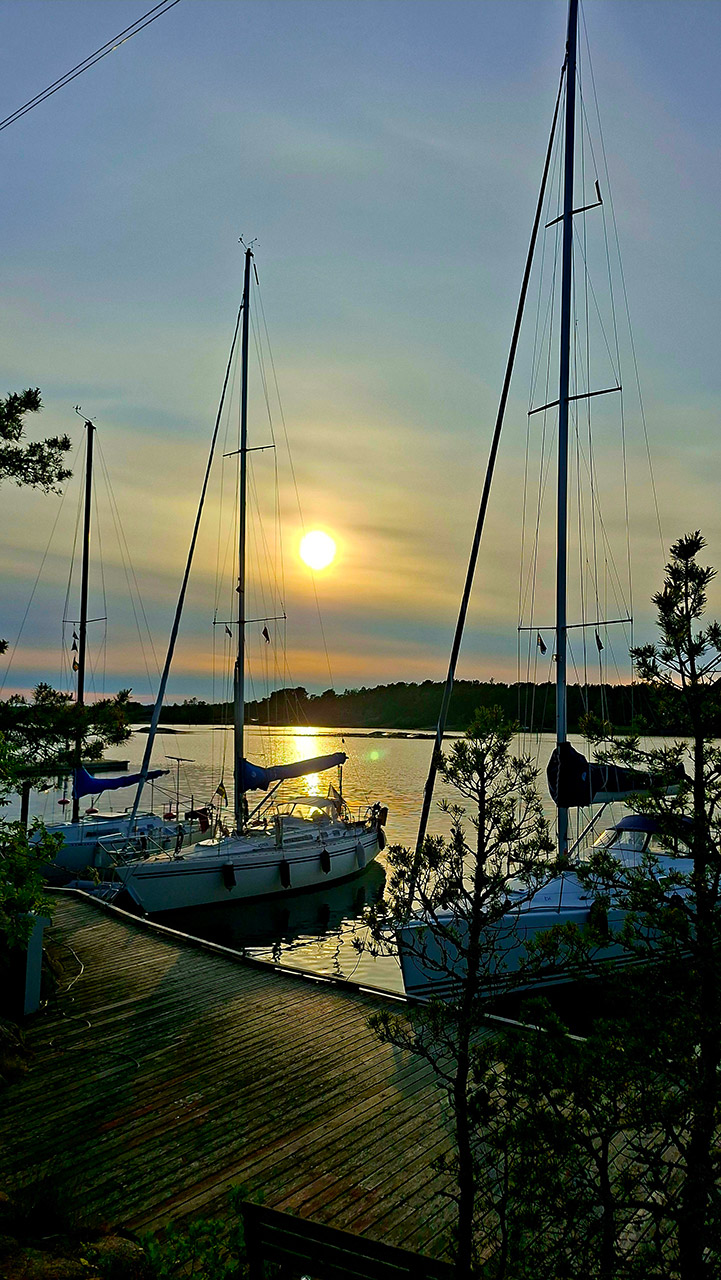
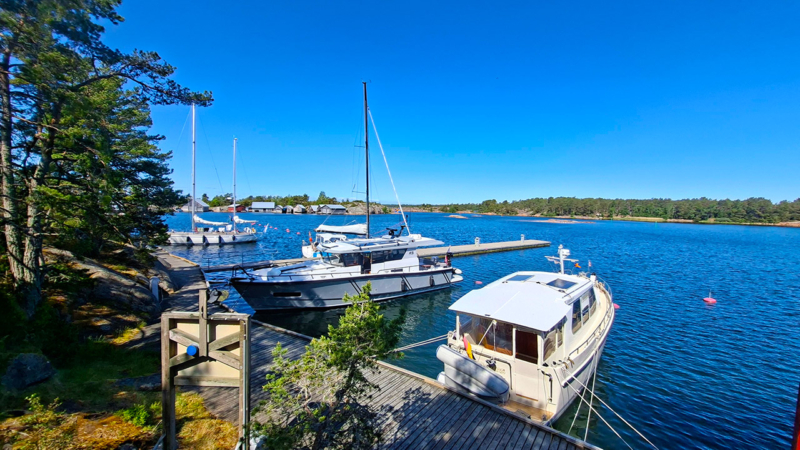
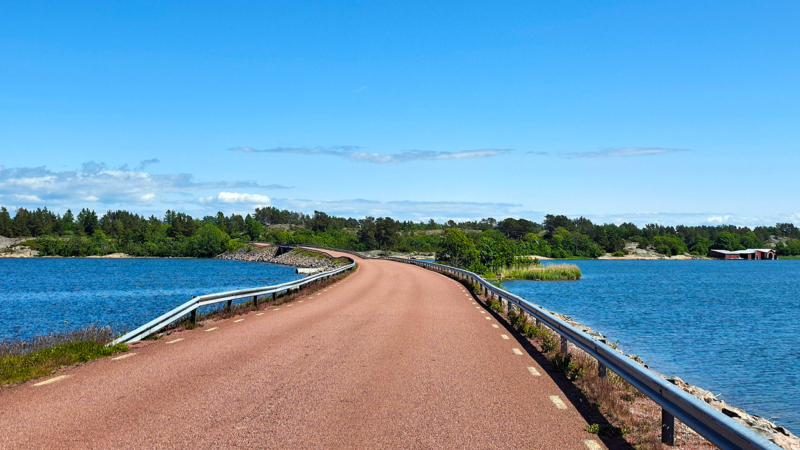
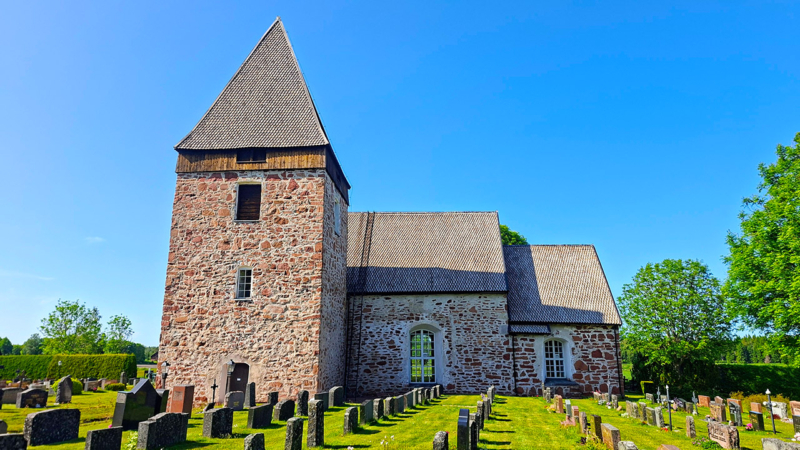
I haven’t reached the Åland Islands yet — today was more like a warm-up on familiar ground through the Turku Archipelago: small villages, quiet crossings, winding paths. Church spires give way to sailboat masts — everything here seems to stretch up toward the sky. Old wooden churches, favorite trails, water all around, typically high prices, and — for now — Finnish still being spoken. On Åland, as we know, only tourists use Finnish.
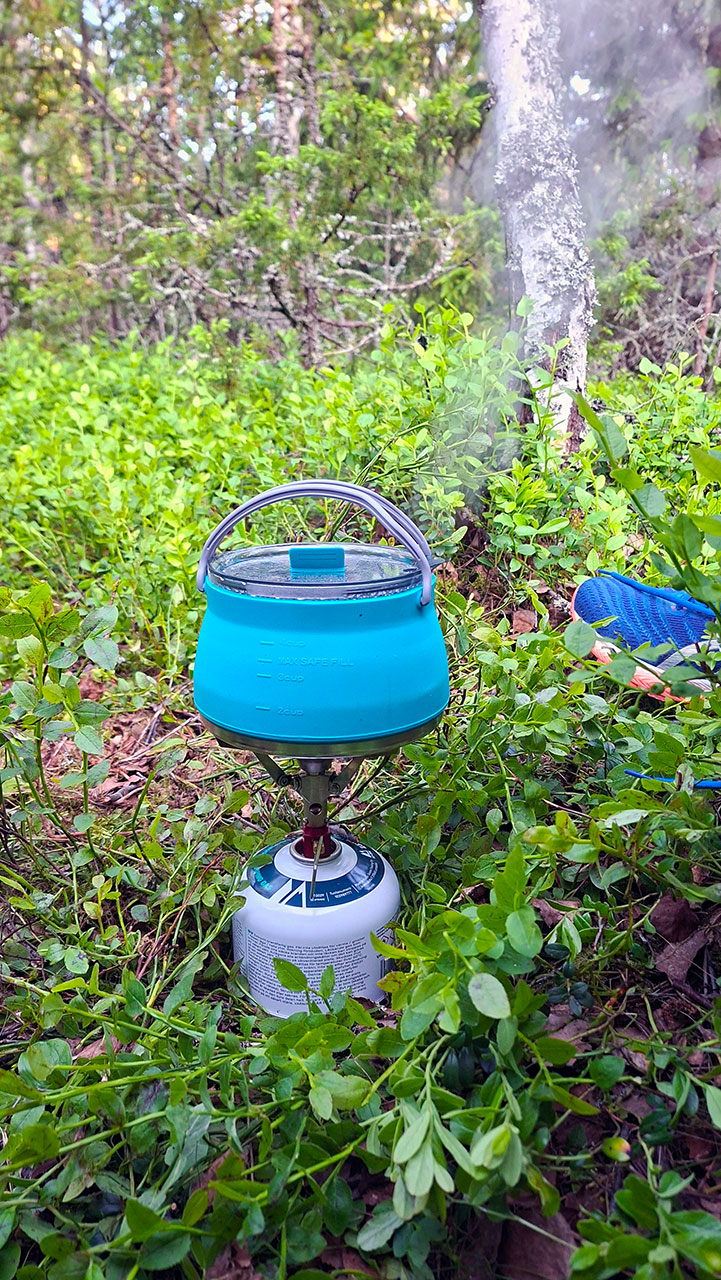
Back home in Lahti, it had been raining all day, but I was lucky — the weather stayed surprisingly sunny, though I did have to pull on my jacket a few times. I decided to wild camp for the night. On the first day, I can do without a hot shower or kitchen — I still had plenty of food supplies with me.
So those were my first impressions: the road, the sea, and that wonderful feeling that everything is just beginning.
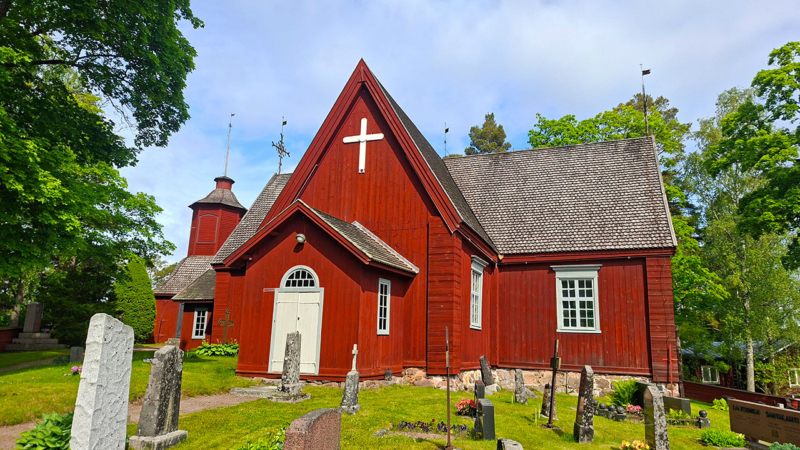
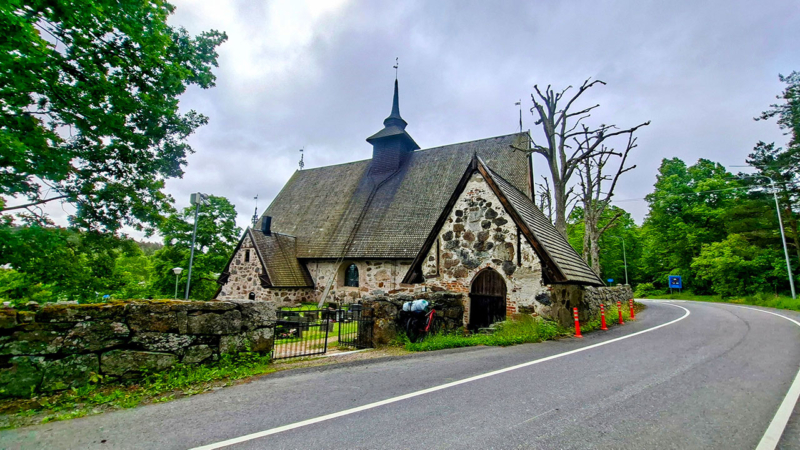
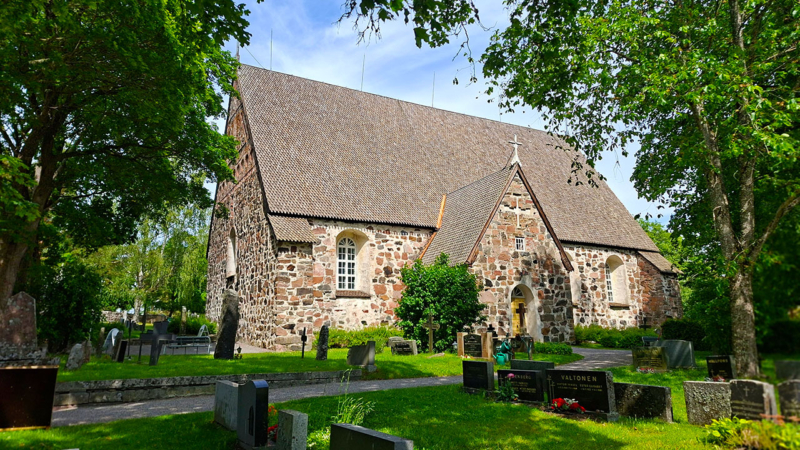
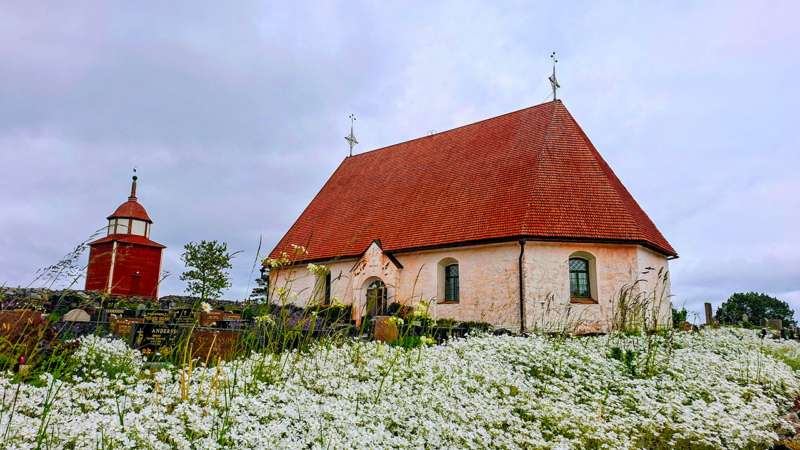
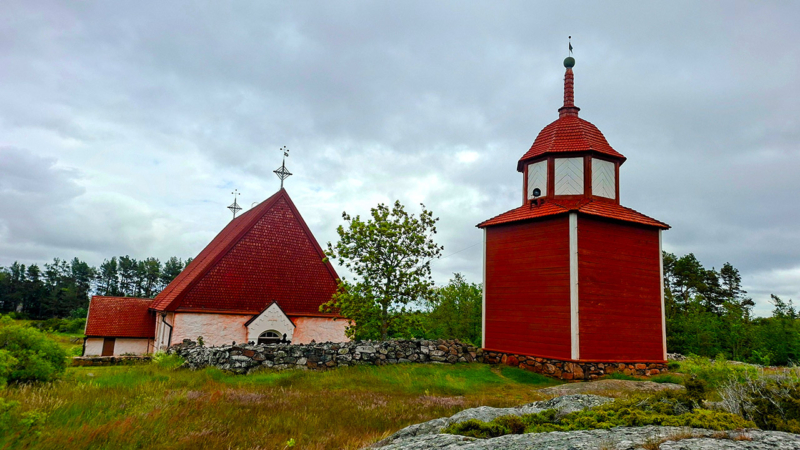
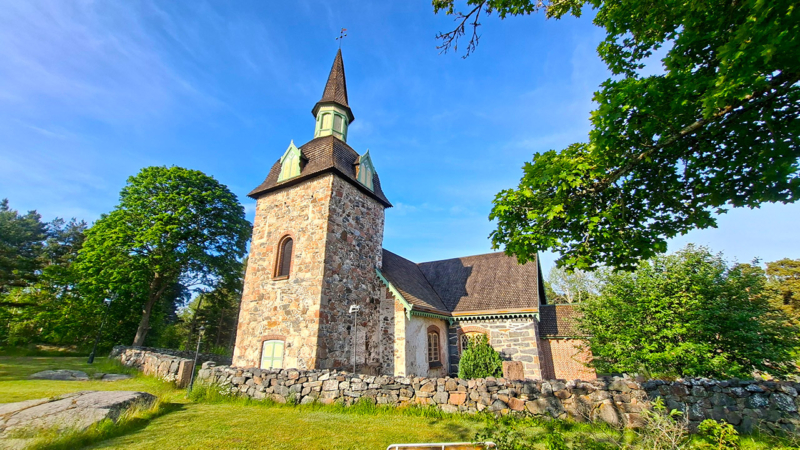
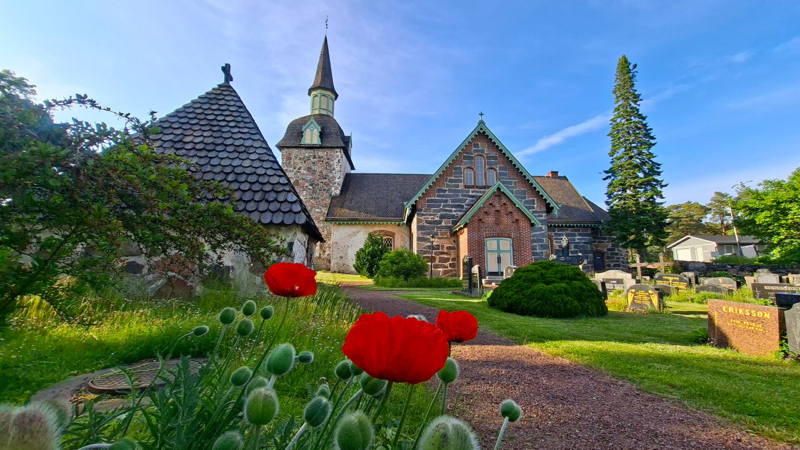
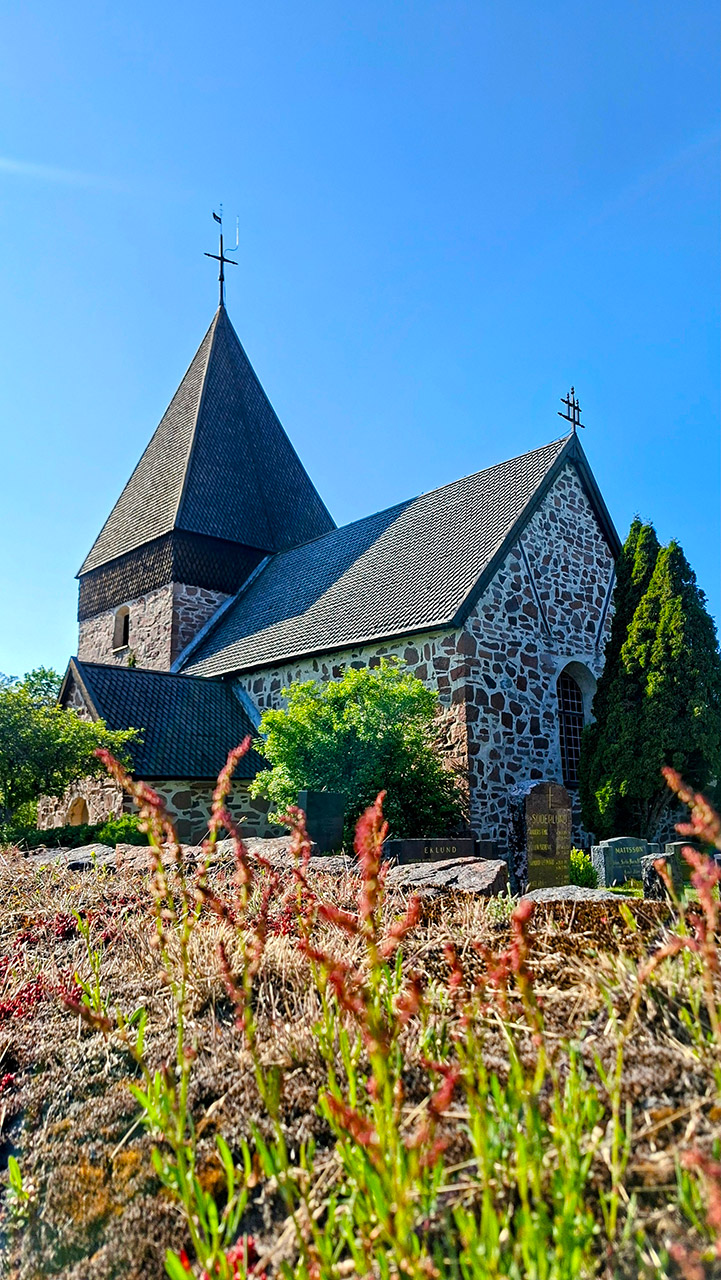
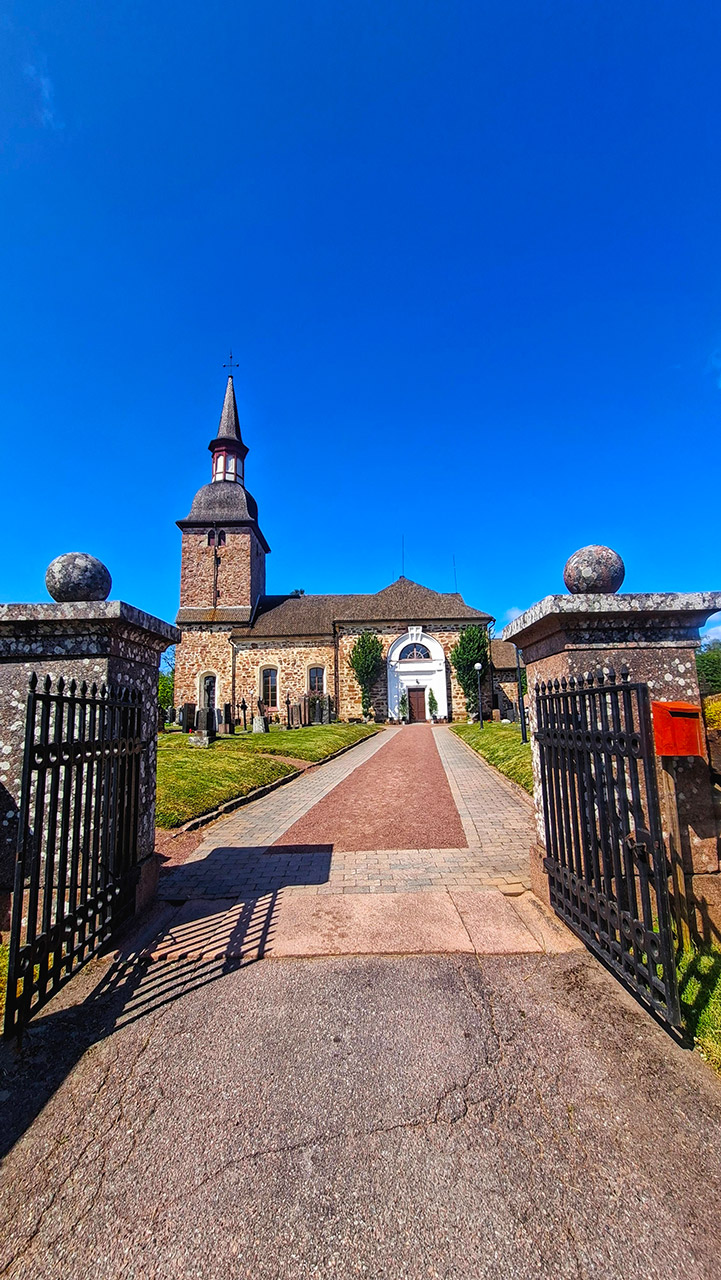
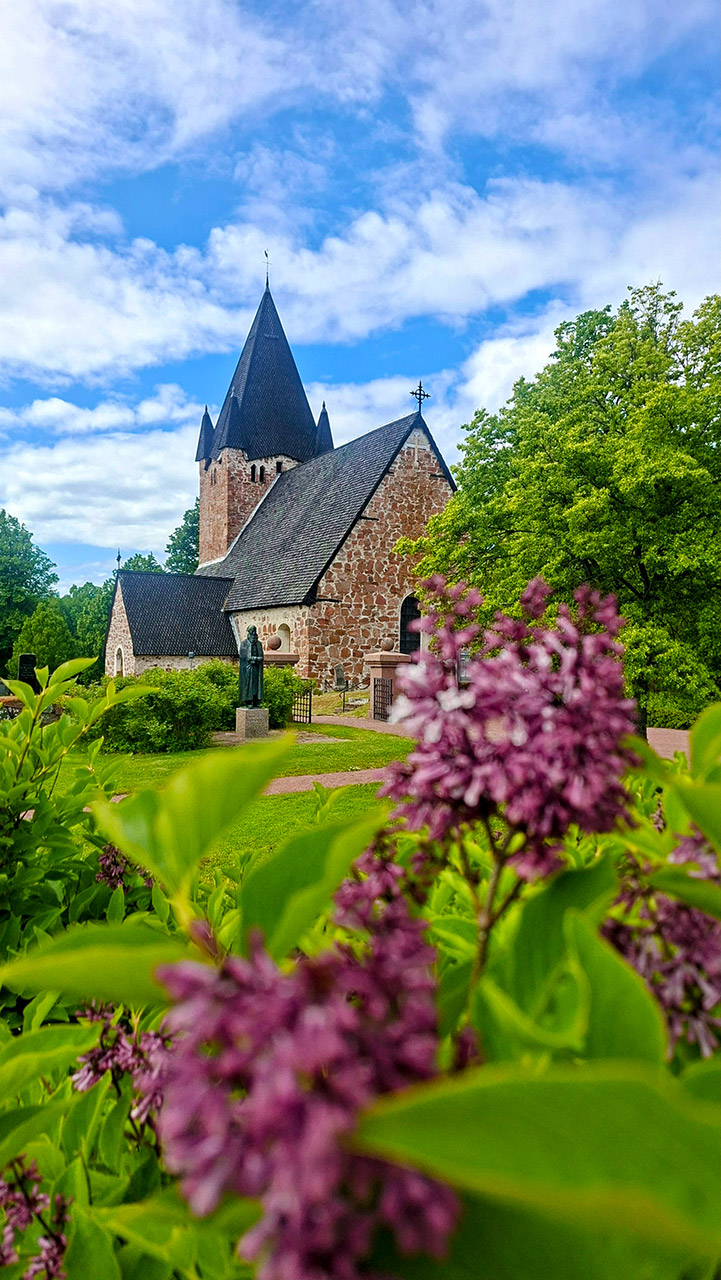
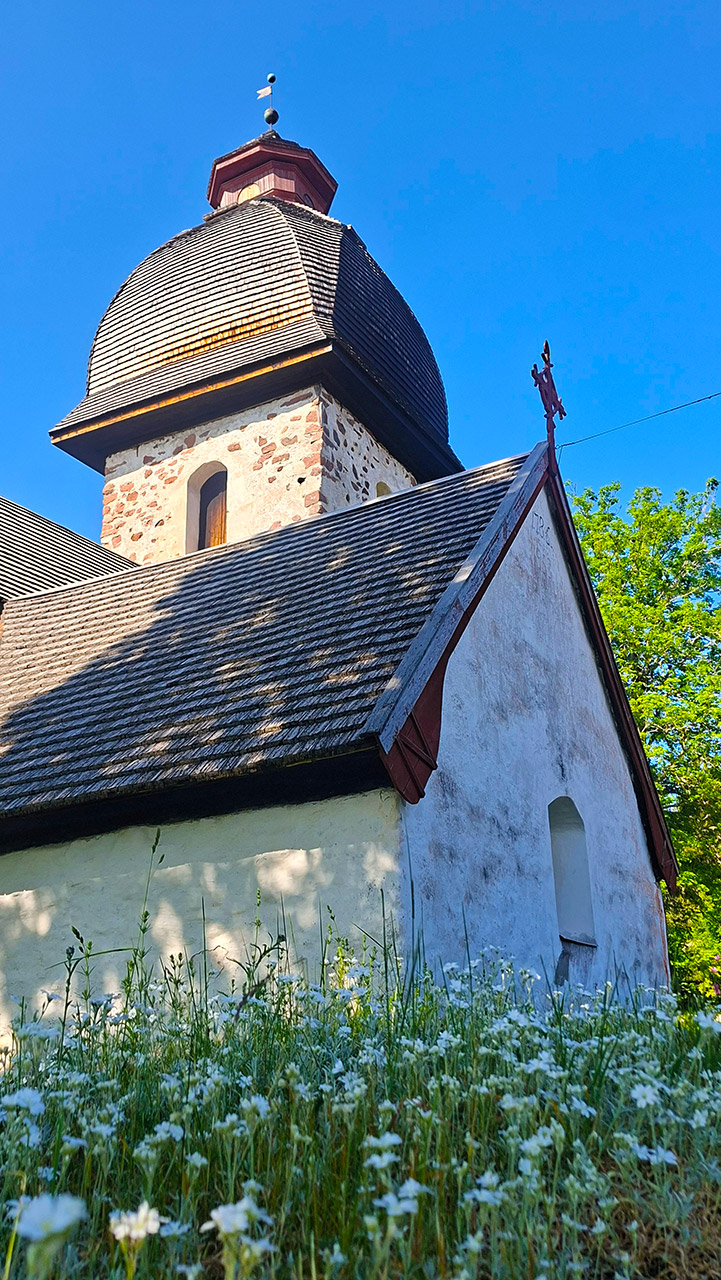
The photos? Medieval churches of Nauvo and Korpo, my beloved little red church in Merimasku, and all the scenic views along the way.
Day 2 of 5: 43 km + 4 ferries. Korppoo – Kökar – Föglö – Lumparland
I woke up early and spent almost two hours waiting for the ferry to the easternmost inhabited island of Åland — Kökar. The first departure was at 9:50. I found a cozy little spot sheltered from the wind and soaked in the morning sun. It felt like a warning — by noon, the sky opened up and rain started pouring.
The ferry ride took 2.5 hours. Unlike yesterday’s tiny crossings between dozens of small islands, dotted with summer cottages inherited by the lucky or bought by the wealthy, today I had to cross real sea. Open water, waves, wind — the serious stuff.
By 1 p.m., I finally arrived on Kökar — a remote and scenic island, lost in the middle of the Baltic. People have lived here since the Bronze Age. Humans are a strange species — almost like cockroaches. You’ll find us everywhere. In the 14th century, Franciscan monks founded a monastery here. Now only ruins remain, but the Church of Saint Anna, built in the 19th century, is still standing and quite picturesque. There’s also a little museum and a charming harbor. I had three hours until the next ferry, so I cycled every corner of the island — only 25 km in total. The island is 64 km², and the population is around 250 people. Pretty much the middle of nowhere — but a rather sweet and peaceful one. If only it wasn’t +12°C, with stormy winds and endless rain…
And then, of course, things started going off-plan. I’m usually a master planner, but sometimes surprises just happen.
I was on the ferry heading from Kökar toward Mariehamn, with two stops along the way. My stop — Föglö — was the second one. The first one came and went smoothly. I went downstairs to get my bike, waited… waited… and suddenly realized — we were sailing right past it!
I ran to the crew, completely panicked:
— “What’s going on?!”
— “Well, no one asked for a stop.”
Turns out, this ferry only stops on request. And how was I supposed to know that?!
Time to switch into emergency mode. I checked and saw that I could still catch another ferry from a different harbor — it left about 30 minutes after we docked. I dashed off the ferry and cycled 10 km as fast as I could. I made it!
But… the ferry was late. 35 minutes late. It was already evening, and I still needed to reach the main island somehow before nightfall.
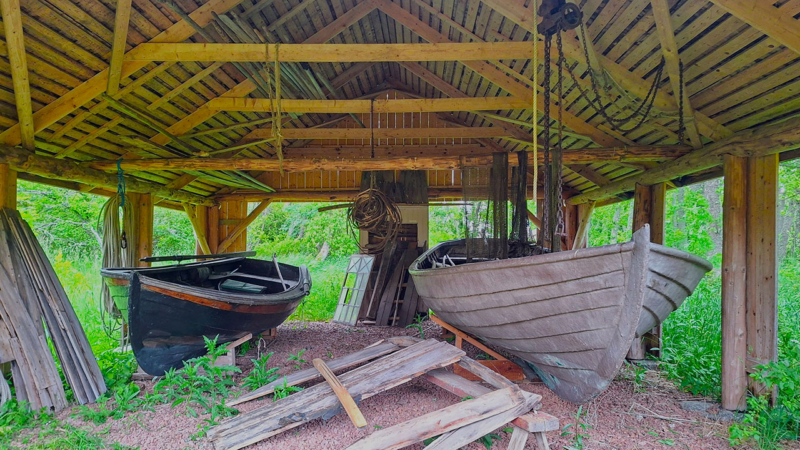
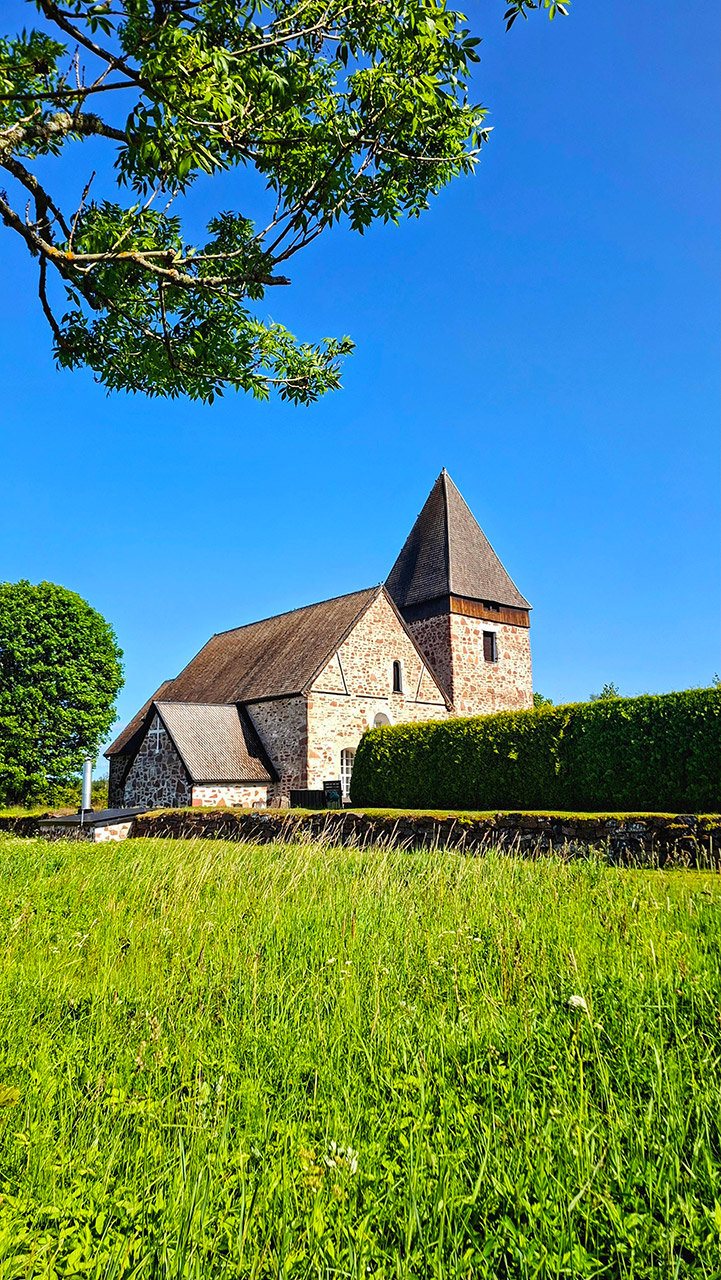
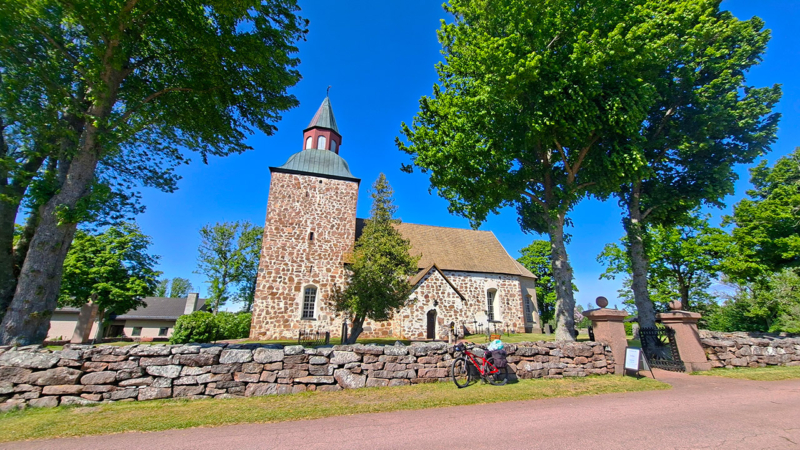
For a moment, I wondered if it was even worth the detour to Föglö anymore. But I’m so glad I went — even if it was just for an hour. The 14th-century church there is an absolute gem! There are also lots of old sea-themed buildings. Only 550 people live on the island, but thanks to its proximity to the Åland mainland, it gets a fair amount of visitors.
A fun fact about Föglö:
In 2010, divers discovered a sunken two-masted schooner from the 19th century just off the coast. Onboard? 145 bottles of champagne. One of them was later sold at auction for €30,000.
Experts who tested and tasted the bottles declared the champagne “undrinkable” — it had three times too much sugar (140 g/L) and only 10% alcohol. They guessed the cargo was heading to St. Petersburg — apparently, Russians have always liked their sparkling sweet.
That night, I stayed in a place called Svinö — which literally means “pigsty.”
This time, I treated myself: instead of pitching a tent (€25), I got a cabin with electricity for just €35 — and even had free access to the sauna!
Surprisingly, cycling around Åland is very budget-friendly. The ferry from the Turku Archipelago to Kökar cost me only €6. That same ticket covered all the way to the next stop, no extra fees. And the round trip to Föglö was just €5.
Pretty good deal, don’t you think? Especially for such a complex island-hopping route.
Day 3 of 5: 79 km — Fasta Åland from east to west
The third day of my trip is always the toughest physically. And this time, to make things worse, there was a hurricane-force headwind. Seriously, the wind was so strong I had to pedal even downhill.
Today I rode across Fasta Åland — which literally means “Mainland Åland.” Yes, the locals really call this island the mainland, even though it’s about 50 by 45 kilometers. Maybe they should make an Åland globe next — then they could declare independence from Earth itself.
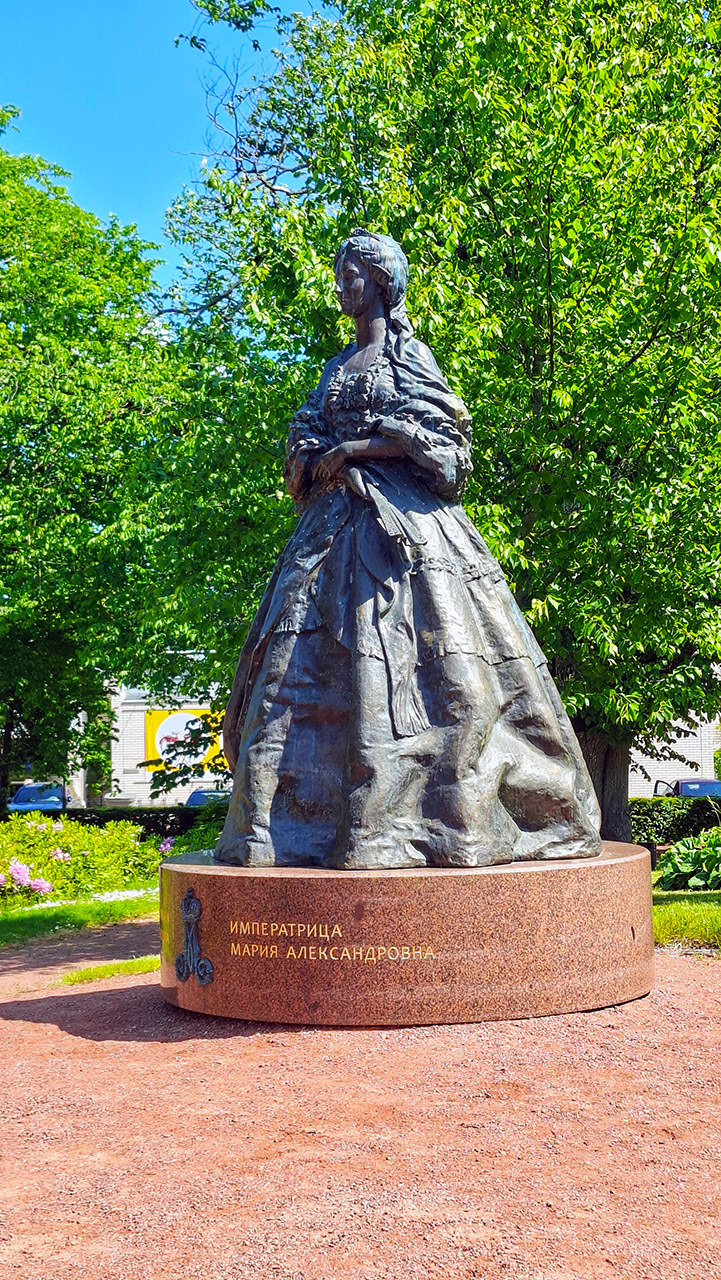
I crossed the island from west to east, stopping in Mariehamn and a few other interesting spots. In the center of Mariehamn, there’s a monument to Empress Maria Alexandrovna, wife of Alexander II. And there’s a good reason — the city was founded in 1861 and named after her: Maria + hamn (Swedish for “harbor”) = Maria’s Harbor.
The city itself — well, let’s be honest, it’s for those who like ports. There’s the harbor, piers, some historical buildings, and one pedestrian street. You can see everything in half an hour, including photo stops. The population is about 11,500 — that’s nearly half of all Ålanders.
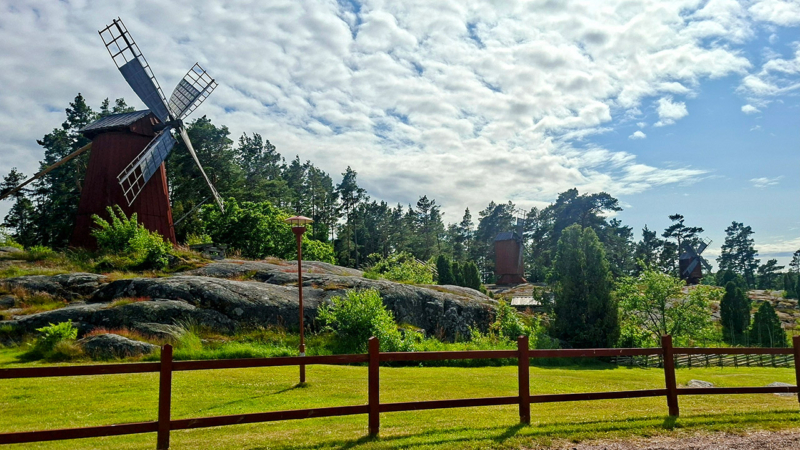
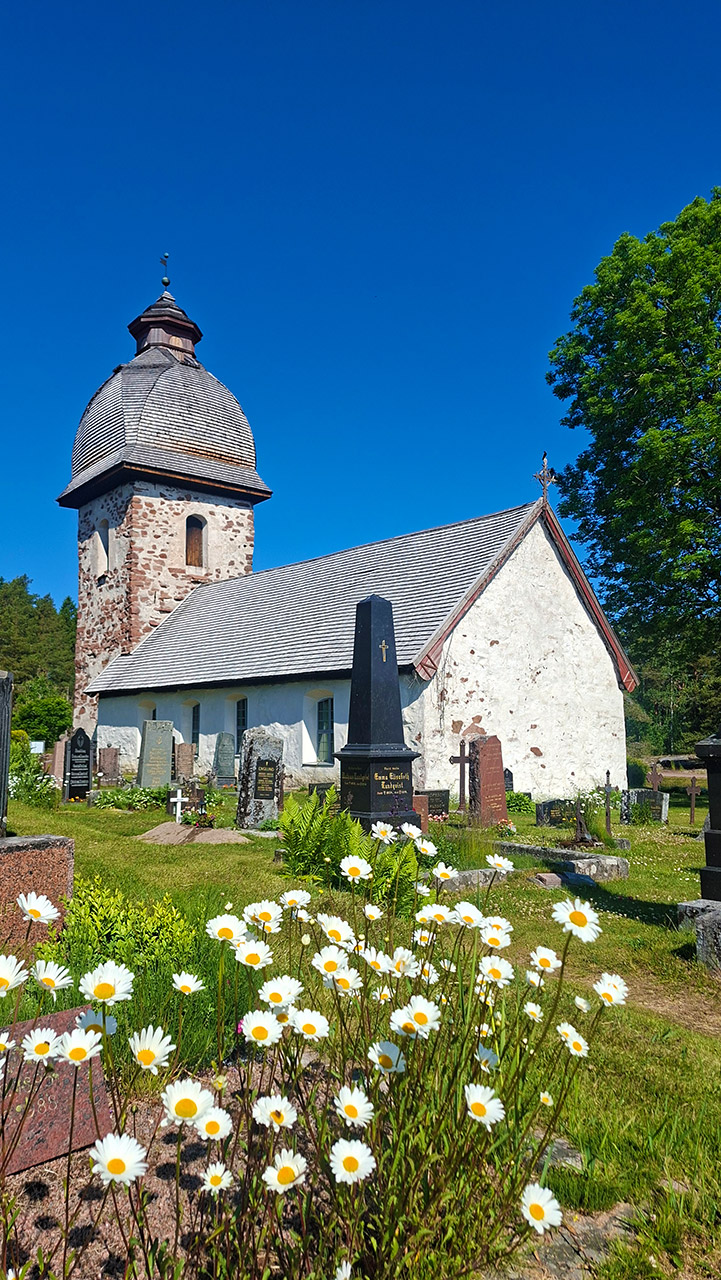
Sorry for the overload of churches in the photos, but they’re just too picturesque and diverse here. And I’m far from posting all of them! Honestly, there seem to be even more windmills than churches. Every tenth house has at least one, sometimes two.
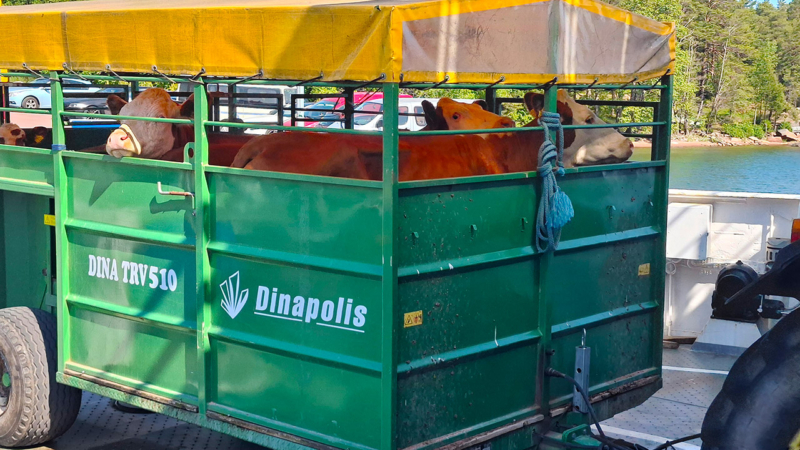
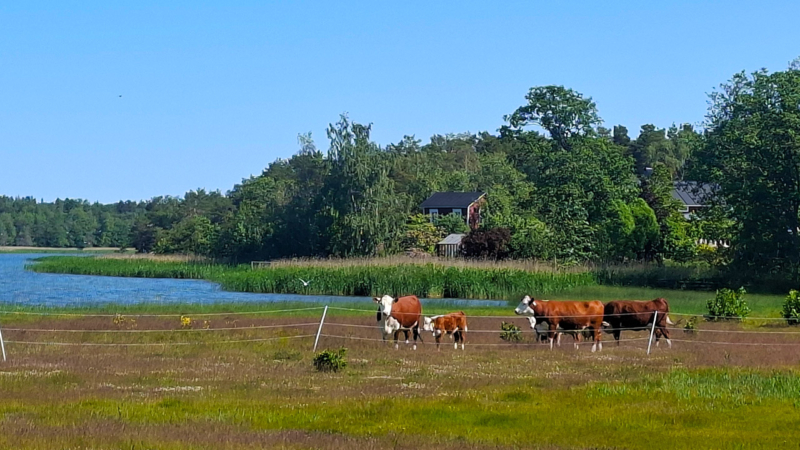
The landscapes are pure pastoral charm: neat well-kept houses, flood meadows stretching straight into the sea, and cows peacefully grazing with their legs in the water. The far west coast, especially around Eckerö, is indescribably beautiful — rocky shores, open views, and the Baltic Sea. It’s the perfect spot to watch sunsets… except sunsets here happen at 1 a.m., which is a pipe dream for an active cyclist.
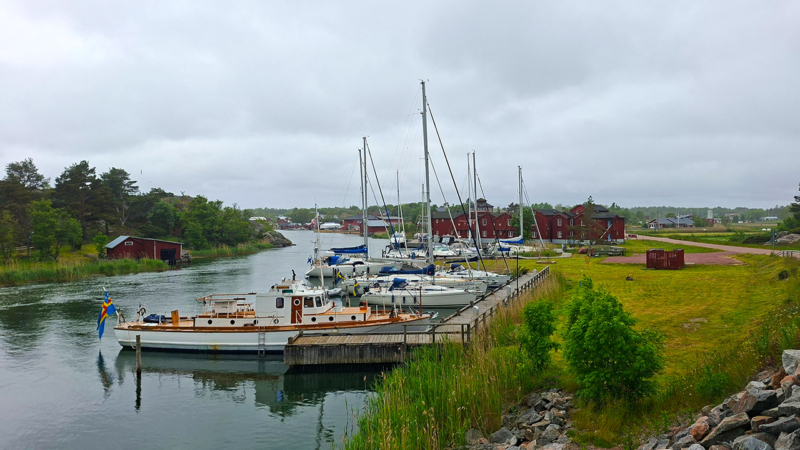
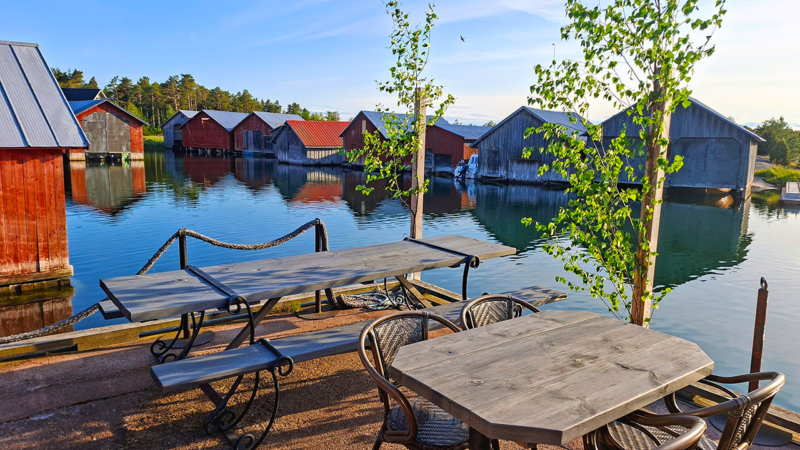
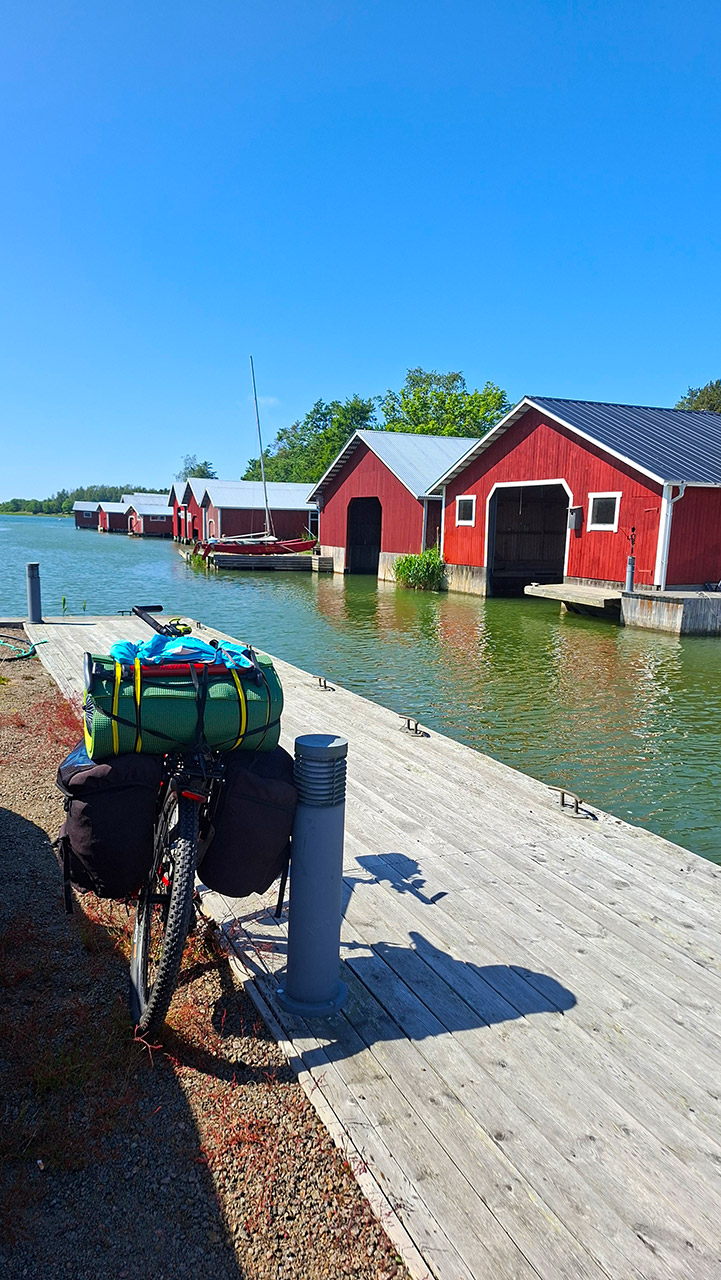
That night, I camped again — tenting cost just €16, which seems very reasonable. The coast here is dotted with guest harbors, mini-hotels, campgrounds, and cozy restaurants. What really surprised me were the prices. After mainland Finland and especially the Turku archipelago, a dinner with a sea view and a glass of wine for €30 felt almost unreal.
I hadn’t planned to eat out at all, but… the holiday surprise: after lunch, all shops were closed, as is usual on holidays. Maybe something was open in the capital, but I was already 50 km away. So no luck — I had to become a gourmet on the fly.
Day 4 of 5: 79 km — Fasta Åland from west to east
I wanted to leave early, but the night rain changed my plans. I really didn’t want to pack up a wet tent, so I patiently waited for it to dry. In the end, I set off only at noon, which turned out to be not the best decision. Almost all interesting places here close around 4–5 pm, and you still have to get there.
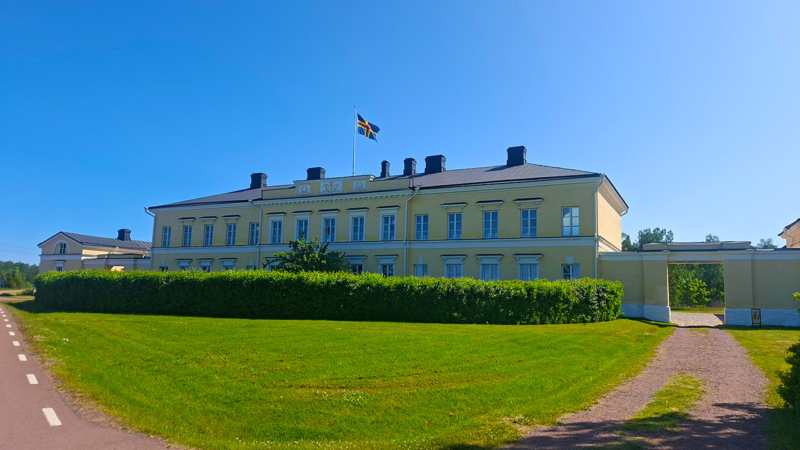
The first location of the day was impressive right away. Amid pastoral landscapes, at the very edge of Fasta Åland, stands a monumental building. It’s the postal and customs complex, built by order of Nicholas I in 1828 and designed by Carl Ludvig Engel — the same architect who created Helsinki’s Senate Square. The building looks truly majestic, but next to local farms, flooded meadows, and grazing cows, it looks like it was photoshopped in.
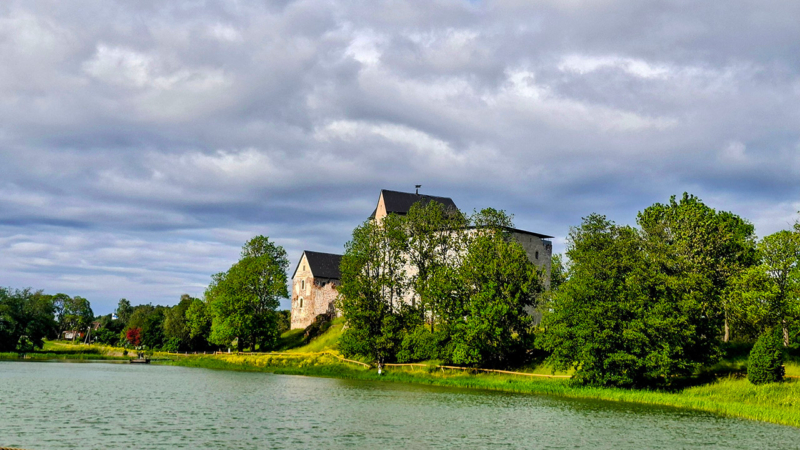
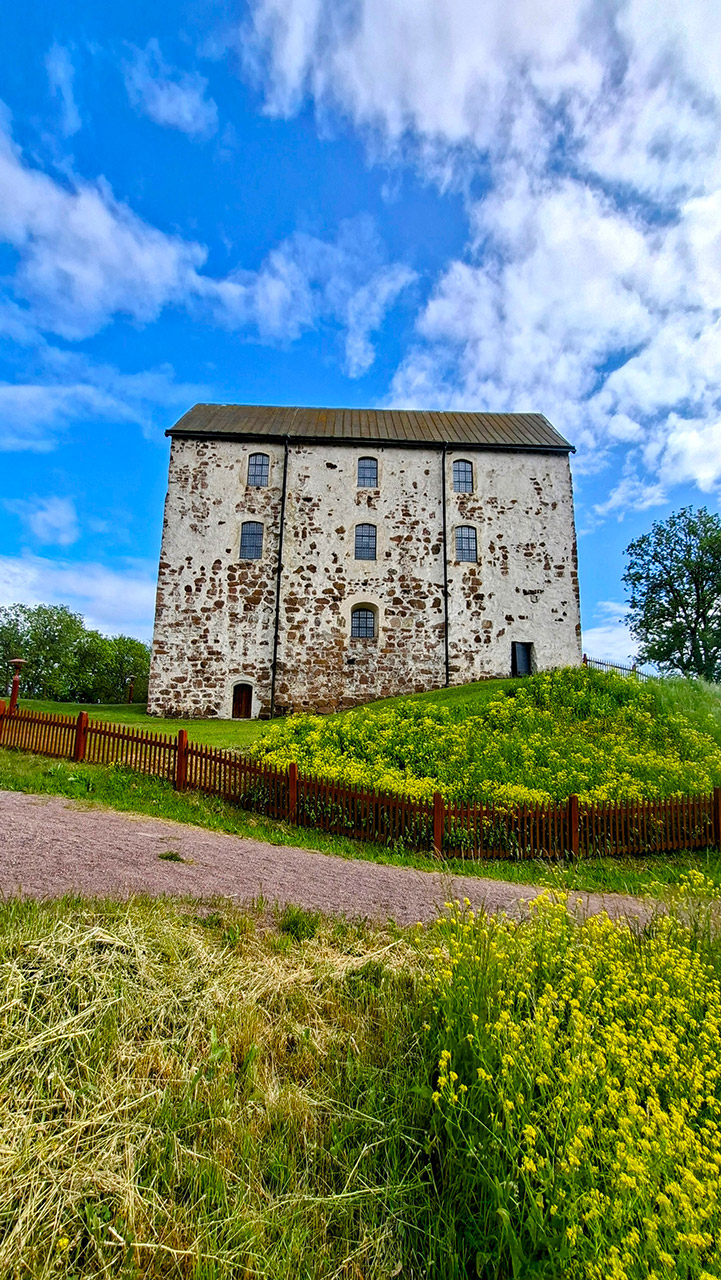
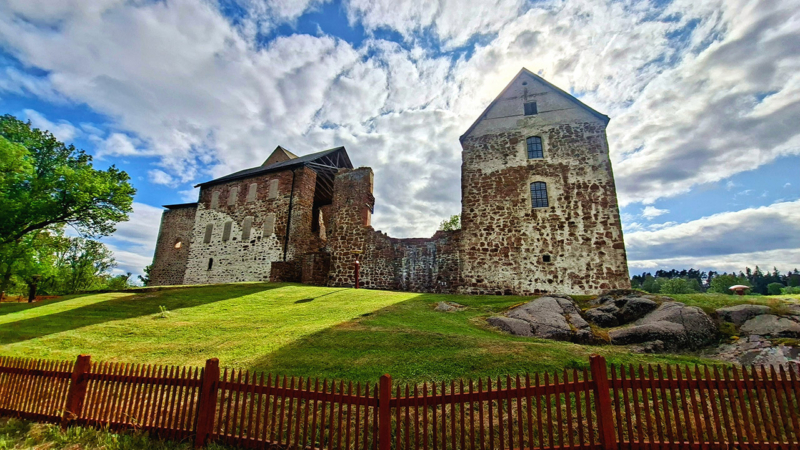
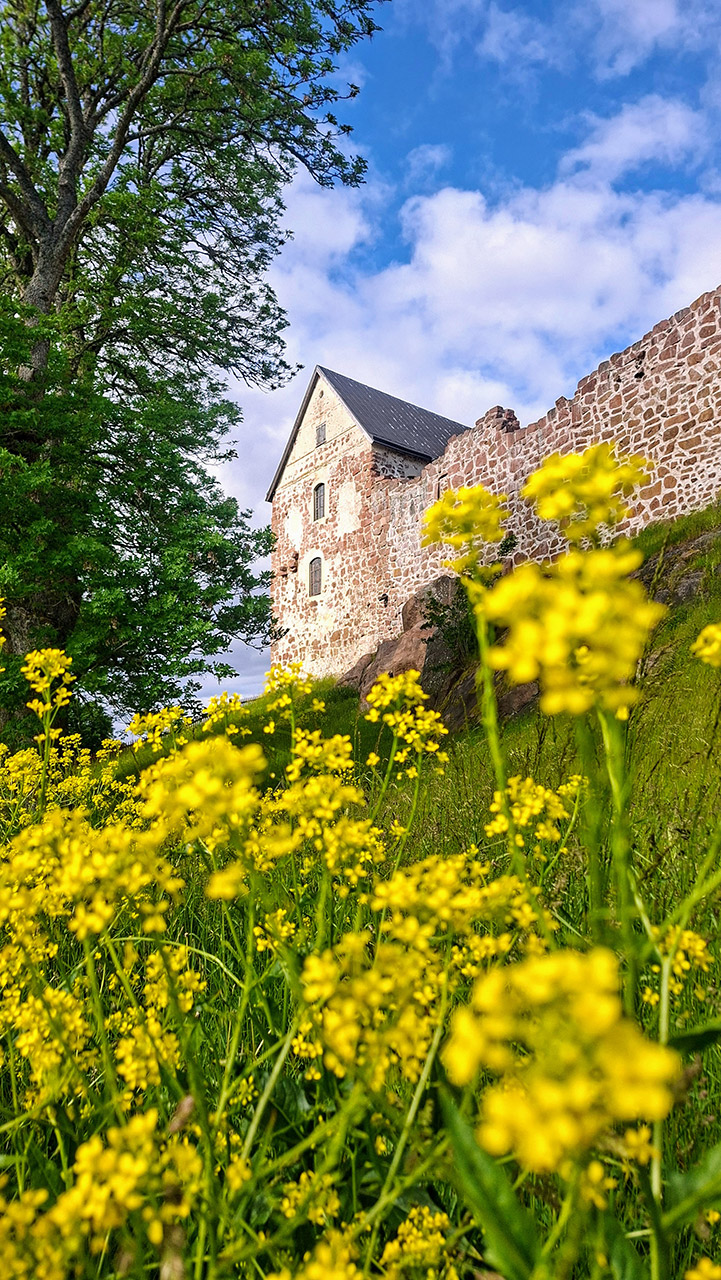
One of the must-see spots in Åland is Kastelholm, the only medieval fortress on the islands. Unfortunately, I only managed to walk around it outside — the museums were already closing. It was built in 1380 and is also known as the place where Johan of Finland, son of Gustav Vasa, was imprisoned. He was locked up by none other than his own brother, Erik, who became the King of Sweden. But power can drive some people crazy. Even his closest allies weren’t happy with him, and in 1568 Johan rose in rebellion right from prison with noble support and eventually became King of Sweden.
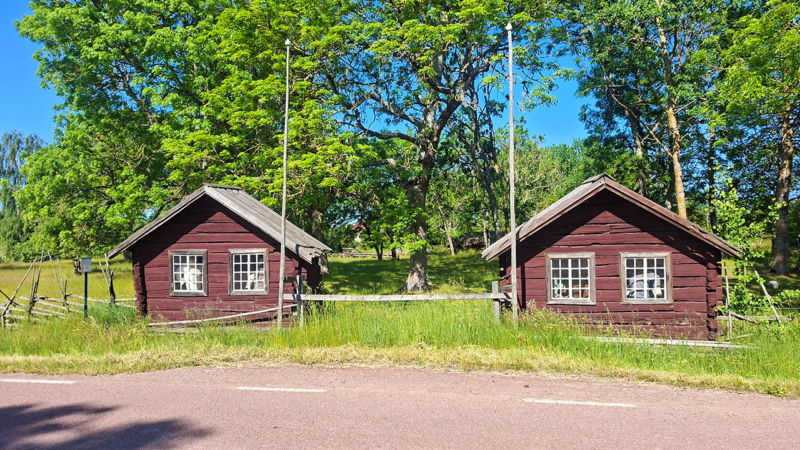
Next to the castle is an open-air museum, completely free and very pleasant. Highly recommended.
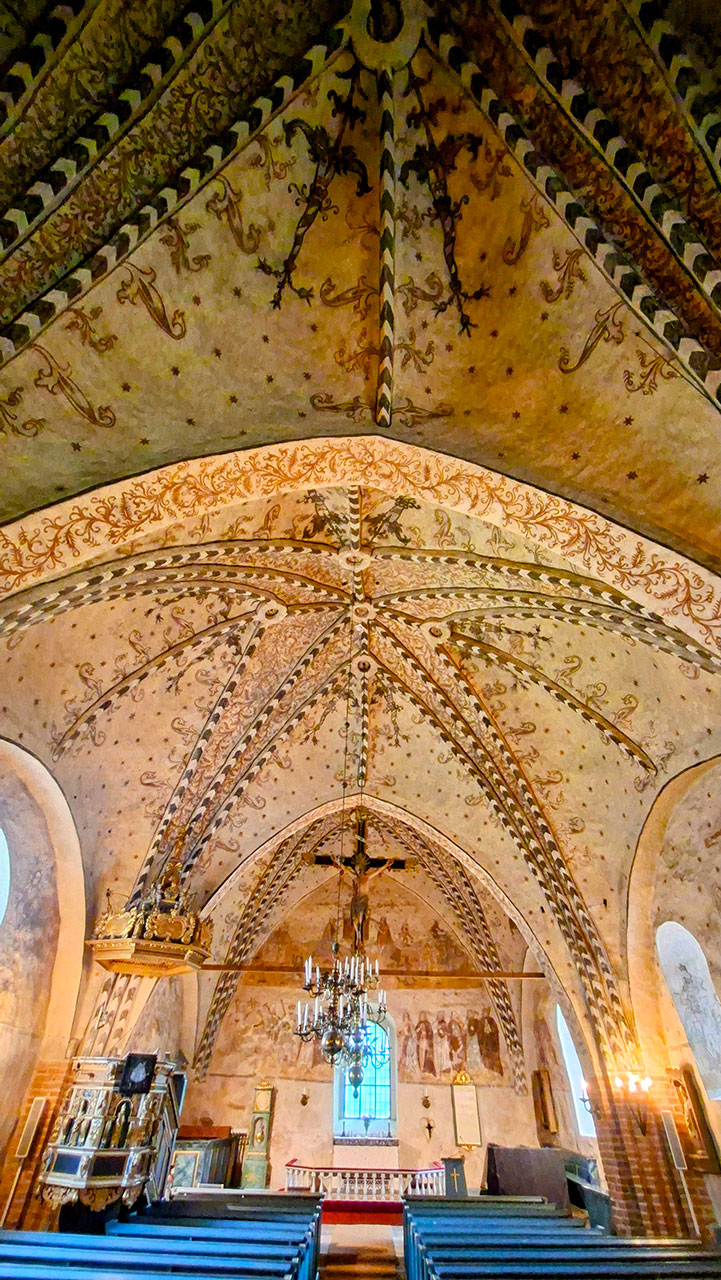
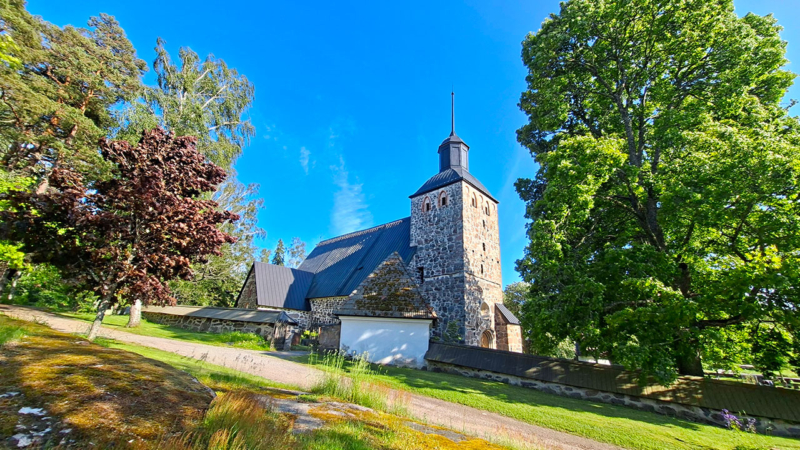
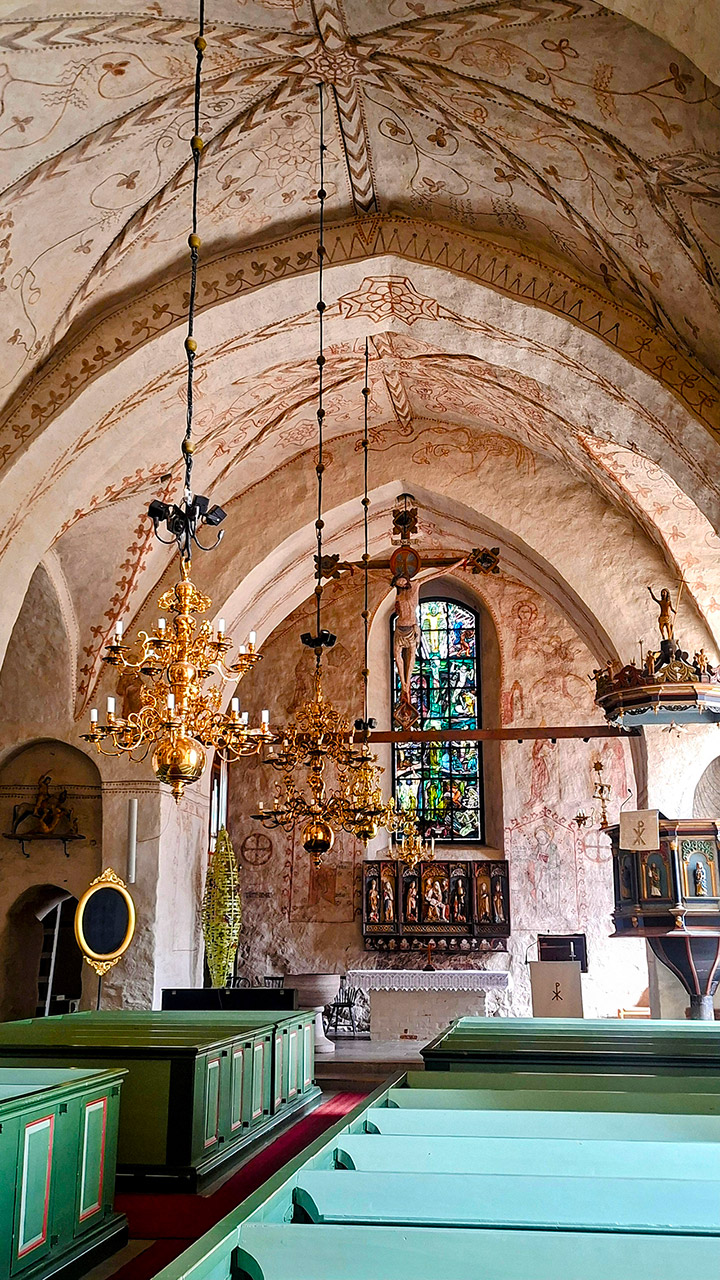
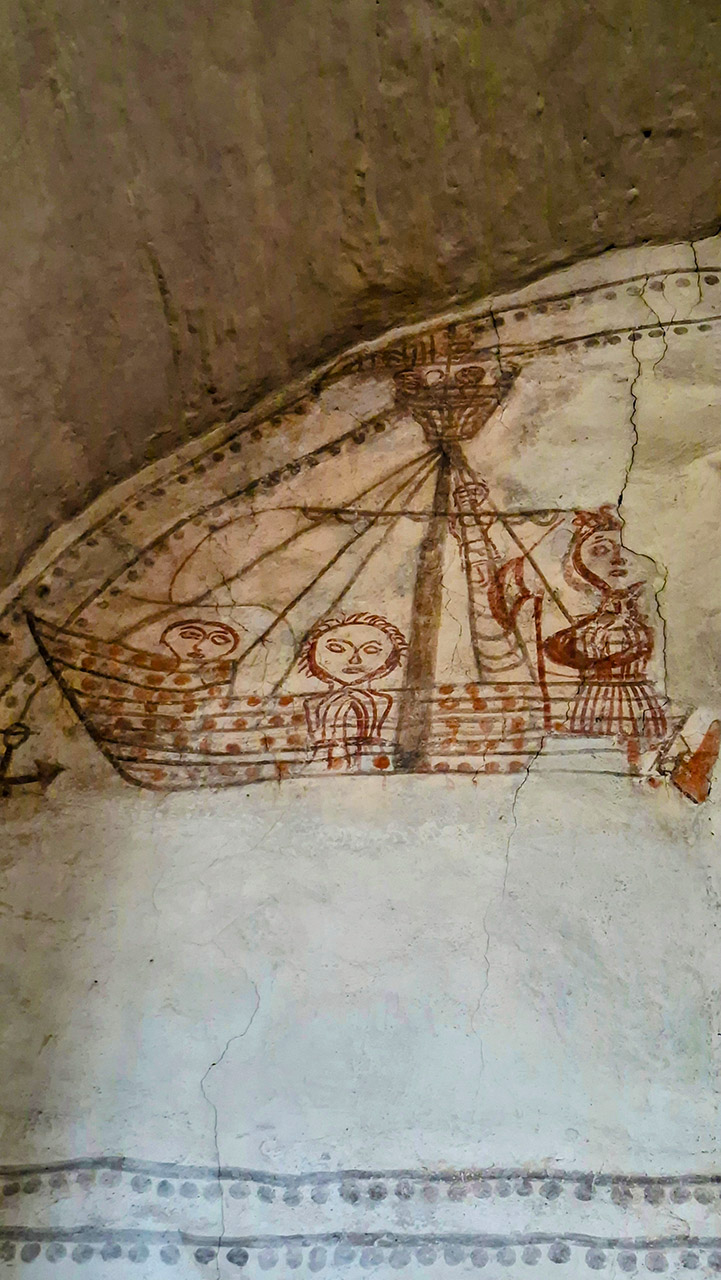
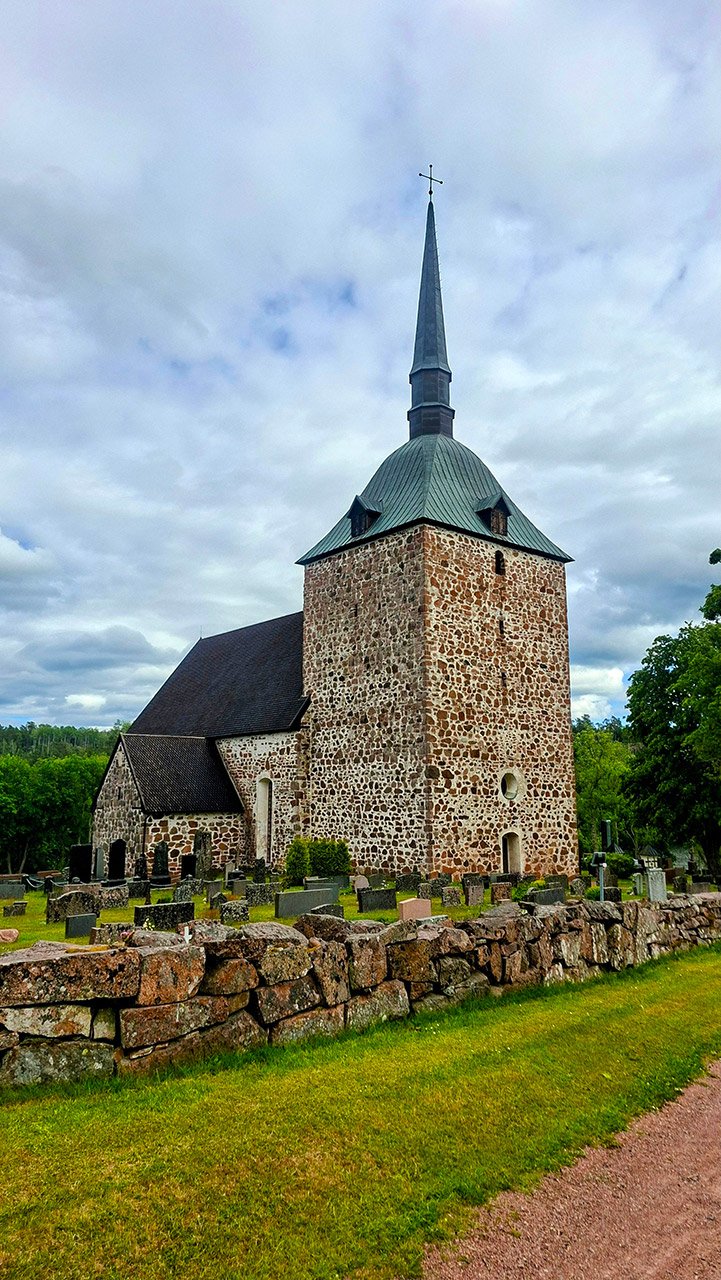
I want to tell you about one church in particular. In the village of Godby stands one of the best-preserved medieval churches — Finströms kyrka, dedicated to Archangel Michael, built around 1300. I was lucky to go inside, where original 15th-century frescoes have been preserved! The frescoes of Finström church are not “high” court art, but folk church paintings. They’re so primitive at times they even look funny. While Italy was experiencing the Renaissance and Giotto’s pursuit of perspective was long past, up here in the north, a dense primitive style flourished. I really enjoyed admiring the art of the Åland masters.
The day was so sunny that I got sunburned on my knees. In the evening, I left the Åland “mainland” and moved to a neighboring island, from where I’ll start heading home tomorrow. The logistics, as always, were “perfect”: the first ferry was almost at noon, so if I’m lucky, I’ll get home by midnight.
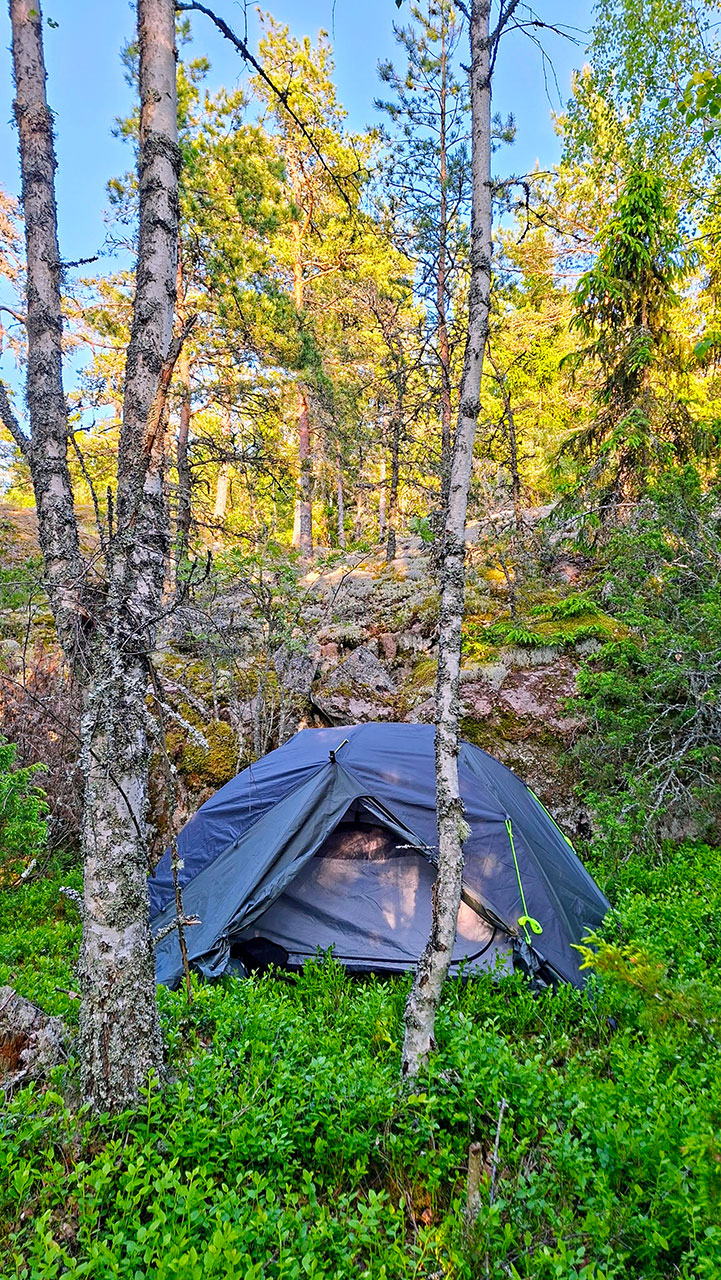
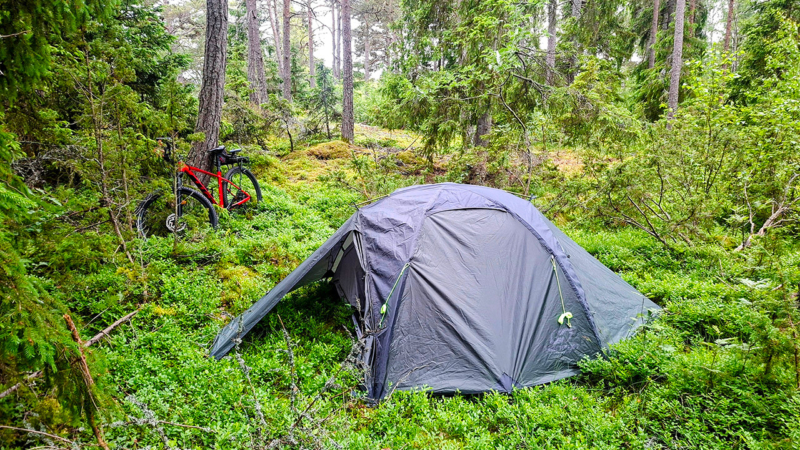
I mentioned before that wild camping is forbidden on Åland. Well… this time I broke the rule. On principle! The campsite was 600 meters away, but my own stinginess pulled me into a blueberry clearing. Such a small act of civil disobedience by me.
Day 5 of 5 : 65 km. Vårdö - Tursholma - Brändö - Åva - Kustavi - Taivassalo - Hakkeenpää
Three ferries — no joke. First 2.5 hours, then another 1.5 hours, and finally 30 minutes. Considering their schedules, I got home exactly at midnight, just as I had predicted.
This part of the route was supposed to cost 6 euros, but… no one charged me. I asked other cyclists — they had booked and paid online in advance. So I basically rode as a stowaway. Not just any day, but a day of financial victory.
This day was all about seagulls. They followed the ferry, perched on the rails, circled above the water, and appeared in my photos more often than I did.
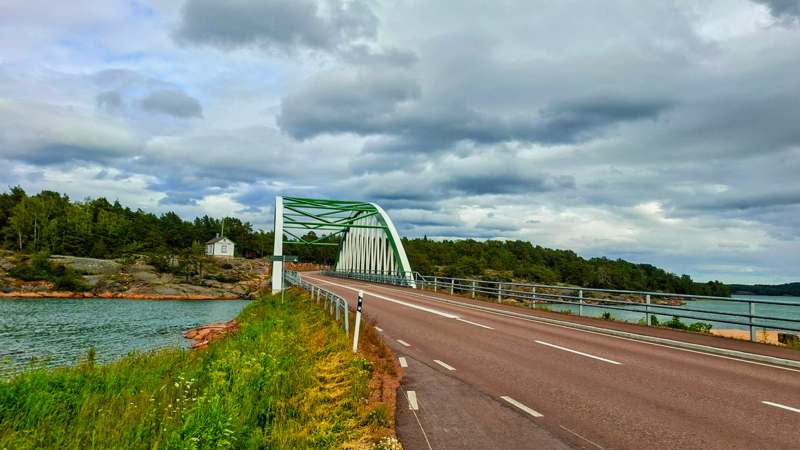
Brändö was the last Åland island on my route. Although calling it a single “island” is a stretch. It’s actually a municipality of over 1,000 islands, islets, and rocks. Only eight are inhabited, connected by bridges and causeways, forming a picturesque 27 km chain. Not much to see here except the landscapes and one rather dull church.
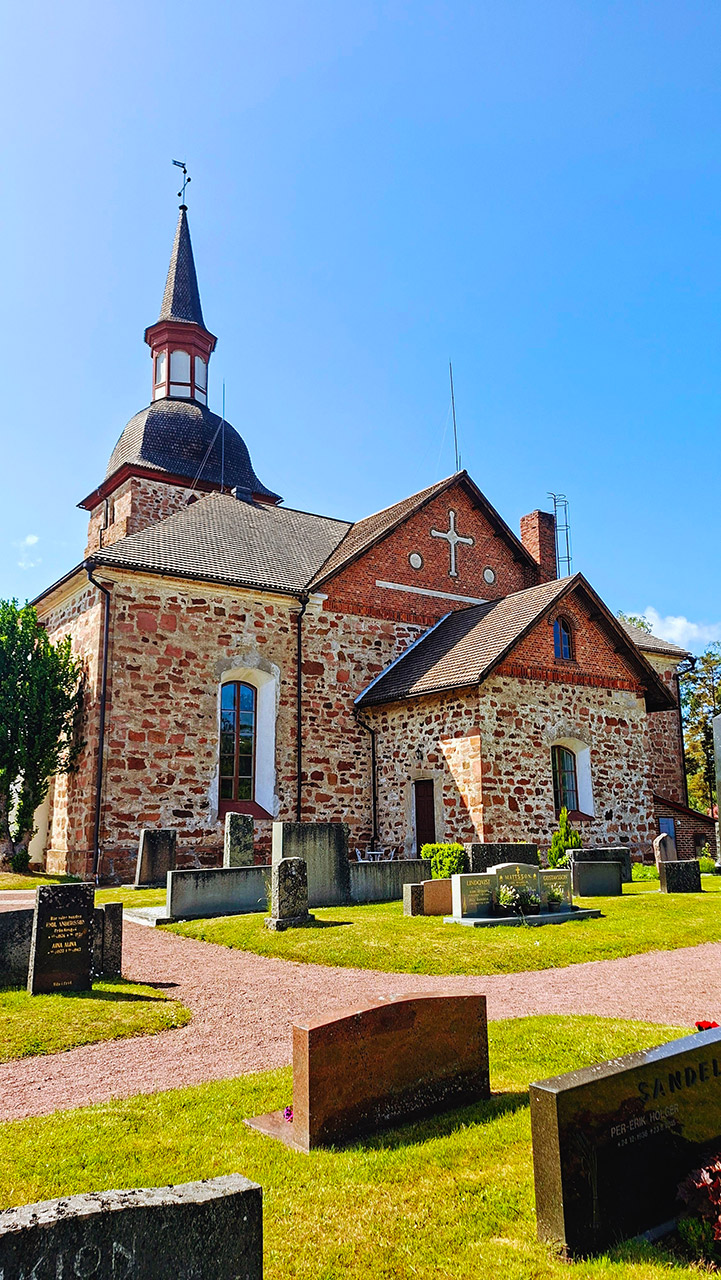
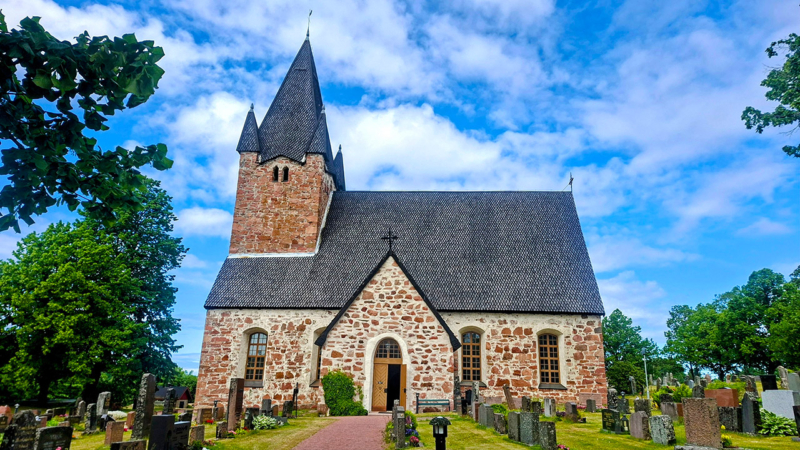
When I finally reached Kustavi, it was time to gear up and pedal — home, home, home. The only interesting spot on the way was the church in Taivassalo. I’ve visited it at least ten times before, but this time I couldn’t resist stopping again. I wandered the cemetery as usual, admiring the old gravestones and the rare peacefulness you rarely find anywhere else as sharply as in an old Finnish graveyard.
All in all, about 370 km. Lotys of memories and impressions, but honestly, no wow moments like after the Dolomites, Switzerland, or Norway. For me, it was a little escape from rainy Lahti into at least the illusion of summer. And also a warm-up before the real cycling adventure waiting for me later in August: the BALKANS. That’s when it’s really going to be hot — in every sense of the word “hot”.
You can leave your comments on this story in my blog
sign up for the newsletter
Fill this form if you want to be informed
about the new publications in my blog.