shanghai
december 2025

A short 12-hour layover and a perfect chance for a quick introduction to the city

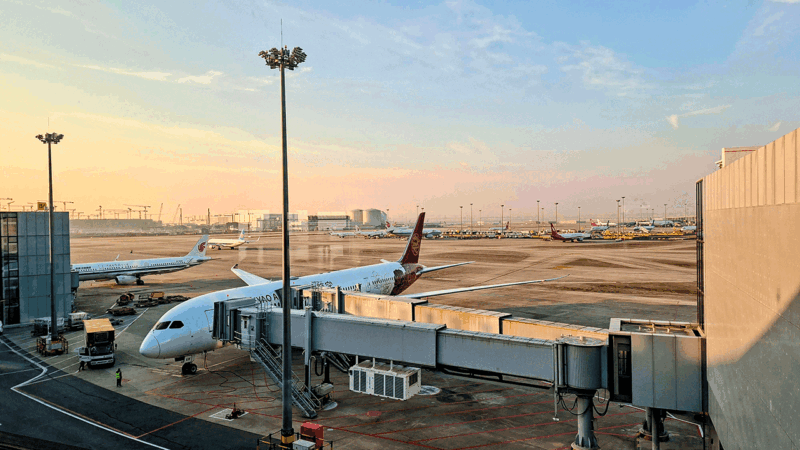
For my flight to Thailand, I picked Juneyao Airlines not just because it was the cheapest option, but also because it gave me the chance to see Shanghai. A 12-hour layover was perfect for that. I’ve wandered around Guangzhou, Doha, and Dubai this way before, so this is basically my favorite way to explore big cities.


If your layover is 8 hours or more, Shanghai Airport offers a free service – the Free Layover Tour for 4 hours (link). Heads up! International flights arrive at Terminal 2, but the tour leaves from Terminal 1, so you might need a bit of “airport orienteering” to find the meeting point.

My morning plan was simple: bus to the city center, walk through Yu Garden, some free time in the Chinese quarter, stroll along the Bund with those amazing skyscraper views, and then back to the airport.


Honestly, the tour was kind of a letdown. The guide barely said anything useful and mostly complained about life – how expensive housing is, how hard it is to find work, that you can’t get a job in another city without a local registration, and that she refuses to move to the countryside. Oh, and she’s not getting married because apparently everyone around her is broke. Well, at least I got a quick crash course in local realities. The plus side? I saved on the metro to the center and the park entrance, and after Yu Garden, I ditched the guide and explored the city on my own.


I had also booked another “conditionally free” tour with Free Walking Tours (link), where you pay the guide whatever you like as a tip. And this one? Totally worth it! Just like all the Free Walking Tours I’ve tried in Europe – highly recommend.


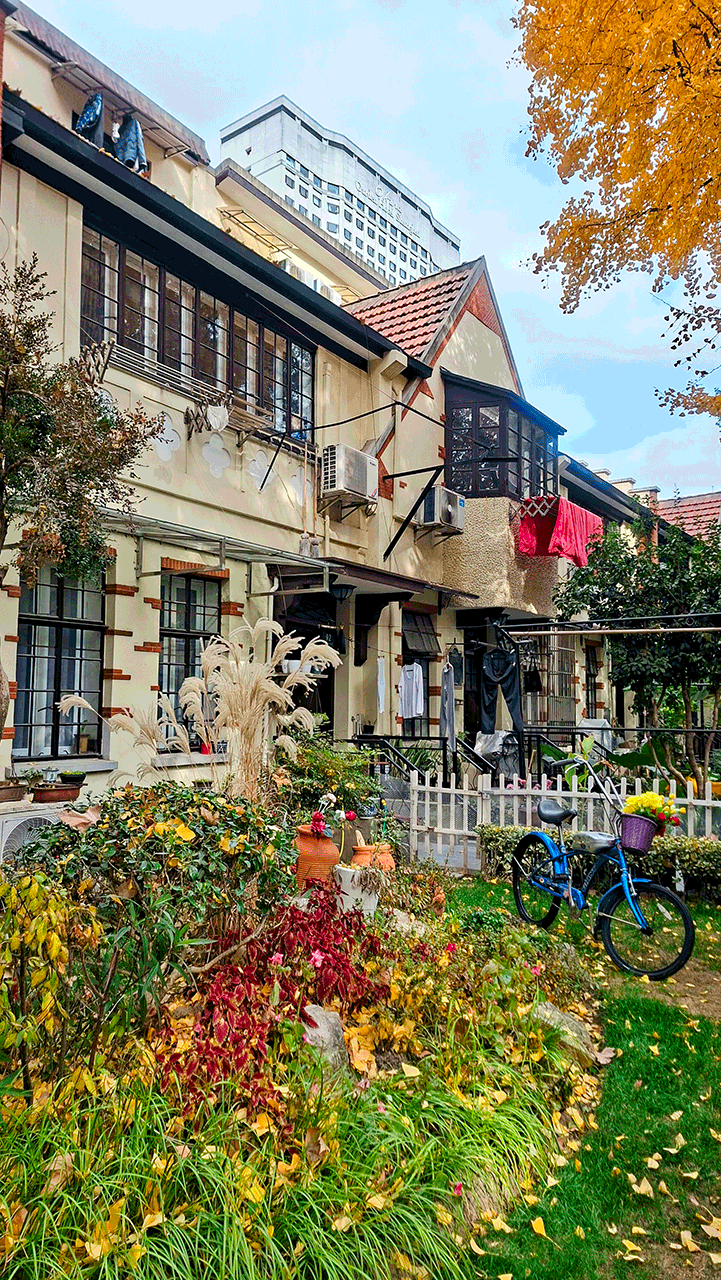
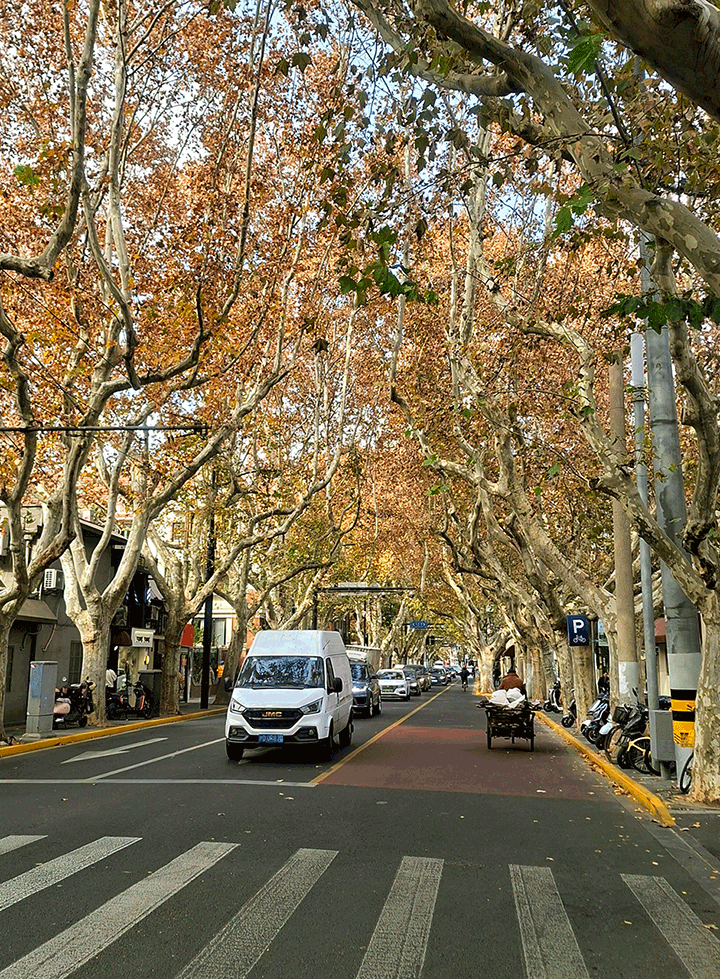
It didn’t start until 2 PM, so I hopped on the metro to the French Concession first. In about an hour, I soaked up the vibe of China’s little Paris, wandered the streets, and grabbed a real French baguette. 

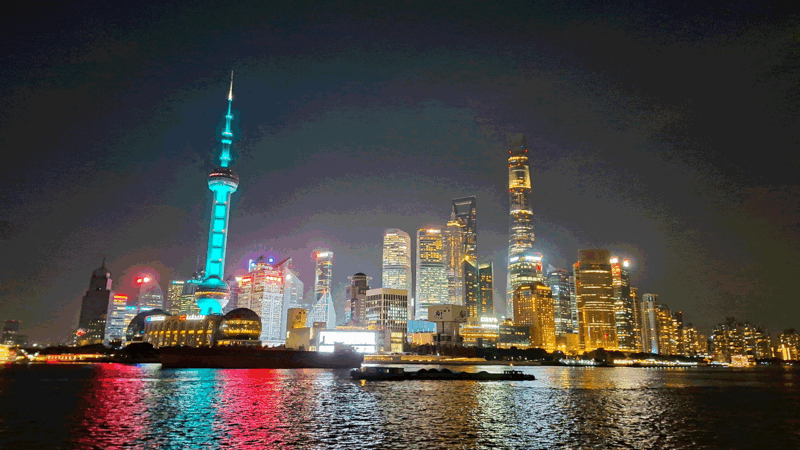
The tour itself took me through the former British concession, ending at the Bund just in time for sunset. And wow… the skyscrapers lit up, reflections in the river – pure magic. You could stare forever, but I only had three hours before my flight!


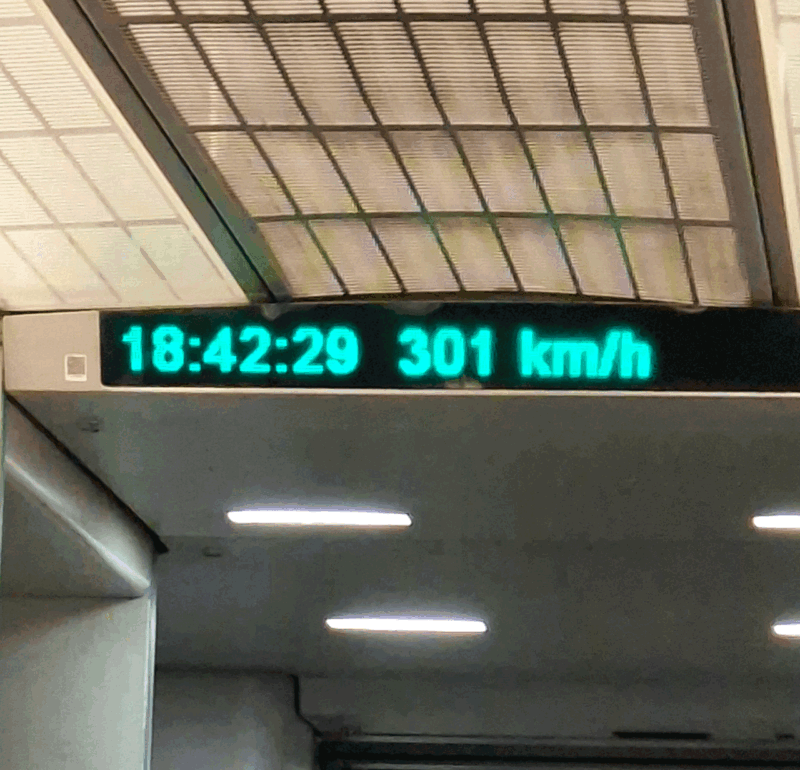
So, I dashed to the metro to get to Longyang Road Station, where the Maglev train leaves. Riding it at 300 km/h is an absolute must-do in Shanghai! Thirty kilometers in just 8 minutes, and suddenly you’re back at the airport, feeling like you just jumped into the future.


There are a couple of things worth mentioning.


Payments. Regular credit cards don’t really work in China, and cash is hardly used at all. You can’t get by without WeChat or Alipay. I downloaded Alipay in advance, linked it to my Finnish Mastercard, and managed perfectly fine without exchanging any money. Super convenient!


Shanghai Metro. A ride usually costs between 3 and 9 yuan, depending on the distance. Short trips around the center are closer to the lower end, longer rides cost a bit more. And one more thing – your bags get scanned at the entrance, just like at the airport, so be ready for a quick security check.


Train to the airport (Maglev). If you’re going from the city to Pudong Airport on the Maglev (super-fast magnetic levitation train) a one-way economy ticket costs 50 yuan. If you show your flight ticket for the same day, the price drops to 40. It’s quick, thrilling, and totally futuristic!


Shanghai

Shanghai is a pretty young city. Until the mid-19th century, it was just a quiet fishing village and a small trading town. Everything changed after the Opium Wars. China lost to Britain and had to open its ports to foreign trade. Shanghai became one of those ports and grew really fast.


The city soon welcomed the British, French, and Americans. They set up their own districts, called concessions, with banks, factories, trams, European-style houses, and a way of life that was almost nothing like the Chinese town next door. And that Chinese town? Full of markets, temples, narrow streets, and nonstop hustle and bustle. From the start, Shanghai was a city of contrasts — kind of like a Chinese city with a Chinatown inside.


By the early 20th century, Shanghai had become the richest and most fashionable city in China. People even called it the “Paris of the East.” Then came wars, the Japanese occupation, and the revolution, and the city lost much of its shine for a while. Only at the end of the 20th century did Shanghai really start booming again. Skyscrapers popped up in Pudong, the waterfront got a major makeover, and old districts were refreshed. Today, you can walk around Shanghai and in a single day see colonial buildings next to ultra-modern neighborhoods — a perfect snapshot of its complex, layered history.


Yu Garden

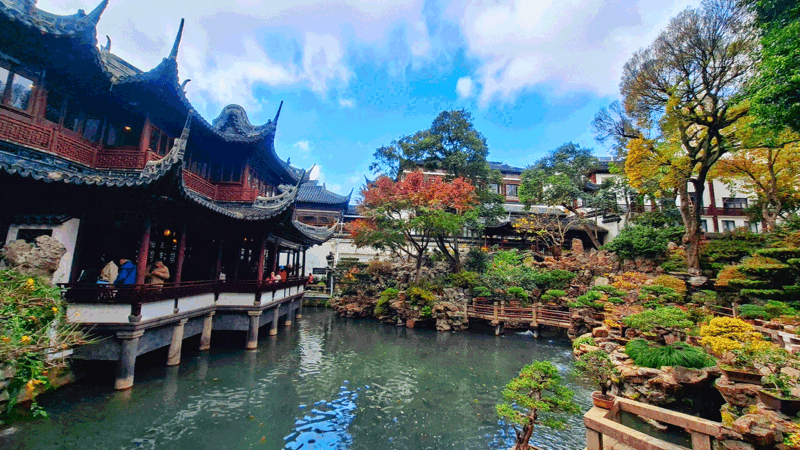
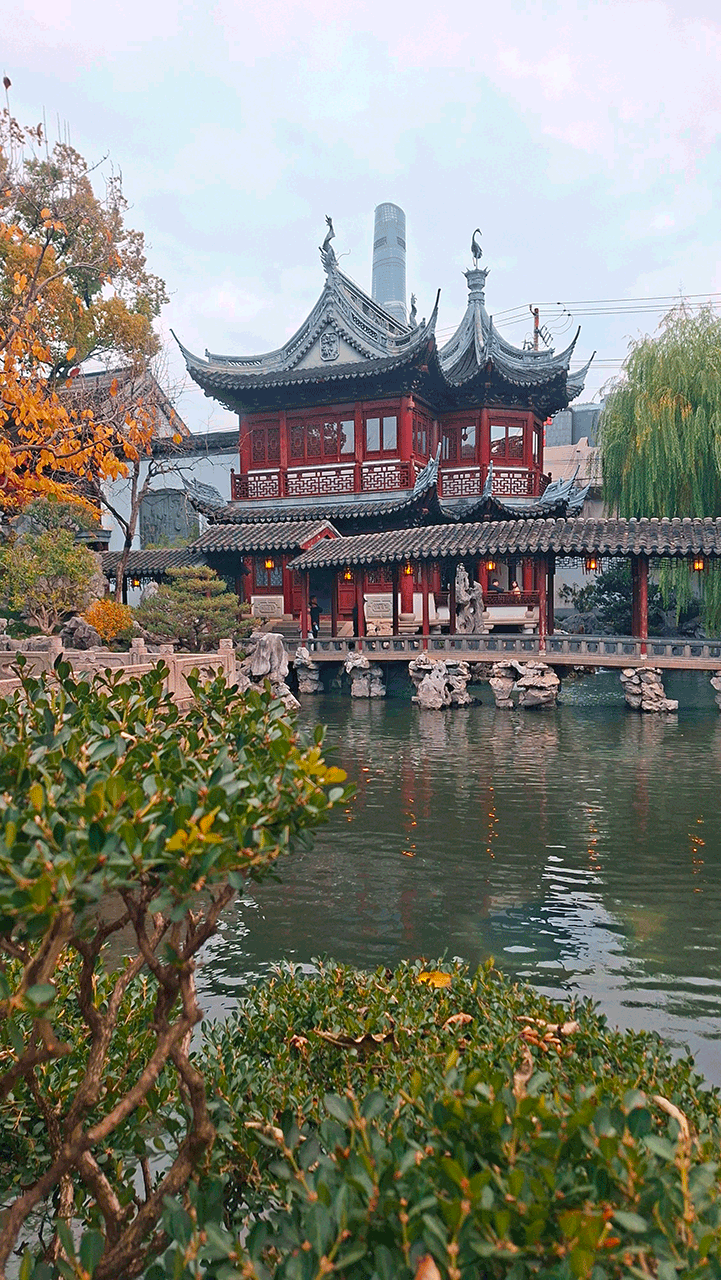
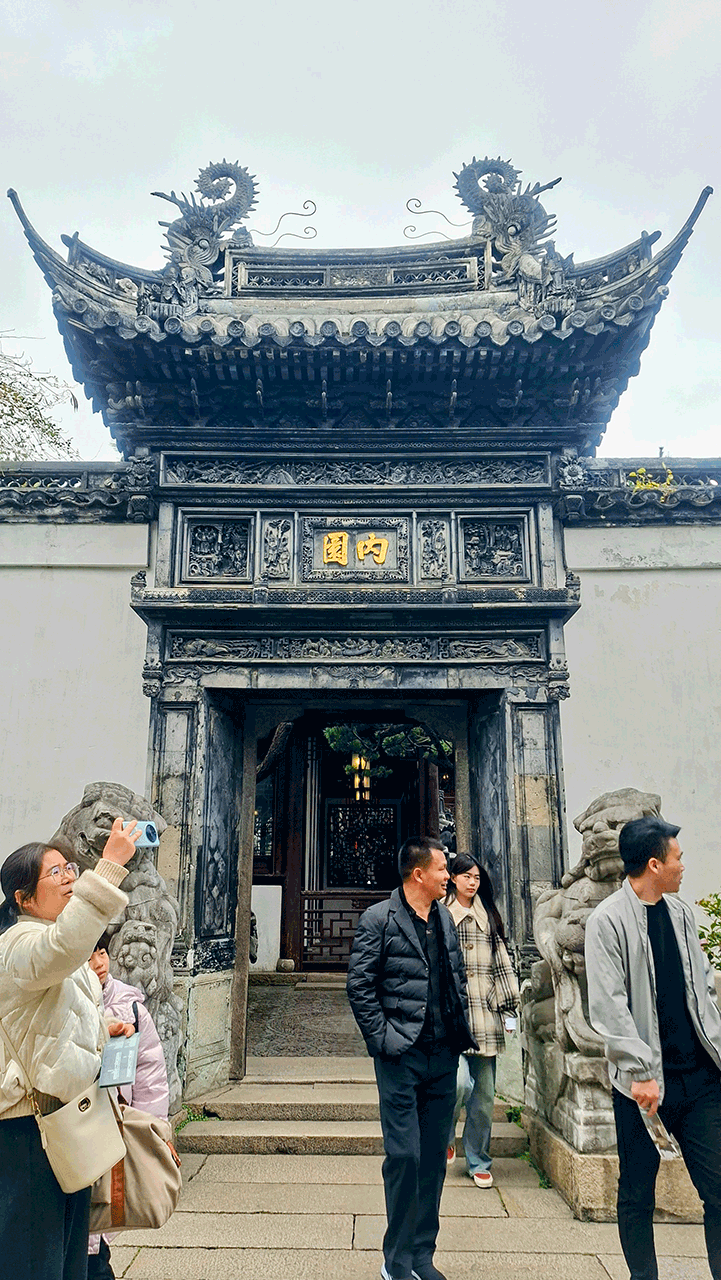
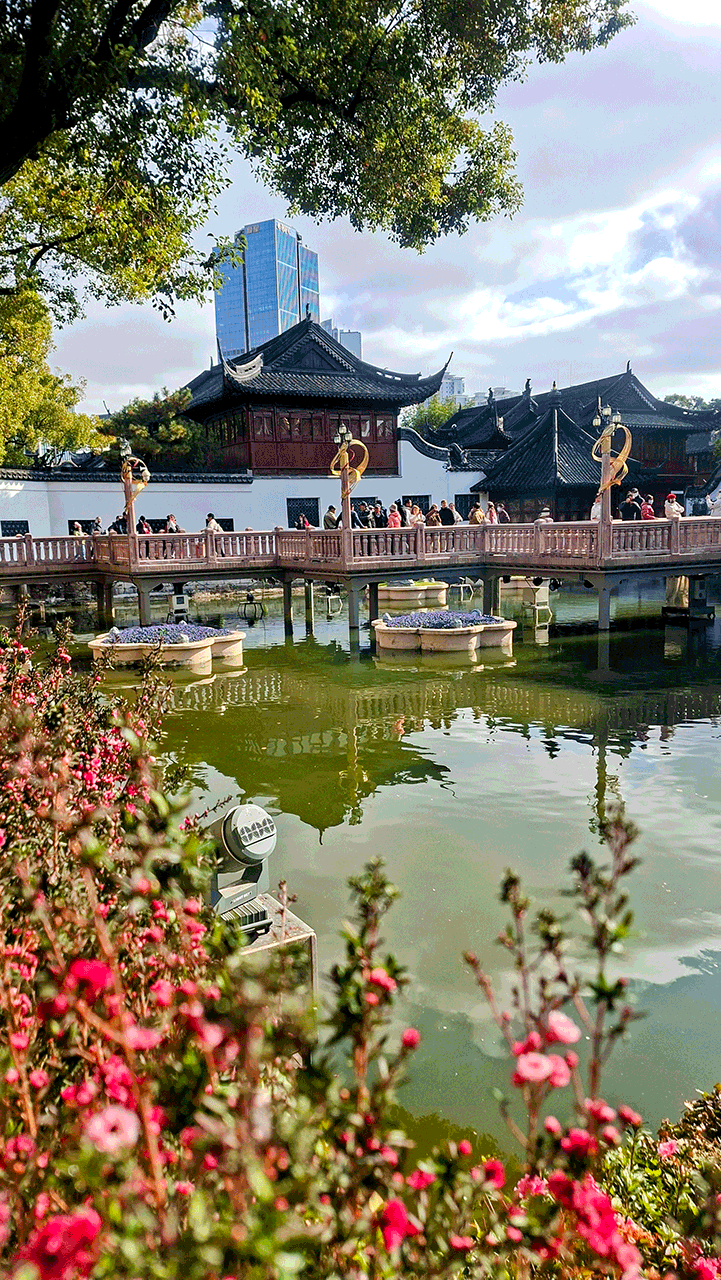
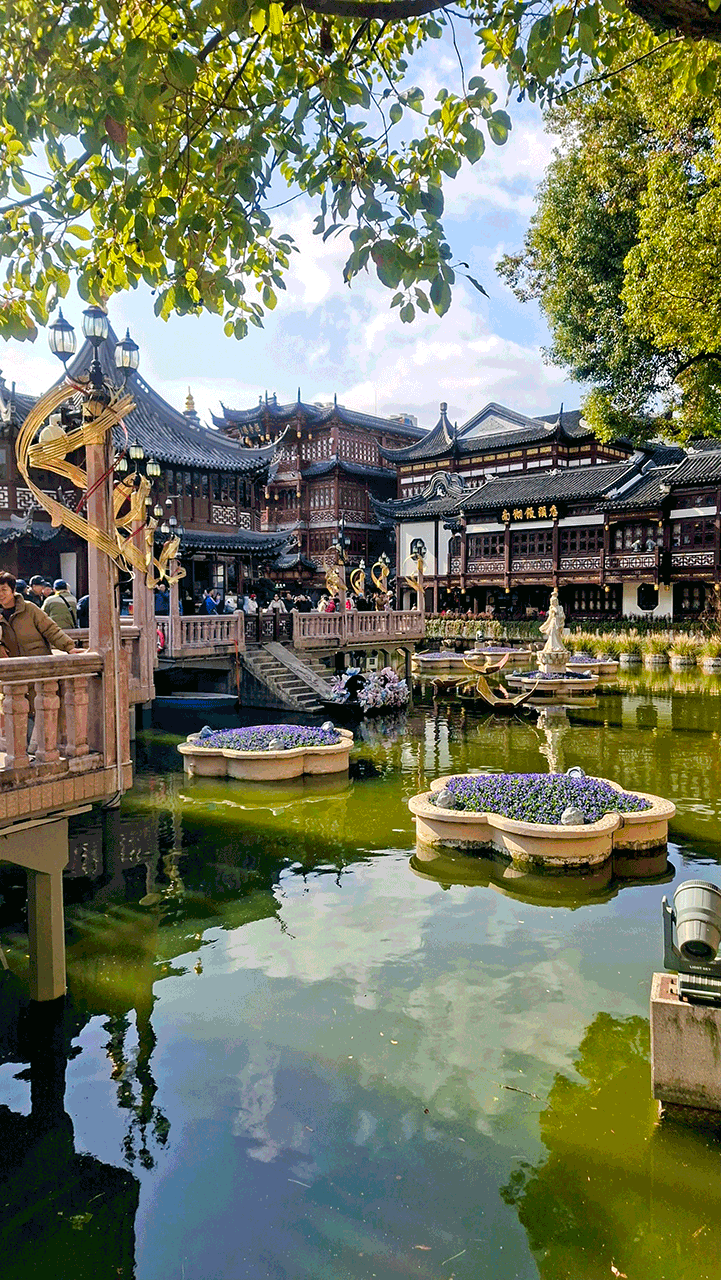
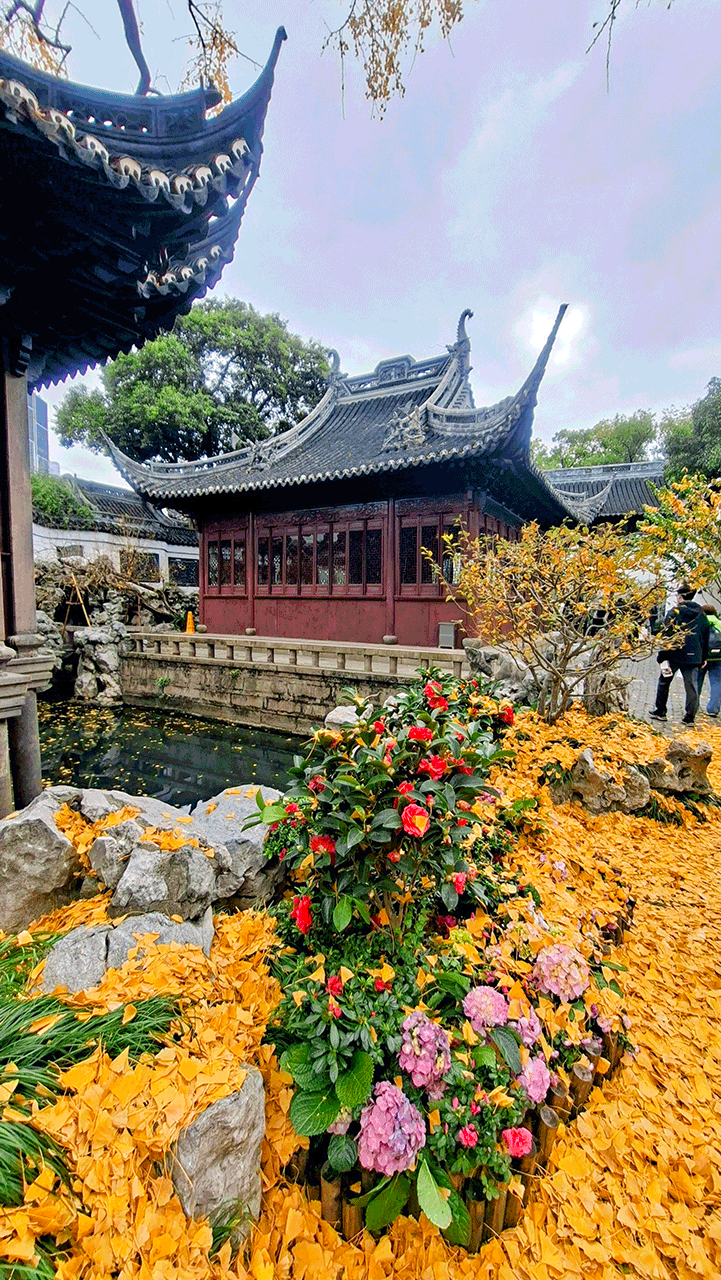
Yu Garden is a little oasis of old China right in the middle of ultra-modern Shanghai. It was built back in the 16th century during the Ming dynasty. A wealthy official wanted to make something beautiful for his parents and created a private garden for them. 


As often happens, the construction took too long, the family lost its fortune and the garden was destroyed, rebuilt and abandoned more than once. But somehow Yu Garden survived wars, the colonial era and even the Cultural Revolution. Today it is one of the most atmospheric historic spots in the city.


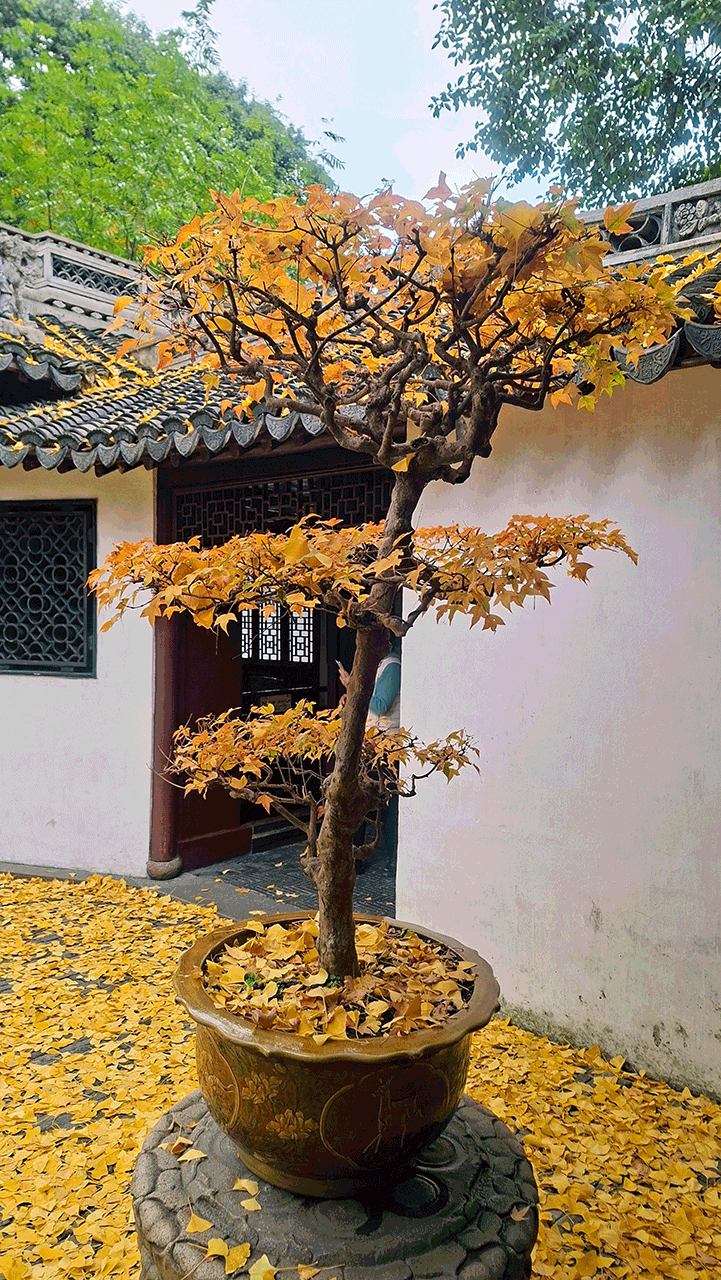
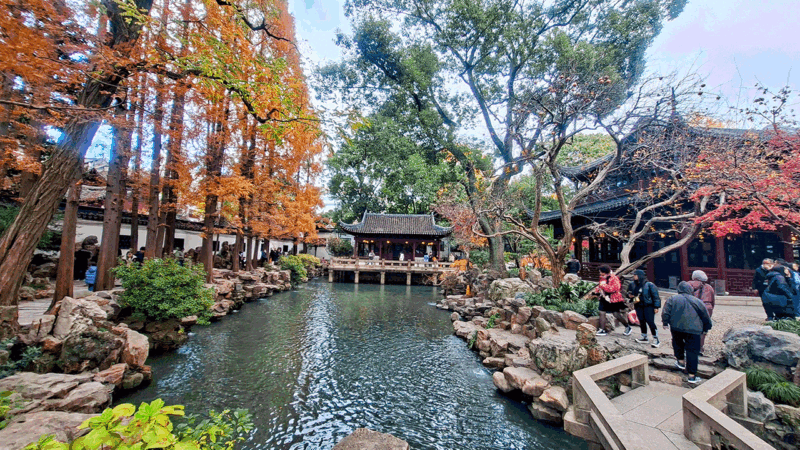
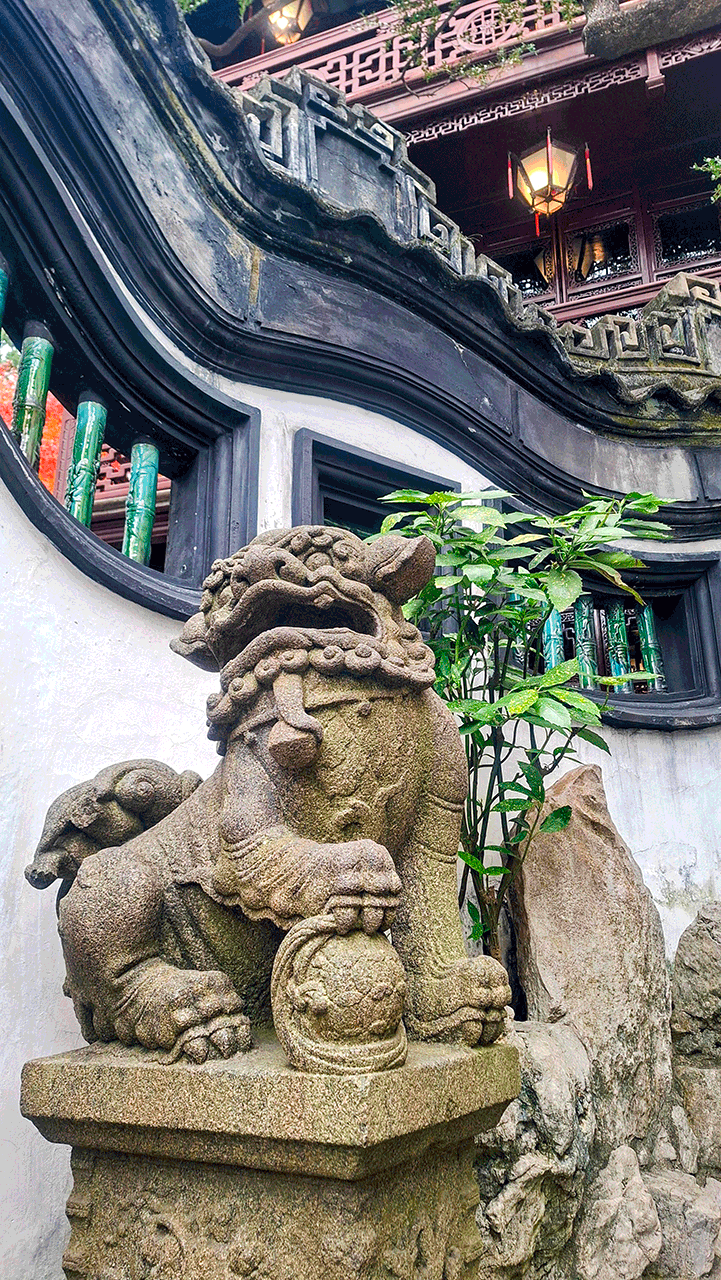
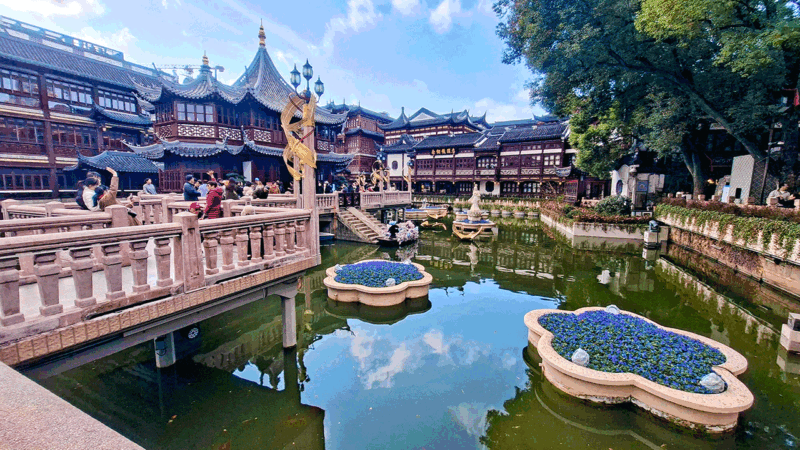
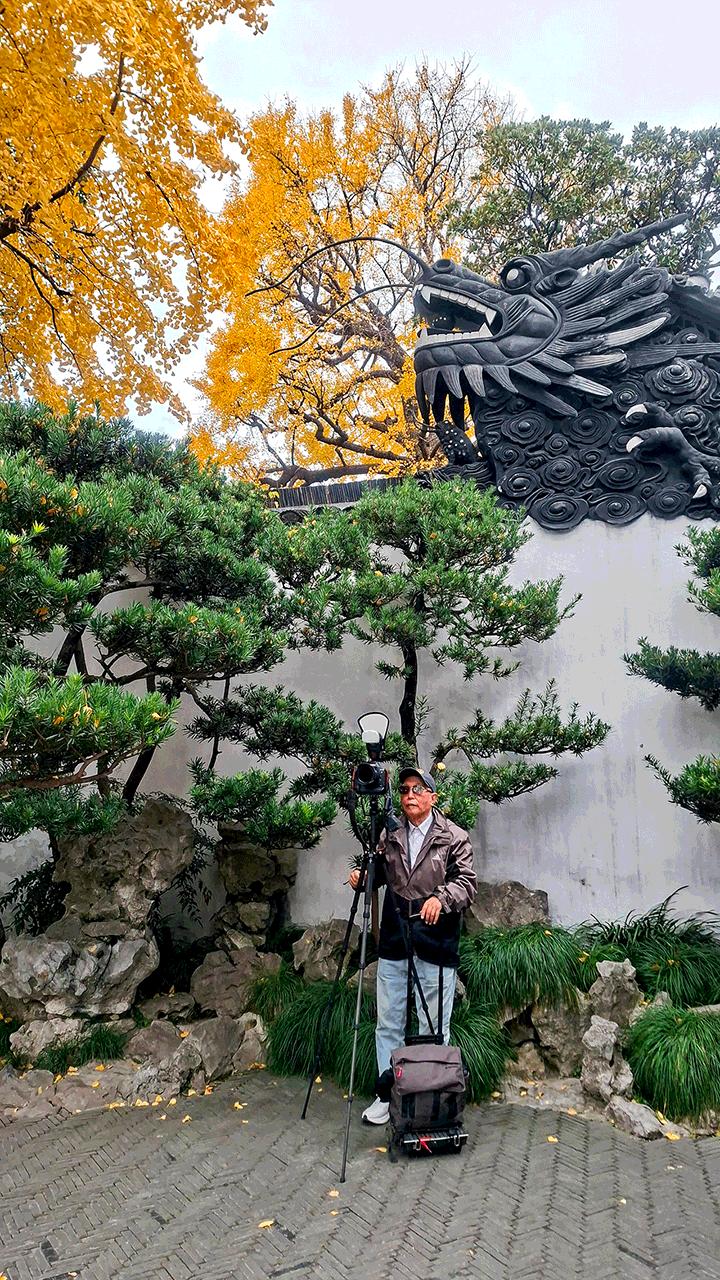
Inside you get all the classics. Peaceful ponds with koi fish, stone hills, little bridges, quirky pavilions and that picture-perfect old China everyone imagines. Give it five minutes and you forget there are skyscrapers just outside the walls.


It is always crowded here. Imagine this. Mid-December, a weekday morning, just five degrees above zero and you still can’t move because there are so many people. 


The entrance ticket for adults is 40 yuan and the garden is open from 9:00 to 16:30. The latest you can enter is 16:00. As I mentioned earlier, I got my ticket completely for free.


Getting there is easy. Just take the metro to YuYuan Garden station.

Old Town (a Chinatown within a Chinese city)

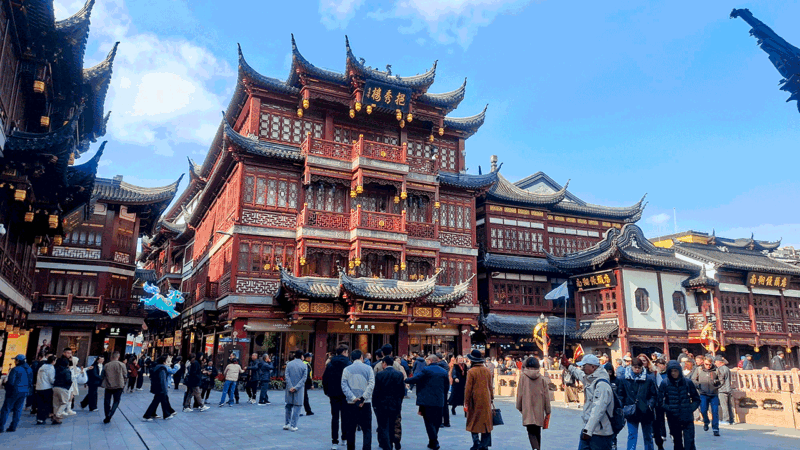
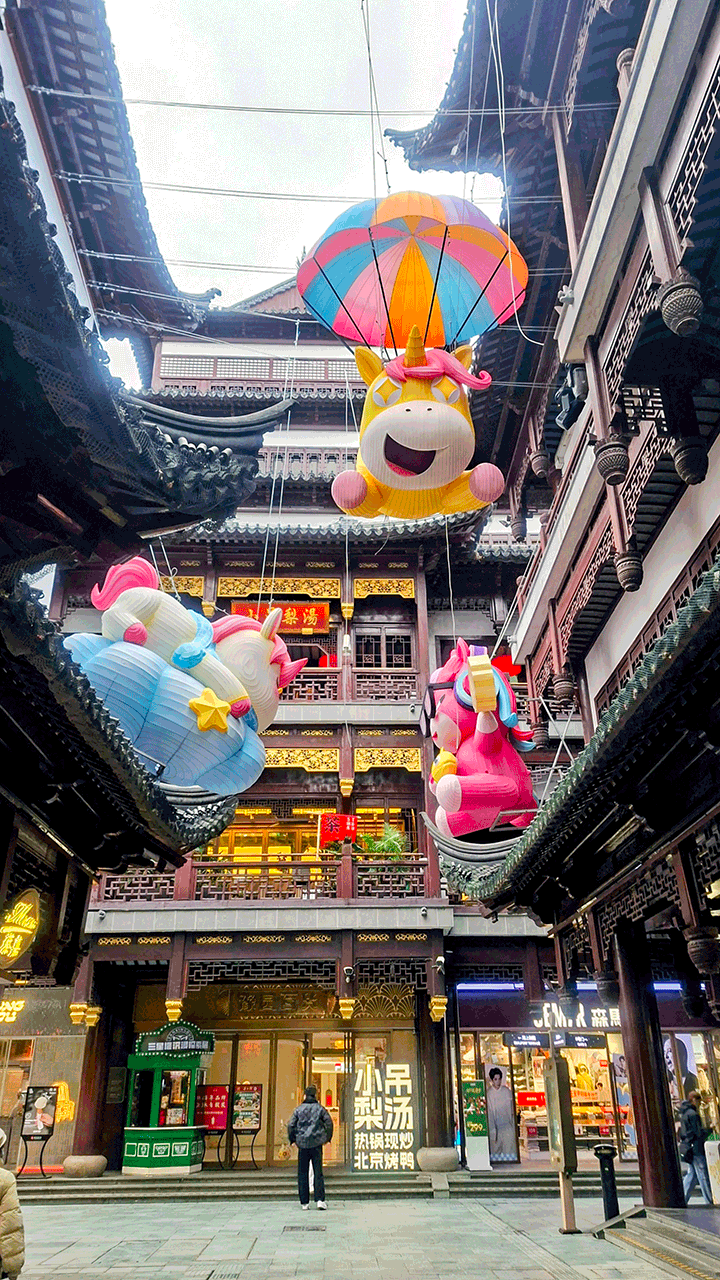
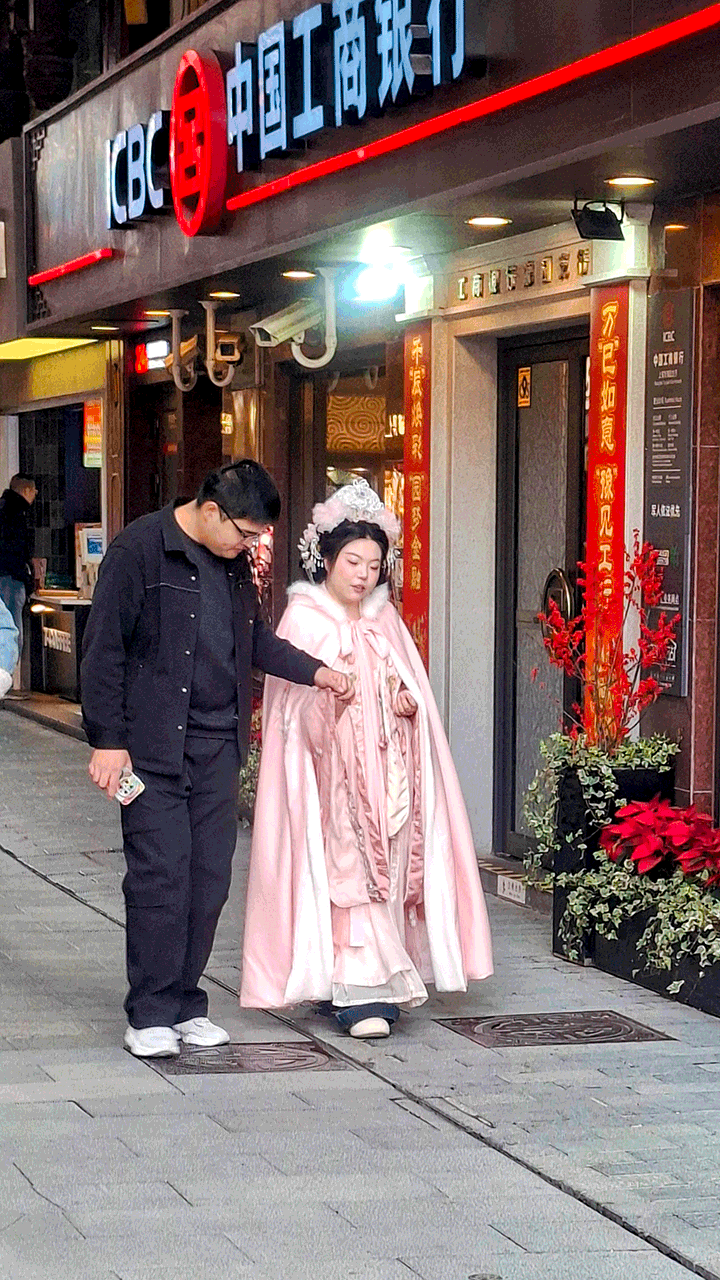
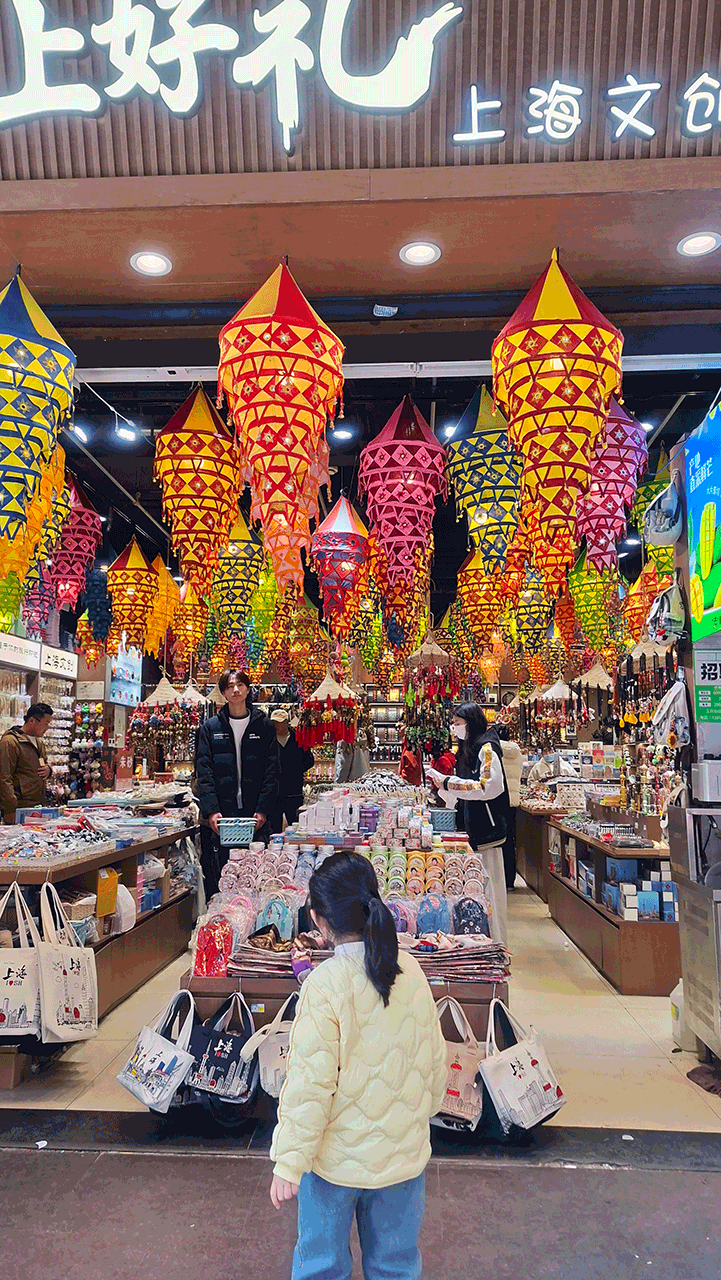
The Chinatown area around Yu Garden is a wild mix of old China and ultra-modern Shanghai. On one side you have narrow streets, tea shops, wooden facades and red lanterns that look like they came straight out of an old Chinese movie. And right next to them you see bright neon signs, modern stores and even chain cafés trying really hard to blend into the local vibe. The contrast feels super atmospheric.


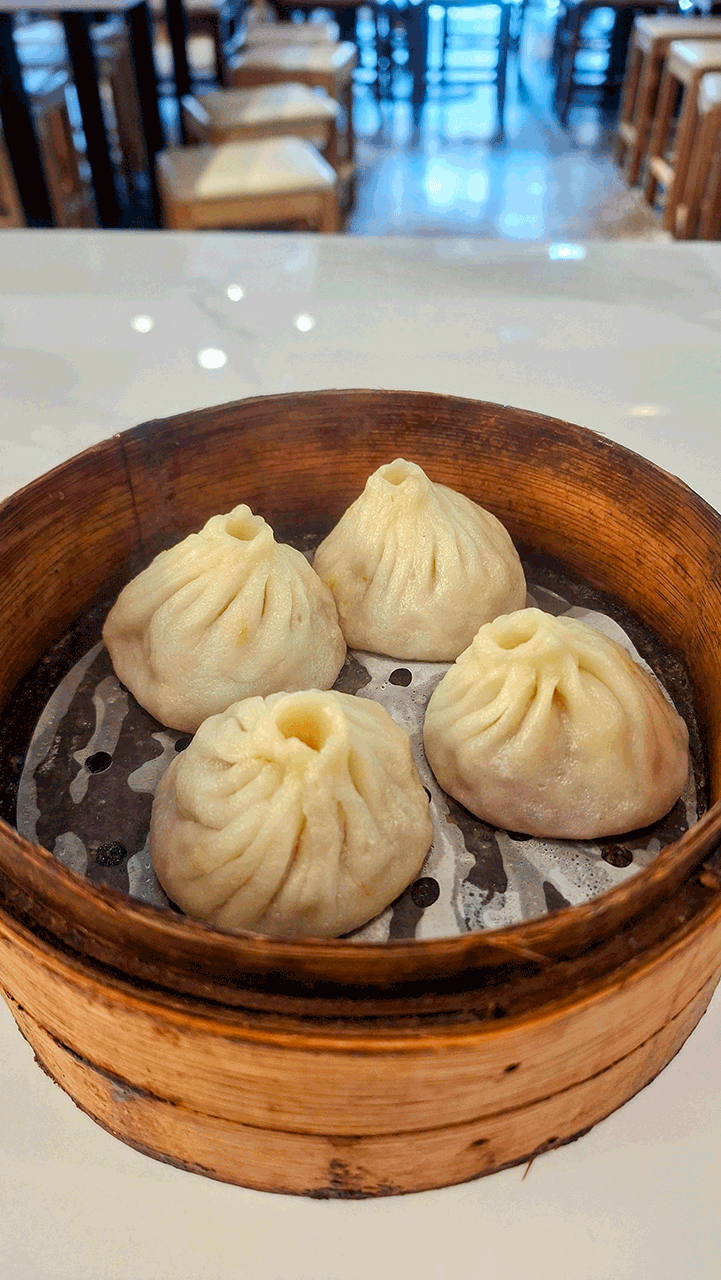
And of course there is the food. Every few steps someone is making dumplings. Boiled ones, fried ones, and xiaolongbao with hot broth inside. The smell hits you right away and there is no way you can resist it.


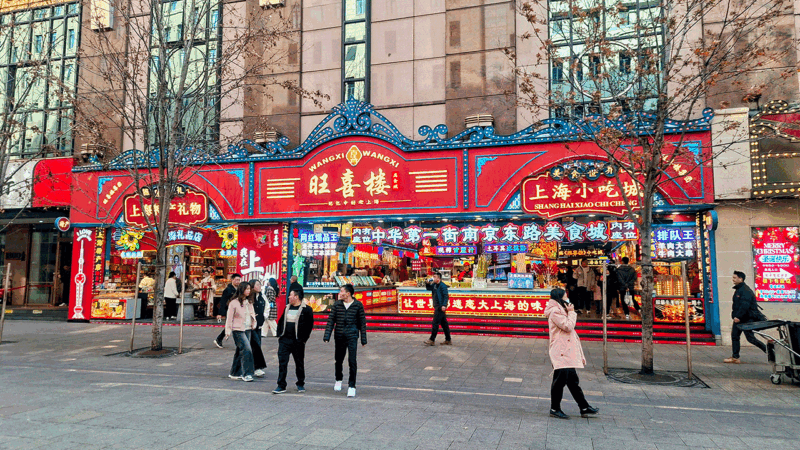
This is where you find Nanxiang Mantou Dian, the most famous dumpling place in Shanghai. They serve classic Shanghai soup dumplings that both locals and tourists love.


The whole area around the garden is the perfect spot to try local food and see Shanghai at its best. It is old, loud, a bit chaotic and at the same time incredibly modern.

French Consession

I honestly kicked myself for choosing the English concession instead of the French one. Once I finally got there, I realized this was exactly the place I would have loved from the start.


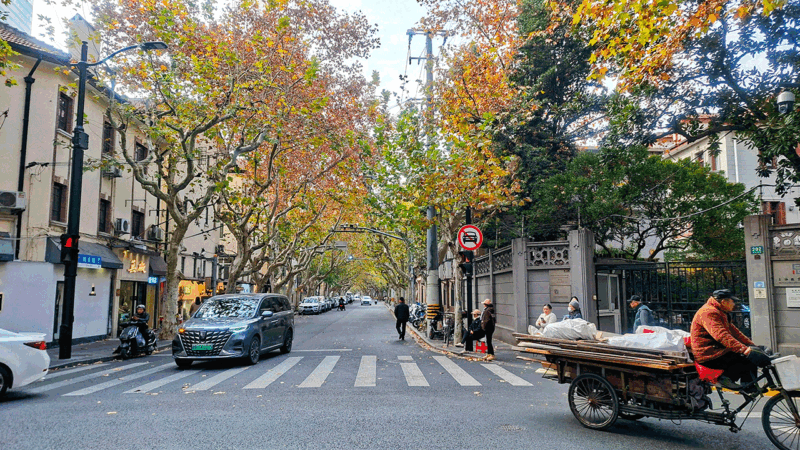
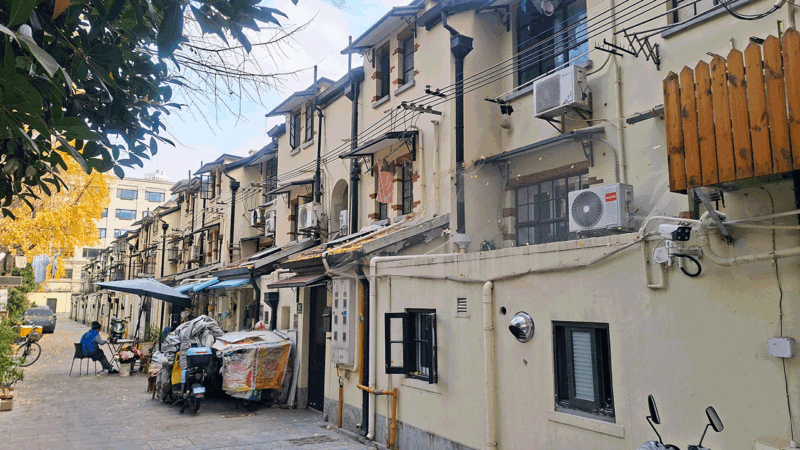
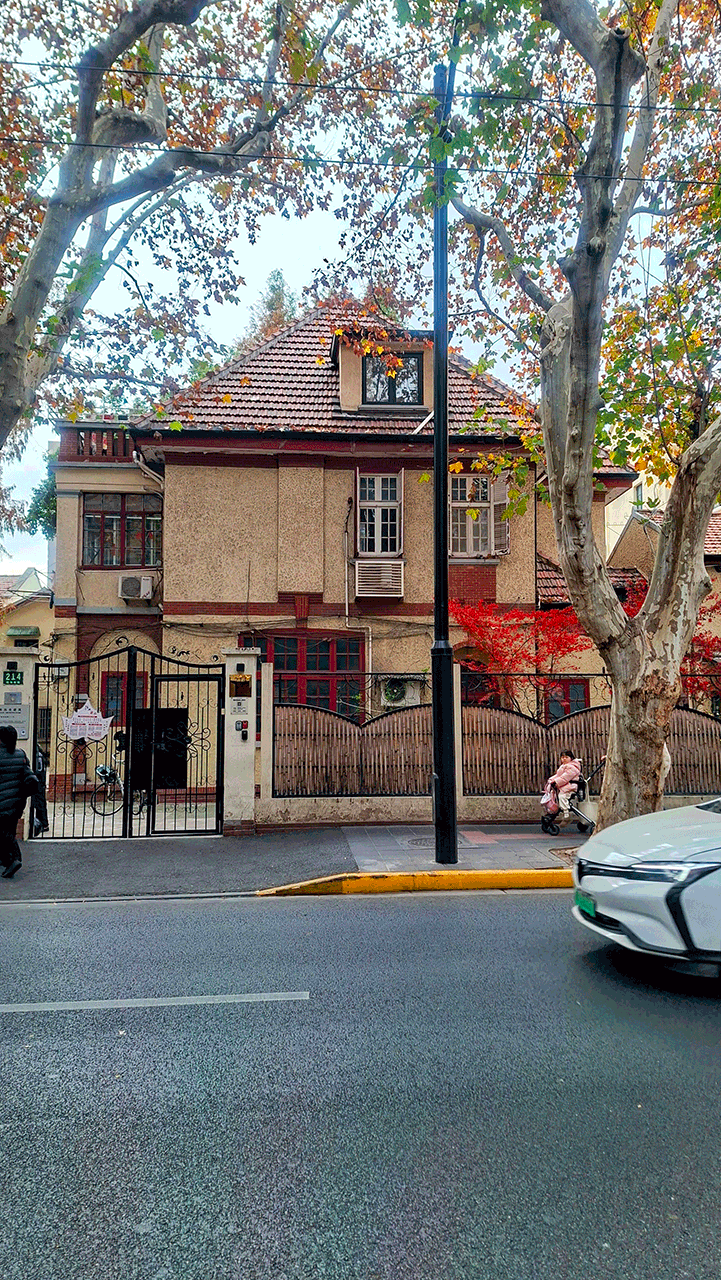
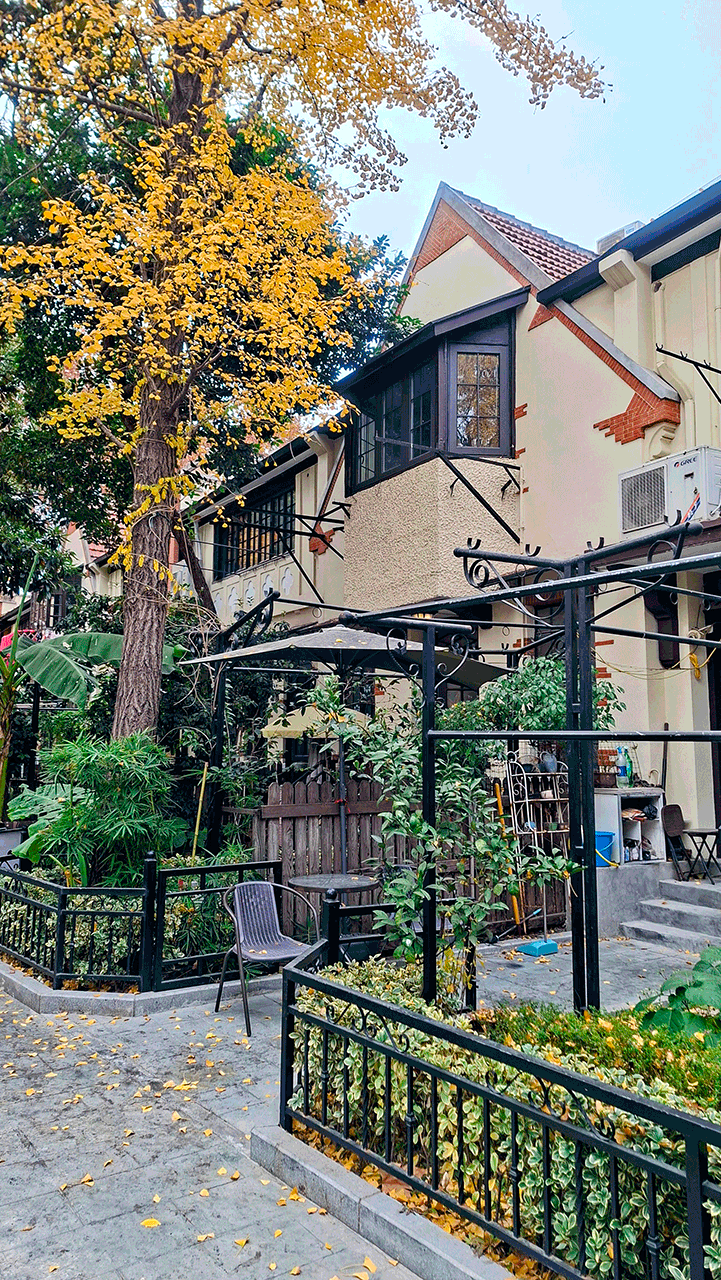
The French Concession feels like a tiny slice of Europe dropped right into the middle of Shanghai. Narrow leafy streets, old plane trees stretching over the road, elegant colonial houses and small cafes and bakeries that smell like warm croissants. It is one of those places where you instantly slow down without even meaning to.


There is none of that typical Shanghai rush here. Everything feels softer, calmer and a little dreamy. You just want to wander for hours, step into cute vintage shops, sit on a terrace with a coffee and let the world pass by while you enjoy the mood of the neighborhood.


This area really shows how unbelievably cosmopolitan Shanghai was in the early 1900s. And today it is still one of the most charming and walkable parts of the entire city.

Getting there is super easy too. Just hop off at South Shaanxi Road station and then walk wherever your eyes take you. Every corner feels magical.

Nanjin Road and The Bund

Talking about the former British Concession, you instantly feel the contrast between eras. Back in the day this place was buzzing with “high society” life. There was a huge racetrack, elite clubs for wealthy businessmen and officials, where millions changed hands in a single night and colonial politics were decided somewhere between cocktails and bets.


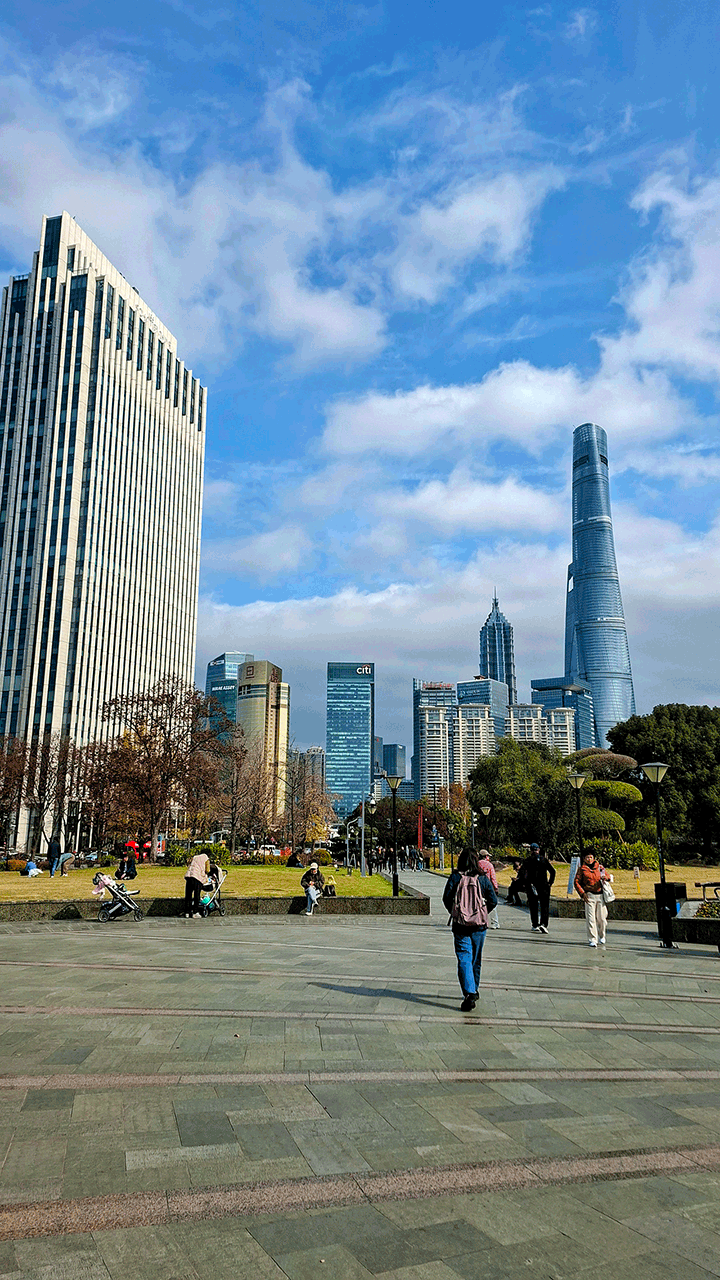
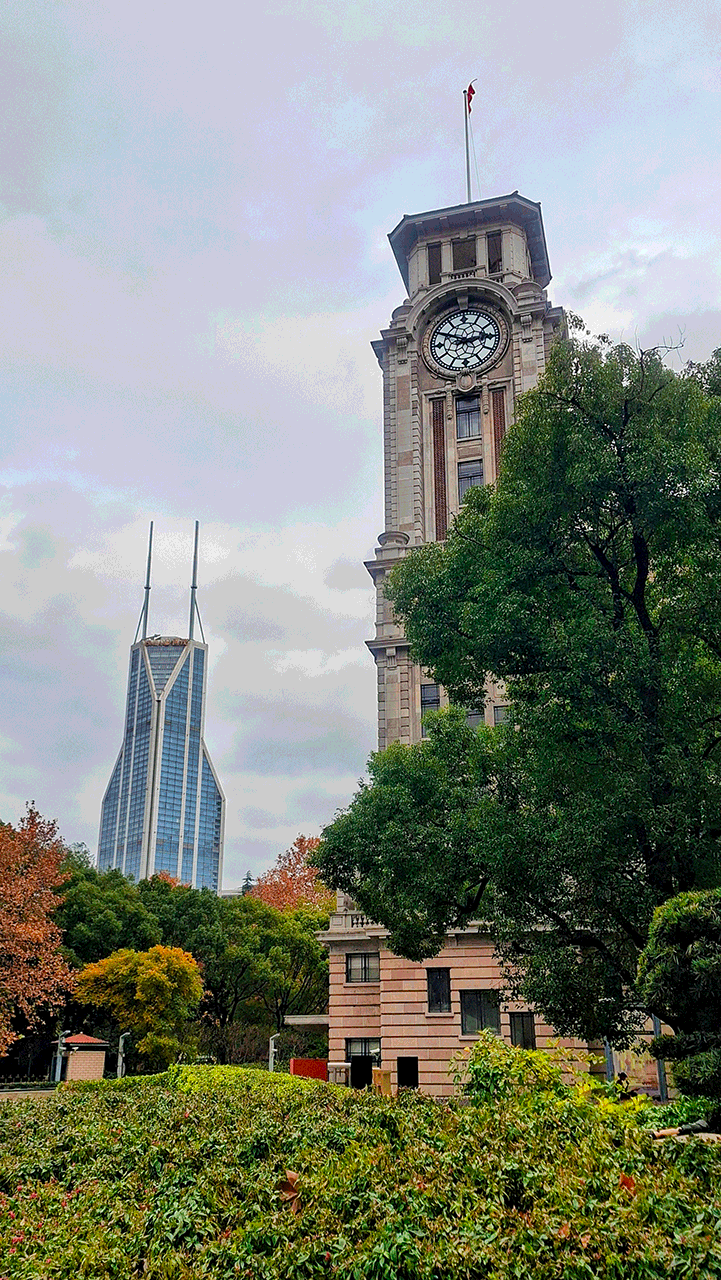
Today all those gambling houses and clubs are long gone and in their place you’ll find People’s Park, a big green space where families stroll and locals relax.


The photos from the early 20th century that our guide showed us revealed a completely different, darker Shanghai. Whole avenues of brothels where children as young as eight or ten were forced to work, streets packed with casinos and entertainment for the colonial elite. When you see this, you start to understand why for so many people the arrival of the Communist Party felt like salvation. Local people and their culture had absolutely no respect back then.


Today the British Concession is a mix of old and new. Some colonial mansions are still standing, but most of the area is filled with modern office buildings and apartment complexes.


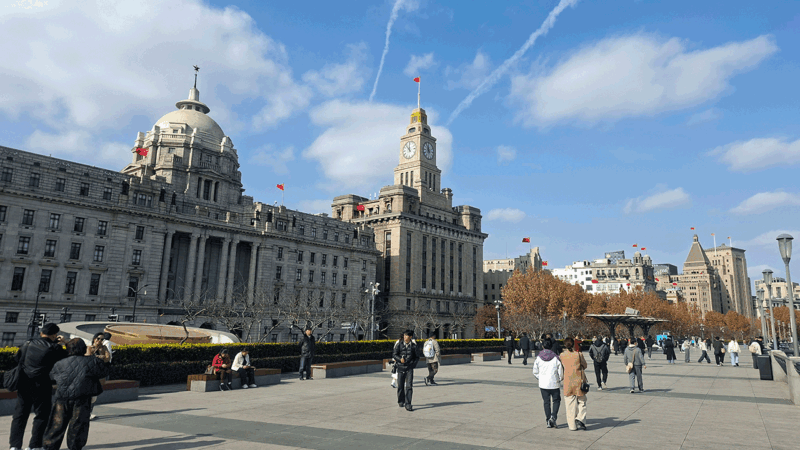
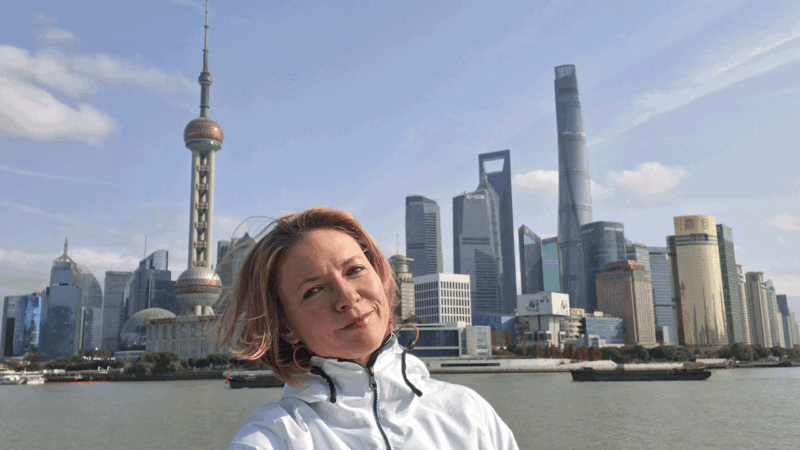
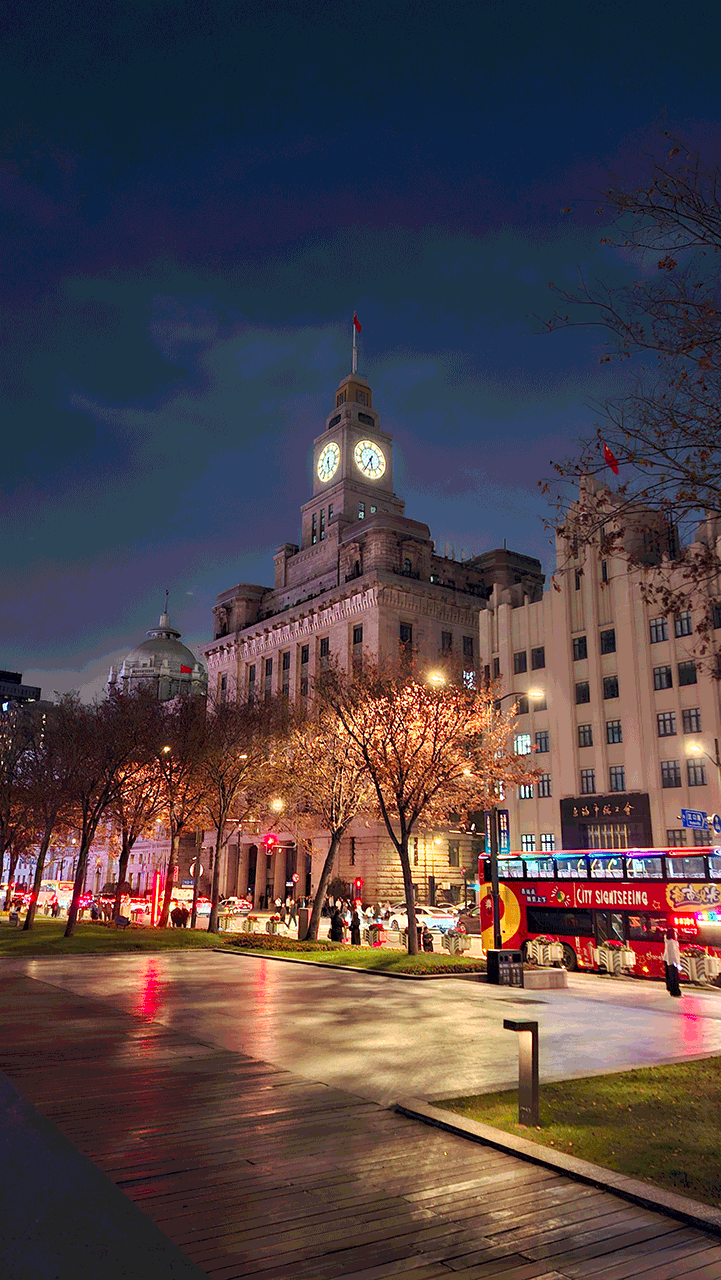
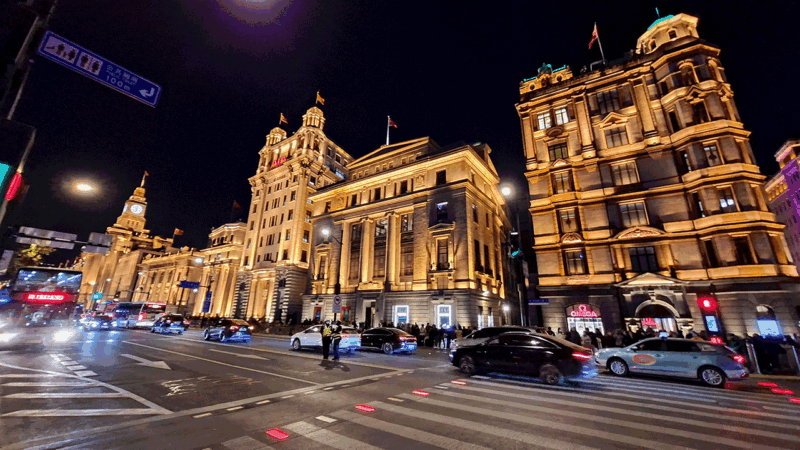
Still, the Bund keeps the spirit of that colonial era alive. With its grand stone facades and the view of Pudong’s skyscrapers across the river, it feels like time stopped for a moment. The old Customs House is especially impressive, a massive and powerful building that once controlled all trade along the Huangpu.


Walking through the streets, you really feel how history and modern life overlap. Every corner reminds you how complicated and cosmopolitan Shanghai was in the early 1900s.


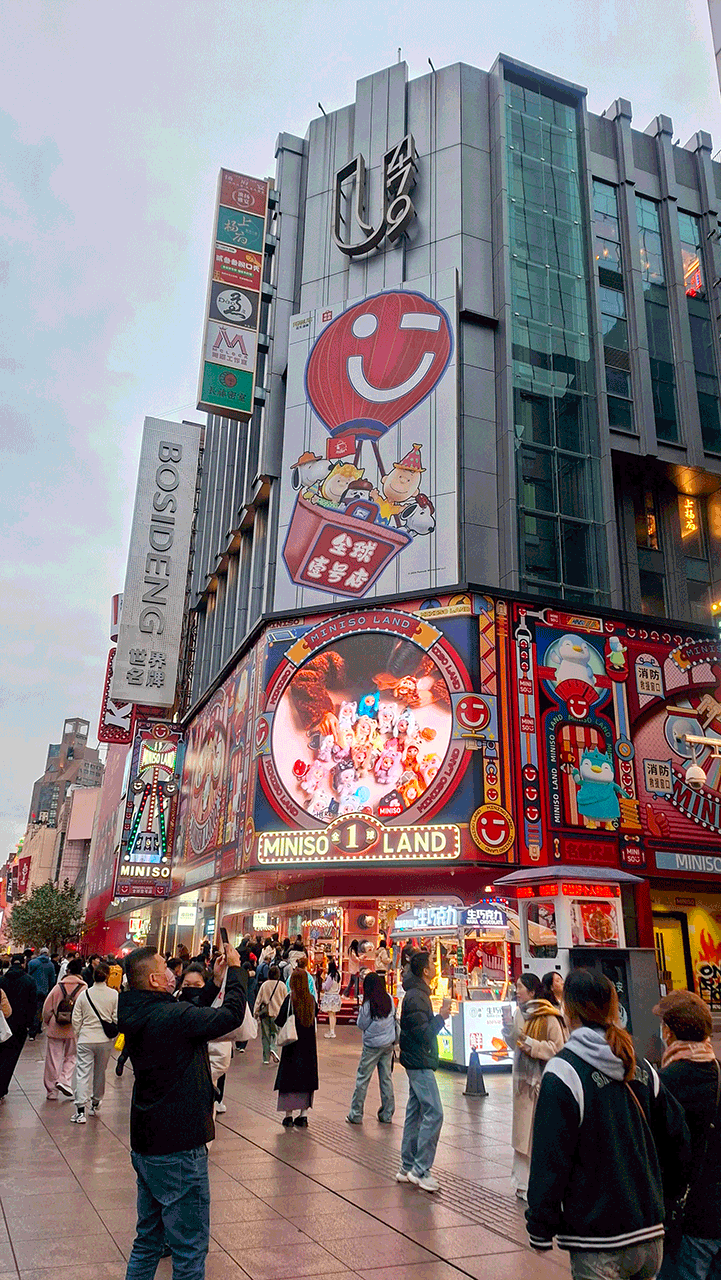
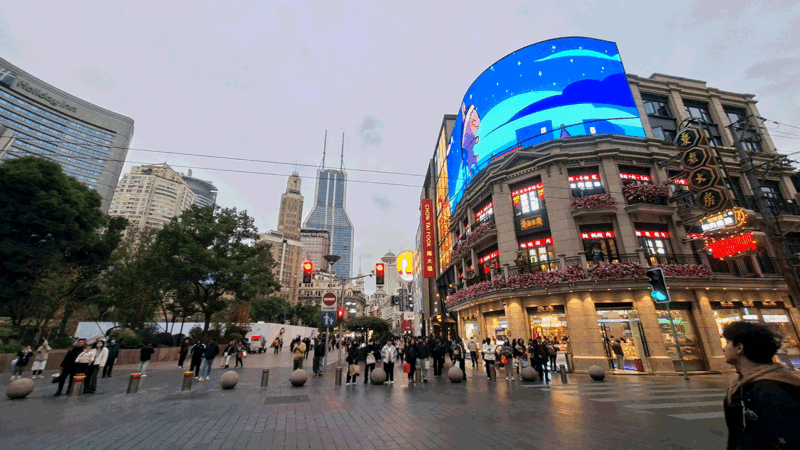
Nanjing Road is the beating heart of Shanghai’s shopping and street life. Bright storefronts, neon lights, huge crowds, street musicians and the smell of food everywhere you turn. You can find anything here, from luxury brands to tiny souvenir stalls. This street shows the loud, energetic, modern side of the city. At one point someone even tried to sell me belts, bags and “designer” clothes in a back alley.

Apparently these were copies made at the same factories that produce the originals.


As someone who is used to filtering out propaganda, I was curious to learn about real everyday life in China. My guide told me she herself became an accidental part of the “one family, one child” policy. She doesn’t even know her exact birthday. She and her two brothers were all registered as triplets several years after they were born.


The new “one family, three children” policy doesn’t really work in practice and she isn’t in a rush to have kids herself. 


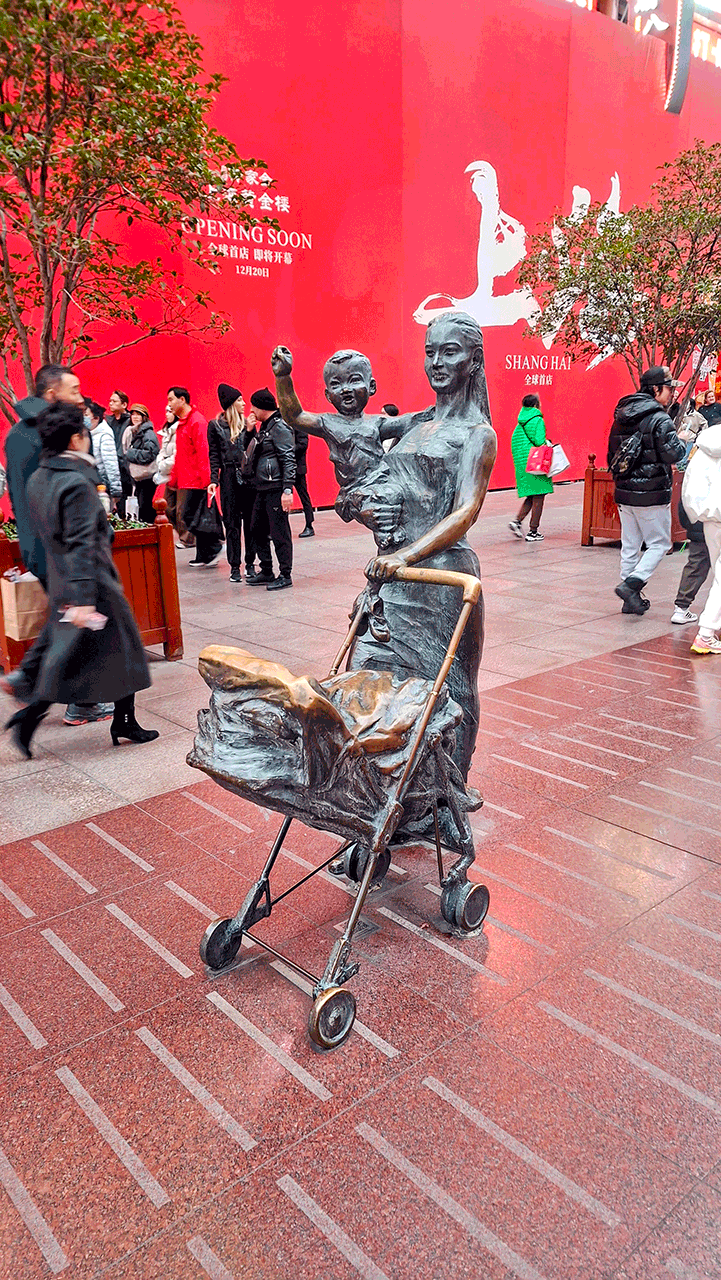
By the way, on Nanjing Road there is a bronze sculpture of a woman with a child, holding shopping bags and a stroller. A small but very real reminder of those old times.
If you don’t get a chance to actually travel around China, at least take a ride on the Maglev. It lasts less than ten minutes, but the 300 km/h speed is absolutely mind-blowing. It is genuinely cool.


Shanghai Airport also left a strong impression on me. My flight to Bangkok went smoothly and felt pretty lively, but on the way back I had to walk and take a train for a good half hour just to get to another terminal. And that’s where things got surreal. A huge empty terminal with hundreds of gates and almost no people. Who they built it for is a complete mystery.


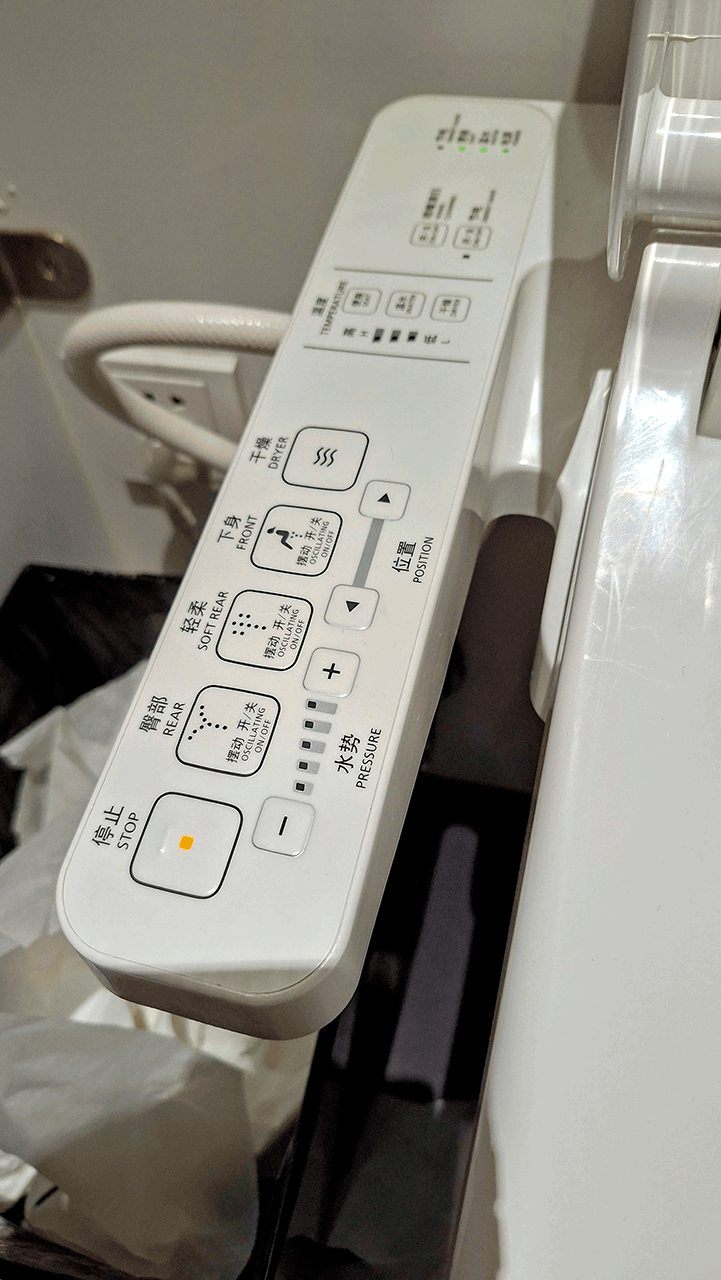
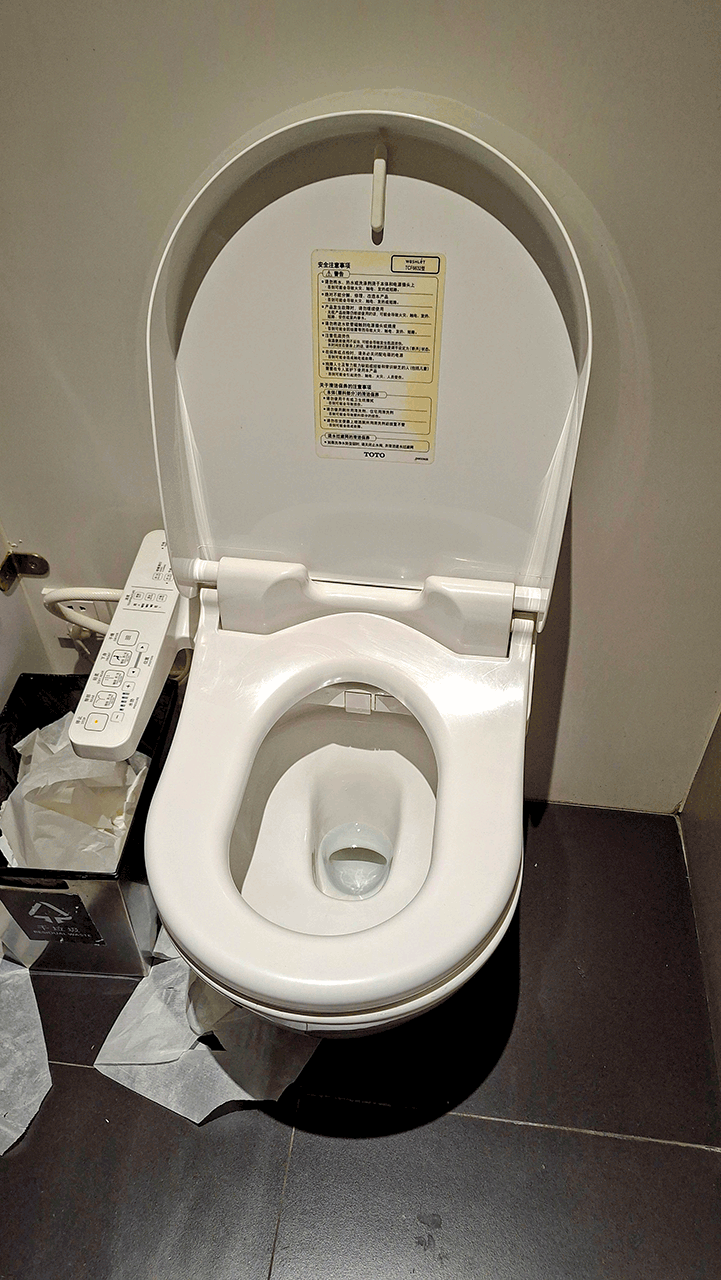
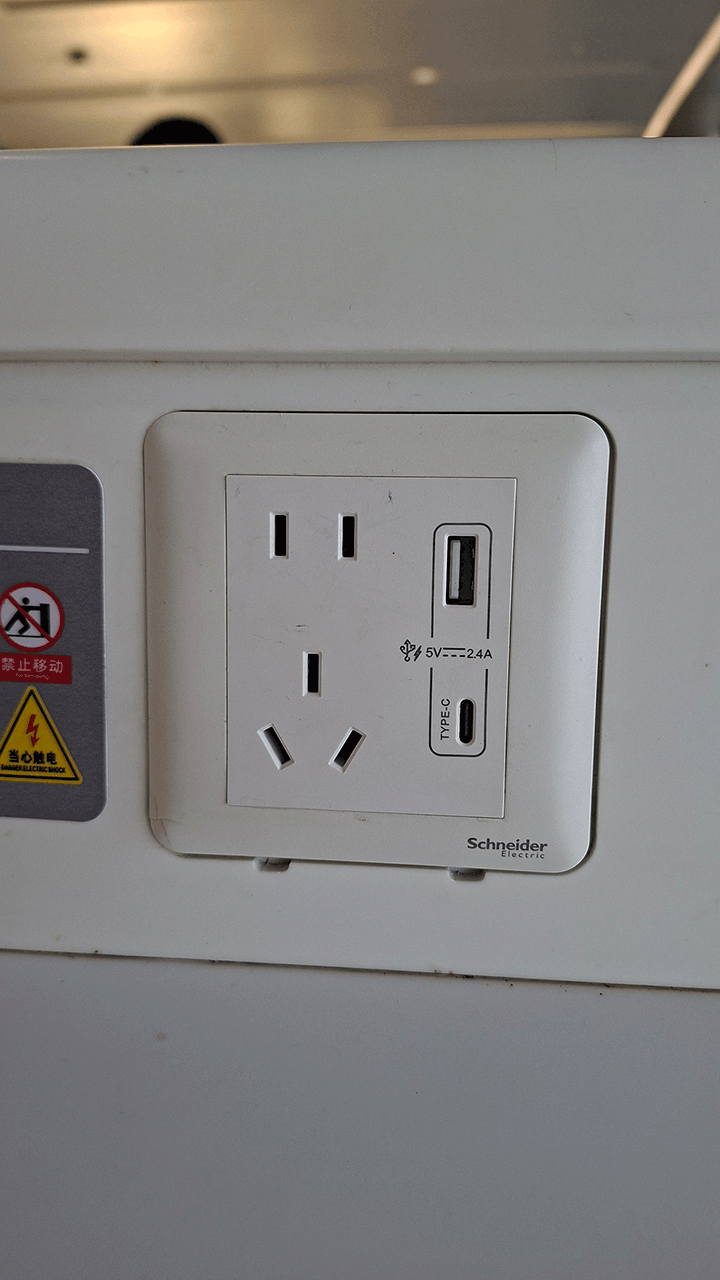
The bathrooms are equipped with smart toilets with built-in washing functions. I just stood there trying to figure out all the buttons because I wanted to test every feature. But the power outlets are not European. There was a USB port, yes, but the charging speed was so slow that my battery drained faster than it charged while I was watching videos.

You can leave your comments on this story in my blog 

sign up for the newsletter

Fill this form if you want to be informed 

about the new publications in my blog.

Spread the love