TENERIFE
January 2023
March 2024

Tenerefe the way 

you do not know it! 

No beaches! 8+5 days of hiking

 in January 2023 and March 2024

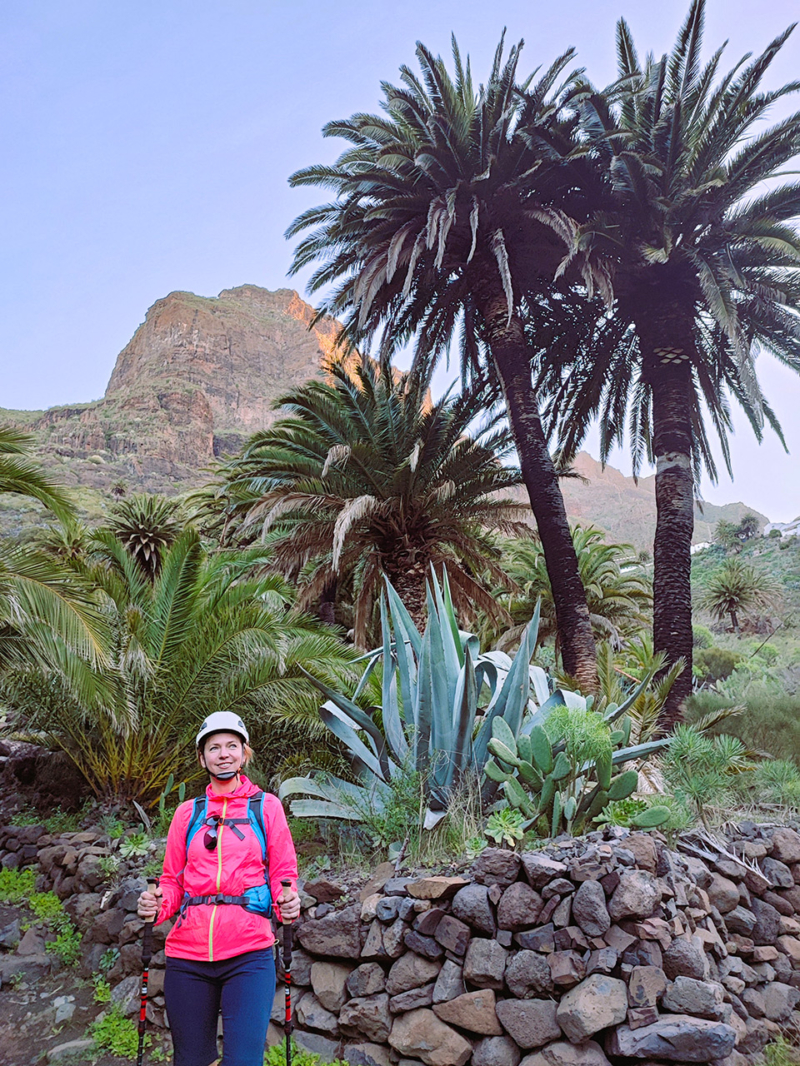
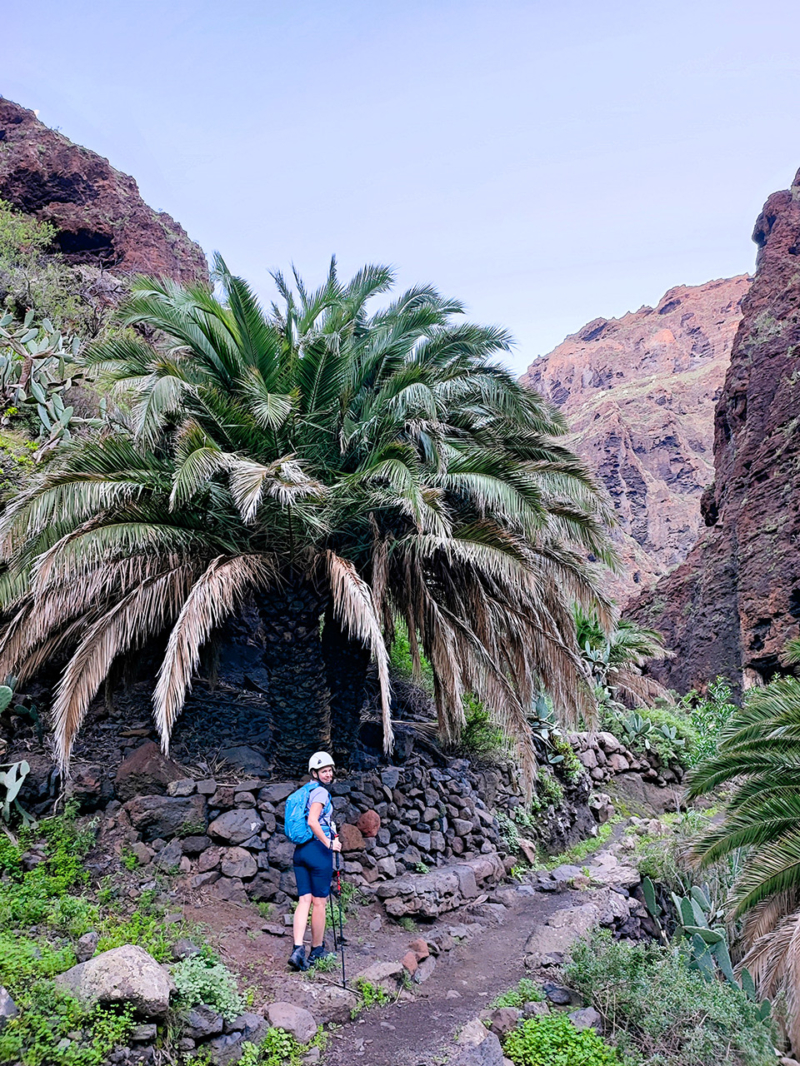
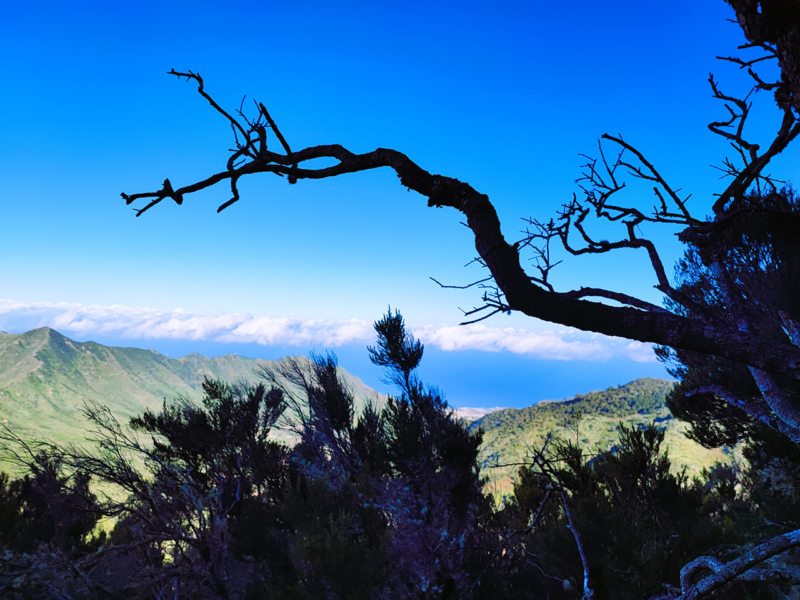
Canary Islands. What comes to mind first? A huge number of beaches and a year-round swimming season. Not everyone knows that this is a great place for hiking. When visiting, for example, Tenerife, many do not leave the coastline; the maximum is to take the elevator to the top of Teide or visit Loro Parque in the north in the town of Puerto De La Cruz, and if someone goes to another part of the island, then, most often, along the coast, missing the central regions of the island, and even more so the cloudy and often rainy northeastern region – Anaga.


If you turn your attention specifically to these green mountainous regions, the picture of the island will be completely different. So, on my first trip to Tenerife, I ended up not even having a full day to go to the beach on the south coast and still there were so many unexplored locations left, for which there was not enough time, that I returned here a year later and again not with the goal of lying on the beach.


The maps below show the trails I walked on two trips. Tracks 2023 are marked in blue, tracks 2024 are marked in purple. There are a huge number of hiking trails on the island. However, some of them require getting prior permission.

Pico Teide

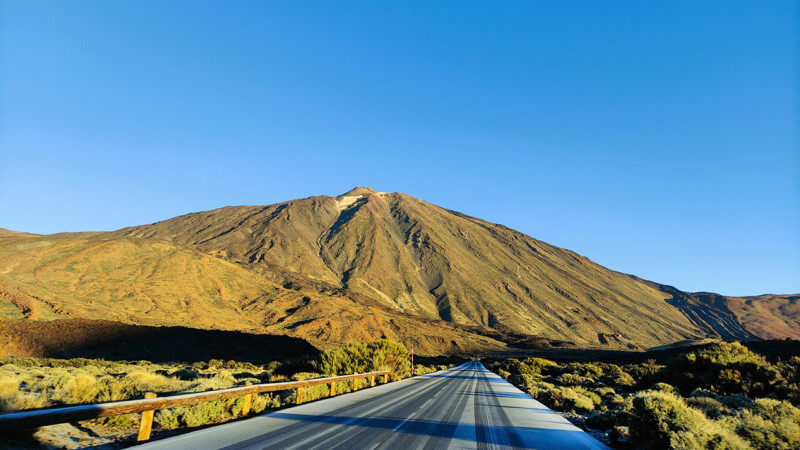
The first and probably the most popular trail that requires a permit is the top of the Teide volcano.


The permit is free of charge! It’s just located in a national park and a specially protected zone and no more than 300 people per day are allowed so as not to create a crowd. IMPORTANT! This is a very popular trail! Permission can only be obtained for a certain visit time, the number of permits is limited, and there are many applicants. I recommend applying 2 months in advance. By some miracle I got a window in the earliest group on the days of our visit. On my second trip I no longer had any opportunity to access the volcano, because I bought tickets only 2 weeks before departure.


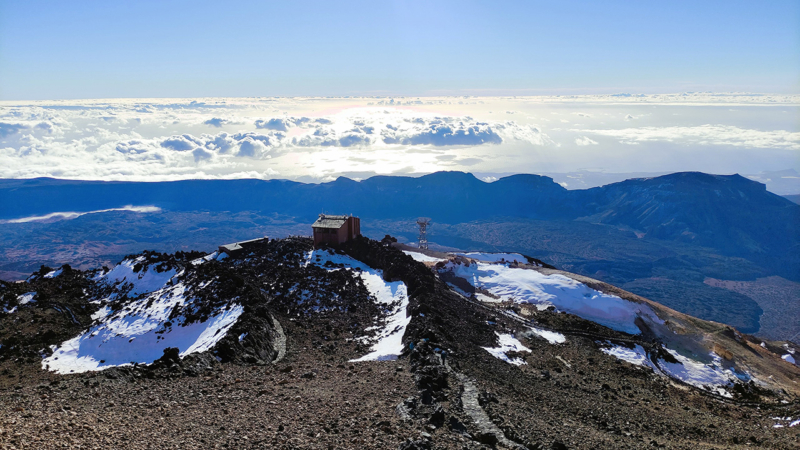
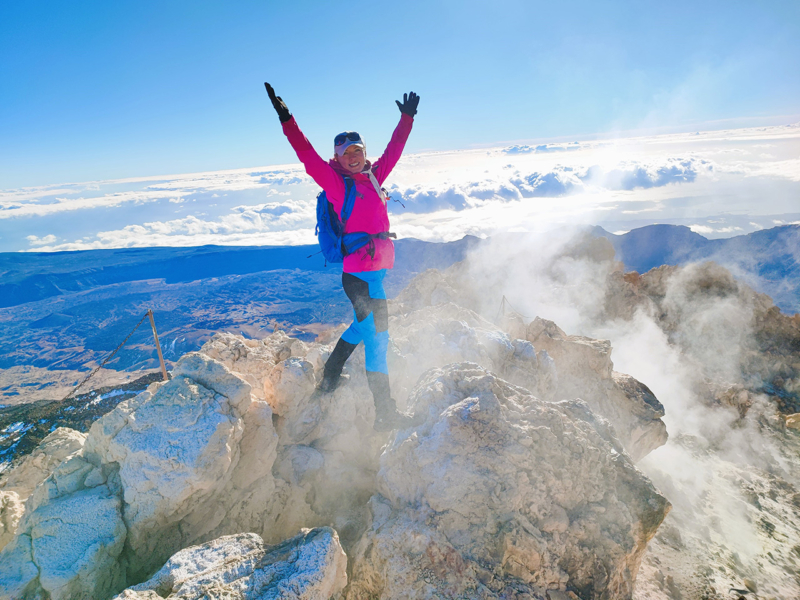
As I have said the permit is free, but necessary to climb the crater bypassing the checkpoint, if you want  to walk among the stinking exhaust and take pictures in the clouds of hot hydrogen sulfide. You can reach the top on foot from the base in a few hours, or you can, like us, take a gondola to the La Rambleta station (3,555m) and climb to the top 3,717m. The cost of the gondola is 22 euros one way. (or 40 euros up and down). We booked a ticket for the earliest gondola of the day so that we could also be the first on the trail. Lift tickets can be purchased in advance here


You can order your pass to the summit here.

We walked about 17 km, with an ascent of 500 and a descent of 1700 m, and our trek became a combination of three trails.


Having received permission to reach the top of Teide, I began to study the routes of descent and ascent, weather conditions at different times of the day, etc. It would be great to spend the night at altitude and watch the sunset and sunrise on the volcano. But the shelter was closed then, and tents are prohibited on the territory of the national park. You can go up and down in one day, of course, but this is for robots of a higher level than me. Moreover, I had an early pass to the volcano, so I decided to take the very first elevator up to the base station and reached the crater by 10 am. Then, according to the plan, there was a descent along the northeastern side  for about 13 km.


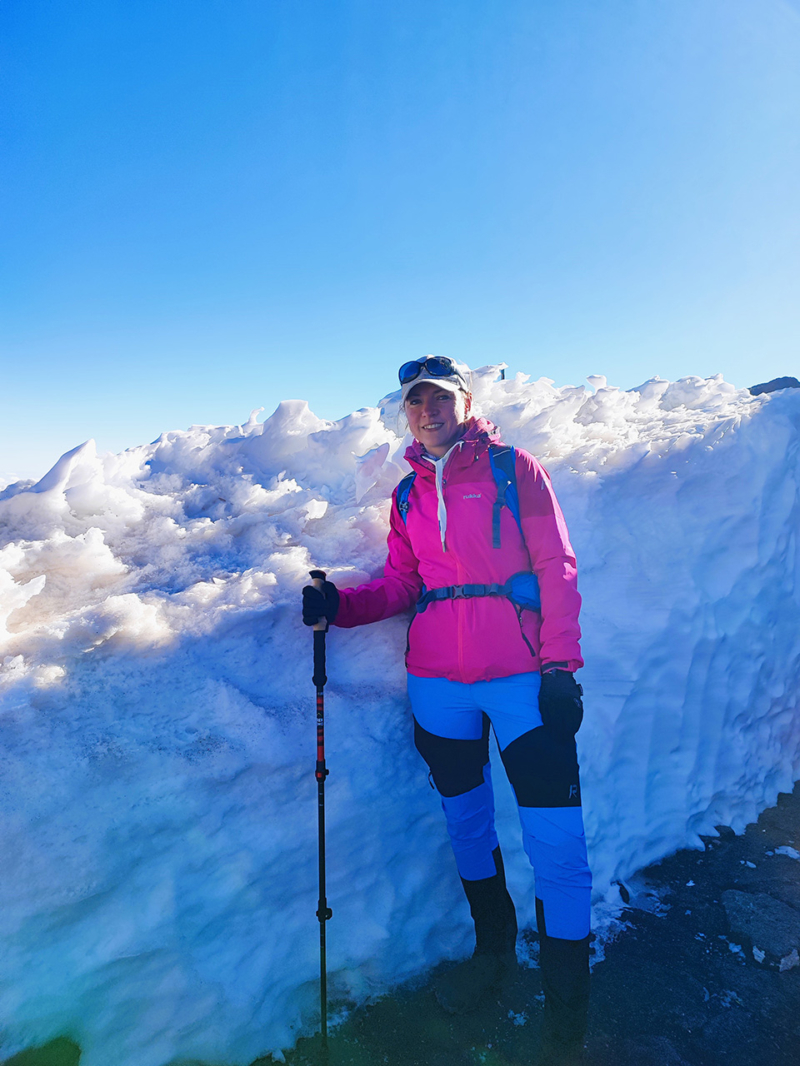
The night before I studied websites with weather forecasts. They promised us snow in the morning, strong winds and -4, which felt like -13. In the morning there was an SMS on the phone that the peak was open. But the trail which I planned first  is closed due to icing. Plans cannot be changed or rescheduled for another day.


At 8 am we started climbing to the gondola base by car. In Vilaflor, where we spent the night, it was +7, at the entrance to the lower station of Teide (altitude 2350) it was only -5 and the roads were icy. It became scary, our rented car was equipped with summer tires. I put on everything that was in the suitcase, except, probably,  for the swimsuit. Just like cabbage, but even so I was shaking from the cold when I got out of the gondola at the top station. Next checkpoint, passport verification, briefing. They said we had  to be back in less than 2 hours, and if we turn onto our firstly planned path, which is officially closed, and do not check in at the checkpoint, we will have problems on the departure at the airport. Everything is strict, damn it.


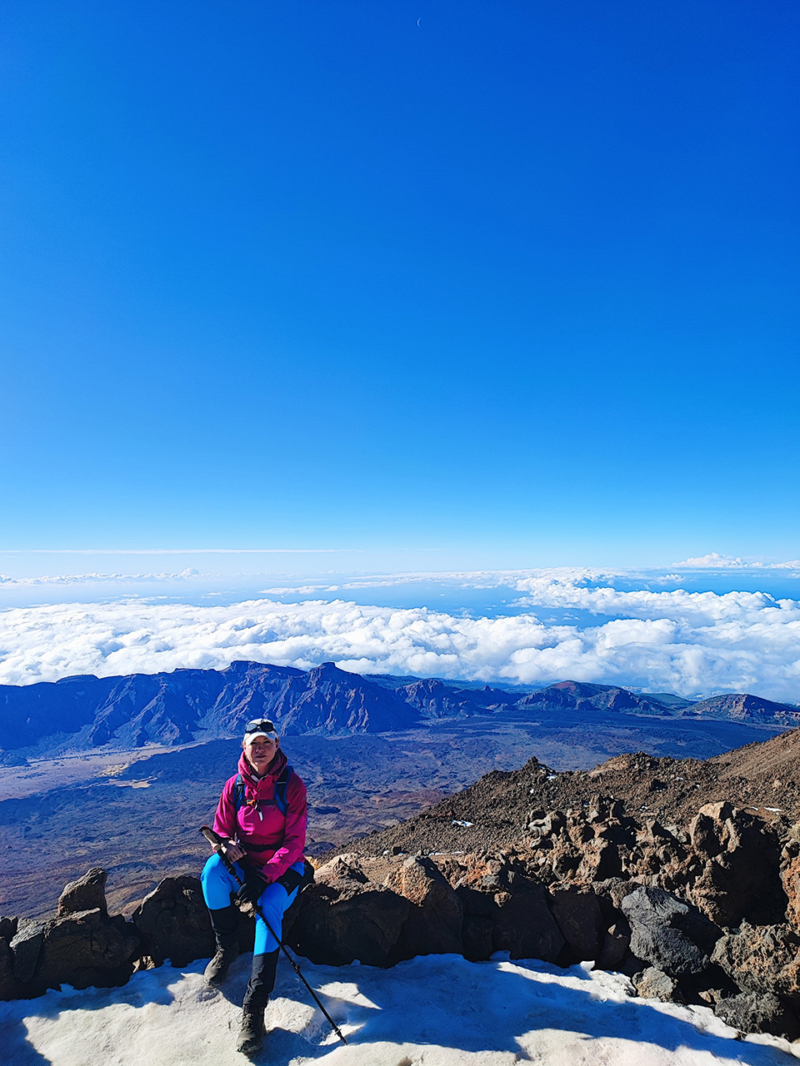
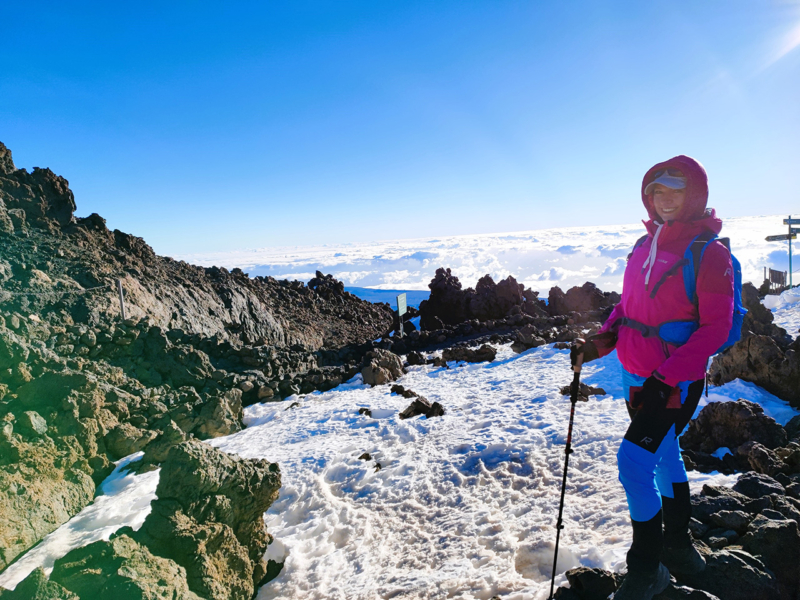
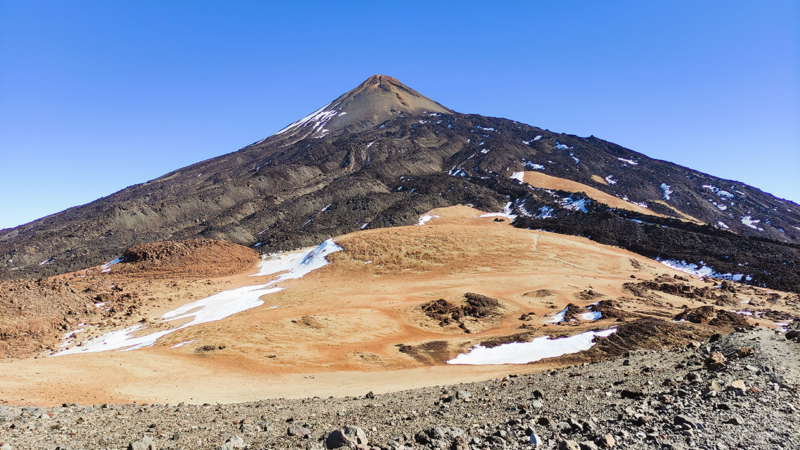
Then there was the climb to the volcano itself. It was easy for me to go up, I even warmed up. I didn’t have any hint of an altitude sickness at 3700. I admired the landscapes and the groups of clouds running back and forth, colliding and curling into balls below. By the way, the crater is quite warm and very smelly. Although it has not erupted since 1907, it continues to fart, releasing gases in the crater and on the sides.


Oh yes, we were the first to reach the top of the volcano that day! We had to walk rather fast to leave the others behind and be able to take plenty of photos and shoot videos without crowds. After that the long, almost 17 km, journey down began. When the sun rose, it became not just warm – hot, despite the fact that the temperature did not rise above +10. It’s an interesting feeling, the air remains cool, but objects heat up. It is important here not to give in to the temptation to undress. Long sleeves, a collar or neck buff, and a cap are mandatory accessories here. The sun burns skin like in hell. Long pants will protect you from scratches; pieces of lava are sharp and porous.


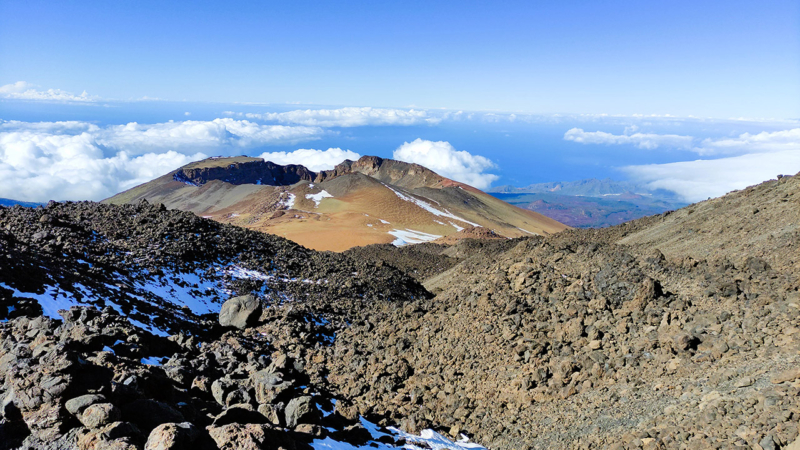
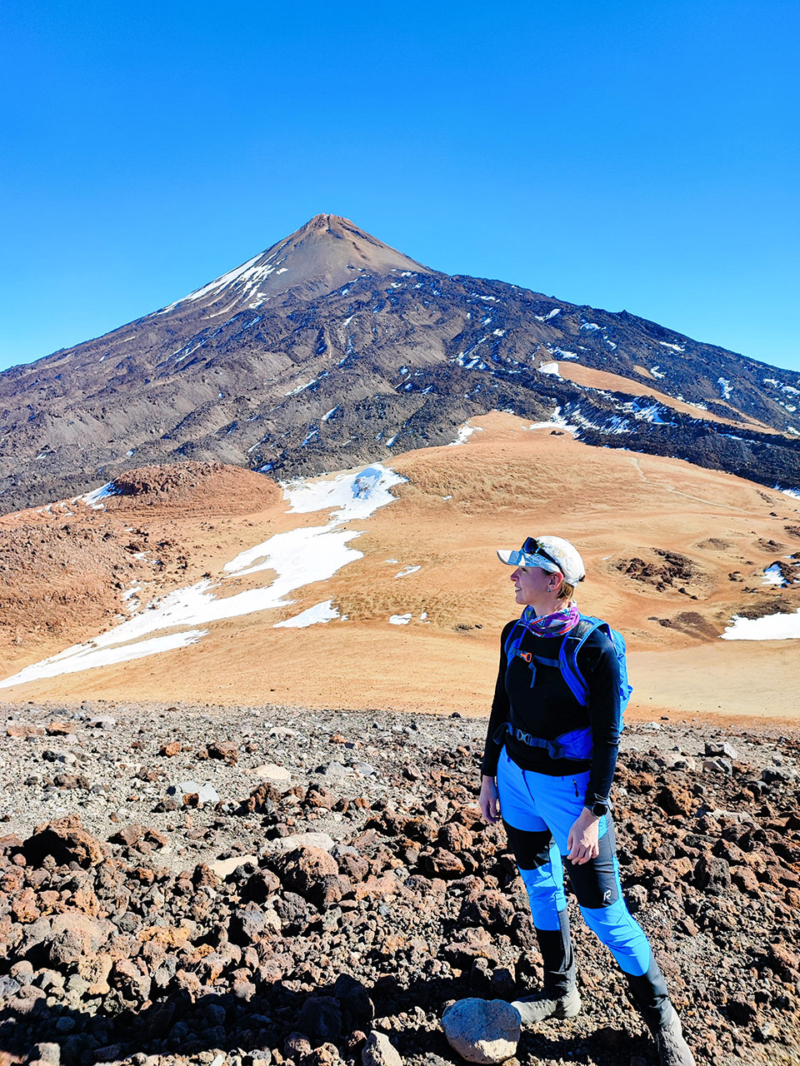
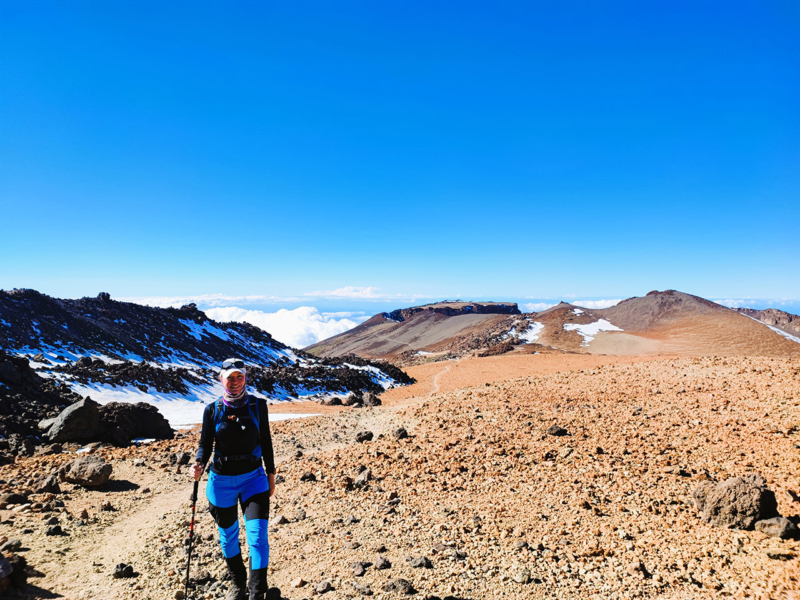
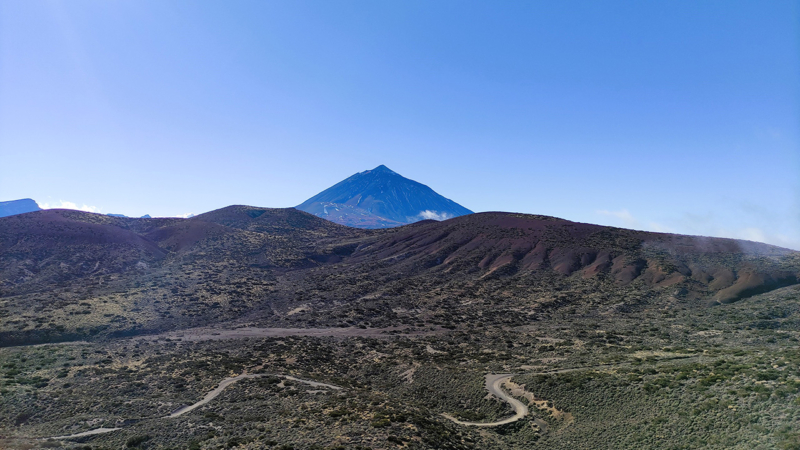
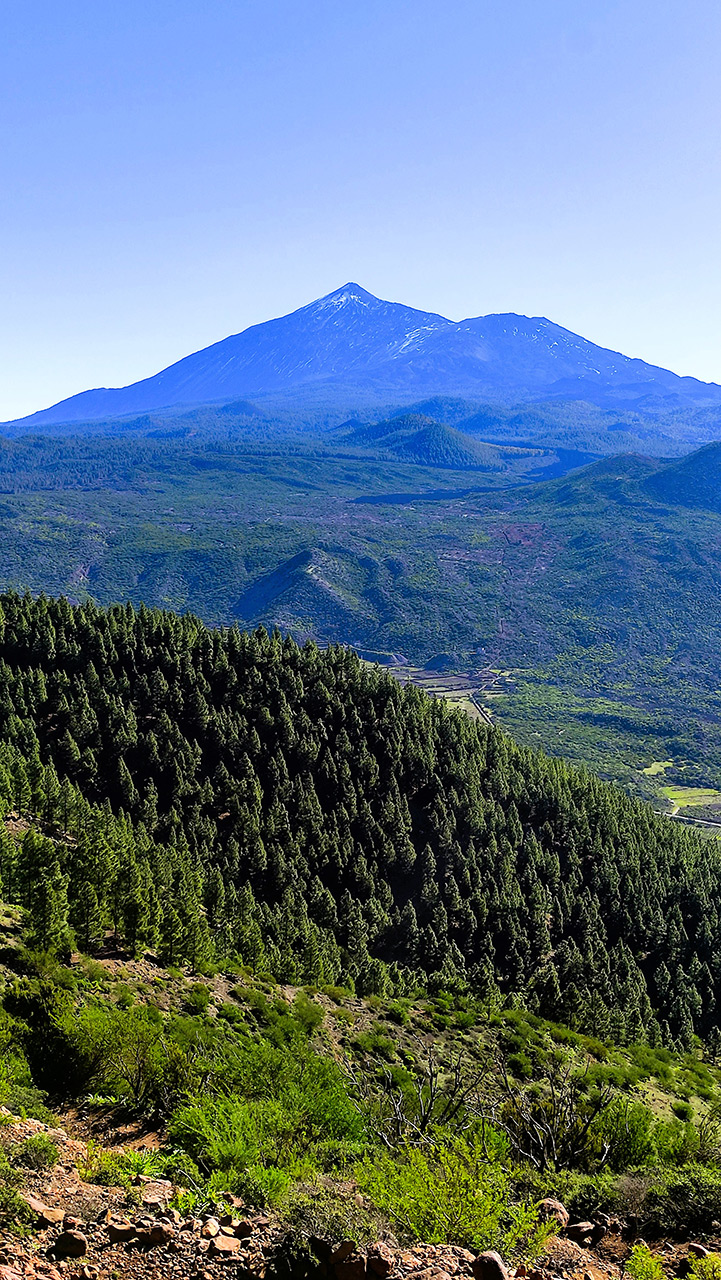
 On the way down, I made a small detour and climbed the neighboring peak – the Vieijo volcano – to admire the handsome Teide from the side and the cloud ocean ander me – an amazing natural phenomenon caused by trade winds that gently push the clouds towards the mountain peaks. Wet condensation forms  between 600 and 1,800 meters above sea level in the north and northeast of the island. At the altitude of Teide National Park, warmer and drier high-altitude winds prevent clouds from rising. That’s why the top of Teide is always above the clouds and always sunny! Well, almost always.


The full journey took more than 6 hours. This descent  is a killer for the knees and ankles. I probably would have walked the trek for 2 hours more if not the poles – an indispensable tool for descents, it relieves the load on the joints and provides an additional point of support for balance. After midday, the clouds began to slowly roll over the mountains and flow in rivulets into the valley in front of Teide.  


After the descent, it was time to move towards the capital of the island to the east, and along the way we drove into these very clouds. The wonderful soft lambs from the outside turned out to be cold, hurricane-windy and rainy inside. I couldn’t photograph any views around. As we descended, the visibility became worse, the fog and rain became denser and the temperature was lower (to +7 in some places). When we turned to Santa Cruz, the navigator gave us 10 minutes, 8 km, and the city itself showed below…. Wow! it was illuminated by the sun! How is this possible? In 10 minutes of driving the air temperature rose to +20. What a unique microclimate on this essentially small island!
Camino del barranco de Masca

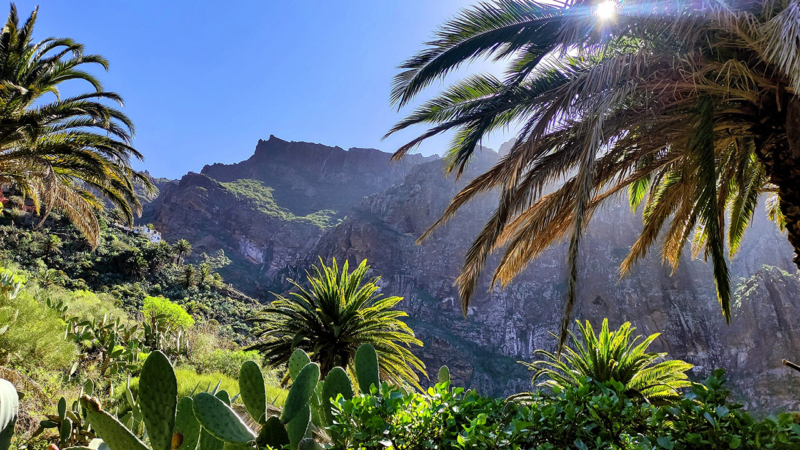
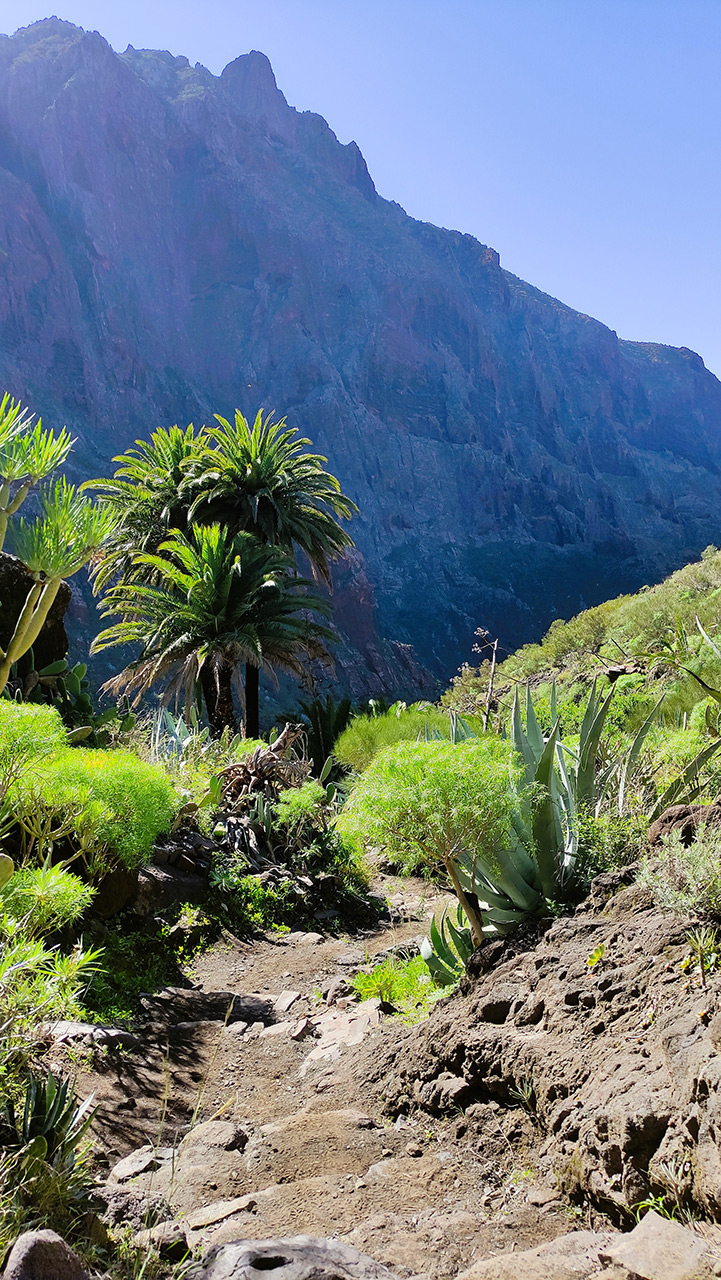
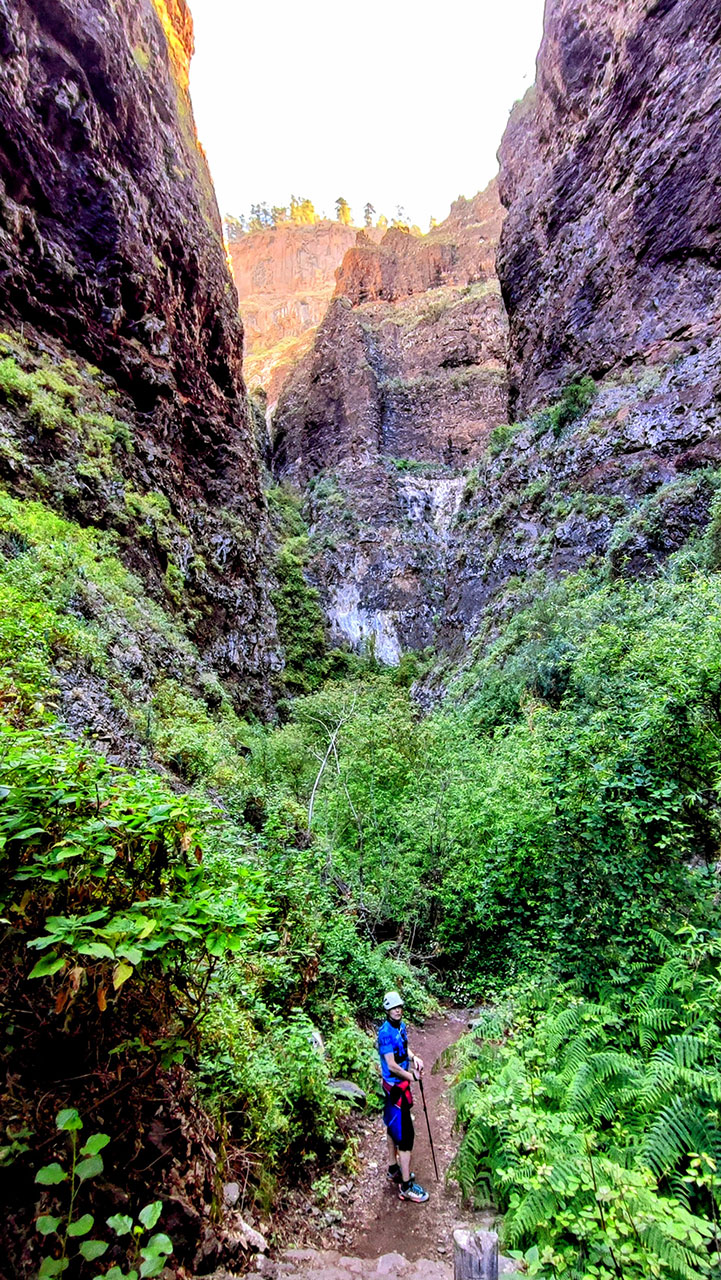
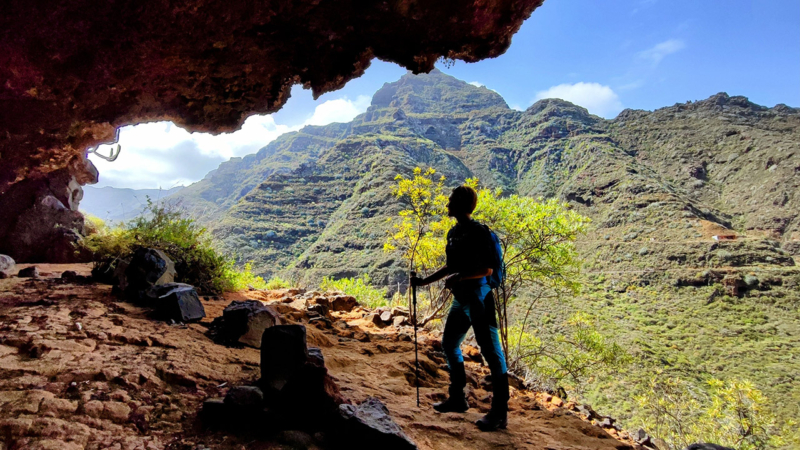
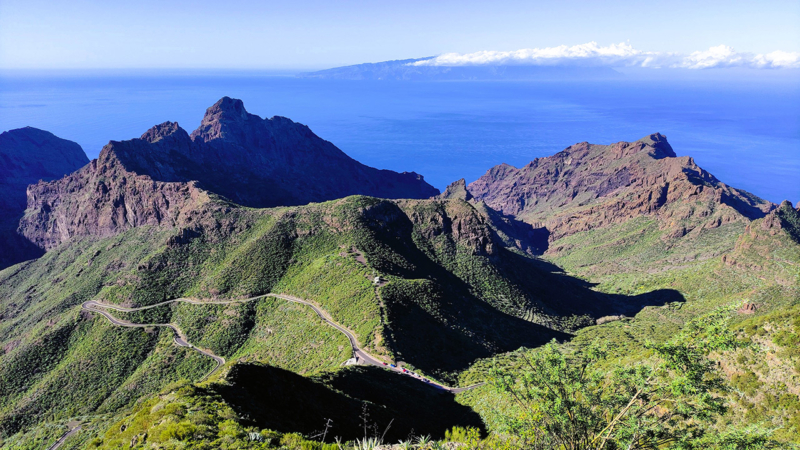
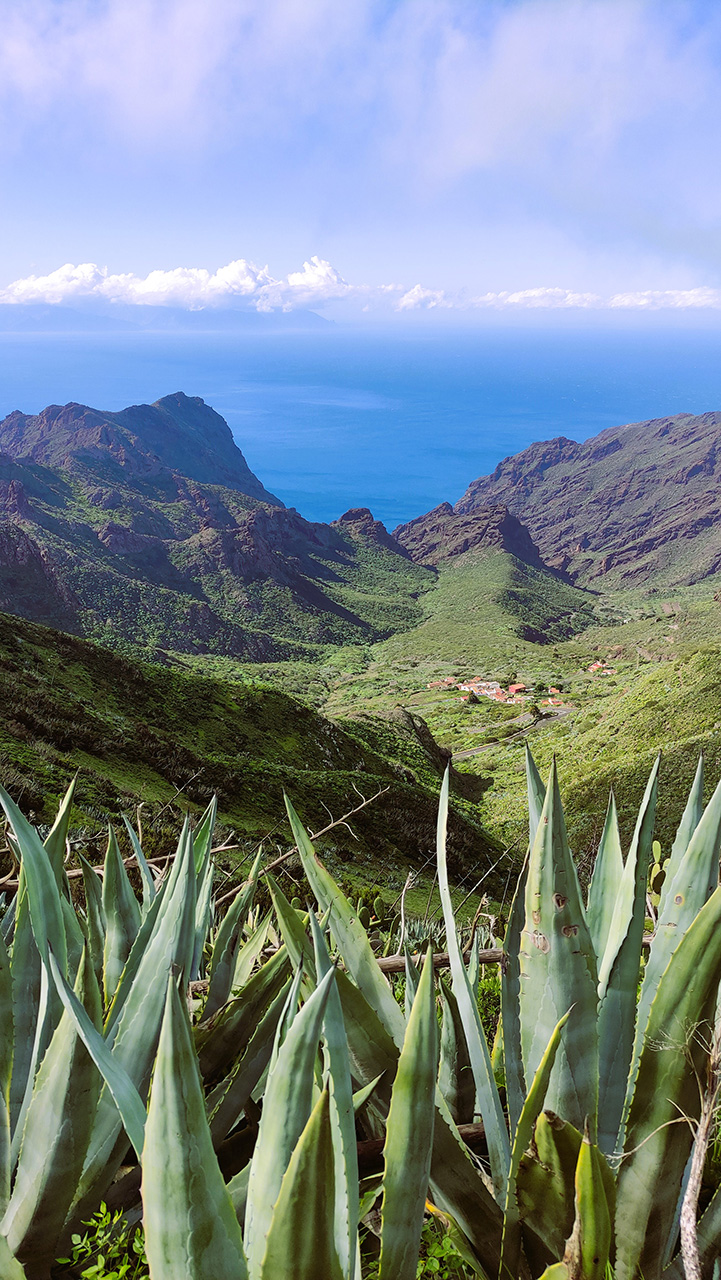
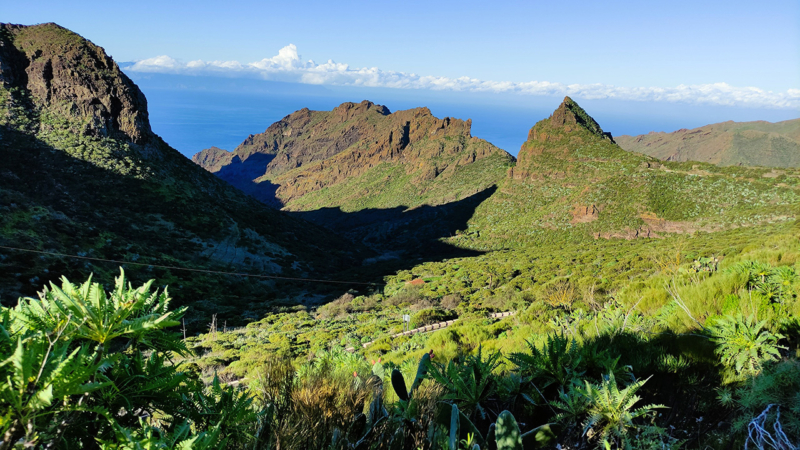
The second trail that requires a permit is Maska Gorge, a unique place due to its rocky beauty and the unique forms of flora found here. Some species are found nowhere else in the world. Due to its popularity among visitors and the risks associated with hiking in general, in order to ensure the conservation of the area, increase visitor safety and improve the quality of the experience, the local government has decided to implement a limit on the number of visits per day.


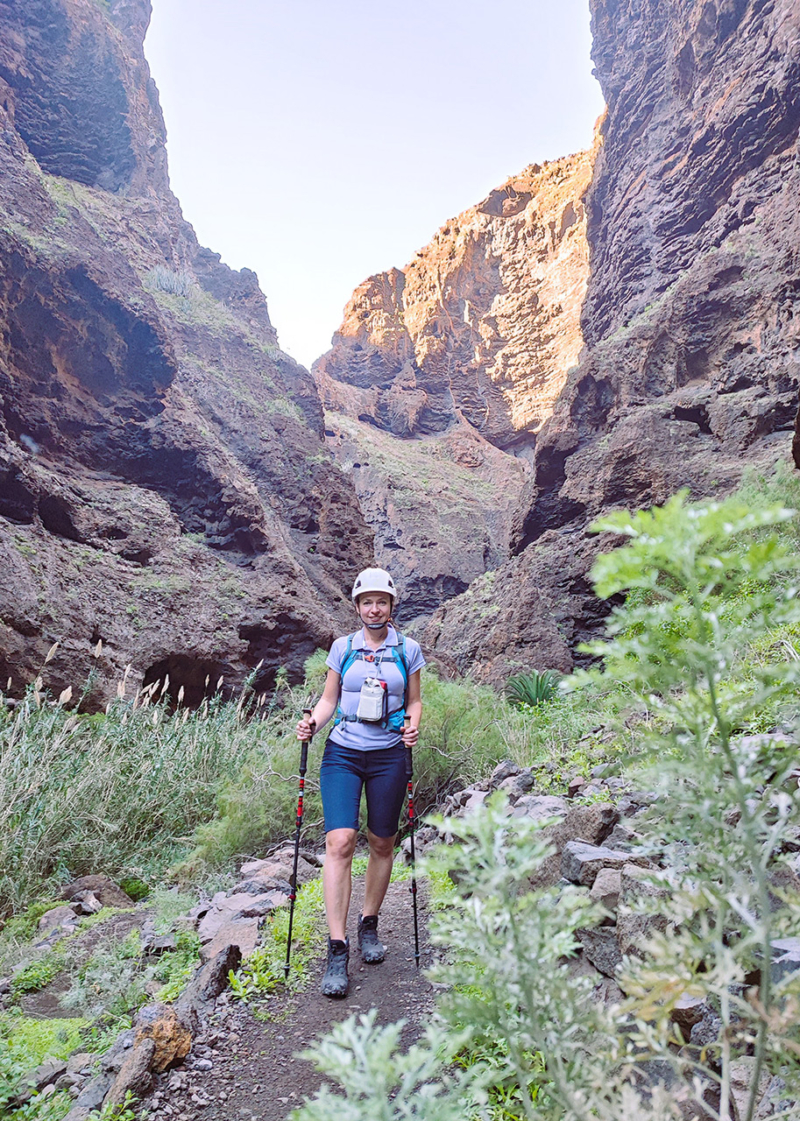
Only 250 people per day are allowed on the trail. 30 people per half hour. from 8:30 to 10:30 They give you a preliminary safety briefing and give you a helmet (wearing it is mandatory, according to rumors you can be fined for not wearing it, there are caretakers along the way). Special requirements for shoes. Trekking boots are required. We personally saw how employees turned around a group of Poles in sneakers.


The permit is free and can be booked here.


  •  Camino del barranco de Masca

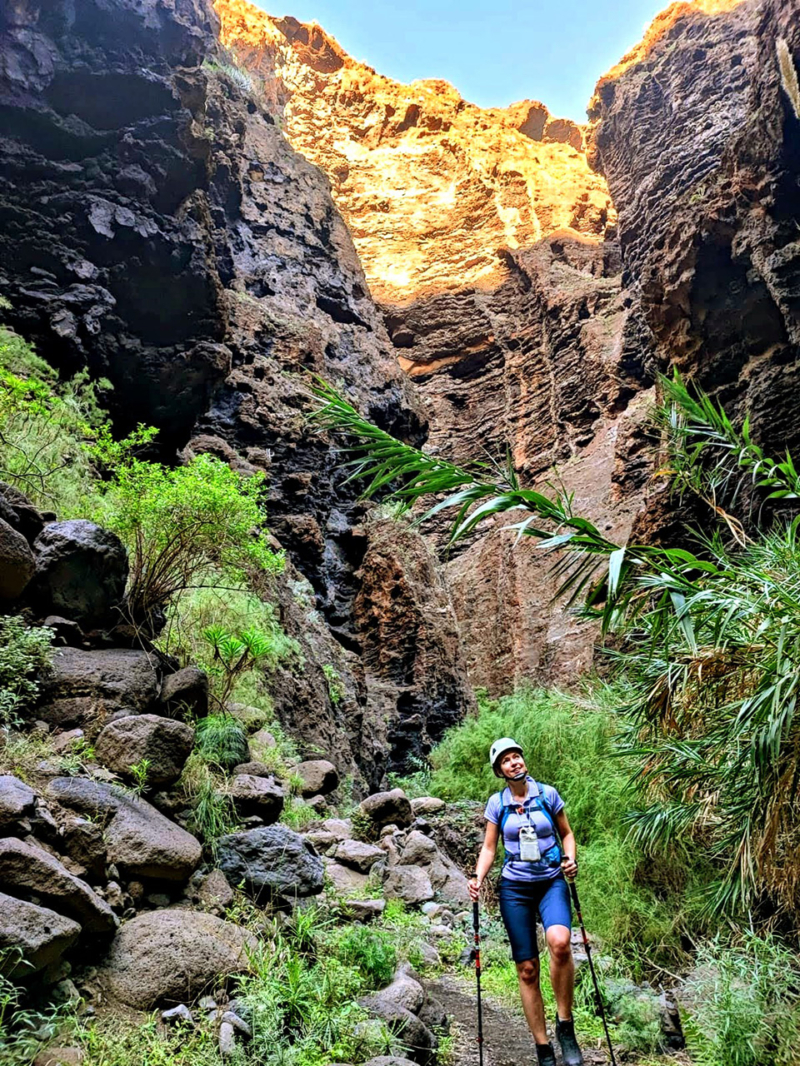
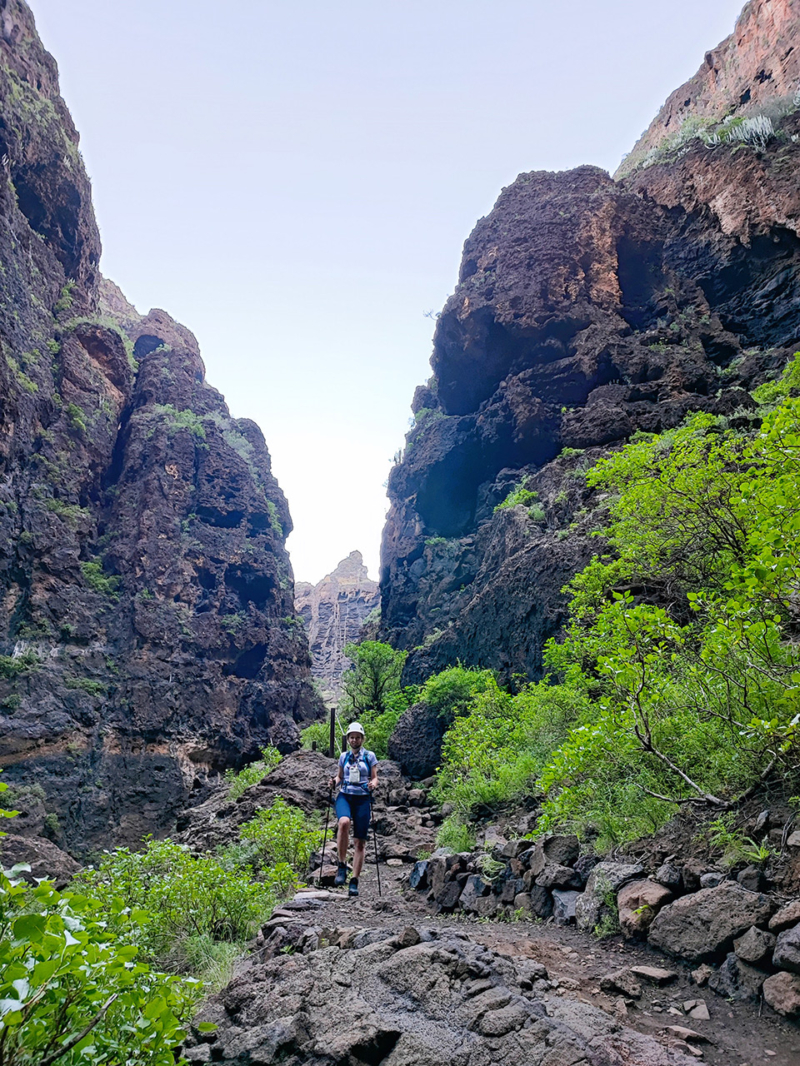
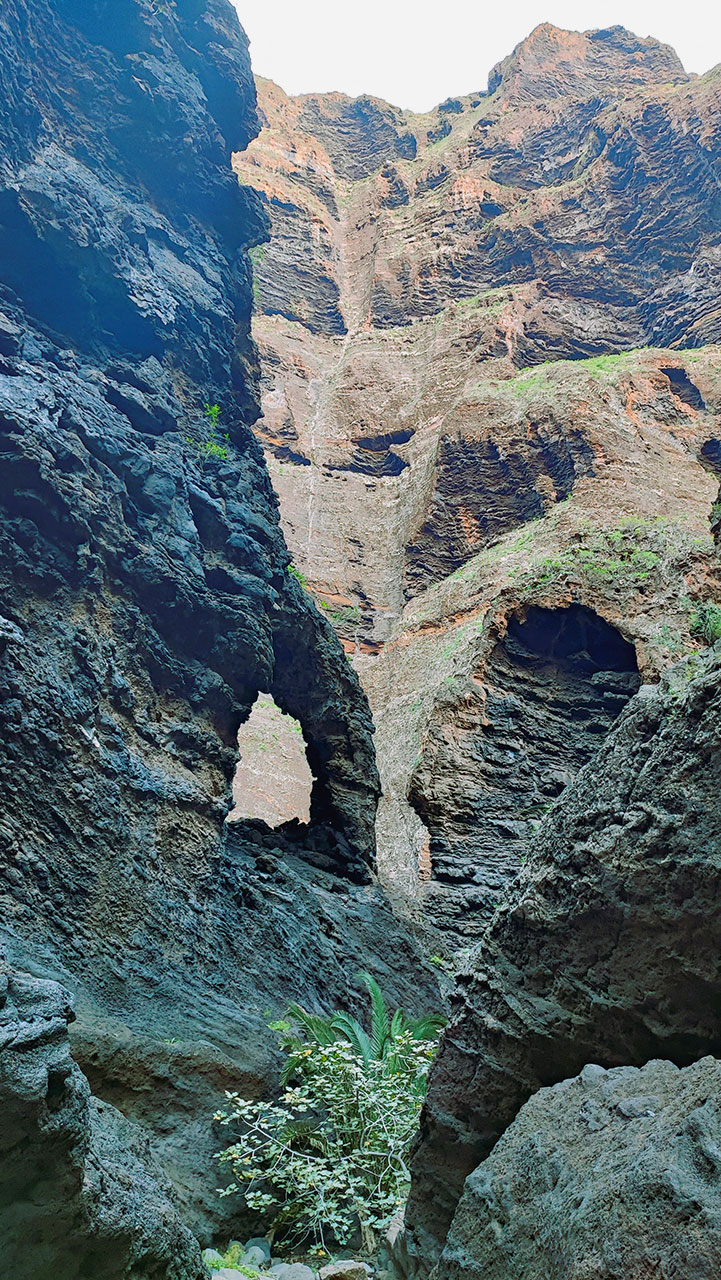
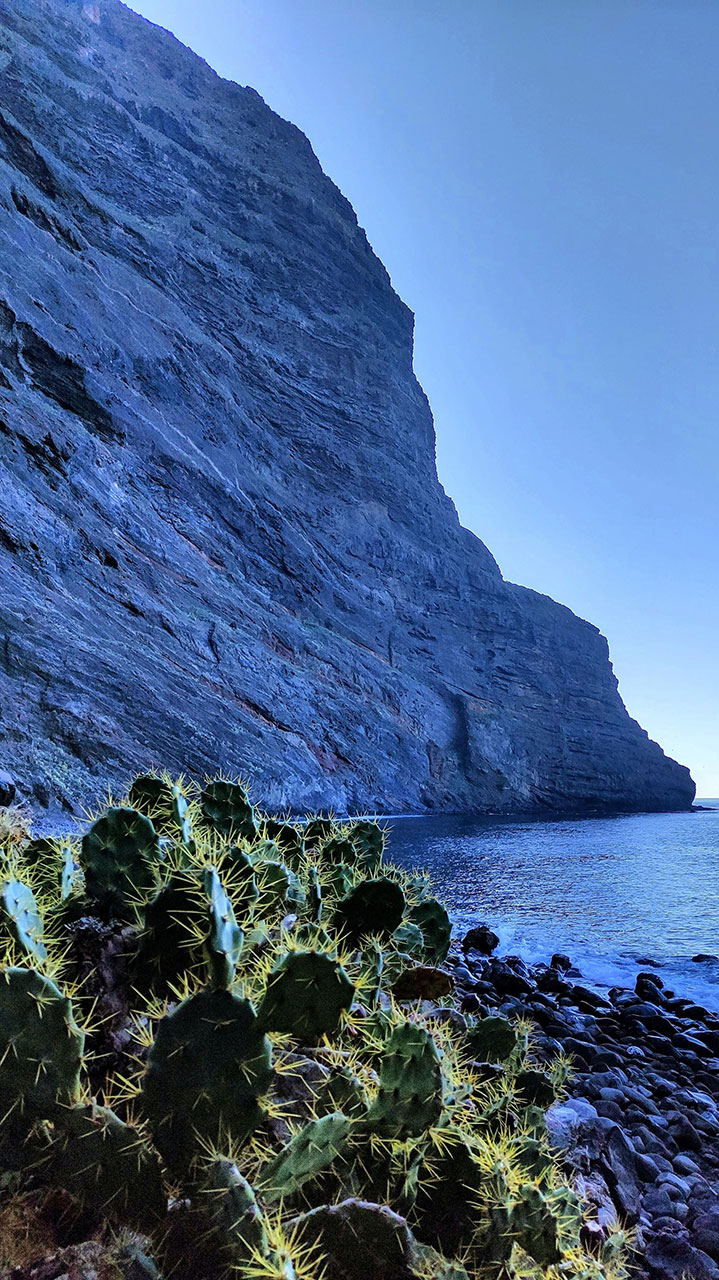
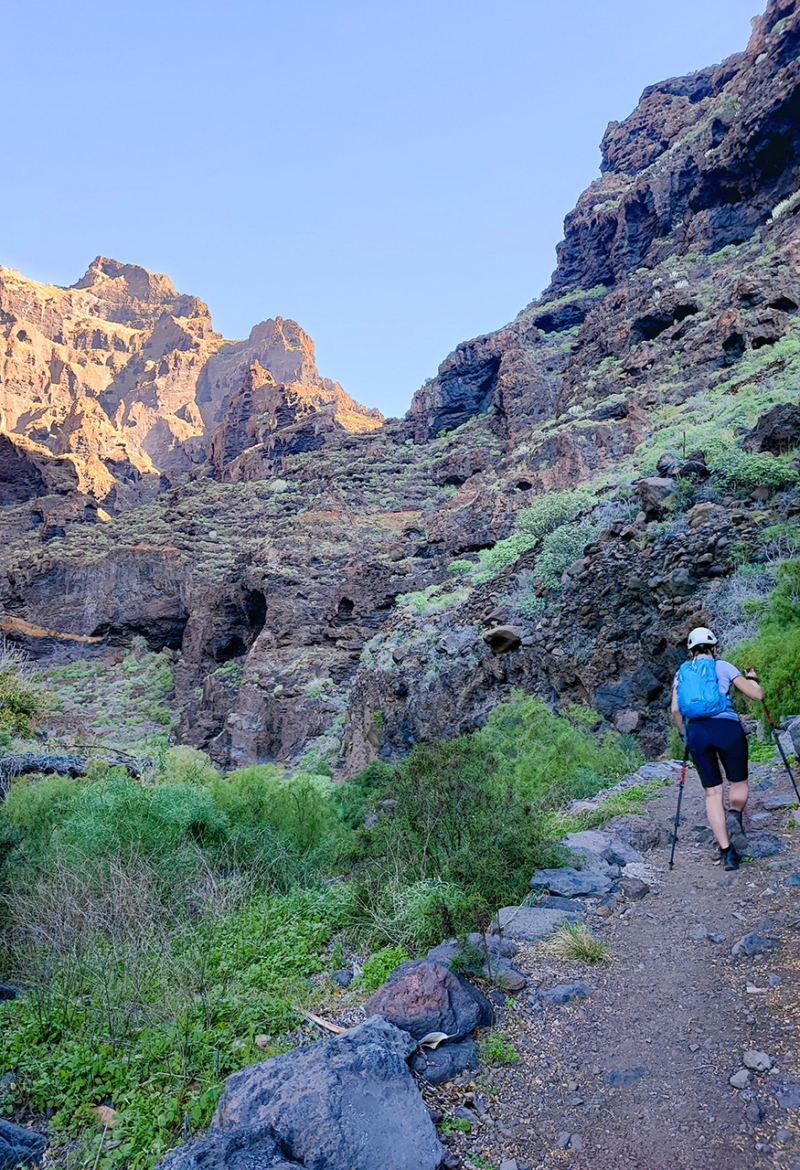
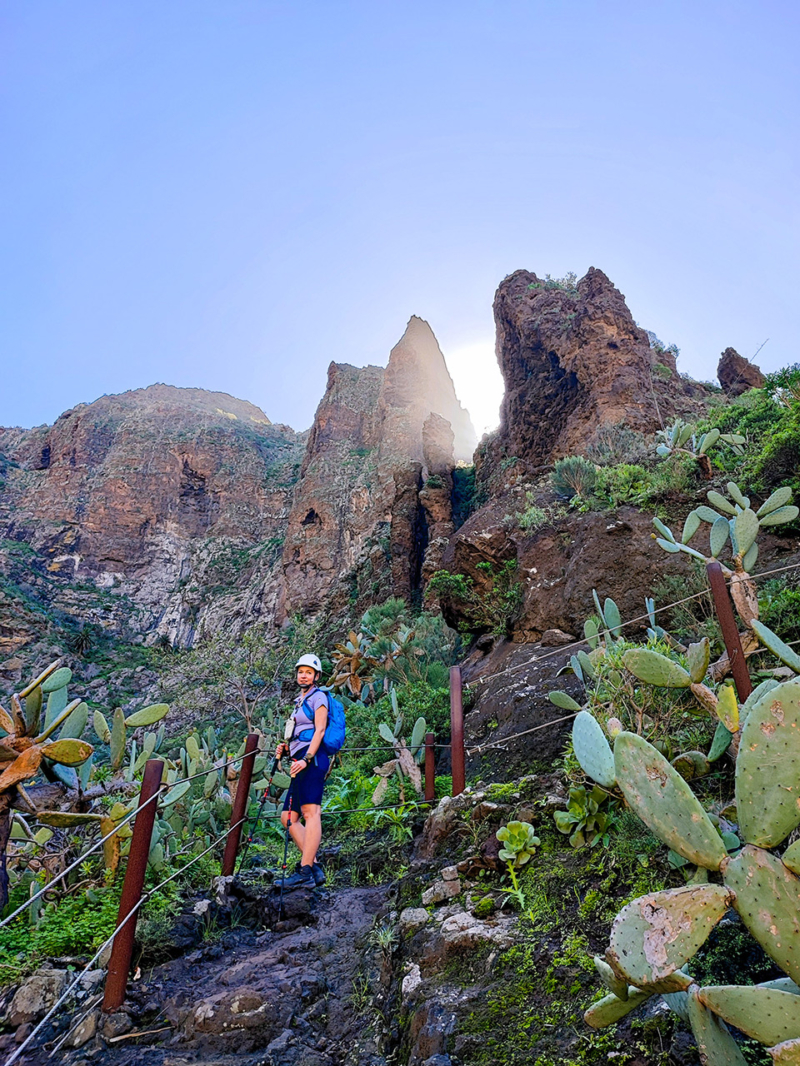
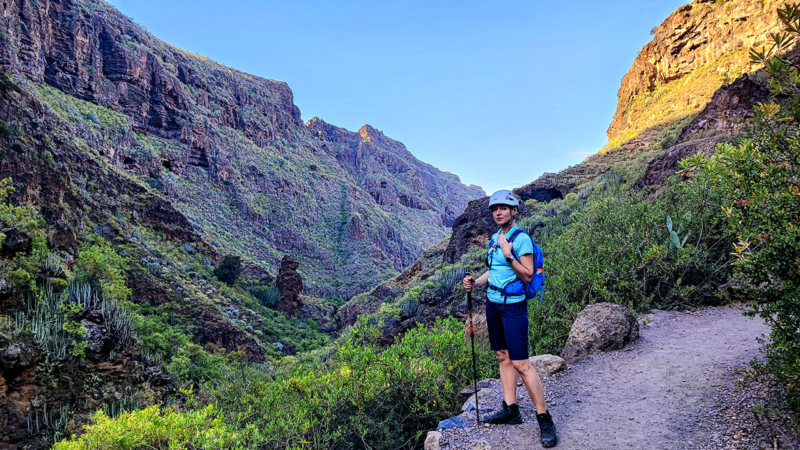
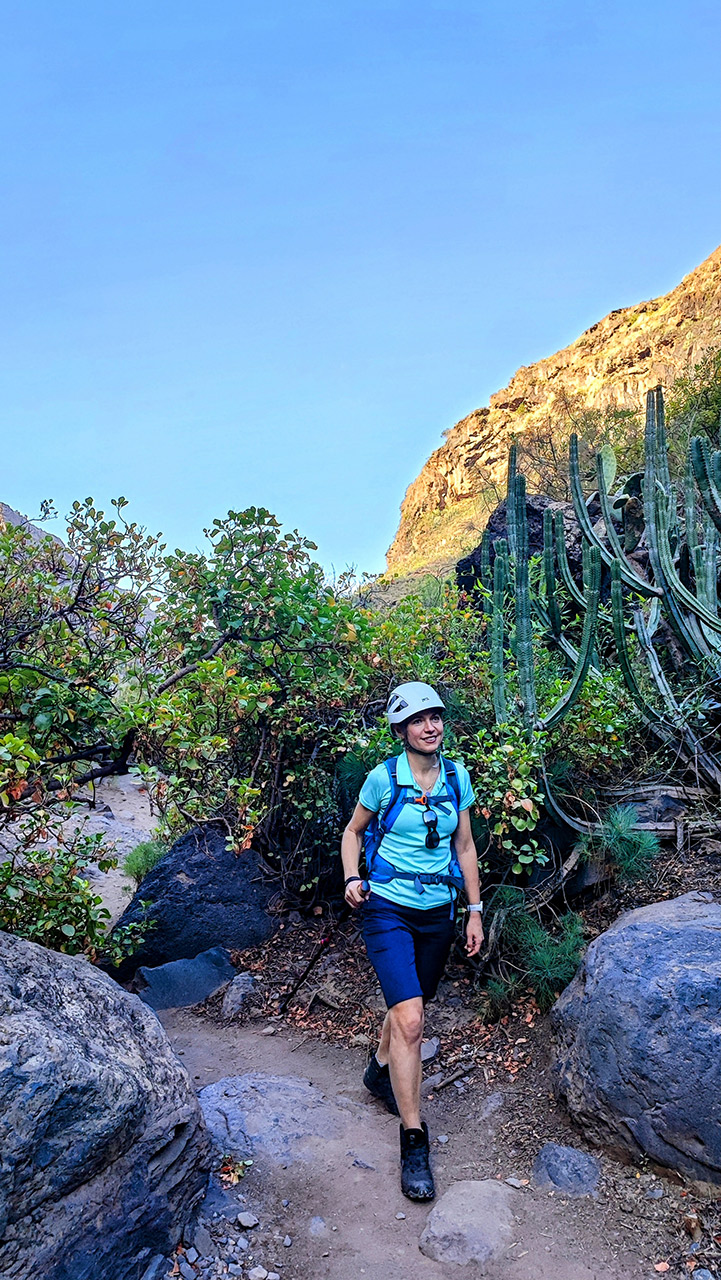
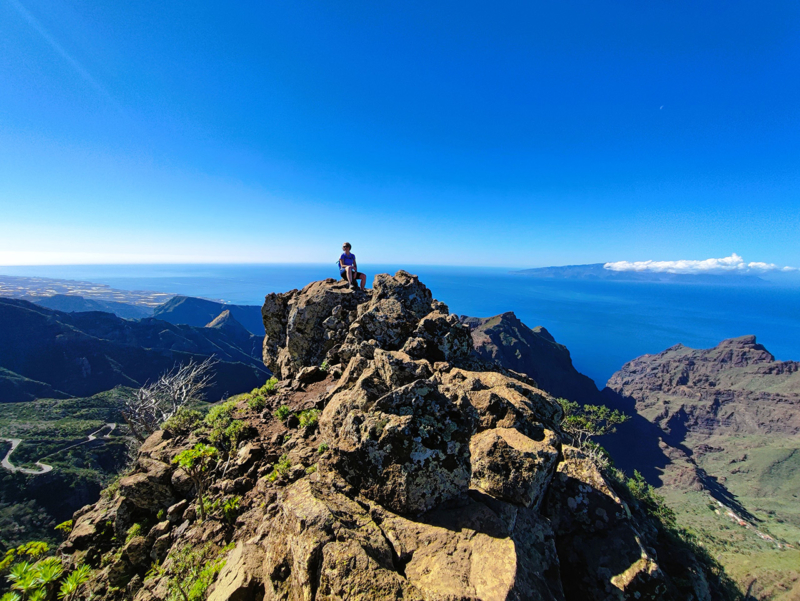
Beautiful, epic in places, average difficulty. First, 5 km down the canyon to the sea, then back 5 km with an ascent of about 700m. I completed the 7-hour route in 3:40, taking into account photos and a snack. Moreover, it took longer to go down. This time with poles, a huge help to the joints on the descent! An amazing canyon, the only path to a lost world. Even boats don’t come to this bay. Strict search and briefing before the start, footwear check and mandatory helmet. There are several “enter-exit” checkpoints along the way; you must check in at each one. When requesting a pass, passport data is required, which is verified at the entrance and at all points along the trail. But as for me, the difficulty and danger are not above average. If you find yourself in Tenerife, you should definitely go through it.
 

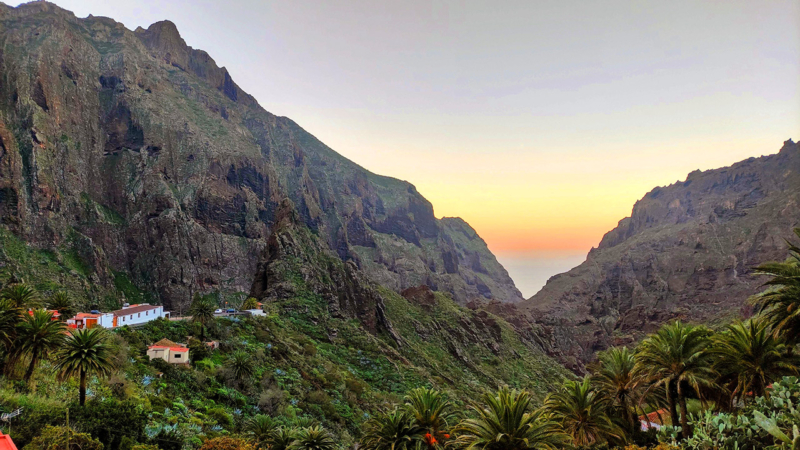
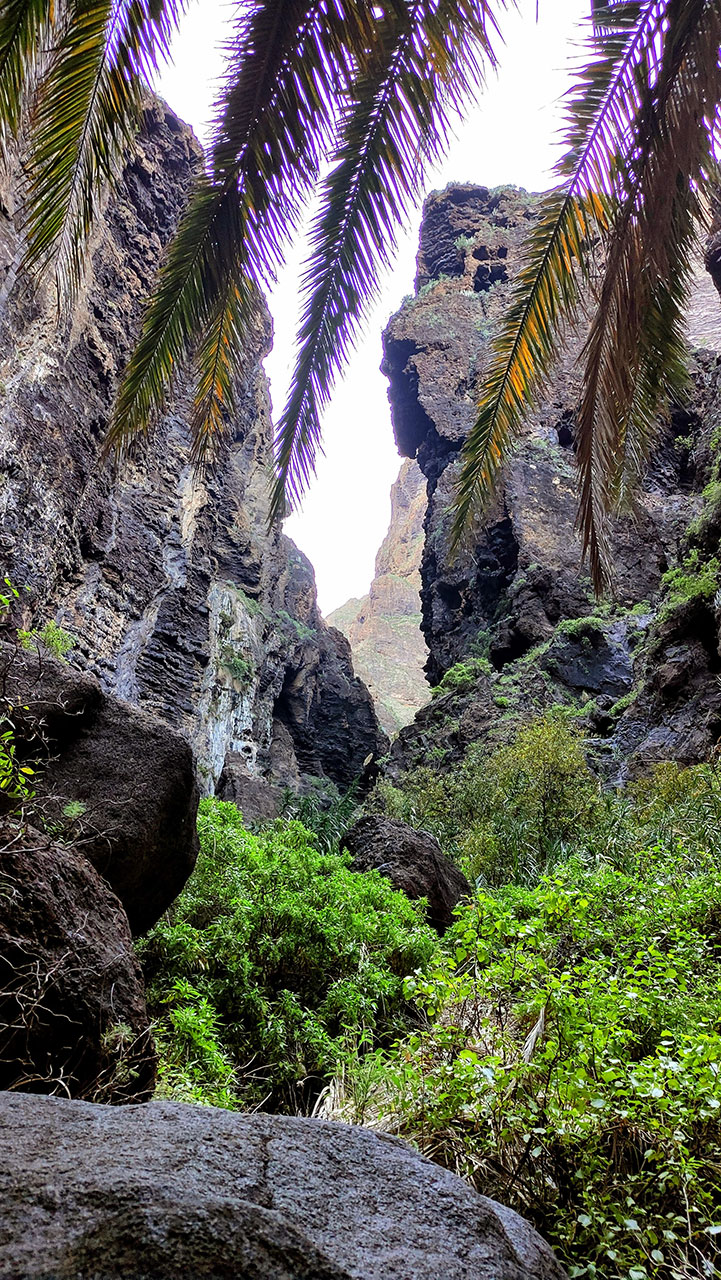
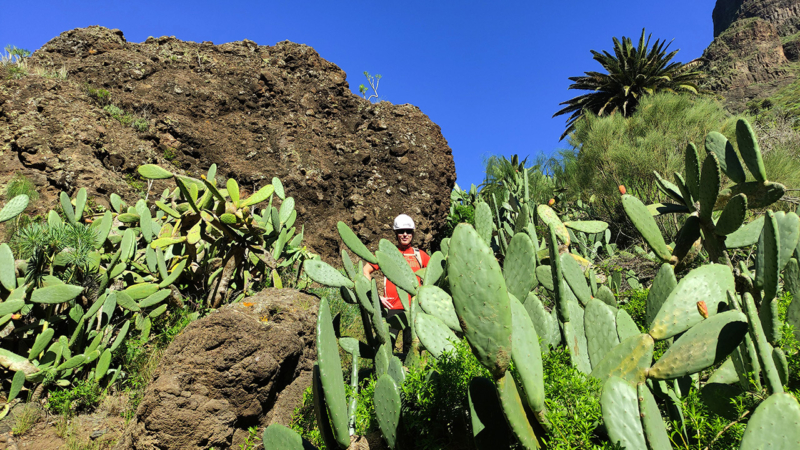
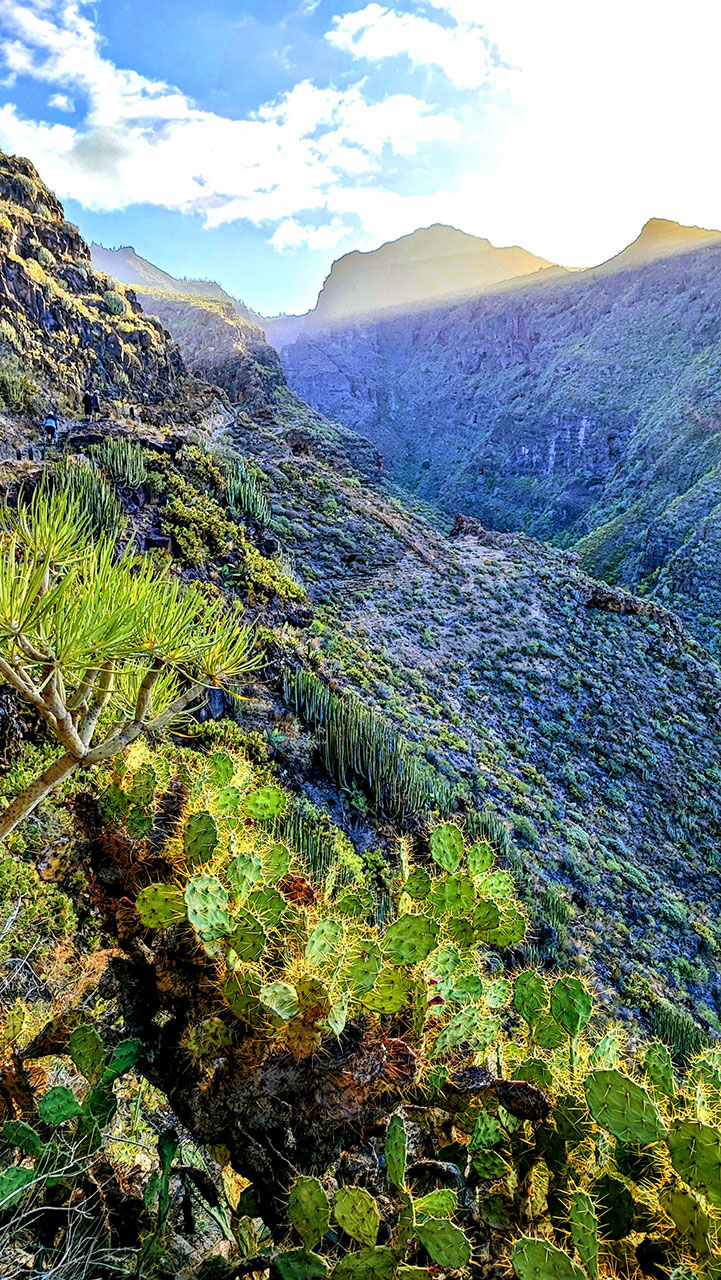
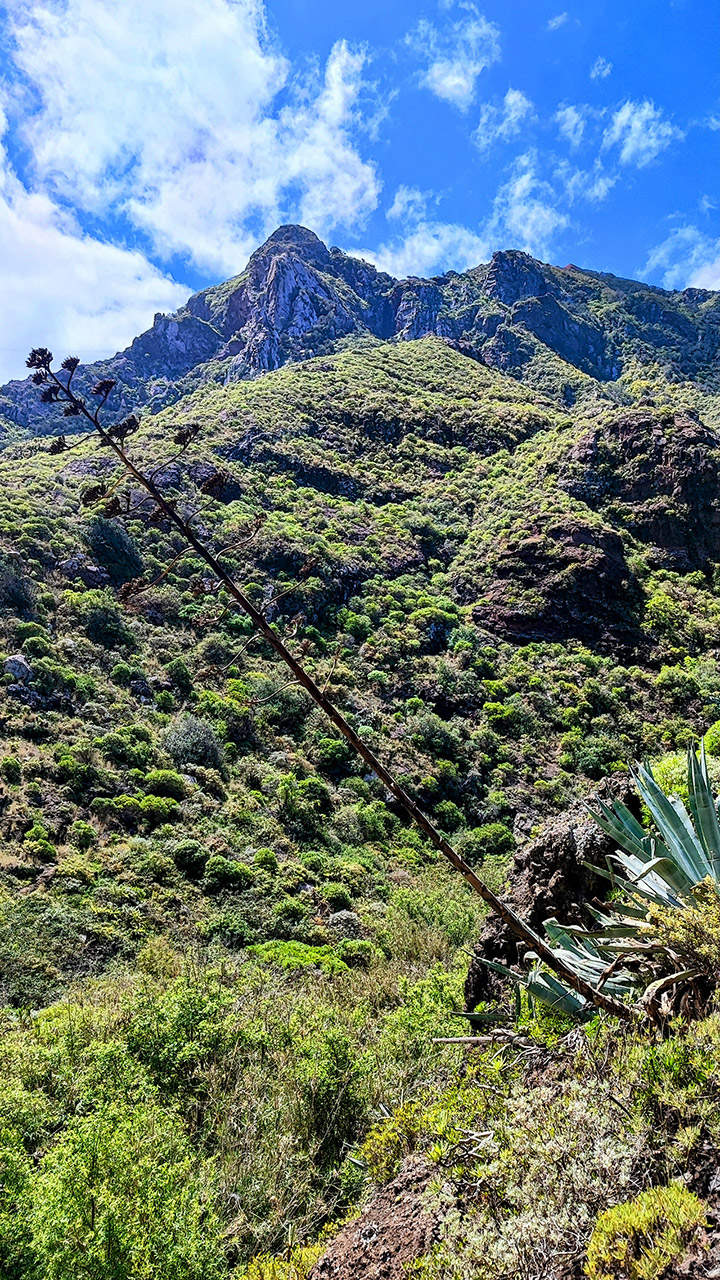
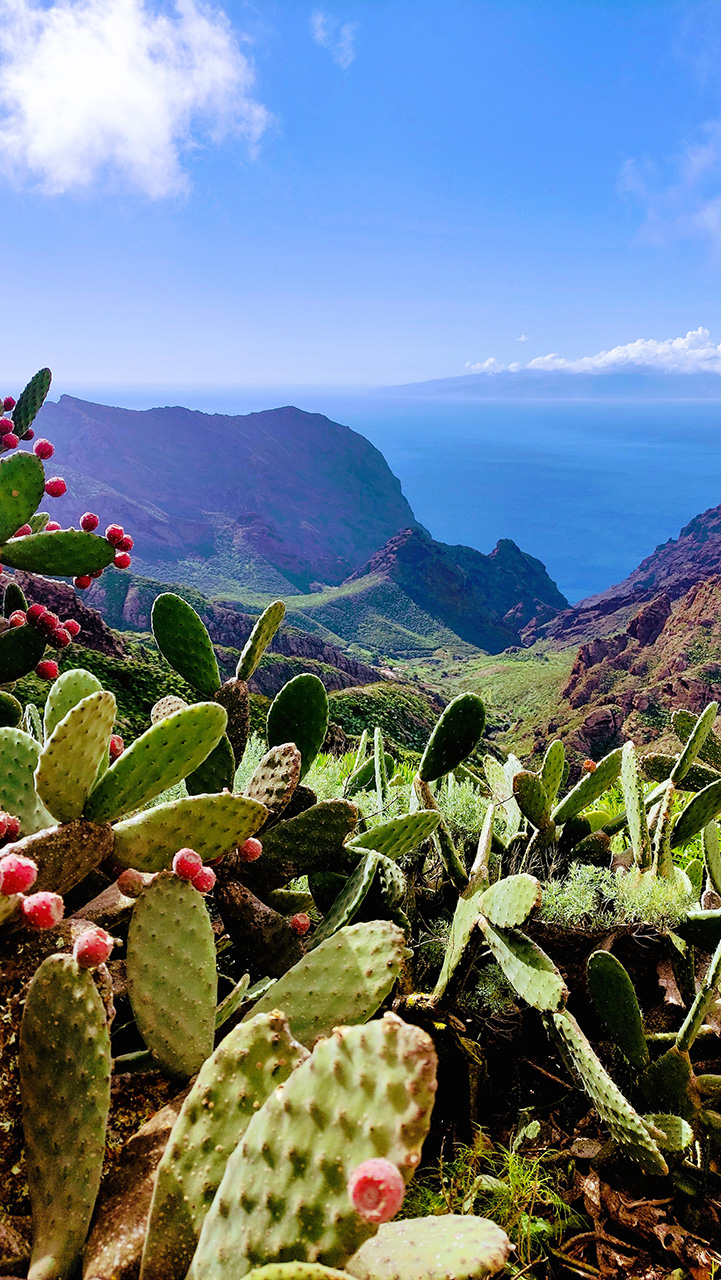
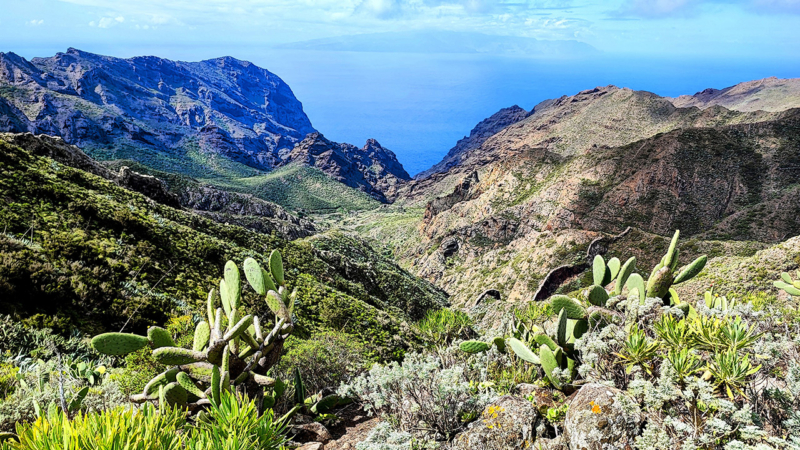
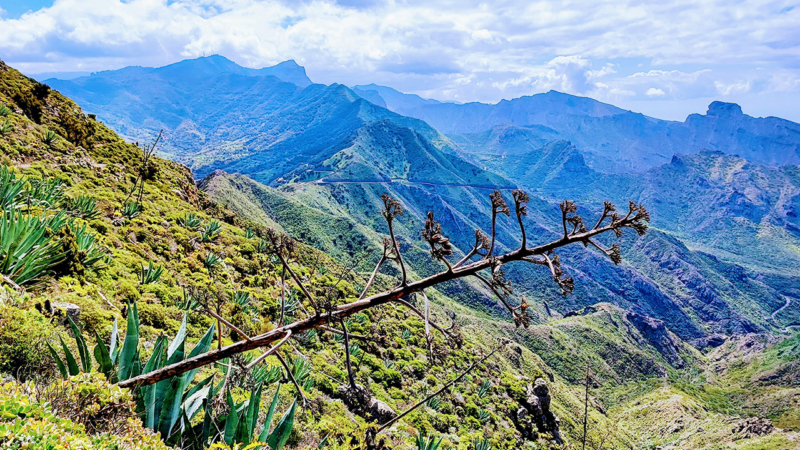
The landscapes are unique, sometimes cacti under the burning sun, sometimes wet rocks black from the eternal shadow, sometimes suddenly thickets of grass no less than 3 meters high.


A day later, we got talking to a couple from Germany on the mountain. The guys were disappointed; they had the same track booked. But they received a notice the night before that the trail was closed. Although there should be no weather obstacles to this. The weather was exactly the same as the day before.


I checked the website, and there was no booking option anymore. Whether some accident had happened on that very day when I was walking this path. There used to be a lot of accidents on the trail. Mostly falling stones. From such a huge height, like the cliffs around, even a very small stone on your head is enough. Well, inappropriate shoes on a rocky, unstable surface can lead to sprains, followed by falls from high cliffs without any chance to get up. The internet connection here is also not so great: sometimes 5G, sometimes it disappears completely. And even GPS is going crazy. After many incidents, the trail was closed for some time, now they try to make it more or less safe.


I think I was very lucky to complete the track. A day later, I would have been left in front of the closed gate. The trail didn’t seem difficult or dangerous to me, but the landscapes were unlike anything else in Tenerife.

Barranco del Infierno

The third of the trails that requires prior permits is the Barranco de Inferno Gorge. This is the only trail with paid access. When booking a permit on the website, the entrance fee is paid immediately, 11 euros per non-resident adult. Reservations can be made and paid here.


Probably, because access is paid, there were no problems with booking, at least for us. There were slots available even on arrival. We visited this trail on our second trip to Tenerife, in March 2024. To be honest, this trail seemed to me not as impressive as the Masca. 

I’ll immediately make a reservation that despite its name (Gorge of Devill, if translated from Spanish), there is nothing scary about it. Rumor has it that this name was given by the locals to scare away strangers from the only natural source of drinking water on the island.


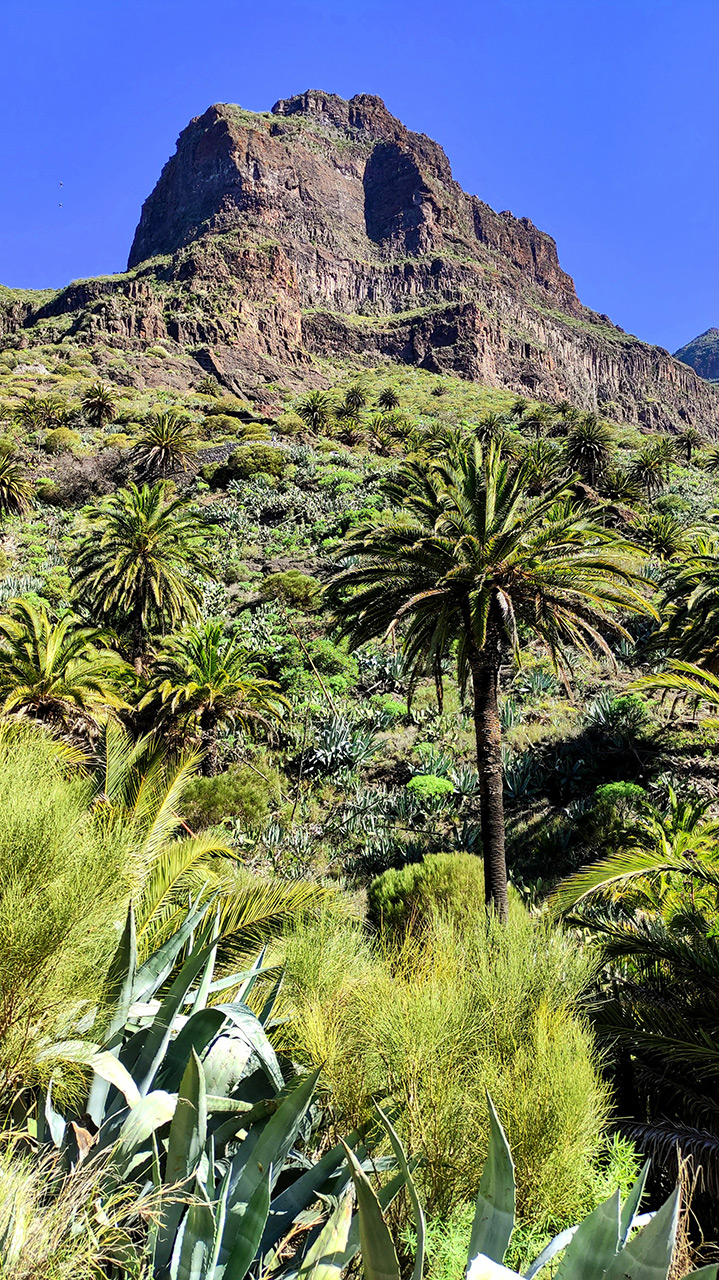
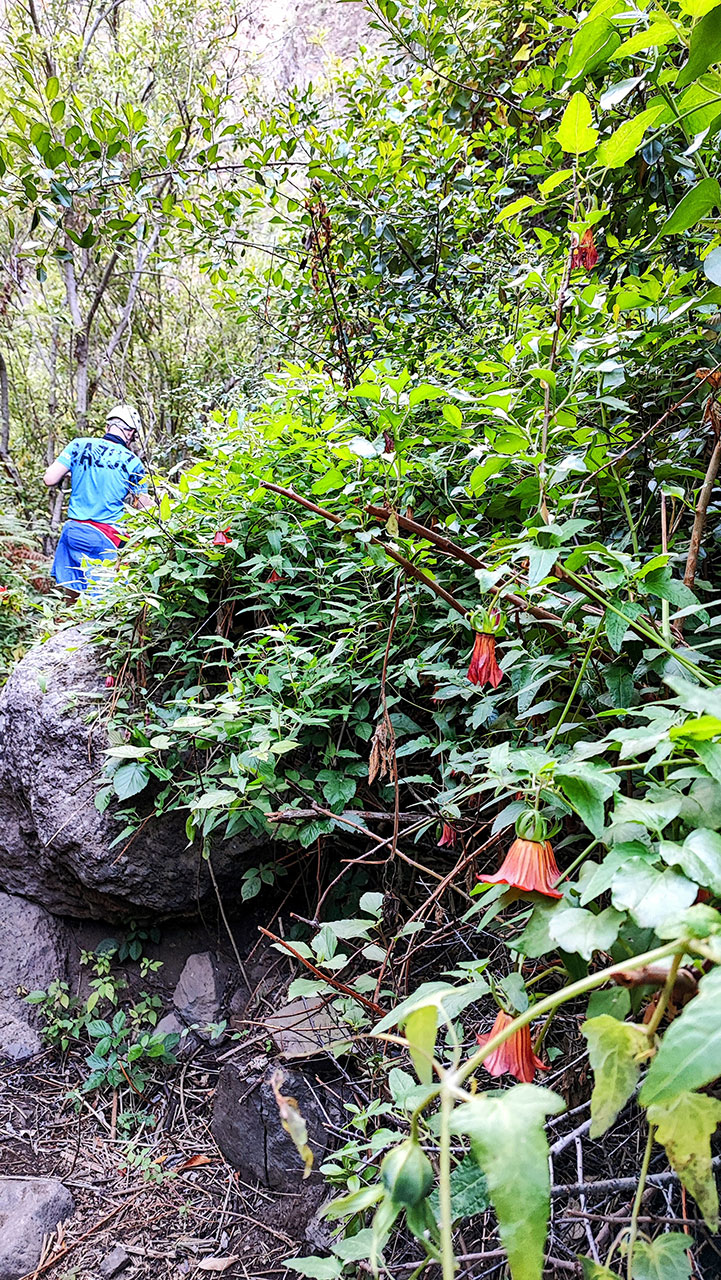
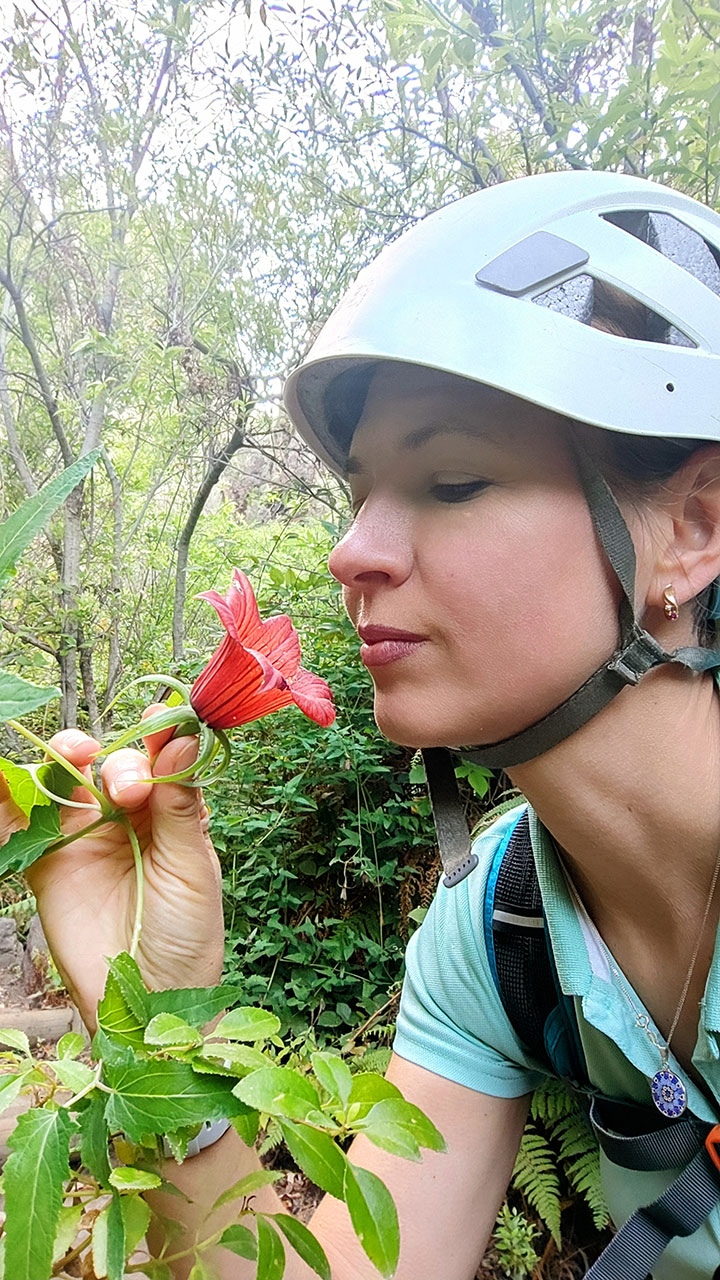
We started among the first ones. First, the trail climbs along the slope of the gorge, winding up and down. The gorge is deep and at 9 o’clock in the morning the sun does not yet have time to penetrate to the side along which the route is laid. After about 2 kilometers you descend to the bottom of the gorge and completely different landscapes begin. The path runs along a stream that forms a creek, accompanied by the songs of frogs and the trills of songbirds. There is a riot of greenery all around, especially winding in contrast to the arid coast of the south. There are not only palms, cacti and typical forTenerife dragon trees , but also real lush tropical vegetation surrounded by steep cliffs.


At the end of the path is the largest waterfall in Tenerife. Water falls from a steep cliff 200m high. During our visit, the waterfall was quite poor and did not make any impression. The length of the track is 7 km, the climb is only 300 m. The trail is flat and not difficult at all. On the way back, a dense stream of tourists came towards us. The popularity of the trek should be taken into account, plan your visit as early as possible if you want to experience the sounds of nature.


There are two more trails for which permission must be obtained. Both are located in Anaga Park. However, according to experienced hikers who have walked these trails, they are of interest to true entomologists and botanists, and the views on them do not compare with the free trails. That’s why we didn’t walk these trails. But you can also find information about them at the first link in this post.

Anaga Rural Park

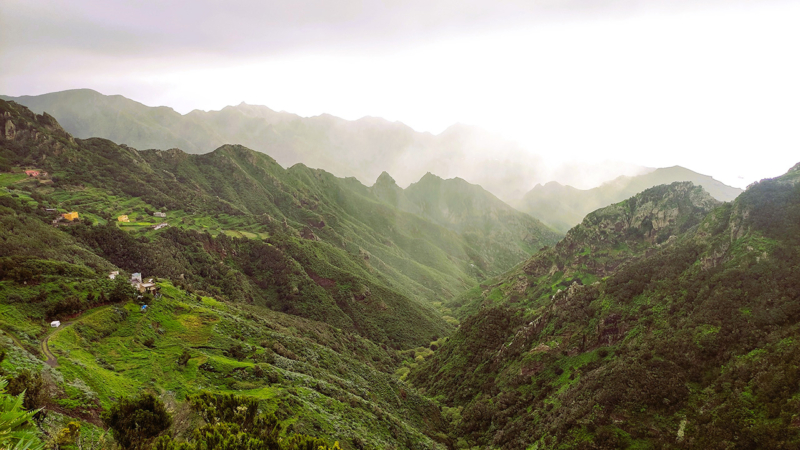
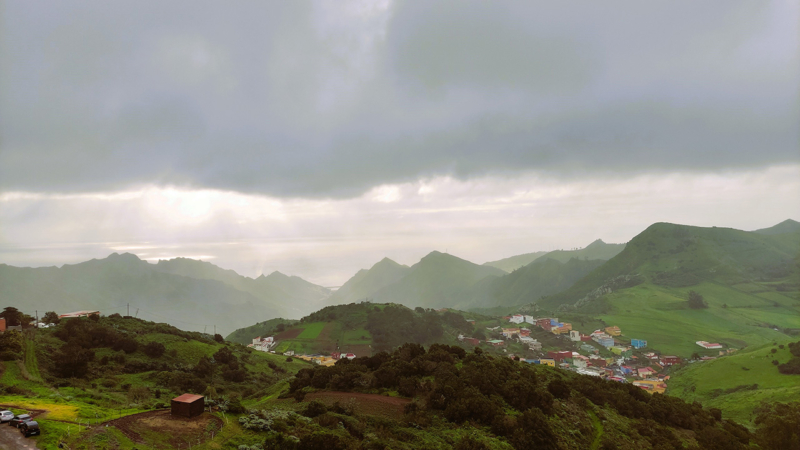
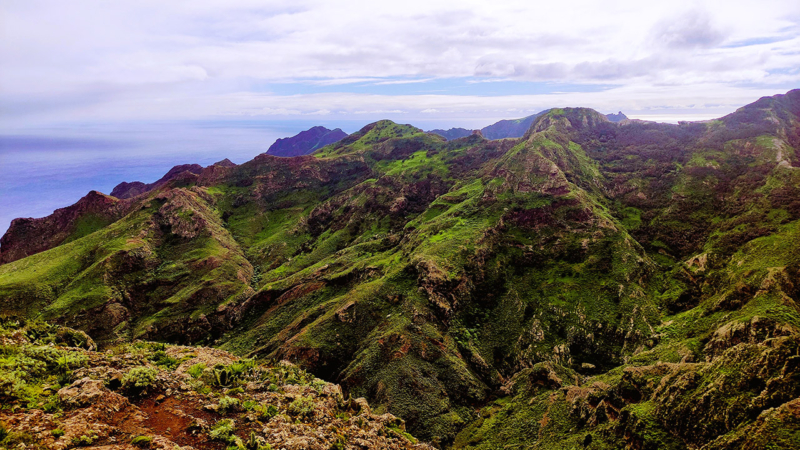
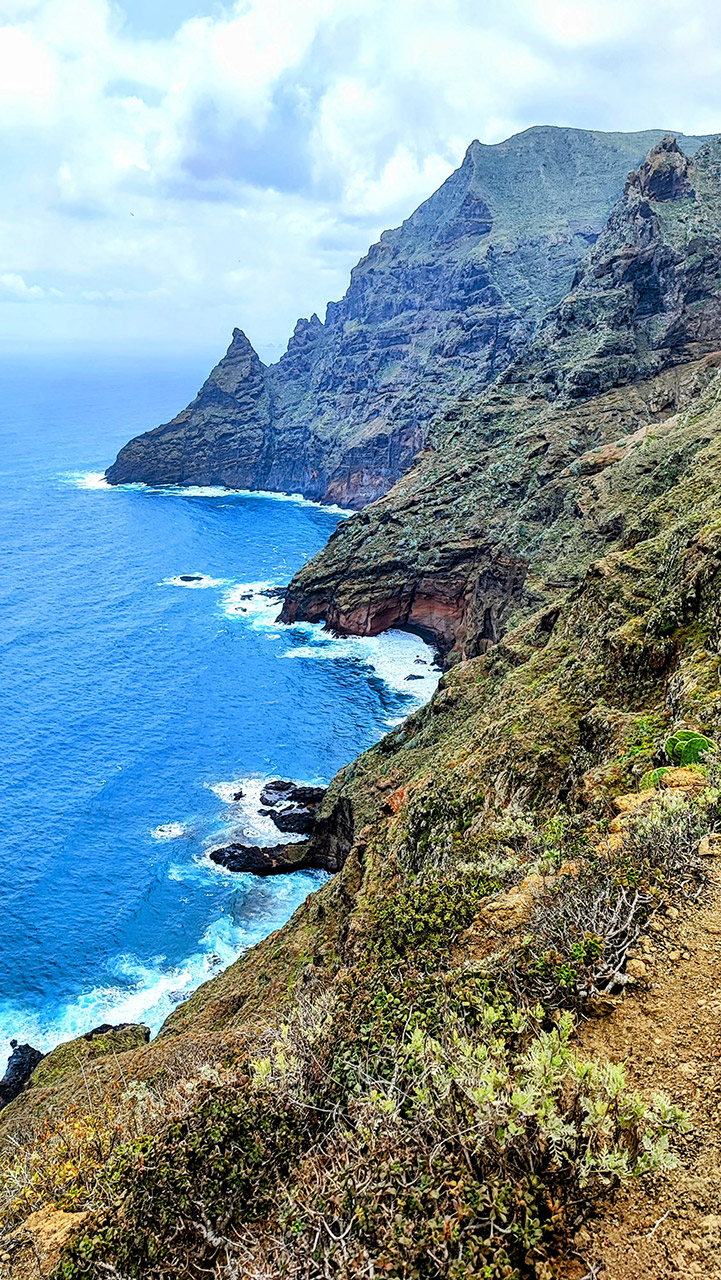
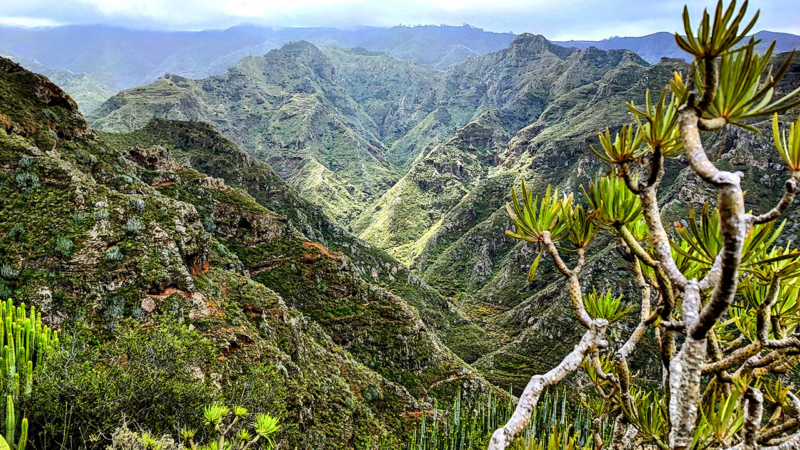
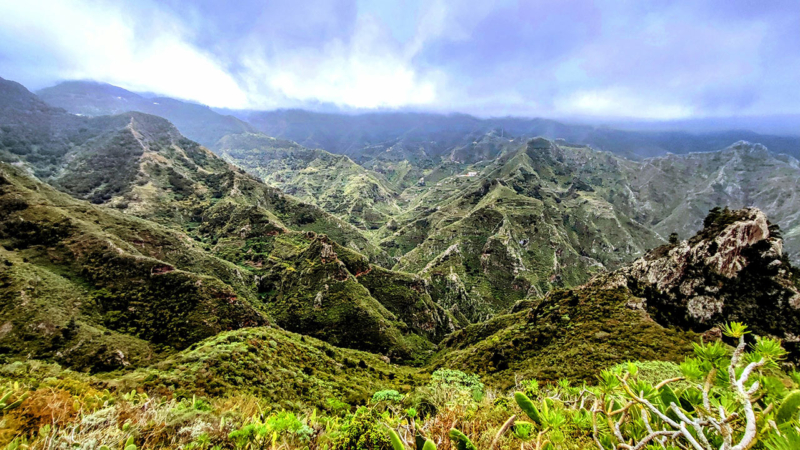
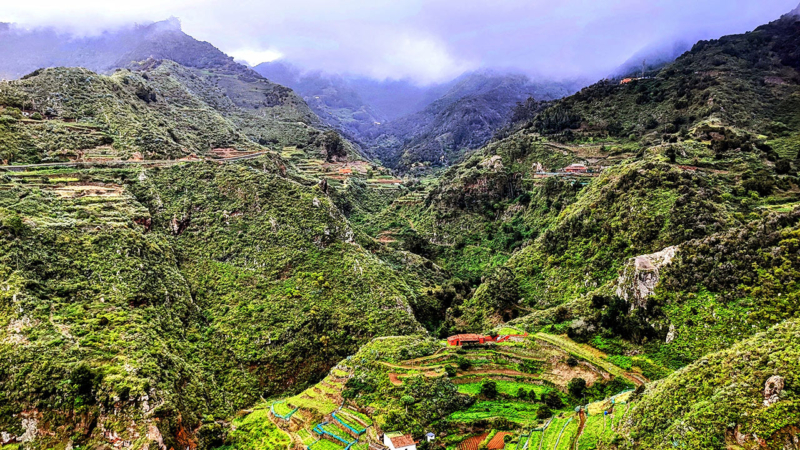
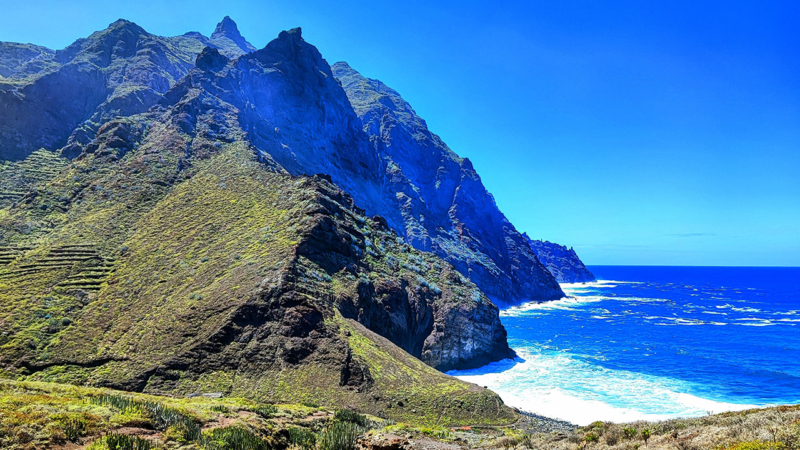
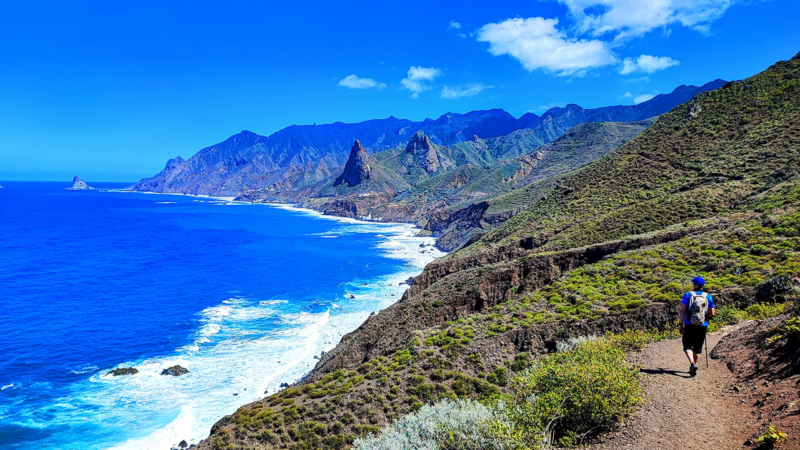
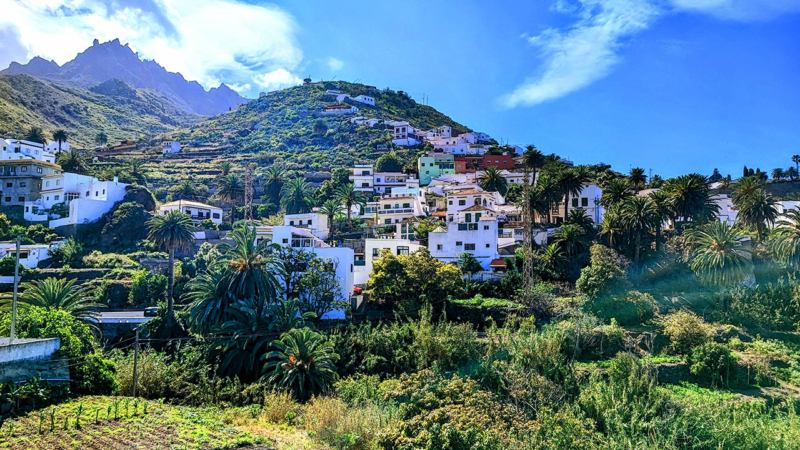
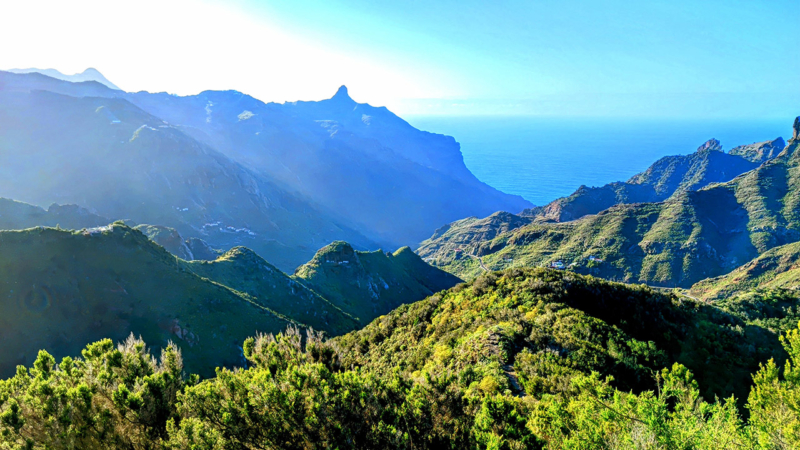
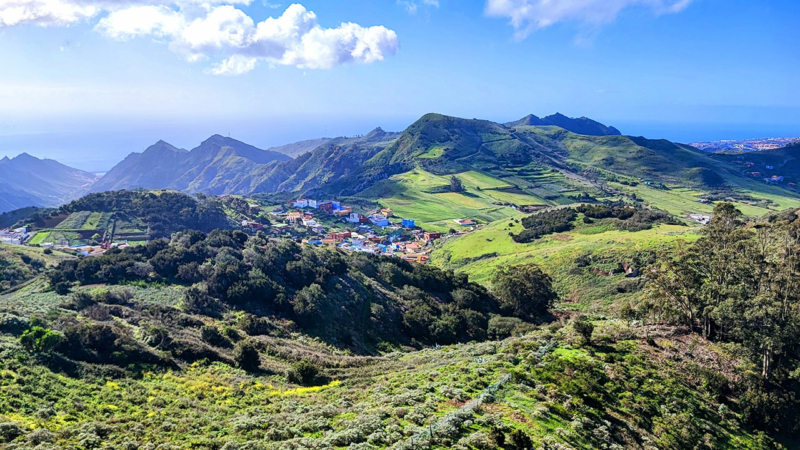
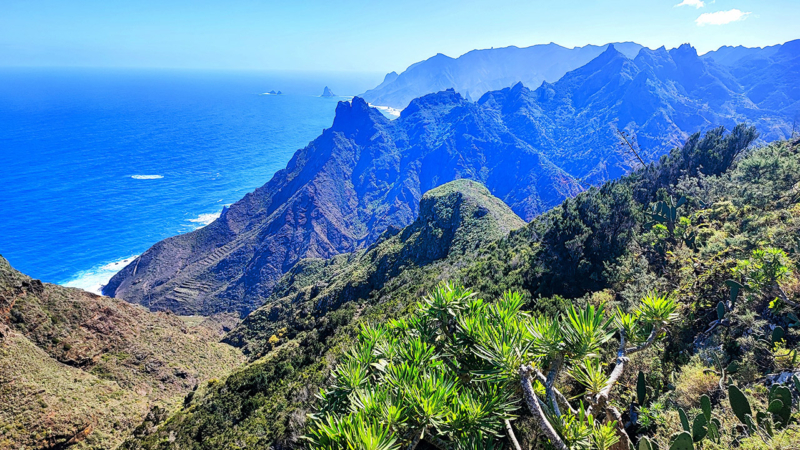
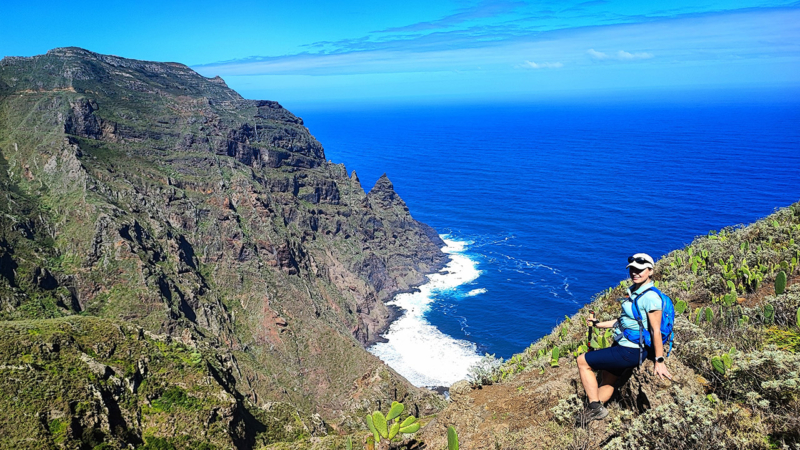
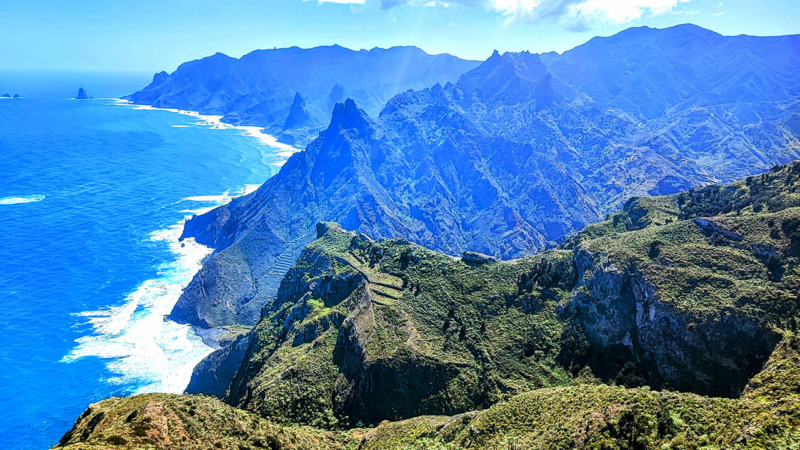
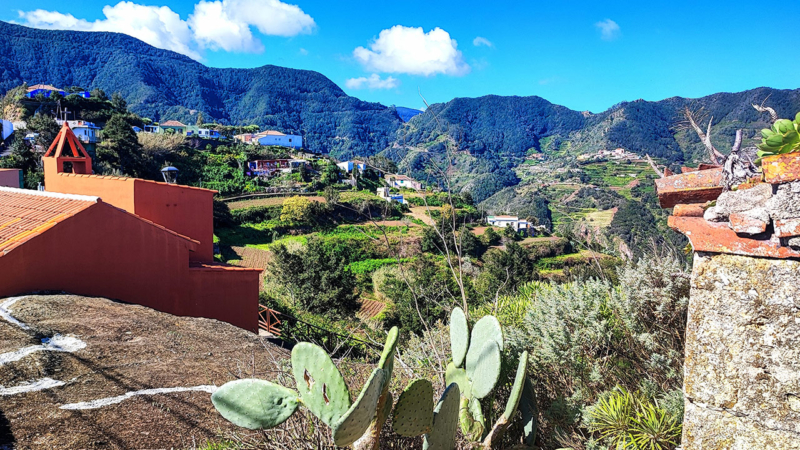
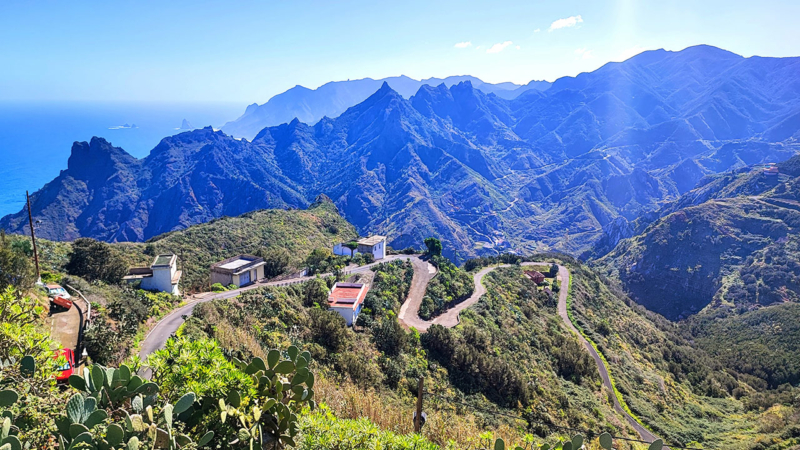
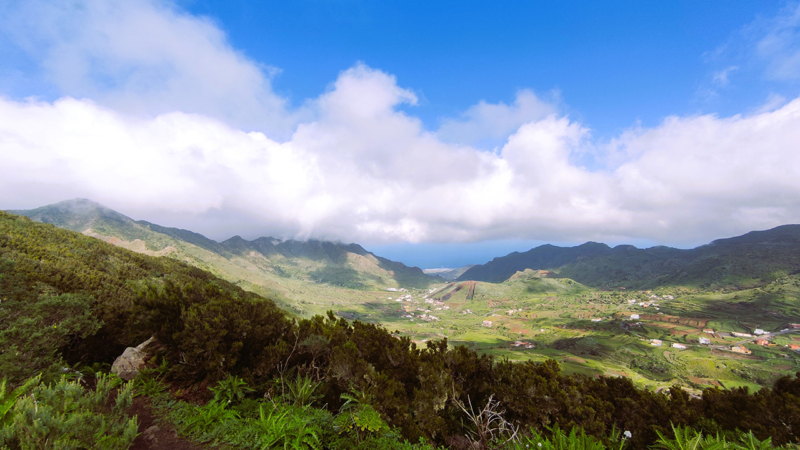
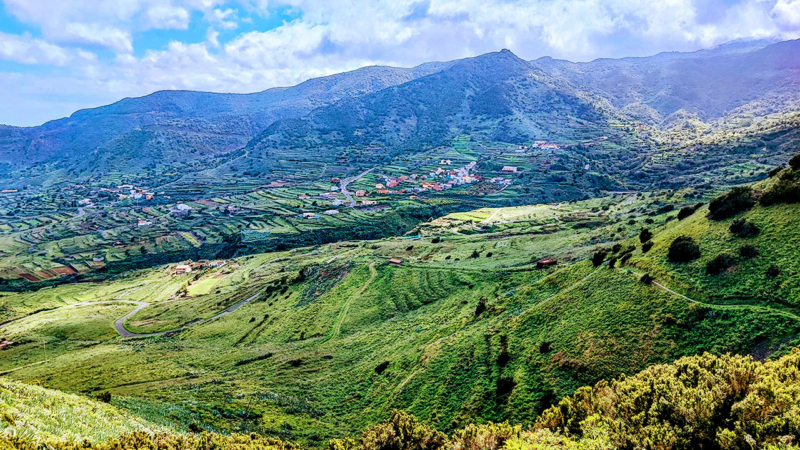
Anaga is the most picturesque part of the island, located in the northeast of Tenerife. There are jagged mountains and deep gorges, covered with green Monteverde laurel forest and dotted here and there with charming villages. This place is considered one of the largest concentrations of endemic species in Europe and therefore the Parque rural de Anaga biosphere reserve was established in 1994, which in 2015 received the status of a UNESCO reserve.


On my first visit, Anaga did not open up to me. At the beginning of the trip we had other plans, pre-booked trails and tickets to Siam and Loro Parque, Anaga was saved for dessert, but towards the end of the trip the weather in this part of the island changed dramatically, there were heavy rains and winds, and fog covered the view areas.

Of course, I read in advance that it rains almost constantly in the Anaga mountain range, but I hoped that I would be lucky this time. In the morning I almost cried, looking towards my planned trek. On our shore there is sun and +18, Anaga is all under a huge cloud. The owner of our guest house said that such a cloud would hang for about five days. Well, he’s experienced, how can you not believe him? And yet, I decided to go and just take a walk and breathe in the jungle in the rain. In principle, you can complete all the planned tracks, but only for sports results, in this kind of weather you won’t see anything, just suspension of drops – a white wall.


Driving along serpentines in a tunnel of fairy trees was great! From time to time a hole would appear in the cloud and for a minute or two a breathtaking, half-foggy view would open up. It is so beautiful! And even the eternally sunny Teide pales against the background of the eternally wet Anaga. When the road ended, having reached the northernmost point, suddenly the rain stopped and, apparently, especially for me, it began to get lighter just above our parking lot.
 

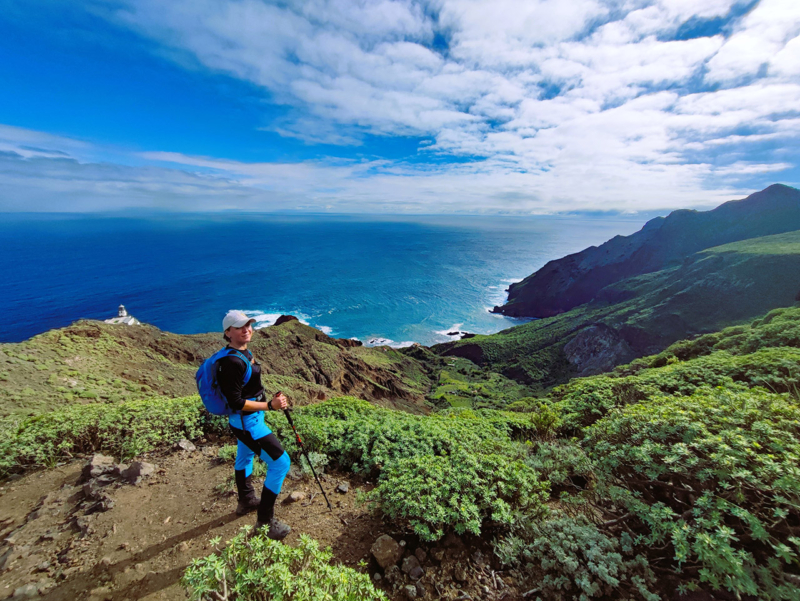
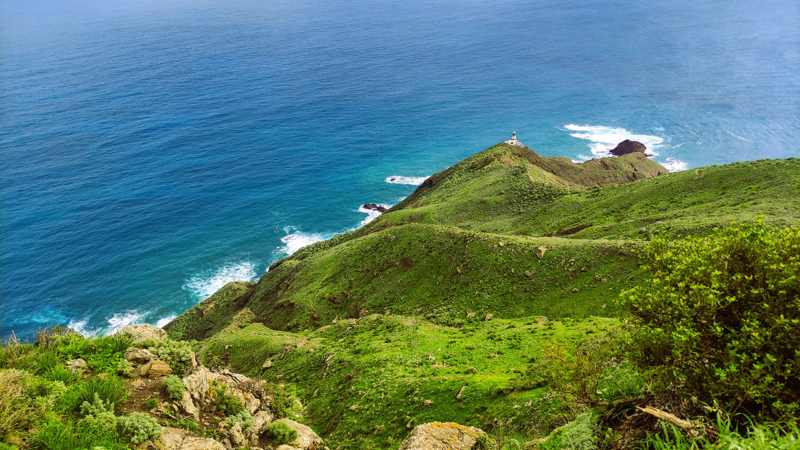
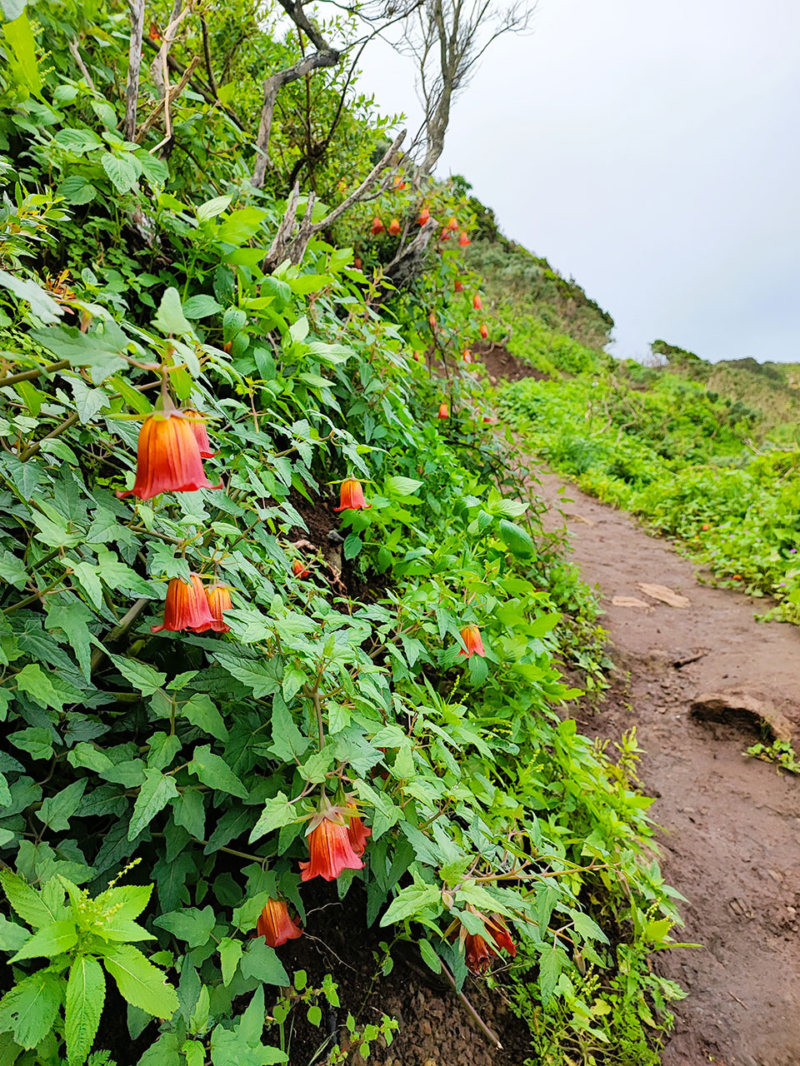
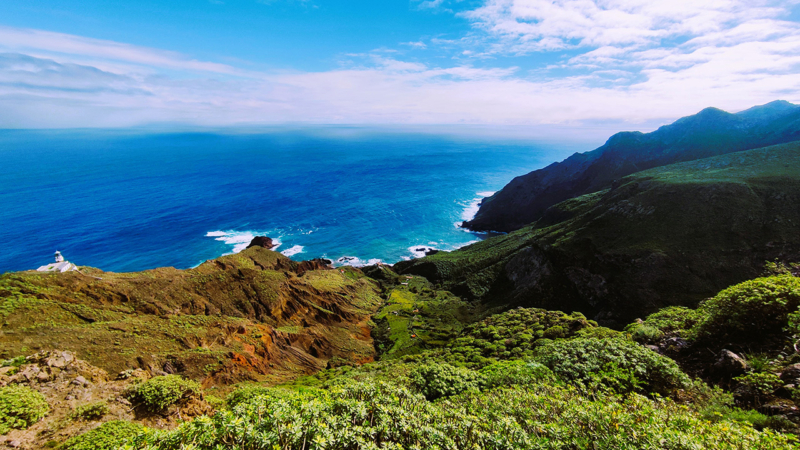
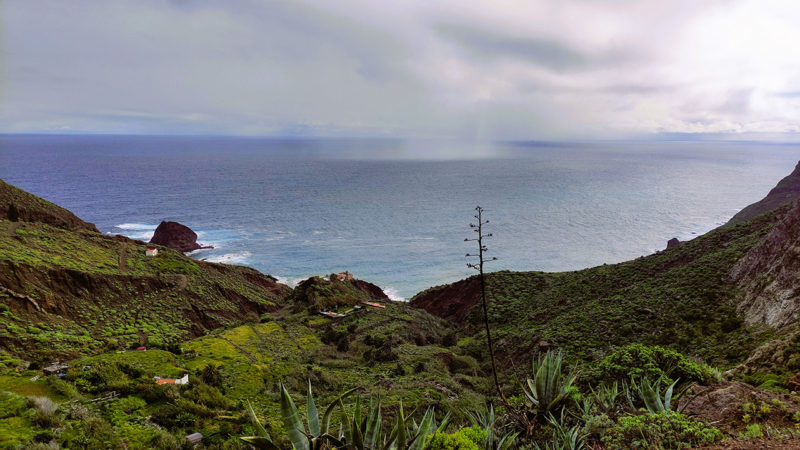
We urgently change our shoes, clothes and… run along the shortest of the planned routes, to the lighthouse on the very edge of the island. I don’t know which god favors me, but contrary to all forecasts, the sun came out for me and shined for 2 hours so that I can enjoy the singing of birds, the aroma of flowers, the colors of butterflies. We completed the 7.6 km trek with an ascent of 650 m in 2h50m. It was very slippery after the heavy rain. The air was so fresh! In the parking lot it was only +11, and when I got to the lighthouse the only clothes I had on were pants and a T-shirt, completely wet from my sweat. Well, how to dress here? On the way back, about 1 km before the end of the trek, a window in the sky suddenly slammed shut, the sun disappeared and a tropical rain started pouring down. We returned to the car all wet and dirty as pigs.


Then in 2023 I only had one last day left and it was even less suitable for trekking in Anaga. Then I made a vow to myself that I would definitely return to Anaga. And here I am in 2024!

In the spring of 2024 I was lucky enough to complete 3 treks in Anaga.


The first trail starts in the coastal town of Punta del Hidalgo. The length of the trek is 15.5 km, the elevation gain is 1200 m. It took us 5.5 hours and I’ll say right away that the trail seemed quite difficult. Perhaps it was the fact that this was the first track on this trip.

This trail you can start from any of the points indicated in the name of the trail. We walked the trail exactly as the name suggests. First, a long climb up the mountain, which will reward you with a fabulous view of the Atlantic Ocean. Then the trail again goes to the opposite side of the slope from the sea and rises even higher, revealing more and more gorges and valleys as you rise above the peaks of the neighboring mountains. About a third of the way is the village of Chinamada, where you can relax and have a snack in a cafe.


The second part of the path is a constant change of long descents and ascents, sometimes leading into a dense forest – so you will go through several passes and descents into valleys until you reach the ancient village of El Batan. Everything here is as it was 100-200 years ago, when local residents were engaged in flax production. And then from the valley there is a very steep climb to the modern village. Here we found parking for 5 cars, crowing roosters and a complete lack of life, not even a smell of a cafe or little store.


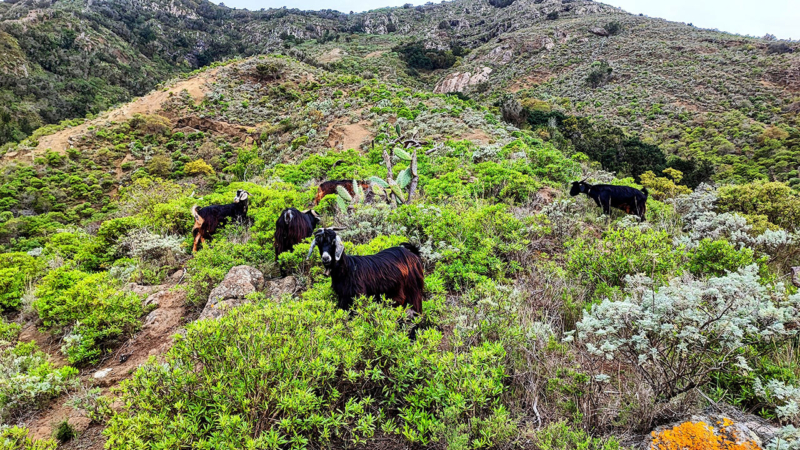
The third part of the journey is mostly downhill. The landscapes are not inferior, but not as impressive as at the beginning of the journey, but a huge amount of goats graze in this area. Their bleating and ringing of bells can be heard from everywhere. It should be noted that local goats are far from indifferent to humans. They probably mistook us for shepherds, because when we appeared they perked up and began to go out onto the path and call for the others. The slopes here are steep, covered with thorns and cacti – there is no opportunity to move aside from the path or overtake. So we walked with the herd, surrounded by at least a hundred goats.


By the way, it turns out that goats eat cacti!!! despite the thorns! And they bite off the juicy shoots so deliciously.


One of the most difficult trails of spring 2024 was PR-TF8. There are several different versions of this trail; we took the exact track listed below. Our journey was 15.7 km with a descent and ascent of 1200 m and took 5 and a half hours. I can divide this path into several stages.


We parked the car in the village of Afur and immediately from the parking lot began a rather steep and technically difficult descent along a beautiful canyon to the ocean. Along the way there were several signs prohibiting passage through certain sections during periods of flooding. Well, this year we were lucky, the weather was gorgeous, and in supposedly dangerous places there were ankle-deep puddles. This part of the path is quite interesting because it presents a variety of flora and fauna: flowers, marsh grasses three meters high, butterflies, frogs, thousands of different lizards and huge eagles circling over the tops of the mountains, under the steep cliffs of which the path passes.


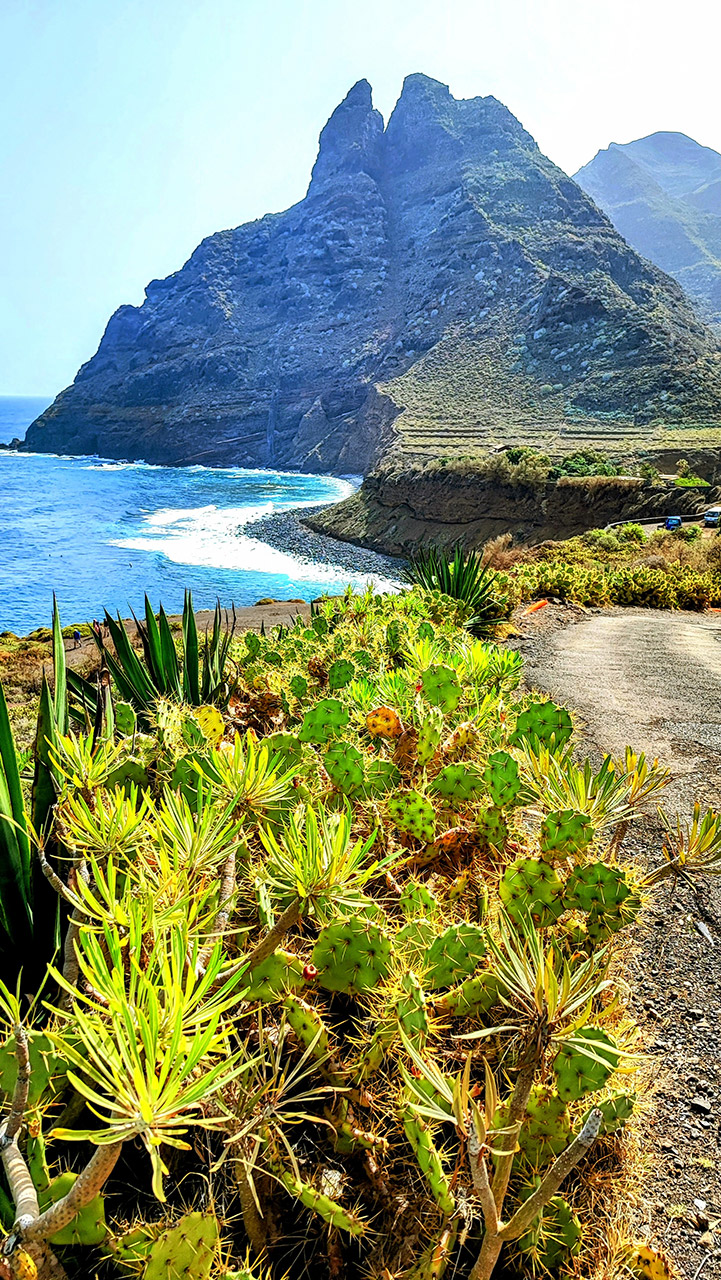
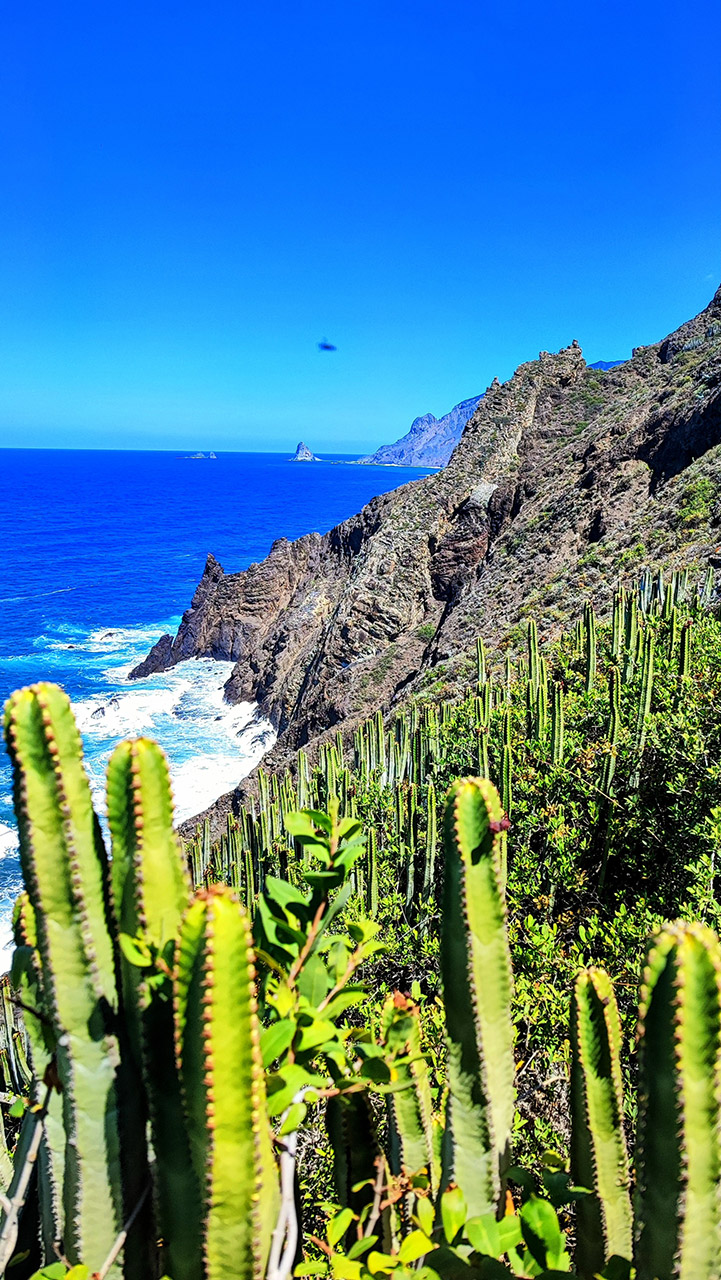
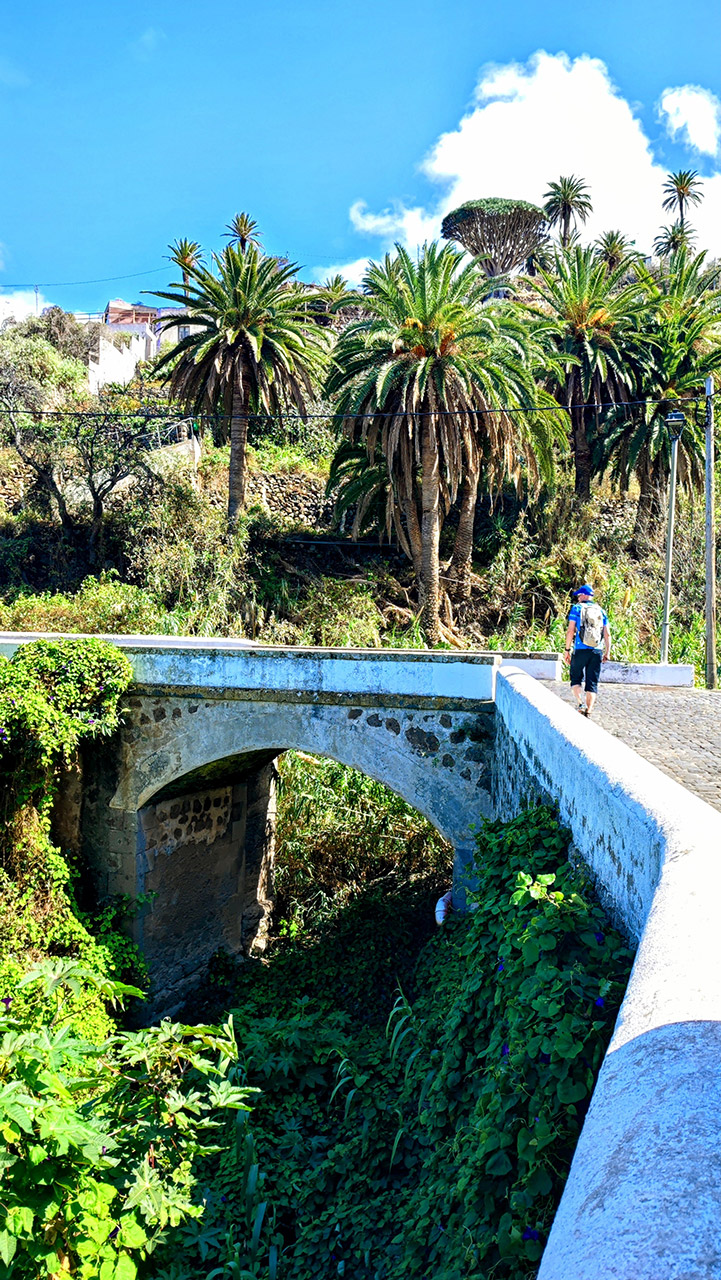
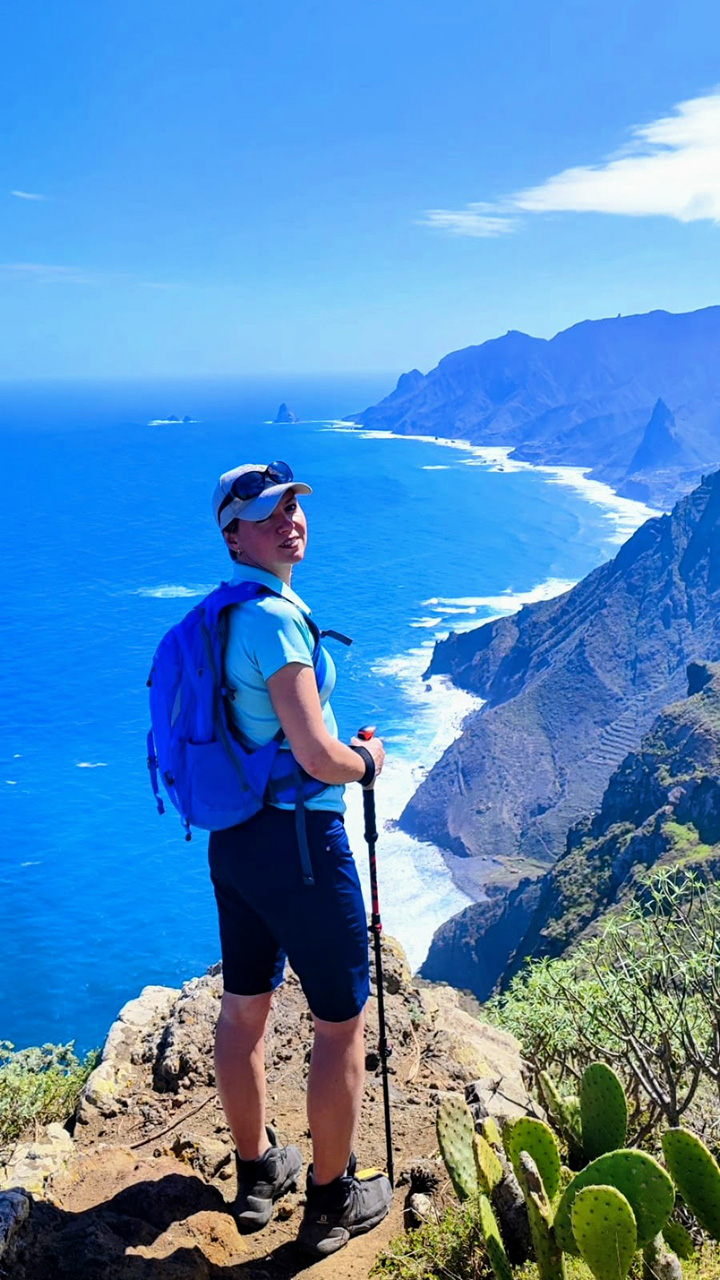
After 3 km, the trail descends to the ocean and leads to the amazingly beautiful lost rocky beach of Tamadite. Waves up to 5 meters high that day were not conducive to swimming, but the view was simply mesmerizing. Then the trail climbs higher up the slope and goes along the ocean to the village of Taganana at an altitude of about 200 m above sea level. This is probably the most scenic part of the route. Apparently, many people simply park in Taganana and walk this route to the beach and back, 5 km there and 5 km back. As you approach the village, you begin to see the vineyards of local wine farmers, terraced along steep slopes to the ocean. The village has not only a cafe, but also an ancient church and an amazingly beautiful bridge, worthy of stepping off the path. There is also a bus stop nearby, so these trails are also accessible to those without a rental car.


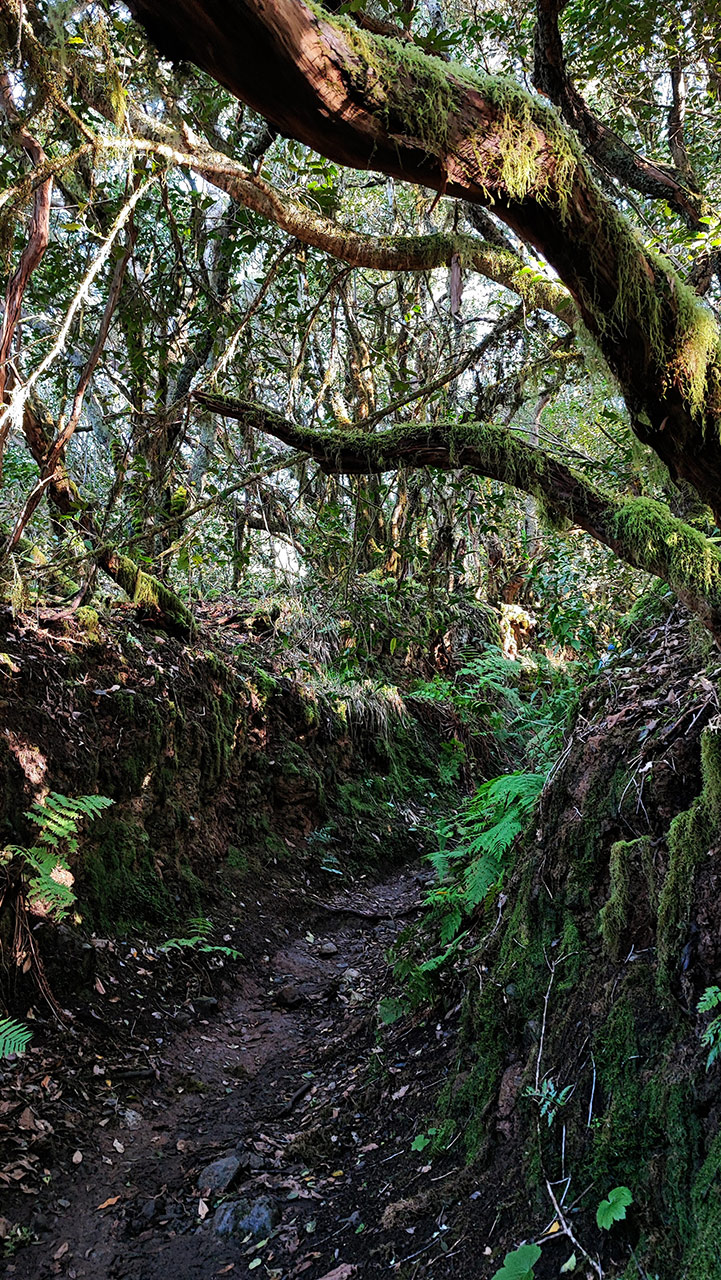
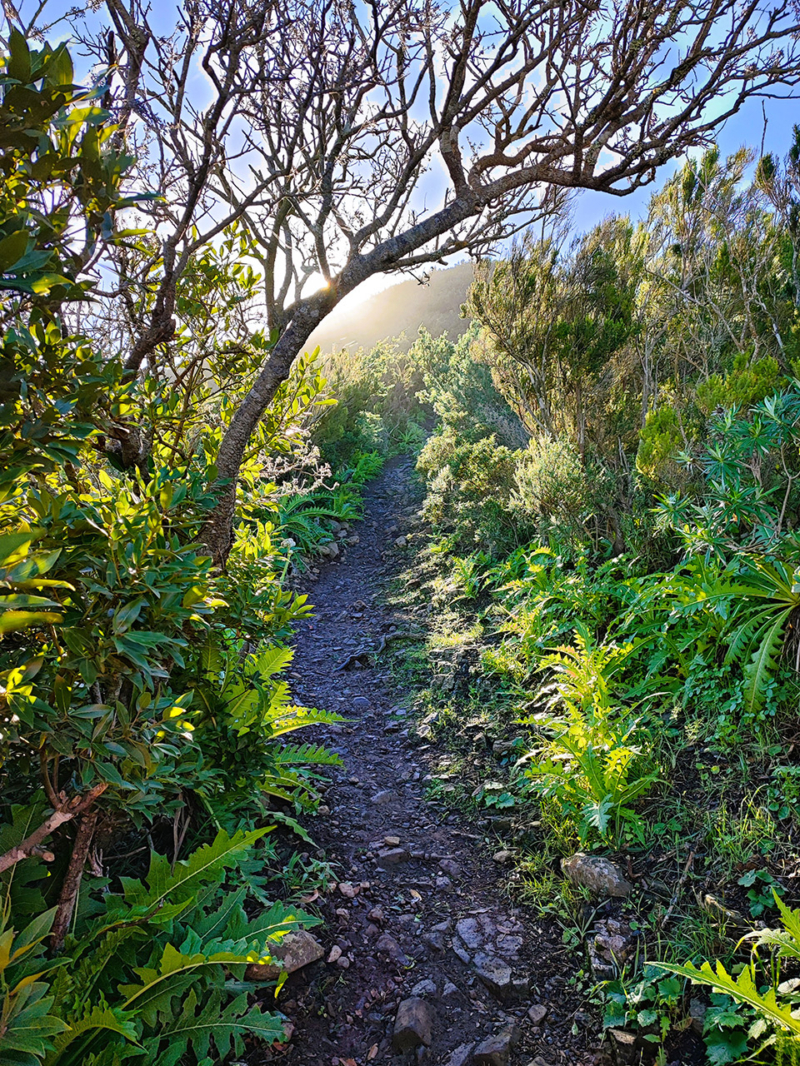
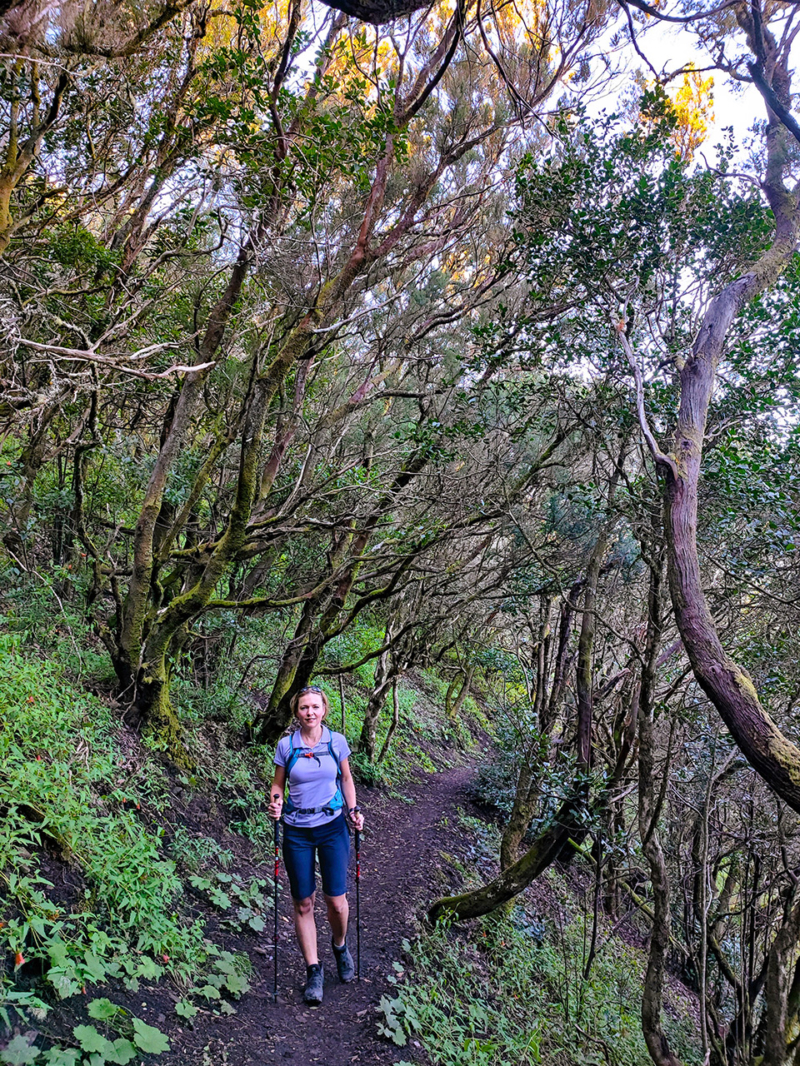
Afterwards, a steep, long climb begins to Casa Forestal. For about 2 km the trail winds between dry old vineyards, and then jumps into the fairytale forest of Laurisilva. The forest here is so dense that the sun’s rays never penetrate the path. Mosses hang from the branches, and underfoot there are always slippery stones. And so you have to climb up for about 1.5 km all the time.

Then the trail descends back to Afur, also first through the forest, and at the end almost vertically between the ancient houses of local residents and their unsightly lands.


As I said earlier, this path can be simplified. Afur-Taganana is the most picturesque part.


One more trail in Anaga I made  is quite short, only 4 km, and quite easy, with a climb of only 265 m. However, this is the only trail which I did not make to the end. There is one section on it that seemed impassable to me. And even though three people crossed this place before my eyes, I did not dare to climb the steep cliff, from which you can fly 200 meters down.


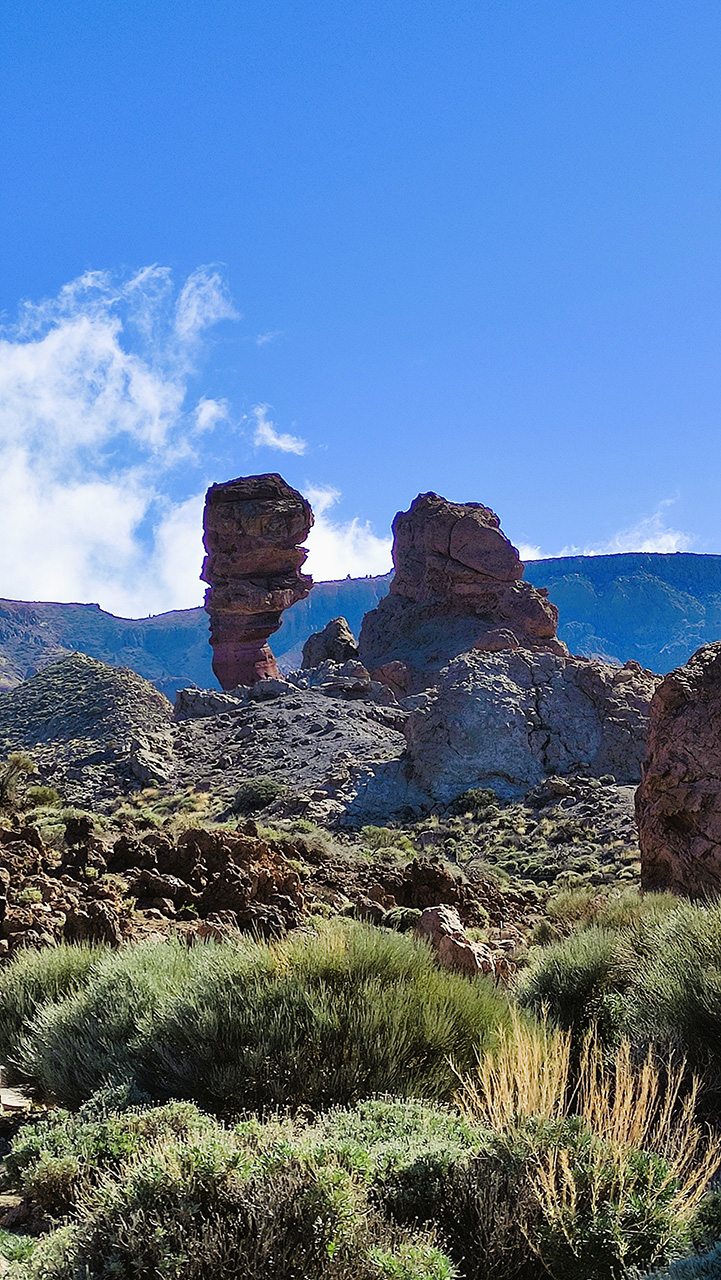
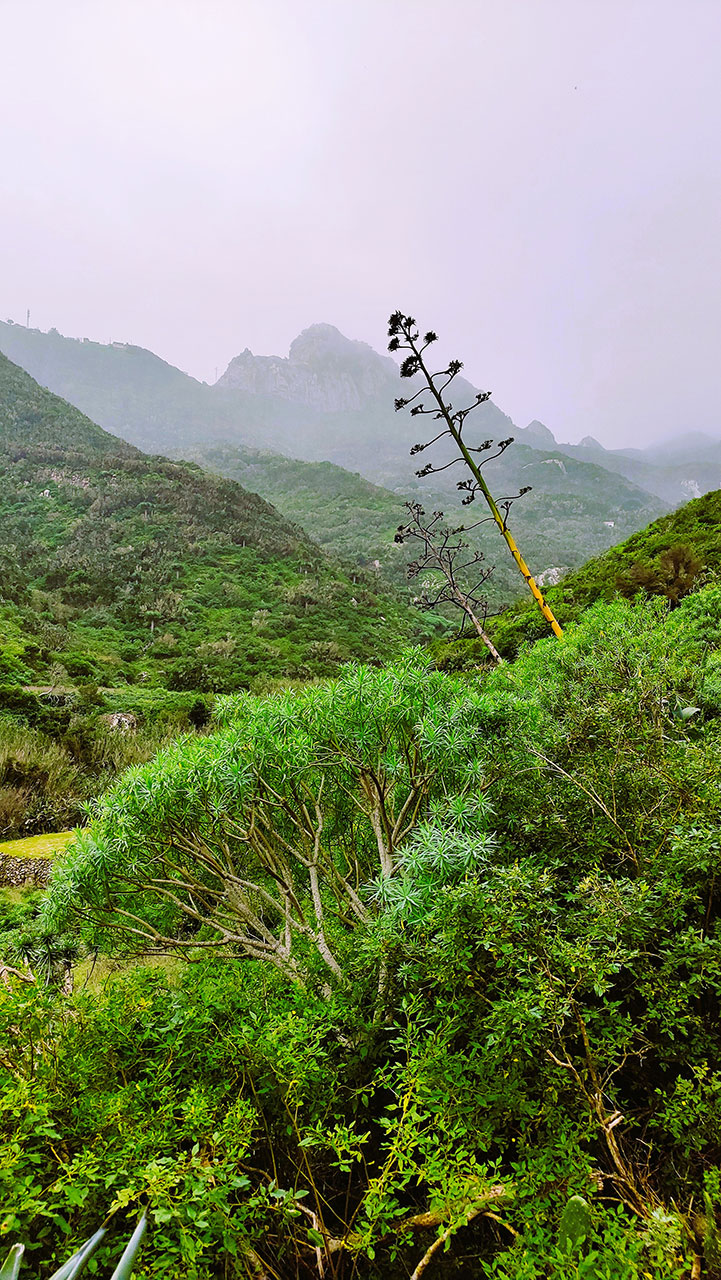
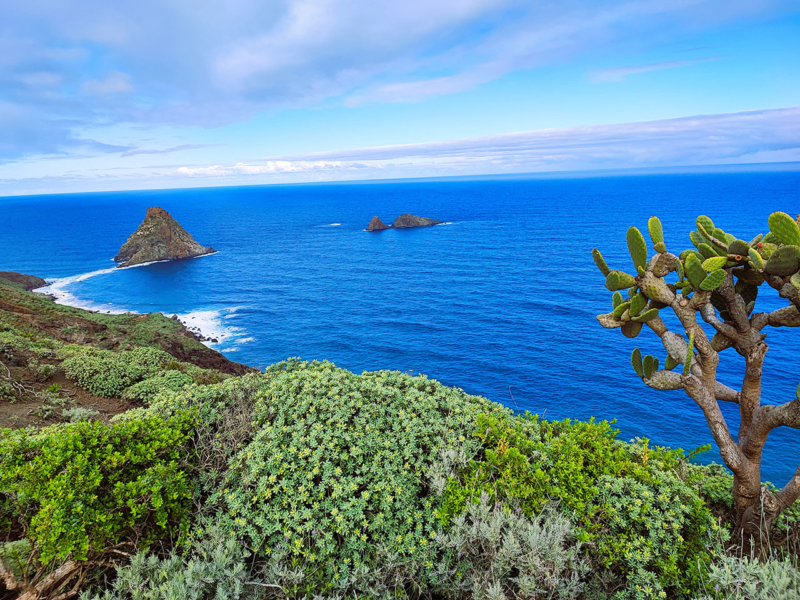
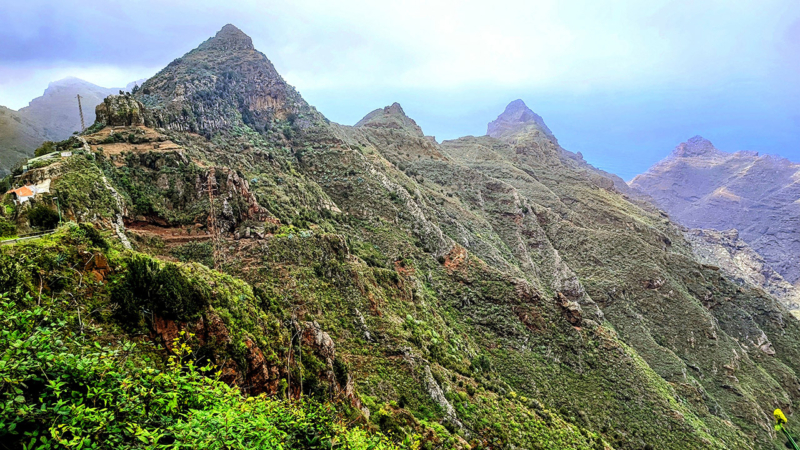
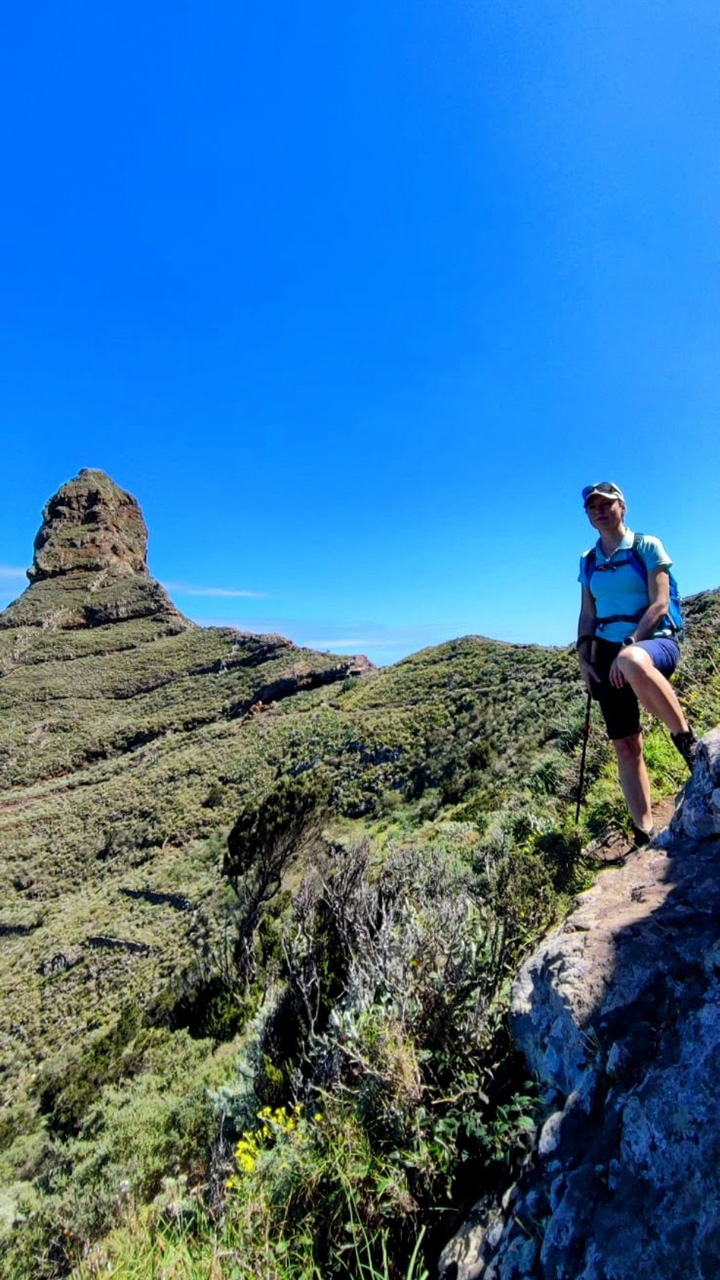
This is a circular route around the Taborno rock (this is the bump in the first photo). The views of the ocean are stunning, but the views of the neighboring valleys and village from the cliff are just as good. I highly recommend this trail, and you don’t even have to go through it all, much less the dangerous section. It is enough to walk 1 km to the ocean view and back.


Teno Rural Park

Teno Park is located in the north-west of Tenerife. This part of the island was the first to rise from the sea, its topography formed 6 to 7 million years ago.

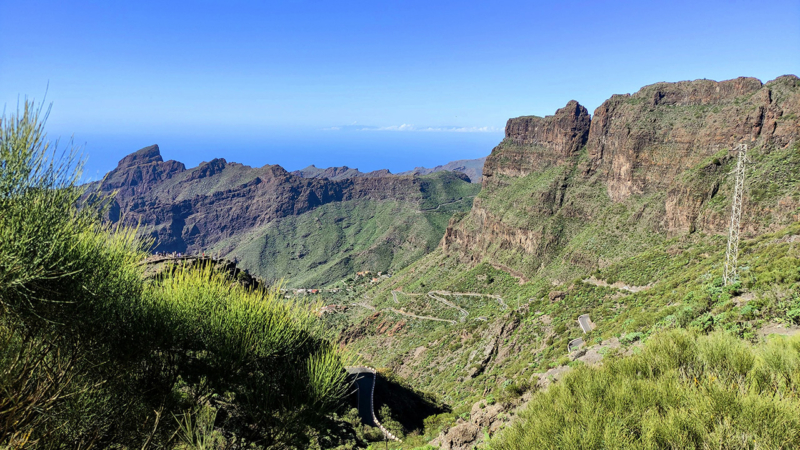
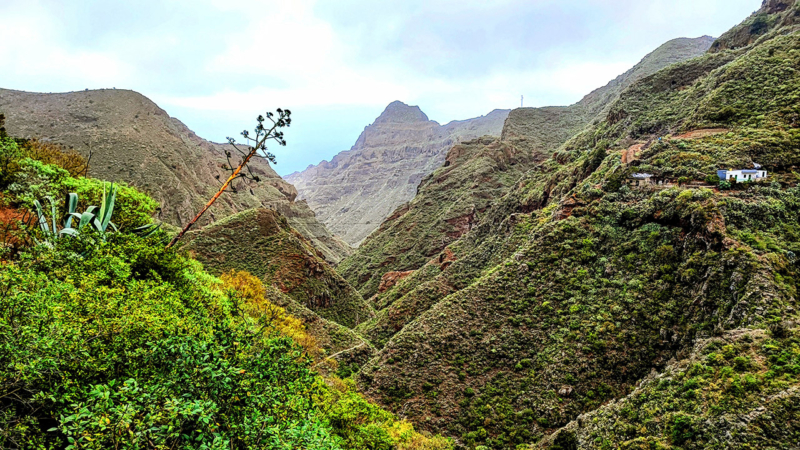
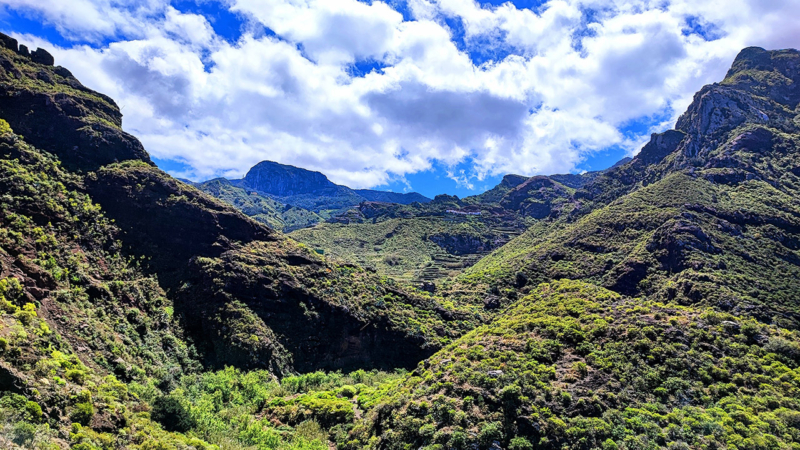
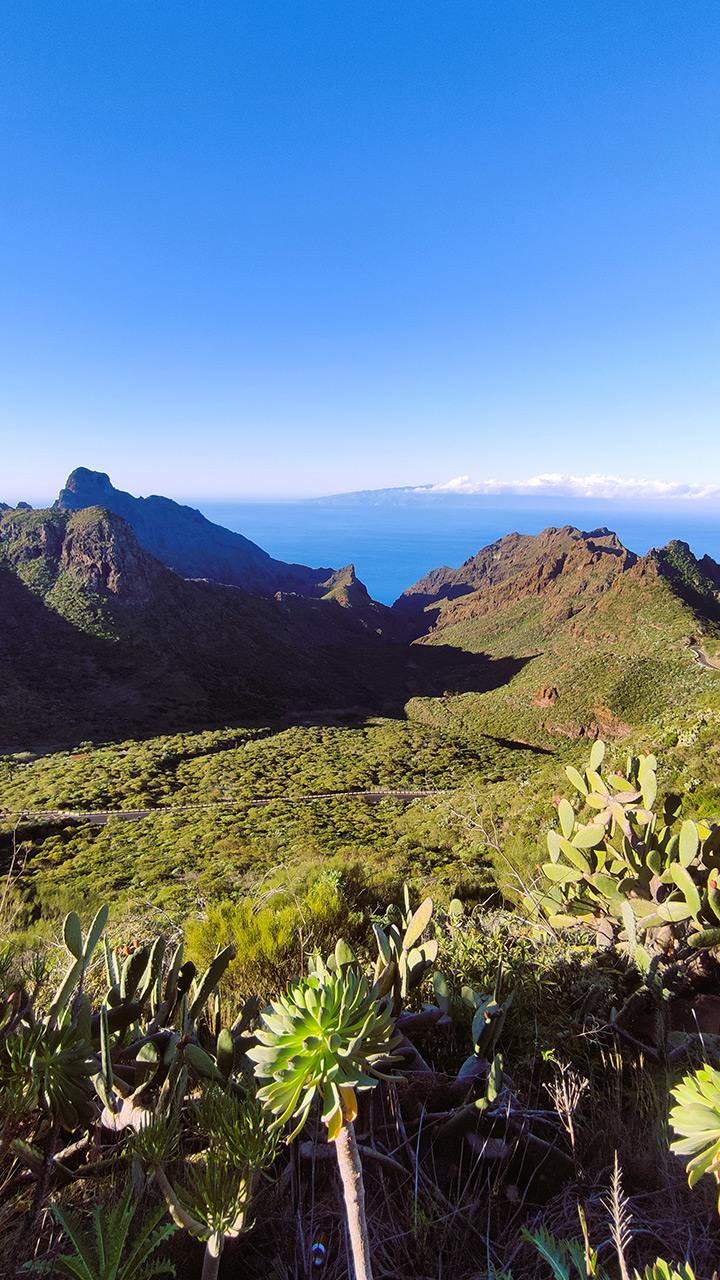
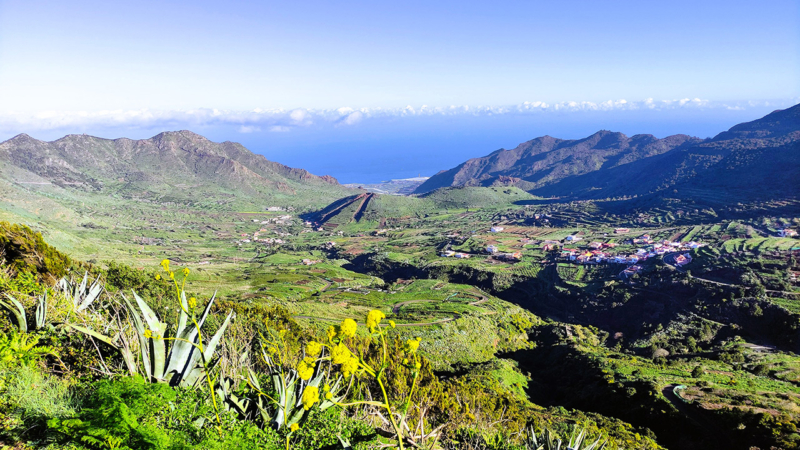
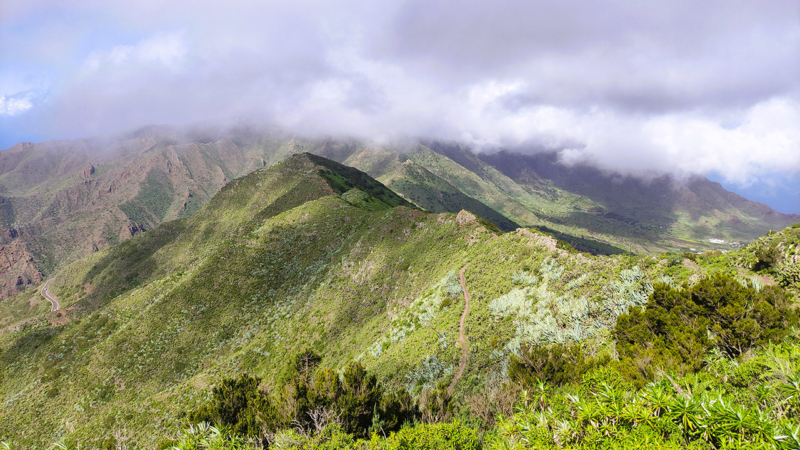
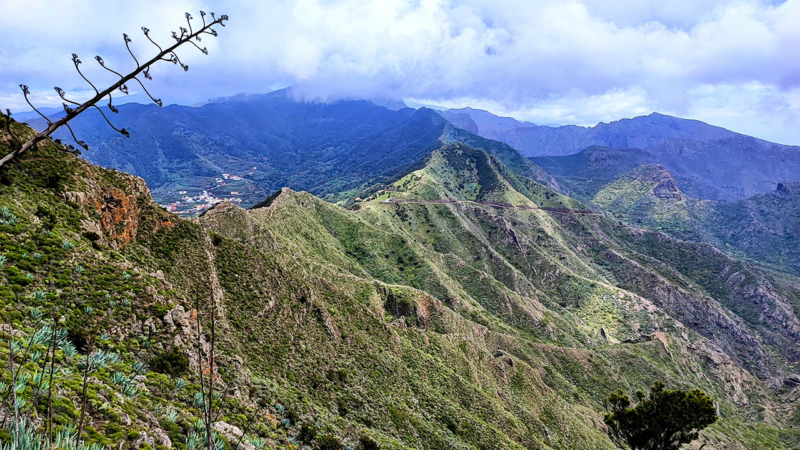
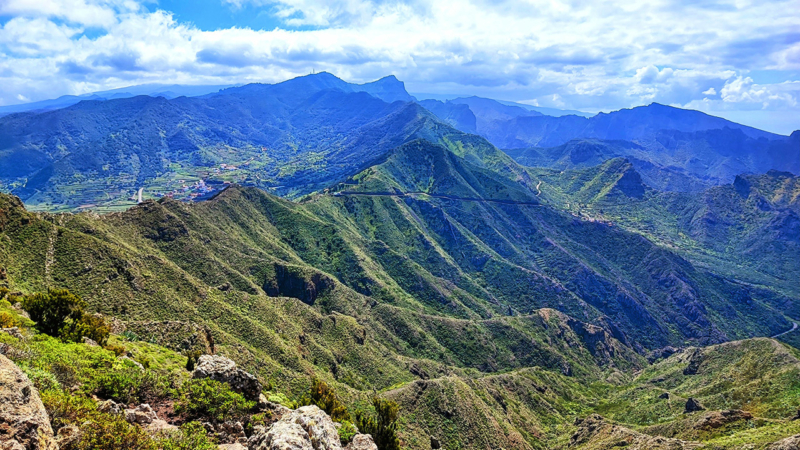
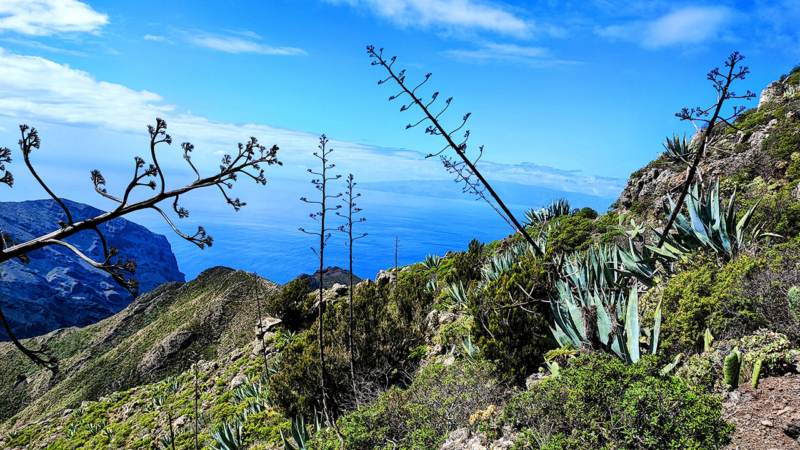
Over the centuries, erosion has shaped the landscape, creating deep gorges and ravines that run through these lands from the summit to the coast. The views from the peaks are breathtaking!


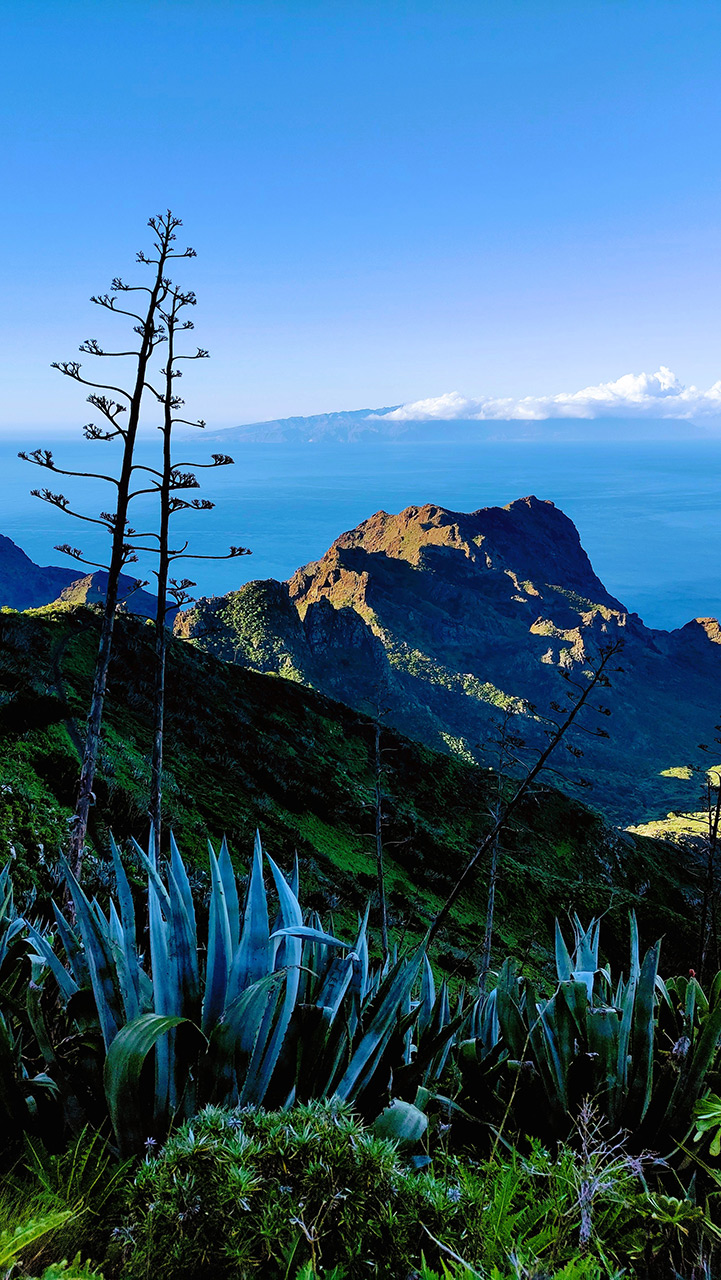
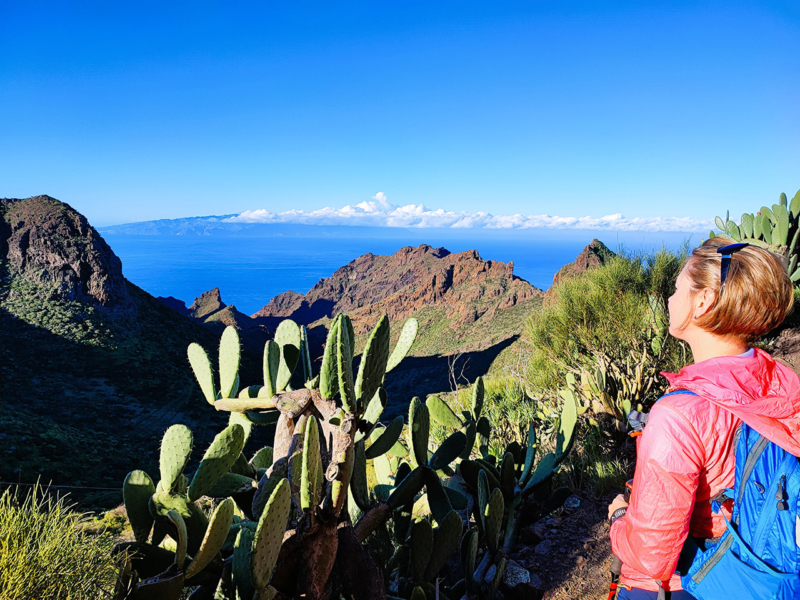
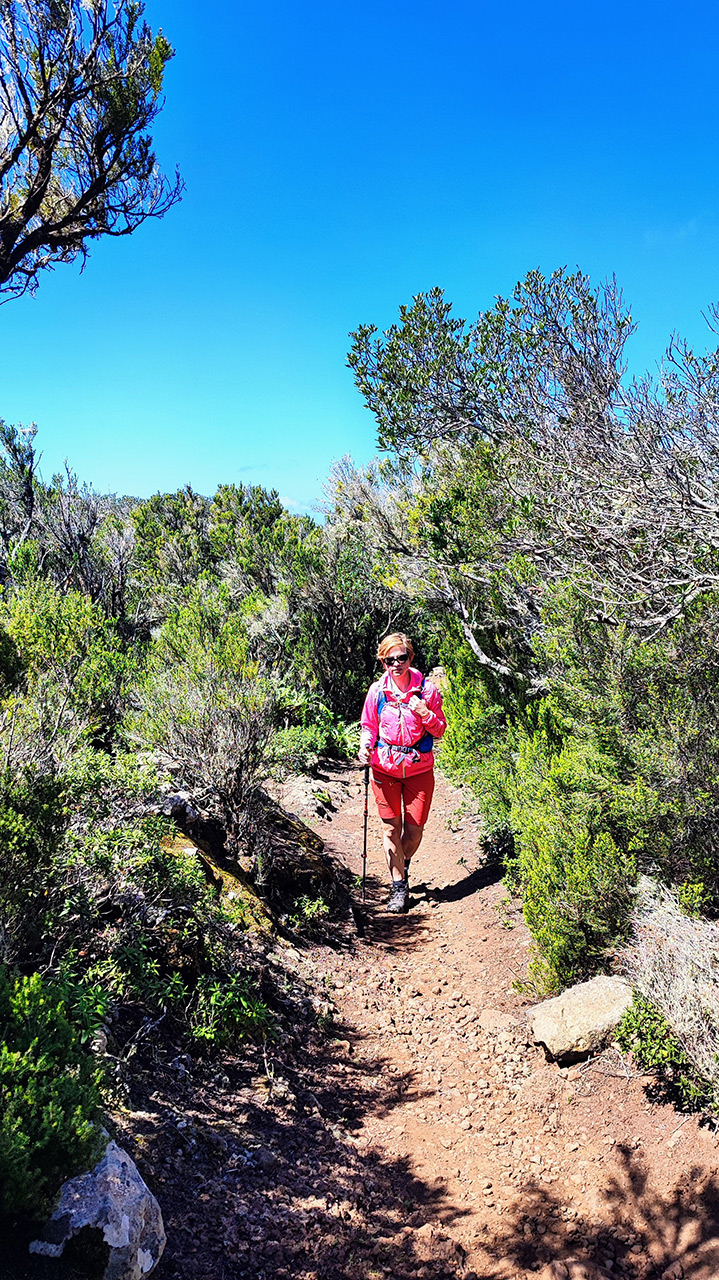
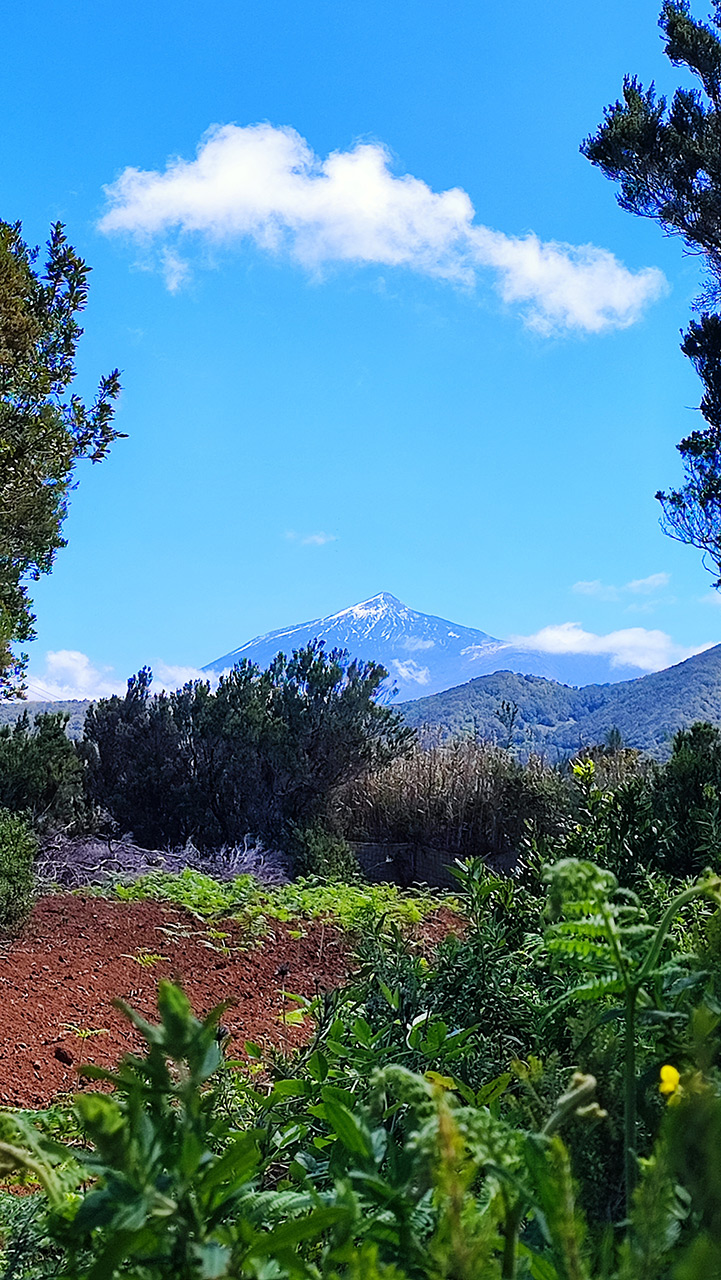
In January 2023, we walked a very picturesque 13 km trail with a climb of about 800 m. The morning was sunny, but windless, and therefore even +13 seemed comfortable. In the afternoon, clouds began to rise and hovered on the northern side of the ridge. The walk ceased to be languid and turned into a run from the sweltering heat to the chilling cold. I had to climb the mountains and tramp up and down slippery paths. The landscapes along the way are stunning! Look to the right – the top of the Teide volcano! Look to the left – the bright turquoise of the sea! And right ahead is the photogenic Santiago Valley! Trail 5*! 


In March 2024 we returned to Teno again. The day turned out to be windy. This is probably why there was a free parking space (I recommend arriving as early as possible, many trails start from here and they are very popular). Judging by the reviews on the Internet, it is always windy here, and since the trail constantly winds from the eastern side of the ridge to the western, you periodically have to put on a windbreaker, but after 10 minutes your back begins to sweat again under your backpack.


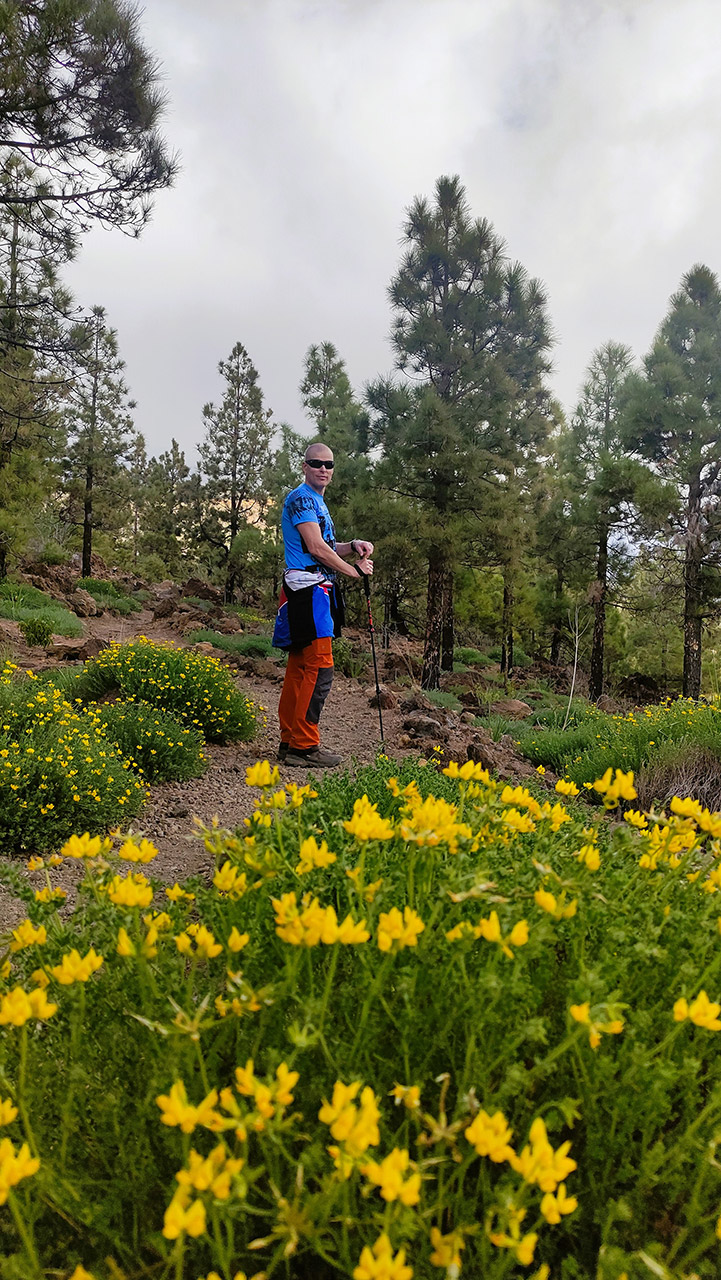
The trail offers stunning views of the mountain peaks of the west coast and the snow-capped Teide in the southeast. The trek starts from the Altos de Baracan viewpoint, rises almost to the top of Mount Baracan, goes down and makes another climb, after which you find yourself in a fairytale forest and along a winding shady path you go down to the village of Bailaderos and walk for some time along its streets, studying the local village life. Here we stopped for a snack in a tiny cafe and tasted local goat cheese. After which we headed back the same way. But the path was not boring. During the picnic break, clouds appeared and the old landscapes sparkled with new colors and a different light.


The total elevation gain was less than 500 m, the trail is not difficult and quite passable even with children.


The north of the island, as well as Madeira, is the bomb!!! Yes, there are no beaches and God forbid +10 is good in the morning, but the nature, flora and fauna, the views are mesmerizing, it’s just a hundred levels better than the southern beach dry coastlines.

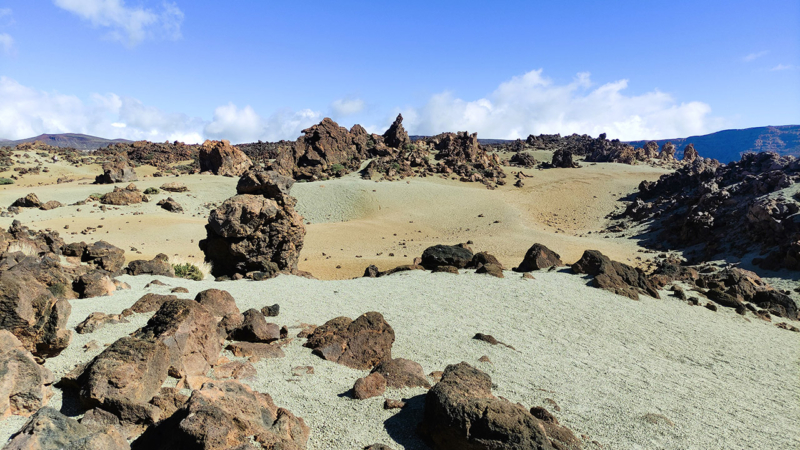
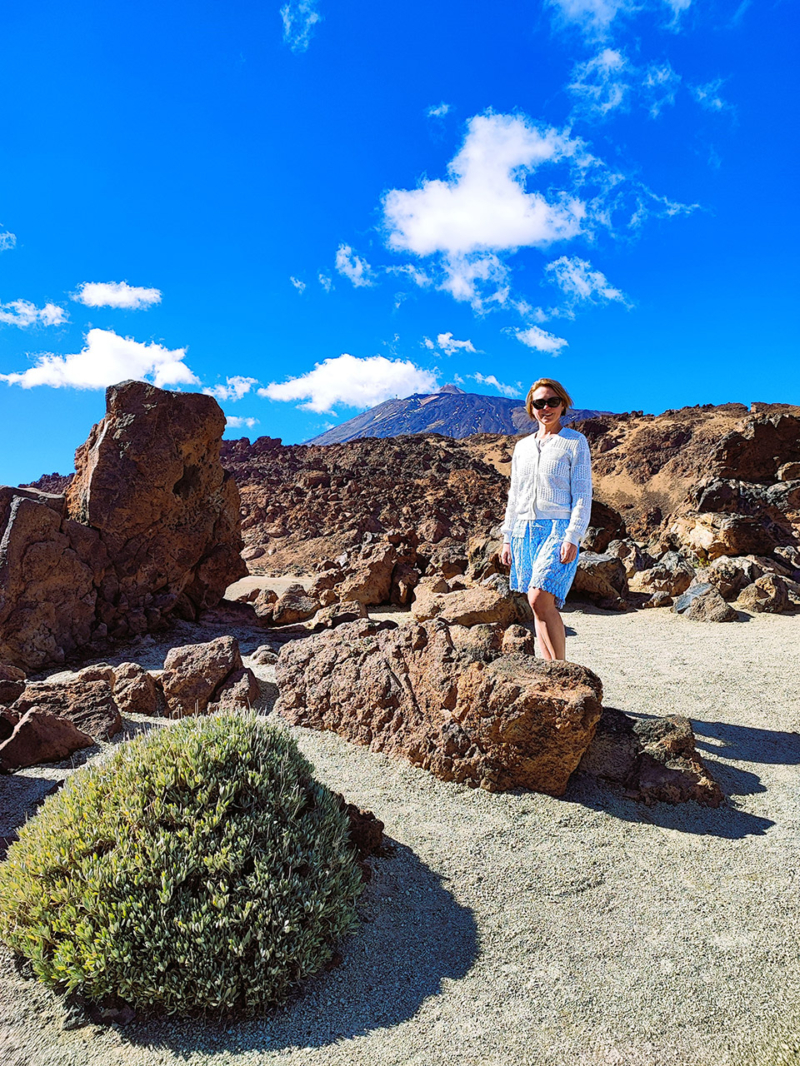
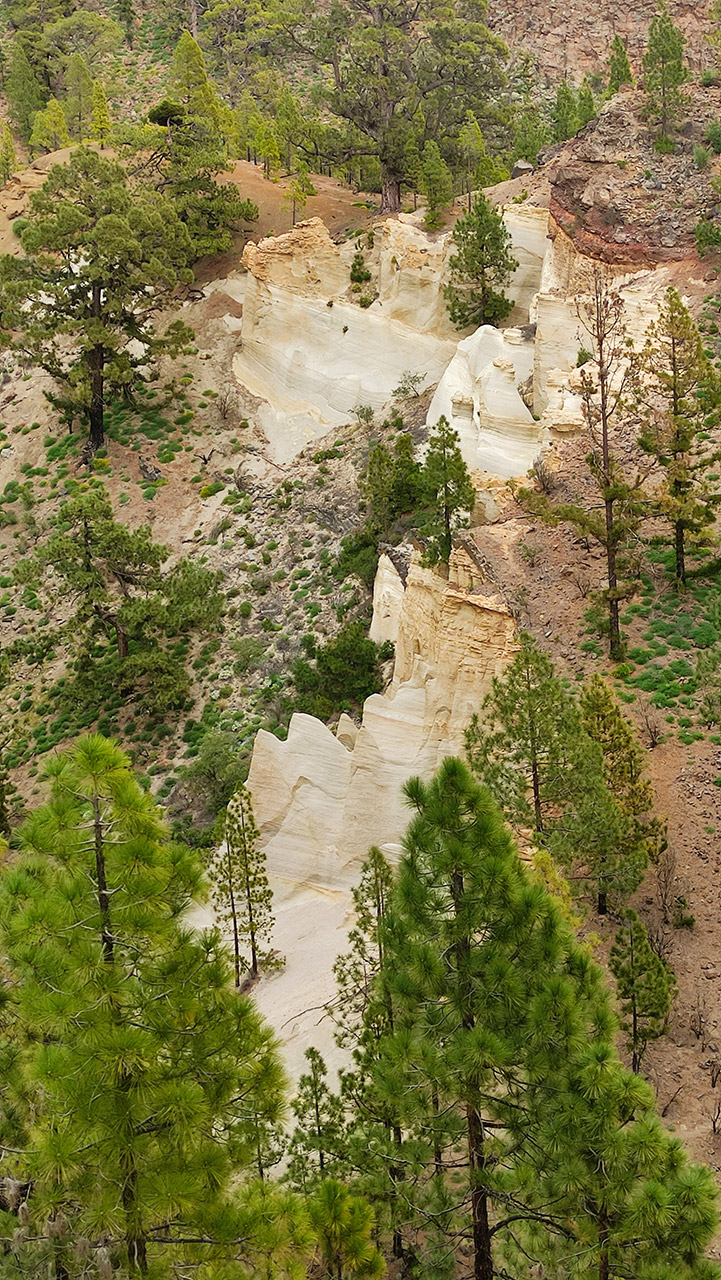
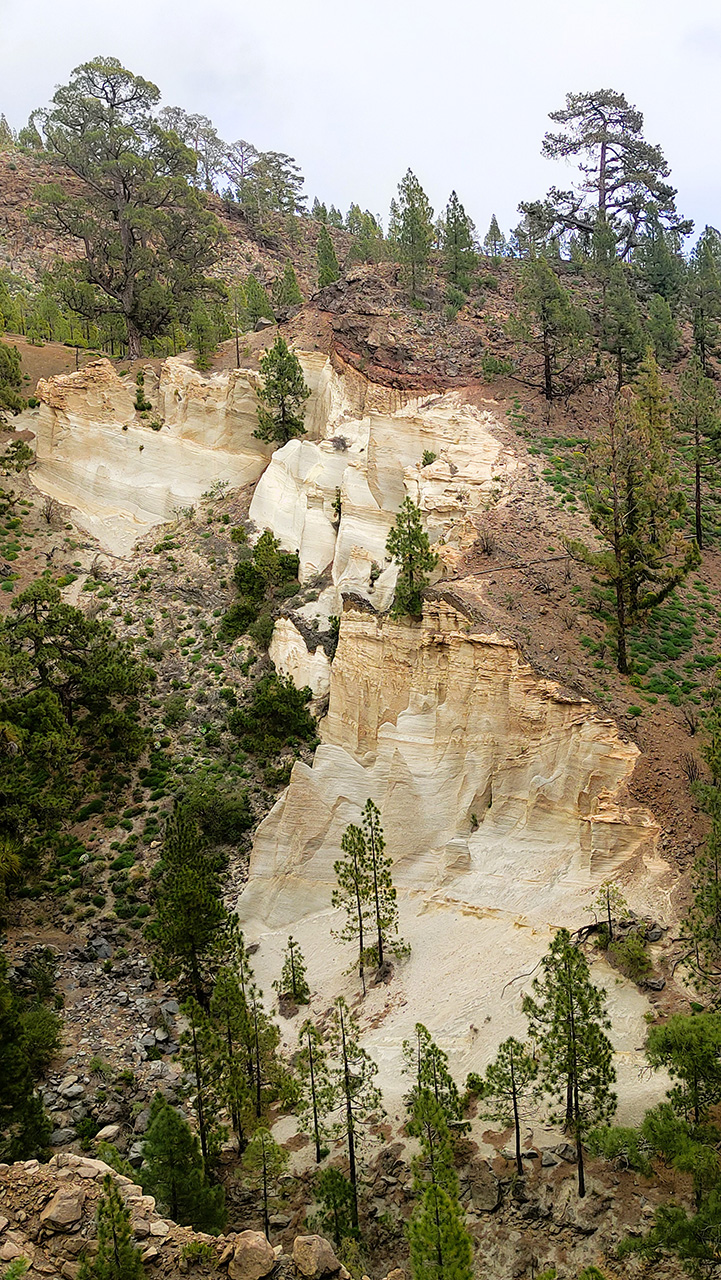
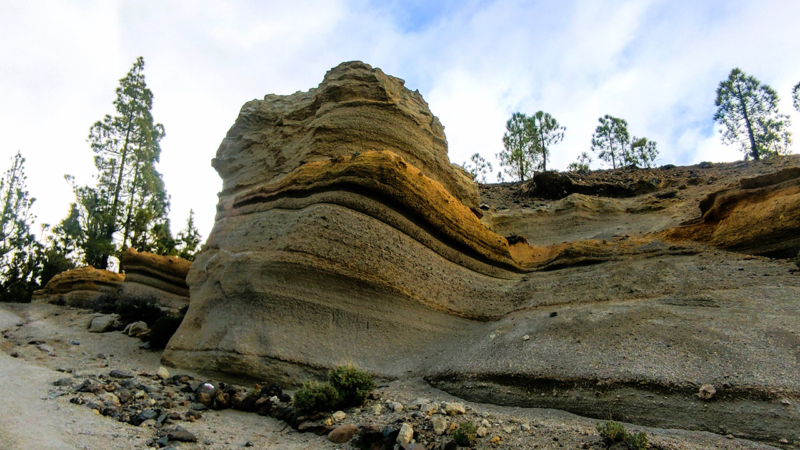
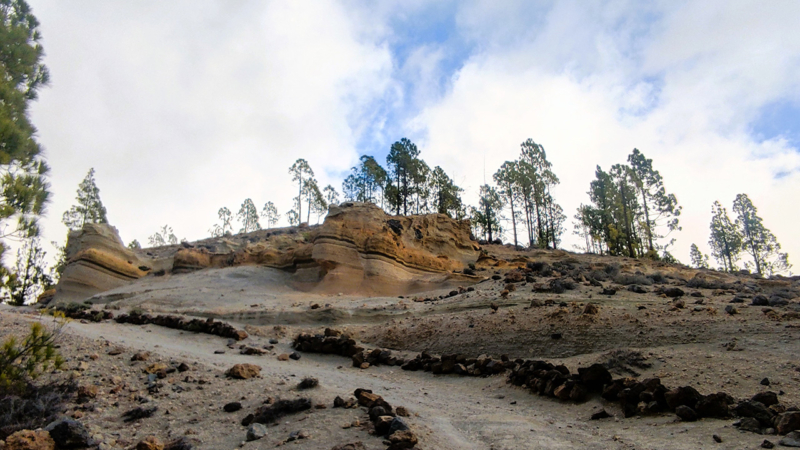
Lunar landscape Paisaje Lunar ( PR-TF 72 )

We started this trail in 2023 already at sunset, and if we had hesitated a little along the way, we would have had to use our headlamps on the way back. In the morning we visited Loro Park, and then we arrived in Viaflor, where we checked into an old mansion built in the nineteenth century in the very center of the city. The trail starts directly from the main square, the historical center of the town of Vilaflor. This route stands out as one of the most beautiful in the Corona Forestal Natural Park due to the rock formations from which it takes its name and the wonderful views of the Mirador de Los Escurriales that leave tourists speechless.


AllTrails gives this trail 13.5 km of average difficulty and a completion time of 4 hours 40 minutes. I’m running out of time, but I decide to walk the trail anyway. Who knows, maybe I’ll never come to Tenerife again. Therefore, we decide to take warm clothes and flashlights if the darkness covers us.


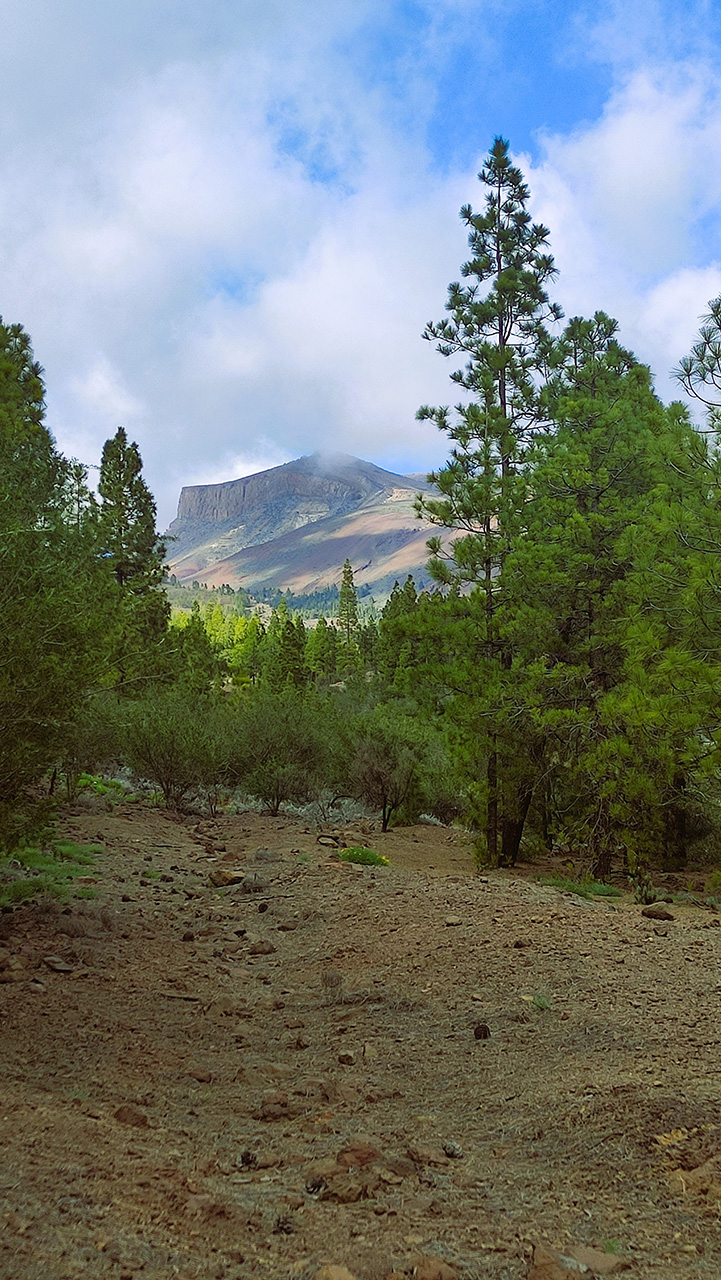
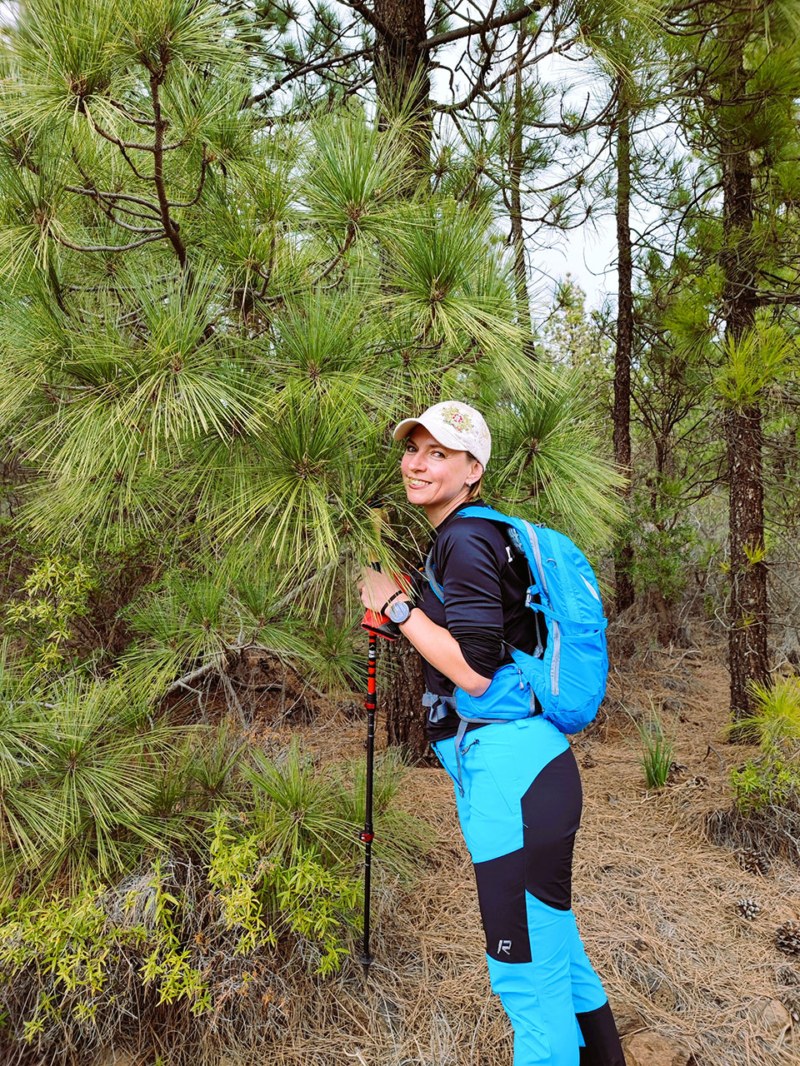
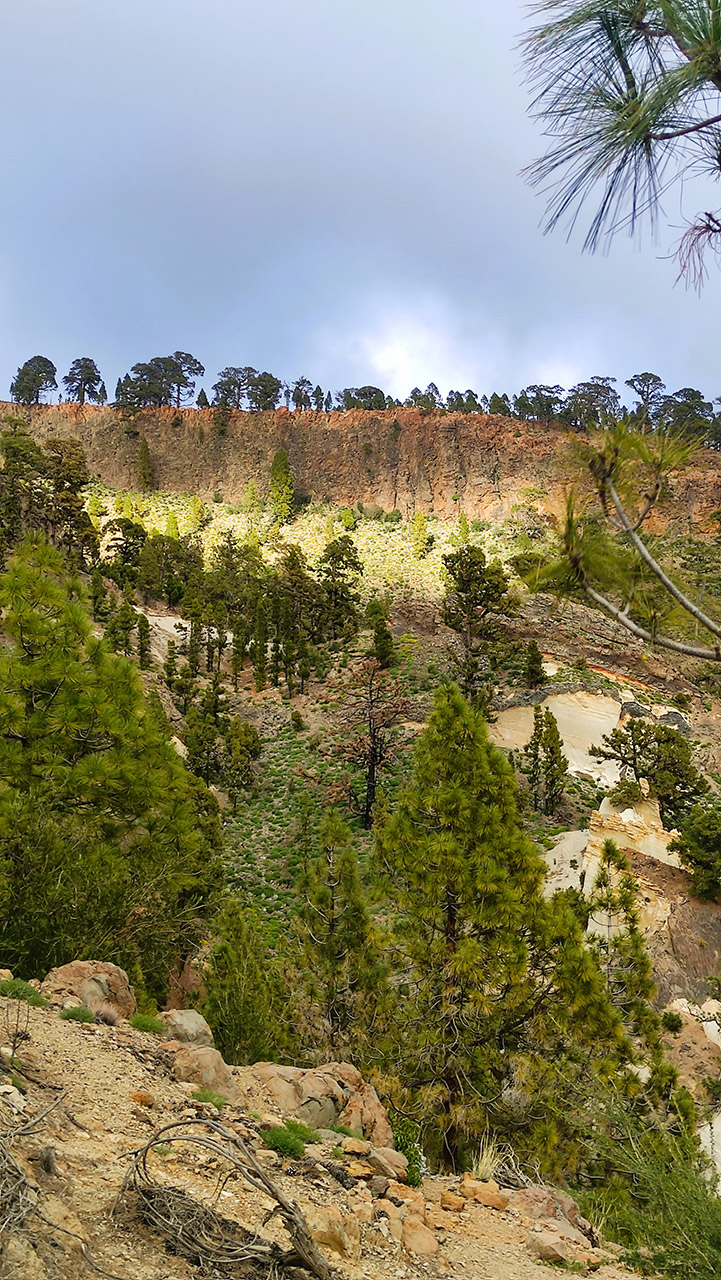
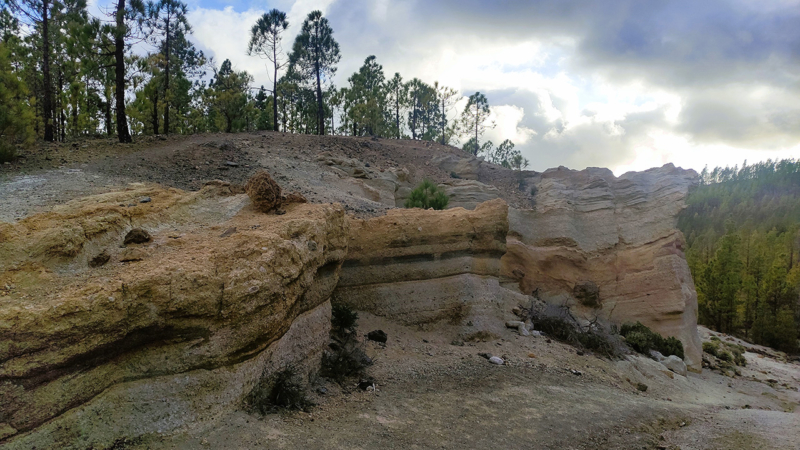
The trail itself may seem boring, but I love southern pines – fragrant and with huge needles. These are the ones here in the vicinity of Viaflor at an altitude of 1500 – 2000m. The lunar landscape itself is good, but not very photogenic. But trust me, it was worth the trail and the 770m elevation gain. I managed to run it in 3 hours and 15 minutes and met the sunset on the threshold of the hotel.

What else to do in Tenerife

Of course, in addition to the natural beauties of the island that I love so much, and the beaches of the southern coast, which I have never explored, there is something to do on the island.

For example, Loro Parque Zoo. I have been to better ones, but for Europe it is a real pearl!


Or the Siam Park water park, which has been recognized as the best in the world for several years in a row. Ticket prices are 42/30 euros per adult/child. But on both sites you can purchase a combo ticket to both of these places at a big discount. I liked both of these activities, but personally, on my second visit, it was much more interesting for me to walk along the Anaga or Teno trails than to return to the water park.

Where to live

If you’re heading to the beach and want guaranteed sunshine, Las Americas Beach and the resort town of Los Cristianos are your best bet.

When traveling to Teide, many people stop at Vilaflor, where it can drop to 0 at night, and during the day you can swelter in the heat.


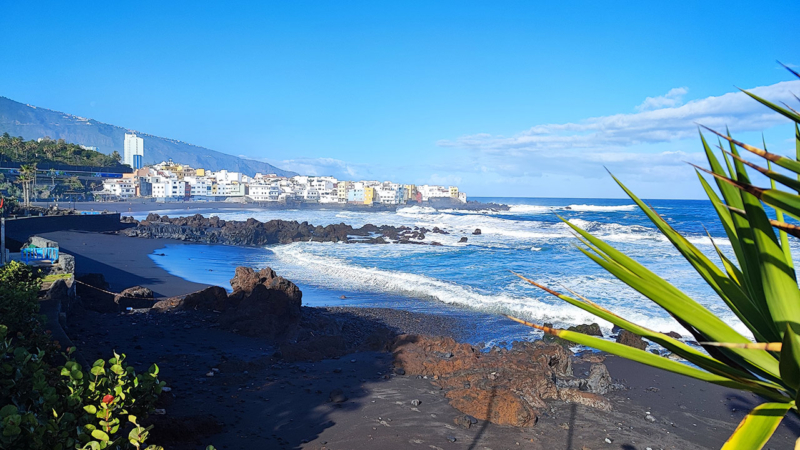
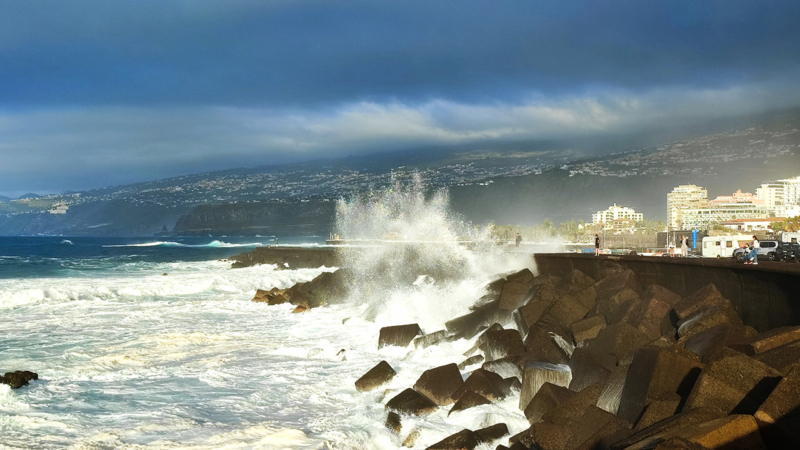
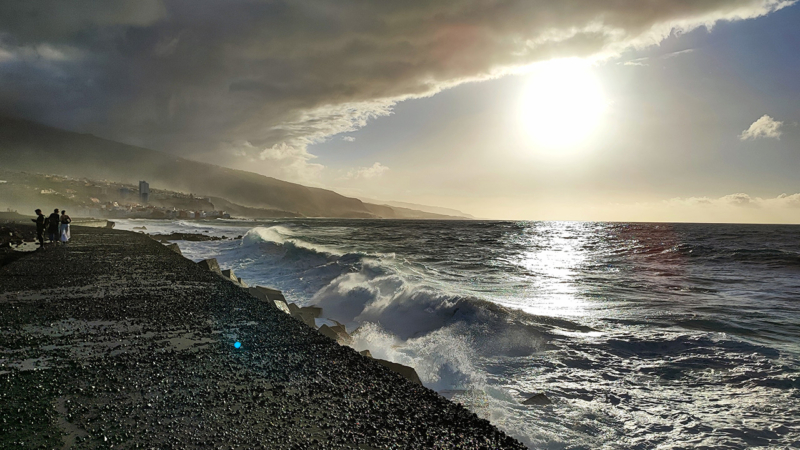
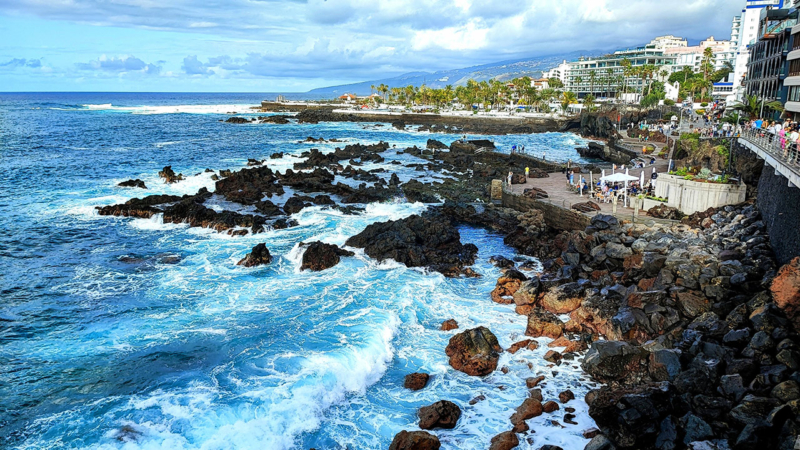
In 2023 we spent the night in 5 different towns, closer to the start of the trails. In 2024, we stopped in the already familiar northern city of Puerto de la Cruz, from where it was approximately the same to get to Teno and Anaga, about 1 hour. Here in the north, it’s cool in the evenings, beaches with black volcanic sand and often huge waves. So in 2024 there was such a storm that not only swimming, but even going to the beach was prohibited.


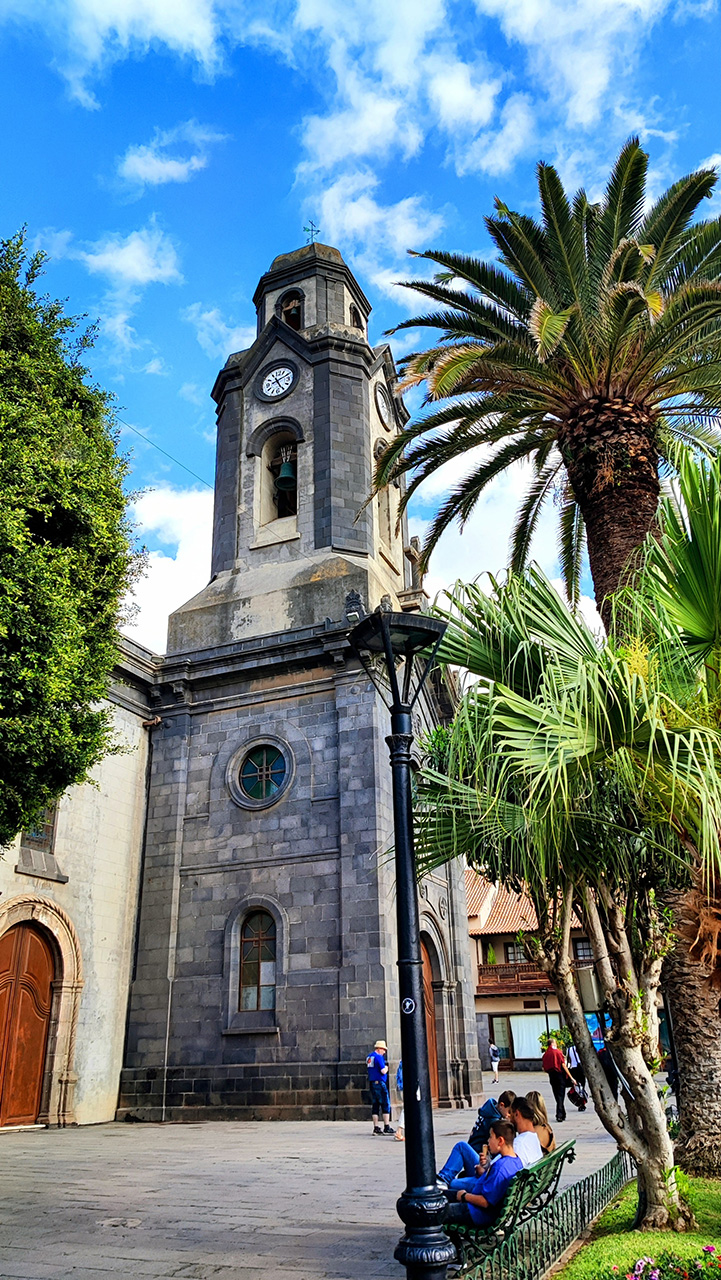
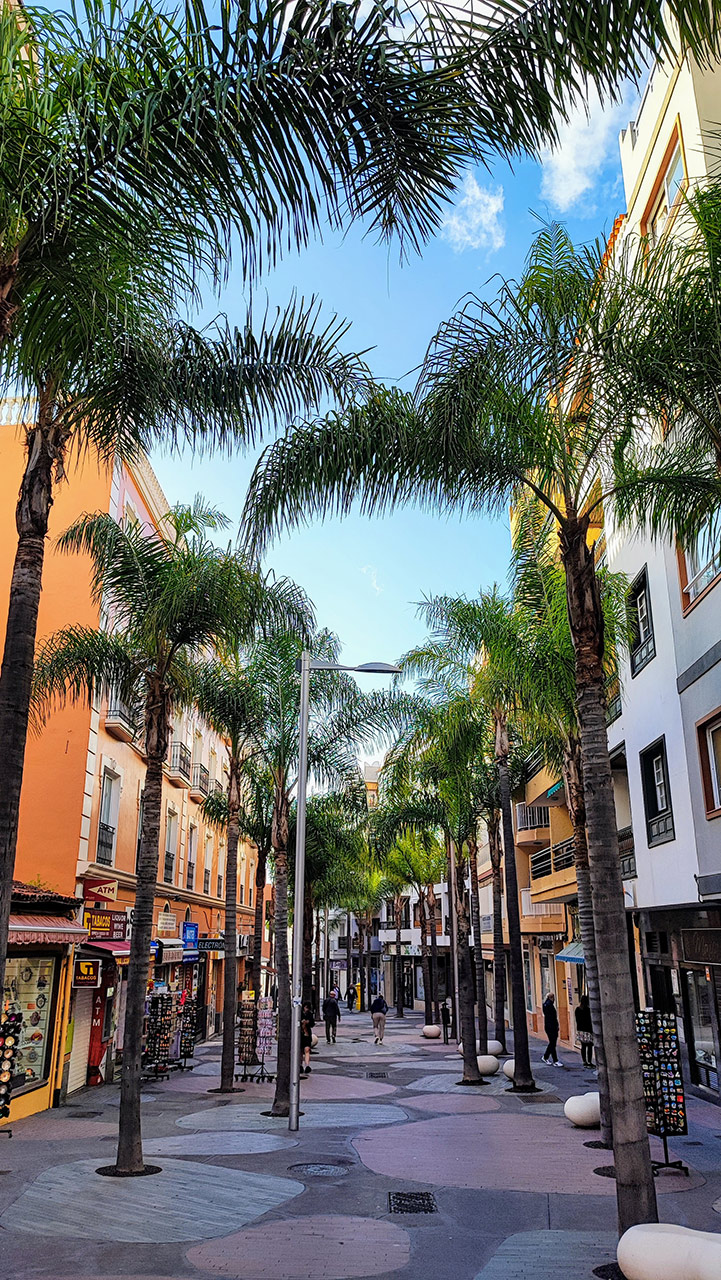
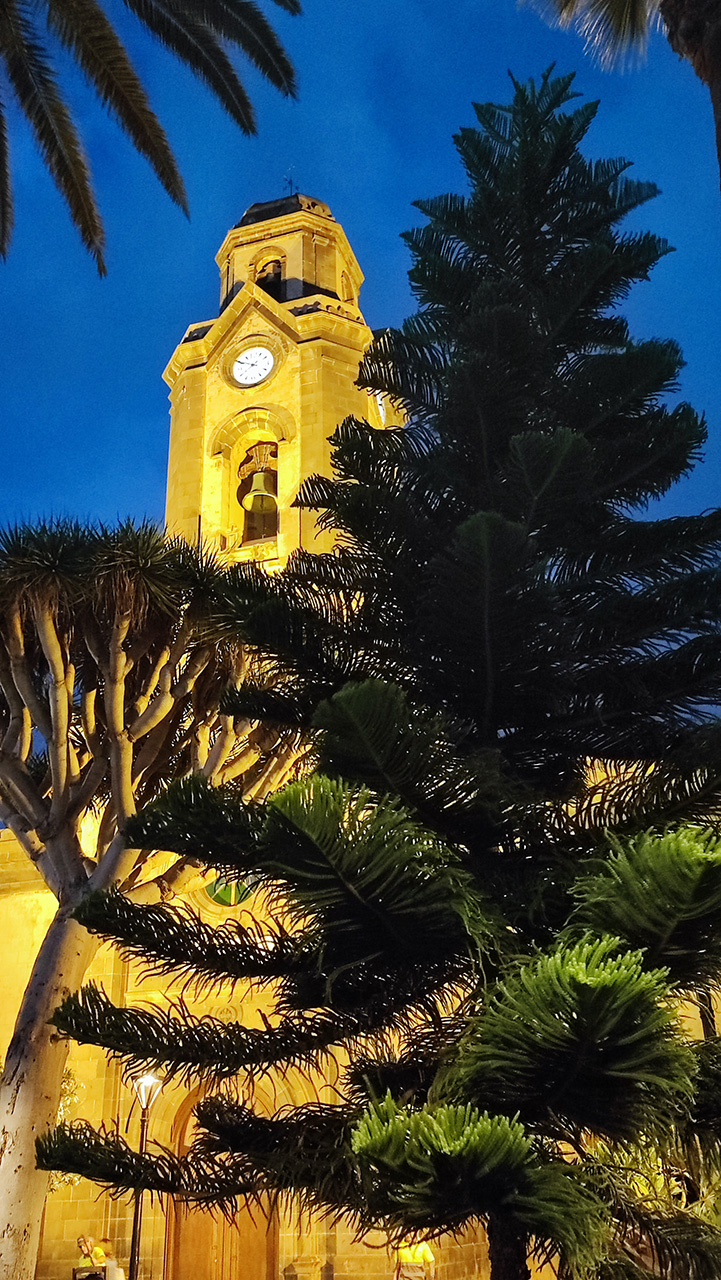
Below are some photos from Puerto de la Cruz. And also the wonderful small town of Chio, from where it is easy to get to Teno Park and the Masca Valley, we were here in 2023.

You can leave your comments on this story in my blog 

sign up for the newsletter

Fill this form if you want to be informed 

about the new publications in my blog.

Spread the love